
一带一路

Search documents
重庆港涨0.37%,成交额7180.02万元,今日主力净流入-470.51万
Xin Lang Cai Jing· 2026-02-11 07:23
Core Viewpoint - The company, Chongqing Port, is strategically positioned within major national initiatives such as the Belt and Road Initiative and the Yangtze River Economic Belt, focusing on multi-modal logistics and port operations to enhance its market presence and operational efficiency [2][3]. Company Overview - Chongqing Port Co., Ltd. was established on January 8, 1999, and listed on July 31, 2000. Its main business includes port terminal loading, warehousing, and multi-modal transportation logistics [7]. - The company's revenue composition includes 67.46% from commodity trading, 27.86% from loading, logistics, and freight agency services, with inter-segment eliminations accounting for 4.68% [7]. - As of September 30, 2025, the company reported a revenue of 3.281 billion yuan, a year-on-year decrease of 5.10%, and a net profit attributable to shareholders of 48.1743 million yuan, down 35.43% year-on-year [7]. Market Position and Strategy - The company leverages its port facilities to integrate various logistics resources, including warehousing, shipping, rail, and road transport, while actively expanding its trade logistics and supply chain logistics businesses [2]. - Chongqing Port is a state-owned enterprise controlled by the Chongqing State-owned Assets Supervision and Administration Commission, positioning it favorably within the national economic framework [3]. Financial Performance - The company has distributed a total of 799 million yuan in dividends since its A-share listing, with 148 million yuan distributed over the past three years [8]. - As of September 30, 2025, the number of shareholders decreased by 18.29% to 36,000, while the average circulating shares per person increased by 22.38% to 32,941 shares [7]. Technical Analysis - The average trading cost of the stock is 5.62 yuan, with the current stock price approaching a resistance level of 5.51 yuan, indicating potential for upward movement if this resistance is breached [6].

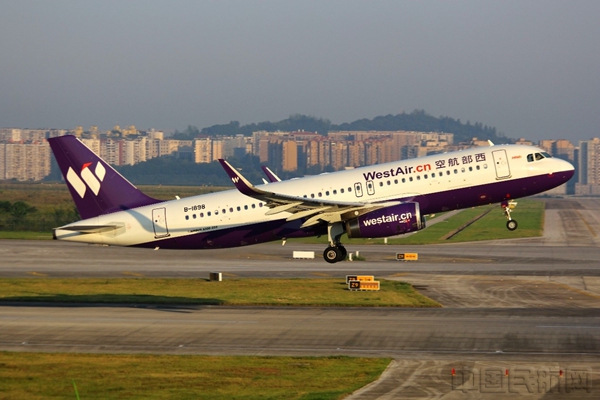
新海航西部航空开通太原经重庆至清迈航线 每周三班助力中泰往来
Zhong Guo Min Hang Wang· 2026-02-11 06:25
中国民航网讯:为持续完善航线网络布局,加强中国中北部地区与东南亚之间的交通连接,新海航西部 航空计划自2026年3月29日起,正式开通太原经重庆至清迈的往返航线。该航线将成为山西省首条经由 重庆中转直飞泰国清迈的定期航班,进一步拓宽华北、西南地区游客前往泰北的空中通道,为旅客探 亲、旅游及商贸交流提供更多便利。 注:航班信息或发生变化请以实际查询为准。以上时刻均为当地时间。(本文图片均由西部航空提供) 清迈素有"泰北玫瑰"之称,以其深厚的历史底蕴、独特的文化氛围和优美的自然景观,成为越来越多中 国游客向往的目的地。该航线的开通不仅丰富了华北地区旅客出境游的选择,也进一步强化了重庆作为 西南航空枢纽的连接功能,有助于推动中泰两国在旅游、文化等领域的互动合作。 此次开通的航班号为PN6595/PN6596,每周三、五、日执飞。具体时刻安排如下:去程PN6595于06:35 从太原起飞,08:45抵达重庆;经停后于09:50自重庆起飞,当地时间11:10到达清迈。回程PN6596于当 地时间12:10从清迈起飞,15:40抵达重庆,随后于17:10由重庆起飞,19:00返回太原。 西部航空近年来持续拓展东南亚航线网 ...

年货班列驰山海 万里春风暖万家
Xin Lang Cai Jing· 2026-02-11 06:25
Core Viewpoint - The Western Land-Sea New Corridor's New Year goods trains are enhancing logistics efficiency and connecting domestic and international markets, reflecting China's commitment to open development and mutual benefit [1][2][3] Group 1: Logistics Efficiency - The New Year goods trains enable rapid customs clearance, achieving a 3-hour processing time and seamless transfer from ship to truck, with a total delivery time of 72 hours to inland areas [1] - The volume of goods transported via the corridor is projected to reach 1.425 million TEUs by 2025, representing a growth of approximately 420 times since its inception [1] - The corridor currently handles over 1,300 types of goods, serving 18 provinces and reaching 584 ports in 127 countries and regions [1] Group 2: Economic Development - The New Year goods trains serve as a vital economic corridor, reducing logistics costs by 28% and facilitating the formation of an industrial chain that connects overseas raw materials with domestic processing [2] - Local products such as Gansu onions, Chongqing lemons, and Guizhou tea are being exported, while products like Liuzhou snail noodles are reaching over 30 countries and regions [2] - The corridor promotes a dual circulation model, enhancing regional economic vitality and transforming inland areas into open frontiers [2] Group 3: Historical and Future Context - The initiative reflects a historical continuity of connectivity from the ancient Silk Road to the modern steel corridor, emphasizing the spirit of cooperation and mutual benefit [2] - The corridor is a strategic move for the development of the western region and a practical implementation of the high-quality Belt and Road Initiative [2] - The New Year goods trains symbolize the aspirations for family reunions, industrial prosperity, and national rejuvenation, contributing to a new chapter in China's modernization path [3]
中国社会科学院第十二届优秀科研成果奖发布
Jing Ji Guan Cha Wang· 2026-02-11 05:12
经济观察报 记者 宋馥李 "作为一项新生事物,'一带一路'既不同于现有的区域合作机制,也不同于现有的多边合作机制。"院奖 二等奖获奖成果《"一带一路"的经济学分析》作者、中国社会科学院学部委员李向阳表示,该书运用经 济学的方法对"一带一路"基本问题进行理论分析,系统阐述"一带一路"发展导向,并对其作出学理化定 义,即以发展为导向的新型区域经济合作机制。 二等奖获奖成果《青藏高原丝绸之路的考古学研究》通过对整个青藏高原近年来所见的大量考古新材料 进行全面搜集、系统分析和深入解读,提出并论证了"青藏高原丝绸之路"这一概念。该书作者、考古研 究所研究员仝涛谈到,正是通过对青藏高原丝绸之路的开发与利用,汉藏民族及其他高原民族实现了经 济与文化的相互依存、互通有无,逐步凝聚为不可分割的整体,最终成为中华文明多元一体格局中不可 或缺的有机组成部分。 据介绍,优秀科研成果奖是中国社会科学院设立的最高学术成果奖项,自1993年设立以来,每三年评选 一次,是检阅和展示全院科研实力水平的重要平台。此次评奖工作共评选出院奖获奖成果96项,青年奖 获奖成果18项。青年优秀科研成果奖为首次评选。 中国社会科学院副院长赵芮在致辞时说,优 ...
“一带一路”能源投资前景展望 ——中国“一带一路”能源投资报告(2025)⑨
Zhong Guo Dian Li Bao· 2026-02-11 03:37
Core Viewpoint - China's energy investment in Belt and Road Initiative (BRI) countries is evolving towards green transformation, inclusivity, intelligent upgrades, and systematic risk management, aiming to become a stabilizer for global energy transition and a connector for common development [1] Group 1: Investment Focus on Low-Carbon Fields - China is leveraging its technological innovation and cost advantages in solar and wind energy to drive global energy transition, with a commitment to implement new projects of "10 million kilowatts of solar" and "10 million kilowatts of wind" in collaboration with other Shanghai Cooperation Organization (SCO) countries over the next five years [2] - The complete green energy industry chain established by China, from core component production to project operation, enables it to provide integrated solutions for BRI countries, aligning with their economic capabilities [2] - The demand for renewable energy is expected to grow significantly, with Wood Mackenzie estimating that the installed capacity for wind and solar power in Pakistan, Indonesia, Vietnam, Saudi Arabia, and Malaysia will reach 120 gigawatts, requiring an investment of $73 billion [2] Group 2: Emphasis on Inclusive Investment Projects - Approximately 730 million people globally lack access to electricity, highlighting the urgent need for energy transition and international cooperation [3] - Chinese enterprises are shifting energy cooperation from infrastructure output to development empowerment, providing cost-effective and tailored energy solutions for developing countries [3] - Projects like the wind power initiatives in South Africa and Kazakhstan not only address local electricity shortages but also promote local development through talent training and community support [3] Group 3: Efficiency Enhancement through Technological Innovation - Technological innovation is becoming the core competitive advantage in BRI energy investments, with AI and digital technologies significantly improving project efficiency and reducing costs by 15% to 30% [4] - Chinese companies are applying AI and big data in overseas projects, achieving notable efficiency gains, and continuously making breakthroughs in solar and wind energy technologies [4] - The internationalization of Chinese renewable energy standards is accelerating, enhancing compatibility and interconnectivity of regional equipment [4] Group 4: Risk Governance Covering the Entire Lifecycle - As the scale and complexity of BRI energy investments increase, there is a growing emphasis on systematic risk management throughout the project lifecycle [5][6] - Chinese enterprises have developed effective risk management mechanisms, including thorough feasibility studies and compliance management to ensure adherence to local laws and international standards [6] - The approach to risk management is evolving from traditional project-level strategies to a more systematic and networked governance model, requiring collaboration among governments and stakeholders to build resilient risk governance networks [6]
2025年中国进口棉花数量创近五年最低
Xin Lang Cai Jing· 2026-02-11 03:21
【导语】2025年秋播大蒜种植时间受到持续降雨的影响,苗情优劣差异明显。市场普遍认为2026年产新 大蒜单产下降,看涨情绪推升25年9月下旬-10月上旬、26年1月10日-19日的涨价行情。国内商品蒜的种 植主要分布于北方蒜区,面积、产量、库存等是大蒜市场行情发展的主要驱动因素,但生长过程中苗情 发生的变化易对未来的供应量形成某种预期,因此研究气候对大蒜的生长发育情况的影响对产业发展具 有重要意义。 2025年棉花进口量创最低 热点栏目 自选股 数据中心 行情中心 资金流向 模拟交易 客户端 卓创资讯棉花市场资深分析师高飞堂 近五年,除2024年外中国进口棉花数量呈现下降趋势。棉花进口实行配额制,并受终端纺织品外贸出口 量影响。近五年,国内棉纺织品服装出口阻力重重,全球供应链稳定性失衡,中国纺织品出口结构悄然 改变,一带一路及区域全面经济伙伴关系协定(RCEP)带动新增市场需求提升,而欧美传统消费市场 需求占比下滑,制约出口企业对进口棉需求。 2024年上半年,部分中间商适逢国外棉花船货价格低位,积极确定远期进口棉订单,加之下半年部分纺 企担忧特朗普上任后进口棉花关税或提升,提前储备进口原料,促使2024年进 ...

新加坡前外长杨荣文:在多极世界中重识亚洲文明的力量
Ren Min Wang· 2026-02-11 02:01
责编:李磊、王瑞景 如何理解亚洲价值观?中国式现代化的世界启示是什么?怎样理解共建"一带一路"的历史意义?一起听 听新加坡前外长杨荣文的解读。 0:00 ...
(新春走基层)新疆红其拉甫口岸:极寒天气保国门畅通
Zhong Guo Xin Wen Wang· 2026-02-11 01:55
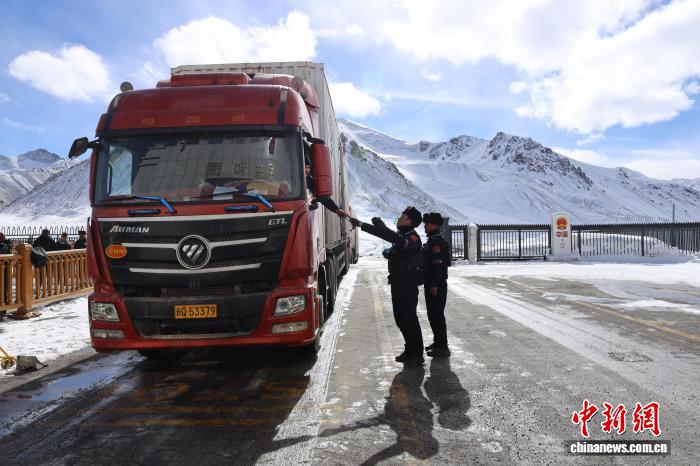
为缩短车辆在寒冷环境下的候检时间,边检站科学调配警力,实施"高峰疏导线""分类验放"等通关举 措,开设"鲜活绿色通道",对急需通关的物资实行"随到随检",最大限度提升通关效率。 今年是执勤一队副队长张磊在红其拉甫工作的第22个年头。由于长期在高寒缺氧地区工作,他的心脏出 现了心肌缺血,膝关节也因冻伤而变形。每当家人劝他调换工作时,他总是说:"总要有人守在这里, 我不守谁守?" "再过几天就是春节了,谁不想回家团圆?"在执勤间隙,工作第二年的民警陈啸林说,虽不能陪在父母 妻儿身边,但大家深知,守住国门就是守住万家灯火的安宁。 中新网新疆塔县2月10日电 (张楠)海拔5000多米的新疆红其拉甫口岸,冬季气温常年在零下30摄氏度以 下,极端时逼近零下40摄氏度。春节临近,驻守在这里的新疆边检总站红其拉甫边检站民警们在严寒中 坚守国门一线,全力确保口岸通关安全顺畅。 "你好,请出示证件。"2月9日上午,室外气温低至零下38摄氏度,边检站执勤一队民警王峰像往常一 样,站在红其拉甫国门下查验货车司机通关手续。尽管穿着厚重的防寒服,裹着两层护膝,但在户外待 了不到半小时,他的眉毛和睫毛上已结了一层厚厚的白霜,呼出的热气在面 ...
农行山西分行与进出口银行山西分行签署战略合作协议
Sou Hu Cai Jing· 2026-02-11 01:09
根据协议,此次签约双方将充分发挥各自优势,坚决做好"两重""两新"和"五篇大文章"等领域金融供 给,大力支持山西省能源转型和产业升级,服务扩大内需和国内统一大市场建设。 在服务乡村振兴上,双方将持续深化在粮食安全、乡村产业、脱贫攻坚、特、优农业"走出去"等方面的 合作。紧密配合山西省"一带一路"大商圈重要节点和综合交通枢纽建设,双方共同支持稳外贸、稳外 资,拓展国际结算、涉外担保和贸易融资等方面的国际业务合作,服务山西省打造内陆地区对外开放新 高地。 2026年是"十五五"开局之年,也是山西省加快转型发展、基本实现社会主义现代化的重要窗口期。双方 通过此次战略合作协议的签署切实将各项措施转化为攻坚实效,共同为中国式现代化山西实践贡献金融 力量。 山西晚报·山河+讯(记者 张珍 通讯员 梁晨霄)2月10日,农业银行山西分行与中国进出口银行山 西省分行签署全面业务合作协议。双方将围绕国际经济合作、贸易金融、资金业务、代理业务、"五篇 大文章"等多个领域加强交流与合作,共同服务山西经济社会高质量发展。 山西晚报·山河+讯(记者 张珍 通讯员 梁晨霄)2月10日,农业银行山西分行与中国进出口银行山 西省分行签署全面业 ...

金轩:以更开放的姿态为全球发展带来广阔机遇
Ren Min Ri Bao· 2026-02-11 01:01
Group 1: Core Insights - China's commitment to high-level opening up is a strategic choice based on development needs and aims to benefit global economic cooperation [1] - The World Bank, IMF, and UNCTAD leaders indicate that China's 14th Five-Year Plan will provide valuable certainty and strong momentum for the global economy [1] - By 2025, China's import scale is expected to reach 18.48 trillion yuan, maintaining a 10% share of global imports, making it the second-largest import market for 17 consecutive years [1] Group 2: Market Opportunities - China will implement zero-tariff treatment for 100% of products from least developed countries with diplomatic relations, covering approximately 1.9 billion people, or nearly a quarter of the global population [1] - Imports from these economies are projected to exceed $140 billion by 2025, effectively promoting local economic growth and improving livelihoods [1] - China aims to continuously expand the import of high-quality goods and services, leveraging both domestic and international markets [1] Group 3: Supply Chain Stability - China is deeply integrated into global industrial division, contributing to the stability of global supply chains [2] - The negative list for foreign investment access has been significantly reduced, with the manufacturing sector achieving a "zero" negative list [2] - By 2025, over 70,000 new foreign-invested enterprises are expected to be established, with a 19.1% year-on-year growth [2] Group 4: Economic Globalization - China is advancing institutional opening and aligning with international high-standard trade rules, expanding openness in goods, services, capital, and labor markets [3] - China has signed 24 free trade agreements with 31 countries and regions, with trade with free trade partners expected to exceed 20 trillion yuan by 2025 [3] - The establishment of 22 pilot free trade zones has led to the promotion of 485 institutional innovation achievements [3] Group 5: Belt and Road Initiative - The Belt and Road Initiative has become the largest international economic cooperation platform globally, with over 150 countries and 30 international organizations involved [4] - Key projects like the Mombasa-Nairobi Railway and the China-Laos Railway have been completed, with over 120,000 China-Europe freight trains operated [4] - Future efforts will focus on deepening cooperation in traditional and emerging fields, enhancing infrastructure connectivity, and promoting high-quality Belt and Road construction [4]