
辅助驾驶

Search documents
特斯拉排第一,懂车帝“不懂车”?
首席商业评论· 2025-07-29 06:44
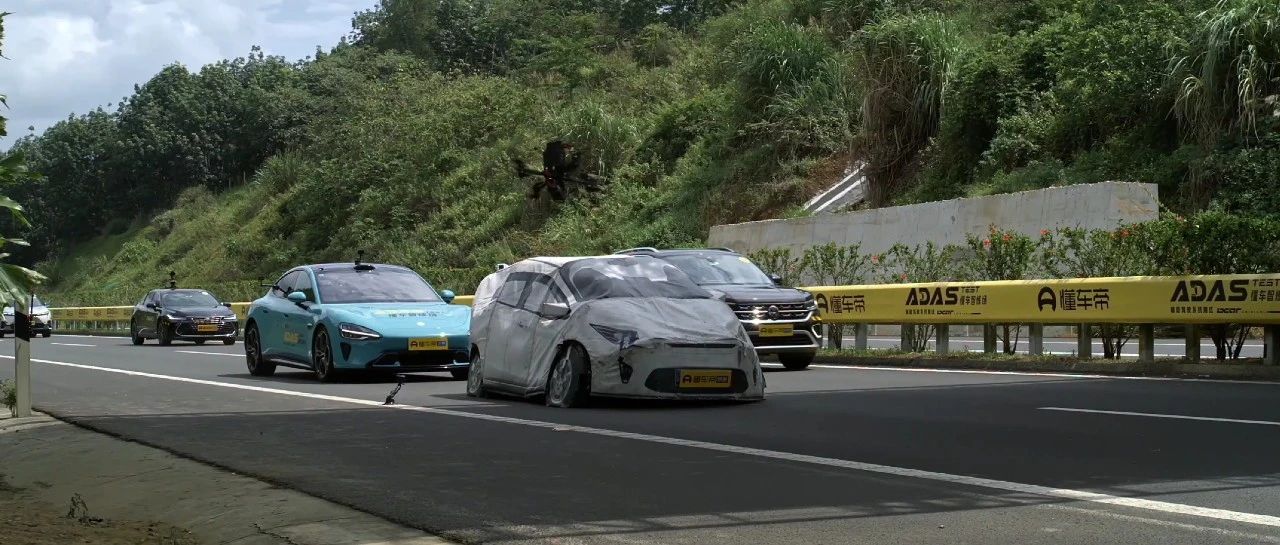
Core Viewpoint - The article emphasizes the need for serious evaluation in the automotive industry, particularly regarding autonomous driving technologies, contrasting it with the more superficial engagement seen in fan culture [1]. Group 1: Testing and Results - A large-scale test conducted by Dongche Di evaluated over 40 models from popular brands, including Tesla, in various high-risk driving scenarios [3][5]. - None of the tested vehicles achieved zero errors in both highway and urban scenarios, with a significant performance gap observed between domestic brands and Tesla [5][10]. - Tesla's Model 3 and Model X achieved the highest scores, passing 5 out of 6 scenarios, while many domestic models failed to pass any [5][10]. Group 2: Industry Reactions - The test results sparked significant public discourse, with terms like "domestic autonomous driving collective failure" trending, yet the automotive industry largely remained silent or suggested setting national standards [10][11]. - The official endorsement of the test by entities like CCTV and the Ministry of Public Security added weight to the findings, emphasizing that current systems do not possess true "autonomous driving" capabilities [13][15]. Group 3: Testing Methodology and Concerns - The test included extreme scenarios such as "disappearing front vehicles" and "nighttime construction zone avoidance," with only 14% success in the former [17][19]. - Critics raised concerns about the variability in testing conditions, questioning the fairness of comparisons between different models [22][24]. - The article suggests that the testing methodology, while revealing industry weaknesses, may not fully represent the stability of the systems under real-world conditions [24][25]. Group 4: Future Standards and Regulations - The article discusses the potential for new industry standards, such as "failure backup capability," to be established, which could address the shortcomings revealed in the tests [26][30]. - The C-NCAP plans to introduce new evaluation criteria by 2025, focusing on sensor effectiveness and system decision-making resilience [26]. Group 5: Public Perception and Media Influence - The article highlights the emotional responses from consumers and the media's role in shaping perceptions of brands like Tesla and domestic manufacturers [27][29]. - It suggests that the competitive nature of testing and the resulting media coverage can lead to polarized opinions and misunderstandings among consumers [27][39]. Group 6: Conclusion and Recommendations - The article advocates for more rigorous and transparent testing practices in the automotive industry to foster genuine improvements and consumer trust [40][41].


为了i8能赢,理想先和供应链打了三场硬仗
3 6 Ke· 2025-07-28 18:01
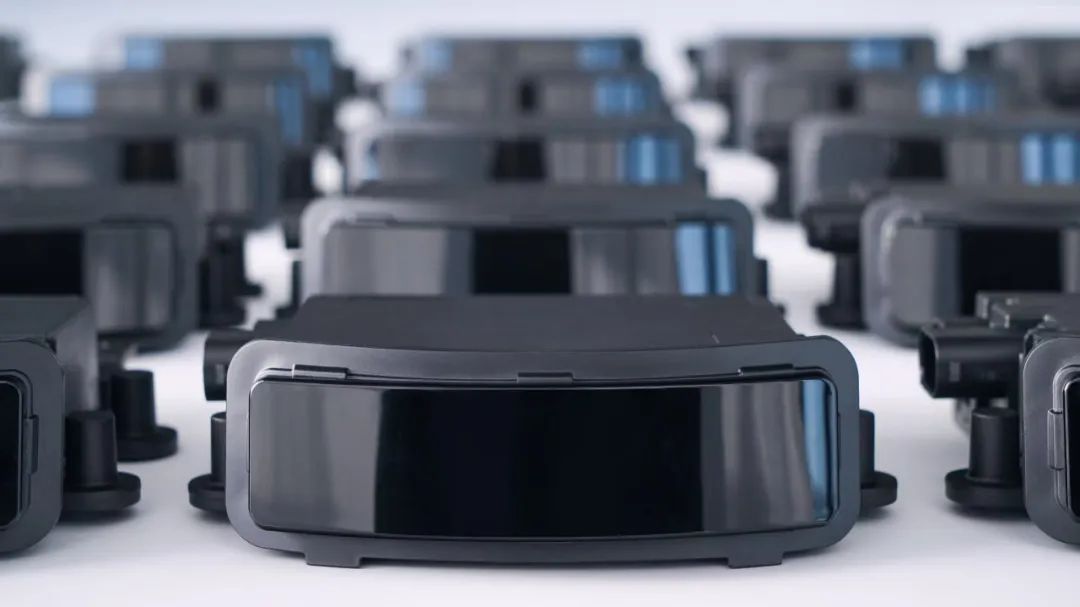
Core Insights - The article discusses the launch of the Li Auto i8, a new six-seat pure electric SUV priced between 350,000 to 400,000 yuan, which aims to establish a new growth point for the company as it transitions from range-extended vehicles to pure electric models [1][2]. Group 1: Product Features and Specifications - The i8 is built on an 800V high-voltage platform and offers two battery options: 90.1 kWh and 97.8 kWh, providing CLTC ranges of 670 km and 720 km respectively, with a maximum energy consumption of 14.8 kWh per 100 km [1]. - The vehicle will feature Li Auto's self-developed Mind VLA driver assistance architecture and will be equipped with Hesai ATL LiDAR for safety redundancy [5][6]. - The i8 incorporates a silicon carbide motor, which helps maintain energy consumption between 14.6 kWh/100 km and 14.8 kWh/100 km, and offers improved space utilization by freeing up 24 mm of longitudinal space in the third row [14][15]. Group 2: Competitive Landscape - The i8 faces stiff competition in the large six-seat pure electric SUV market, particularly from models like the extended Model Y and the L90, which are priced significantly lower [3][4]. - To differentiate itself, Li Auto plans to enhance its intelligent driving capabilities and address the challenges of range and charging speed through innovations like 5C ultra-fast charging technology [4][22]. Group 3: Supplier Collaboration and Innovation - Li Auto has established a unique co-creation mechanism with suppliers, such as Hesai Technology, to ensure that user-centric design principles are integrated into product development [13][14]. - The ATL LiDAR developed for the i8 has seen significant innovations, including a 60% reduction in size and a 55% decrease in power consumption while doubling performance compared to previous models [11]. - The collaboration with suppliers extends to the development of silicon carbide modules, which enhance efficiency and reduce energy loss, contributing to improved vehicle range [19][21]. Group 4: Battery Technology and Safety - The i8 features a 5C battery from CATL and Xinwanda, capable of charging to provide a range of 500 km in just 10 minutes, with enhanced safety measures through an inverted battery pack design [22][24]. - The design of the battery pack has been optimized for space utilization, allowing for a more compact structure that increases passenger space while maintaining safety standards [24][28]. Group 5: Quality Control and Data Utilization - Li Auto emphasizes proactive quality control by integrating supplier data into its systems to identify potential issues before they arise, contrasting with the reactive approaches of other manufacturers [30][32]. - The company has developed a deep understanding of supply chain management, particularly in the context of emerging technologies like silicon carbide, to ensure high-quality production standards [31][33].

40款车平均通过率不足36%,争议测试背后的自动驾驶迷局
21世纪经济报道· 2025-07-28 14:57
Core Viewpoint - The recent driving assistance test conducted by Dongche Di revealed that the average pass rate for nearly 40 vehicle models from over 20 brands was only 35.74%, highlighting significant safety concerns in the industry [2][3]. Group 1: Test Results and Implications - The test included 15 accident scenarios, with specific challenges in both highway and urban settings, showing that only 47% of vehicles could safely navigate construction scenarios and 58% could stop effectively for children unexpectedly crossing the road [2]. - Tesla's Model X and Model 3 outperformed other brands, successfully passing 5 out of 6 highway scenarios and 8 out of 9 urban scenarios [2]. - The results have sparked renewed discussions among car manufacturers regarding the safety of driving assistance technologies, with some executives acknowledging common technical bottlenecks in extreme scenarios [5][6]. Group 2: Industry Reactions - Various car manufacturers have expressed differing opinions on the test results, with some emphasizing the need for improved capabilities in high-speed evasion and recognition of non-standard obstacles [5][6]. - Tesla's CEO Elon Musk highlighted the company's achievement in the absence of local training data, while other companies refrained from commenting on the test [5][6]. - The test has also drawn criticism from netizens, questioning the validity of the results, which Dongche Di has defended by clarifying the testing methodology [6][7]. Group 3: Technological Challenges and Solutions - The industry faces significant challenges in enhancing vehicle perception systems, particularly in recognizing non-standard obstacles and adapting to complex driving environments [10][11]. - Solutions proposed include the integration of laser radar to improve near-field perception and the enhancement of computational power to better handle dynamic road conditions [11][12]. - The need for multi-dimensional visual fusion perception is emphasized to address the limitations of current sensor technologies, which struggle under adverse weather conditions and complex scenarios [12][13].
都市车界|实测结果惊人!近40款热门车型辅助驾驶遭遇“生死考验”
Qi Lu Wan Bao· 2025-07-28 07:04
Core Insights - The recent testing of nearly 40 popular vehicle models' advanced driver-assistance systems (ADAS) revealed significant shortcomings, particularly in extreme scenarios, sparking widespread discussion among netizens [1][2][3] Group 1: Testing Results - The testing conducted on 36 mainstream models involved 216 collision tests across 15 high-risk scenarios, with a pass rate of only 24% on highways and 44.2% in urban settings [1][2] - In specific tests, only 47% of vehicles successfully avoided a truck in a night construction zone, and 58% failed to stop for a child crossing the street [1][2] - Over 70% of models could not avoid collisions with stationary vehicles in the "disappearing front vehicle" test, highlighting the limitations of current L2-level ADAS in extreme conditions [2][3] Group 2: Industry Response - Responses from automakers varied, with Huawei's brands avoiding direct comments while emphasizing user engagement statistics, indirectly questioning the test's representativeness [4] - Tesla's CEO Musk claimed the company achieved the highest results in the tests despite lacking local training data, while the company's vice president downplayed the importance of rankings [6][8] - Li Auto's sales manager acknowledged the test as a reflection of industry-wide technical limitations in extreme scenarios [8] Group 3: Testing Methodology Controversies - The fairness of the testing methodology has been questioned, with discrepancies in testing conditions such as speed and following distances affecting results [11][12] - Allegations of human intervention during tests have emerged, particularly regarding the question of whether the steering wheel was forcibly corrected, impacting the outcome [12] - The design of certain test scenarios has also been criticized for exceeding the safety boundaries of L2 systems, raising concerns about the validity of the results [13][16] Group 4: Regulatory and Safety Implications - The testing has prompted a broader industry reflection on safety standards, with calls for mandatory inclusion of "failure mitigation capabilities" in industry standards [10][17] - A report indicated that over 80% of ADAS-related accidents occur during the day, suggesting a psychological blind spot for users in seemingly safe environments [17] - The Ministry of Public Security has reiterated that current ADAS systems do not equate to "autonomous driving," emphasizing the driver's legal responsibilities [19]
“懂车帝智驾安全实测”引争议,多家车企回应
财联社· 2025-07-26 01:20
Core Viewpoint - The article discusses the recent auxiliary driving simulation tests conducted by the automotive information platform Dongche Di, highlighting the performance of various car brands and the implications for safety and technology in the industry [1][2]. Group 1: Test Results and Industry Response - The simulation tests involved 15 scenarios using nearly 40 models from over 20 brands, revealing that only 47% of vehicles could safely navigate a construction site at night, and 58% could effectively stop for a child unexpectedly crossing the road [1]. - Tesla achieved the best results in the tests, with 15 out of 36 vehicles receiving a "0 pass" rating in the high-speed accident scenario simulation [2]. - Industry leaders, including Lantu and AITO, expressed concerns about the testing methods and the need for improved technology in recognizing non-standard obstacles [3][4]. Group 2: Safety and Regulatory Considerations - The article emphasizes that L2 level auxiliary driving is not equivalent to autonomous driving, and drivers remain the primary safety responsibility [1][5]. - The head of the Traffic Management Bureau highlighted that all current "smart driving" systems in the market are still in the auxiliary driving phase, requiring human control [5][6]. - There are calls for stricter industry standards, including mandatory "failure backup capabilities" and a focus on the "worst-case scenario pass rate" to enhance safety measures [4].
懂车帝最新测评火了!鸿蒙智行:不予置评!马斯克:“我们取得最高成绩”!
Zheng Quan Shi Bao· 2025-07-25 16:04
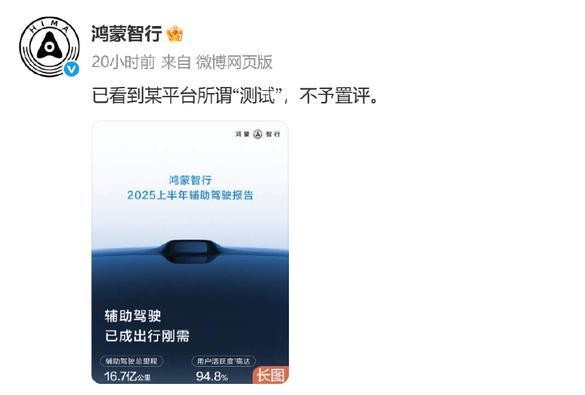
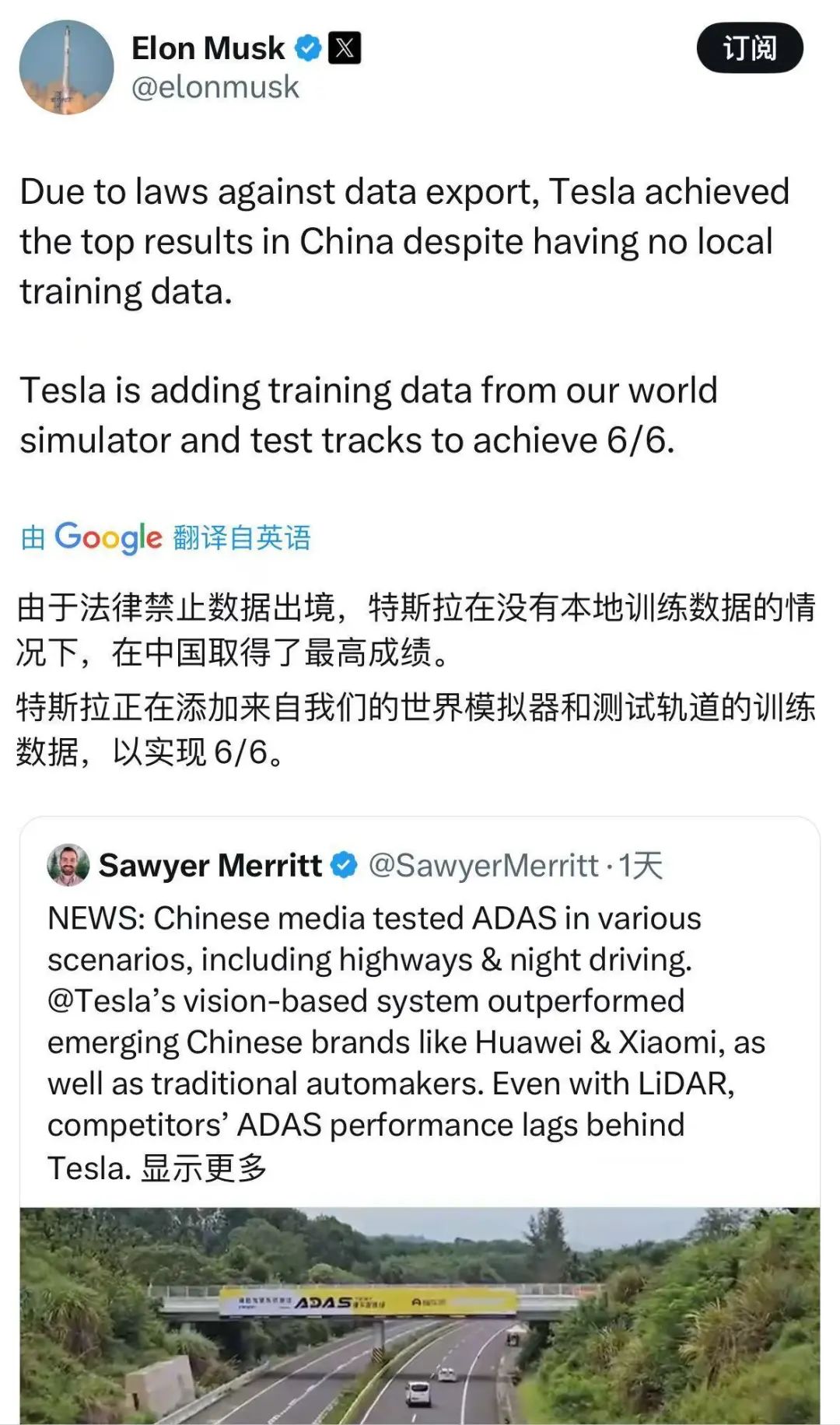
Core Insights - The recent evaluation of advanced driver-assistance systems (ADAS) by Dongche Di sparked significant discussion, revealing that the average pass rate for nearly 40 tested models was only 35.74% across 15 simulated high-risk scenarios [1][3] Group 1: Test Results and Industry Response - Dongche Di's program tested over 40 models from popular brands, including Tesla, NIO, and BYD, in various urban and highway scenarios, with a disappointing overall performance [1] - Tesla's Model X and Model 3 performed notably well, passing 5 out of 6 highway scenarios and 8 out of 9 urban scenarios, respectively [3] - Tesla CEO Elon Musk claimed that the company achieved the "highest score" in the tests despite lacking local training data, emphasizing ongoing improvements in safety standards [3][6] Group 2: Industry Perspectives - Various automotive companies, including AITO and Zhijie, declined to comment on the evaluation results, indicating a cautious approach to public relations [8] - Lantu Automotive's executive highlighted the common technical challenges faced by the industry, particularly in extreme scenarios, and stressed the need for improved reliability in ADAS technology [9][10] - The evaluation results prompted Dongche Di to clarify that the tests were not meant for ranking but to educate consumers about the limitations of ADAS and the importance of driver responsibility [12][13] Group 3: Regulatory and Safety Considerations - The Chinese authorities reiterated that current ADAS systems do not equate to fully autonomous driving, emphasizing that drivers remain the primary responsible party [13][14] - The government plans to enhance regulations surrounding ADAS, including clearer definitions of system capabilities and responsibilities for manufacturers [14][15]
懂车帝最新测评火了!鸿蒙智行:不予置评!马斯克:“我们取得最高成绩”!
证券时报· 2025-07-25 15:54
Core Viewpoint - The evaluation of advanced driver assistance systems (ADAS) by Dongche Di has sparked significant discussion, revealing that the average pass rate for nearly 40 tested models is only 35.74% across various simulated high-risk scenarios [2][17]. Group 1: Evaluation Results - Dongche Di's program tested over 40 models from popular brands, including Tesla, in 15 high-risk driving scenarios, with a disappointing average pass rate of 35.74% [2]. - Tesla's Model X and Model 3 performed notably well, passing 5 out of 6 highway scenarios and 8 out of 9 urban scenarios for Model X, while Model 3 passed 5 [4]. Group 2: Industry Reactions - Elon Musk claimed Tesla achieved the "highest score" in the tests despite lacking local training data, emphasizing the company's commitment to improving safety standards [4][9]. - Tesla's VP, Tao Lin, stated that the focus should remain on safety rather than rankings, highlighting the ongoing pursuit of higher safety standards [8]. Group 3: Industry Challenges - Lantu Automotive's CBO pointed out that the testing reflects common technical bottlenecks in the industry, particularly in high-speed avoidance and recognition of non-standard obstacles [13]. - The industry is transitioning from hardware competition to software reliability, necessitating improvements in technical capabilities [13]. Group 4: Regulatory Insights - The Chinese Ministry of Public Security clarified that current "smart driving" systems do not equate to full automation, emphasizing that drivers remain responsible for vehicle operation [17][19]. - The ministry plans to enhance management of car manufacturers, legal frameworks, and public awareness regarding the limitations of ADAS [18][19].
9点1氪:iPhone 17 Pro曝出橙色新配色;懂车帝测试36家车企辅助驾驶;BOSS直聘回应求职者简历涉黄
36氪· 2025-07-25 15:33
Group 1 - 澜起科技股份有限公司 has submitted a listing application to the Hong Kong Stock Exchange, with joint sponsors including CICC, Morgan Stanley, and UBS [2] - The iPhone 17 Pro is reported to have the most significant design changes in Apple's history, featuring four color options including a highly recognizable orange [3] Group 2 - Multiple car manufacturers responded to a recent driving assistance system test, highlighting common technical bottlenecks in extreme scenarios, such as high-speed evasive maneuvers and obstacle recognition [5] - Tesla emphasized the safety of its vehicles with the driving assistance feature, claiming they are 9.5 times safer than regular vehicles [5] Group 3 - The Ministry of Finance reported that the national debt issuance scale reached 7.88 trillion yuan in the first half of the year, a historical high for the same period, with a year-on-year increase of 35.28% [11] - Digital Certification expects a net loss of 80 to 96 million yuan for the first half of 2025, attributed to intensified market competition and increased R&D expenses [17] Group 4 - China Duty Free Group announced a net profit of 2.6 billion yuan for the first half of 2025, a year-on-year decrease of 20.81%, with total revenue of 28.15 billion yuan, down 9.96% [18] - Intel announced a plan to cut 15% of its workforce as part of a new cost control strategy under its new CEO [15]


懂车帝的测试可信吗?
虎嗅APP· 2025-07-25 13:31
Core Viewpoint - The article discusses the recent testing of advanced driver-assistance systems (ADAS) conducted by Dongche Di, highlighting both successful and unsuccessful performances across various vehicle models in simulated accident scenarios. Group 1: Testing Overview - The testing involved 15 ADAS-related subjects and nearly 40 vehicle models from major brands like Xiaomi and Tesla, using real accident scenarios for simulation [8]. - The results showed that only 3 out of 15 urban scenarios had a passing rate above 50%, indicating overall poor performance in high-difficulty situations [21]. Group 2: Testing Methodology and Concerns - There were criticisms regarding the use of fabric vehicles instead of real cars for testing, with the rationale being that laser radar is more sensitive to metal than fabric [11][13]. - The article emphasizes the importance of establishing credible testing standards, suggesting that collaboration with authoritative institutions could enhance the credibility of the testing process [27][29]. Group 3: Implications for the Industry - The testing results serve as a wake-up call for brands that emphasize autonomous driving features, as the overall performance was subpar across the board [24]. - The article suggests that for Dongche Di to transition from merely conducting tests to establishing standards, it must engage more with industry stakeholders and regulatory bodies [29].
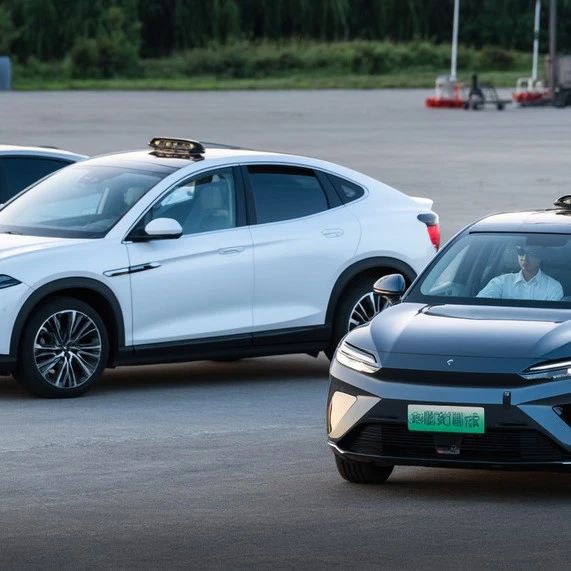
辅助驾驶测试争议升温,马斯克转发测试结果,懂车帝回应排名
Nan Fang Du Shi Bao· 2025-07-25 11:15
Core Viewpoint - The recent controversy surrounding the auxiliary driving test program "Understanding Cars Smartly" by Dongche Di has led to clarifications regarding the accuracy of the test results and the representation of the vehicles involved [1][3]. Group 1: Program Overview - Dongche Di launched a large-scale educational program featuring over 40 models from more than 20 popular brands, including Tesla, BYD, and NIO, simulating 15 real accident scenarios in urban and highway environments [2]. - The program aims to educate the public about the capabilities and limitations of auxiliary driving functions, emphasizing that the results do not represent the performance of the vehicles in all scenarios [3]. Group 2: Performance Results - The overall performance of auxiliary driving functions shows significant room for improvement, with urban scenario pass rates for certain situations exceeding 50%, such as 77% for "merging into a roundabout" and 58% for "children crossing the street" [2]. - In highway scenarios, the highest pass rate was 47% for "encountering a construction truck," while the lowest was 5% for "reckless pig crossing" [2]. Group 3: Brand Comparisons - Chinese brands like Zhijie R7, Wanjie M9, and Tengshi Z9GT EV demonstrated strong performance, with pass rates exceeding 50% in both urban and highway scenarios, while only Tesla's Model 3 and Model X performed notably among joint venture and foreign brands [3]. - The program did not provide an official ranking of the vehicles, as its purpose was to enhance public understanding of auxiliary driving functions and safety boundaries [3][4].