
高端化

Search documents
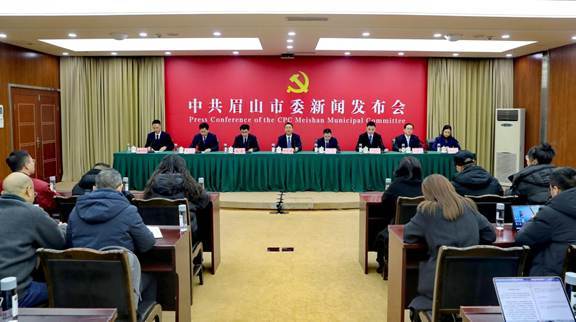
眉山新闻发布会:解码“十五五”制造业高端智能绿色发展新路径
Xin Lang Cai Jing· 2025-12-29 04:48
Core Viewpoint - The news conference highlighted the strategic planning of Meishan City for the development of its manufacturing industry, emphasizing the commitment to advancing industrial growth and high-quality development through technological innovation [5] Group 1: Manufacturing Development - During the 14th Five-Year Plan, Meishan implemented a "Manufacturing Strong City" strategy, achieving significant industrial growth, with an average annual growth rate ranking among the top in the province and a notable increase in GDP contribution [3] - The industrial structure has been optimized, with the new energy and new materials industry surpassing 100 billion yuan, establishing the world's largest single battery production base, and nurturing several advanced manufacturing clusters at national and provincial levels [3] - The city has built the first "Smart Transformation" promotion center in the province and established the world's first "lighthouse factory" in the photovoltaic battery sector, leading in green manufacturing system construction [3] Group 2: Future Development Plans - For the 15th Five-Year Plan, Meishan aims to enhance high-end, intelligent, and green manufacturing, focusing on new industrialization and developing new productive forces [4] - Key initiatives include strengthening the "1+3" industrial cluster led by new energy and new materials, integrating into the Chengdu-Chongqing economic circle, and accelerating the construction of national-level industrial clusters in lithium batteries and photovoltaics [4] - The city plans to establish a "1+N" pilot transformation system to promote the rapid conversion of cutting-edge technologies like solid-state batteries and perovskite batteries [4] Group 3: Smart and Green Manufacturing - Meishan will implement comprehensive "Smart Transformation" diagnostics, build advanced smart factories and digital workshops, and significantly increase the CNC rate of key processes in industrial enterprises [4] - The city will promote green manufacturing by constructing more green factories and parks, optimizing energy structures, and exploring green electricity supply models [4] - A recycling system for lithium battery materials will be established, promoting resource utilization of industrial waste and accelerating the development of a circular economy industrial park [4]

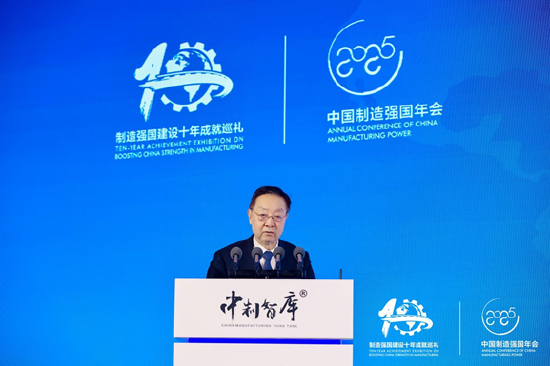
李毅中谈新型工业化实践路径:以“智能化、绿色化、融合化”构建现代化产业体系
Xin Lang Cai Jing· 2025-12-29 03:28
Core Viewpoint - The 10th China Manufacturing Power Conference emphasizes the theme "Entity as the Root, Moving Towards the New" and discusses the importance of advancing industrialization through smart, green, and integrated approaches [1][5]. Group 1: Smart Manufacturing - The concept of "smart manufacturing" involves advancing the application of artificial intelligence (AI) to drive technological breakthroughs and implement the "AI+" initiative, which empowers research and innovation as well as production transformation [3][7]. Group 2: Green Transformation - "Green transformation" focuses on strengthening low-carbon transitions to ensure that the industrial sector meets the carbon peak target by 2030 and steadily progresses towards carbon neutrality [3][7]. Group 3: Integrated Development - The term "integration" refers to the blurring boundaries between secondary and tertiary industries, as well as between manufacturing and services. It highlights the need for multi-modal integration paths, including the fusion of technology and industry, and deep collaboration between academia and industry [3][7]. Group 4: High-End Development - Understanding the connotation of "high-end" is crucial. It involves leveraging technological innovation to optimize and adjust industrial and product structures, phasing out outdated practices while enhancing quality and efficiency to move towards high-end manufacturing [4][8]. - The strategy includes integrating into global value chains, supply chains, and industrial chains, ensuring that the manufacturing sector adapts to global market practices while maintaining stability in the supply chain and employment [4][8].
广西重塑关键金属产业版图 从“资源大区”迈向“产业强区”
Zhong Guo Xin Wen Wang· 2025-12-28 06:21
Core Viewpoint - The construction of the Nandan Key Metals High-Quality Development Comprehensive Experimental Zone in Guangxi is a significant step towards transforming the region's key metals industry, focusing on high-end, intelligent, green, large-scale, and park-based development [1][5]. Group 1: Industry Transformation - Guangxi is recognized as a key region for critical metals in China, holding significant reserves of nine critical metals, including tin, antimony, and rare earth elements [1][3]. - The region has historically faced challenges due to a fragmented industry structure and environmental pressures, which have hindered high-quality development [1][4]. - A comprehensive action plan has been initiated to address illegal mining and heavy metal pollution, aiming to consolidate mining rights and manage small, scattered enterprises [1][4]. Group 2: Strategic Initiatives - The Nandan Key Metals High-Quality Development Comprehensive Experimental Zone is designated as a pilot and demonstration area for industrial transformation in Guangxi [2]. - A total of 35 key projects related to nine critical metals and other non-ferrous metals have been signed and launched in Guangxi [2]. - The "Nine Chains and Three Clusters" industrial system aims to extend the industrial chains of critical metals and enhance high-value segments such as high-purity materials and advanced alloys [3]. Group 3: Innovation and Green Development - Plans to establish the Guangxi Key Metals Research Institute and high-level laboratories are underway to boost innovation capabilities [4]. - The region is promoting green mining and factory initiatives, focusing on clean production technologies and ecological restoration of historical tailings [4]. - The Nandan zone is prioritized as a key project, with efforts to shut down non-compliant enterprises and accelerate the integration of mining rights [4]. Group 4: Investment and Support - Local authorities are actively engaging with industry giants to attract investment and support for the key metals sector [4]. - Financial systems have introduced specific loans and subsidies to alleviate financing challenges for enterprises in the region [4]. - The overall goal is to transition from a resource-exporting model to a globally influential key metals industry and advanced manufacturing cluster [5].
研判2025!中国金属表面处理行业发展历程、市场政策、产业链图谱、市场规模、竞争格局及发展趋势分析:行业整体呈现“大市场、小企业”的分散格局[图]
Chan Ye Xin Xi Wang· 2025-12-28 01:01
Core Viewpoint - The metal surface treatment industry is crucial for manufacturing development, closely linked to sectors like automotive, aerospace, and electronics, with significant growth driven by the demand for advanced surface treatment technologies in emerging fields like new energy vehicles and 5G communication [1][10]. Overview - Metal surface treatment involves altering the structure, morphology, properties, and performance of metal surfaces through physical and chemical methods to enhance surface quality and meet specific functional requirements [2][4]. Development History - The industry has evolved through five key stages: initial exploration (1949-1978), market-oriented development (1978-2000), scale development (2000-2012), technological and green transformation (2012-2020), and high-quality development (2020-present), transitioning from imitation to independent innovation and global competition [4][6]. Current Status - The market size of China's metal surface treatment industry is projected to reach 794.96 billion yuan in 2024, with a year-on-year growth of 5.3%. The market composition includes electroplating (21.2%), physical treatment (26.5%), chemical treatment (23.0%), and heat treatment (11.5%) [1][10]. Industry Chain - The upstream of the industry includes electroplating chemicals, coating materials, and related equipment, while the downstream encompasses automotive, machinery, aerospace, and electronics sectors, with automotive manufacturing being the primary demand area [8][10]. Competitive Landscape - The industry is characterized by a fragmented market with many small enterprises. Over 70% of companies have registered capital under 2 million yuan, while those with over 50 million yuan account for less than 3% [11][12]. Development Trends 1. **Green Transformation**: The industry is moving towards environmentally friendly practices, with a shift from high-pollution processes to low-emission technologies like cyanide-free electroplating and water-based coatings [13][14]. 2. **Intelligent and Digital Integration**: Automation and digital technologies are enhancing production efficiency and product quality, with smart equipment replacing manual operations [14][15]. 3. **High-End and Multifunctional Technology**: The demand from high-end manufacturing is driving advancements in surface treatment technologies, focusing on multi-functional and high-precision applications [15][16]. 4. **Accelerated Domestic Substitution and Global Expansion**: The industry is focusing on reducing reliance on imports by enhancing domestic production capabilities and exploring international markets, particularly in Southeast Asia [16][17].

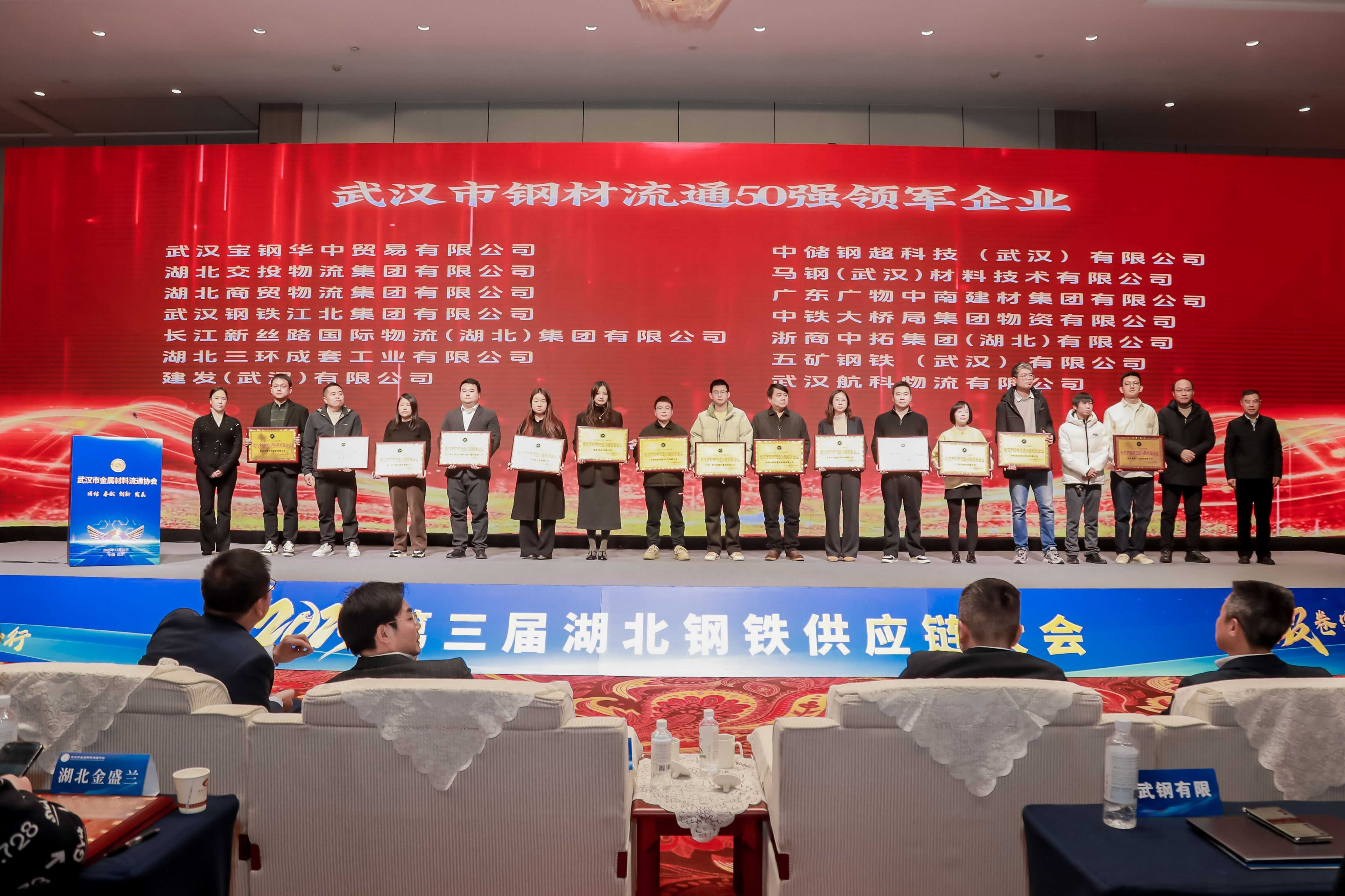
钢铁“硬脊梁”挺起武汉制造,武汉发布钢材流通50强榜单
Chang Jiang Ri Bao· 2025-12-26 07:01
Core Insights - The third Hubei Steel Supply Chain Conference was held in Wuhan on December 25, 2025, focusing on supply chain innovation and collaboration in the steel industry [1] - The conference highlighted the strategic opportunities and challenges presented by the 14th Five-Year Plan, emphasizing high-end, green, and intelligent development in the steel sector [5] Group 1: Industry Development - The 14th Five-Year Plan outlines a clear development blueprint for the steel industry, promoting green and low-carbon transformation [5] - Hubei province aims to transition from a "shipbuilding province" to a "strong shipbuilding province," with a target of exceeding 130 billion yuan in total industrial output value by 2027 [5] - The steel industry in Wuhan is recognized as a traditional pillar, with ongoing efforts to lead transformation through technological innovation [6] Group 2: Supply Chain and Collaboration - The Wuhan Metal Materials Circulation Association is the only association in Hubei's steel circulation industry, focusing on deep, strategic issues within the steel supply chain [6] - The conference introduced the "Wujin Association Youth Innovation Sharing Platform," aimed at fostering collaboration within the steel industry [6] - The emphasis on strengthening the steel industry chain and promoting high-end, intelligent, green, and efficient upgrades is a key focus for the Wuhan Economic and Information Technology Bureau [6] Group 3: Future Trends - Insights on cross-border e-commerce and innovative models for steel exports were shared by industry leaders, indicating a shift towards more integrated and collaborative approaches [5] - Historical data and trend predictions for the steel industry were discussed, forecasting developments leading into 2026 [5]
重磅信号来了!两大板块迎涨停潮!
Zheng Quan Ri Bao Zhi Sheng· 2025-12-26 06:06
Group 1 - The core viewpoint of the news is that the power equipment and photovoltaic equipment sectors are experiencing significant growth, driven by strong market demand and supportive government policies [1][2][5] - On December 26, the photovoltaic equipment index rose by 3.71% to 7014.51 points, while the power equipment index increased by 1.19% to 1029.01 points, with many stocks hitting the daily limit [1] - Key companies in the photovoltaic sector, such as GCL-Poly Energy (002506), Junda Co., Ltd. (002865), and Yijing Photovoltaic (600537), saw their stocks hit the daily limit, indicating strong investor interest [1] Group 2 - The surge in both sectors is attributed to three main factors: short-term performance support, long-term development direction, and practical industry implementation [2] - As of November 2023, the total installed power generation capacity in China reached 3.79 billion kilowatts, a year-on-year increase of 17.1%, with solar power capacity growing by 41.9% [2] - The National Development and Reform Commission's recent policy emphasizes the need for smart upgrades in traditional industries, which will support digital transformation and modernization efforts [2][3] Group 3 - The article highlights the importance of regulating order and innovation in industries such as new energy vehicles, lithium batteries, and photovoltaics, which are seen as key drivers of high-quality foreign trade development [3] - The policy aims to enhance competition and increase industry concentration, benefiting leading companies with technological barriers and scale advantages [3][5] - The successful commissioning of the Taizhou pumped storage power station, a key project under the national plan, showcases advancements in domestic technology and materials, reinforcing the industry's capabilities [4][5] Group 4 - The rapid progress of the pumped storage project reflects the effectiveness of policy execution and strengthens market expectations for the scaling of related renewable energy projects [5] - The acceleration of pumped storage projects is expected to drive demand for reversible hydraulic turbine generator sets and energy storage control systems, providing new growth opportunities for the power equipment sector [5]


五界合围,高端战场换中国主角
华尔街见闻· 2025-12-26 03:56
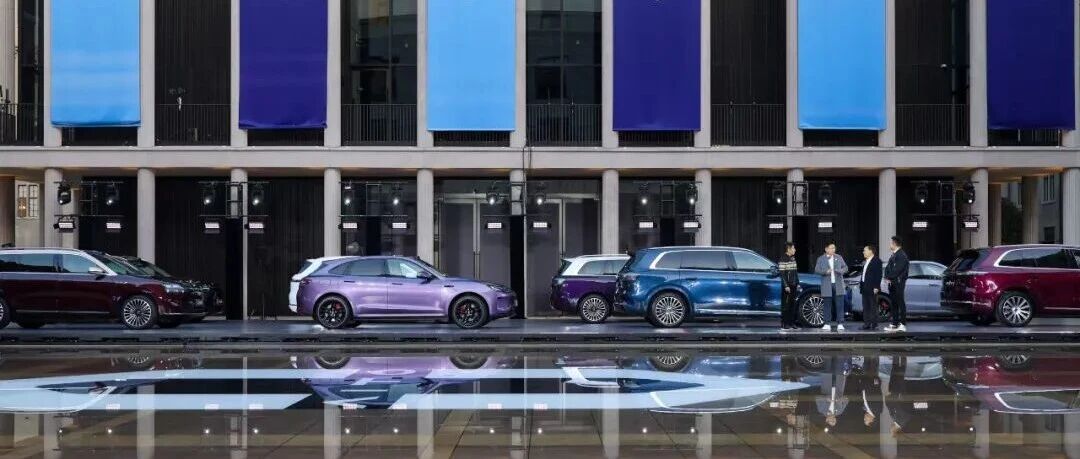
鸿蒙智行全系 43个月,累计交付突破100万辆。 大家可能会觉得这只是又一个枯燥的行业里程碑。但如果把时间轴拉长,把背景板换成过去三年的价格战,这个数字的含金量就完全不同了。 刚刚过去的 11月,行业里充满了焦虑的降价声,但鸿蒙智行交出的答卷是:全系交付破8万台,同比增长89.61%。在总量几乎见顶的存量市场里,接近 90%的增长并不是凭空创造的需求,而是从传统老钱BBA那里硬生生抢下来的份额。 月均 8万多台的销量,意味着市场权重的剧烈转移,是一场关于汽车定价权、供应链重构以及豪华定义权的降维打击。 2025年的狂飙只是序曲,明年,这支军团将全面开战:智界进军豪华MPV、尚界切入主流轿跑、问界巩固SUV全矩阵、享界探索越野与旅行、尊界强攻超 豪华顶层。从家用到性能,从城市到野外,鸿蒙智行的产品网络正覆盖几乎所有出行场景。 蓄力之年已过,真正的大戏即将开场。余承东直言,下一百万, "只需要十来个月就行"。随之而来的,是中国汽车产业从未有过的、对旧有豪华格局的全 面替代。 在汽车领域多年耕耘,鸿蒙智行终是等来爆发前的曙光。 狂飙背后的市场投票 12月9日,余承东攒局,带着"五界"的一号位齐聚上海,亮相鸿蒙智行年 ...
销量向上,人事动荡:魏牌的“双面现实”
3 6 Ke· 2025-12-26 01:30
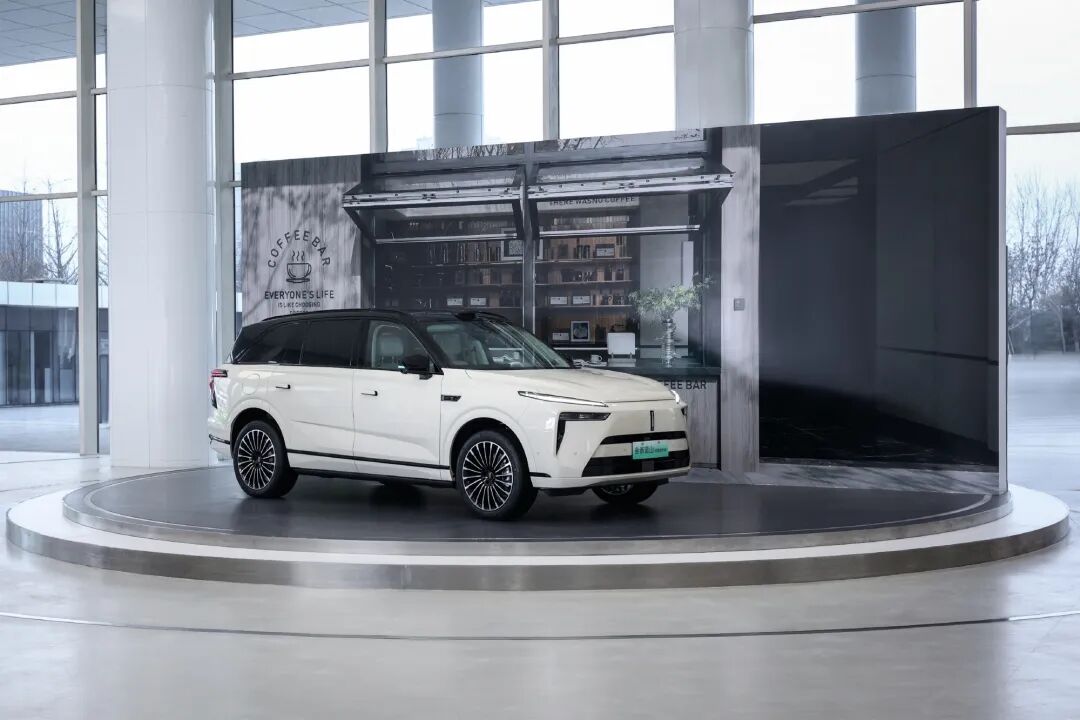
Core Viewpoint - The Weipai brand, named after Great Wall Motors' chairman Wei Jianjun, has experienced significant growth in sales after a period of uncertainty, but frequent CEO changes raise concerns about its long-term stability [1][7][9]. Group 1: Brand Development and Market Position - Weipai was once a leading domestic brand aiming for high-end market penetration, achieving a record sales milestone of 300,000 units in a short time, but later faced stagnation and strategic confusion [1][6]. - The new Weipai Blue Mountain model, priced between 299,800 to 326,800 yuan, represents a significant product launch, being the first mass-produced vehicle equipped with the VLA large model technology [1][7]. - In November 2023, Weipai's sales growth reached 81.14% year-on-year, with cumulative sales nearing 90,000 units, marking a 93% increase compared to the previous year [7][9]. Group 2: Competitive Landscape and Strategic Challenges - The automotive industry is witnessing a shift towards high-end brands, with companies like NIO, Li Auto, and BYD focusing on technological advancements and brand narratives [6][9]. - Weipai's frequent leadership changes, with the shortest tenure being four months, indicate internal challenges and pressures within the organization [9][11]. - The brand's transition from traditional fuel vehicles to electric and hybrid models has been rocky, with a need for clearer positioning in the high-end market [11][21]. Group 3: Technological Innovations and Product Strategy - Weipai is focusing on plug-in hybrid technology while explicitly rejecting range-extended electric vehicles, aiming to differentiate itself in a competitive market [14][18]. - The introduction of the "All-Power Intelligent Super Platform" allows for compatibility with multiple powertrain types, enhancing Weipai's technological capabilities [21][23]. - The brand's reliance on the Blue Mountain and High Mountain models has led to a significant average transaction price nearing 300,000 yuan, establishing a foothold in the high-end market [7][9]. Group 4: Sales Performance and Market Dynamics - Weipai's sales have shown a notable increase since June 2023, with monthly sales consistently exceeding 10,000 units, although the Blue Mountain model's sales have declined while the High Mountain model's sales have surged [29][34]. - The competitive landscape includes other brands like Xpeng and Li Auto, which are also advancing in the high-end segment, necessitating Weipai to accelerate its technological deployment and product diversification [30][34].

2025年全球及中国罐式集装箱行业发展历程、政策、生产量、重点企业及未来趋势研判:中国罐式集装箱产量达4万台,占全球产量的95%[图]
Chan Ye Xin Xi Wang· 2025-12-26 01:24
Core Insights - The article highlights the significant growth and dominance of China's tank container industry, which now accounts for 92% of global production and sales, establishing itself as a crucial player in the logistics of liquid chemicals, food, and clean energy [1][13]. Industry Overview - Tank containers are specialized logistics equipment for transporting liquid, gas, and bulk materials, recognized for their safety, efficiency, and environmental sustainability [4]. - The industry has evolved through four stages in China, from initial awareness in the 1950s to becoming the world's largest manufacturer by the 21st century [6][7]. Industry Development - China's tank container production is projected to reach 40,000 units in 2024, representing 95% of global output, with CIMC Anruihuan Technology maintaining a leading market share [1][13]. - The industry has developed comprehensive service capabilities, including production, operation, leasing, and inspection, making it indispensable in both international shipping and domestic rail transport [1][13]. Policy Environment - Recent policies have supported the growth of the tank container sector, emphasizing safe and environmentally friendly logistics for chemical products [8][9]. - The Ministry of Transport's initiatives aim to enhance port infrastructure and promote integrated transport solutions, targeting a 15% annual growth in container rail-water intermodal transport by 2027 [8]. Industry Chain - The tank container industry chain includes upstream raw materials, midstream manufacturing, and downstream applications in energy, chemicals, and food sectors [9]. - The steady growth in China's oil and gas production is expected to drive demand for tank containers, facilitating the transport of liquid and gaseous energy products [10]. Current Market Trends - The global tank container market saw a production peak in 2022, but a decline is anticipated in 2024 due to reduced demand and overcapacity, with China's production dominating at 95% [11]. - The global tank container fleet is projected to reach 882,000 units by the end of 2024, reflecting a stable growth trend [11]. Key Companies - Major players in the tank container industry include CIMC Anruihuan Technology, Sifang Technology, and Shengsi Container, which have replaced foreign manufacturers due to their competitive advantages [16]. - CIMC Anruihuan Technology focuses on the design, production, and lifecycle services of tank containers, while Sifang Technology specializes in cold chain equipment and tank containers [16][17]. Future Trends - The industry is expected to evolve towards high-end, green, and intelligent solutions, incorporating advanced materials and technologies to enhance efficiency and sustainability [18][19][20]. - Innovations will include the use of lightweight materials, modular designs, and IoT integration for real-time monitoring and optimization of logistics processes [19][20].


前11月江苏船舶出口超1300亿元
Xin Lang Cai Jing· 2025-12-25 17:23
Core Insights - Jiangsu's shipbuilding industry is experiencing significant growth, with exports reaching 130.59 billion yuan in the first 11 months, a year-on-year increase of 37% [1] - The region is focusing on high-end, intelligent, and green transformation to strengthen its position in the international market [1] Group 1: Jiangsu Shipbuilding Industry - Jiangsu's shipbuilding and marine engineering equipment industry is a key area of strength, with major shipyards having orders booked until 2027-2029 [1] - The export value of shipbuilding from Zhenjiang reached 2.68 billion yuan, a remarkable increase of 154.2% year-on-year [1] - Jiangsu Dajin Heavy Industry Co., Ltd. reported an export value exceeding 1 billion yuan, with significant growth compared to the previous year [1] Group 2: Taizhou Shipbuilding Sector - Taizhou's Sifeng Ship Engineering Co., Ltd. has delivered over 100 vessels and holds more than one-third of the global market share for 10,000-ton multi-purpose heavy-lift ships [2] - The company has successfully delivered dual-fuel container ships that utilize high-pressure natural gas and diesel, enhancing environmental and safety performance [2] - The order volume for Taizhou's shipbuilding has more than doubled compared to the previous year, with plans to deliver 16 vessels this year [2] Group 3: Jingjiang Shipbuilding Base - Jingjiang is recognized as the largest private shipbuilding base in China, with production schedules extending to 2029-2030 [3] - The export value of newly built ships from Jingjiang reached 33.47 billion yuan, reflecting a year-on-year growth of 6.8% [3] - The local customs authority is actively facilitating the shipbuilding process by providing policy guidance and improving inspection efficiency [3]