
新消费

Search documents
中金公司刘刚:政策面发力对提振消费至关重要 关注明年两会前节点
Xin Hua Cai Jing· 2025-12-21 13:18
Group 1 - The core viewpoint is that expanding domestic demand is a strategic move crucial for boosting consumption, with investors advised to focus on policy developments from early next year until the Two Sessions [1] - In 2025, the performance of consumer stocks is expected to be weak due to a deteriorating domestic credit cycle and low recovery rates in consumption, compounded by a high base effect from the previous year [1] - Despite the presence of themes like "new consumption," the consumer sector lacks fundamental support and is less attractive to investors compared to the booming technology sector [1] Group 2 - There is optimism that strong policy measures aimed at expanding domestic demand could lead to a turnaround in consumer stocks, particularly through increased income, subsidies, and social security support [1] - The market is closely monitoring the government's stance on stabilizing the real estate sector, with measures like property storage and mortgage interest subsidies being discussed to support the industry [2] - Stabilization of the real estate sector is seen as beneficial for improving household balance sheets and boosting investor confidence [2]

一周新消费NO.340|美团外卖官宣周杰伦出任品牌代言人;彪马官宣单依纯为大中华区品牌代言人
新消费智库· 2025-12-21 13:03
New Consumption Highlights - Heytea launched a new product "Qilan Guava and Wax Apple" featuring a blend of red heart guava, black diamond wax apple, and fragrant Qilan oolong tea from Fujian, offering a rich flavor and smooth taste [3] - IKEA introduced a new children's furniture series called GREJSIMOJS, consisting of 33 products set to launch in February 2026, designed to inspire creativity and interaction among family members [5] - Jinzhai Foods released a new product line of tender bean curd in three flavors: fragrant sesame, cumin spicy, and mapo tofu, made from non-GMO soybeans with a low-sodium formula [5] - Sanquan Foods launched a low GI blueberry and mulberry glutinous rice ball, containing ≥ 30% fruit flesh and certified with a GI value of < 55, suitable for various meal scenarios [5] - Feihe Aibin introduced a new special formula powder using small molecule whey protein, targeting muscle loss issues in the elderly [5] - Luckin Coffee collaborated with Minions to launch a new "Banana Latte," priced at 35 yuan for a large cup, featuring Ecuadorian bananas and 100% Arabica coffee beans [7] - Ferrero launched a limited edition chocolate gift box at Sam's Club, containing six flavors and priced at 169.9 yuan for a 431.1g box [9] - Meituan announced Jay Chou as its brand ambassador, launching promotional activities to enhance user engagement [27] - PepsiCo introduced a new product, Pepsi Powder Cola, featuring a pink packaging and a rich, smooth taste [28] Industry Events - JD.com launched a nationwide restaurant self-pickup feature, allowing users to order online and pick up at stores [10] - Maui Jim introduced two new mask-style sunglasses, combining optical technology with modern sports aesthetics [13] - Oatly launched two new ready-to-drink iced coffees in the UK, priced at £2 per 235ml can [13] - Oriental Selection's new temperature-controlled warehouse in Zhengzhou can handle over 50,000 orders daily [13] - Hirono launched a new plush toy series called "Road Journal," inspired by a journey narrative [15] Investment Trends - Hongxin Bio completed a Series A financing round, attracting top venture capital firms, indicating strong market confidence in its mRNA technology [19] - Biologica, a women's supplement brand, raised $7 million in funding, focusing on hormone-age-based nutritional formulations [19] - Deep Robotics secured over 500 million yuan in Series C financing, highlighting its leadership in quadruped robotics [20] - Underneat, an Indian DTC shapewear brand, raised $6 million in Pre-A funding to expand operations [23] - Six Tub Pet Fresh Food completed a 20 million yuan angel round financing to enhance product development and brand channels [24]


新消费行业周报(2025.12.15-2025.12.19):密集政策提振消费,海南自由贸易港封关运作正式启动-20251221
Hua Yuan Zheng Quan· 2025-12-21 11:21
Investment Rating - The industry investment rating is "Positive" (maintained) [1] Core Insights - The report emphasizes the importance of expanding domestic demand as a strategic initiative, with multiple policies aimed at boosting consumption being introduced. The central economic work conference highlighted the need for a strong domestic market and specific measures to stimulate consumption [4] - The official launch of the Hainan Free Trade Port marks a new phase in China's high-level opening-up, with significant increases in flight bookings to Hainan, indicating a positive trend in consumer behavior [4] - The report notes a robust growth in the beauty and skincare sector, with top brands maintaining their positions and new domestic brands showing significant growth, reflecting changing consumer preferences among younger generations [5][17] Summary by Sections Industry Performance - The new consumption sector saw a weekly increase of 6.66% in the retail index from December 15 to December 19, 2025 [8] - The beauty and personal care sector increased by 2.87% during the same period [8] Policy Developments - The central government has introduced various measures to enhance service consumption, including promotional activities and optimizing service availability to meet diverse consumer needs [4] - A joint notification from multiple government departments aims to strengthen collaboration between commerce and finance to boost consumption in key areas [4] Market Trends - In the beauty and skincare market, the top five brands include Proya, L'Oreal, Han Shu, Lancôme, and Estée Lauder, with domestic brands like Proya showing strong performance [5] - The report highlights a significant increase in sales for Hainan's duty-free shops, with a 90% year-on-year growth on the first day of the free trade port's operation [5] Investment Recommendations - The report suggests focusing on high-quality domestic brands in beauty and skincare, traditional gold jewelry brands favored by younger consumers, and strong tea beverage brands with extensive market coverage [17]




六大私募展望2026:股市仍有较好机会,成长与价值风格趋于均衡
Xin Lang Cai Jing· 2025-12-21 10:52
炒股就看金麒麟分析师研报,权威,专业,及时,全面,助您挖掘潜力主题机会! 来源:中国基金报 2025年,市场超预期回暖,A股、港股结构性行情显著,投资者对即将到来的2026年充满期待。新的一 年经济前景如何?市场行情如何演绎? 中国基金报记者采访了复胜资产董事长兼投资总监陆航、相聚资本总经理梁辉、康曼德资本董事长丁 楹、华安合鑫董事长袁巍、深圳红筹投资总经理兼投资总监邹奕和同犇投资总经理童驯等六位私募投资 人士。 受访人士表示,在盈利和业绩驱动下,2026年中国股市仍有较好的机会,A股与港股有望保持上行态 势,风格上成长与价值将趋于均衡;看好AI产业链,以及周期、消费和制造业的投资机会。 2025年结构性行情超出预期 中国基金报:2025年的市场与年初预期有哪些不同? 童驯:今年A股市场呈现显著的结构性行情,科创板、创业板及主板表现均超出年初时的预期。行业分 化特征鲜明,有色金属、通信、电子等板块表现亮眼。核心驱动源于双重逻辑:一是供求关系收紧叠加 美联储降息周期开启,贵金属(金、银)、小金属(钨、锑、钴)及工业金属(铜、铝)价格大幅上 涨,直接推动有色金属板块估值与业绩双升;二是AI产业技术进展持续超预期, ...
六大私募展望2026:股市仍有较好机会,成长与价值风格趋于均衡
中国基金报· 2025-12-21 10:46
Core Viewpoint - The Chinese stock market is expected to have good opportunities in 2026, with A-shares and H-shares likely to maintain an upward trend, and a balance between growth and value styles is anticipated [3][10]. Group 1: Market Performance in 2025 - The market in 2025 showed significant structural performance, with sectors like non-ferrous metals, communication, and electronics performing well due to tightening supply-demand relationships and advancements in AI technology [5][6]. - The A-share and H-share markets exceeded initial expectations, with actual returns surpassing 20%, driven by a recovery in valuations and a strong performance in technology and small-cap stocks [6][7]. Group 2: Economic Outlook for 2026 - The domestic GDP is expected to maintain stable growth, supported by a resilient export outlook and ongoing fiscal and monetary policies [10][11]. - The stock market in 2026 will shift from valuation recovery to being driven by earnings and performance, with opportunities in technology, cyclical, consumer, and manufacturing sectors [10][12]. Group 3: Investment Opportunities - Key investment opportunities for 2026 include the AI industry chain, advanced manufacturing with real technological barriers, and traditional industry leaders with strong balance sheets and cash flows [14][15]. - The focus will be on sectors benefiting from policy support and industry optimization, particularly in technology innovation and traditional industries undergoing upgrades [14][15]. Group 4: Market Dynamics and Stock Selection - The differentiation between "old economy" and "new economy" stocks is expected to narrow, with both types of stocks showing potential for balanced performance [18][19]. - The market is transitioning from a narrative-driven approach to one focused on fundamental performance, emphasizing the importance of earnings realization in stock selection [20][21]. Group 5: Cautionary Notes - Investors should be wary of stocks that lack earnings support and those that have shown signs of bubble formation, focusing instead on undervalued quality companies [22][23].

1月翻倍!又一个被爆炒的消费赛道
Ge Long Hui A P P· 2025-12-21 09:07
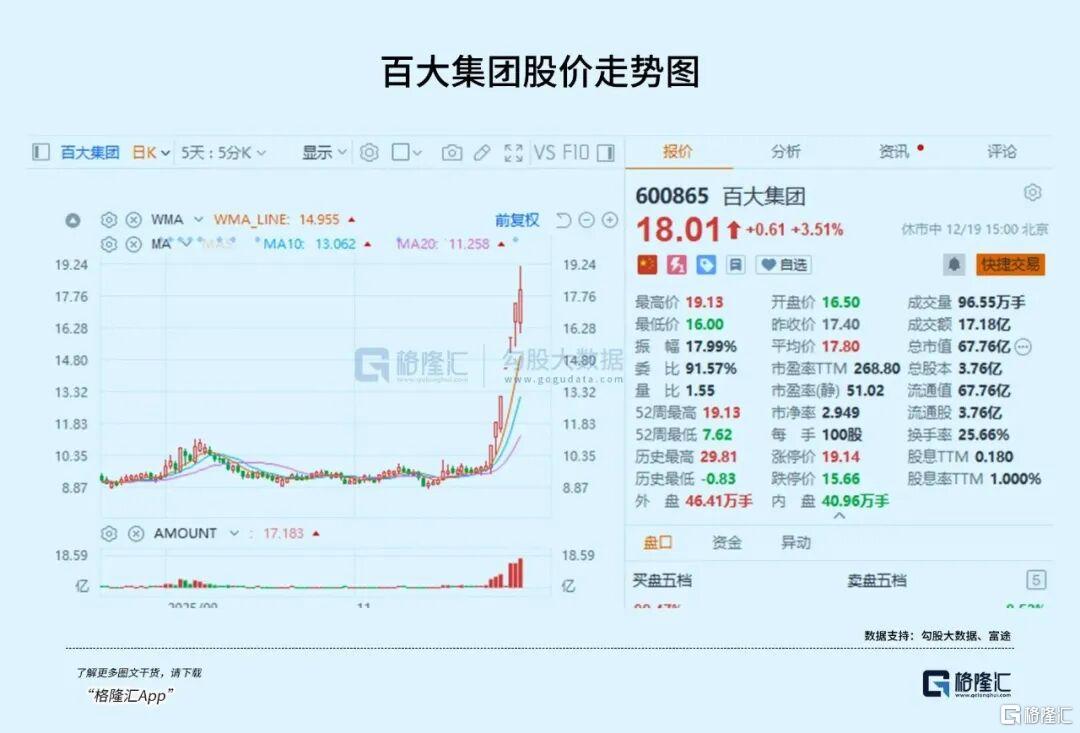
此前,中央经济工作会议将"坚持内需主导,建设强大国内市场"定位明年八大重点任务之首。 在此基调下,"扩内需"势必成为市场的重要议题。 近日,学习时报刊发《何为"犒赏经济"》的文章,提出了一个新名词——"犒赏经济"。 随后,百大集团、德艺文创、广博股份等一众概念股批量直接涨停,有的甚至不到1个月就已接近翻倍。 在短暂的概念爆炒之后,"犒赏经济"会走出怎样的行情? 某种程度上看,犒赏经济和之前的IP经济、谷子经济、悦己经济等情绪消费概念十分类似,但又更进一步。 从官方定义来看,犒赏经济是指消费者在面对工作生活压力或特定的心理需求时,通过购买价格在承受范围内的非必需品或体验服务,以获取即时性愉悦 感、自我确认感和心理疗愈的一种经济活动。 也是因此,相比悦己经济等,犒赏经济的范畴内加入了更多服务性消费。 相比文娱、潮玩,旅游、餐饮,甚至饮料,都可以被纳入"犒赏经济"的范畴。 在生活中也不难发现,越来越多行业开始引入"疗愈""解压"等情绪元素,也开始模仿盲盒、谷子等情绪消费的玩法。 01 尽管概念新鲜,但从其本质来看,犒赏经济概念仍是新消费概念的分支。 而目前,A股消费板块在经历了较长时间调整后,估值已然处于历史上较低 ...

2025中国新消费发展洞察-暨品牌力榜单
Sou Hu Cai Jing· 2025-12-21 05:43
Core Insights - The Chinese new consumption market is undergoing a significant transformation from "traffic-driven" to "value-driven" by 2025, emphasizing product innovation and long-term brand asset accumulation rather than solely relying on marketing or channel advantages [1] - Rational consumption has become a mainstream trend, with consumers demanding higher quality, experience, and alignment with their values, prompting brands to systematically restructure their strategies [1] - The report introduces the "Brand Power Three-Dimensional Model," which highlights the synergistic evolution of product strength, organizational capability, and cultural influence as essential for long-term competitiveness [1] Market Trends - The report identifies structural opportunities behind the rise of domestic brands, focusing on emerging sectors such as health, emotional value, and sustainable development, indicating that future growth will stem from accurately capturing and continuously meeting segmented demands rather than just scale expansion [1] - Digitalization and AI technologies are reshaping the new consumption ecosystem, enhancing supply chain optimization, personalized recommendations, and community operations, thus becoming crucial tools for building brand moats [2] - The evaluation of brands considers market performance, innovation capability, user reputation, and social impact, leading to the selection of benchmark companies across various sectors, including food and beverage, beauty and personal care, and smart hardware [2]

“政策底+市场底”共振 A股三大主线浮现
Zheng Quan Shi Bao· 2025-12-21 04:23
Core Viewpoint - The Chinese market is attracting more funds due to its valuation advantages and structural opportunities amid high global uncertainty, with A-shares showing signs of bottoming out as policies, structure, and fundamentals gradually improve [2][3]. Group 1: Market Sentiment and Valuation - A-shares are considered to have low correlation with other markets, providing good defensive characteristics, with low valuations and healthy cash flows making them a unique part of global asset allocation [3]. - The market sentiment has shown signs of recovery, but overall valuation levels remain attractive, as evidenced by the historically low issuance scale of equity funds, indicating that the market has not yet entered a heated state [3][4]. Group 2: Economic Transition and Interest Rates - The Chinese economy is transitioning from high-speed growth to high-quality development, necessitating a reduction in debt-driven growth, which may lead to a long-term downward trend in interest rates [4]. - The current real interest rate level of approximately 1.7% is seen as a significant indicator of the overall stability of the A-share market [4]. Group 3: Asset Allocation Strategy - The investment strategy focuses on balancing value and growth, with a core emphasis on long-duration assets, particularly dividend-paying stocks and high-quality companies with sustainable return on equity (ROE) growth potential [5][6]. - Three main investment themes are highlighted: dividend stocks viewed as "deposit substitutes," companies with high intangible assets and a focus on technological innovation, and new consumption trends that cater to consumer experiences and emotional value [6]. Group 4: Private Sector Recovery - The recovery momentum of the private economy is a key observation point, with improved policy environments since 2023 positively impacting market dynamics, particularly in private enterprise investment confidence [8]. - Increased capital expenditure and recovering net asset returns among leading private enterprises indicate preparation for a new growth cycle, suggesting that the long-term investability of the Chinese capital market is improving [8].

2025新消费大会:寻找新增量 从“中国消费”到“消费中国”
Xin Lang Cai Jing· 2025-12-19 23:35
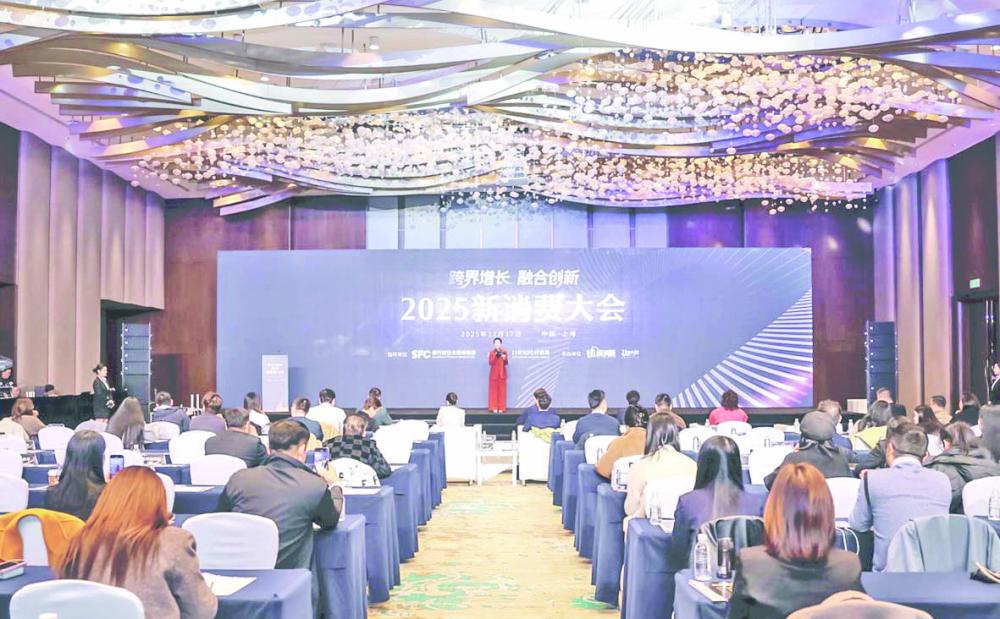
Core Insights - The "New Consumption Conference" held in Shanghai focused on the theme of "Cross-Border Growth and Integrated Innovation," discussing industry trends, business models, and strategies for rapid brand growth and innovation [2] - The consumer market is undergoing significant changes, driven by the emergence of the younger generation, particularly Generation Z, who are reshaping consumption demands and preferences [3][4] - The conference highlighted the importance of brands evolving from mere sellers to experience co-creators, emphasizing the need for deeper connections with consumers [5] Industry Trends - The consumption sector is witnessing a shift towards health-oriented and experiential consumption, moving from merely purchasing products to a holistic approach to self-care [4] - The Hong Kong stock market has become a primary venue for consumer companies to go public, with over 23 IPOs in the retail and consumption sector by the end of November [6][7] - The demand for new consumer brands is high, with a significant number of companies applying for listings, particularly in the consumer sector, indicating a robust supply-demand dynamic [7] Brand Strategies - Brands are increasingly focusing on international expansion as a core strategy, with successful domestic models serving as a foundation for global competition [8] - Emotional value is becoming a key decision-making factor in consumer choices, leading to the emergence of new consumption scenarios and demands [9] - Collaborative marketing and cross-industry partnerships are seen as effective strategies for brands to refresh their image and reach new consumer segments [9] Future Outlook - The 2025 consumer market in China is expected to explore new balances amid structural changes, with a focus on both short-term pressures and long-term confidence [10] - The conference underscored the ongoing transformation of consumption as a driving force for global economic growth, entering a phase rich with opportunities [10]
团长沙市委助力青年创业:链接八方资源 孵化人生梦想
Xin Lang Cai Jing· 2025-12-19 23:35
Group 1 - The core idea of the articles revolves around the rise of youth-driven businesses in Changsha, particularly in the context of new consumption trends and the support from local government initiatives [2][6]. - "Wang Pangzi Chao Huo," a snack brand led by 23-year-old Wang Xinyu, has successfully modernized traditional snack offerings and expanded its market presence through innovative flavors and social media engagement [1][6]. - Changsha is positioning itself as an international consumption center, fostering a unique ecosystem for new consumer brands, with over 20 emerging companies poised for public listing [2][6]. Group 2 - The "Changsha Youth Shop" support plan has been launched to encourage innovative and socially valuable youth entrepreneurship, resulting in 108 participants in just two months [3]. - The local government is actively facilitating financial support for new consumer brands, with Agricultural Bank planning to provide 10 billion yuan in loans over five years [2][3]. - The "Di Dao Changsha Min Yi Guan," a cultural experience space, has attracted nearly 700,000 visitors in eight months, showcasing local heritage and contemporary consumer products [5].
