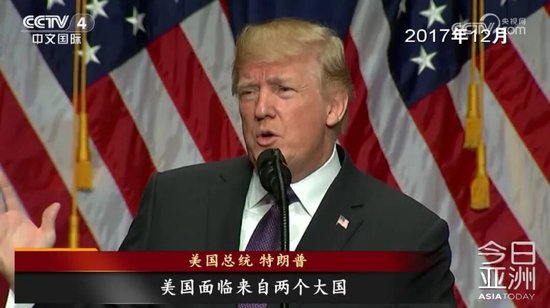
美国优先

Search documents
中美会谈背后有交易,万亿美元能买通特朗普?美媒编的故事太离谱
Sou Hu Cai Jing· 2025-10-08 05:08
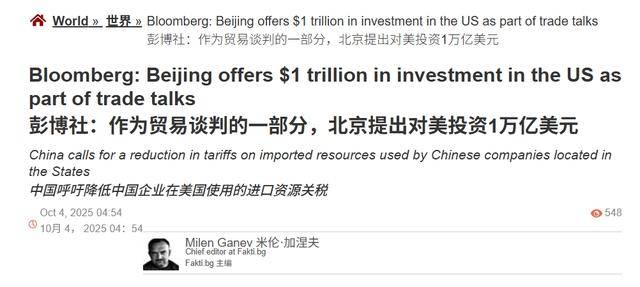
Group 1 - The core idea of the article revolves around China's proposal to invest $1 trillion in the U.S. in exchange for the easing of restrictions on Chinese companies operating in the U.S. [1] - The report from Bloomberg is viewed as exaggerated and hard to believe, given the historical context of similar claims made during the Trump administration [2][5] - The actual performance of the U.S. economy, particularly employment rates, raises doubts about the feasibility of such large investment commitments [3][5] Group 2 - There is a significant decline in direct Chinese investment in the U.S. in recent years, which contradicts the notion of a $1 trillion investment proposal [5][7] - The U.S. has been increasingly restricting Chinese investments under the pretext of national security, making the proposal seem unrealistic [5][7] - The outcomes of the Madrid talks between the U.S. and China did not align with the optimistic claims made by Bloomberg, as restrictions on Chinese investments have continued to tighten [7]

特朗普再挥关税大棒,美国卡车市场或"震",全球贸易格局将变?
Sou Hu Cai Jing· 2025-10-07 18:16
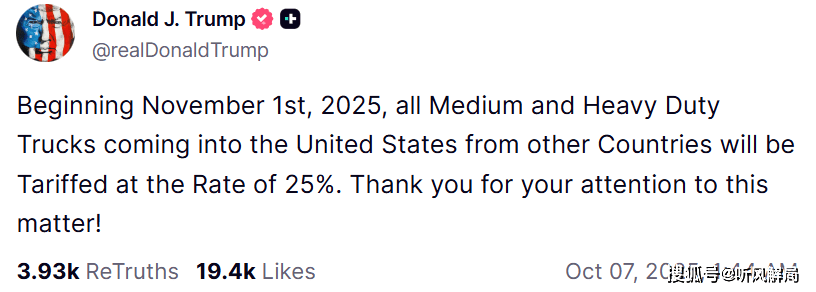
Group 1: Tariff Announcement and Impact - The announcement of a 25% tariff on all imported medium and heavy trucks to the U.S. starting November 1, 2025, has created significant turmoil in the U.S. automotive industry [1] - In 2022, the U.S. imported nearly 245,000 medium and heavy trucks, with a trade value exceeding $20 billion, indicating substantial revenue potential for the U.S. Treasury but also significant disruption for the industry [1] - The implementation of the tariff was initially set for October 1 but was postponed due to lobbying from automotive manufacturers, highlighting the influence of interest groups in U.S. politics [1] Group 2: Differentiated Impact on Companies - The impact of the new tariff will vary significantly among companies; for instance, International Automotive and Daimler have a high percentage of trucks produced in Mexico, making them particularly vulnerable [2] - In contrast, companies like PACCAR and Volvo, which produce nearly all their trucks domestically, are less affected and may benefit from the tariff situation [2] - Stellantis is actively lobbying for exemptions for its Mexican-produced Ram trucks, while competitors General Motors and Ford oppose this, indicating competitive tensions within the industry [2] Group 3: Broader Trade Policy Context - Trump's tariff policies reflect a broader "America First" ideology aimed at protecting U.S. industries and promoting manufacturing return [3] - The ongoing tariff measures are part of a larger trend of increasing protectionism, with potential implications for global trade dynamics and the risk of retaliatory actions from trade partners [3][4] - The evolving trade landscape poses challenges for companies, particularly Chinese firms, which must navigate the complexities of U.S. protectionism and seek diversified markets [4]
美国如今的困境告诉中国:击败美国的最佳方法,就是一步也不能退
Sou Hu Cai Jing· 2025-10-07 07:23
Group 1 - The article discusses the complex geopolitical landscape, highlighting that while the U.S. appears to be in control, it is facing multiple internal crises, including rising debt, political division, and conflicting economic policies [1][3] - The U.S. has increasingly shifted its internal pressures onto China, particularly under Trump's administration, using tariffs and sanctions as tools to address domestic issues [3][5] - The effectiveness of the U.S. strategy to transfer its problems to other countries is diminishing, as both the American public and allies express doubts about its reliability [5][9] Group 2 - The article draws parallels between the current U.S. approach towards China and historical actions taken against Japan in the 1980s, suggesting that the U.S. is repeating past mistakes by trying to suppress China's technological advancements [7][10] - China is responding to external pressures by accelerating the development of its own industrial system and increasing investment in research and development, rather than retreating in the face of challenges [9][12] - The article emphasizes China's commitment to its core interests, particularly regarding Taiwan, and its strategy of maintaining a steady course in international relations, focusing on long-term stability rather than short-term gains [12][13]
辉瑞700亿换豁免!特朗普“药房”85%折,全球药价被美国薅羊毛?
Sou Hu Cai Jing· 2025-10-04 04:44
Core Points - Trump and Pfizer's CEO reached a tripartite agreement focusing on drug price reduction, domestic investment, and tariff exemptions, attracting global attention [1] - The agreement is a result of months of pressure from the Trump administration, which previously demanded 17 global pharmaceutical companies to lower drug prices to levels comparable to developed countries [1][2] - According to a RAND Corporation report, U.S. drug prices are 2.78 times higher than the average prices in 32 OECD member countries [1] Group 1 - Pfizer will provide all drugs and future new drugs to the U.S. Medicaid program at "most favored nation prices," referencing the lowest prices from eight developed countries [2] - The "TrumpRx" government-operated platform will allow direct sales to U.S. consumers, offering discounts up to 80% on certain drugs and 50% on most primary care medications [2] - Pfizer will invest $70 billion in U.S. manufacturing and receive a three-year exemption from drug tariffs, with Trump stating that no tariffs will be charged if factories are relocated to the U.S. [2] Group 2 - Concerns have arisen regarding potential global drug price increases as companies may raise prices in developing countries to offset losses in the U.S. market [3] - The U.S. government plans to pressure other countries through trade negotiations to increase drug tariffs, contributing to market volatility and uncertainty [3] - The unilateral U.S. drug tariff policy has faced criticism for its lack of clarity, making it difficult for companies to establish stable investment plans [3] Group 3 - The transfer of U.S. drug pricing issues to the global stage highlights the hegemonic logic of the "America First" policy, which may lead to detrimental outcomes for the U.S. in the global pharmaceutical market [4]


韩国终于翻脸!说好的3500亿保护费,现在对美一分不给
Sou Hu Cai Jing· 2025-10-03 01:04
Core Viewpoint - The unexpected refusal of the South Korean government to pay $350 billion in agreed investments to the U.S. has significant implications for U.S.-South Korea relations and highlights a shift in South Korea's diplomatic stance towards a more autonomous foreign policy [1][6][10]. Group 1: Economic Concerns - South Korea's foreign exchange reserves total approximately $415 billion, and paying $350 billion would deplete 85% of these reserves, posing a severe risk to national economic security [3][4]. - The painful lessons from the 1997 Asian financial crisis still resonate in South Korea, leading the government to prioritize economic stability over external pressures [3][4]. Group 2: Political Dynamics - The Lee Jae-myung administration's shift towards "autonomous diplomacy" reflects a response to domestic dissatisfaction with previous pro-U.S. policies, aiming to balance relations between the U.S. and China [6][12]. - Public support for the government's refusal to pay the investment is strong, with over 60% of citizens backing the decision as a means to protect national economic interests [12]. Group 3: Regional Implications - China's firm stance against U.S. tariffs has provided a model for South Korea, demonstrating that resistance to U.S. pressure is feasible and potentially beneficial [8][13]. - The evolving dynamics in East Asia, with South Korea asserting more independence, may encourage other nations facing similar pressures to reassess their positions [10][15]. Group 4: Future Negotiations - Ongoing negotiations between the U.S. and South Korea are stalled, with the U.S. proposing installment payments while South Korea insists on linking investments to domestic industry development [14]. - The deadlock in negotiations reflects a broader trend of U.S. unilateralism pushing traditional allies towards more independent choices [14][15].
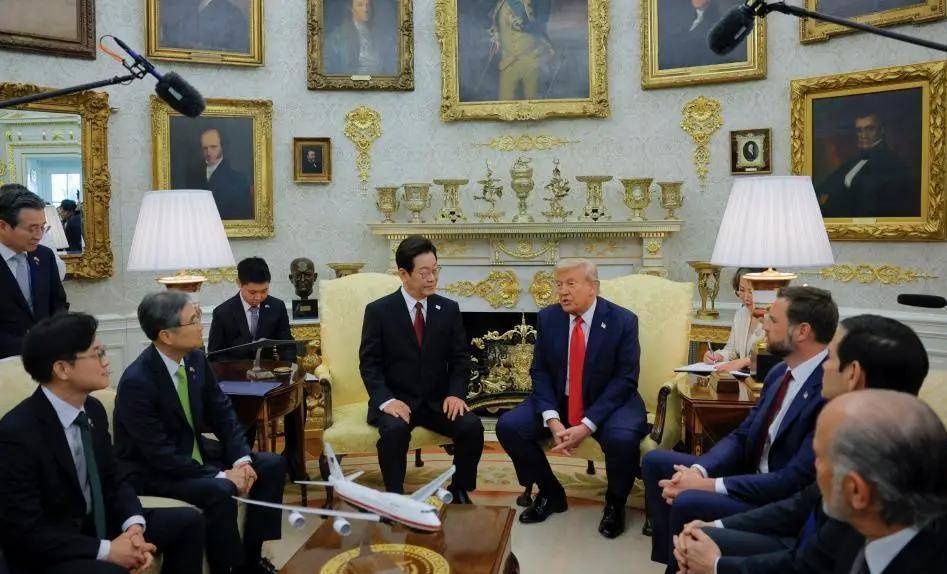
特朗普再次出手,加征100%关税,企业回流美国面临三大核心问题!
Sou Hu Cai Jing· 2025-09-30 14:16
Core Viewpoint - Trump's imposition of a 100% tariff on films not produced in the U.S. represents a significant escalation of his "America First" policy, but companies face substantial challenges in relocating operations back to the U.S. [1][3] Cost Issues - The cost of relocating manufacturing to the U.S. is a major barrier, with U.S. manufacturing workers earning an average of $43,000 per year, which is 3 to 6 times higher than their Asian counterparts [5][17] - Even with the new tariffs, total production costs in China remain 15% to 30% lower than in the U.S. [7] - U.S. infrastructure, such as outdated power grids and ports, exacerbates cost pressures, making it difficult to support large-scale manufacturing [9] Supply Chain Challenges - Rebuilding global supply chains is nearly impossible, as critical materials for industries like electric vehicle batteries are still predominantly sourced from Asia [11] - The film industry also suffers from supply chain issues, as requiring all production steps to occur in the U.S. could increase costs by 30% to 50% [13] Policy Instability - Frequent changes in tariff policies create uncertainty, discouraging long-term investments from companies [15] - The U.S. faces a talent shortage in manufacturing, with 58% of projected semiconductor jobs by 2030 likely to remain unfilled due to a lack of qualified candidates [17][19] Talent Shortage - The U.S. education system is not aligned with industry needs, resulting in a significant skills gap in manufacturing [17] - Immigration policies further restrict the influx of high-skilled talent, with only 85,000 H-1B visas issued annually despite high demand [19] Long-term Implications - The unilateral approach to tariffs is undermining the post-World War II multilateral trade system, leading to retaliatory measures from traditional allies [23] - A survey indicated that 65% of companies believe rebuilding supply chains in the U.S. would cost at least double current expenses, with 61% preferring to relocate to countries with lower tariffs [21] Potential Solutions - Increased investment in infrastructure and vocational education is necessary, with the Biden administration's CHIPS and Science Act providing $52.7 billion, but only $13.2 billion allocated for talent development [25] - Reforming immigration policies to ease restrictions on STEM talent could help alleviate the skills shortage [25] - Leveraging technological innovations in areas like AI and quantum computing may provide a pathway to regain competitive advantages in manufacturing [27]
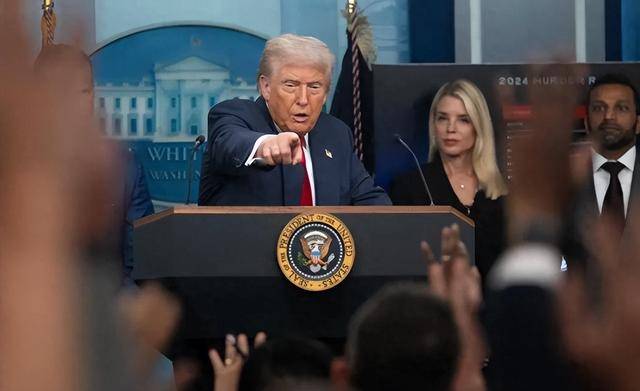
美国新一轮关税政策,将加剧全球贸易体系碎片化 | 国际识局
Sou Hu Cai Jing· 2025-09-29 07:47
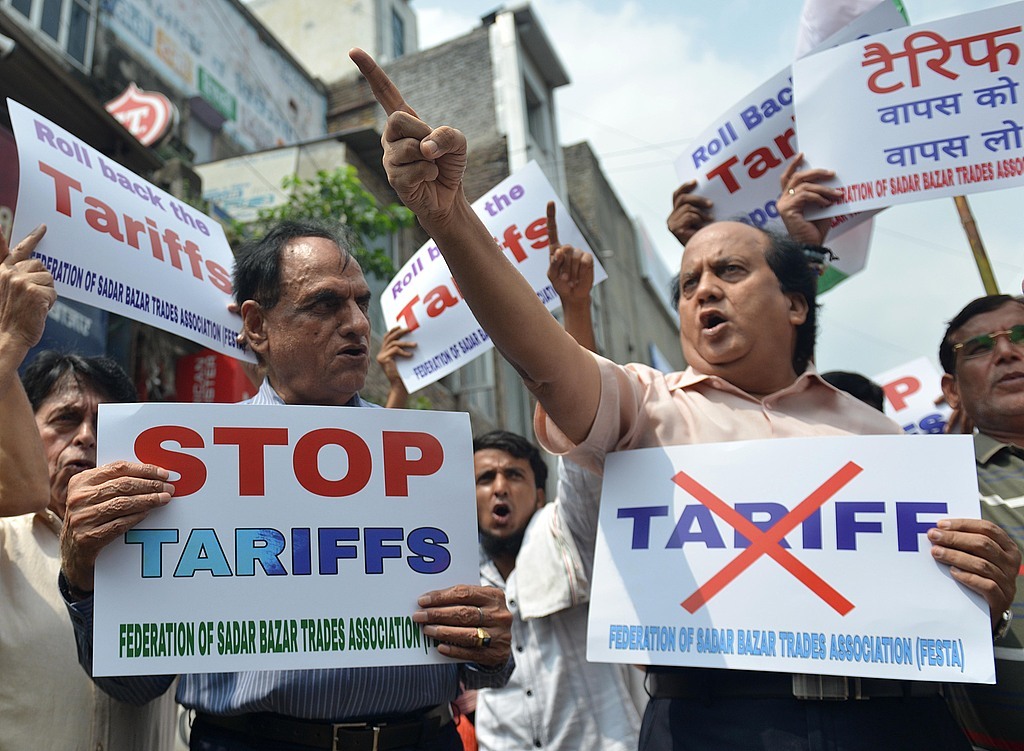
Core Points - The U.S. government has announced a new round of tariffs on heavy trucks, furniture, and brand-name pharmaceuticals, citing national security threats under the Trade Expansion Act of 1962, continuing the "America First" trade framework initiated during Trump's presidency [1][3] - The average tariff level in the U.S. has stabilized at around 18%, the highest in over a century, significantly impacting the global free trade system [3] - The new tariff policy emphasizes "forced manufacturing return," particularly in the pharmaceutical sector, where foreign brands building production facilities in the U.S. can receive exemptions from tariffs as high as 100% on imported drugs [3][4] - This tariff structure represents a shift from traditional protectionism to a more aggressive industrial policy, directly influencing multinational companies' investment decisions [3][4] Economic Implications - The U.S. government's narrative suggests that raising tariffs will reduce trade deficits, revitalize manufacturing, and increase federal revenue, but mainstream economic research institutions disagree, predicting significant negative impacts on GDP growth [4][5] - The tariffs effectively act as a tax on U.S. consumers and businesses, leading to higher domestic inflation and reduced real income for households, with the benefits to manufacturing being outweighed by economic costs [5] Social Impact - Tariffs, viewed as a consumption tax, disproportionately burden low-income families who spend a larger portion of their income on essential imported goods, while the tax cuts linked to tariff revenues primarily benefit high-income households and corporations [7] - The combination of tariffs and tax cuts creates a fiscal transfer mechanism that shifts economic burdens onto lower-income groups while providing benefits to wealthier individuals [7] Geopolitical Context - The U.S. government's unilateral tariff threats have successfully fragmented traditional alliances, undermining collective bargaining power among allies and prompting countries to seek individual agreements to protect their economies [8] - The current U.S. trade strategy signals a shift away from the post-World War II multilateral trade system, aiming to establish a new trade network centered around U.S. economic strength, which poses challenges to global trade stability [9]
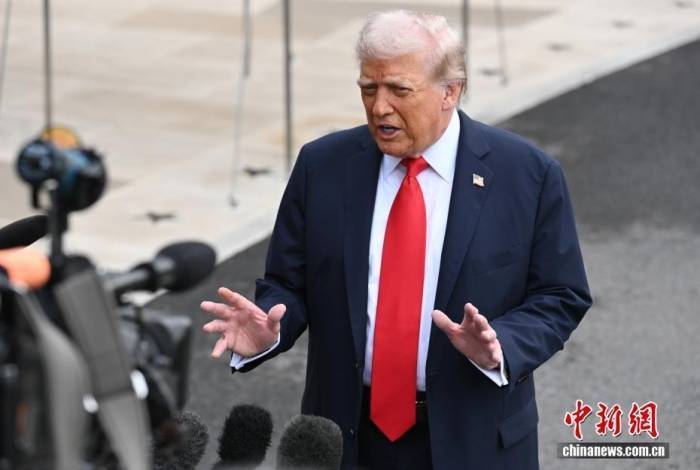
【环时深度】当“美国优先”撞上“印度优先”,美印结构性裂痕加深
Huan Qiu Shi Bao· 2025-09-28 22:45
Core Viewpoint - The relationship between the United States and India, once described as a "defining partnership of the 21st century," has deteriorated significantly due to issues such as tariffs and India's purchase of Russian oil, indicating structural fractures and competition between the two nations [1][4][6]. Group 1: Historical Context - The close relationship between Trump and Modi was marked by public displays of friendship, including large-scale events in both countries, aiming to boost bilateral trade to $500 billion by 2030 [2][4]. - Recent tensions have escalated with the U.S. imposing a 25% retaliatory tariff on Indian goods and designating India as a major drug transit country, which has strained diplomatic ties [4][5]. Group 2: Structural Issues - The U.S. and India are experiencing structural tensions, particularly regarding India's strategic independence and its relationships with countries like Russia, which the U.S. views as a challenge [6][7]. - The U.S. desires a strong India but is wary of its growing power, leading to conflicting interests in foreign policy and trade [7][8]. Group 3: Economic Implications - The U.S. has imposed tariffs as part of its "America First" policy, which conflicts with India's "Make in India" initiative aimed at boosting domestic manufacturing [9][10]. - The trade relationship is under pressure, with a projected trade deficit of $45.7 billion for 2024, prompting India to seek diversification in its trade partnerships [10][11]. Group 4: Future Outlook - Despite current tensions, there are indications that a trade agreement may be reached, although both sides may remain dissatisfied with the outcomes [11]. - India is actively pursuing a more diversified economic strategy to mitigate the impact of U.S. tariffs while maintaining its strategic partnership with Washington, particularly in defense and technology [11][12].
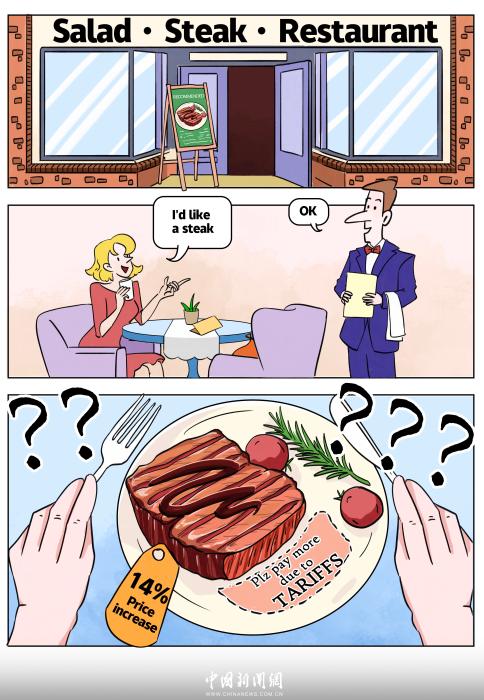
牛排缩水,账单上涨|新漫评
Zhong Guo Xin Wen Wang· 2025-09-28 11:41
Core Viewpoint - The U.S. government's tariff policies, under the banner of "America First," are failing to achieve their intended goals, leading to increased inflation, disrupted supply chains, and a destabilized global economy [2] Summary by Relevant Sections - **Inflation Impact**: Tariffs have contributed to significant price increases for various consumer goods, with coffee prices rising by 26%, beef by 14%, oranges by 17%, bananas by 6%, chicken by 6%, chocolate chip cookies by 5%, chips by 4%, and milk by 4%. In contrast, average wages for workers have only increased by 2% [2] - **Economic Consequences**: The current tariff policies have transformed from a political issue to a direct impact on American households, where consumers face higher costs for basic food items, effectively shrinking their budgets and quality of life [2]
全球美军将领下周罕见集结,细节曝光
Mei Ri Jing Ji Xin Wen· 2025-09-28 00:20
Group 1 - The U.S. Secretary of Defense, Lloyd Austin, has ordered hundreds of military leaders to gather at a Marine Corps base in Virginia, with the reasons for this unusual directive remaining unspecified [1] - The meeting is expected to focus on the necessity of maintaining a "warrior spirit" within the military, as well as potentially discussing substantive issues such as a new defense strategy and anticipated cuts to senior military ranks [1][2] - The upcoming 2025 U.S. defense strategy report suggests a significant shift in priorities, emphasizing the defense of U.S. territory and the Western Hemisphere over countering threats from China and Russia [3] Group 2 - The Trump administration has been pushing an "America First" policy, with Secretary of Defense Austin indicating that the greatest threat currently faced by the U.S. comes from its borders [5] - There are plans to significantly reduce troop levels in Europe and the Middle East, with U.S. forces in Europe expected to decrease from 90,000 to 60,000 and those in the Middle East from 40,000 to 25,000 [9] - The U.S. military presence in South Korea and Okinawa will also be reduced, with responsibilities shifting to South Korean and Japanese forces, indicating a potential strategic withdrawal from the "second island chain" [11]