金融强国

Search documents
乘势而上,提质增效 为实现“十五五”良好开局提供高质量期货服务
Xin Lang Cai Jing· 2025-12-11 13:59
文:广发期货有限公司党委书记、董事长 周伟 12月10日至11日,中央经济工作会议在北京举行。习近平总书记出席会议并发表重要讲话,总结2025年 经济工作,分析当前经济形势,部署2026年经济工作;李强总理作总结讲话,对贯彻落实习近平总书记 重要讲话精神、做好明年经济工作提出要求。本次会议同时也为期货行业高质量谋划明年工作,实 现"十五五"开好局、起好步指明方向,明确目标,部署任务。 一是提高政治站位,强化战略引领。会议强调,"要按照党的二十届四中全会《建议》编制国家和地 方'十五五'规划及专项规划,推动高质量、可持续的发展"。2026年,是"十五五"规划开局之年,也是期 货行业乘势而上的关键起点。广发期货将坚持政治引领,牢牢把握加快建设金融强国的实践要求,主动 将自身发展融入国家战略大局,胸怀国之大者,主动担当作为,做好发展规划,以自身的确定性积极应 对未来的不确定性,为服务"稳就业、稳企业、稳市场、稳预期"积极贡献自身价值。 二是明确功能定位,提升服务质效。会议指出,"引导金融机构加力支持扩大内需、科技创新、中小微 企业等重点领域""完善海外综合服务体系"。广发期货将紧扣期货市场功能发挥的核心要义,加强资 ...


奋力打造一流的期货和衍生品综合服务商
Xin Lang Cai Jing· 2025-12-11 13:53
Core Viewpoint - The article emphasizes the importance of the 14th Five-Year Plan and the need for the futures industry to align with national strategies, focusing on expanding domestic demand, optimizing supply, and enhancing risk management to support economic growth and stability [1][2][5][6]. Group 1: Economic Strategy and Goals - The Central Economic Work Conference outlines the overall requirements and key tasks for economic work in the coming year, stressing the need to continuously expand domestic demand and optimize supply [1][5]. - The 14th Five-Year Plan aims to strengthen the construction of a financial powerhouse, promoting the development of futures, derivatives, and asset securitization [1][5]. Group 2: Industry Development and Responsibilities - The futures industry must focus on serving the real economy, aligning with national strategic needs, and enhancing its functions to contribute to the construction of a unified domestic market and the cultivation of new growth drivers [3][7]. - The industry is encouraged to deepen its understanding of the political and social aspects of financial work, enhancing its role in price discovery, risk management, and resource allocation [2][6]. Group 3: Professional Empowerment and Innovation - There is a call for accelerating business transformation and upgrading, optimizing the supply of futures and derivatives services, and exploring the application of financial technologies like AI and big data [3][7]. - The industry should shift its development model from scale expansion to quality improvement, focusing on product innovation and service exploration [3][7]. Group 4: Compliance and Risk Management - Strengthening compliance awareness and improving the compliance and risk management system is essential for effective control of business operations and risk mitigation [4][7]. Group 5: Cultural Development - The promotion of a distinctive financial culture that emphasizes compliance, integrity, professionalism, stability, and responsibility is vital for the long-term stability and growth of the company [4][8].
鹏扬基金举行学习党的二十届四中全会精神主题党课
Zheng Quan Ri Bao Wang· 2025-12-11 11:41
在认真听取主题宣讲后,杨爱斌作学习动员讲话时表示,金融服务实体经济是"十五五"时期推动金融高 质量发展、加快建设金融强国的重要举措。鹏扬基金作为投资机构,公司上下要深刻认识金融工作的政 治性、人民性,按照党和国家对未来五年经济社会发展的顶层设计和战略部署,着力写好金融"五篇大 文章",以创新引领高质量发展,不断提升投研核心竞争力和客户精准服务能力,打造具备中国特色、 前瞻满足广大投资者和实体经济需求的丰富产品体系,持续提升风险管理水平和应对能力,勇于担当社 会责任,坚决维护资本市场平稳健康发展和国家金融安全,为实现"十五五"规划目标贡献更大力量。 本报讯(记者昌校宇)近日,鹏扬基金党支部举行学习党的二十届四中全会精神主题党课。本次党课特邀 浙商证券(601878)首席经济学家李超博士作宣讲报告。鹏扬基金党支部副书记、督察长宋震主持学 习,鹏扬基金党支部书记、总经理杨爱斌作学习动员。 李超从培育壮大新兴产业和未来产业、加强关键核心技术攻关、培训科技人才和培育领军企业、全面实 施"人工智能+"行动、建设全国统一大市场、加快建设金融强国等方面,结合资本市场工作实际,对党 的二十届四中全会精神和"十五五"规划建议进行 ...
打造一流投行需要一流担当
Jing Ji Ri Bao· 2025-12-10 22:39
中国证监会主席吴清近日提出"加快打造一流投资银行和投资机构,更好助推资本市场高质量发展",为 下一阶段投行发展明晰了定位、指明了方向。 打造一流投行,是时代所呼。作为直接融资的主要"服务商"、资本市场的重要"看门人"、社会财富的专 业"管理者",投行和投资机构在资源配置、价值发现、企业孵化等方面发挥着不可替代的作用。纵观世 界经济发展史,强大的资本市场往往与一流投行相伴相生。当前,我国已拥有全球第二大资本市场,宏 观经济正迈向更高质量发展,现代化产业体系加快建设,居民财富管理需求巨大,既为投行发展提供了 广阔舞台,也对与之相匹配的投行服务能力提出更高要求。 一流投行需要一流本领。一流不仅是规模大,还要专业强、服务优。这需要机构在定价销售、风控管理 和科技能力上同步发力。要当好"看门人",恪守诚实守信、勤勉尽责、独立客观原则,从把好IPO入口 关向全程护航加快转型,引导上市公司提升价值;要锻造一双价值发现的"慧眼",成为新质生产力的敏 锐发现者和坚定培育者,深度参与企业价值创造;要与投资者共进共赢,主动对接不同风险偏好、不同 规模、不同期限的多元化理财需求,更好助力居民优化资产配置。 打造一流投行,是现实所需。 ...
政策双周报(1121-1209):政治局会议召开,保险投资股票风险因子调降-20251210
Huachuang Securities· 2025-12-10 09:28
1. Report Industry Investment Rating No information provided in the report. 2. Core Viewpoints of the Report - The 12th Politburo meeting emphasized the continued implementation of a more proactive fiscal policy and a moderately loose monetary policy, leveraging the integrated effects of existing and incremental policies and strengthening counter - cyclical and cross - cyclical adjustments. The government aims to enhance the adaptability of consumer goods supply and demand to promote consumption. The financial sector should work towards building a financial powerhouse [1][10]. - The government will implement a more effective and forceful proactive fiscal policy, with the issuance of local government bonds exceeding 10 trillion yuan for the first time [2][13]. - The central bank focuses on cross - cyclical balance, with net purchases of 50 billion yuan of treasury bonds in November, slightly lower than market expectations [3][14]. - Financial regulators have launched a pilot program for commercial real estate REITs and lowered the risk factors for insurance companies' stock investments [4][18]. - In the real estate sector, Vanke is seeking an extension of its domestic bonds, and Shenzhen has introduced new rules for housing provident fund withdrawals to support home purchases [5][23]. 3. Summary by Directory 3.1 Macro - tone - The Politburo meeting on December 8 proposed that next year's economic work should continue to implement a more proactive fiscal policy and a moderately loose monetary policy, leveraging the integrated effects of existing and incremental policies, strengthening counter - cyclical and cross - cyclical adjustments, focusing on domestic demand, and promoting innovation - driven development [10]. - On November 26, six departments jointly issued a plan to enhance the adaptability of consumer goods supply and demand, aiming to form three trillion - level consumption sectors and ten billion - level consumption hotspots by 2027 and establish a high - quality development pattern of supply and consumption interaction by 2030 [10][12]. - On December 3, Wang Jiang proposed accelerating the construction of a financial powerhouse, developing diversified financing methods such as equity and bond financing, and steadily promoting the development of futures, derivatives, and asset - backed securities [11]. 3.2 Fiscal Policy - On December 2, Minister of Finance Lan Fuan emphasized the implementation of a more effective and forceful proactive fiscal policy, expanding domestic demand, and optimizing government investment. The government should also prevent and resolve local government debt risks [13][15]. - As of December 2, the issuance scale of national local government bonds reached approximately 10.1 trillion yuan, breaking through the 10 - trillion - yuan mark for the first time [2][13][15]. 3.3 Monetary Policy - On December 4, Central Bank Governor Pan Gongsheng mentioned that the central bank should focus on cross - cyclical balance, avoid excessive policy adjustments, and use various monetary policy tools to smooth economic fluctuations [14][17]. - In November, the central bank net - bought 50 billion yuan of treasury bonds, slightly lower than market expectations. However, the need for banks to increase bond purchases significantly is limited. The central bank's bond - buying may still be an important tool for liquidity injection next year [3][14][17]. 3.4 Financial Supervision - On December 6, CSRC Chairman Wu Qing encouraged leading institutions to build world - class investment banks through mergers and acquisitions, and "moderately loosen restrictions" on high - quality securities firms, while the Asset Management Association of China may cut the salaries of underperforming fund managers [18][21][22]. - On November 28, the CSRC issued a draft announcement for a pilot program of commercial real estate investment trust funds, specifying product definitions, registration, and management requirements [19][21]. - On December 5, the National Administration of Financial Regulation adjusted the risk factors for insurance companies' stock investments, reducing the risk factors for certain stocks held for a certain period [20][21]. 3.5 Real Estate Policy - On November 26, Vanke sought an extension of its 2 billion yuan domestic bond due on December 15, 2025. The proposed extension plan includes a one - year extension of principal and interest payments, with the interest rate remaining unchanged [23][26]. - On December 5, Shenzhen introduced new rules for housing provident fund withdrawals, increasing the support for home purchases, including different withdrawal limits for the first, second, and subsequent homes [24][26]. - On December 6, a media outlet under the Ministry of Housing and Urban - Rural Development stated that the vitality of the real estate market is crucial for high - quality development. Local governments should actively resolve the risks of troubled real estate enterprises [24][25][26].

平安点创租赁崔涛 :潮起东方育“产业金融工匠”
Di Yi Cai Jing· 2025-12-10 02:22
当"十五五"规划将 "金融强国" 建设推向战略纵深,作为国际金融中心的上海,正如一艘巨轮伴随着一群群"水手"的号角,在金融波涛中破浪前行 。在这片 浸润着政策温度与创新活力的汪洋上,平安点创国际融资租赁有限公司副总经理崔涛深耕医疗租赁十五载 。从陆家嘴写字楼里的方案推演,到县域医院的 设备调试;从行业标准的字斟句酌,到基层医疗的需求响应,他的青春轨迹,恰似一条精准的纽带,一头连着"十五五"产业升级的战略方向,一头系着民生 健康的现实需求,用"金融 + 贸易 + 服务"的创新实践,书写着上海金融青年的时代答卷。 一线淬炼:潮起东方育"产业金融工匠" 行业引领 :上海标准构建中的青年担当 上海作为融资租赁行业的创新高地,始终以 " 制度创新" 引领行业规范发展 。崔涛深知,个体的实践若要形成行业的力量,必须融入政策构建的进程 。作 为上海市融资租赁行业协会理事单位核心成员,他带领团队梳理近五年医疗租赁案例,为《上海医疗租赁年度报告》提供核心数据与实践样本,这些来自一 线的经验,成为临港新片区优化租赁监管政策 、制定 "差异化准入标准" 的重要参考 。2025 年 ,《浦东新区医疗器械融资租赁管理若干规定》正式实施 ...
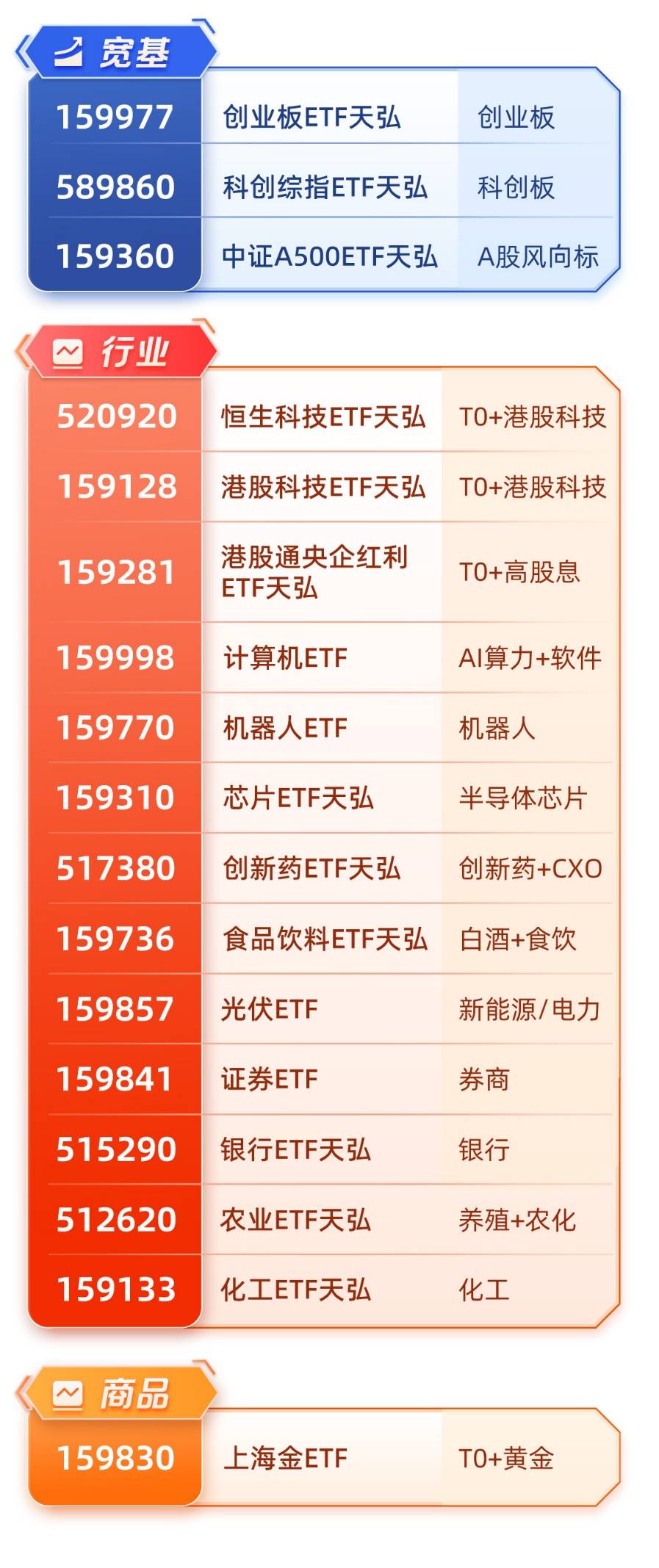
推进券商国际化布局!证券ETF(159841)近20日有17日获资金净流入,券商“出海”价值再凸显
Sou Hu Cai Jing· 2025-12-10 01:29
【相关产品】 证券ETF(159841),对应场外联接基金(A:008590,C:008591)。 【热点事件】 证监会:稳步推进券商国际化布局,提升跨境金融综合服务能力 资金流入方面,证券ETF(159841)近20个交易日内有17日资金净流入,合计"吸金"2.07亿元。 【产品亮点】 证券ETF(159841)跟踪标的一键打包优质上市券商,其中近6成仓位集中于十大龙头券商,"大资管"+"大投行"龙头齐聚;另外4 成仓位兼顾中小券商的业绩高弹性,吸收了中小券商阶段性高爆发特点,是集中布局头部券商、同时兼顾中小券商的高效率投 资工具。 截至2025年12月9日收盘,证券ETF(159841)成交2.71亿元。跟踪的中证全指证券公司指数(399975)下跌1.24%。成分股光大证券 (601788)、中信建投(601066)收涨。 截至12月9日,证券ETF(159841)近3月规模增长23.88亿元,近1月份额增长2.30亿份,实现显著增长。 12月6日,在中国证券业协会第八次会员大会上,证监会主席提到,证券机构需要提升跨境金融综合服务能力,稳步推进国际化 布局,包括"一带一路"沿线市场拓展,加强境内外协同, ...
华安证券党委书记、董事长章宏韬: 构建义利共生发展体系 筑牢金融强国文化根基
Zhong Guo Zheng Quan Bao· 2025-12-09 20:49
Core Viewpoint - The concept of "Yili Qili" (义取利) is emphasized as a crucial part of China's financial culture, guiding securities firms to balance commercial value and social value in the context of building a strong financial nation [1][2]. Group 1: Functionality and Profitability - There are two opposing views regarding the core positioning of securities companies: one prioritizes profit for shareholders, while the other emphasizes social responsibility [2]. - The "Yili Qili" concept transcends this dichotomy, suggesting that the economic, political, and social functions of securities firms are interconnected and should be viewed as an organic whole [2][3]. - Securities companies serve as a vital bridge between savings and investments, facilitating economic cycles and supporting the high-quality development of the real economy [2]. Group 2: Political and Social Functions - Securities firms utilize capital market tools to support national strategies, focusing on key areas such as technological independence and green development [3]. - The social function of securities firms includes promoting inclusive finance and investor education, ensuring that financial services benefit a broader population [3][6]. - The essence of "Yili Qili" is achieving a dynamic balance among the three major functions of securities firms, aligning political, social, and economic goals [3]. Group 3: High-Quality Development - The "Yili Qili" culture is embedded in the path toward high-quality development for securities firms, requiring a balance between various important relationships [4]. - The company integrates the "Yili Qili" philosophy into its governance and operational practices, emphasizing long-term thinking and sustainable growth [5]. - Compliance and risk management are viewed as essential components of the "Yili" and "Li" balance, with a focus on establishing a comprehensive risk management system [5]. Group 4: Contribution to National Strategy - The effectiveness of "Yili Qili" is reflected in the company's contributions to the political and social dimensions of financial work [6]. - The company enhances its service capabilities through a systematic approach, focusing on innovation and supporting emerging industries [6][7]. - The company actively engages in national strategies, such as the integration of the Yangtze River Delta, and promotes investor education to foster a rational investment mindset among small investors [7]. Group 5: Future Outlook - The company aims to align with national strategic deployments and deepen its understanding of the "Yili Qili" concept, exploring optimal paths for high-quality development [7].

党建领航 数字赋能 深耕廉洁从业“责任田”
Zhong Guo Zheng Quan Bao· 2025-12-09 20:22
Core Viewpoint - The article emphasizes the importance of integrating integrity and compliance into the corporate culture of Huatai Securities, aligning with the broader goals of China's financial development and cultural strength as outlined in the 14th Five-Year Plan [1][6]. Group 1: Corporate Governance and Integrity - Huatai Securities views party discipline and integrity as essential for high-quality development, aiming to create a clean corporate environment that fosters growth [2][5]. - The company has established a comprehensive learning mechanism to enhance awareness of integrity and compliance among employees, including regular training and educational materials [2][3]. - A "Clean Operation Manual" has been developed to clarify and operationalize integrity regulations, making them accessible and actionable for employees [2][3]. Group 2: Digital Transformation and Risk Management - Huatai Securities has implemented a "Clean Risk Management System" that identifies over 1,200 internal control points across its business chain, focusing on real-time risk detection and management [3][4]. - The company has developed an employee investment behavior monitoring system to prevent improper trading and information leaks, enhancing overall compliance [3][4]. - A financial cloud system has been established to support remote financial data management and integrate risk data from overseas subsidiaries into a centralized risk database [4]. Group 3: Long-term Commitment to Integrity - The company emphasizes that integrity is not just a one-time effort but a critical component of its governance and competitive advantage, deeply embedded in its strategic and operational framework [5][6]. - Huatai Securities is committed to continuously improving its integrity management system, ensuring that integrity requirements are integrated across various business functions [5][6]. - The company aims to transition from reactive measures to proactive risk prevention, enhancing its overall governance structure [5][6].

三十年股市激荡:从《股疯》的人性考验,到九方智投AI股票机的“认知铠甲”
Di Yi Cai Jing Zi Xun· 2025-12-09 11:03
Core Insights - The article reflects on the evolution of China's capital market, highlighting its growth to become the world's second-largest market with a total market value exceeding 100 trillion yuan and over 5,000 listed companies [1] - It emphasizes the ongoing challenge for ordinary investors to navigate information asymmetry and knowledge gaps, which remains relevant despite the passage of time [1][2] Group 1: Investment Education and Market Development - The proportion of residents' equity assets is only about 15%, indicating a significant potential for asset management and wealth management needs [3] - The regulatory framework is increasingly focused on investor education, aiming to cultivate a mature and rational investor base as a foundation for a transparent and resilient capital market [3] - The intersection of policy direction and market demand has led to the emergence of new solutions, with a shift from fragmented learning to systematic and intelligent education becoming essential [3] Group 2: Technological Integration in Investment - The integration of finance and technology is not just about efficiency but represents a profound revolution in investor cognition, exemplified by innovative products like the AI stock machine from Jiufang Zhitu [5] - The AI stock machine aims to address the challenges of information, knowledge, and cognitive gaps faced by investors, transforming previously exclusive research and data analysis capabilities into accessible services [5][7] - This product features a comprehensive ecosystem that includes hardware, software, content, and services, designed to enhance users' financial literacy and practical skills through various modules [7] Group 3: Future of Capital Markets - The emergence of tools like the AI stock machine signifies a response to the deep-seated rules of financial markets, contributing to the healthy development of capital markets and ensuring that investors can share in economic growth [9] - The article posits that technology, particularly AI, is becoming a crucial force in balancing market efficiency and fairness, fostering a more rational and robust capital market ecosystem [9]