养老金融

Search documents
守护稳健步伐,平安产险上海分公司以“公益+金融”创新养老生态
Cai Fu Zai Xian· 2025-12-26 04:26
Group 1 - The "Every Step is Filled with Love" project aims to prevent falls among the elderly, launched with the support of various organizations including the Shanghai Municipal Government and Fudan University [1][3] - The project emphasizes the importance of safe walking for seniors and includes a comprehensive approach combining prevention and financial protection [6] - The initiative features the release of a fall prevention handbook and a specially composed morning exercise routine for seniors [3][6] Group 2 - Ping An Property & Casualty Insurance Shanghai Branch actively participates in the project, providing insurance support and materials to enhance the safety of the elderly [1][6] - The company is committed to promoting financial literacy among seniors, planning over 30 anti-fraud financial events in 2024 [9] - The organization aims to leverage its financial and healthcare resources to contribute to community welfare and ensure the health and safety of the elderly [9]



精准滴灌养老产业,交通银行滨州分行扎实做好“养老金融大文章”
Qi Lu Wan Bao· 2025-12-26 02:29
Core Viewpoint - The aging industry is crucial for public welfare and serves as a key area for financial services to support the real economy, with the Bank of Communications' Binzhou branch focusing on tailored financial services and innovative product offerings to enhance the development of the aging industry [1] Group 1: Financial Service Foundation - The Bank of Communications' Binzhou branch has established a special service team to address the common challenges of "difficult and expensive financing" faced by aging enterprises, conducting in-depth research by visiting 19 aging industry companies to understand their financing needs and development pain points [2] - The branch aims to build a solid foundation for financial services by thoroughly understanding industry development trends and policy requirements, thereby optimizing service strategies [2] Group 2: Innovative Financial Products - Leveraging the advantages of the Bank of Communications' resources and local pilot policies, the Binzhou branch has launched an online and convenient financial product called "Binzhou Elderly Easy Loan" to address the industry's pain points of slow financing and complicated procedures [3] Group 3: Service Efficiency - To efficiently address the financing needs of aging enterprises, the Binzhou branch has initiated a "green channel" service model, reporting project situations to higher management promptly and establishing a dynamic tracking mechanism to resolve various issues in credit applications [4] - The branch has successfully issued "Elderly Assistance Loans" totaling 30 million yuan to support the upgrading of the aging industry in Binzhou, with plans to continue innovating in aging financial services and improving product systems and service processes [4]

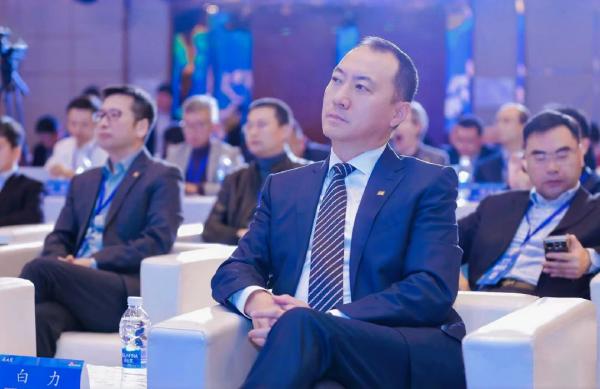
长城人寿董事长白力:锚定两大核心赛道,打造家庭保障新范式
Zhong Guo Xin Wen Wang· 2025-12-26 01:41
Core Viewpoint - The insurance industry is at a critical juncture, shifting from a growth-oriented logic to a value-driven logic focused on survival and development, emphasizing the need for stability and specialization to build sustainable advantages during cyclical fluctuations [1][3]. Industry Trends - The Chinese economy is undergoing a transformation towards high-quality development, necessitating insurance companies to integrate into the modernization process of China, thereby realizing their value through service to the real economy, social security enhancement, and participation in social governance [1][3]. - The long-term low interest rate environment has rendered the previous growth model reliant on interest spreads unsustainable, while demographic aging has created significant demand for pension and healthcare services [3][4]. Company Strategy - The company has established a strategic transformation direction centered on capital safety, prioritizing long-term value over short-term premium scale [3][4]. - Long-term investment strategies include a "dumbbell" approach, balancing long-duration bonds and high-grade credit bonds with equity investments focused on high-dividend, low-valuation companies and strategic emerging industries [4][5]. Focus on Pension Finance - The company views pension finance as a critical area for high-quality development, aiming to create a comprehensive solution that integrates insurance payments with health and wellness services [6][7]. - The company has initiated product and service innovations in the pension finance sector, including a series of ecological service systems and long-term investments in pension institutions in key cities [6][7]. Technological Integration - The company is leveraging AI technology to enhance operational efficiency and reshape the insurance business model, aiming for personalized service and comprehensive family protection [7][8]. - Future plans include optimizing AI applications in pricing, health management, and pension solutions, while ensuring data security and algorithm governance [8][10]. Industry Outlook - The current phase of the industry is characterized by a return to core values and a redefinition of development logic, driven by regulatory guidance and market demand [9][10]. - The company plans to launch a new five-year plan in 2026, focusing on safety, transformation, customer-centricity, and digital intelligence as key pillars for systematic transformation [10].
险企养老版图加速“裂变”
Zheng Quan Ri Bao· 2025-12-25 23:28
Core Insights - The insurance industry is accelerating its investment in high-quality elderly care communities, responding to China's aging population and creating a network of services that cater to diverse needs [1][4][11] Group 1: Industry Trends - By the end of 2025, insurance companies are expected to launch over 10 elderly care community projects, with major players like China Life, Taikang Insurance, and China Pacific Insurance leading the way [2][3] - The insurance sector has transitioned from isolated projects to a nationwide network, enhancing the scale and reach of elderly care services [2][4] Group 2: Market Drivers - The demand for elderly care is driven by a rapidly aging population, with over 310 million people aged 60 and above in China, and the silver economy projected to reach 30 trillion yuan by 2035 [4][8] - Policy support from the government, including guidelines for the development of elderly financial services, is facilitating the growth of the insurance sector in this area [4][7] Group 3: Business Models - Insurance companies are adopting diverse operational models, including heavy asset, medium asset, and light asset strategies, to optimize their investments in elderly care [5][10] - The integration of insurance products with elderly care services is becoming a key strategy for enhancing sales and customer retention [9][10] Group 4: Challenges and Solutions - The industry faces challenges such as high operational costs and the need for a minimum occupancy rate of 60% to achieve cash flow sustainability [10] - To address these challenges, companies are exploring innovative service models and collaborating with government and industry associations for support [11]
锚定金融“五篇大文章”着力服务重庆高质量发展
Zhong Guo Zheng Quan Bao· 2025-12-25 21:11
Core Viewpoint - Southwest Securities is actively implementing its financial strategy with a focus on technology finance and green finance, aiming to enhance its professional investment capabilities and support high-quality development in Chongqing [1][6]. Group 1: Strategic Initiatives - The company has developed a three-year work plan to promote technology finance services, green finance, inclusive finance, pension finance, and digital finance [1][6]. - A dedicated task force has been established to accelerate the development of a first-class investment bank and investment institution, led by the chairman and general manager [2][6]. - The company has implemented a special incentive plan to support strategic projects, particularly in technology finance, with a focus on innovation and market-driven initiatives [2][3]. Group 2: Technology Finance - Southwest Securities has provided financing services to technology enterprises, with a total investment scale of approximately 10 billion yuan through various means, including the issuance of technology innovation bonds [3][4]. - The company has facilitated significant mergers and acquisitions, with over 5 billion yuan in transaction amounts in Chongqing, supporting the transformation of listed companies [3][4]. - The subsidiary has focused on strategic emerging industries, investing 230 million yuan in technology enterprises in 2023, and has successfully helped 12 companies go public on the Science and Technology Innovation Board [3][4]. Group 3: Green Finance - The company has actively developed green finance to support the "dual carbon" goals, having underwritten three green bonds totaling 1.2 billion yuan [5][6]. - Southwest Securities has launched over 120 green financial products in 2023, focusing on low-carbon and renewable energy themes [5][6]. - The company has obtained qualifications for carbon emission trading and completed its first carbon quota purchase transaction in the first half of 2025 [5][6]. Group 4: Future Outlook - The company aims to integrate the financial "five major articles" into its 14th Five-Year Plan, enhancing top-level design and guidance [6][7]. - Southwest Securities plans to establish a sustainable service system and business model, focusing on technology finance, green finance, inclusive finance, pension finance, and digital finance [6][7]. - The company is committed to fostering an environment that encourages innovation and tolerates failure, aiming to attract resources to key sectors such as technology innovation and green development [6][7].

加快建设金融强国 践行高质量发展使命
Shang Hai Zheng Quan Bao· 2025-12-25 18:50
Core Insights - The "14th Five-Year Plan" emphasizes the acceleration of building a financial powerhouse, with the public fund industry expected to reach nearly 37 trillion yuan by the end of November 2025, transitioning from "scale expansion" to "quality enhancement" [1] - The fund industry is urged to support the transformation of the real economy by channeling capital into key areas such as technology, green finance, and pension finance, creating a virtuous cycle of capital and industry [2] Group 1: Financial Empowerment - The fund industry is focusing on long-term capital allocation to empower the transformation of the real economy, aligning with national strategies in technology innovation, green finance, and pension solutions [2] - In technology innovation, public funds are increasingly investing in hard tech companies, leveraging professional research to help overcome critical technological bottlenecks [2] - The green finance sector is witnessing steady growth in ESG fund sizes, with institutions integrating environmental risk assessments into their investment processes [2] Group 2: Research and Compliance - The core support for the "Five Major Articles" lies in the systematic enhancement of research capabilities, with many institutions adopting integrated research systems to improve asset discovery across cycles [3] - Compliance and risk management are critical for the fund industry, with a shift towards comprehensive, real-time risk monitoring systems being established to ensure financial stability and investor trust [4] - Institutions are embedding compliance requirements throughout their operations, enhancing employee awareness through training and education [4] Group 3: Inclusive Finance - The fund industry is committed to promoting inclusive finance to ensure broader access to capital market benefits, aligning with the goal of common prosperity [7] - Cost reduction and diversified product offerings are key strategies for inclusive finance, with institutions lowering fees and creating a variety of investment products to cater to different investor needs [7] - Long-term investor education initiatives are being implemented to enhance financial literacy and promote rational investment behaviors, contributing to a healthier market ecosystem [8]
养老社区布局从“落子成点”到“经纬成网” 险企养老版图加速“裂变”
Zheng Quan Ri Bao Zhi Sheng· 2025-12-25 16:36
Core Viewpoint - The insurance industry is accelerating its investment in high-quality elderly care communities, responding to China's aging population and creating a nationwide network for "migratory-style retirement" by 2025 [1][2]. Group 1: Industry Trends - By the end of 2025, insurance companies are expected to launch over 10 elderly care community projects, with major players like China Life, Taikang Insurance, and China Pacific Insurance leading the market [2][3]. - The insurance sector has built 130 elderly care community projects during the 14th Five-Year Plan period, establishing a broad network of elderly care services [2]. Group 2: Market Drivers - The demand for elderly care is driven by over 310 million people aged 60 and above in China, with the silver economy projected to reach 30 trillion yuan by 2035 [4]. - Policies from the China Banking and Insurance Regulatory Commission support insurance institutions in investing in elderly care facilities, providing clear guidance for industry development [4]. Group 3: Business Models - Insurance companies are diversifying their investment strategies, moving from a heavy asset model to a combination of heavy, medium, and light asset approaches [5]. - The "insurance product + elderly care community" model enhances large policy sales and aligns with the long-term investment needs of elderly care facilities [4][5]. Group 4: Home Care Services - Home care is becoming a new focus for insurance companies, addressing the core needs of the elderly population and expanding service coverage [6][8]. - Major insurance firms like Ping An have extended home care services to 100 cities, benefiting nearly 240,000 clients [7]. Group 5: Strategic Importance - The insurance sector's engagement in elderly care is seen as a strategic long-term initiative, aiming to create a second growth curve for life insurance businesses and transition from product sales to service-oriented models [9][11]. - The integration of elderly care services with insurance products is expected to enhance customer loyalty and control costs [9][10]. Group 6: Operational Challenges - High capital costs and long return cycles are common challenges in the elderly care community sector, with occupancy rates needing to exceed 60% for cash flow sustainability [10]. - The home care sector faces operational challenges, including high service costs and the need for standardized services, which require innovative solutions and collaboration among various stakeholders [10].



专访杨涛:金融“五篇大文章”不能“各写各的”
Xin Lang Cai Jing· 2025-12-25 16:21
Core Viewpoint - In 2025, China's financial market is expected to navigate a unique rhythm amidst internal and external changes, with monetary policy maintaining a "moderately loose" tone and a series of financial policies aimed at stimulating consumption and optimizing financial supply [1] Group 1: Financial Policies and Economic Environment - The financial policies in 2025 will focus on promoting consumption through a combination of financial support, scene integration, and subsidies to activate consumer demand [1] - The "Five Major Articles" in finance will systematically advance measures to enhance economic circulation, stimulate domestic demand, and optimize financial supply [1] - The core contradiction affecting consumer spending is the challenge of disposable income, which needs to be addressed for sustainable long-term growth in consumption [1][7] Group 2: Service Consumption as a Core Focus - Service consumption should be prioritized as it has greater potential for growth compared to goods consumption, with a notable expansion in the service consumption market over the past two years [5] - The structure of service consumption includes basic, developmental, and enjoyment types, with a need to enhance the share of cultural, entertainment, and financial services [5] - Future policies should target the pain points in promoting service consumption, such as increasing disposable income, improving consumption capacity, and optimizing product quality and pricing [6] Group 3: Digital Finance and Innovation - Digital finance is identified as the main thread in the "Five Major Articles," focusing on financial digital transformation to achieve high-quality development [2][10] - The integration of digital finance with other financial areas is crucial for innovation, with an emphasis on supporting small and micro enterprises [10] - The development of a supportive environment for digital finance, including credit services and risk management, is essential for the success of the "Five Major Articles" [10][11] Group 4: Support for Small and Medium Banks - Small and medium banks face multiple constraints in digital transformation, necessitating support from regulatory bodies and industry associations [12] - Key measures include differentiated regulatory support, building open ecosystems, and optimizing local financial technology environments to facilitate digital transformation [12][13] Group 5: Data as an Asset - The upgrade of data elements to asset status presents a significant opportunity, allowing for innovative financing solutions based on data assets [16] - Data can enhance credit evaluation and risk management in technology finance, addressing challenges faced by light-asset enterprises [16] Group 6: Cross-Border Payment Systems - The need for interconnected cross-border payment systems is urgent, driven by the challenges of high costs and low efficiency in current global payment networks [17][18] - New technologies and standards are essential for transforming the cross-border payment landscape, with a focus on creating a new ecosystem that accommodates emerging payment models [17][18]

专访鲁政委:结构性货币政策工具有望“加量降价”
Xin Lang Cai Jing· 2025-12-25 16:21
Group 1 - In 2026, China's economic development will focus on using domestic circulation stability to counter international circulation uncertainties, emphasizing the need for coordinated efforts in both supply and demand to solidify consumption growth [1][12] - The transition from "incremental pull" to "structural optimization" in consumption policies is necessary to better align supply with the evolving demand for upgraded consumption, addressing both supply shortages and oversupply issues [3][4] - Monetary policy tools have ample room for action, with expectations for continued reductions in reserve requirements and interest rates, alongside innovative structural monetary policy tools to stimulate credit without causing fund "idle" [5][6] Group 2 - The core constraint on consumer spending is the need for stable income expectations, which can be addressed through policies that enhance income stability and reduce precautionary savings pressures in housing, education, and healthcare [4][5] - The RMB is expected to experience a "strong first, weak later" trend against the USD in 2026, influenced by both domestic monetary easing and external factors such as US interest rate changes and geopolitical dynamics [6][7] - The "Five Major Articles" in financial services for the real economy are anticipated to make significant progress in areas such as technology finance, green finance, inclusive finance, pension finance, and digital finance, contingent on regulatory support and policy breakthroughs [8][9][10][11]
个人养老金缴存倒计时,金融机构出招冲刺
Sou Hu Cai Jing· 2025-12-25 14:59
Core Insights - The personal pension system in China began pilot programs in select cities at the end of 2022 and is set for nationwide rollout by the end of December 2024, with over 150 million accounts opened to date [1][2] Group 1: Personal Pension Contributions - As the year-end approaches, financial institutions are intensifying marketing efforts to boost personal pension contributions, which are a key part of China's multi-tiered pension system [2] - The tax benefits associated with personal pensions, including pre-tax deductions on contributions and low tax rates upon withdrawal, are encouraging residents to optimize their personal tax and enhance retirement savings [2] Group 2: Bank Marketing Strategies - Banks are implementing tiered rewards and differentiated products to attract customers for personal pension contributions, moving from broad marketing to more refined operations [3][4] - Various banks are offering unique incentives, such as cash rewards for account opening and contributions, with examples including Citic Bank's promotional activities and Industrial and Commercial Bank of China's multiple reward schemes [4][5][6] Group 3: Industry Trends and Customer Engagement - The focus of bank marketing has shifted from merely acquiring new accounts to enhancing customer engagement and activity, addressing the issue of inactive accounts post-opening [8] - Banks are innovating in deposit methods and creating a comprehensive pension financial ecosystem, including features like automatic deductions and integrating non-financial services to encourage ongoing contributions [8] Group 4: Investment Performance and Product Offerings - Over 98% of personal pension fund products have achieved positive returns, with an average yield exceeding 15%, highlighting the strong performance of available investment options [10][11] - The types of investable products include savings, funds, insurance, and wealth management products, with funds offering a wider range of options and higher potential returns [10][12] Group 5: Investment Strategy Recommendations - Investment strategies for personal pensions should vary by age and risk tolerance, with younger individuals advised to allocate a higher percentage to growth-oriented funds, while older individuals should prioritize safety and stability [12]