
报行合一

Search documents
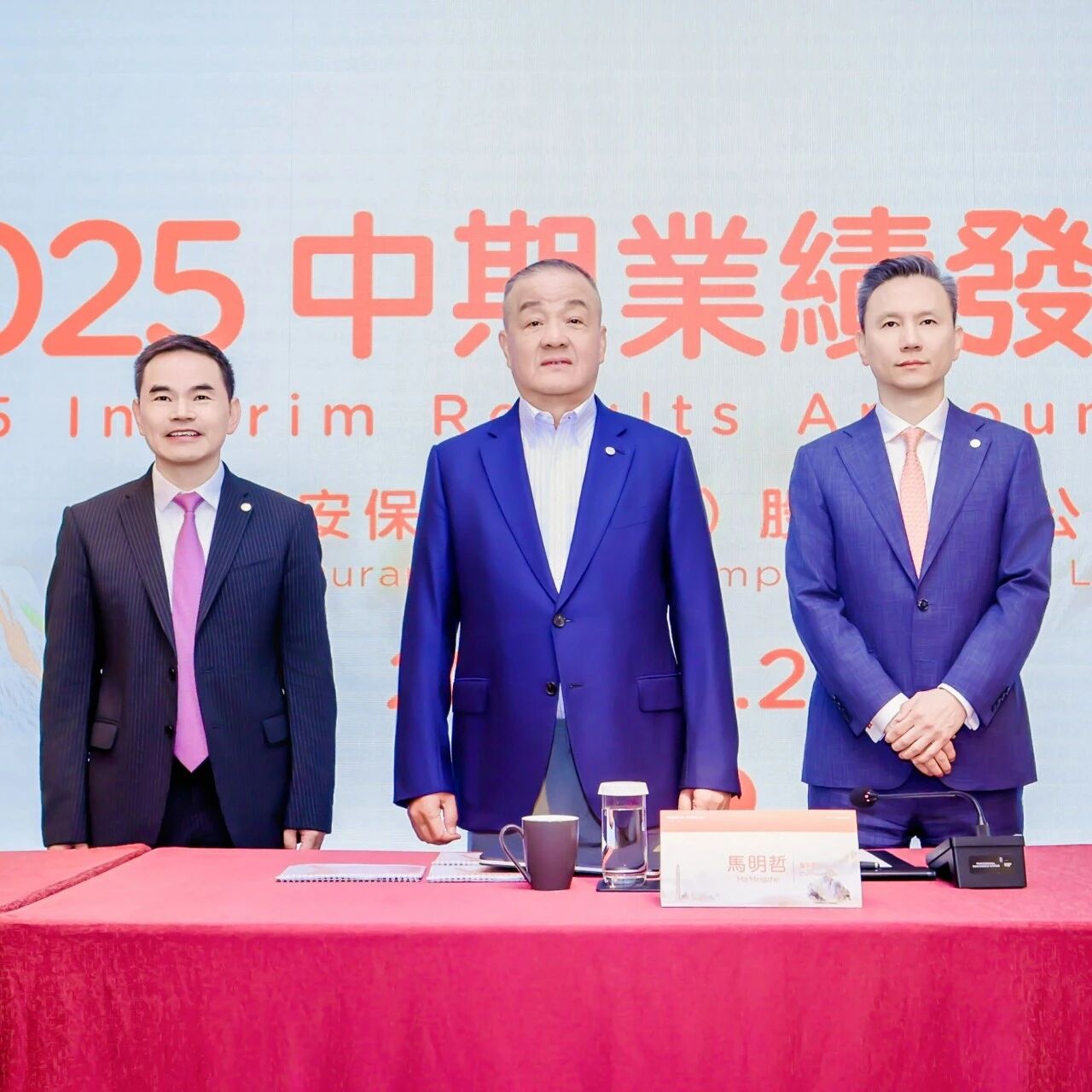
直击中国平安业绩发布会!回应举牌、寿险改革等热门话题
券商中国· 2025-08-27 11:34
Core Viewpoint - China Ping An's operating profit increased by 3.7% year-on-year, while net profit decreased by 8.8% in the first half of 2025, coinciding with its market capitalization returning to 1 trillion yuan [1][5]. Financial Performance - In the first half of 2025, China Ping An achieved operating revenue of 500.1 billion yuan, a year-on-year increase of 1% [5]. - The net profit attributable to shareholders was 68.047 billion yuan, down 8.8% year-on-year [5]. - The interim cash dividend was raised to 0.95 yuan per share, an increase of 2.2% year-on-year [1]. Profit Discrepancies - The difference in profit metrics is attributed to three main factors, two of which are one-time events: 1. A 3.4 billion yuan impairment from the consolidation of Ping An Good Doctor, affecting growth by 4.6 percentage points. 2. A decline in the valuation of convertible bonds due to stock price increases, which will not affect the financial statements over the long term. 3. Approximately 60 billion yuan in unrealized gains classified under Other Comprehensive Income (OCI), which do not appear in the profit statement but enhance net assets [5][6]. New Business Value Growth - New business value in life and health insurance reached 22.335 billion yuan, a year-on-year increase of 39.8% [7]. - The agent channel's new business value grew by 17%, while the bank insurance channel saw a significant increase of 168.6% [7]. Insurance Sector Performance - The property and casualty insurance sector reported original insurance premium income of 171.857 billion yuan, up 7.1% year-on-year [8]. - The overall combined cost ratio improved by 2.6 percentage points to 95.2% [8]. Strategic Focus - China Ping An plans to increase equity allocation, focusing on growth sectors representing new productive forces and high-dividend value stocks [4][12]. - The investment strategy is guided by a "three Cs" principle: reliable operations, expected growth, and sustainable dividends [12]. Investment Scale and Returns - As of June 2025, the investment scale of insurance funds reached 6.2 trillion yuan, an increase of 8.2% since the beginning of the year [4][14]. - The comprehensive investment return rate (non-annualized) was 3.1%, up 0.3 percentage points year-on-year [14].


中国平安(601318):业绩基本符合预期,CSM、COR及CII表现亮眼
Shenwan Hongyuan Securities· 2025-08-27 05:47
Investment Rating - The report maintains a "Buy" rating for the company [2][9]. Core Insights - The company's performance is in line with expectations, with notable results in CSM, COR, and CII [1]. - The operating profit for the first half of 2025 reached 777.32 billion yuan, reflecting a year-on-year increase of 3.7%, while net profit decreased by 8.8% to 680.47 billion yuan [5]. - The core business remains robust, with a combined operating profit from life insurance, property insurance, and banking showing a year-on-year growth of 1.0% [5]. - The company has seen a significant increase in net profit from asset management, which rose by 110.1% to 27.2 billion yuan [5]. - The second quarter of 2025 showed an operating profit of 398.25 billion yuan and a net profit of 410.31 billion yuan, both up year-on-year by 4.9% and 8.2% respectively [5]. Summary by Sections Market Data - As of August 26, 2025, the closing price was 60.52 yuan, with a market capitalization of 651,356 million yuan [2]. - The price-to-book ratio is 1.2, and the dividend yield is 4.21% [2]. Financial Performance - The first half of 2025 saw a year-on-year increase in NBV of 39.8% to 223.35 billion yuan, with new business volume down by 7.2% to 855.74 billion yuan [6]. - The company’s property insurance segment exceeded expectations, with a combined ratio (COR) of 95.2%, down 2.6 percentage points year-on-year [7]. - Investment income for the first half of 2025 was reported at 1.8% for net investment yield and 3.1% for comprehensive investment yield [8]. Profit Forecast - The report projects net profits for 2025 to be 1365.48 billion yuan, with subsequent years showing growth to 1505.76 billion yuan in 2026 and 1736.70 billion yuan in 2027 [10][9]. - The expected earnings per share for 2025 is 7.50 yuan, with a price-to-earnings ratio of 8.07 [10].
中国平安(601318):银保NBV增速强劲,产险COR显著优化
Huachuang Securities· 2025-08-27 05:14
Investment Rating - The report maintains a "Strong Buy" rating for the company with a target price of 67.4 CNY [2][7]. Core Insights - The company achieved a net profit of 68.047 billion CNY in H1 2025, a year-on-year decrease of 8.8%, while the operating profit increased by 3.7% to 77.732 billion CNY. The new business value (NBV) for life insurance grew by 39.8% to 22.335 billion CNY, and the combined ratio (COR) for property insurance improved by 2.6 percentage points to 95.2% [2][4]. - The company's embedded value increased by 5.5% to 1.501349 trillion CNY as of H1 2025. The net and comprehensive investment returns were 1.8% and 3.1% (not annualized), respectively, with year-on-year changes of -0.2 percentage points and +0.3 percentage points [2][4]. Summary by Sections Life Insurance Business - The life insurance segment reported an NBV of 22.335 billion CNY, with a margin increase of 9 percentage points to 30.5%. However, first-year premiums decreased by 7.2% year-on-year. The bancassurance channel saw a significant NBV growth of 168.6%, with first-year premiums up by 77.6% [7][8]. - The agent channel's NBV margin improved, but new policies decreased by 26.9% year-on-year, resulting in a 17% increase in NBV [7][8]. Property Insurance Business - The property insurance segment's original premium income rose by 7.1% to 171.857 billion CNY, with a COR of 95.2%. The claims and expense ratios improved, with reductions of 1.4 percentage points and 1.2 percentage points, respectively [7][8]. - The auto insurance segment contributed significantly to profits, with a premium increase of 3.6% to 108.6 billion CNY and a COR of 95.5% [7][8]. Investment Strategy - The company increased its allocation to FVOCI stocks while reducing bond holdings. Total investment assets grew by 8.2% to 6.2 trillion CNY as of H1 2025 [7][8]. - The company has been actively acquiring bank stocks, which are expected to be classified under FVOCI [7][8]. Financial Forecast - The report adjusts the EPS forecast for 2025-2027 to 7.1, 8.2, and 9.1 CNY, respectively, with a projected PEV of 0.8 times for 2025 [7][8].
银行系险企“半年考”: 保费增长 利润分化 投资承压
Jin Rong Shi Bao· 2025-08-27 01:56
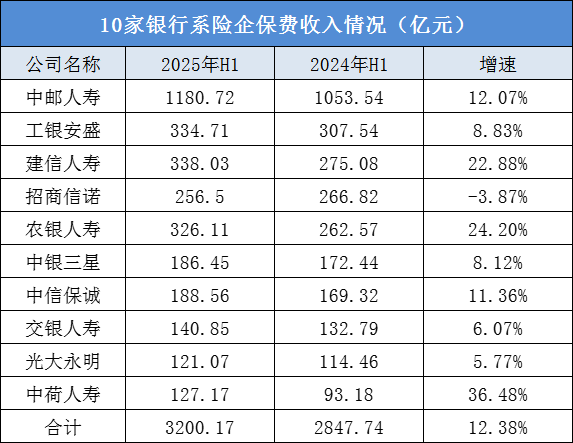
Core Insights - The integration of banking and insurance is becoming increasingly tight, with a notable rise in customers consulting bank branches for insurance products amid a backdrop of lowered life insurance preset interest rates [1] - In the first half of 2025, ten bank-affiliated insurance companies achieved a total insurance business income of 320.02 billion yuan, a year-on-year increase of 12.38%, and a net profit of 9.62 billion yuan, up 90.51% year-on-year, highlighting their unique competitive advantage [1][2] - However, these companies face challenges such as sluggish growth in new single premium income, structural differentiation in net profit, and pressure on investment returns [1][3] Insurance Premium Growth - Bank-affiliated insurance companies have a natural advantage in the bancassurance channel, with a total premium income of 320.02 billion yuan, growing 12.38% year-on-year, surpassing the life insurance industry's average growth of 6.6% [2] - China Post Life Insurance led with a premium income of 118.07 billion yuan, capturing over 30% market share, while other notable performers included CCB Life and ICBC-AXA Life [2] Challenges Faced by Certain Companies - Not all bank-affiliated insurance companies experienced growth; China Merchants Life saw a decline in premium income by 3.87% [3] - The company is shifting focus from high-yield fixed-income products to floating income products, with a significant increase in the proportion of participating insurance products [3] New Business Value and Market Dynamics - Despite rapid premium growth, the new single premium income from the bancassurance channel showed a decline of 14%, indicating potential issues with sustainable growth [3] - The "bancassurance integration" policy is driving a transformation in the traditional single distribution model, necessitating tailored insurance products to meet diverse consumer needs [4] Profitability and Structural Differentiation - The ten bank-affiliated insurance companies collectively reported a net profit of 9.62 billion yuan, a significant increase of 90.51%, but with notable structural differentiation among them [6] - China Post Life Insurance led with a net profit of 5.18 billion yuan, although this represented a decline of 9.02% year-on-year [6][7] Accounting Standards Impact - The transition to new accounting standards is causing fluctuations in net profit and net asset values, with some companies experiencing significant reductions in net assets [7][8] - The average investment return rate for these companies was 1.95%, down from 2.67% in the previous year, reflecting the impact of market volatility on investment performance [8] Solvency and Risk Management - The solvency ratios of the ten bank-affiliated insurance companies are robust, with an average core solvency ratio of 143.09% and a comprehensive solvency ratio of 206.97%, well above regulatory requirements [9] - The highest core solvency ratio was recorded by China Netherlands Life at 197%, while the lowest was CCB Life at 120% [9] Risk Ratings - ICBC-AXA Life achieved the highest risk rating of AAA, while several other companies maintained AA ratings, indicating strong risk management capabilities [10] - Companies with lower ratings are advised to adjust their business structures and reduce the proportion of short-term financial products to enhance long-term protection business [11]
工银安盛人寿上半年收入334亿,月内连收罚单,两分公司被罚近70万
3 6 Ke· 2025-08-26 07:03
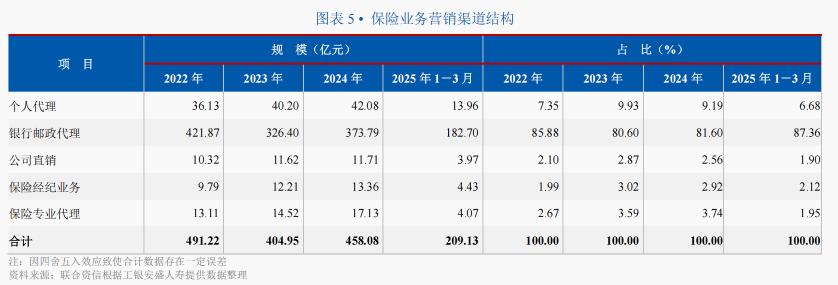
Core Viewpoint - ICBC-AXA Life Insurance Co., Ltd. (referred to as "ICBC-AXA Life") has faced regulatory penalties for violations related to insurance terms and rates, while also reporting a significant increase in insurance revenue and net profit in the first half of the year [1][2]. Regulatory Penalties - ICBC-AXA Life received fines totaling 69 million yuan for various violations, including improper use of approved insurance terms and misleading policyholders [1]. - The Shandong branch was fined 240,000 yuan, while the Sichuan branch faced a 450,000 yuan penalty for issues related to insurance rates and financial data [1]. Financial Performance - In the first half of the year, ICBC-AXA Life achieved insurance revenue of 33.471 billion yuan, a year-on-year increase of 8.84%, ranking third among bank-affiliated insurance companies [1]. - The net profit for the first half of the year was 1.204 billion yuan, reflecting a growth of approximately 52% [2]. - The investment return rates were reported at 1.81% and 3.14% for the first half of the year [2]. Capital Adequacy - As of the end of the second quarter, the core and comprehensive solvency adequacy ratios were 195% and 261%, respectively, showing an increase of 11 and 14 percentage points from the previous quarter [2]. - The improvement in solvency was attributed to a rise in equity markets and a decrease in spot interest rates, which contributed to a capital increase of approximately 3.5 billion yuan [2]. Distribution Channels - ICBC-AXA Life relies heavily on bank insurance channels, with over 80% of sales coming from this channel since 2022, benefiting from the extensive network of its major shareholder, ICBC [3]. - The company is exploring diversification in distribution channels to reduce reliance on bank insurance, which may face challenges due to regulatory changes and market conditions [5][6]. Product Structure - The company primarily focuses on traditional life insurance, with over 70% of premium income coming from this segment in 2023 and 2024 [8]. - In the first quarter of 2025, traditional life insurance and participating insurance accounted for 74.8% and 17.3% of total premium income, respectively [8][9]. Strategic Direction - Industry experts suggest that bank-affiliated insurance companies should adopt a dual approach, enhancing collaboration with banks while also developing individual insurance and agency channels [7]. - The shift towards developing premium products with longer payment terms is seen as a strategy to improve customer retention and business value [10]. Leadership Changes - ICBC-AXA Life is expected to appoint a new president following the departure of the previous president, with potential candidates from within the ICBC system [11][12].
非上市财险“半年考”:76家机构狂赚92.5亿元头部三家合计分走超四成
Zhong Guo Jing Ying Bao· 2025-08-23 03:58
Core Insights - The non-listed property insurance companies reported significant growth in the first half of 2025, with total insurance business revenue reaching approximately 259.49 billion yuan, a year-on-year increase of about 7.48%, and net profits of 9.25 billion yuan, a substantial year-on-year growth of approximately 75.21% [1][2] Group 1: Industry Performance - Out of 76 non-listed property insurance companies, 68 achieved profitability in the first half of the year, representing nearly 90% of the total, with 14 companies successfully turning losses into profits [2] - The top three companies by net profit were Guoshou Property Insurance, Yingda Property Insurance, and Zhonghua Property Insurance, with net profits of 2.428 billion yuan, 1.053 billion yuan, and 822 million yuan respectively [2] - The average financial investment return rate for these companies was 1.83%, up from 1.28% in the same period of 2024, while the average comprehensive investment return rate increased to 1.97% from 1.67% [4] Group 2: Market Concentration - The top three companies in terms of premium income—Guoshou Property Insurance, Zhonghua United Property Insurance, and Yingda Property Insurance—accounted for 43.08% of the total premium income of 76 non-listed property insurance companies, totaling 111.8 billion yuan [5] - The concentration of profits is also evident, with the top three companies contributing 46.52% of the total net profit of 76 non-listed property insurance companies [5] Group 3: Challenges and Trends - There is a notable trend of increasing concentration in the property insurance industry, driven by scale effects, capital levels, and brand advantages, which favor larger companies over smaller ones [6] - Among 143 companies that disclosed their second-quarter solvency reports, 5 companies received a C rating for risk assessment, indicating inadequate solvency, with 4 of these being property insurance companies [6][7] - The challenges faced by smaller companies include the need for differentiated competition strategies, focusing on niche markets, and leveraging partnerships to enhance capabilities [7]
2025年保险专业中介品牌推荐
Tou Bao Yan Jiu Yuan· 2025-08-22 12:29
Investment Rating - The report does not explicitly state an investment rating for the insurance professional intermediary industry Core Insights - The insurance professional intermediary sector is experiencing a continuous decline in the number of institutions, reflecting structural optimization and increased regulation, with 2,539 institutions as of the end of 2024, a decrease of 27 from the previous year [5][11] - The market size for insurance professional intermediaries has grown from 540.17 billion CNY in 2019 to 850.39 billion CNY in 2023, with a CAGR of 12.0%, and is projected to reach 1,550.06 billion CNY by 2029, with a CAGR of 10.5% from 2023 to 2029 [9] - The industry is transitioning towards a "full-cycle risk management" model, integrating technology and specialized services to enhance customer engagement and service quality [26][27] - Regulatory pressures are leading to increased industry concentration, with smaller institutions struggling to survive due to reduced profit margins and rising compliance costs [28] Market Background - Insurance intermediaries serve as a bridge between insurance companies and policyholders, providing professional services and earning commissions [5] - The industry has undergone four development stages since 1980, currently in a phase of "regulation deepening and high-quality development" [7] - The number of insurance professional intermediaries has decreased for six consecutive years, indicating a trend towards consolidation and the exit of inefficient players [11] Market Status - The insurance density in China reached 3,635 CNY per person in 2023, a 187% increase from 2013, and is expected to rise to 4,045 CNY per person in 2024 [12] - The demand for life insurance is expected to grow at a rate of 13.3% in 2024, driven by aging and health needs [13] Market Competition - The top 20 companies account for 33.8% of total market revenue, with the top 100 companies holding over 56% of the market [15] - The report identifies ten recommended brands in the industry, including Ant Insurance, Ping An Chuangzhan, and Mingya Insurance Brokerage, based on a multi-dimensional evaluation model [14][16] Development Trends - The shift towards "full-cycle risk management" is characterized by the integration of technology and specialized services, enhancing the overall customer experience [26] - Regulatory changes have compressed commission margins by approximately 30%, leading to increased industry concentration as larger firms leverage resources and technology to capture market share [28]
九盈一亏!银行系险企“中考”揭榜
Guo Ji Jin Rong Bao· 2025-08-21 15:09
Core Insights - The performance of ten bank-affiliated insurance companies in the first half of 2025 shows a significant increase in premium income and net profit, indicating a strong growth trend in the sector [1][3]. Premium Income - The ten bank-affiliated insurance companies collectively achieved premium income of 3200.17 billion yuan, representing a year-on-year growth of 12.38%, outperforming the overall life insurance industry's growth rate of 6.6% [1][3]. - Among these companies, China Post Life Insurance led with premium income of 1180.72 billion yuan, a growth of 12.07% year-on-year [5]. - Other notable performers include: - CCB Life Insurance with 338.03 billion yuan, a growth of 22.88% - Agricultural Bank Life Insurance with 326.11 billion yuan, a growth of 24.20% - China Netherlands Life Insurance with 127.17 billion yuan, a growth of 36.48%, the highest among the group [4][5]. Net Profit - The total net profit for the ten companies reached 96.21 billion yuan, nearly doubling from 50.5 billion yuan in the same period last year, reflecting a growth of 90.51% [8]. - However, seven of the ten companies reported a decline in net profit compared to the previous year [8][11]. - Key net profit figures include: - China Post Life Insurance: 51.77 billion yuan, down 9.02% - Agricultural Bank Life Insurance: 7.43 billion yuan, down 33.72% - CCB Life Insurance: 5.65 billion yuan, down 5.68% - China Netherlands Life Insurance: 2.77 billion yuan, up 1631.25% [9][11]. Market Dynamics - The "bank-insurance integration" policy is expected to enhance the competitive advantage of bank-affiliated insurance companies by optimizing costs and focusing on product innovation and service upgrades [1][5]. - The average commission in the industry is projected to decrease by 30%, further influencing the market dynamics [5][6]. - The shift to new accounting standards has led to a divergence between profit growth and net asset reduction, with companies like China Netherlands Life Insurance and China CITIC Life Insurance experiencing significant net asset declines despite profit increases [12][13].
超3000亿保险业务收入!银行系险企“霸榜”非上市险企榜单
Sou Hu Cai Jing· 2025-08-21 00:56
Core Viewpoint - The banking-affiliated insurance companies have demonstrated strong performance in the insurance market, with significant growth in both insurance business revenue and net profit in the first half of the year [1][2]. Group 1: Financial Performance - In the first half of the year, nine banking-affiliated insurance companies achieved a total insurance business revenue of 301.16 billion yuan, representing a year-on-year growth of 12.4% [1]. - The same group reported a total net profit of 8.595 billion yuan, with a year-on-year increase of 1.2% [1]. - Among the 60 non-listed life insurance companies that disclosed their second-quarter solvency reports, banking-affiliated insurers occupied half of the top ten in terms of insurance business revenue and four out of the top ten in net profit [1][2]. Group 2: Competitive Advantages - Banking-affiliated insurance companies benefit from strong brand recognition and trust from consumers due to their banking parent companies [2]. - They possess significant channel advantages, allowing them to better reach and serve customers through their parent banks [2][3]. - The implementation of the "reporting and banking integration" policy and the cancellation of the "1+3" policy have provided favorable conditions for the development of banking-affiliated insurers [3]. Group 3: Market Trends and Innovations - Eight out of nine banking-affiliated insurers reported a year-on-year increase in insurance business revenue, with one company, China Netherlands Life Insurance, achieving a remarkable growth rate of 36.5% [2]. - The banking-affiliated insurers are exploring new development paths in the bancassurance channel, focusing on service quality improvement and innovative service models [3][4]. - Companies like Zhongyou Life are leveraging extensive networks and customer resources to enhance sales efficiency and service quality, while also emphasizing product innovation to meet diverse customer needs [4]. Group 4: Future Outlook - Banking-affiliated insurers are expected to continue playing a crucial role in the insurance market, leveraging their brand, channel, and resource advantages for higher quality development [5]. - The ongoing transformation and upgrading of the bancassurance channel are anticipated to lead to better insurance services for consumers and contribute positively to the stability and prosperity of the insurance market [5].
9家银行系险企上半年净利润合计约86亿
Zheng Quan Ri Bao· 2025-08-21 00:16
Core Insights - The banking-affiliated insurance companies have shown strong performance in the first half of the year, with a total insurance business revenue of 301.16 billion yuan and a net profit of 8.595 billion yuan, reflecting a year-on-year growth of 12.4% and 1.2% respectively [2][3] Group 1: Performance Overview - Nine banking-affiliated insurance companies reported a total insurance business revenue of 301.16 billion yuan in the first half of the year, with a net profit of 8.595 billion yuan [2][3] - Among the top ten insurance companies by revenue, five are banking-affiliated, and four of the top ten by net profit are also banking-affiliated [1][3] - China Post Life Insurance and ICBC-AXA Life Insurance ranked among the top three in both insurance business revenue and net profit [2] Group 2: Competitive Advantages - Banking-affiliated insurance companies benefit from brand and channel advantages, allowing them to better integrate resources from both banks and insurance companies [1][3] - The close relationship with parent banks provides these insurance companies with significant resource advantages, enhancing consumer trust [2][3] Group 3: Market Trends - Eight out of nine banking-affiliated insurance companies experienced a year-on-year increase in insurance business revenue, with the highest growth recorded at 36.5% by Sino-Dutch Life Insurance [4][5] - The implementation of the "reporting and banking integration" policy and the cancellation of the "1+3" policy have led to a transformation in the bancassurance channel, allowing for a more structured market environment [4][5] - Analysts predict that as regulatory policies evolve and market demands diversify, the bancassurance channel will seek breakthroughs in service innovation and quality enhancement [5]