
生态文明建设

Search documents
治理的是河,更新的是城,着眼的是人
Ren Min Ri Bao· 2025-12-06 00:54
Group 1 - The article emphasizes the transformation of urban rivers, highlighting the shift from pollution and neglect to revitalization and ecological awareness, particularly in the context of Beijing's Liangma River [1][2] - It discusses the evolving relationship between people and rivers, illustrating how urban development has led to a reconceptualization of water spaces, moving from mere utility to a source of cultural and recreational value [2][3] - The narrative reflects a broader trend in urban development in China, transitioning from large-scale expansion to enhancing existing urban environments, focusing on quality of life and sustainable practices [3] Group 2 - The article underscores the importance of integrating various urban management sectors, such as water management, landscaping, and cultural tourism, to achieve cohesive river governance and urban development [3] - It highlights specific community-driven initiatives, such as the installation of new access points for individuals with mobility challenges, showcasing a commitment to inclusivity in urban planning [3] - The piece concludes with a vision for cities where water bodies enhance cultural identity and community engagement, suggesting that a harmonious relationship between people, rivers, and urban spaces can foster vitality and cultural richness [4]
“大厦之门 e鹭向新”2025网络全媒体厦门行成功举办
Huan Qiu Wang· 2025-12-05 08:08
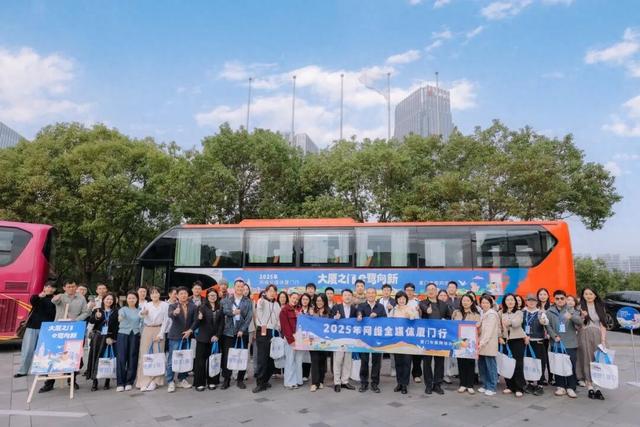
来源:网信厦门 12月3日-4日,由厦门市委网信办、同安区委网信委联合主办的"大厦之门 e鹭向新"2025网络全媒体厦门 行成功举办。 来自全国的网络媒体代表、自媒体创作者、厦门本地优质自媒体代表等共57人组成采风团,深入厦门同 安区、翔安区多个点位,实地了解和体验厦门科技发展、产业升级、城市更新、乡村振兴、生态文明建 设等成果,全面感受厦门"科创、智造、生态、美好"的强劲发展脉动。 3日,采风团首站抵达位于同安滨海新城银城智谷的厦门科学城1号孵化器,切身感受高校智慧创新的浓 厚氛围与项目成果的落地实效,了解"苏颂杯"未来产业技术创新赛如何推动同安区乃至厦门市实现科技 创新与产业创新的深度融合。 走进古龙酱文化园,采风团参观了企业传统酱油酿晒场,了解酱油千年古法生产工艺流程,在企业产品 展厅品尝多样产品,感受厦门古早风味。 乘坐复古小火车,采风团沿着厦门环东浪漫线一路欣赏旖旎风光,打卡网红景点场所,实地体验同安滨 海新城从滩涂地到生态会客厅的华美蝶变。 在金牌家居,采风团了解了这家传统制造企业如何开展产业转型升级,探寻其在人工智能时代的数字化 发展之路。 E 米莱 k 交流 8 A ttp:// thjay ...

聚焦“四个促进”,德城审计以有力监督提升财政绩效与资金效益
Qi Lu Wan Bao· 2025-12-04 12:45
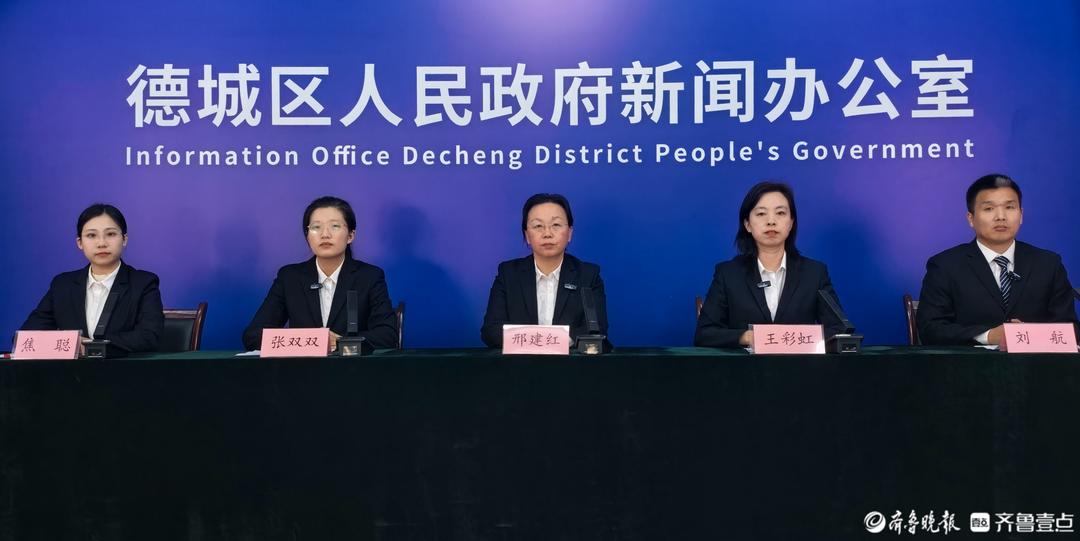
Core Viewpoint - The Decheng District Audit Bureau is enhancing fiscal performance management and the efficiency of fiscal fund utilization through comprehensive audit supervision, supporting the district's economic high-quality development [3][4]. Group 1: Audit Supervision Goals - The audit bureau focuses on promoting the quality and efficiency of proactive fiscal policies, deepening fiscal system reforms, preventing and mitigating debt risks, and standardizing power operations [3]. - Key areas of audit include the management and use of government special bond funds and the implementation of major policies, ensuring that policy benefits are effectively delivered [3]. Group 2: Budget Management Reform - The audit bureau emphasizes the implementation of budget management reforms, auditing state-owned capital management and budget performance to enhance the efficiency of fiscal funds [4]. - Strict adherence to the central government's eight regulations and frugality requirements is a priority, aiming to improve budget management and ensure effective use of government procurement [4]. Group 3: Social Welfare and Key Projects - The audit bureau prioritizes social welfare, focusing on education and healthcare funding, ensuring that policies benefit the public and addressing issues like fund misappropriation [4]. - Comprehensive audits are conducted on major infrastructure projects, ensuring compliance in project approval, fund usage, and quality, thereby enhancing the effectiveness of public service projects [4]. Group 4: State-Owned Asset Supervision - The audit bureau places significant emphasis on the supervision of state-owned assets, promoting their efficient operation and preventing loss [5]. - Audits are conducted on the management of administrative assets and natural resource utilization, reinforcing responsibilities for ecological protection and supporting sustainable development [5].
四川为“十五五”发展夯实绿色本底 蓝天碧水 万物共生
Si Chuan Ri Bao· 2025-12-04 00:31
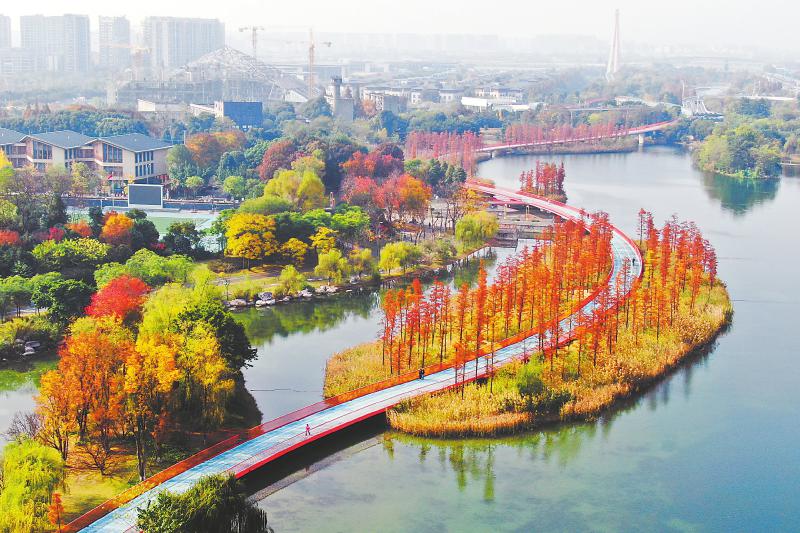
Group 1 - Sichuan is a crucial water conservation area for the Yangtze and Yellow Rivers, and a key region for global biodiversity protection, emphasizing the importance of ecological civilization construction [4][6] - The ecological environment in Sichuan has shown significant improvement, with PM2.5 annual average concentration dropping to 25.3 micrograms per cubic meter in the first ten months of this year, marking the best performance since monitoring began [4][5] - The province has established a comprehensive ecological restoration planning system and initiated cross-province ecological corridor construction, aiming for a coordinated ecological restoration approach [5] Group 2 - The establishment of the Giant Panda National Park has not only protected rare species but also boosted local economic development, with significant increases in tourism and job creation in surrounding communities [9] - The ecological advantages in Sichuan are being transformed into development momentum, with initiatives like the ecological park attracting thousands of visitors and creating numerous public welfare jobs [9][10] - The Dujiangyan irrigation system continues to provide over 7 billion cubic meters of water annually, supporting over 10 million acres of farmland and enhancing regional ecological balance [11]
以“人大之问”推动空气常新蓝天常在 ——省人大常委会开展全省大气污染防治情况专题询问掠影
He Nan Ri Bao· 2025-12-03 23:47
12月3日,省十四届人大常委会第二十一次会议举行联组会议,对全省大气污染防治情况开展专题询问 和满意度测评。现场犹如考场,专题询问"辣味十足",人大监督尽显刚性精准。 "我们将围绕重点难点综合施策,紧盯奋斗目标、重点时段、重点城市、重点任务、重点行业等,打好 翻身仗,推动空气质量全面改善。"省生态环境厅厅长李建超应答。 在认真听完李建超的回答后,省人大常委会委员李纲紧接着追问:"秋冬季节是重污染天气高发多发时 期,针对不利气象条件下的重污染天气,我省都采取了哪些积极措施进行有效管控?" "我们通过精准研判预警、精准实施管控、精准指导帮扶,尽量减少对企业生产和居民生活的影响,指 导地市精准科学依法管控,严禁环境治理'一刀切',既保持'力度',又体现'温度',让人民群众享有更多 的蓝天白云。"李建超答道。 "我省大气污染中的PM2.5来源,交通运输占比近三分之一。目前,我省交通运输结构偏公路问题十分 突出。怎样解决这一问题?"省人大环资委委员张瑞芹问。 一次次犀利的发问、一个个务实的回答,每一幕都让人感受到"问"有责任、"答"有担当。 大气污染防治是生态文明建设的重要组成部分,事关经济社会高质量发展和民生福祉。河 ...
矿产资源开发利用效率大幅提高
Jing Ji Ri Bao· 2025-12-03 00:33
Core Insights - The Ministry of Natural Resources has reported a significant increase in low-grade and associated mineral resources in China, with cobalt and rhenium seeing over 100% growth in newly added resources, and nickel and indium experiencing over 30% growth [1][2] - The construction of green mines is being actively promoted, enhancing resource conservation and utilization levels, with mining companies adopting strict standards for recovery rates and comprehensive utilization [1][2] Group 1: Resource Development - The increase in mineral resources is transforming previously unproductive mines into active ones, effectively extending the service life of mining operations [1] - Mining companies are leveraging advanced technologies such as 5G, IoT, and AI to develop digital and intelligent mining operations, significantly improving resource development efficiency [1] Group 2: Environmental and Regulatory Framework - China has established a green development model in mining, adhering to the principle of "mining while restoring," and implementing ecological restoration plans in phases [1][2] - The newly revised Mineral Resources Law, effective from July, emphasizes green and low-carbon transformation in the mining sector, providing a legal basis for the construction of green mines [2]
守护千年绿意 留存乡愁记忆
Shan Xi Ri Bao· 2025-12-02 12:33
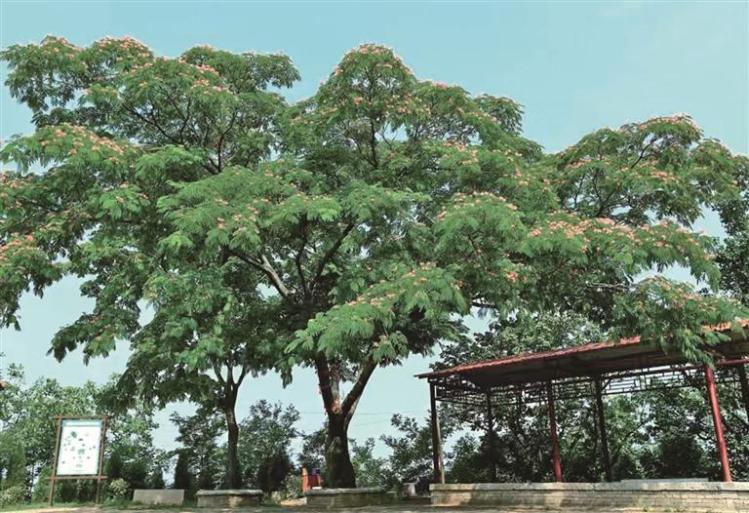
Core Viewpoint - The article emphasizes the importance of protecting ancient trees in Fuping County, highlighting their historical, cultural, and ecological significance while detailing the measures taken for their preservation and management. Group 1: Protection Measures - Fuping County has established a comprehensive survey system to assess the status of ancient trees, conducting extensive investigations since 2015 to document their species, age, and size [2][4] - As of now, 360 ancient trees have been officially protected, including 25 of special protection and 108 of first-level protection, with major species including national locust and soap trees [2] - The implementation of the "Ancient Tree and Famous Tree Protection Regulations" in March 2023 has provided legal backing for the protection efforts, leading to the establishment of a three-tier management mechanism involving towns, villages, and individuals [6][7] Group 2: Cultural Significance - Ancient trees are viewed as living historical records, with efforts made to uncover and share the stories and legends associated with each tree, transforming them into landmarks of memory for local communities [4][5] - The creation of the illustrated book "The Charm of Fuping Ancient Trees" aims to showcase the cultural and artistic perspectives of these trees, reinforcing their role as carriers of local heritage and nostalgia [5] Group 3: Innovative Management - The county has adopted innovative management strategies to address issues such as root exposure and damage to tree trunks, employing experts for diagnosis and implementing scientific care methods to ensure the health of ancient trees [7] - Regular patrols are conducted based on the ancient tree information archives to monitor and respond to threats from human activities, natural disasters, and pests [7]
创新潮涌三江源
Huan Qiu Wang· 2025-12-02 10:22
Group 1: Lithium Industry Development - Qinghai Province is establishing a world-class salt lake industry base, focusing on the development of lithium resources, which are considered a strategic resource for the nation [2][3] - The potential economic value of lithium salt resources in Qinghai's salt lakes is estimated to reach trillions of yuan, with lithium being referred to as "white oil" due to its importance in battery and new energy sectors [2] - The "4+2" ten-thousand-ton lithium salt project has been launched, significantly increasing lithium production capacity and showcasing advancements in technology and production processes [3] Group 2: Agricultural Technology Advancements - The Qingyu No. 9 potato variety has been the most widely promoted potato variety in China, with a promotion area of 7.47 million acres, and is expected to maintain its leading position [4][5] - Qinghai Province has invested 40 million yuan in agricultural technology, supporting the development of a modern potato breeding system that integrates molecular breeding and resource innovation [5][6] - The province has achieved significant advancements in agricultural technology, including leading hybrid breeding levels for rapeseed and improvements in sheep production efficiency [6] Group 3: Ecological Protection and Monitoring - The Datu North River Source National Nature Reserve has identified a population of 57 snow leopards, indicating a healthy ecosystem and biodiversity in the region [7][8] - An integrated monitoring system using infrared cameras and drones has been established to ensure effective management and protection of wildlife in the reserve [8] - Qinghai Province is leveraging technology to enhance ecological protection, addressing challenges in restoring fragile ecosystems and improving resource utilization [9]
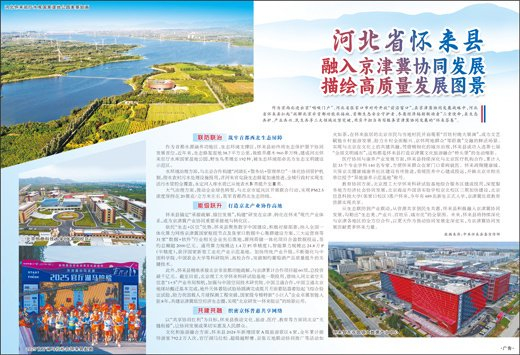
河北省怀来县 融入京津冀协同发展 描绘高质量发展图景
Ren Min Wang· 2025-12-02 01:41
Core Viewpoint - Huailai County plays a crucial role in the coordinated development strategy of Beijing-Tianjin-Hebei, focusing on ecological protection, industrial collaboration, and improving people's livelihoods [2][3][4][5][6] Ecological Protection - Huailai County prioritizes ecological protection, having restored 38.7 square kilometers of wetlands and planted over 9.6 million trees, while also establishing the Hebei Huailai Guanting Reservoir National Wetland Park [3] - The county has implemented a collaborative water management mechanism with Beijing, achieving full coverage of rural sewage treatment and improving the water quality of the Yongding River from Class IV to Class III [3] - Air quality initiatives have maintained PM2.5 concentrations around 20 micrograms per cubic meter, reinforcing the ecological defense for the northwest of the capital [3] Industrial Development - Huailai County aims to become a key area for industrial collaboration, focusing on "research in Beijing-Tianjin and transformation in Huailai," with over 60 cooperative projects with Beijing totaling over 100 billion yuan [4] - The county has attracted 31 data and software-related enterprises, with a total signed investment exceeding 200 billion yuan, and has been recognized as a national demonstration base for new industrialization [4] - The establishment of the Beijing Institute of Technology Huailai Research and Experiment Base marks a significant step in enhancing local research capabilities [4] Cultural and Tourism Integration - In 2024, Huailai County plans to add six new national A-level tourist attractions, with a total of 7.922 million visitors expected, showcasing successful cultural and tourism integration with Beijing [5] - Events like the Guanting Lake Marathon and collaborative cultural activities have fostered community engagement between residents of Beijing and Huailai [5] Healthcare and Education Collaboration - Huailai County has deepened cooperation with Beijing's medical institutions, with 33 specialized disciplines and 140 experts now available locally, enhancing healthcare access for residents [5][6] - The establishment of educational facilities, including the Beijing Institute of Technology Huailai Research and Experiment Base, has facilitated the sharing of quality educational resources, with 489 new students enrolled this year [6] Future Outlook - Huailai County is committed to furthering its collaboration with Beijing and Tianjin, aiming to enhance ecological beauty, industrial prosperity, and overall quality of life for its residents [6]
如何做好“十五五”时期生态环境职业教育工作?
Zhong Guo Huan Jing Bao· 2025-12-02 00:27
生态环境职业教育是生态文明建设和生态环境保护工作的重要组成部分。全国生态环境职业教育教学指 导委员会(生态环境行指委)积极凝聚各方力量,为国家生态文明建设和生态环境保护工作提供坚实的 人才保障和智力支持。 2022年6月,生态环境行指委主任委员单位和秘书处单位变更为生态环境部宣传教育中心。自接手相关 工作以来,生态环境行指委积极贯彻党和国家教育方针,加强对生态环境职业教育人才培养宏观指导, 在夯实人才培养基础相关领域取得扎实成效:指导推荐8门课程获评职业教育国家在线精品课程,1门课 程获国家级教学成果二等奖;在充分调研相关领域技术升级与产业变革基础上,修(制)订生态环境领 域专业教学标准9项;指导资源循环工程和生态环境数智化监测技术增补为《职业教育专业目录》本科 专业。针对中职和高职学生特点与需求,策划制作指向性强的生态文明教学课件及教学资源包,支持学 校课程建设。组建碳排放管理、环境治理技术、环境管理、核与辐射安全管理专委会,吸收来自院校、 企业等单位骨干专家100余名。 但面对生态环境保护新形势、新任务,生态环境专业人才培养仍面临观念、体制、资源以及师资提升、 产教融合、人才韧性与适应性培育等诸多挑战。为 ...