金融创新

Search documents
从0.16亿到4711亿 描摹金融强国建设“深圳样本”
Zheng Quan Shi Bao· 2025-08-25 18:34
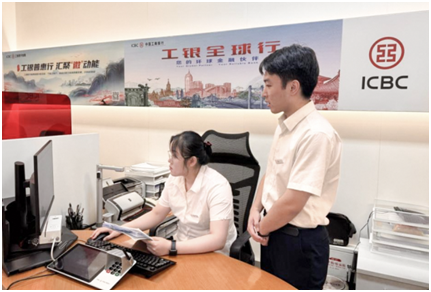
Core Viewpoint - Shenzhen has evolved into a financial innovation hub over the past 45 years, with its financial industry growing from a mere 0.16 billion yuan to 4710.5 billion yuan by 2024, marking a nearly 30,000-fold increase and an average annual growth rate of 26.3% [4][12]. Group 1: Historical Development - Shenzhen's financial industry began with significant challenges, including a lack of funding and financial institutions, which were addressed by establishing the first enterprise group financial company and later the first bank founded by a corporation, China Merchants Bank [6][9]. - The establishment of the first foreign bank in China, Nanyang Commercial Bank, and the first foreign exchange adjustment center in Shenzhen were pivotal in facilitating trade and financial services [7][9]. Group 2: Support for Innovation - Shenzhen's financial sector transitioned to support high-tech industries by providing diverse financial solutions tailored for small and medium-sized enterprises (SMEs), particularly in the technology sector [11][12]. - The introduction of seed loans and other innovative financing methods has significantly improved access to capital for tech startups, enabling them to thrive despite initial challenges [12][13]. Group 3: Capital Market Development - The Shenzhen Stock Exchange and the ChiNext board have played crucial roles in supporting the growth of innovative companies, with recent regulatory changes allowing unprofitable companies to list [13][14]. - The capital market has facilitated significant expansions for listed companies, enabling them to access funding for technological advancements and global market penetration [14][15]. Group 4: Current Financial Landscape - As of mid-2023, Shenzhen hosts nearly 1,600 private equity and venture capital management firms, with a total management scale of 1.41 trillion yuan, reflecting its robust financial ecosystem [12][16]. - The city has become a leader in the number of listed companies and market capitalization, with major firms like Ping An Insurance and BYD contributing to its financial prominence [15][16].

浙江稠州商业银行:“应收账款池融资” 畅通水产外贸资金链
Sou Hu Cai Jing· 2025-08-25 10:23
Core Viewpoint - The introduction of "accounts receivable pool financing" by Zhejiang Chouzhou Commercial Bank addresses the financing challenges faced by small and micro foreign trade enterprises in the seafood processing industry in Zhoushan, Zhejiang [1][2]. Group 1: Industry Challenges - Small and micro enterprises in the seafood processing sector face fragmented export orders, irregular accounts receivable periods, and mismatched cash flow cycles, leading to significant financing difficulties [1]. - Traditional financing methods are cumbersome and costly, limiting the ability of seafood enterprises to accept orders effectively [1]. Group 2: Financial Innovation - "Accounts receivable pool financing" consolidates multiple accounts receivable into a pool, allowing enterprises to access short-term financing based on the pool's balance, significantly alleviating financing issues for foreign trade companies [1][2]. - The financing model allows for flexible repayment terms that do not require a one-to-one correspondence between individual financing and accounts receivable, thus reducing liquidity risks [2]. Group 3: Case Study - In late July, Chouzhou Bank's Zhoushan branch provided a pool financing credit of $410,000 to a local seafood processing company, demonstrating the product's effectiveness in addressing financing challenges [2]. - The financing support enables the company to seamlessly bridge production funding gaps and meet seasonal order demands [2]. Group 4: Future Outlook - Chouzhou Bank plans to continuously optimize its business model to address the "short, small, frequent, and urgent" financing pain points of small and micro foreign trade enterprises through innovative financial solutions [4].

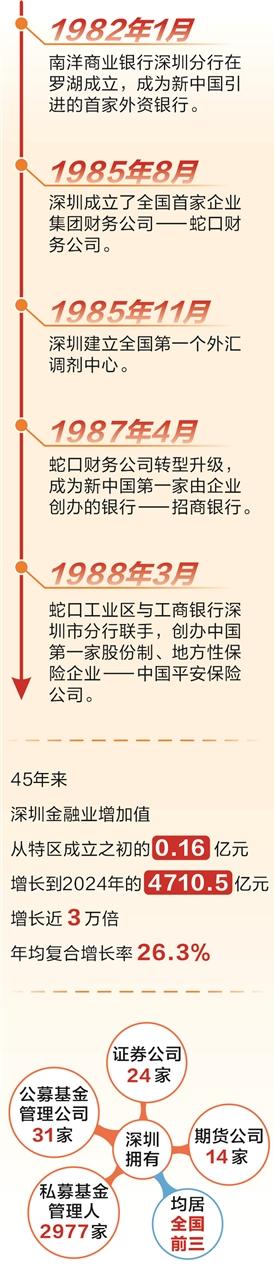
肖成博士:南沙有望成为我国期货市场开放创新的“试验田”
Qi Huo Ri Bao Wang· 2025-08-25 01:39
Core Viewpoint - The development of the futures market in Guangdong is entering a new phase of high-quality growth, with significant opportunities arising from various government initiatives and the establishment of a complete futures industry chain [1][5]. Group 1: Policy and Strategic Initiatives - Guangdong has implemented a series of policies aimed at building a complete futures industry chain and establishing a risk management center, particularly in Nansha [1][4]. - The release of the "Nansha Financial 30 Measures" has provided substantial encouragement for the futures market in Nansha and Guangdong as a whole [1][5]. - Nansha is positioned as a strategic hub for the national competition for pricing power in bulk commodities, leveraging its unique geographical advantages [4][5]. Group 2: Advantages of Nansha - Nansha possesses five core advantages: policy support, geographical location, industrial synergy, innovation, and internationalization, which are crucial for the development of the futures market [4][6]. - The region's proximity to major manufacturing centers like Foshan and Dongguan allows it to serve a trillion-level manufacturing cluster, enhancing its industrial collaboration [4][6]. - Nansha Port, as the fifth largest port globally, provides logistical support for the delivery of bulk commodities, integrating trade, finance, and logistics [4][6]. Group 3: Future Development Trends - The complete futures industry chain is essential for stabilizing the manufacturing sector in Guangdong, which is sensitive to price fluctuations of raw materials [6][7]. - Nansha aims to enhance China's pricing influence in bulk commodities, addressing the long-standing issue of lacking core pricing power [7][8]. - The region is expected to attract more financial resources and optimize the economic structure, transforming Guangdong from a manufacturing province to a pricing power [7][8]. Group 4: Technological and Financial Innovations - Nansha is encouraged to leverage technological innovations such as big data and blockchain to enhance financial policies and applications [8][9]. - The exploration of stablecoins for cross-border settlements presents an opportunity for integrating financial innovations with the futures market [9].
“沉睡资产”蝶变“活力绿洲” 中信金融资产创新“AMC+银行”协同模式
Zhong Guo Zheng Quan Bao· 2025-08-24 20:18
● 本报记者程竹吴杨 初秋的九寨沟层林叠翠,碧水如镜。毗邻核心景区的九寨华美胜地度假区,正焕发出前所未有的活力: 藏羌非遗博物馆2.0版落成,新投用的萌宠乐园成为亲子出游的热门场所,丽思卡尔顿隐世酒店吸引着 全球高端客群入住……谁能想到,这里一年多前还深陷资产低效、财务承压的困境?中国证券报记者日 前调研了解到,从"沉睡资产"到"活力绿洲"的华丽转身,正是中国中信金融资产创新运用"AMC+银 行"协同模式,深度赋能央企文旅项目破局重生的生动实践,也是其从风险化解者向价值创造者转型的 又一例证。 在经济结构调整与产业升级的关键期,如何通过金融创新盘活困境资产、激发经济活力,已成为推动高 质量发展的重要课题。"我们以九寨文旅项目为样本,打造了金融助企纾困、推动绿色转型的典型范 例,为同类项目提供了可复制的'中信方案'。"中国中信金融资产北京分公司项目负责人说。 破局:协同模式注入转型动力 九寨华美胜地度假区项目坐拥优质自然资源与文化底蕴,是某央企集团布局文旅产业的重要一环。但受 多重因素制约,项目曾长期面临资产利用率低、运营模式亟待创新等挑战,成为集团战略升级的"痛 点"。 拓界:为行业转型开辟新路径 项目行于此 ...
金融创新赋能文旅产业深度融合
Zheng Quan Ri Bao· 2025-08-24 14:41
Group 1 - The core viewpoint highlights the booming cultural and tourism consumption market during the summer, driven by various travel trends and financial empowerment of consumer spending [1] - Financial institutions are effectively activating potential demand by integrating financial services with tourism, dining, and accommodation, creating a comprehensive discount network that lowers consumption barriers and stimulates consumer willingness to spend [1] - The rise of "ticket economy" and the strong recovery of cross-border tourism are significant trends observed in the current market [1] Group 2 - Financial technology innovations are enhancing service experience satisfaction by addressing payment efficiency and service quality during peak travel times [2] - The collaboration between financial and technology companies is providing streamlined services for foreign visitors, simplifying payment processes and enhancing overall consumer experience [2] - Financial services are promoting deep integration within the cultural tourism industry by offering funding support to small and medium-sized enterprises in related sectors, ensuring stable and high-quality consumer supply [2] Group 3 - Financial services have transformed from merely enhancing consumption to becoming a key variable driving internal circulation, with expectations for further expansion in depth and breadth due to advancements in financial technology and policy benefits [3] - The continuous stimulation and release of consumer vitality through financial services are seen as crucial for sustaining economic stability and growth [3]
深化金融创新 激发发展活力
Zhong Guo Jing Ying Bao· 2025-08-22 18:52
Group 1 - The core viewpoint of the articles emphasizes the significant role of financial innovation in supporting the economic development of Tibet, particularly through the efforts of the Industrial and Commercial Bank of China (ICBC) Tibet Branch [1][2][3] - Since the beginning of the 14th Five-Year Plan, ICBC Tibet Branch has focused on serving national strategies and the real economy, with a total loan issuance of 179.2 billion yuan, marking a historical high growth rate of 13.9% year-on-year [1] - Financial products like "Cangsu Loan" and "Cangsu Loan e-loan" have effectively supported local tourism development, significantly increasing the income of transformed family inns by five times [1] Group 2 - The "Park e-loan" initiative has been launched to support the park economy, providing 74.6 million yuan in loans to meet the urgent funding needs of enterprises in the park [2] - In rural areas, ICBC Tibet Branch has developed tailored financial products such as "Snowy Agriculture e-loan" and "Cang Chicken Loan," which have contributed to a nearly 2.1 billion yuan increase in agricultural loans over the past three years [2] - The bank has also engaged in community support by sending 70 cadres to remote villages and donating over 20 million yuan in materials to improve local living conditions and education [3] Group 3 - ICBC Tibet Branch has established eight "Xingnongtong" financial service points in rural areas to fill the financial service gap, promoting the "Xingnongtong" app for inclusive financial services [4] - The bank's service teams, referred to as "Highland Financial Vanguard," actively deliver financial services and knowledge to farmers and herders in remote areas, enhancing financial accessibility [4] - The bank's efforts align with the central government's financial work meeting spirit and the action plan for financial innovation in border areas, aiming to strengthen financial services in underdeveloped regions [3]

从“纸上专利”到“真金白银”,泰安银行千万元贷款为科创企业纾困
Qi Lu Wan Bao Wang· 2025-08-22 08:11
Core Viewpoint - The news highlights the innovative financing solutions provided by Tai'an Bank to support technology-driven enterprises, particularly through intellectual property (IP) pledge loans, which have significantly facilitated the growth and development of local businesses [1][2][3][4] Group 1: Company Overview - A food technology company in Tai'an, established in 2012, has a production capacity of 10,000 tons of crude oil annually and has recently secured a loan of 10 million yuan from Tai'an Bank to enhance its animal fat product R&D [1] - The company utilized two key patents as collateral for the loan, showcasing the potential of IP as a financing tool [1] Group 2: Financing Innovations - Tai'an Bank has developed a comprehensive service system for IP pledge financing, which has enabled 270 technology enterprises to receive a total of 1.5 billion yuan in loans, with a current loan balance of 400 million yuan, reflecting an increase of 51 million yuan since the beginning of the year [2] - The bank has implemented a policy framework to support technology innovation financing, focusing on IP pledge loans [2] Group 3: Service Enhancements - The bank has established specialized branches and teams to provide tailored services for technology enterprises, enhancing the efficiency and effectiveness of the financing process [3] - A series of financial products, including "Science and Technology Loans," have been introduced to meet the unique needs of technology enterprises, allowing for flexible loan terms and conditions [3] Group 4: Process Optimization - Tai'an Bank is committed to improving the overall experience for enterprises seeking financing, streamlining the application and approval processes for IP pledge loans [4] - The bank has engaged in initiatives to educate and train staff on IP financing, ensuring that businesses can access the benefits of government policies and financial support [4]
中国人寿财险为迪庆藏族自治州高质量发展注入“金融活水”
Zhong Guo Jin Rong Xin Xi Wang· 2025-08-22 07:38
Core Insights - China Life Property Insurance Co., Ltd. is actively supporting the economic and social development of Diqing Tibetan Autonomous Prefecture by providing financial services and insurance products tailored to local needs [1][2] Group 1: Agricultural Support - The company offers various insurance products for agriculture, including crop and livestock insurance, to enhance the resilience of local farmers against natural disasters and market risks [1] - In 2024, the company will provide risk coverage of up to 631 million yuan for 39,799 households, with cumulative compensation reaching 20.3864 million yuan [1] Group 2: Tourism Industry Support - The company is providing over 400 million yuan in risk coverage for local tourist attractions, including public liability insurance and group accident insurance for tourists and staff [2] - This support aims to ensure the safety of property and individuals, thereby stabilizing the local tourism industry [2] Group 3: Financial Innovation - The company is leveraging technology such as satellite remote sensing, drones, and AI to enhance financial services and disaster prevention efforts for local residents and businesses [2] - Online claims tools are being utilized to improve efficiency and customer experience in the claims process [2] Group 4: Future Commitment - The company plans to continue innovating diverse insurance services and financial support to help local industries reduce risk and enhance development momentum [2]

冰与火之歌:稳定币是“庞氏骗局”温床,还是普惠金融未来?
2 1 Shi Ji Jing Ji Bao Dao· 2025-08-19 10:57
Core Viewpoint - The rise of stablecoins has attracted many ordinary investors, but the associated risks are often overlooked, as highlighted by a significant scam involving a platform that defrauded 200 million people out of 18 billion stablecoins [1] Regulatory Environment - The Hong Kong Monetary Authority (HKMA) emphasizes that stringent regulations may limit the short-term expansion of stablecoin businesses, but a cautious approach is more beneficial for sustainable market development [1] - The HKMA and the Securities and Futures Commission (SFC) have urged the public to remain cautious and make informed investment decisions, especially in volatile environments [2] Stablecoin Applications and Benefits - Stablecoins can enhance efficiency and reduce costs in financial transactions, particularly in B2B cross-border trade, by utilizing blockchain technology [3] - Compared to traditional systems like SWIFT, stablecoins can facilitate instant settlements with significantly lower transaction fees [3] - In countries facing high inflation, stablecoins provide a means for residents to access stable currencies, thus serving as a hedge against inflation [4] Challenges in Adoption - The complexity of using stablecoins for retail payments presents a barrier, as users must navigate various technical requirements and coordinate with counterparties [4] - The high liquidity of stablecoins makes it difficult to trace the flow of funds in cases of fraud, posing challenges for recovery compared to traditional financial systems [5] Regulatory Measures - The introduction of the Stablecoin Regulation in Hong Kong mandates that issuers must operate with a license and maintain high-quality reserve assets to enhance transparency and reduce fraud risks [5][6] - The regulation requires licensed institutions to comply with strict anti-money laundering and counter-terrorism financing measures, ensuring transparency in fund sources and transactions [6] Risks and Vulnerabilities - Concerns regarding the transparency of reserve assets backing stablecoins, such as USDT, have been raised, with investigations revealing that a significant portion of its assets may not be fully backed [8] - The risk of stablecoins deviating from their pegged value can occur during market panic or liquidity crises, as demonstrated by the USDC incident following the collapse of Silicon Valley Bank [9] Recommendations for Improvement - To enhance the security of stablecoins, it is suggested that issuers undergo independent audits of their reserve assets and implement dynamic reserve management practices [12] - Establishing a vulnerability response fund to encourage the reporting of security issues by experts can help mitigate risks associated with smart contract vulnerabilities [10] Future Outlook - The regulatory framework in Hong Kong positions it as a leader in stablecoin management, balancing innovation with necessary oversight [12][13] - The challenge remains to find a balance between strict regulation and fostering financial innovation in the stablecoin space [13]
山东工行成功落地全省首单跨国公司本外币一体化资金池经常项目集中收付业务
Qi Lu Wan Bao· 2025-08-18 01:45
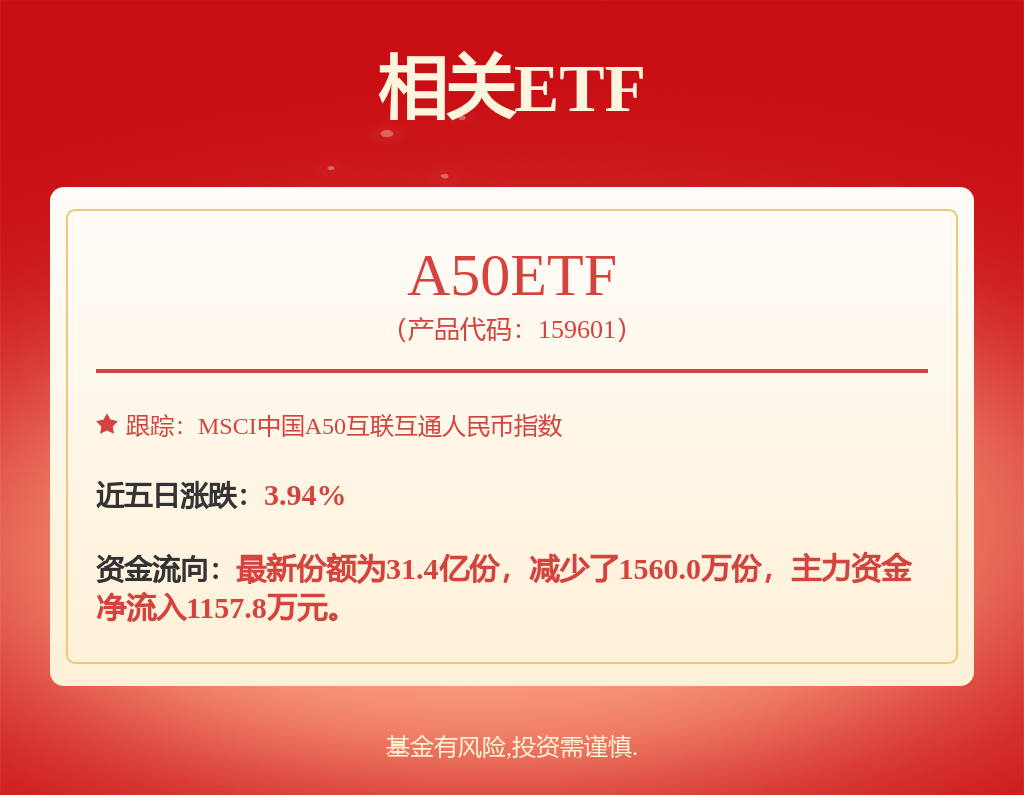
8月13日,在中国人民银行山东省分行、国家外汇管理局山东省分局的大力支持下,山东工行发挥跨境 金融服务领军银行优势,加强与著名跨国企业集团的密切合作,成功为某集团办理全省(不含青岛)首 单本外币一体化资金池经常项目集中收付业务,标志着该行在跨境金融服务领域取得新突破,为山东企 业"走出去"和"引进来"提供更加高效、便捷的金融支持。 跨国公司本外币一体化资金池业务是中国人民银行、国家外汇管理局提升跨境贸易投融资便利化,服务 实体经济发展的重要举措,旨在帮助跨国企业集团实现境内外资金的统筹管理,提高资金使用效率,降 低财务成本。此次山东工行成功办理该业务,既是全面贯彻监管机构的便利化支持政策,也是对山东省 金融创新政策的积极响应,同时也是利用工银集团全球化优势助力大型跨国企业提升全球资金管理能力 的有力实践,将助力推动山东省高水平对外开放迈上新的台阶。 长期以来,山东工行积极投身涉外经济服务。2024年服务外资外贸企业8000余户,发放表内外国际贸易 融资近300亿元,国际结算量达980亿美元,服务贸易便利化企业800余户,为山东区域经济发展注入了 新动能。 展望未来,山东工行将继续发挥自身优势,在金融监管机构的 ...