
绿水青山就是金山银山

Search documents
活力中国调研行|从“碗底有沙”到“眼底尽绿” 内蒙古荒漠变绿洲
Zhong Guo Qing Nian Bao· 2025-09-04 07:03
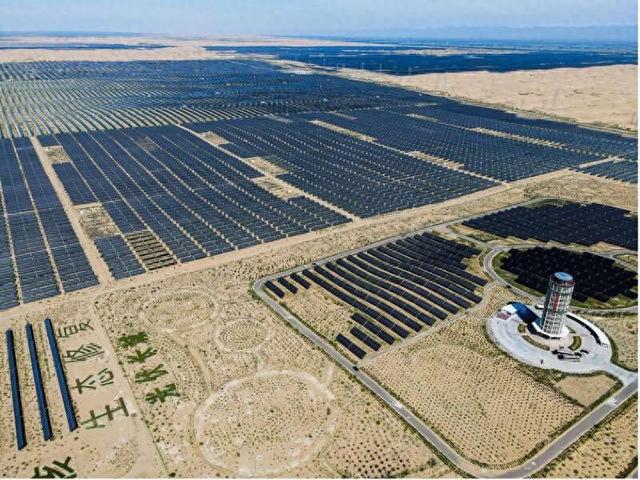
Core Viewpoint - Inner Mongolia has successfully transformed desert areas into green oases over several decades, showcasing effective ecological restoration and sustainable development practices [1][3][5]. Group 1: Ecological Restoration Efforts - The Alxa League in Inner Mongolia has implemented significant projects to combat desertification, including the establishment of a large-scale photovoltaic base that supports economic crops, turning barren land into productive areas [1][3]. - The "Black Lai Gou" comprehensive management area in Ordos City has seen a dramatic reduction in sandstorm occurrences from over 20 times a year to four or five times, thanks to nearly 30 years of ecological restoration efforts [5][7]. - The annual sediment load entering the Yellow River from the area has decreased from 27 million tons to 4 million tons, representing an 85% reduction, significantly improving the local ecological environment [7][12]. Group 2: Innovative Techniques and Community Involvement - Innovative techniques such as pipeline water transportation have been introduced to address water scarcity, which is a critical challenge in desert management [7][9]. - Local youth, like Wang Gang, have returned to their hometowns to engage in sand control and ecological restoration, establishing cooperatives to maximize economic benefits from sustainable practices [9][10]. - The cooperative established by Wang Gang has expanded from three to fifteen households, demonstrating the growing community involvement in sustainable land management and economic development [10][12]. Group 3: Economic Impact and Future Prospects - The integration of ecological restoration with economic activities, such as the cultivation of Haloxylon ammodendron and its grafting with Cistanche deserticola, has created dual benefits of environmental improvement and economic gain for local farmers [12][13]. - Inner Mongolia's daily sand control efforts have increased from 40,000 acres in 2023 to a projected 60,000 acres in 2024, indicating a commitment to ongoing ecological restoration [12][13].

我省积极探索水生态产品价值实现路径 点水成金
Si Chuan Ri Bao· 2025-09-04 00:13
Group 1: Ecological Asset Transformation - The village of Dayuan in Ya'an has successfully transferred the management rights of 100 acres of land for 296,000 yuan, marking the first transaction of ecological product value transformation in the region [1] - The concept of "Green Mountains and Clear Water are Golden Mountains and Silver Mountains" has been implemented for 20 years, leading to innovative paths for ecological product value realization, including water rights trading and carbon sink trading [1][5] - The establishment of the first provincial water rights trading service center in Sichuan has facilitated significant water rights transactions, including a notable cross-provincial water rights transfer [5][6] Group 2: Water Resource Management and Improvement - Sichuan province has implemented a "river chief system" to enhance the management and ecological condition of rivers and lakes, resulting in a 100% compliance rate for water quality in national monitoring sections for two consecutive years [4] - The improvement of water quality in rural areas has led to increased tourism and economic benefits for local communities, as seen in Xixiang Village, which has developed numerous agritourism projects [2][4] - The province has completed 1,438 water rights transactions, totaling over 1.9 billion cubic meters of water, indicating a growing market for water as a tradable ecological asset [6][7] Group 3: Financial Innovations in Water Conservation - The introduction of "water-saving loans" and "water rights loans" has provided significant financing for water conservation projects, with a total of 16.98 billion yuan raised for various initiatives [11][12] - The financial products aim to support water-saving infrastructure, technology upgrades, and rural water supply improvements, promoting efficient water resource utilization [12] - The marketization of water rights and the establishment of a trading platform have encouraged enterprises to adopt water-saving practices, turning conservation efforts into financial gains [5][6]
“金山银山”是这样炼成的(解码“绿水青山就是金山银山”③)
Ren Min Ri Bao Hai Wai Ban· 2025-09-03 00:30
Core Viewpoint - China has explored three pathways to transform ecological wealth into economic wealth: "Protecting Green for Gold," "Gathering Green for Gold," and "Borrowing Green for Gold" [2][4]. Group 1: Protecting Green for Gold - This pathway emphasizes ecological protection as a prerequisite for obtaining economic returns through mechanisms like ecological compensation and transfer payments. The transformation model corresponds to the ecological compensation model [2]. - A notable case is the ecological compensation mechanism in Hainan's Qitian Reservoir, where a funding pool of 600 million yuan was established, resulting in significant compensation for ecological protection efforts [2]. Group 2: Gathering Green for Gold - This approach focuses on converting ecological advantages into industrial advantages, exemplified by the development of the wine industry in Ningxia, which produces 140 million bottles of wine annually with a total output value of 45 billion yuan [3]. - The green industry cluster effect is increasingly evident, as seen in Jiangsu's Yancheng, which has developed a major offshore wind power industry cluster, accounting for 40% of the national capacity for complete machines and 20% for blades [3]. Group 3: Borrowing Green for Gold - This pathway involves innovative mechanisms for realizing the value of ecological products, such as the "Forest Ecological Bank" in Nanping, Fujian, where farmers can deposit forestry resources, turning them into assets and capital [3]. - The carbon trading market is emerging as a new channel for "Borrowing Green for Gold," with significant transaction volumes and values reported in both mandatory and voluntary carbon markets [4].
发挥监督作用 强化跟踪问效 以人大之为促进林业高质量发展推进美丽辽宁建设
Liao Ning Ri Bao· 2025-09-02 01:01
Group 1 - The enforcement inspection team was formed to assess the implementation of the Forest Law and its local regulations in Liaoning Province, focusing on forest protection, cultivation, and utilization [1][2] - The inspection covered four cities: Fushun, Dandong, Fuxin, and Tieling, with a focus on natural forest protection, afforestation, forest fire prevention, and the development of forest tourism and under-forest economy [1][2] - The team acknowledged the achievements in implementing the Forest Law and provided targeted suggestions for issues identified during the inspections [1] Group 2 - The inspection team emphasized the need to strengthen responsibility for forest resource protection and management, and to combat illegal activities that harm forest resources [2] - It highlighted the importance of integrating afforestation, protection, and utilization to enhance the ecological support for Liaoning's comprehensive revitalization [2] - The team called for a collaborative work mechanism to ensure the enforcement of forest protection responsibilities and to promote high-quality development in the forestry sector [2]
高原披新绿 青山不负人
Ren Min Ri Bao· 2025-09-01 05:45
Core Viewpoint - The article highlights the significant ecological transformation in Tibet over the past 60 years, emphasizing the efforts to build a modern socialist Tibet that is united, prosperous, civilized, harmonious, and beautiful [1]. Group 1: Ecological Transformation - The natural conditions in Lhasa are similar to other high-altitude regions, yet the city has successfully implemented tree planting initiatives, overcoming challenges such as high altitude and poor soil quality [2]. - Technological advancements have played a crucial role in enhancing tree survival rates through scientific methods such as selective breeding and soil replacement [3]. - A systematic approach to ecological restoration has been adopted, integrating various environmental elements like mountains, rivers, forests, and grasslands for comprehensive protection [3]. Group 2: Community Involvement - Local communities have been pivotal in the greening efforts, with significant contributions from individuals who have dedicated years to tree planting despite initial hardships [4]. - Improved environmental conditions have led to economic benefits for local residents, such as increased tourism opportunities and income from agricultural activities [4]. - The article illustrates a positive feedback loop where better ecological protection attracts more visitors, thereby enhancing community motivation to preserve the environment [4]. Group 3: Broader Implications - Tibet serves as a critical ecological security barrier for the country, and protecting its environment is deemed beneficial for future generations [4]. - The article reflects on the broader philosophy that environmental conservation is intrinsically linked to economic prosperity, as articulated by President Xi Jinping [5].
为雪域高原注入“绿色动能” 浙江新能投建的甘孜乡城贡札(Ⅱ标)光伏项目在正斗乡开工
Mei Ri Shang Bao· 2025-08-31 22:14
Core Viewpoint - The commencement of the Ganzi Xiangcheng Gongza (Phase II) photovoltaic project by Zhejiang New Energy Investment Group marks a significant step in the development of clean energy in Xiangcheng County, Sichuan Province, aligning with national "dual carbon" strategies [1][2]. Group 1: Project Details - The Ganzi Xiangcheng Gongza (Phase II) photovoltaic project has officially started construction, indicating a new phase in clean energy development for Xiangcheng County [1]. - The project is part of Zhejiang New Energy's commitment to the principle of "lucid waters and lush mountains are invaluable assets," aiming to leverage advanced photovoltaic construction experience and management practices [1]. Group 2: Local Impact - Xiangcheng County possesses ideal conditions for photovoltaic development, with an average altitude exceeding 4000 meters and stable sunlight, making it a prime location for solar energy projects [2]. - Upon completion, the project is expected to optimize the local industrial structure, broaden income channels for farmers and herders, and support rural revitalization [2]. - The project will provide stable and reliable green energy, contributing to the modernization of Xiangcheng and serving as a milestone in the deepening support between Hangzhou and Ganzi [2].

太行深处前南峪:荒山“刨”出“金山”来
Zhong Guo Xin Wen Wang· 2025-08-29 14:12
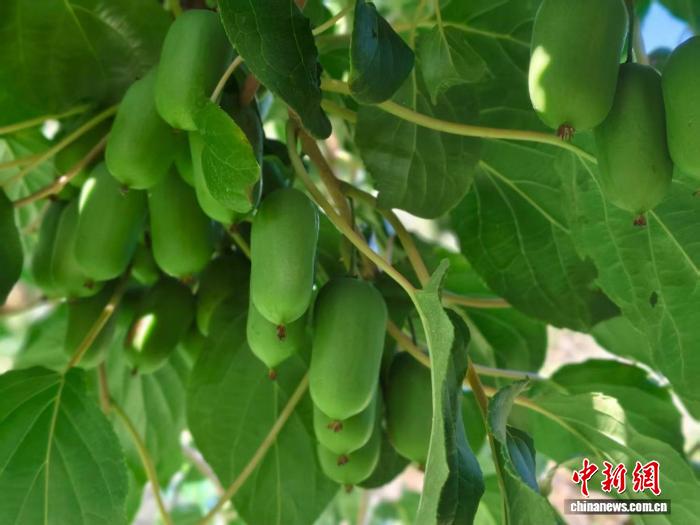
Core Viewpoint - The transformation of Qian Nanyu village from barren land to a thriving ecological and economic hub is highlighted, showcasing the successful integration of agriculture, tourism, and renewable energy initiatives. Group 1: Agricultural Development - The introduction of soft-shelled kiwifruit cultivation has significantly improved the local economy, with a total planting area of 120 acres and an average yield of over 3,000 pounds per acre, generating a net profit of over 60,000 yuan per acre [5][4] - The village has provided over 12,000 high-quality seedlings to support local garden economies, indicating a focus on sustainable agricultural practices [5] Group 2: Tourism Growth - Qian Nanyu has developed an ecological tourism zone, attracting over 400,000 visitors in 2024, with ticket revenues exceeding 6 million yuan, thus enhancing the local economy through tourism [5][6] - The area features various tourist attractions, including historical sites and ecological observation areas, contributing to the village's reputation as a key tourist destination [5] Group 3: Renewable Energy Initiatives - The village has implemented a "wind-solar-water storage" new energy system, creating a zero-carbon microgrid that not only meets local energy needs but also exports surplus electricity to the national grid [7][8] - This initiative is part of a broader strategy to leverage ecological resources for sustainable development, aligning with the principle that "green mountains and clear waters are as valuable as mountains of gold and silver" [7] Group 4: Economic Impact - The total income of the village is projected to exceed 200 million yuan in 2024, with a per capita income of 18,600 yuan, reflecting the economic benefits derived from ecological and agricultural advancements [7]
完善国家生态安全工作协调机制重在协同
Ren Min Ri Bao· 2025-08-29 07:25
Core Viewpoint - Ecological security is a crucial component of national security and sustainable economic and social development, requiring a comprehensive and coordinated approach to address risks and challenges [1] Group 1: Ecological Security Governance - The governance of ecological security must involve multiple departments and levels, emphasizing a systematic and collaborative approach to enhance overall governance effectiveness [2][3] - Significant progress has been made in establishing cross-departmental and cross-regional collaborative mechanisms, such as the ecological restoration coordination mechanism between the Ministry of Ecology and Environment and the Ministry of Natural Resources [1][3] Group 2: Inter-Departmental Collaboration - Strengthening inter-departmental collaboration is essential for addressing ecological security issues, necessitating a clear and efficient collaborative framework that includes joint meetings, information sharing, and coordinated enforcement [2] - Targeted collaborative mechanisms should be developed for specific ecological security challenges, such as invasive species, requiring cooperation between forestry and customs departments [2] Group 3: Regional Collaboration - Regional collaboration is vital due to the interconnected nature of ecosystems, necessitating mechanisms for information sharing, joint enforcement, and emergency response across administrative boundaries [3] - Key economic regions like Beijing-Tianjin-Hebei and the Yangtze River Delta should enhance their ecological governance mechanisms to address pollution and resource management collectively [3] Group 4: Pollution Management - A comprehensive approach to managing multiple pollutants is necessary, recognizing the complex interactions and cumulative effects of pollutants across air, water, and soil [4] - Establishing monitoring, assessment, and evaluation mechanisms for multi-pollutant management is critical to ensure effective governance outcomes [4] Group 5: Policy Coordination - Ecological security requires the integration of policies across various fields, such as industry, energy, and land use, to create synergies and reduce conflicts [5] - The core of current policy coordination lies in developing mechanisms that promote green development while balancing ecological protection and economic growth [5][6]
影像创作大展在建德开幕
Mei Ri Shang Bao· 2025-08-27 02:34
Core Viewpoint - The exhibition "What Makes Green and Blue - The Theme Image Creation Exhibition of Green Mountains and Clear Waters is Gold and Silver Mountains" opened in Hengtou Town, Jiande City, showcasing the practice of the concept "Green Mountains and Clear Waters are Gold and Silver Mountains" across various regions in China [1]. Group 1 - The exhibition received a total of 10,268 submissions from 19 provinces, with 197 groups and 149 photographers' works selected for display [1]. - Award winners are distributed across 11 provinces, including Zhejiang, Shandong, and Fujian, highlighting diverse practices of the concept [1]. - The exhibition features local villagers' photography, with 21 works from 13 villagers in Hangchuan Village, showcasing the improvement of rural ecological environments and the resulting sense of gain and happiness [1]. Group 2 - The exhibition is free to the public and will run until October 8 [3]. - Local villagers and photography enthusiasts actively engaged with the displayed works, reflecting the charm of rural life through photography [1]. - The initiative includes training sessions led by national geographic rural photographers, fostering a local community of photographers and enhancing visual culture [1].
本报社论:用生动故事讲透深刻理论
Zhong Guo Huan Jing Bao· 2025-08-27 00:43
Core Viewpoint - The series "Xi Jinping's Ecological Civilization Thought Lectures" aims to promote and explain the ecological civilization thought proposed by Xi Jinping, highlighting its significance for people's well-being and national future [1][2]. Group 1: Program Overview - The program consists of 10 episodes focusing on key themes such as "Green Mountains and Clear Water are Gold and Silver Mountains," "Harmony between Humanity and Nature," and "Building a Beautiful China" [3]. - It features prominent leaders and experts in ecological civilization, providing practical examples and data to illustrate the achievements and significance of Xi Jinping's ecological civilization thought [2][3]. Group 2: Key Themes and Achievements - The first episode emphasizes the historical background and scientific connotation of the "Green Mountains and Clear Water" concept, showcasing successful cases in ecological restoration and the rapid development of the "beautiful economy" [4]. - The third episode discusses the historical achievements in building a Beautiful China since the 18th National Congress, underlining its strategic importance for national rejuvenation [4]. Group 3: Future Directions - The program serves as a catalyst for deepening the understanding of Xi Jinping's ecological civilization thought, aiming to transform its theoretical insights into practical actions for ecological protection and civilization construction [5]. - It encourages the public to engage in the movement towards building a Beautiful China, leveraging the strong leadership of the Party and the guiding principles of Xi Jinping's thought [5].