
财富管理

Search documents
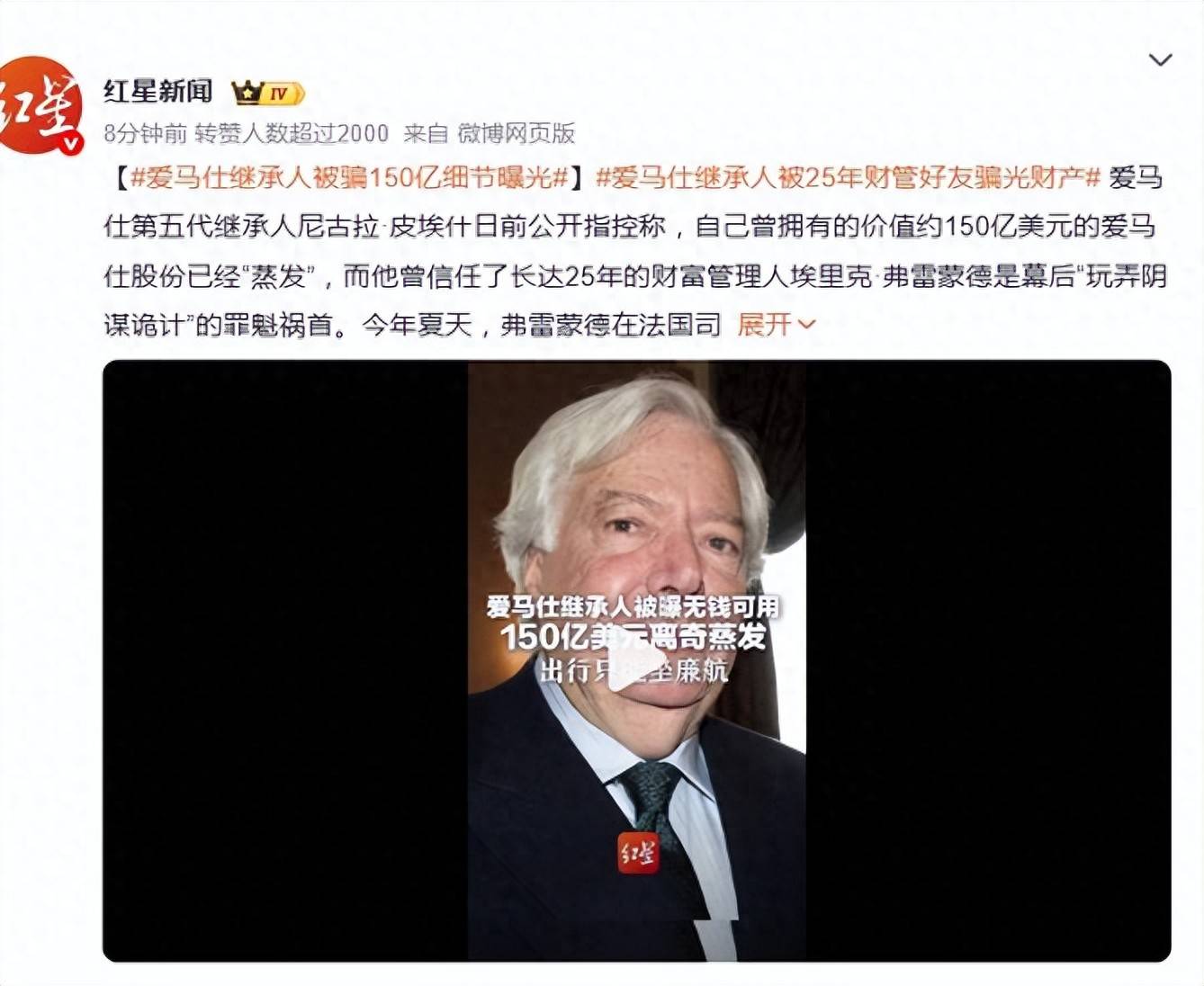
爱马仕继承人被骗150亿美元,陷入“无钱可用”
Sou Hu Cai Jing· 2025-12-01 02:49
Core Insights - The shocking news about Nicolas Puech, the fifth-generation heir of Hermès, reveals that his $15 billion stake in the company has "evaporated," leading him to travel on budget airlines in economy seats. This situation is linked to his long-trusted wealth manager, Eric Fremont, whose mysterious death in the Swiss Alps has turned this saga into what is described as "one of the most epic financial legends of the century" [1]. Group 1: Background of Eric Fremont - Eric Fremont entered the Swiss financial scene in 1989 through marriage and worked at a private bank associated with his father-in-law, gaining access to elite clients. He met Nicolas Puech through this connection and quickly became a close friend and personal assistant [4]. - Over more than two decades, Fremont took control of Puech's life and finances, managing everything from travel arrangements to property management and daily bill payments, gaining unrestricted access to Puech's residences in Switzerland and Spain [5]. Group 2: The Fraud Unveiled - The turning point occurred around 2000 when, under Fremont's persuasion, Puech transferred his Hermès shares to Switzerland as "bearer shares" and signed a "power of attorney" agreement, granting Fremont full control over his assets [5]. - Puech lived under the illusion created by Fremont, who falsely claimed that the assets were "stably appreciating" and even produced fake reports to reassure him. In reality, Fremont had secretly sold most of Puech's Hermès shares to competitor LVMH and misappropriated funds through fraudulent investments and art transactions [7]. - The fraud was exposed dramatically in 2022 when Puech inquired about a CHF 1 million transfer to a gardener, leading to an audit that revealed the disappearance of his billion-dollar assets and the freezing of his bank accounts [7]. Group 3: Aftermath and Legal Proceedings - Fremont had a history of regulatory violations, including a past insider trading penalty, yet managed to manipulate this high-profile fraud for years due to his complex network. Following Puech's lawsuit in 2024, Fremont died in a train incident in the Swiss Alps, initially ruled as suicide, leaving the recovery of Puech's assets uncertain [9]. - Despite the French police's involvement and multiple fraud charges against Fremont, his death has significantly diminished the chances of asset recovery. Reports indicate that Puech is now in a "no money available" situation, having to fly on budget airlines and occupy inconspicuous middle seats [11].

招商银行20251128
2025-12-01 00:49
Summary of China Merchants Bank Conference Call Company Overview - **Company**: China Merchants Bank (招商银行) - **Date of Call**: Q3 2025 Key Points Industry and Financial Performance - **Net Interest Margin**: Q3 net interest margin was 1.83%, a decrease of 3 basis points quarter-on-quarter, but the year-on-year decline is narrowing. The bank expects improvement in net interest margin if no further rate cuts occur [2][3][4] - **Loan and Deposit Growth**: Total loans grew by 3.6% and total deposits by 4.6% in the first three quarters. Demand for credit remains weak, particularly in retail loans due to real estate market adjustments and sluggish offline consumption [2][4] - **Wealth Management Growth**: Wealth management income increased by 19% year-on-year, with significant growth in sales of trust products (47%) and funds (39%). Retail AUM reached 16.6 trillion, an 11% increase from the previous year [3][8] Risk Management and Asset Quality - **Mortgage Loan Quality**: As of Q3, mortgage loans accounted for approximately 22%-23% of total loans, with a scale of about 1.4 trillion. The non-performing loan (NPL) ratio is 0.45%, with a focus rate of 1.49% and overdue rate of 0.83% [2][5][6] - **Risk Management Measures**: The bank employs strict customer admission criteria and ongoing monitoring of collateral. Loans overdue by more than 60 days are classified as non-performing, and the bank closely monitors market price trends to adjust risk control strategies [6][7] Investment Strategy - **Bond Investment**: The bank has increased its bond investment, which now constitutes nearly 30% of total assets. The strategy includes maintaining a high proportion of debt investments and a neutral stance on interest rates [3][10] - **Cost Management**: Management expenses totaled 75 billion, with a cost-to-income ratio of 29.85%. The bank is focused on cost reduction through refined management and strategic investments in fintech and AI [11][12] Future Outlook - **Economic Policy and Budgeting**: The bank anticipates a positive economic policy environment in the new five-year plan, which will influence budgeting for the upcoming year [2][4] - **Dividend Policy**: The bank aims to maintain a cash dividend payout ratio above 30%, with a current target of 35%. Future adjustments will depend on overall profitability [14][15] Additional Insights - **Market Trends**: There is a shift in customer wealth management preferences towards equity-related products, driven by market conditions. The bank expects this trend to continue if capital market reforms deepen and market conditions stabilize [8][13] - **Floating Profit Realization**: The bank has seen a decrease in other comprehensive income due to the realization of floating profits, with future realizations dependent on market conditions [9] This summary encapsulates the key insights from the conference call, highlighting the financial performance, risk management strategies, investment approaches, and future outlook of China Merchants Bank.

奔涌“十五五” 资本市场“创新引擎”轰鸣
Shang Hai Zheng Quan Bao· 2025-11-28 18:47
Core Viewpoint - The "14th Five-Year Plan" period is expected to see the financial industry gradually build an ecosystem that better meets the needs of economic development, providing stronger financial support for high-quality development of the real economy [10][18]. Group 1: Economic Resilience and Development - Current Chinese economy exhibits strong endogenous resilience at the micro level, with both emerging and traditional industries showing robust growth [11][12]. - A series of capital market innovations are anticipated to foster the emergence of world-class technology companies [10][22]. Group 2: Financial Market Structure and Support - The financial industry is expected to undergo significant structural changes during the "14th Five-Year Plan," with a focus on better aligning with the needs of economic transformation and high-quality development [18]. - Capital market collaboration with commercial banks is crucial for addressing structural contradictions and enhancing financial support for key sectors like technology and SMEs [18][19]. Group 3: Investment and Financing Strategies - The need for improved investment and financing coordination is emphasized, focusing on direct financing and secondary market relationships [15][16]. - Establishing a good financing philosophy based on integrity, rationality, and returns is essential for optimizing the investment landscape [16][17]. Group 4: Industry-Specific Insights - The manufacturing sector demonstrates a solid foundation and continuous advancement, with significant developments in areas like 3D printing and advanced materials [12][13]. - The biopharmaceutical industry is poised for growth driven by policy support and regulatory clarity, particularly in stem cell and gene therapy sectors [26][27]. Group 5: Future Outlook and Innovations - The capital market is expected to evolve into an "innovation engine," supporting the development of world-class technology enterprises and enhancing market resilience [22][24]. - The introduction of green finance products and the promotion of sustainable development will become key factors in evaluating corporate value [24].
杭州银行总行人事调整 新设立财富管理部
Xin Lang Cai Jing· 2025-11-28 09:30
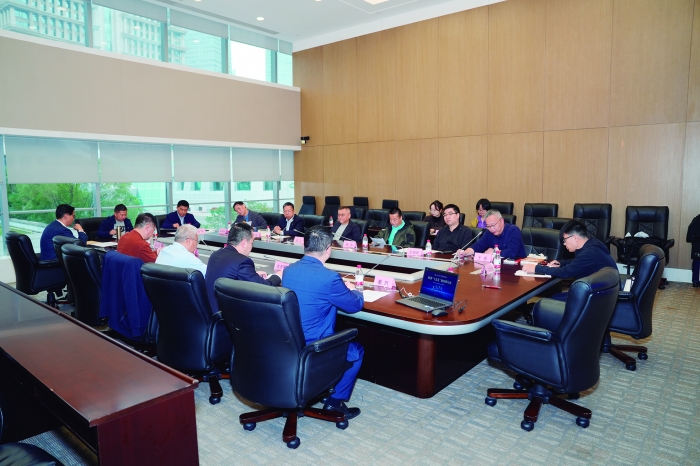
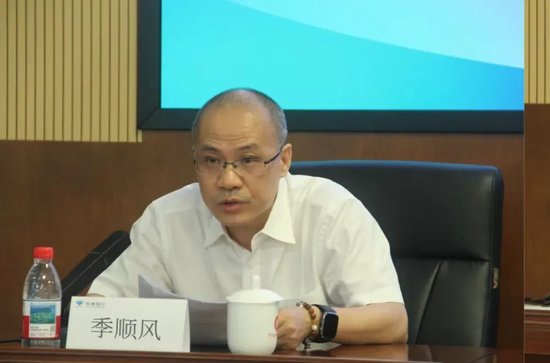
Core Viewpoint - Hangzhou Bank reported a total asset of 2,295.424 billion yuan as of September 30, 2025, representing an 8.67% increase from the end of the previous year, ranking seventh among city commercial banks [1] - The bank achieved a revenue of 28.88 billion yuan and a net profit of 15.885 billion yuan for the first three quarters, with year-on-year growth of 1.35% and 14.53% respectively [1] Financial Performance - Total assets reached 2,295.424 billion yuan, up 8.67% year-on-year [1] - Revenue for the first three quarters was 28.88 billion yuan, a 1.35% increase [1] - Net profit was 15.885 billion yuan, reflecting a 14.53% growth [1] - Retail customer total assets (AUM) increased to 674.357 billion yuan, up 11.98% from the previous year [15] - Personal savings deposits rose to 347.353 billion yuan, an increase of 15.84% [15] - The balance of various wealth management products reached 557.458 billion yuan, growing by 27.10% [15] Organizational Changes - The bank's board approved the restructuring of several departments, including the dissolution of the Electronic Banking Department, Asset Management Department, and Institutional Management Department [1] - A new Wealth Management Department was established, with its head already appointed [11] - Recent personnel changes included the retirement of several senior executives, including the General Manager of the Audit Department [3][7] Wealth Management Strategy - The bank is focusing on wealth management as a second growth curve, targeting key customer segments such as corporate owners and families [15] - The "Happiness Golden Osmanthus" wealth brand was enhanced to improve customer asset management [15] - Retail financial loans reached 148.314 billion yuan, with a non-performing loan ratio of 0.48% [15][16] Innovation in Financial Services - The establishment of the Science and Technology Financial Business Headquarters aims to enhance the management of science and technology finance [9] - As of June 30, 2025, the balance of technology loans was 115.180 billion yuan, with a private equity fund custody scale of 188.931 billion yuan [9]

营业部“大撤退”!券商员工下一站去哪?
Guo Ji Jin Rong Bao· 2025-11-28 05:41
Core Viewpoint - The brokerage industry is undergoing significant downsizing, with over 30 firms, including prominent names like Industrial Securities and Guosen Securities, closing more than 180 branches in response to rising operational costs and the shift towards online services driven by technology [1][2][4]. Group 1: Branch Closures - Industrial Securities has led the industry in branch closures, announcing the cancellation of 41 branches this year alone, including multiple locations in November [2][3]. - Other firms, such as Caida Securities and Jin Yuan Securities, have also announced branch closures, indicating a broader trend within the industry [3]. Group 2: Operational Efficiency - The brokerage sector faces challenges such as increased competition and rising fixed costs, prompting firms to streamline operations by closing physical branches [4]. - Merging nearby branches can create economies of scale, reduce operational costs, and enhance management efficiency, allowing firms to focus resources on wealth management [4]. Group 3: Employee Transition Challenges - Employees in brokerage firms are facing job insecurity due to branch closures, with a notable decrease in the number of securities brokers from 29,000 to 23,800 over the past year [5][6]. - The industry is shifting towards specialized roles in wealth management and advisory services, necessitating a transformation in employee skill sets to remain competitive [6].



攻坚深层次改革 锚定未来产业新增长点全国政协委员尹艳林:
Zhong Guo Zheng Quan Bao· 2025-11-28 00:31
Core Viewpoint - The "14th Five-Year Plan" period is crucial for solidifying the foundation of China's modernization and achieving high-quality economic development, emphasizing the importance of the real economy and optimizing traditional industries [1][2]. Group 1: Economic Development Focus - The focus during the "14th Five-Year Plan" should be on the real economy, prioritizing the optimization and enhancement of traditional industries while fostering new productive forces and supporting emerging industries as future growth points [1][2]. - The plan categorizes industries into traditional, emerging, and future sectors, each requiring different approaches to develop new productive forces [2][3]. Group 2: Traditional Industries - Traditional industries still hold significant growth potential, accounting for 80% of China's manufacturing sector, and are essential for the foundation of the real economy [2][3]. - There is a need to address issues related to urbanization, rural migration, and high-quality development in real estate to unlock the potential of traditional industries [3]. Group 3: Financial Reforms - The proposal includes deepening zero-based budgeting reforms to optimize fiscal expenditure and enhance budget performance management, which is crucial for effective governance [4][5]. - Zero-based budgeting requires every expenditure to be justified anew, potentially leading to significant impacts on budget management if implemented effectively [5]. Group 4: Financial Support for Innovation - The plan emphasizes the development of various financial sectors, particularly technology finance, which is deemed strategically important for supporting innovation and the cultivation of new productive forces [6][7]. - There is a need for a shift towards direct financing to better match the risk characteristics of technological innovation, with capital market reforms facilitating this transition [6]. Group 5: Wealth Management - The growing middle-income group in China, exceeding 400 million people, necessitates professional wealth management to enhance asset value, highlighting the increasing importance of wealth management in the financial sector [7]. - Wealth management should be a key focus area in finance, promoting the conversion of savings into investments, benefiting both residents and the capital market [7].
全国政协委员尹艳林:攻坚深层次改革 锚定未来产业新增长点
Zhong Guo Zheng Quan Bao· 2025-11-27 22:26
Core Insights - The "14th Five-Year Plan" emphasizes the importance of transitioning to a high-quality economic development model, focusing on the real economy and optimizing traditional industries while fostering new and emerging industries as growth pillars [1][2] Group 1: Economic Development Focus - The "14th Five-Year Plan" suggests prioritizing the real economy and enhancing traditional industries to release potential and cultivate new productive forces [1][2] - The plan categorizes industries into traditional, emerging, and future sectors, each requiring different development strategies [2][3] - Traditional industries currently account for 80% of China's manufacturing, serving as the foundation of the real economy [2] Group 2: Traditional Industries and New Productive Forces - There is a need to clarify the concept of new productive forces within traditional industries, which still hold growth potential despite current demand constraints [3] - The plan highlights the importance of addressing urbanization, rural migration, and high-quality real estate development to unlock traditional industry potential [3] Group 3: Fiscal Reform and Budget Management - The "14th Five-Year Plan" proposes deepening zero-based budgeting reforms to optimize fiscal expenditure and enhance budget performance management [4][5] - Zero-based budgeting requires each expenditure to be justified anew, contrasting with the previous incremental budgeting approach [5] Group 4: Financial Support for Economic Growth - The plan emphasizes the development of various financial sectors, including technology finance, green finance, and inclusive finance, with technology finance being prioritized [6][7] - The current financing structure for technology innovation relies heavily on indirect financing, while direct financing through capital markets is more aligned with innovation risk characteristics [6] Group 5: Wealth Management and Public Demand - There is a growing demand for wealth management services among China's middle-income population, which exceeds 400 million [7] - Wealth management is seen as a crucial area for financial services, aiming to convert savings into investments and enhance residents' financial returns [7]
攻坚深层次改革 锚定未来产业新增长点
Zhong Guo Zheng Quan Bao· 2025-11-27 20:21
Core Viewpoint - The "14th Five-Year Plan" period is crucial for solidifying the foundation of socialism modernization and achieving high-quality economic development in China [1] Economic Development Focus - The focus during the "14th Five-Year Plan" should be on the real economy, optimizing traditional industries, and nurturing new productive forces while promoting emerging industries as pillars of future growth [1][2] - Financial resources should be efficiently allocated to address structural challenges, with a strong emphasis on serving the real economy and enhancing wealth management for residents [1] Industry Classification and Development - The "14th Five-Year Plan" categorizes industries into traditional, emerging, and future sectors, each requiring different approaches to develop new productive forces [2] - Traditional industries currently account for 80% of China's manufacturing and are essential for the real economy, despite the growth potential of emerging and future industries [2] Traditional Industry Insights - Traditional industries still hold significant growth potential, but face challenges such as insufficient demand and the need for urbanization and high-quality real estate development [2][3] - Approximately 30% of China's manufacturing output is for export, with traditional industry products contributing significantly to trade surpluses, necessitating a balance between enhancing competitiveness and promoting balanced trade [2] Financial Reform and Budget Management - The "14th Five-Year Plan" proposes deepening zero-based budgeting reforms to optimize fiscal expenditure and enhance budget performance management [4] - Zero-based budgeting requires every expenditure to be justified anew, potentially leading to more efficient allocation of resources compared to traditional baseline budgeting [4] Financial Sector Development - The plan emphasizes the development of various financial sectors, including technology finance, green finance, and wealth management, with technology finance being prioritized for its strategic importance [6][7] - Direct financing is essential for supporting technological innovation, and recent capital market reforms aim to facilitate this by allowing unprofitable companies to list [6] Wealth Management Importance - With over 400 million middle-income individuals in China, there is a growing demand for professional wealth management to enhance asset value [7] - Wealth management is seen as a key area for financial services, promoting the conversion of savings into investments, which benefits both residents and capital markets [7]
“2025资本市场高质量发展论坛”今天启幕 众多嘉宾聚首成都“论道” 共探高质量发展新机遇
Mei Ri Jing Ji Xin Wen· 2025-11-27 16:18
Core Insights - The Chinese capital market is entering a new development phase, focusing on serving the real economy and driving industrial upgrades as part of the "14th Five-Year Plan" [1][2] Group 1: Market Performance - As of November 11, the total market capitalization of A-shares reached 108.27 trillion yuan, an increase of 22.59 trillion yuan or 26.37% from the end of last year, marking the highest growth rate in nearly a decade [2] - In the first half of the year, foreign capital net increased holdings in domestic stocks and funds by 10.1 billion USD, with significant inflows of 18.8 billion USD in May and June, indicating a growing willingness to allocate capital to RMB assets [2] Group 2: Market Attractiveness - The increasing attractiveness of the A-share market is attributed to the continuous deepening of market openness, including the expansion of the Shanghai-Hong Kong Stock Connect and the steady increase in the inclusion factor of A-shares in international indices [2] - The structural advantages of the A-share market, particularly in emerging industries like new energy and artificial intelligence, complement the stable fundamentals in consumption and manufacturing, providing diverse investment options for foreign capital [2] Group 3: Forum Highlights - The "2025 Capital Market High-Quality Development Forum" held in Chengdu gathered industry leaders and experts to discuss the theme "Stabilizing Quality and Strengthening Foundations" [1][3] - The forum featured discussions on capturing market opportunities and promoting innovation in the capital market, with participation from leading institutions in securities, funds, and asset management [3][4] Group 4: Key Discussions - The forum included a roundtable discussion on wealth management opportunities and the embrace of the ETF era, focusing on integrating stable value growth with new tools for investors [5] - Another roundtable addressed market opportunities and challenges for 2026, discussing the macroeconomic context of "stabilizing growth" and the new directions for the financial industry in wealth management [5]
2025年牛市行情催化券商业绩向好 综合服务与国际化成行业“十五五”决胜关键
Mei Ri Jing Ji Xin Wen· 2025-11-27 13:37
Core Viewpoint - The A-share market has been steadily rising since 2025, leading to significant growth in the brokerage industry, with a notable increase in revenue and net profit for listed brokerages in the first three quarters of 2025 compared to the same period in 2024 [1] Group 1: Industry Performance - In the first three quarters of 2025, 42 listed brokerages achieved a total operating income of 419.56 billion yuan and a net profit attributable to shareholders of 169.05 billion yuan, representing year-on-year growth of 42.55% and 62.38% respectively [1] - The brokerage industry is experiencing a positive trend in its operational fundamentals, with asset management business showing significant growth in the third quarter of 2025 [2] - The ETF market has seen strong growth, with the total domestic ETF scale reaching 5,704.56 billion yuan by the end of October 2025, a 53% increase from the end of 2024 [4] Group 2: Future Outlook - The ROE (Return on Equity) for the brokerage industry is expected to steadily improve, with predictions suggesting it could reach 7.1% in 2025, nearing levels seen from 2019 to 2021 [5] - The upcoming "15th Five-Year Plan" period is anticipated to reshape the brokerage industry, with asset allocation, comprehensive services, and international capabilities becoming key differentiators [9] Group 3: Business Innovation - Brokerages are increasingly focusing on business innovation, particularly through the integration of AI technologies in wealth management and other services [6] - Various brokerages have launched AI-driven tools and platforms to enhance service offerings, such as Huatai Securities' AI investment assistant and Dongfang Securities' AI application platform [7] - The emergence of collaborative service brands among brokerages indicates a shift towards more integrated service offerings, moving from internal organizational focus to external brand promotion [8] Group 4: Strategic Developments - The brokerage industry is shifting its focus from financing to investment, with an emphasis on wealth management and proprietary trading as key profit drivers [10] - There is a notable trend towards the rise of merger and acquisition activities, with global M&A transaction volumes surpassing 1 trillion USD in the third quarter of 2025 [10]
