
两重建设

Search documents
刚刚,国家发改委回应热点问题!
Jin Rong Shi Bao· 2025-12-31 08:24
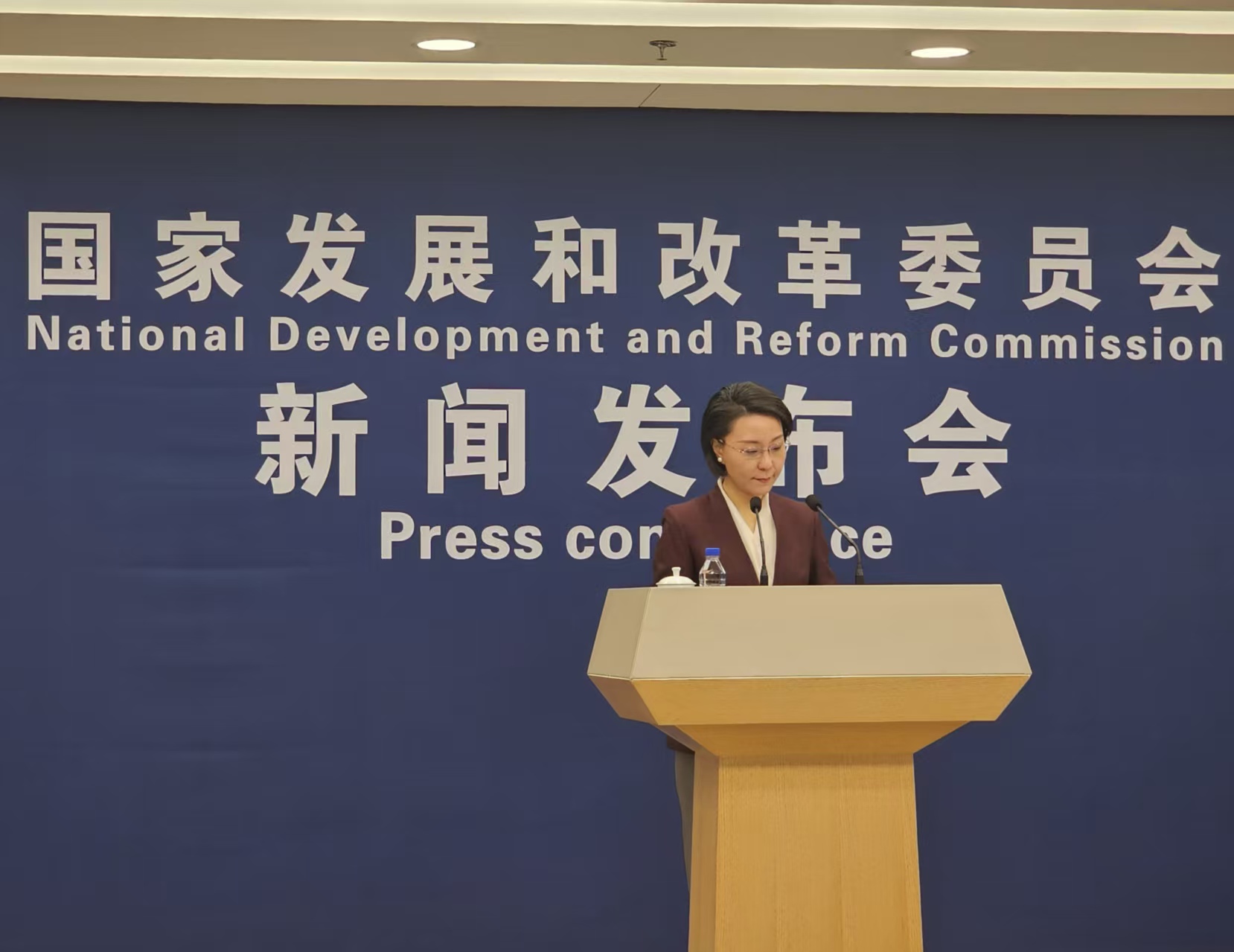
12月31日,国家发展改革委举行新闻发布会,国家发展改革委政策研究室副主任、新闻发言人李超回应 经济社会领域热点问题。 2026年"两新"政策有三方面新变化 2026年"两新"政策有哪些新变化? 对此,李超介绍称,2026年"两新"政策重点在设备更新政策惠及面、支持绿色低碳智能产品推广应用、 资金使用监管等方面进行了优化,可以概括为以下三个方面。 一是优化支持范围。设备更新方面,在总体延续2025年支持范围的基础上,主要增加了三个方面的更新 补贴,在民生领域增加老旧小区加装电梯、养老机构设备更新,安全领域,增加消防救援、检验检测设 备更新,消费基础设施方面,增加商业综合体、购物中心、百货店、大型超市等线下消费商业设施的设 备更新。消费品以旧换新方面,进一步集中资源,着力提升覆盖人群广、带动效应强的重点消费品"得 补率"。具体来看,继续实施汽车报废更新和汽车置换更新补贴;继续实施家电以旧换新补贴,支持范 围聚焦冰箱、洗衣机、电视、空调、电脑、热水器等6类产品;同时,将数码产品购新补贴拓展为数码 和智能产品购新补贴,支持范围包括手机、平板、智能手表(手环)、智能眼镜和智能家居产品(含适 老化家居产品)。 二是优化 ...
国家发展改革委:2026年提前批“两重”项目共安排约2200亿元
智通财经网· 2025-12-31 07:07
智通财经APP获悉,12月31日,国家发展改革委召开12月份新闻发布会。会上,国家发展改革委政策研 究室副主任李超表示,近日国家发展改革委抓紧组织下达2026年提前批"两重"建设项目清单和中央预算 内投资计划,共计约2950亿元。"两重"建设方面,强化"两重"性质、坚持自上而下、注重软硬结合,共 安排约2200亿元,支持城市地下管网、高标准农田、三北工程、有效降低全社会物流成本等领域的281 个项目,进一步突出"两重"建设的战略性、前瞻性、全局性。中央预算内投资方面,聚焦需要集中力 量、持续投入、补短板调结构惠民生的公共领域,安排超过750亿元,支持城市更新、水利、生态保护 修复、污染治理、节能降碳等方面的673个项目,充分发挥政府投资引导带动作用。 李超表示,与此同时还加快推出一批"软建设"举措,推动各类资金财尽其用,不断提高投资效益。比 如,推动完善城市地下管网建设改造投融资模式和市政公用事业价费机制,健全灌区农业节水激励机 制,加快完善现代物流标准体系,着力构建固体废弃物综合治理体系等,推动形成项目建设实施和运营 维护的长效机制。 中央经济工作会议对明年经济工作作出全面部署,国家发展改革委,深入学习领会 ...
关于2026年“国补”,国家发展改革委最新表态!
Zheng Quan Ri Bao Wang· 2025-12-31 05:24
Core Viewpoint - The National Development and Reform Commission (NDRC) has announced a plan to expand effective investment by allocating approximately 295 billion yuan for early-stage "two重" construction projects and central budget investments for 2026 [1][3]. Group 1: Investment Allocation - The NDRC has organized a total of about 220 billion yuan for "two重" construction projects, focusing on urban underground pipelines, high-standard farmland, and logistics cost reduction, among others, with 281 projects identified [3]. - Over 75 billion yuan has been allocated for central budget investments, supporting 673 projects in urban renewal, water conservancy, ecological protection, and pollution control [3]. Group 2: Soft Construction Initiatives - The NDRC is promoting various "soft construction" measures to enhance investment efficiency, including improving financing models for urban underground pipeline construction and establishing agricultural water-saving incentive mechanisms [4]. - The NDRC aims to create a long-term mechanism for project implementation and operation maintenance [4]. Group 3: Policy Implementation Mechanism - The NDRC has optimized the fund allocation method by considering previous policy execution and audit findings to determine funding scales for different regions [4][5]. - A quarterly phased funding distribution will be maintained to ensure balanced and orderly use of funds at both national and local levels [5]. Group 4: Regulatory Measures - The NDRC will enforce strict funding audits and price management to combat illegal activities, ensuring compliance with pricing regulations and taking legal action against violations [5]. - Special actions will be organized to address fraudulent behaviors such as "先涨后补" (price increase before subsidy) and to strengthen the connection between administrative enforcement and criminal justice [5].

2950亿资金下达,更大力度稳投资
第一财经· 2025-12-31 05:19
Core Viewpoint - The National Development and Reform Commission (NDRC) has announced a total investment plan of approximately 295 billion yuan for 2026, focusing on "two heavy" construction projects and central budget investments to stimulate effective investment and enhance infrastructure development [3][4]. Group 1: Investment Plans - The NDRC has organized a list of "two heavy" construction projects amounting to about 220 billion yuan, supporting 281 projects in areas such as urban underground pipeline networks, high-standard farmland, and logistics cost reduction [3][4]. - Over 75 billion yuan has been allocated for central budget investments, focusing on public sectors like urban renewal, water conservancy, ecological protection, and pollution control, supporting 673 projects [3][4]. Group 2: Infrastructure Development - Recent approvals for major infrastructure projects include the Guangzhou New Airport and various water resource and energy facilities, with a total investment exceeding 400 billion yuan, aimed at enhancing the modern infrastructure system [4]. - The central economic work conference emphasized the need to maintain domestic demand as the main driver and to stabilize investment, with plans to optimize project implementation and enhance the role of policy financial tools [4]. Group 3: Investment Trends - Fixed asset investment in China has seen a decline of 2.6% year-on-year for the first 11 months of 2025, attributed to factors such as real estate market adjustments and increased competition [5]. - Experts predict a moderate recovery in investment growth to 2% to 3% in 2026, driven by systematic policy measures aimed at optimizing projects and activating market participation [5].
2950亿资金下达,更大力度稳投资
Di Yi Cai Jing· 2025-12-31 04:42
Group 1 - The National Development and Reform Commission (NDRC) has organized the early batch of "two heavy" construction projects for 2026, totaling approximately 295 billion yuan, to accelerate the pace of fund allocation and usage [1] - In the "two heavy" construction aspect, around 220 billion yuan is allocated to support 281 projects in urban underground pipeline networks, high-standard farmland, and logistics cost reduction, emphasizing the strategic and forward-looking nature of these projects [1] - Over 75 billion yuan is allocated for central budget investments in public sectors such as urban renewal, water conservancy, ecological protection, and pollution control, supporting 673 projects to enhance government investment's guiding role [1] Group 2 - The NDRC is also accelerating the introduction of "soft construction" measures to improve investment efficiency, including enhancing financing models for urban underground pipeline construction and establishing long-term mechanisms for project implementation and maintenance [2] - Recent approvals for major infrastructure projects include investments exceeding 400 billion yuan in transportation, water conservancy, energy, and research facilities, which will strengthen China's modern infrastructure system [2] - The Central Economic Work Conference emphasizes the need to lead with domestic demand and stabilize investment, with plans to increase central budget investment and optimize project management to stimulate private investment [2] Group 3 - China's fixed asset investment growth continues to decline, with a 2.6% year-on-year decrease in the first eleven months of 2025, influenced by factors such as real estate market adjustments and increased domestic competition [3] - The decline in fixed asset investment has become a major drag on economic stability and domestic demand growth, prompting a systematic policy response to optimize projects and activate the market [3] - Investment growth is expected to moderately rebound to 2% to 3% in 2026 due to recent policy measures [3]
国家发展改革委:2026年提前批“两重”项目安排约2200亿元
Jing Ji Guan Cha Wang· 2025-12-31 03:37
"两重"建设方面,共安排约2200亿元,支持城市地下管网、高标准农田、"三北"工程、有效降低全社会 物流成本等领域的281个项目,进一步突出"两重"建设的战略性、前瞻性、全局性。 经济观察网据央视新闻客户端消息,12月31日,国家发展改革委政策研究室副主任、新闻发言人李超在 新闻发布会上表示,按照党中央和国务院决策部署,为进一步扩大有效投资,近日国家发展改革委抓紧 组织下达2026年提前批"两重"建设项目清单和中央预算内投资计划。 ...
民生保障“加速跑” 多视角感知“两重”建设火热“暖”数据推升民生“温度”
Yang Shi Wang· 2025-12-29 03:25
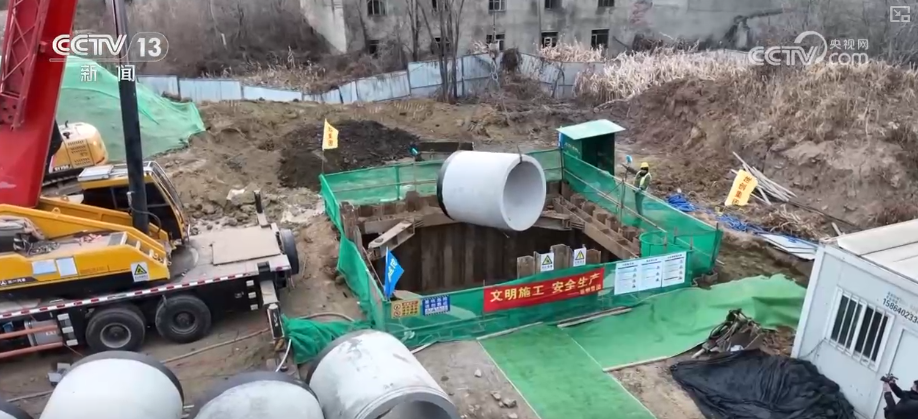
"两重"建设开展一年多来,全国已支持5000多个城市地下管网建设改造具体项目,共推动建设改造城市地下管网约30万公里。目 前,管网漏损、城市内涝等突出问题发生已明显减少,城市安全韧性水平显著增强。 民生工程提质增效的同时,民生保障也在加速改善。"两重"建设已支持84个人口流入重点城市新建和改扩建普通高中664所,新增 普通高中学位超过100万个,随迁子女在公办高中就读比例稳步提升。 央视网消息:"两重"是指国家重大战略实施和重点领域安全能力建设。当前,"两重"项目建设加力显效,一批重点项目加快补齐民 生短板,持续优化公共服务供给,不断增强人民群众的获得感、幸福感、安全感。 在辽宁沈阳,"两重"建设支持的一批地下管网项目正在加紧推进,项目建成后将有效破解城市燃气管网"带病运行"及城区内涝等突 出隐患。 同时,"两重"建设支持改造4人间及以上病房1.5万间,群众就医条件进一步改善。优质托位供给持续扩大,县级以上托育综合服务 中心加强建设。截至目前,我国每千人口拥有3岁以下婴幼儿托位数达4.73个,超额完成"十四五"规划目标。 支持优质本科扩容工程扎实推进,已带动"双一流"高校本科扩招超过3.7万人。超过30个"双 ...
“两重”建设高质量推进 民生福祉持续增强
Yang Shi Wang· 2025-12-28 11:50
央视网消息(新闻联播):当前,"两重"项目建设加力显效,一批重点项目加快补齐民生短板,持续优 化公共服务供给,不断增强人民群众的获得感、幸福感、安全感。 在辽宁沈阳,"两重"建设支持的一批地下管网项目正在加紧推进,项目建成后将有效破解城市燃气管 网"带病运行"及城区内涝等突出隐患。 民生工程提质增效的同时,民生保障也在加速改善。"两重"建设已支持84个人口流入重点城市新建和改 扩建普通高中664所,新增普通高中学位超过100万个,随迁子女在公办高中就读比例稳步提升。支持优 质本科扩容工程扎实推进,已带动"双一流"高校本科扩招超过3.7万人。超过30个"双一流"高校新校区 进入大规模建设阶段,加快补齐高校学生宿舍等短板,基本办学条件明显改善。 同时,"两重"建设支持改造4人间及以上病房1.5万间,群众就医条件进一步改善。优质托位供给持续扩 大,县级以上托育综合服务中心加强建设。截至目前,我国每千人口拥有3岁以下婴幼儿托位数达4.73 个,超额完成"十四五"规划目标。 "两重"建设开展一年多来,全国已支持5000多个城市地下管网建设改造具体项目,共推动建设改造城市 地下管网约30万公里。目前,管网漏损、城市内涝等 ...
广发期货:钢材出口“以价换量”逻辑延续
Qi Huo Ri Bao· 2025-12-24 00:34
2025年中国钢材和钢制品出口增长明显,带动钢材产量呈现增长态势,增量主要来自两个方面:一方面 是钢材净出口延续增长;另一方面是以机电产品为代表的出口增长,带动制造业用钢需求增加。同时也 需注意,以房地产为代表的内需预期依然偏弱,是钢材需求的主要拖累项。 伴随中国城镇化和工业化进程,中国钢材需求量持续增长,2020年表观需求量达到10.08亿吨峰值, 2021年随着地产行业下滑,钢材需求量见顶回落。根据世界钢协数据,2024年中国钢材需求量8.6亿 吨,与2020年相比累计下滑15%。 中国钢材需求主要分为建筑需求和制造业需求。建筑需求主要指房地产行业和基建行业;制造业主要的 用钢行业有机械、汽车、造船、新能源、家电和集装箱等。近几年随着中国经济结构转型,钢材需求呈 现建筑需求占比持续下降、制造业需求持续上升的特点。据中国钢铁工业协会披露,2024年制造业需求 占比提升至50%。 近5年中国钢材出口量持续增长,2025年钢材净出口量比2021年累计增长近6000万吨,年均增幅为 20%。 制造业中,用钢量大的行业依次是机械、金属制品、汽车、新能源、造船、家电、集装箱等,近几年在 全球具备产业优势的汽车、新能源 ...
银行业积极稳投资扩内需惠民生
Jin Rong Shi Bao· 2025-12-23 03:32
内需是拉动经济增长主动力与稳定锚。今年以来,针对经济运行中面临的风险挑战,各地区、各部门按 照党中央决策部署,加紧实施更加积极有为的宏观政策,及时出台和有效落实一系列扩大国内需求、促 进产业升级、畅通经济循环的政策措施,对于支持经济平稳运行发挥了重要作用。 近期召开的中央经济工作会议提出,我国经济发展中老问题、新挑战仍然不少,外部环境变化影响加 深,国内供强需弱矛盾突出,重点领域风险隐患较多。 在部署2026年经济工作时,会议将"坚持内需主导,建设强大国内市场"放在了首位。"大国经济的重要 特征是回旋余地大,内部可循环,能够独立自主、自立自强。"中央财办分管日常工作的副主任、中央 农办主任韩文秀表示,要进一步开拓视野、创新思路,努力在扩大消费和投资、发展科技和产业、促进 城乡融合和区域协调发展等方面,培育形成更多新的增长点,开辟发展新空间。 投资是扩大内需的重要抓手。根据中央经济工作会议部署,2026年要推动投资止跌回稳,适当增加中央 预算内投资规模,优化实施"两重"项目,优化地方政府专项债券用途管理,继续发挥新型政策性金融工 具作用,有效激发民间投资活力。高质量推进城市更新。 在国家政策和金融管理部门的指引 ...
