
中期选举

Search documents
1月FOMC会议点评:今年联储降息的焦点在哪?
Huachuang Securities· 2026-01-29 07:30
宏观研究 证 券 研 究 报 告 【宏观快评】1 月 FOMC 会议点评 今年联储降息的焦点在哪? 主要观点 ❖ 1 月 FOMC 会议:暂停降息,符合预期 1、暂停降息,利率维持在 3.5%-3.75%,符合市场预期。12 位 FOMC 票委中, 2 票反对,理事米兰和沃勒希望降息 25BP。 2、与暂停降息相一致,本次会议声明对经济和就业的表述边际转向乐观。对 经济增长的表述从"温和扩张"转为"稳健扩张"。虽然"就业增长依然较低", 但是失业率从"上升"转为"呈现企稳迹象"。对通胀的表述,删除了"2025 年以来有所上升",但"依然较高"。 3、发布会上,鲍威尔认为通胀上行风险和就业下行风险有所减弱,后续决策 并未预设,加息不是基本假设。媒体关注重点在"美联储人事"、"金融市场波 动"(美元汇率波动、贵金属价格上涨)上,鲍威尔均直接回避,不予置评。 ❖ 今年联储降息的焦点在哪? 关于今年降息节奏和幅度,经济因素来看,重点在就业修复趋势,而非通胀掣 肘。非经济因素来看,重点在选举压力下的潜在财政刺激,而非联储人事变动。 从经济因素来看,重点在于就业修复趋势,而非通胀的掣肘。 关于就业,10 万或是分水岭。2 ...
华创证券张瑜:1月FOMC会议点评 今年联储降息的焦点在哪?
Xin Lang Cai Jing· 2026-01-29 07:22
炒股就看金麒麟分析师研报,权威,专业,及时,全面,助您挖掘潜力主题机会! 来源:一瑜中的 文:华创证券首席经济学家 张瑜 执业证号:S0360518090001 联系人:付春生(18482259975) 报告摘要 1月FOMC会议:暂停降息,符合预期 1、暂停降息,利率维持在3.5%-3.75%,符合市场预期。12位FOMC票委中,2票反对,理事米兰和沃勒 希望降息25BP。 2、与暂停降息相一致,本次会议声明对经济和就业的表述边际转向乐观。对经济增长的表述从"温和扩 张"转为"稳健扩张"。虽然"就业增长依然较低",但是失业率从"上升"转为"呈现企稳迹象"。对通胀的表 述,删除了"2025年以来有所上升",但"依然较高"。 3、发布会上,鲍威尔认为通胀上行风险和就业下行风险有所减弱,后续决策并未预设,加息不是基本 假设。媒体关注重点在"美联储人事"、"金融市场波动"(美元汇率波动、贵金属价格上涨)上,鲍威尔 均直接回避,不予置评。 今年联储降息的焦点在哪? 关于今年降息节奏和幅度,经济因素来看,重点在就业修复趋势,而非通胀掣肘。非经济因素来看,重 点在选举压力下的潜在财政刺激,而非联储人事变动。 从经济因素来 ...

今年联储降息的焦点在哪?——1月FOMC会议点评
一瑜中的· 2026-01-29 07:16
Core Viewpoint - The Federal Open Market Committee (FOMC) has decided to pause interest rate cuts, maintaining the federal funds target rate at 3.5%-3.75%, which aligns with market expectations [2][15]. Economic Factors - The focus for this year's interest rate cuts is on the employment recovery trend rather than inflation constraints. The employment growth threshold is set at 100,000 jobs per month, which could determine the Fed's future actions regarding rate cuts [4][10]. - The employment market has shown signs of weakness since 2025, influenced by factors such as immigration restrictions, government layoffs, and structural impacts from AI. The Fed may pause rate cuts if job growth stabilizes around 100,000 per month [4][10]. - Inflation should not be viewed as a precondition for rate cuts but rather as a feedback mechanism from the economy. Current inflation risks are considered weak, with core goods inflation unlikely to rise significantly [4][10]. Non-Economic Factors - The potential for fiscal stimulus under election pressure is a key non-economic factor that could affect rate cut expectations later in the year. This is more significant than changes in Fed personnel [11][12]. - The upcoming midterm elections are expected to drive fiscal policies, with Trump potentially introducing additional fiscal measures to gain voter support if current non-spending measures fail [12]. FOMC Meeting Insights - The FOMC's recent meeting reflected a more optimistic tone regarding economic growth, shifting from "moderate expansion" to "solid expansion." The unemployment rate is showing signs of stabilization, although job growth remains low [15][16]. - Powell emphasized the importance of Fed independence during the press conference, avoiding questions about personnel changes and market volatility [16][17]. Market Reactions - The market anticipates two rate cuts this year, with a slight decrease in the probability of a June rate cut from 82.7% to 75.1%. Asset performance has been moderate as the market awaits earnings reports from major companies [20].

不到24小时,特朗普再陷弹劾风波,新任主席上台,伊朗有大变动
Sou Hu Cai Jing· 2026-01-29 02:59
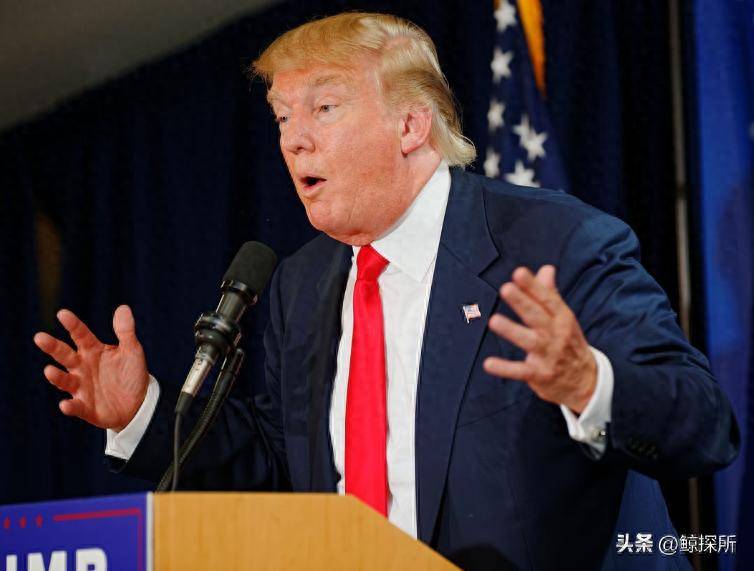
当地时间1月27日,特朗普再次展现了他那充满挑战和戏剧性的总统风格,一方面放话说要派舰队围堵伊朗,另一方面则极力捍卫陷入舆论漩涡的内阁部 长,甚至愤怒地要求更换美联储主席,最后不忘用警告威胁,如果在中期选举中败北,他将面临弹劾。 特朗普的这一系列操作看似强势,实际上却暴露了他在内政和外交上的种种困境。中东局势是否会升级成冲突?美国的政坛是否会因为这些风波发生剧变? 1月27日,在爱荷华州的演讲中,特朗普突然抛出了一颗重磅炸弹:一支舰队正在前往伊朗,希望伊朗方面能够识相,达成协议。 这一番话一出,全球都为之紧张,然而特朗普对于舰队的具体规模、航线以及抵达时间却只字不提,留下了满屏的悬念。国防部则放出强硬言论,表示一旦 遭到攻击,将立即发起更加猛烈的反击,而以色列方面也不甘示弱,总理内塔尼亚胡表示,如果伊朗敢动手,以色列将以前所未见的力量做出回击。 他甚至把伊朗暂缓处决抗议者当作了一个好迹象,表示本周晚些时候将专门商讨对伊事务。这一软硬兼施的策略,实在让人捉摸不透。与对伊强硬言辞相对 的,是特朗普在同一天被问及国土安全部部长诺姆去留时的态度——他坚决表示诺姆做得非常好,并明确表示他不会辞职。这番话似乎平息了外界关 ...
特朗普宣布缓和明尼苏达局势,白宫高官承认执法行动存“违规”之嫌
Huan Qiu Shi Bao· 2026-01-28 23:02
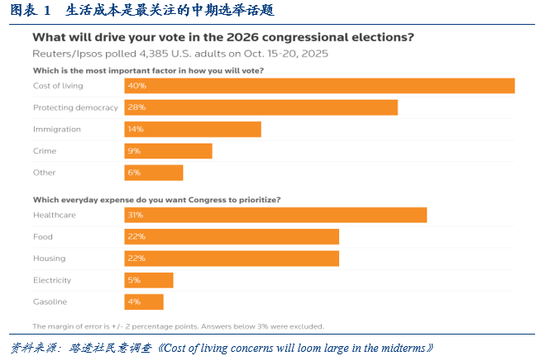
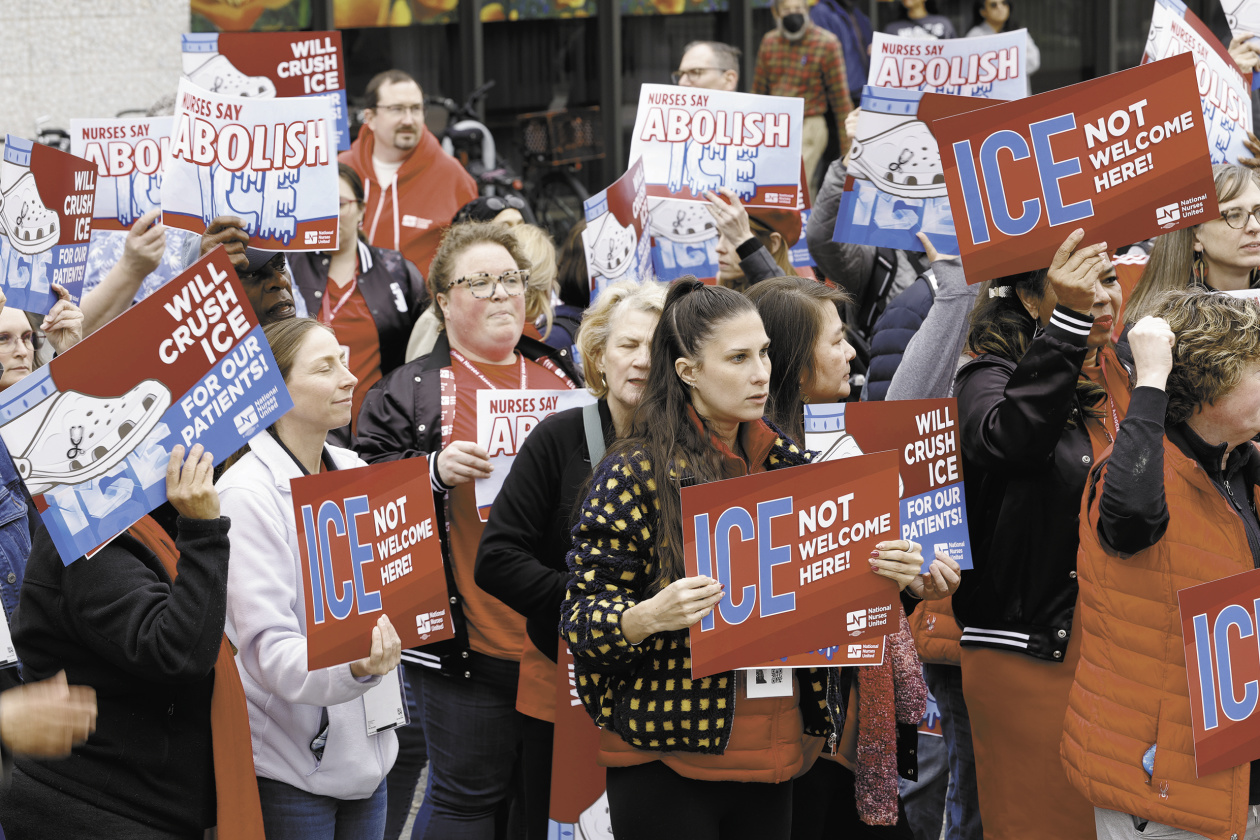
【环球时报特约记者 刘皓然】连日来,美国联邦执法人员在明尼苏达州的一系列暴行令白宫深陷舆论漩涡。为平息"民愤",美国总统特朗普一改强硬姿 态,白宫高官也首次承认反移民执法行动存在"违规"之嫌。不仅如此,联邦政府内部为撇清责任正在"连环甩锅"。美国媒体透露,特朗普本周已开始为中期 选举造势,而民怨沸腾的现状显然不利于之后的"拉票"之旅。最新民调显示,特朗普政府引以为傲的移民政策的支持率已降至历史新低。 CNN称,普雷蒂之死对于美国政府无疑是一场潜在的危机。事发后不少共和党议员与政治盟友均对特朗普政府表达了反对,警告该事件可能会破坏白宫的 移民政策,并对党派造成难以修复的伤害。美国Axios新闻网透露,特朗普的幕僚团队正在"相互甩锅"。27日,米勒将责任抛给了同僚与下属,他一边指责 执法人员涉嫌违规,一边又暗示自己的错误言论是被美国国土安全部部长诺姆所误导,因为是诺姆告诉他普雷蒂"持有武器"。据英国《卫报》透露,诺姆目 前也面临政界和媒体的多方施压,国会参议院民主党领袖舒默痛批她"满嘴谎言",称其"必须被解雇"。 特朗普已经为中期选举开启了"拉票"之旅。然而路透社与益普索公布的最新民调数据显示,特朗普移民政策的支 ...
美联储政策观察:暂停降息的醉翁之意
Guolian Minsheng Securities· 2026-01-28 14:59
Economic Outlook - The Federal Reserve's decision to maintain interest rates in January is supported by cautious assessments of the economic fundamentals and rising political pressures[4] - After a cumulative reduction of 75 basis points, the Fed's policy stance is nearing a neutral range, making further rate cuts less likely in the short term[8] - The labor market shows resilience with a limited increase in the unemployment rate, while core CPI has decreased to 2.6%, still above the 2% target, indicating persistent inflationary pressures[8][10] Political Context - The ongoing political pressure from the White House complicates the Fed's decision-making process, with Powell facing significant scrutiny and potential threats to the Fed's independence[10] - The upcoming midterm elections may intensify the White House's influence on Fed policies, making it crucial for the Fed to maintain its independence by delaying rate cuts[10] Market Expectations - Current market pricing indicates a strong expectation for the Fed to hold rates steady in January, with minimal anticipation for immediate rate cuts[11] - The probability of Rick Reed becoming the next Fed Chair has significantly increased, which could influence future monetary policy direction[21][22] Future Projections - If economic data remains stable, the necessity for rate cuts will likely decrease, with the Fed expected to maintain its current stance until at least May, when a new chair may take office[10] - The Fed may consider 1-2 rate cuts within the year, depending on economic performance and political dynamics[10]
特朗普开启中期选举首场竞选造势 ,称“我们必须要赢”
第一财经· 2026-01-28 08:18
Core Viewpoint - The article discusses President Trump's campaign activities in Iowa, emphasizing the importance of the midterm elections for his policies and agenda, particularly regarding tax cuts and border policies [3][4][5]. Group 1: Importance of Midterm Elections - Trump highlighted that losing control of Congress would jeopardize his tax and border policies, urging Republican voters to participate actively in the midterm elections [5][6]. - He stated that controlling both the Senate and the House is crucial for advancing his agenda, asserting that a Democratic victory would lead to a collapse of the country [6][8]. Group 2: Economic Performance Claims - Trump linked the significance of the midterm elections to his economic achievements, claiming improvements in inflation, investment, and job growth since he took office [8]. - He attributed domestic investment growth to tariffs and trade policies, stating that the U.S. has secured a record $18 trillion in investment commitments [8]. Group 3: Opposition Voices - Iowa Democrats criticized Trump's visit, arguing that his tariffs and economic policies have harmed the state's agriculture and worsened the economic outlook for its residents [10][11]. - They pointed out rising living costs and increasing layoffs, attributing these issues to Trump's policies, which they claim have led to higher healthcare costs and reduced support for Medicaid [10][11].
特朗普开启中期选举首场竞选造势 ,称“我们必须要赢”
Di Yi Cai Jing· 2026-01-28 07:35
Group 1 - Trump emphasizes the importance of winning the midterm elections for the Republican Party, stating that losing control of Congress would jeopardize his tax and border policies as well as his agenda for a second term [1][2] - The White House Chief of Staff announced that Trump will engage with the public weekly before the midterm elections to discuss economic issues, highlighting the need for active participation in the elections [2] - Trump claims that since taking office, inflation, investment, and job growth have significantly improved, attributing domestic investment growth to tariffs and trade policies, and citing a record $18 trillion in investment commitments [3] Group 2 - Iowa Democrats criticize Trump's visit, arguing that his tariffs and economic policies have harmed the state's agriculture and worsened the economic outlook for its residents [4] - The Iowa Democratic Party Chair states that rising living costs and increasing layoffs contradict Trump's claims about affordability, attributing these issues to his disastrous policies [4] - Reports from bipartisan groups indicate that Iowa families are severely affected by tariffs, rising energy prices, and increasing healthcare costs, exacerbated by recent congressional actions [4][5]
特朗普:联邦政府在明州的移民执法行动将适当降级
Yang Shi Xin Wen· 2026-01-27 21:39
当地时间1月27日,美国总统特朗普表示,联邦政府在明尼苏达州的移民执法行动将适当降级、缓和, 以应对目前局势。同时他警告称,如果民主党在今年中期选举中获胜,可能会开始对他进行弹劾。 (文章来源:央视新闻) ...
特朗普周二造访爱荷华州谈能源和经济,场外抗议已提前集结
Jin Shi Shu Ju· 2026-01-27 10:18
AI播客:换个方式听新闻 下载mp3 而在1月早些时候,同样37岁的雷内·古德也在当地被美国移民与海关执法局特工枪杀。这两起事件引发 了全国范围的抗议活动,示威者强烈谴责特朗普政府的移民政策及其执法行动。 特朗普上一次访问爱荷华州是在7月4日假期前夕,当时为美国即将到来的250周年纪念活动揭幕。但在 国会通过其重大支出与减税方案数小时后,这场活动在很大程度上演变为对该法案的庆祝。 共和党方面希望,特朗普周二再次到访爱荷华州,能够将舆论焦点重新拉回这项税收法案上。这也被视 为共和党在11月中期选举中争取选民继续支持的重要卖点之一。 爱荷华州共和党众议员扎克·纳恩(Zach Nunn)在行前声明中表示:"我邀请特朗普总统重返爱荷华 州,突出我们取得的真实进展:为工薪家庭减税、巩固边境安全、推动经济增长。现在我们必须保持这 一势头,通过我的可负担住房法案,兑现对爱荷华州能源生产者的承诺,并降低工薪家庭的成本。" 音频由扣子空间生成 美国总统特朗普将于当地时间1月27日(周二)前往爱荷华州,并发表一场聚焦能源和经济议题的讲 话。值得注意的是,爱荷华州方面计划当天下午2点起,在特朗普演讲场地外举行抗议活动。 白宫新闻秘 ...