
全渠道融合

Search documents
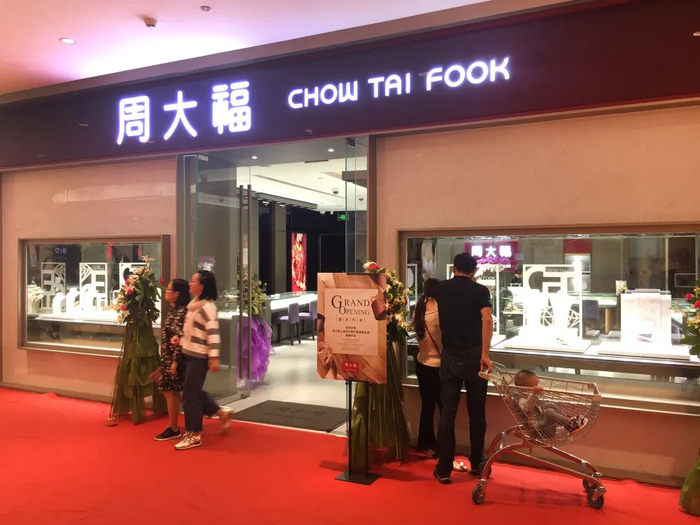
周大福6个月减少611家零售点
Di Yi Cai Jing· 2025-11-06 09:01
Core Viewpoint - Leading gold brands are shifting their focus from physical store expansion to enhancing e-commerce channels due to declining terminal sales and changing consumer behavior [2][3]. Group 1: Store Network and Performance - Chow Tai Fook reported a reduction in its retail network, with over 70% of its retail points being franchise stores, totaling 6,041 locations, down from 6,644 as of March 31, representing a decrease of 603 stores [2]. - The most significant decline occurred in the mainland market, where retail points fell to 5,663, a reduction of 611 stores since March [2]. - The company continues to close underperforming stores while selectively opening new ones with higher productivity [2]. Group 2: Market Challenges and Strategic Adjustments - The shift from expansion to quality improvement poses challenges, including short-term revenue fluctuations, employee placement costs, and restructuring relationships with franchisees [3]. - The closure of stores primarily involves franchise locations, indicating a strategic adjustment to optimize channel structure and enhance overall operational efficiency [3]. Group 3: E-commerce Growth and Consumer Behavior - High gold prices, weak consumer demand, and intensified competition have pressured the profitability of inefficient stores, leading franchisees to consider exiting the market [4]. - Major brands like Chow Tai Fook and Lao Feng Xiang have adopted "high-quality growth" strategies, focusing on single-store efficiency rather than quantity expansion [4]. - E-commerce channels are experiencing significant growth, reflecting a shift in consumer trust from physical stores to brand official flagship stores, particularly for standardized products and IP collaborations [4]. - While e-commerce growth is promising, there remain essential in-store experiences such as trying on products, value retention, and after-sales service that cannot be replaced, leading brands to pursue an "online drive + offline experience" integrated approach rather than large-scale store closures [4].


周大福6个月减少611家零售点
第一财经· 2025-11-06 08:54
Core Viewpoint - The article discusses the shift of leading gold brands towards e-commerce channels in response to declining terminal sales and the closure of underperforming physical stores [3][4]. Group 1: Company Strategies - Chow Tai Fook reported a reduction in retail points, with a total of 6,041 stores as of September 30, 2025, down from 6,644 in March, indicating a strategic shift towards optimizing store performance [3]. - The company is closing underperforming stores while selectively opening new ones with higher productivity, reflecting a strategic adjustment to enhance overall operational efficiency [4]. - The relationship between leading gold brands and franchisees is characterized as "principal-agent," where the closure of stores primarily involves franchisees, indicating a proactive strategic adjustment by the brand [4]. Group 2: Market Challenges - The decline in foot traffic in first-tier city commercial areas has led to a structural dilemma for gold jewelry stores, where traditional reliance on location-based traffic is no longer effective [4]. - The high volatility of gold prices, combined with weak consumer demand and intensified competition, has pressured the profitability of inefficient stores, prompting franchisees to exit the market [4]. Group 3: E-commerce Growth - The explosive growth of e-commerce channels reflects a "trust migration" among consumers, who are increasingly relying on brand official flagship stores instead of physical stores for high-end gold jewelry purchases [5]. - E-commerce helps gold brands reduce dependence on high-rent physical stores, thereby lowering fixed costs and enhancing inventory turnover and customer repurchase rates through data-driven marketing [5]. - Despite the impressive growth of e-commerce, physical stores remain essential for aspects like trying on products, value retention, and after-sales service, leading brands to pursue an "online-to-offline" integration strategy rather than large-scale store closures [5].
一小时等不来一位客人、知名金店锐减数百网点:黄金“开店就能赚”的时代结束了
Di Yi Cai Jing· 2025-11-06 06:39
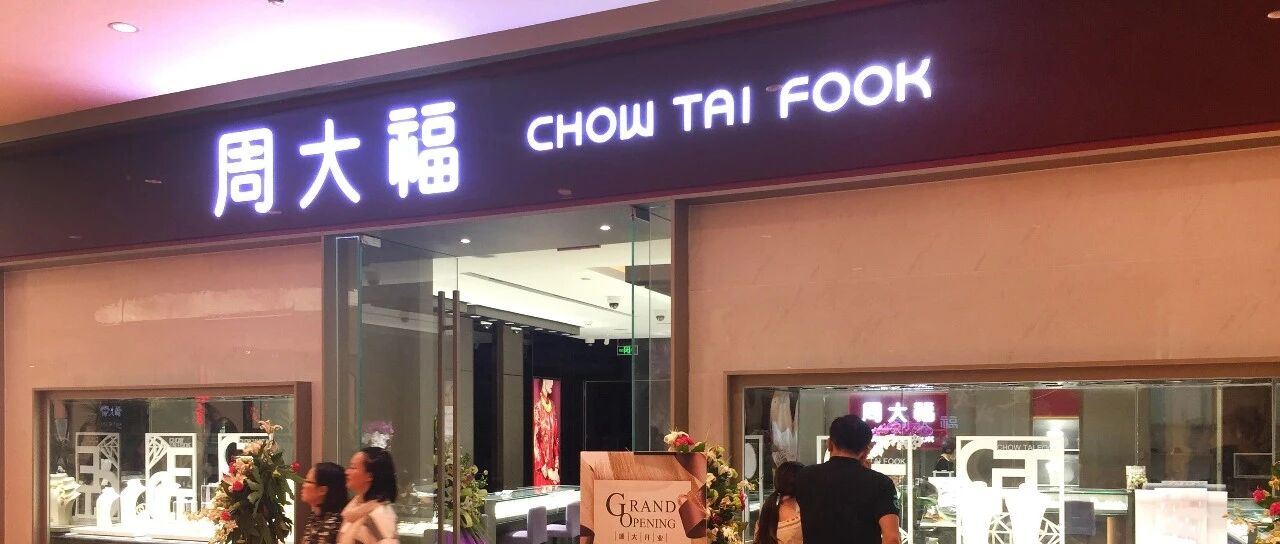
Core Insights - The gold jewelry market is experiencing significant challenges, with major brands facing reduced foot traffic in physical stores and a shift towards e-commerce channels [8][10][11] Group 1: Market Dynamics - Major gold brands are suffering from short-term revenue fluctuations due to store closures, employee relocation costs, and restructuring relationships with franchisees [8][10] - The implementation of new tax policies on gold and diamonds has led to increased prices, with gold prices rising from 1198 CNY per gram on November 2 to 1259 CNY per gram on November 6, a difference of 61 CNY per gram [5][9] - Foot traffic in key urban areas has significantly declined, leading to a situation where stores are experiencing low customer visits, with some stores reporting no customers for extended periods [5][8] Group 2: E-commerce Growth - In response to declining physical store performance, leading gold brands are increasingly focusing on e-commerce, with notable revenue growth in this channel [9][10] - For example, Zhou Dasheng reported a 17.68% year-on-year increase in e-commerce revenue, reaching 1.945 billion CNY in the first three quarters of the year [10] - Zhou Dafu's e-commerce retail value in mainland China increased by 28.1% year-on-year, contributing 6.7% to retail value and 15.5% to sales volume [10][11] Group 3: Strategic Adjustments - The closure of underperforming stores, primarily franchise locations, indicates a strategic shift towards optimizing channel structures and improving overall operational efficiency [10] - Major brands are emphasizing "high-quality growth" strategies, focusing on single-store profitability rather than mere expansion [10][11] - Despite the growth in e-commerce, physical stores will not be closed en masse; instead, brands are pursuing a hybrid model that integrates online traffic with offline experiences [11]

海澜之家2025三季度营收超155亿元 加速迈向“超级国民品牌”新时代
Guan Cha Zhe Wang· 2025-10-31 02:37
Core Viewpoint - The domestic consumption market is experiencing a mild recovery, with the textile and apparel industry showing resilience supported by domestic demand and structural upgrades. The retail sales of clothing, shoes, and textiles reached 1,061.3 billion yuan, growing by 3.1% year-on-year, indicating the vitality of the consumption market [4]. Financial Performance - In the third quarter of 2025, the company reported revenue of 15.599 billion yuan, an increase of 2.23% year-on-year, and a net profit attributable to shareholders of 1.816 billion yuan, up by 3.86% [4][5]. - The main brand, HLA, has maintained the top market share in China's men's wear sector for 11 consecutive years, holding a 5% market share [4]. Brand Strategy - The company operates a multi-brand ecosystem centered around its main brand, covering various segments including men's, women's, children's, professional, and sportswear, creating a "wardrobe for the whole family" [6]. - The main brand targets male consumers aged 20-45, emphasizing a value proposition of "focusing on the brand, embracing the world, and benefiting life" [6]. Product Development - The company has focused on enhancing brand operations, supply chain management, and channel operations to achieve long-term growth in its core apparel business. It has been recognized as a leading brand in the "Brand Power Project" for three consecutive years [8]. - The product line has been upgraded with four styles: "New National Trend," "New Street Trend," "Light Business," and "Light Sports," introducing innovative items that integrate technology and eco-friendly concepts [8]. Store Expansion - As of the report period, the company had a total of 7,241 stores, with 2,220 being direct-operated, accounting for 30.66% of the total [9]. - The company has seen significant growth in its custom professional clothing segment, with revenue reaching 1.882 billion yuan, a year-on-year increase of 28.75% [9]. Online and Offline Integration - The company is leveraging online and offline integration to enhance retail ecosystems, focusing on personalized needs and utilizing multiple platforms for sales, achieving online revenue of 3.093 billion yuan [11][13]. - The offline stores cover over 80% of cities and counties in China, with ongoing expansion into Southeast Asia [11]. Research and Development - The company has increased its R&D investment, with 1.57 billion yuan allocated in the third quarter, focusing on digital operations and innovative fabric development [15]. - It has established partnerships with research institutions and universities to enhance its R&D capabilities and drive innovation in the apparel industry [17]. Brand Building - The company has strengthened its brand presence through innovative marketing strategies, including celebrity endorsements and high-profile sponsorships, aiming to become a recognized national brand [20][21]. - The main brand has been included in several prestigious rankings, highlighting its competitive advantage in the textile and apparel industry [20].


趋势研判!2025年中国洗护用品行业发展历程、产业链、市场规模、竞争格局及未来趋势:个性化需求日益凸显,推动洗护用品市场规模达3429亿元[图]
Chan Ye Xin Xi Wang· 2025-10-27 01:17
Core Insights - The Chinese personal care industry is experiencing rapid growth driven by the "beauty economy" and "Healthy China" initiatives, with a market size projected to increase from 189.2 billion yuan in 2017 to 342.9 billion yuan in 2024, reflecting a compound annual growth rate (CAGR) of 8.9% [1][12] - Key growth drivers include rising household income, the emergence of younger consumers prioritizing personalized experiences, and the expansion of social media and e-commerce platforms [1][11] - Consumer demand has shifted from basic cleaning functions to a comprehensive pursuit of ingredient safety, precise efficacy, and emotional experience, leading to rapid growth in niche markets such as anti-hair loss and scalp care [1][11] Industry Overview - The personal care industry encompasses various products for cleaning, maintenance, and personal hygiene, including hair care, skin care, oral care, and household cleaning products [4] - The industry has evolved from basic cleaning products in the initial stages to a comprehensive range of products that meet diverse consumer needs [6][8] Market Dynamics - The market is characterized by intense competition between international brands like Procter & Gamble and Unilever and local brands that are gaining market share by understanding local consumer needs [12] - Local brands such as Natural Hall, Baique Ling, and Adolph have successfully captured consumer interest by offering products tailored to local preferences [12] Consumer Trends - Rising disposable income in China, from 26,000 yuan in 2017 to 41,300 yuan in 2024, has led to increased consumer spending on personal care products, with a CAGR of 6.83% [8] - The demand for high-quality, effective, and experiential products is driving consumers to pay premiums for specialized hair care solutions and natural ingredients [8] Supply Chain Insights - The supply chain for personal care products includes raw materials such as surfactants, moisturizers, and emulsifiers, with the production and manufacturing processes occurring in the midstream [8][9] - The surfactant industry, a key raw material for personal care products, is projected to grow from 2.148 million tons in 2015 to 5.0764 million tons in 2024, with a CAGR of 10.03% [10] Future Trends - The industry is expected to see advancements in smart technology, allowing for personalized care solutions based on real-time data analysis [17] - Personalization will become a core focus, enabling consumers to receive tailored products that meet their specific needs [17] - Sustainability will be a key development principle, with an emphasis on natural ingredients, sustainable packaging, and corporate social responsibility [18]

朝云集团(06601):2025年中报点评:夯实杀虫剂基本盘,多品类协同驱动成长
Huachuang Securities· 2025-10-12 08:15
Investment Rating - The report maintains a "Buy" rating for Chaoyun Group (06601.HK) with a target price of HKD 3.03 [1][7]. Core Insights - The company achieved a revenue of HKD 1.34 billion in H1 2025, representing a year-on-year increase of 7.2%, while the net profit attributable to shareholders was HKD 174 million, down 3.3% [1]. - The gross margin improved to 49.3%, up 2.9 percentage points, while the net profit margin decreased to 12.8%, down 1.3 percentage points [1]. - The report highlights the company's solid foundation in pesticide products and the synergistic growth driven by multiple product categories [7]. Financial Performance Summary - Revenue projections for the upcoming years are as follows: - 2024: HKD 1.82 billion - 2025: HKD 2.02 billion - 2026: HKD 2.21 billion - 2027: HKD 2.38 billion - Year-on-year growth rates are expected to be 12.6% for 2024, 11.0% for 2025, 9.5% for 2026, and 7.6% for 2027 [3][9]. - Net profit attributable to shareholders is projected to be: - 2024: HKD 203 million - 2025: HKD 218 million - 2026: HKD 243 million - 2027: HKD 274 million - The expected compound annual growth rate (CAGR) for net profit from 2025 to 2027 is 12.1% [7][8]. Strategic Initiatives - The company is focusing on three main strategies to maintain profitability: 1. Significant scale effects from core products, optimizing production processes to reduce unit costs. 2. Increasing the proportion of high-margin new products, such as pet care and high-end cleaning products, to enhance overall gross margin structure. 3. Long-term partnerships in the supply chain and digital management to secure key raw material supplies, ensuring cost control [7]. - The multi-brand and multi-category strategy is deepening, with traditional brands like "Chao Wei" consolidating their market position while new brands like "Beibeijian" and "Jueqiang de Weiba" are rapidly penetrating niche markets [7]. Market Positioning - The report emphasizes that Chaoyun Group is a leading home care group in China, with a solid foundation in traditional categories and significant progress in new brands and markets [7]. - The company's collaborative effect from its "multi-brand + multi-category + omni-channel" strategy is expected to become more evident as consumer upgrades and segmented market demands continue to be released [7].
从敏捷创新到渠道共振,解析比比赞在行业红海中的系统化破局路径
Sou Hu Cai Jing· 2025-09-25 09:53
Core Insights - The article emphasizes the importance of two core capabilities in the leisure snack industry: precise demand insight and effective consumer reach through channel penetration [1] Group 1: Product Innovation and Development - The company, 比比赞, focuses on agile research and development to drive product innovation, launching new products every 3 to 5 days based on consumer preferences and market trends [3] - The product expansion strategy is based on a "hit product" logic, starting from classic items like shredded bread and egg yolk pastries to create a diverse product matrix covering various snack categories [3][4] - Collaborations with well-known IPs, such as 小黄人 and 功夫熊猫, enhance brand appeal while integrating health concepts into products, exemplified by the award-winning 小黄人联名苏打饼干 [4] Group 2: Channel Strategy and Market Penetration - 比比赞 employs a dual strategy of "online deepening + offline expansion" to build a comprehensive channel network that captures diverse consumer scenarios [6] - The online strategy includes operating on major e-commerce platforms and engaging in content-driven channels like Douyin and Kuaishou, effectively driving sales through direct consumer interaction [6] - The offline expansion includes partnerships with major supermarkets and convenience store chains, enhancing brand penetration and consumer reach across multiple cities [6][8]
2025年第37周:美妆行业周度市场观察
艾瑞咨询· 2025-09-21 00:06
Core Viewpoints - The beauty market is experiencing a shift in business logic due to "growth anxiety," with a market size of 600 billion and only a 3.1% increase in retail sales from January to July 2025 [6][4]. Group 1: Industry Environment - Niche imported products are driving sales in offline beauty stores, with brands like 法朗丝 achieving high sales and customer retention through effective product positioning and compliance [3]. - The international beauty industry is under pressure, with only five companies, including L'Oréal and Kao, showing growth in the first half of 2025. Companies are responding with layoffs and brand optimization [4]. Group 2: Offline Beauty Market Dynamics - A significant number of beauty brands are closing stores, with 828 closures reported in July 2025. The rise of online channels and changing consumer preferences are contributing to this trend [5]. - The offline beauty service experience is lacking, leading to a shift towards online shopping. Domestic beauty brands may present new opportunities for offline channels [5]. Group 3: Market Growth and Consumer Trends - Despite growth pressures, the beauty market shows resilience, with Tmall's beauty segment capturing 45.1% market share during the 618 shopping festival [6]. - The youth demographic, particularly the Alpha generation, is increasingly entering the beauty market, with 75% of teenagers using skincare or fragrance products [9]. Group 4: Capital Market Trends - The beauty capital market is experiencing a dichotomy, with over 30 companies pursuing IPOs while nine face delisting risks due to financial misconduct [14]. - Brands like 珀莱雅 are planning to issue H-shares for global expansion, indicating a shift towards high-quality development in the industry [14]. Group 5: New Product Innovations - The hair care market is rapidly growing, driven by Z generation consumers focusing on scalp care and deep repair products [13]. - Brands are innovating with new products like 卡诗's护发精油 and FAN BEAUTY's发膜, emphasizing technology and consumer insights [13].




中国披萨市场快速扩容,必胜客强化“披萨专家”地位
Zhong Guo Fa Zhan Wang· 2025-09-18 03:36
Market Overview - The Chinese pizza market is projected to reach 48 billion yuan in 2024 and exceed 77.1 billion yuan by 2027, with a compound annual growth rate of 15.5% from 2022 to 2027 [1][3] - The demand for pizza among Chinese consumers is shifting from novelty to a focus on quality and health [1][3] Consumer Trends - Consumers are seeking a comprehensive experience that includes taste, sensory appeal, and emotional connection, with 43.9% desiring customizable ingredients and 36% valuing the rarity of ingredients [4][11] - The "one-person meal" trend is emerging, with 47% of consumers particularly interested in small-sized or individual pizzas, especially among younger generations [11][14] Company Innovations - Pizza Hut has been a pioneer in the Chinese pizza industry for 35 years, adapting its menu to local tastes and introducing innovative products such as the new 10-inch handmade thin crust pizza [1][6] - The company has embraced digital transformation, implementing AI systems across all stores to enhance safety, efficiency, and quality management [10] Supply Chain and Operational Efficiency - Pizza Hut is addressing traditional supply chain challenges by promoting traceability from farm to table, ensuring quality and safety through standardized processes [10] - The company is enhancing its operational efficiency through a multi-channel sales network that integrates online and offline experiences [8][10] Brand Positioning - Over the years, Pizza Hut has evolved from being a "pizza expert" to a lifestyle leader, reflecting changes in consumer behavior and preferences [11][14] - The brand has engaged with popular culture by collaborating with various IPs, creating a trendy dining experience that resonates with younger consumers [13][14]
研报掘金丨浙商证券:水星家纺增长稳健、分红率较高,维持“买入”评级
Ge Long Hui A P P· 2025-09-01 06:51
Core Viewpoint - Mercury Home Textiles reported a net profit of 141 million yuan for H1 2025, reflecting a year-on-year decrease of 3.4%, with Q2 net profit at 51 million yuan, down 2.7% year-on-year. The company's large product strategy accelerated revenue growth quarter-on-quarter, but increased expenses pressured profits [1]. Financial Performance - In H1 2025, revenue excluding Mercury's e-commerce reached 820 million yuan, a year-on-year decline of 2.5%. The group purchasing segment showed positive growth, while the decline in revenue is attributed to franchisees reducing inventory and purchases [1]. - The company is expected to experience short-term profit fluctuations due to increased expense investments, but this is anticipated to strengthen brand power and market share in the long term [1]. Strategic Adjustments - In response to emerging cross-border brands challenging leading home textile brands, Mercury is proactively adjusting its product and marketing strategies. The focus is on leveraging technology-driven large products to boost sales across all categories, while enhancing the synergy between online and offline channels [1]. - The company is leading the industry in online growth, with its advantages continuing to expand. Under the strategy of channel integration, the product strength, traffic, and channel image in offline markets are continuously improving [1]. Future Outlook - Revenue growth is expected to continue alongside a sustained increase in gross margin. Although short-term expense investments may lead to temporary profit fluctuations, there is an expectation for performance elasticity as expenses are diluted over time [1]. - The company demonstrates steady growth and maintains a high dividend payout ratio, leading to a "buy" rating [1].

