
央行增持黄金

Search documents
对黄金及其未来价格走势的思考
3 6 Ke· 2025-09-28 01:48
Core Insights - The current excessive issuance of U.S. government bonds is impacting the global financial landscape, highlighting the advantages of gold as a credit asset, with gold prices nearing $3,800 per ounce [1] - The evolution of gold prices and its future trajectory are critical topics of discussion, as presented by Professor Sheng Songcheng at the "2025 Global Asset Management Center Evaluation Index Release and CLF50 Autumn Conference" [1] Group 1: Historical Context of Gold - Gold has historically been recognized for its unique attributes, including beauty, durability, and scarcity, which have established its significant value in the monetary system [4] - The transition from a gold-backed currency system to fiat currency has occurred in two key phases: the classical gold standard and the Bretton Woods system, which linked currencies to gold at a fixed rate [5][7] - The collapse of the Bretton Woods system marked the shift to a floating exchange rate system, where gold prices are determined by market supply and demand [5] Group 2: Current Market Dynamics - Gold's monetary attributes are weakening due to three evolving characteristics: the expansion of global money supply, increasing demand in various industries, and enhanced liquidity as a financial asset through instruments like ETFs [7] - Global gold investment demand rose from 991 tons in 2021 to 1,182 tons in 2024, with gold ETFs showing a significant recovery in demand [7][8] - Central banks, particularly in developing countries, are increasing their gold reserves, with China's reserves growing from approximately 64 million ounces in 2022 to about 74 million ounces currently [10] Group 3: Factors Driving Gold Prices - Geopolitical risks are enhancing gold's appeal as a safe-haven asset, with historical instances showing that military conflicts often lead to increased inflation and higher gold prices [11][15] - The inverse relationship between the U.S. dollar index and gold prices is evident, with the dollar index declining from 108.6 in January to 98.2 in August, while gold prices increased by 23.9% during the same period [12][14] - The global low-interest-rate environment is shifting asset allocation towards gold, as traditional fixed-income assets become less attractive [16] Group 4: Future Outlook - The future trajectory of gold prices will largely depend on geopolitical developments and the sustainability of U.S. debt, with two potential scenarios outlined: stabilization or further escalation of tensions [25] - The current U.S. debt-to-GDP ratio has surged to 124%, necessitating significant interest payments, which raises concerns about fiscal sustainability and the potential impact on gold prices [22] - A recent survey indicated that 95% of central banks expect to increase their gold reserves in the next 12 months, reflecting a growing confidence in gold amid economic uncertainties [17]


金价冲破3800美元,还能上车吗?
Sou Hu Cai Jing· 2025-09-24 04:31
Core Viewpoint - Gold prices have surged significantly, with New York futures breaking through $3,800 per ounce and domestic jewelry prices nearing 1,100 yuan per gram, indicating a strong bullish trend driven by multiple factors [1][2][3] Group 1: Market Drivers - The potential for the Federal Reserve to cut interest rates 1-2 times this year is favorable for gold, as lower rates typically boost gold's appeal [1][2] - Heightened geopolitical tensions in the Middle East have increased risk aversion among investors, further driving demand for gold [1][3] - Global central banks are actively increasing their gold reserves, with China's central bank having added to its holdings for ten consecutive months, surpassing 2,300 tons, which reinforces gold's status as a safe haven [1][2] Group 2: Market Sentiment and Predictions - Optimists believe that the gold bull market is just beginning, while cautious investors warn of potential pullbacks after rapid price increases [1][3] - The influx of algorithmic trading and quantitative funds can lead to volatile price movements, likening the market to a roller coaster [1][2] - The upcoming change in leadership at the Federal Reserve may signal further easing, maintaining a positive long-term outlook for gold [1][3] Group 3: Investment Strategies - For ordinary investors, a conservative approach is recommended, with gold ETFs and paper gold being suitable for flexible allocation [1][2] - Physical gold bars or jewelry are more suited for long-term value preservation [1][3] - High-leverage strategies such as futures and options trading are advised against for inexperienced investors [1][2]

9月18日黄金价格快报:金价今天跌了,各大金店报价与回收价一览
Sou Hu Cai Jing· 2025-09-19 05:09
Group 1 - Gold prices have decreased slightly, with London spot gold at $3,677 per ounce and domestic prices at ¥837.08 per gram, down 0.13% [1] - Major jewelry brands like Chow Tai Fook and Luk Fook have gold prices around ¥1,087 per gram, while other stores like Sun Gold and Qilu Gold offer prices as low as ¥906 per gram, showing significant price variation [1] - Investment gold bars from banks show similar price discrepancies, with prices ranging from ¥835 to ¥873.5 per gram, indicating that consumers should compare prices across different sellers [1][3] Group 2 - Central banks globally have been purchasing gold consistently since Q3 2020, with annual purchases exceeding 1,000 tons, double the previous decade's average [3] - China's central bank has increased its gold reserves for ten consecutive months, reaching 74.02 million ounces by the end of August [3] - The rising yields on government bonds and concerns over fiscal irresponsibility have led to increased interest in gold as a safe-haven asset, as it retains value compared to fiat currencies [3][6] Group 3 - Platinum prices are also fluctuating, with significant price differences among retailers, highlighting the need for consumers to shop around [5][6] - The price of platinum at Chow Tai Fook is ¥563 per gram, while other stores like Sun Gold and Caibai offer much lower prices, indicating a competitive market [5][6]

一年涨超1000美元!还有什么比黄金更能战的吗?
Sou Hu Cai Jing· 2025-09-17 08:36
Core Viewpoint - Gold prices have surged significantly, with spot gold breaking through $3,700 per ounce, marking an increase of over $1,000 per ounce this year, which is equivalent to the total increase over the past five years [1][6]. Group 1: Price Movement - As of September 16, gold has risen over 59% this year, increasing by $1,085 from $2,612 per ounce at the end of last year [6]. - Since August 20, gold prices have shown a steep upward trend, reaching a peak of $3,703.13 per ounce, with a price increase of over 11% in that period [5][6]. Group 2: Market Sentiment and Predictions - Major international investment banks have raised their gold price forecasts, with conservative estimates at $4,000 and some predicting as high as $5,000 [6]. - There is a widespread expectation that the Federal Reserve will announce a 25 basis point rate cut in its September meeting, potentially restarting a cycle of rate cuts [8]. Group 3: Economic Factors Influencing Gold Prices - The anticipated rate cuts by the Federal Reserve are expected to lower real interest rates, making gold more attractive as an investment [6]. - The decline in trust in U.S. dollar assets, exacerbated by recent economic policies, has led to a shift towards gold as a safe-haven asset [10][11]. Group 4: Central Bank Actions - Central banks globally are diversifying their reserves, with a notable increase in gold purchases, particularly following the freezing of Russian foreign reserves [14][15]. - As of August, China's gold reserves increased to 74.02 million ounces, marking the tenth consecutive month of gold accumulation by the People's Bank of China [15]. Group 5: Long-term Trends - The current gold bull market is characterized as the third major bull cycle in history, driven by increased central bank purchases and diversification away from U.S. dollar reserves [16][17].
金价冲破3650美元!这次新高背后藏着什么信号?金价狂欢背后
Sou Hu Cai Jing· 2025-09-10 08:34
Core Viewpoint - The price of gold has surged to a record high of $3,654 per ounce, driven by several key factors including interest rate cuts, geopolitical tensions, and central bank purchases [2][3][5]. Group 1: Factors Driving Gold Prices - **Interest Rate Cuts**: The probability of the Federal Reserve cutting interest rates has soared to 89% following the latest U.S. non-farm payroll data, making gold a more attractive investment as bank returns diminish [3][5]. - **Geopolitical Influence**: Former President Trump has been pressuring the Federal Reserve to lower interest rates, which has led to a decline in the dollar's credibility, prompting central banks worldwide to increase their gold reserves [5][11]. - **Central Bank Purchases**: Central banks, particularly the People's Bank of China, have been aggressively buying gold, with China's reserves reaching 7,402 million ounces (approximately 2300 tons) as of August, marking a significant trend in gold accumulation [5][11]. Group 2: Future Price Influencers - **Federal Reserve's September Decision**: The upcoming Federal Reserve meeting will be crucial; a modest rate cut may lead to a temporary price dip, while a more aggressive stance could push gold prices towards $3,700 [7]. - **Employment and Inflation Trends**: The state of employment and inflation will also impact gold prices; persistent job scarcity and rising prices could enhance gold's appeal as a stable asset [8][10]. - **Central Bank Buying Trends**: The ongoing purchasing behavior of central banks is a key indicator; a halt in their buying could signal a potential downturn in gold prices [9][10]. Group 3: Changing Role of Gold - **Shift from Safe Haven to Strategic Resource**: Gold is evolving from a traditional safe haven to a strategic resource, with increasing demand in technology sectors such as AI and aerospace, where gold usage is growing at 12% annually [11][12]. - **Monetary Credibility**: Emerging markets are using gold accumulation to enhance the international credibility of their currencies, contributing to the strategic importance of gold in the global financial system [12].
央行连续第10个月增持黄金 高盛:国际金价或飙升至每盎司近5000美元(附概念股)
Zhi Tong Cai Jing· 2025-09-08 00:27
Group 1: Gold Reserves and Market Trends - As of the end of August, China's gold reserves reached 74.02 million ounces, marking a 60,000-ounce increase from the end of July, continuing a trend of increasing gold holdings for ten consecutive months [1] - The share of gold in China's official international reserves is significantly lower than the global average, indicating a strategic shift towards increasing gold reserves to optimize reserve structure and support the internationalization of the RMB [1] - International gold prices reached a new high of $3,586 per ounce on September 6, with a significant increase of over 30% year-to-date, driven by central bank purchases and expectations of an interest rate cut by the Federal Reserve [2] Group 2: Company Performance - Zijin Mining (02899) reported a revenue of 167.71 billion yuan for the first half of 2025, a year-on-year increase of 11.50%, with a net profit of 23.29 billion yuan, up over 50%, marking the first time the company achieved mid-year net profit exceeding 20 billion yuan [4] - Shandong Gold (01787) achieved a revenue of 56.77 billion yuan in the first half of 2025, a year-on-year growth of 24.01%, with a net profit of 2.81 billion yuan, a significant increase of 102.98% [5] - Lingbao Gold (03330) reported a revenue of 7.79 billion yuan, an increase of 82.02% year-on-year, with a net profit of 664 million yuan, up 335.28% [5] - Zhaojin Mining (01818) saw its revenue reach approximately 6.97 billion yuan, a growth of about 50.69%, with a net profit of approximately 1.78 billion yuan, up 144.58% year-on-year [4]

增持黄金!央行最新公告→
证券时报· 2025-09-07 04:20
Core Viewpoint - As of August 2025, China's foreign exchange reserves reached $33,222 billion, marking a month-on-month increase of $299 billion, or 0.91%, following a previous rise in June [1][7]. Group 1: Foreign Exchange Reserves - The increase in foreign exchange reserves in August was influenced by the decline in the US dollar index and the overall rise in global financial asset prices [2][7]. - The US dollar index fell approximately 2.2% in August, contributing to the appreciation of non-dollar assets within China's foreign reserves [7]. - China's foreign exchange reserves have remained above $32 trillion for 21 consecutive months, supported by the resilience and vitality of the domestic economy [8]. Group 2: Gold Reserves - As of August 2025, China's official gold reserves stood at 7.402 million ounces, with an increase of 6,000 ounces from the previous month, marking ten consecutive months of gold accumulation by the central bank [3][10]. - The rise in international gold prices, driven by geopolitical and economic uncertainties, has led to a growing demand for gold as a means to optimize the international reserve structure [10]. - The proportion of gold in China's official international reserves is significantly lower than the global average, indicating a potential for further accumulation in the future [10].
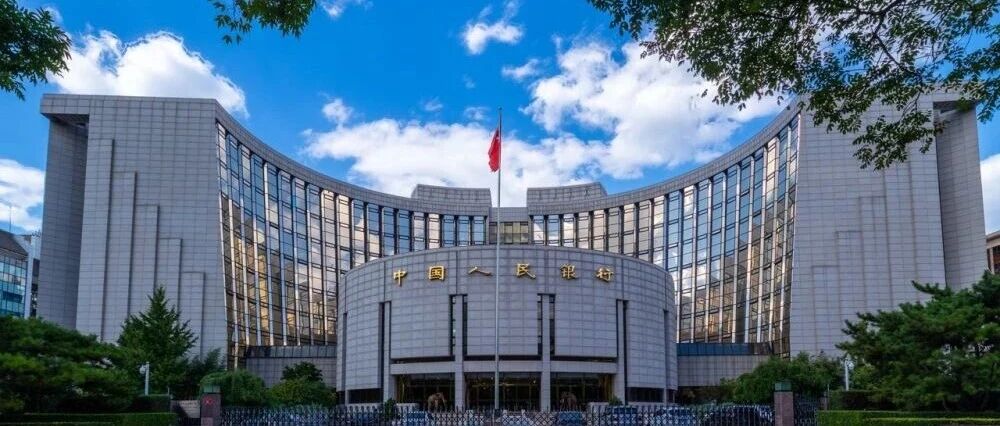
国际金价一度站上3600美元
Xin Lang Cai Jing· 2025-09-03 03:16
Group 1 - International gold prices have reached a historic high, with COMEX gold futures trading at $3607.6 per ounce, marking a 0.43% increase and the seventh consecutive day of price rise [2] - Domestic gold jewelry prices have also increased, with Chow Tai Fook's gold jewelry priced at 1053 RMB per gram, up 16 RMB from the previous day, and Lao Feng Xiang's gold retail price at 1050 RMB per gram, up 14 RMB [2] Group 2 - The recent rise in gold prices is primarily driven by expectations of interest rate cuts by the Federal Reserve and strong demand for gold reserves from central banks [3] - Following the Fed's dovish signals, analysts predict that gold prices typically rise by an average of 6% within 60 days after the initiation of a rate cut cycle, with some periods seeing increases as high as 14% [3] - A significant global rebalancing is suggested as foreign central bank gold holdings have surpassed U.S. Treasury holdings for the first time since 1996 [3] Group 3 - Multiple institutions maintain a bullish outlook on future gold prices, with Dongwu Securities indicating that central bank purchases and safe-haven demand will continue to support prices [4] - UBS has raised its gold price target for the first half of 2026 to $3700 per ounce, while analysts from a U.S. bank forecast that gold prices could reach $4000 per ounce by the same period [5]

国际金价站上3600美元关口,西部黄金再次涨停
Xin Lang Cai Jing· 2025-09-03 03:00
Group 1 - International gold prices reached a historic high, with COMEX gold futures trading at $3607.6 per ounce, marking a 0.43% increase and the seventh consecutive day of price rise [1] - Domestic gold jewelry prices also increased, with Chow Tai Fook's gold jewelry priced at 1053 RMB per gram, up 16 RMB from the previous day, and Lao Feng Xiang's gold retail price at 1050 RMB per gram, up 14 RMB [1] Group 2 - The recent rise in gold prices is primarily driven by increased expectations of interest rate cuts by the Federal Reserve and strong demand for gold reserves from central banks [2] - A report from Morgan Stanley indicates that gold prices typically rise by an average of 6% within 60 days after the Fed begins a rate-cutting cycle, with some periods seeing increases as high as 14% [2] - Over 95% of surveyed central banks expect to continue increasing their gold reserves in the next 12 months, the highest percentage since the survey began in 2019 [2] Group 3 - Multiple institutions remain bullish on future gold price trends, with Dongwu Securities stating that central bank purchases and safe-haven demand will continue to support prices [3] - UBS has raised its gold price target for the first half of 2026 to $3700 per ounce, while analysts at Bank of America predict prices could reach $4000 per ounce by the same period [3]
黄金板块后市展望
2025-08-31 16:21
Summary of Key Points from the Conference Call on the Gold Sector Outlook Industry Overview - The gold sector is experiencing significant changes due to increased central bank purchases, particularly from China, which has been the largest buyer since 2022. Despite a recent slowdown in purchases, China's gold reserves as a percentage of foreign exchange reserves remain low compared to the global average, indicating potential for future increases [1][3][6]. Core Insights and Arguments - **Central Bank Purchases**: Since 2022, global central banks have significantly increased gold purchases, impacting gold prices. China, Poland, and Middle Eastern countries have emerged as major buyers, with China's gold reserves still having substantial room for growth [3][15]. - **ETF Investment Demand**: There has been a notable increase in gold ETF investments, especially in China, where acceptance of gold ETFs has risen. Global ETFs like SPDR Gold Shares are also increasing their holdings, providing support for gold prices [2][5]. - **Market Drivers for 2025**: The primary drivers for the gold market in 2025 include expectations of interest rate cuts by the Federal Reserve and U.S. economic data. Recent dovish comments from Fed Chair Powell have increased market expectations for rate cuts, which typically support gold prices [7][8][10]. - **Zijin Mining's Valuation**: Zijin Mining is currently valued at approximately 610 billion RMB, with expected profits between 47 billion to 48 billion RMB, translating to a valuation of about 13 times earnings. This is considered low compared to its historical range, and the company is expected to see growth in both copper and gold operations [9][12]. Additional Important Insights - **Long-term Outlook**: The Fed's monetary policy will continue to significantly influence global financial markets. Adjustments to the monetary policy framework in late 2025 could provide further reasons for rate cuts, supporting gold prices [10][11]. - **Investment Opportunities**: Investors are encouraged to focus on companies with strong fundamentals and relatively low valuations, such as Zijin Mining, which is expected to outperform the industry average due to rising copper and gold prices [11][12]. - **Inflation and Gold Prices**: Inflation has historically been a key driver of gold prices. The relationship between U.S. fiscal discipline, deficits, and inflation suggests that gold will continue to rise in value over the long term, despite potential short-term fluctuations [19]. - **Challenges in Gold Research**: The complexity of the gold market requires careful analysis of marginal buyers and macroeconomic factors, including changes in the Fed's monetary policy framework, which complicates the assessment of interest rate impacts on gold prices [23][24]. This summary encapsulates the critical insights and trends discussed in the conference call regarding the gold sector and its future outlook.
