
指数化投资

Search documents
中芯国际营收新高背后,是中国半导体的“稳”与“进”
Xin Lang Cai Jing· 2026-02-11 02:45
Core Viewpoint - The semiconductor industry is advancing along two parallel but distinct paths: TSMC leads in cutting-edge process technology, while SMIC focuses on mature processes and advanced packaging strategies, each holding unique advantages in the market [1][2][5]. Group 1: TSMC and SMIC Performance - TSMC reported a record monthly revenue of NT$401.26 billion (approximately $12.71 billion) in January, a year-on-year increase of 36.8% [1]. - SMIC achieved an annual revenue of $9.327 billion, marking a 16.2% year-on-year growth and setting a historical high [1][2]. - Despite differing growth rates, both companies are not in direct competition; TSMC is pushing the limits of process technology while SMIC is solidifying the foundation of Chinese manufacturing [2][5]. Group 2: Market Dynamics and Trends - The global semiconductor industry is experiencing a shift, with mature process capacity increasingly moving to mainland China, projected to contribute over one-third of global mature process capacity by 2027 [6]. - SMIC's production of 9.7 million wafers in the past year, with a capacity utilization rate of 93.5%, indicates strong demand and operational efficiency [5][6]. - The demand for mature processes remains robust, particularly in sectors like automotive and industrial control, which consume large volumes of chips [5][8]. Group 3: Advanced Packaging and Domestic Technology - Advanced packaging is becoming a strategic focus for domestic technology advancements, with China expected to capture 25% of the global advanced packaging market by 2028 [10]. - The penetration rate of domestic front-end equipment in 28nm and above production lines has exceeded 35%, indicating significant progress in self-sufficiency [8][10]. - The trend of advanced packaging is driving the upgrade of domestic equipment technology, creating a positive feedback loop that enhances the manufacturing ecosystem [10]. Group 4: Investment Strategies - Evaluating semiconductor companies solely based on process technology and growth rates may be misleading; TSMC represents technological excellence, while SMIC is a key player in domestic manufacturing recovery [11]. - For investors, direct investment in individual semiconductor companies carries high risks due to rapid technological changes and market volatility; a diversified approach through ETFs is recommended [11][12]. - Notable ETFs include the Chip ETF (159995), Semiconductor Equipment ETF (562590), and Sci-Tech Semiconductor ETF (588170), which provide exposure to the entire semiconductor supply chain and mitigate individual stock risks [12].


境内ETF总规模突破6万亿元 高质量发展驶入快车道
Xin Lang Cai Jing· 2026-02-11 01:13
在资本市场深化改革与政策红利双重加持下,境内ETF市场正迎来历史性跨越。 深交所最新发布的《ETF市场发展白皮书(2025年)》以及上交所发布的《ETF行业发展报告 (2026)》显示,截至2025年底,境内ETF总规模历史性突破6万亿元大关,年度增幅高达62%,占A股 流通市值比重提升至6.1%。 从首个万亿耗时16年,到如今第六个万亿仅用4个月,ETF市场不仅刷新规模增长纪录,更在产品创 新、投资者结构优化及国际化等方面实现质效双升,逐步发展成为居民财富管理和中长期资金入市的重 要载体。 规模跃升结构优化 宽基与科技主题双引擎发力 2025年,在《促进资本市场指数化投资高质量发展行动方案》及推动中长期资金入市等顶层设计的强力 推动下,境内ETF市场呈现出爆发式增长态势。 深交所报告数据显示,截至2025年底,境内上市ETF总数达1381只,非货币ETF规模达5.84万亿元,较 2024年底净增2.28万亿元,增幅64%。值得关注的是,市场增量呈现"双轨驱动"特征——存量产品规模 持续扩张与新增产品贡献并重,其中宽基ETF作为市场"压舱石"整体规模增长17%,千亿级宽基ETF不 断涌现,显示出投资者对核心资 ...
中国境内ETF规模亚洲第一
21世纪经济报道· 2026-02-11 00:55
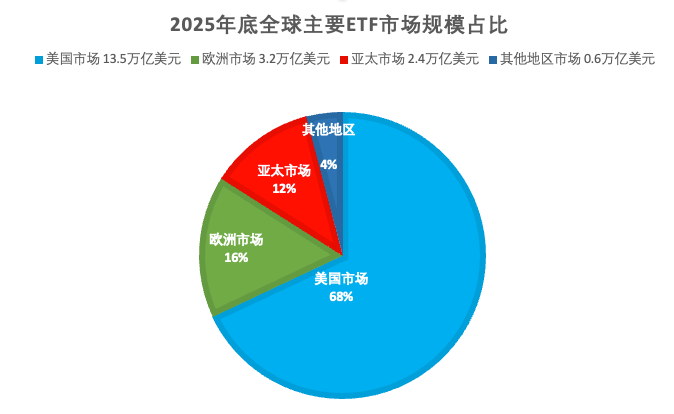
Core Insights - In 2025, China's ETF market reached a historic milestone, surpassing 6 trillion yuan, making it the largest in Asia, overtaking Japan [1][6][8] - The growth was driven by significant net inflows, particularly in bond ETFs, and a shift towards institutional investors dominating the market [2][22] - Product innovation surged, with a focus on thematic ETFs and strategies that align with national priorities, reflecting a transition from broad coverage to precision targeting [16][18] Market Growth - By the end of 2025, the total size of China's ETF market was 6.02 trillion yuan, a year-on-year increase of 61.4% [6][14] - The Shanghai Stock Exchange (SSE) and Shenzhen Stock Exchange (SZSE) reported ETF sizes of approximately 4.22 trillion yuan and 1.79 trillion yuan, respectively, with SSE leading in trading volume [1][7] - The total trading volume for SSE ETFs reached 61 trillion yuan, marking a compound annual growth rate of 42% over five years [7] Investor Dynamics - The net inflow into the domestic ETF market exceeded 1.16 trillion yuan, with bond ETFs leading at 552.7 billion yuan [2][12] - Institutional ownership of ETFs increased significantly, with 65% in the SSE and 58% in the SZSE, indicating a shift towards a more institutionalized market [22][23] - The number of ETF accounts in the SSE reached approximately 10 million, with younger investors increasingly participating [22] Product Innovation - The product landscape evolved from broad-based ETFs to more specialized offerings, including thematic ETFs focused on technology and innovation [16][18] - Bond ETFs experienced explosive growth, with their total size increasing from 173.9 billion yuan to 829 billion yuan, a rise of over 376% [18] - The introduction of innovative products like the "科创债" (Sci-Tech Bonds) ETF has facilitated access for ordinary investors to participate in tech-driven investments [18] Regulatory and Structural Developments - The ETF market saw enhancements in regulatory frameworks, focusing on risk management and investor protection [22][23] - New trading mechanisms were introduced to improve liquidity, such as T+0 trading for bond ETFs and adjustments to liquidity service fees [23] - Educational initiatives were launched to promote rational and long-term investment strategies among retail investors [24] Future Outlook - The ETF market is expected to continue evolving towards a more refined ecosystem, emphasizing product differentiation and investor experience [26] - The focus will shift towards creating a sustainable competitive advantage on a global scale, balancing innovation with regulatory safeguards [26]

2025登顶亚洲,中国ETF市场的“奇点之年”
2 1 Shi Ji Jing Ji Bao Dao· 2026-02-10 13:16
Core Insights - In 2025, China's ETF market reached a historic milestone, surpassing 6 trillion yuan, making it the largest in Asia, overtaking Japan [1][7][13] - The growth was driven by significant net inflows, particularly in bond ETFs, and a shift towards institutional investors dominating the market [2][12][28] Market Growth - By the end of 2025, the total size of the ETF market in China was 6.02 trillion yuan, with the Shanghai Stock Exchange (SSE) contributing approximately 4.22 trillion yuan and the Shenzhen Stock Exchange (SZSE) about 1.79 trillion yuan [1][8] - The SSE recorded a trading volume of 61 trillion yuan, ranking first in Asia and third globally, while the SZSE's trading volume grew by 189% to 23.17 trillion yuan [11][12] Investor Dynamics - The net inflow into the domestic ETF market exceeded 1.16 trillion yuan, with bond ETFs leading at 552.7 billion yuan [2][12] - Institutional ownership of ETFs increased significantly, with the SSE reaching 65% and the SZSE 58%, indicating a shift towards a more institutional-driven market [2][28] Product Innovation - The ETF market saw a transformation from broad-based products to more targeted offerings, including thematic ETFs focused on technology and innovation [15][16] - Bond ETFs experienced explosive growth, with their total size increasing from 173.9 billion yuan to 829 billion yuan, marking a 376% increase [18][20] Market Structure - By the end of 2025, the structure of the ETF market included 1,381 products, with stock ETFs making up 63.6% of the total size, followed by cross-border ETFs at 15.6% and bond ETFs at 13.8% [7][8] - The market's evolution reflects a growing demand for diversified investment strategies and a focus on long-term asset allocation [2][12] Regulatory and Institutional Framework - The regulatory environment has evolved to support the rapid growth of the ETF market, with new rules and mechanisms introduced to enhance liquidity and investor protection [29][30] - The market is transitioning towards a more institutionalized structure, with a focus on long-term capital and risk management [28][29] Future Outlook - The future of the ETF market in China is expected to focus on building a sustainable ecosystem that attracts long-term capital, emphasizing product innovation and regulatory balance [33]
有色金属ETF天弘(159157)近2日净流入超4亿元,换手率居同标的断层第一!
Sou Hu Cai Jing· 2026-02-10 01:43
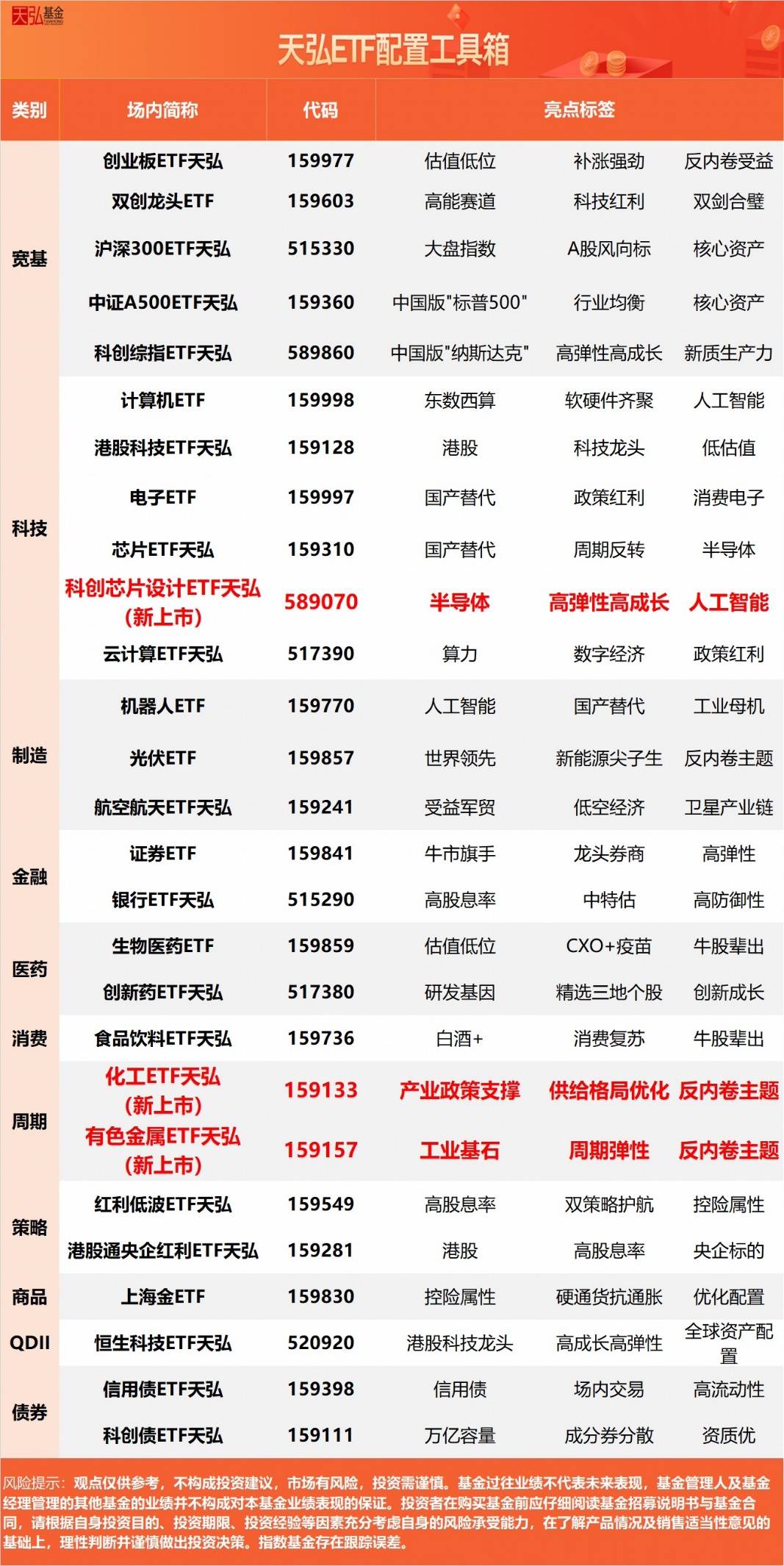
Core Insights - The article highlights the strong performance of the Tianhong Nonferrous Metals ETF (159157), which has seen a turnover of 16.05% and a trading volume of 211 million yuan, indicating active market participation [1][2] - The ETF tracks the CSI Industrial Nonferrous Metals Theme Index, which has risen by 2.43%, with significant gains in constituent stocks such as Shenghe Resources (up 10.01%) and Dongyangguang (up 8.41%) [1][2] - Zijin Mining has announced plans to rank among the top three globally in copper and gold production by 2028, citing geopolitical risks and the need for resource restructuring as key factors driving this ambition [3] Product Highlights - The Tianhong Nonferrous Metals ETF focuses on core metals like copper, aluminum, and rare earths, covering 30 leading companies in the industry, making it a suitable choice for index-based investment [2] - The ETF has attracted a net inflow of 154 million yuan as of February 9, with a total of 424 million yuan over two trading days, reflecting strong investor interest [2] Market Trends - The analysis from Zhongyou Securities indicates that gold prices have stabilized, while copper prices are expected to rebound due to lower liquidity risks and strong downstream demand post-holiday [4] - The report also notes that high aluminum prices may continue to suppress terminal demand, but there are signs of improvement in downstream purchasing behavior following price declines [4]
今日视点:站上亚洲第一后境内ETF市场的新使命
Xin Lang Cai Jing· 2026-02-09 23:18
Core Viewpoint - The domestic ETF market in China is projected to surpass 6 trillion yuan by 2025, becoming the largest ETF market in Asia, reflecting the effectiveness of regulatory reforms and the ongoing optimization of the capital market structure [1][8]. Group 1: Market Growth and Trends - The ETF market size is expected to grow significantly, with a year-on-year increase of 61.4% in 2025, driven by both product share growth and the overall recovery of the capital market [1][8]. - Index investment is becoming a crucial trend in market development, indicating a shift towards more structured investment strategies [1][8]. Group 2: Quality Improvement Mission - At the new milestone of 6 trillion yuan, the ETF market must focus on enhancing quality rather than just size, emphasizing the need for a "quality strengthening" mission [2][9]. Group 3: Optimizing Funding Ecology - The rapid expansion of ETFs has altered the funding structure of the A-share market, with institutional investors holding 65% of the ETF market by the end of last year, which is believed to shift market dynamics from emotion-driven to fundamental-driven [3][10]. - The ETF market should evolve to better stabilize the market while accommodating long-term capital needs, moving from mere speculative trading to value-based allocation [3][10]. Group 4: Enhancing Resource Allocation Efficiency - The current stock-type ETF market has reached 3.83 trillion yuan, indicating that index investment is increasingly influencing resource allocation [4][11]. - Existing index systems may lag in reflecting industrial changes, as traditional indices often favor mature industries, potentially overlooking emerging sectors like hard technology [4][11]. Group 5: Deepening International Openness - The cross-border ETF market has exceeded 900 billion yuan, serving as a significant channel for foreign capital to invest in Chinese assets, showcasing the progress of financial openness [5][12]. - There is a need to enhance the international recognition of domestic ETFs and develop a local index system that can compete globally, ensuring that Chinese ETFs become a key pricing anchor for global investors [5][12]. Group 6: Future Outlook - The achievement of 6 trillion yuan marks a milestone in China's economic development and capital market reform, but the future success will depend on balancing trading and allocation, accurately connecting with industrial upgrades, and confidently participating in global pricing [6][13].
上交所发布ETF行业发展报告 境内ETF市场规模突破6万亿元
Shang Hai Zheng Quan Bao· 2026-02-06 18:36
Core Insights - The domestic ETF market in China has surpassed 6 trillion yuan, becoming the largest ETF market in Asia, with 1,381 ETFs listed as of 2025 [1][2] - The growth of the ETF market is driven by a strong increase in both the number of products and the inflow of funds, indicating a robust trend towards index-based investment [2][3] Market Size and Growth - By 2025, the total size of the domestic ETF market reached 6.02 trillion yuan, marking a year-on-year growth of 61.4% [2] - The Shanghai Stock Exchange (SSE) ETF market size grew to 4.22 trillion yuan, with a growth rate of 55% [3] Fund Inflows - In 2025, the net inflow of funds into domestic ETFs exceeded 1.16 trillion yuan, with bond ETFs receiving the highest net inflow of 552.7 billion yuan, accounting for 47.6% of total inflows [2] - The demand for ETF investments is strong among various channels, including the internet and banks, with ETF-linked funds exceeding 900 billion yuan, a growth of over 40% [2] Investor Composition - Institutional investors hold 65% of the SSE ETF market, a 6 percentage point increase from the previous year, while the number of accounts participating in SSE ETFs reached approximately 10 million [3] - The younger generation, particularly those born in the 1980s, accounts for nearly 30% of the holdings in SSE ETFs [3] Product Development - The SSE is enhancing its ETF product offerings, with broad-based ETFs growing to 1.9 trillion yuan, representing 70% of the stock ETF market [3] - The SSE is also expanding its offerings in low-risk, stable-return products, including a significant increase in bond ETFs, which grew by 291% to 601.63 billion yuan [3] Cross-Border Initiatives - The SSE has optimized cross-border mechanisms, with the total size of cross-border ETF products reaching 54.4 billion yuan, a 95% increase year-on-year [4] Future Development Plans - The SSE aims to enhance the quality and variety of ETF products, optimize market mechanisms, and expand investor services to foster a more robust ETF market [5][6] - Plans include promoting low-risk, stable-return ETFs, improving trading mechanisms, and enhancing cross-border connectivity to attract foreign investment [6]
“中小盘双星”闪耀!1000ETF增强(159680)、中证2000增强ETF(159552)双双涨超1%,盘中联袂揽金
Sou Hu Cai Jing· 2026-02-06 06:38
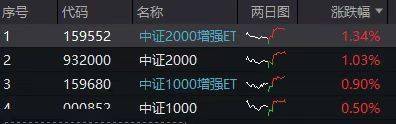
Core Viewpoint - The A-share market is experiencing a significant style shift, with small and micro-cap stocks, referred to as "small and medium-sized stars," showing a strong rebound driven by improved market risk appetite, specific policy expectations, and the need for technical rebounds from oversold conditions [1][2][3]. Group 1: Market Performance - As of February 6, the 1000ETF Enhanced (159680) and the CSI 2000 Enhanced ETF (159552) saw intraday increases of 1.32% and 1.89% respectively, accompanied by substantial net capital inflows [1][2]. - The overall market's risk appetite has marginally improved, leading to a rebound in previously underperforming sectors, particularly technology growth stocks [2]. Group 2: Technical and Fundamental Factors - The collective strength of small and micro-cap stocks is attributed to a combination of improved market sentiment, policy expectations, and strong technical rebound demand due to prior deep corrections [2][3]. - Many small-cap stocks have reached historically low valuation levels, creating strong technical rebound momentum as liquidity pressures ease [2]. Group 3: Future Outlook - There is an ongoing expectation for supportive policies aimed at the development of small and medium-sized enterprises, which bolsters investor confidence for long-term holdings in small-cap stocks [3]. - The investment value of small-cap stocks lies in their high growth potential and elasticity, although they also come with high volatility [3]. - Enhanced tools like the 1000ETF Enhanced and CSI 2000 Enhanced ETF offer a way to diversify individual stock risks and aim for returns that exceed benchmarks, making them efficient options for participating in the small-cap market [3].
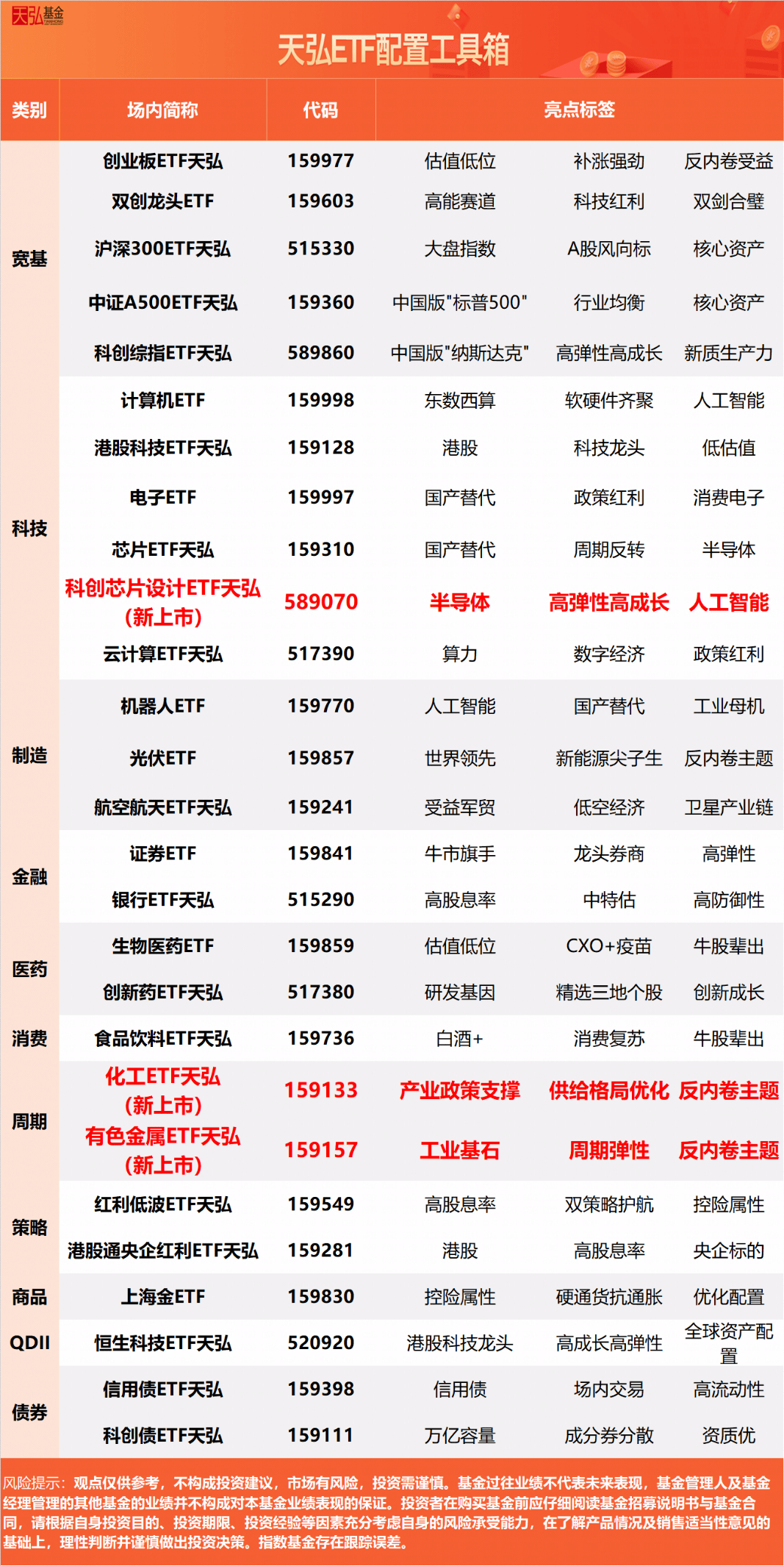
有色金属ETF天弘(159157)今日上市!供给偏紧叠加周期上行,工业有色迎长期配置窗口
Sou Hu Cai Jing· 2026-02-06 01:29
Core Viewpoint - The Tianhong CSI Industrial Nonferrous Metals Theme ETF (code: 159157) will be listed on the Shenzhen Stock Exchange starting February 6, 2026, indicating a growing interest in the nonferrous metals sector [1]. Product Highlights - The industrial nonferrous metals sector is relatively concentrated, with the top three industries being copper (31.1%), aluminum (21.9%), and rare earths (16.1%), collectively accounting for about 70% [2]. - The rapid development of the AI industry is expected to drive up demand for electricity, which in turn will boost the demand for industrial nonferrous metals. Supply growth is anticipated to be limited in the coming years, suggesting a long-term upward trend for upstream resources [2]. - Rare earth metals are becoming increasingly important as strategic national resources, with China holding the world's largest reserves and production. This gives China a significant advantage in resource endowment, smelting technology, and overall cost, enhancing their investment value [2]. - The resource sector is entering an upward cycle, with upstream resources positioned more favorably compared to downstream manufacturing. A tight supply situation is expected to persist, making long-term price increases likely [2]. - Index-based investment is seen as a valuable strategy due to the diverse sub-industries within nonferrous metals, making it challenging for active research to cover all areas effectively [2]. Hot Events - The China Nonferrous Metals Industry Association announced plans to include "copper concentrate" in the national reserve system, which aims to enhance China's bargaining power in the copper supply chain and improve supply chain resilience and security [4]. - This initiative aligns with the previously released "Copper Industry High-Quality Development Implementation Plan (2025-2027)," which seeks to shift the focus of the copper industry from capacity expansion to quality and efficiency improvement [4]. Institutional Views - Guoyuan Securities noted that the nonferrous metals industry remains robust amid global instability, with tightening supply conditions and increasing mining difficulties supporting long-term price increases for copper [5]. - The demand outlook is strong, driven by emerging industries such as AI, electric vehicles, and renewable energy, which are transforming many metals into "critical strategic materials" with sustained demand [5]. - Heightened international strategic competition is leading to tighter controls on strategic metals, further increasing price pressures and creating clear structural investment opportunities in related sectors [5].
年内可转债新券上市首日均以顶格涨幅报收
Zheng Quan Ri Bao· 2026-02-03 16:40
Group 1 - The core viewpoint of the articles highlights that convertible bonds have become a hot sector in the capital market this year, with new bonds consistently achieving the maximum increase of 57.3% on their first trading day [1][2] - The strong performance of new convertible bonds is attributed to multiple factors, including ample macro liquidity, the expansion of "fixed income +" products, and the increasing popularity of convertible bond-themed funds, leading to a significant influx of capital seeking safe and flexible investment options [1][2] - The trading of convertible bonds has been characterized by a concentrated flow of funds, with convertible bond ETFs becoming the main entry point for capital allocation, reflecting a shift towards index-based investment strategies in the secondary market [2][4] Group 2 - The primary market has seen a structural change, with a notable increase in the issuance of convertible bonds in the technology and innovation sectors, which now account for over 45% of the total issuance this year [4][5] - The total issuance of convertible bonds reached 57.80 billion yuan this year, marking a significant increase compared to the same period last year, while the overall market remains in a state of net contraction due to the redemption of existing bonds [4][5] - The trend of convertible bonds triggering strong redemption conditions has increased, driven by the rising prices of underlying stocks, indicating a growing willingness among issuers to exit the market through redemption [5]