
政治博弈

Search documents
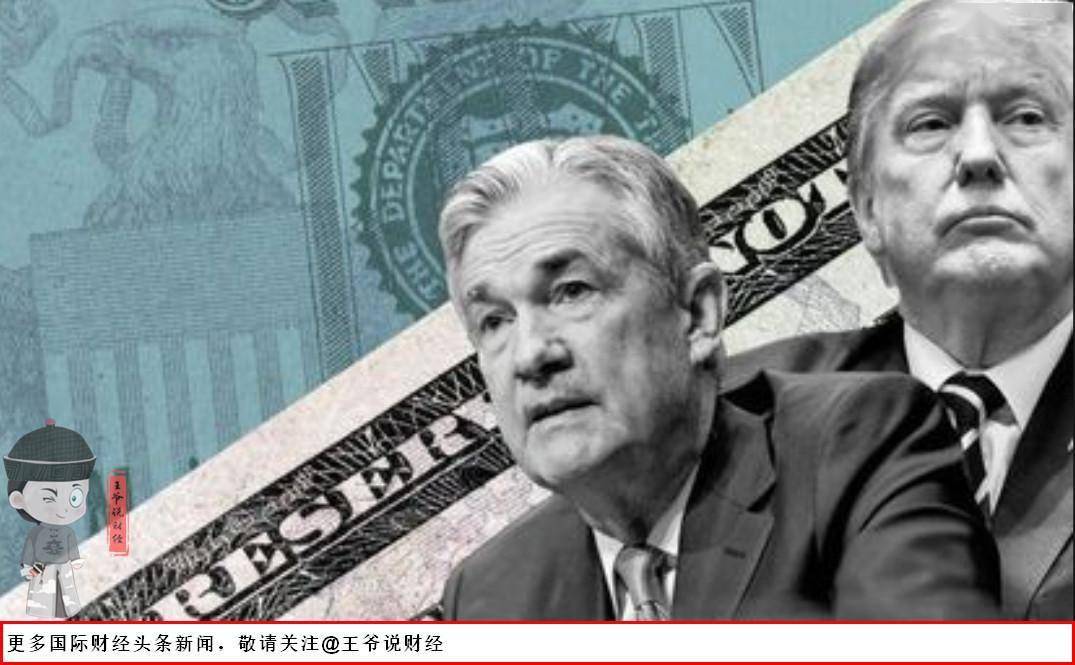
刚刚,美联储降息25个基点!为啥特朗普嫌少,鲍威尔却偏要“抠门”?
Sou Hu Cai Jing· 2025-12-11 04:23
Group 1 - The Federal Reserve announced a 25 basis point interest rate cut, bringing the federal funds rate to a range of 3.5%-3.75% [1] - This marks the third interest rate cut for 2025, following three cuts in 2024, indicating a trend in monetary policy adjustments [3] - The U.S. economy is facing challenges, with a significant drop in non-farm employment growth and inflation rates exceeding the Fed's target, creating a dilemma for policymakers [3] Group 2 - Trump criticized the Fed's decision, arguing that a 50 basis point cut is necessary to stimulate the economy, as he believes the current economic growth rate is insufficient [5] - The Fed's cautious approach, led by Powell, aims to maintain independence and avoid political pressure, especially given ongoing inflation concerns [5] - The political landscape is influencing monetary policy, with Trump's push for lower rates linked to his electoral strategy amid legal challenges [5] Group 3 - Predictions suggest that the Fed may pause rate cuts in January 2026, with potential for further cuts depending on economic conditions and political factors [7] - Goldman Sachs anticipates two additional rate cuts in 2026, while JPMorgan warns that political and economic dynamics will complicate future decisions [7] - The recent rate cut reflects a complex interplay between economic stimulus needs, inflation control, and the independence of the central bank [9]

博弈升级!特朗普2000美元刺激支票计划,民主党加码共和党反对
Sou Hu Cai Jing· 2025-11-28 06:13
Core Points - Trump's proposal aims to distribute $2,000 stimulus checks to American families funded by tariff revenues, intending to alleviate economic pressure on ordinary households [1][5] - The Senate opposes the plan, citing concerns over the already high national debt of $38 trillion and the lack of sufficient funds to support such large-scale spending [1][3][12] Group 1: Economic Implications - The plan is seen as a way to stimulate consumption and provide direct economic assistance, particularly for low- and middle-income families, while excluding high-income households [5][10] - There are concerns that distributing $2,000 checks could exacerbate inflation, potentially worsening the already strained economic situation [10][12] - Current tariff revenues are insufficient to fund the proposed $2,000 checks for 150 million Americans, raising questions about the feasibility of the plan [16] Group 2: Political Dynamics - The stimulus check proposal has become a focal point of political maneuvering between Democrats and Republicans, with Democrats potentially using it to gain electoral support [14] - The White House is exploring options to bypass Congress to implement the plan directly, indicating a willingness to navigate around legislative hurdles [15] - The political landscape surrounding the proposal is complex, with potential repercussions for the Republican Party if the plan fails to materialize [14]
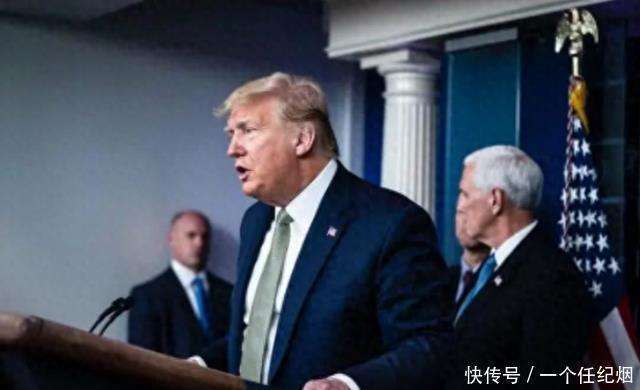
最讽刺决策时刻!特朗普要解雇的理事,可能影响美联储降息!
Sou Hu Cai Jing· 2025-11-25 16:49
Core Viewpoint - The upcoming Federal Reserve interest rate decision in December is not only an economic issue but also a political battleground, with significant implications for future monetary policy and political dynamics [1][3][9]. Group 1: Federal Reserve Decision Dynamics - The Federal Reserve's monetary policy directly influences the U.S. and global economies, affecting consumption, investment, employment, and inflation [3]. - Typically, interest rate decisions are made with broad consensus within the Federal Reserve, but this time there are notable internal divisions regarding the potential for a rate cut [3][7]. - A minimum of 7 votes is required from the 12-member Federal Open Market Committee (FOMC) to approve a rate cut, making the distribution of votes a critical aspect of the decision-making process [3][5]. Group 2: Key Players and Political Implications - The votes of two Biden-appointed governors, Michael Barr and Lisa Cook, are particularly significant, with Cook's vote potentially being the decisive seventh vote [5][7]. - Lisa Cook has been a target of former President Trump's attempts to dismiss her, highlighting the political tensions surrounding her role in the Federal Reserve [5][7]. - Cook's cautious stance on the rate cut, despite her focus on labor market issues, could play a pivotal role in determining the outcome of the Federal Reserve's decision [5][9]. Group 3: Broader Context and Future Outlook - The decision on interest rates transcends mere economic considerations, intertwining with political power dynamics and judicial scrutiny, particularly in light of Trump's previous interventions in Federal Reserve matters [7][9]. - Regardless of the outcome, the December decision is poised to be a significant historical moment, reflecting the complex interplay between financial markets, U.S. politics, and Trump's policies [9].
美国政坛荒诞大戏,特朗普状告自己索2.3亿,离谱操作下暗藏算盘
Sou Hu Cai Jing· 2025-11-21 08:17
Core Points - The article discusses former President Trump's unusual legal maneuver of suing himself for $230 million, claiming political persecution from various federal investigations [3][5][7] - Trump's lawsuit is unprecedented in U.S. history, as it involves a sitting president suing his own administration [5] - The compensation is intended to cover legal fees and potential damages from investigations, which Trump argues have caused him emotional distress and reputational harm [7][9] Summary by Sections Lawsuit Details - Trump filed the lawsuit on October 21, 2025, seeking $230 million from the Justice Department, which he leads [5] - He claims that investigations like the Russia probe and the 2020 election interference inquiry are politically motivated attacks [7] Financial Implications - Trump has stated that the compensation would be used for charitable purposes or renovations to the White House, including a $250 million project for a luxury ballroom [9] - The lawsuit's approval process is likely to be influenced by Trump's allies within the Justice Department, raising concerns about self-review [10] Legal and Political Context - The lawsuit is framed within the context of ongoing political tensions, with Trump viewing the investigations as a vendetta by the Democratic Party [15][19] - Trump's legal challenges, including multiple federal charges, have persisted into the 2024 election cycle, and he is leveraging his presidential position to avoid legal repercussions [19] Public Reaction - The lawsuit has drawn significant criticism, especially as it is perceived as exploiting taxpayer money during a fiscal crisis [12][13] - Trump's actions are seen as a strategic political move to reinforce his victim narrative and consolidate support for future elections [19]
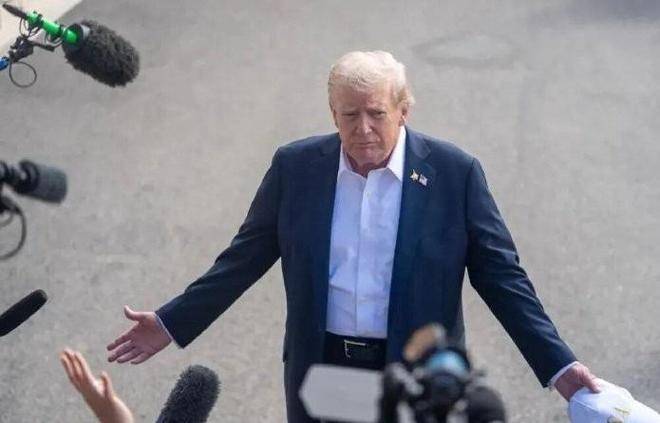
美联储高官被控房贷欺诈!特朗普誓要开除她,最高法院介入!
Sou Hu Cai Jing· 2025-11-20 11:26
Core Points - The article discusses the defense of Federal Reserve Governor Lisa Cook's mortgage loan application records by her attorney, who claims that discrepancies are either accurate or mere clerical errors, asserting that they do not constitute fraud [2] - The controversy surrounding Cook has escalated, particularly after former President Trump attempted to remove her from her position, citing alleged mortgage loan fraud, which Cook has vehemently denied [2][9] - The legal battle has gained traction, with the Supreme Court temporarily blocking Trump's attempt to dismiss Cook and scheduling a hearing for January [10] Group 1: Legal and Political Context - Cook's attorney, Abbe Lowell, has accused William Pulte, the head of the Federal Housing Finance Agency, of selective enforcement in submitting allegations against Cook, suggesting a politically motivated attack [3][8] - The attorney argues that Pulte's actions, including the dismissal of oversight officials, undermine the credibility of the charges against Cook, indicating potential abuse of power [3][8] - The timing of Trump's and Pulte's actions raises suspicions of political motives, particularly as both have called for quicker interest rate cuts from the Federal Reserve [4] Group 2: Mortgage Loan Allegations - The mortgage applications in question involve three properties owned by Cook, with particular scrutiny on her claims of primary residence status for multiple properties [5][6] - Cook's attorney contends that her refinancing of the Ann Arbor property was legitimate, as she was living there at the time and had proper rental permits after moving to Washington, D.C. [6] - The attorney acknowledges a discrepancy in the Atlanta property application but attributes it to a clerical error, arguing that other documents clarify its intended use as a vacation home [7] Group 3: Implications for Federal Reserve Independence - The Supreme Court's upcoming decision on whether Trump can dismiss Cook could have significant implications for the independence of the Federal Reserve, as it may set a precedent for presidential influence over central bank officials [10][11] - If the court rules in favor of Trump, it could weaken the Federal Reserve's autonomy in monetary policy decisions, raising concerns among investors about the potential for political interference in economic matters [11] - The case has attracted widespread attention from economists and investors, highlighting the broader implications of the legal dispute on financial stability and public trust in the Federal Reserve [11]
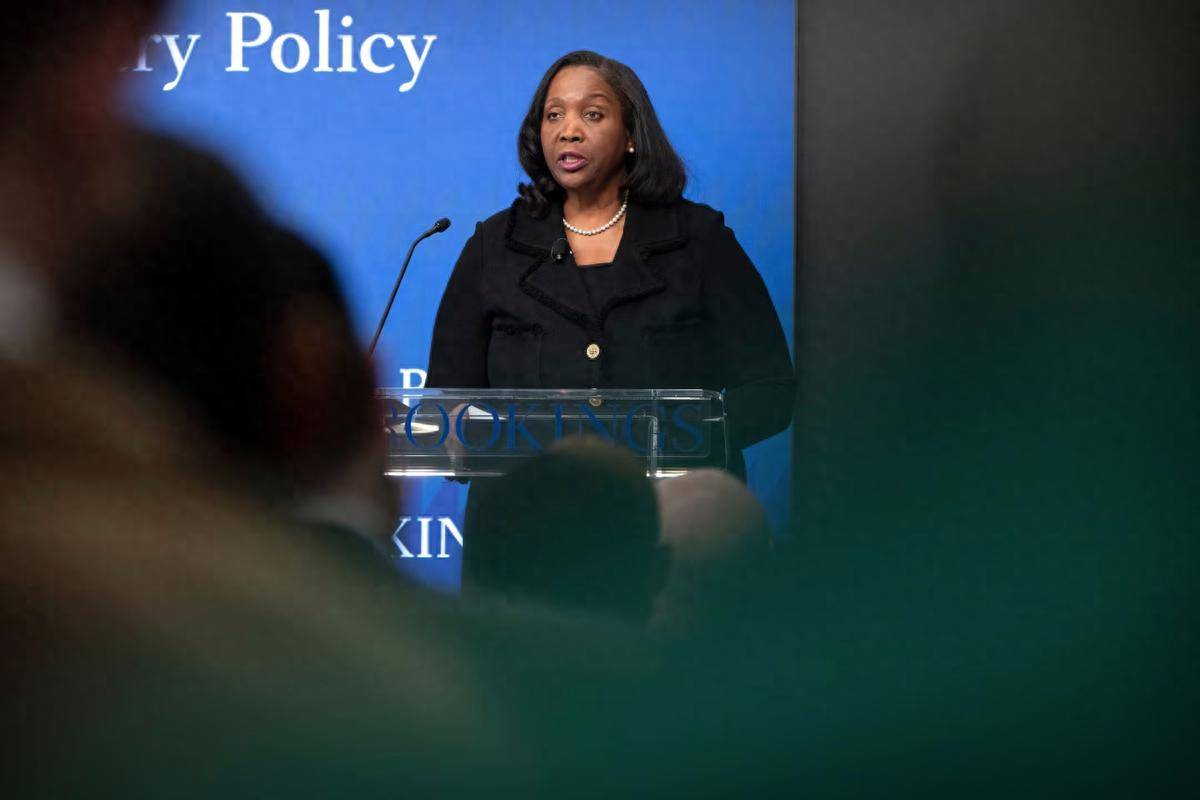
专机刚降落美国,特朗普即遭当头棒喝,已然敲响一记警钟
Sou Hu Cai Jing· 2025-11-15 05:05
Core Points - The Senate voted 51 to 47 to halt the global "all tariffs" policy, signaling a strong political message regarding domestic consensus and interest distribution around tariffs [1] - The vote reflects internal divisions within the Republican Party, with four members breaking ranks to vote against the party line, indicating a presence of establishment influence [1][2] - The Senate's decision does not immediately invalidate the policy, as it must still pass through the House and face potential presidential veto, making significant changes unlikely [1][10] Group 1 - The vote serves as a warning to various interest groups, including businesses and farmers, highlighting the emerging divide between policy-oriented and election-oriented factions within the party [2] - External observers, including international competitors, may leverage the perceived domestic discord to apply pressure in negotiations, potentially prolonging discussions [2][8] - The Trump administration is facing resource constraints due to multiple fronts of conflict, which may limit its diplomatic strategies and lead to policy missteps [4] Group 2 - The upcoming Supreme Court hearing on tariff policy is significant, as the Senate's stance may influence judicial proceedings, potentially reducing the administration's margin for error [6] - Internal tensions within the Republican Party persist, with "hardliners" advocating for continued policy enforcement while "moderates" focus on electoral implications [6][10] - The international community is closely monitoring U.S. tariff divisions, which could lead to more assertive negotiation tactics from other countries seeking exemptions or favorable terms [8] Group 3 - The Senate's actions necessitate a reevaluation of the tariff policy framework, emphasizing the need for clear boundaries and respect for procedural integrity [10] - The interplay of the Senate vote, the Supreme Court hearing, and House rules creates a complex environment with numerous potential outcomes [10] - Political maneuvering will continue, with further votes and legal debates expected, indicating that the tariff policy discourse is far from over [10]
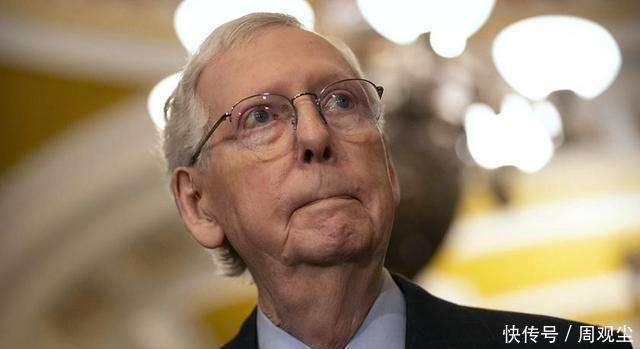
美政府“停摆”破记录!3800万家庭断救济金,政治内斗变经济灾难
Sou Hu Cai Jing· 2025-11-11 06:32
Group 1 - The U.S. government shutdown has reached a historic record, lasting over a month, causing significant disruptions including flight delays affecting 3.2 million passengers and millions of low-income families unable to receive essential aid [1][4][27] - The tourism industry has suffered direct losses exceeding $4 billion due to the shutdown, with hotel occupancy rates dropping by 8% and over 100,000 workers in the airline industry facing reduced hours or unpaid leave [4][15][20] - The shutdown has also impacted public safety, with a report indicating that response times at some border patrol stations have increased by over 30% due to federal law enforcement personnel working without pay [4][6] Group 2 - The political deadlock stems from a disagreement between the two parties over budget allocations, particularly regarding the extension of healthcare subsidies under the Affordable Care Act (ACA), which the Democrats support and the Republicans oppose [6][7][11] - The Congressional Budget Office (CBO) reported that the increased healthcare subsidies during the pandemic averaged over $80 billion annually, leading Republicans to argue for budget tightening to control federal deficits [9][11] - The ongoing political standoff has resulted in a lack of updated economic data, which is crucial for Federal Reserve decision-making, creating uncertainty in monetary policy [15][20][24] Group 3 - The shutdown has led to a 15% increase in unemployment claims among federal employees, with major companies like General Motors and Ford postponing expansion plans due to decreased investment willingness [18][20][24] - If the shutdown continues beyond two months, credit rating agencies like Standard & Poor's and Moody's have warned of potential downgrades to the U.S. sovereign credit rating, which would increase borrowing costs and impact the financial markets [20][24][28] - The political maneuvering has overshadowed the core purpose of government, which is to serve the public and stabilize the economy, highlighting the detrimental effects of prioritizing party interests over national welfare [27][28][29]
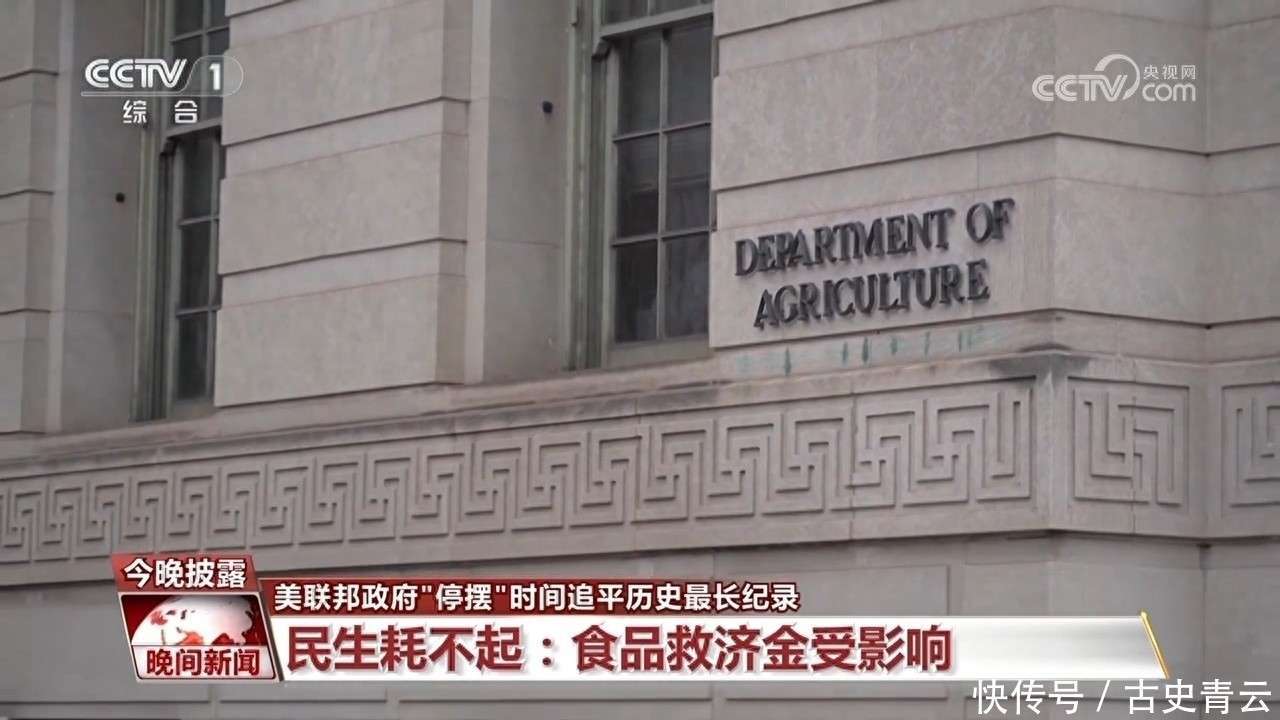
政府停摆致数据黑洞,美联储企业投资者集体盲飞,经济要扛不住?
Sou Hu Cai Jing· 2025-11-01 09:16
Core Insights - The U.S. government shutdown has led to a significant disruption in the release of key economic data, including GDP, employment, trade, and retail sales, creating uncertainty for the Federal Reserve, businesses, and investors [1][3][6] - The potential permanent loss of data due to the shutdown raises concerns about the reliability of economic indicators, as businesses are forced to rely on fragmented information to gauge economic trends [3][6] - The economic impact of the shutdown is severe, with businesses losing approximately $12 billion in the first four weeks and small businesses facing a cash flow pressure of $3 billion weekly [8][11] Economic Impact - The Congressional Budget Office warns that the shutdown could reduce the annualized GDP growth rate by 1-2 percentage points, resulting in an irretrievable economic loss of $7 billion to $14 billion [8] - Approximately 42 million low-income individuals relying on the Supplemental Nutrition Assistance Program will face disruptions starting November 1 due to funding exhaustion, leading to a food crisis in states like New York [8][11] - The shutdown has led to a significant reduction in consumer spending, as federal employees are uncertain about their paychecks, which could further drag the economy down [11][14] Political Dynamics - The shutdown is a result of a political stalemate between Democrats and Republicans over healthcare spending, with the consequences disproportionately affecting the public [11][13] - The current situation is evolving into a structural crisis, highlighting the vulnerabilities in the U.S. economic system and the implications of political infighting on economic stability [13][14]
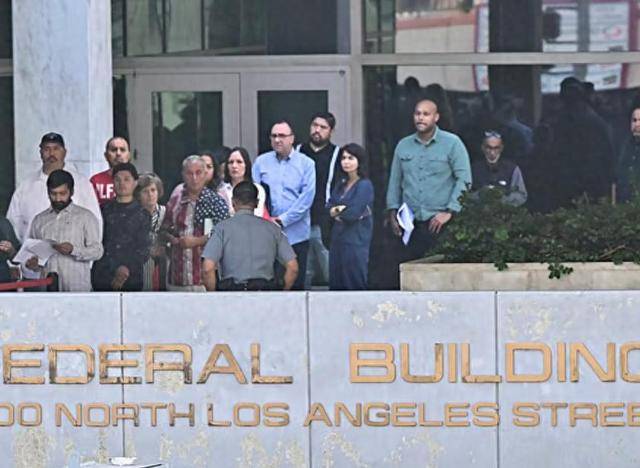
专家:中美贸易紧张局势短期内难以根本性缓和
Zhong Guo Qing Nian Bao· 2025-10-17 04:30
Core Viewpoint - The new round of trade tensions between China and the U.S. is unlikely to fundamentally ease in the short term, but both sides have the motivation to avoid a complete economic decoupling [1] Group 1: Trade Relations and Measures - Since the Madrid economic talks in September, the U.S. has continued to introduce a series of restrictive measures against China, including adding multiple Chinese entities to export control lists, which has severely damaged the atmosphere for trade talks [1] - On October 9, China announced export control measures on rare earths and other related items, while on October 10, the U.S. threatened to impose a 100% tariff on Chinese goods starting November 1 [1][2] - The alternating threats and conciliatory remarks from the U.S. reflect a strategy to exert pressure while also attempting to calm market reactions to tariff threats [3] Group 2: Economic Impact and Strategic Considerations - China's export controls on rare earths are expected to significantly impact the U.S. military industry, indicating that U.S. attempts to suppress China will not succeed [2] - The U.S. faces political and economic obstacles in imposing high tariffs on China, as such measures would burden the U.S. economy and face opposition from the American business community [3] - The future trajectory of U.S.-China trade tensions is characterized by a coexistence of competition and cooperation, with structural contradictions remaining difficult to resolve [4] Group 3: Potential Areas for Cooperation - Non-traditional security cooperation, such as in climate change and public health, may become breakthrough areas for U.S.-China collaboration [4]
关门期间,特朗普政府开始永久性裁员
Hu Xiu· 2025-10-11 00:22
Core Points - The Trump administration has initiated unprecedented permanent layoffs of federal employees during a government shutdown, marking a significant departure from past practices of temporary furloughs [1][5][7] - The layoffs are part of a broader political strategy against the Democratic Party, with Trump threatening to permanently cut funding for projects in Democratic-supporting areas [2][8] - Legal challenges have emerged from unions representing federal employees, seeking to block the layoffs [3][9] Group 1: Layoff Details - The Office of Management and Budget (OMB) confirmed that the layoffs, referred to as "reductions in force" (RIF), have begun and are substantial, affecting "thousands of federal workers" across multiple departments [1][5][4] - The layoffs are being justified by the administration as a means to save funds for maintaining essential services during the shutdown [7] Group 2: Political Context - The ongoing standoff between the Trump administration and the Democratic Party over key issues, such as healthcare subsidies, has led to multiple failed attempts to pass temporary funding bills [2] - Trump has indicated that the government shutdown will be used as leverage to cut Democratic-supported projects, further politicizing the situation [8] Group 3: Legal and Union Response - Unions representing federal employees have filed for a temporary restraining order in court to prevent the layoffs, with a hearing scheduled for October 16 [3][9] - Criticism has arisen from lawmakers regarding the ethics and legality of the layoffs, with some arguing that they are unjust and potentially unlawful [3] Group 4: Republican Party Dynamics - There is a divide within the Republican Party regarding the layoffs, with some leaders expressing caution and advocating for the protection of federal employees [10][11] - Despite the administration's stance, there are calls for ensuring that all employees receive back pay regardless of their work status during the shutdown [10]