数据主权

Search documents
中期将迎来多项增长点 Evercore ISI重申IBM(IBM.US)“跑赢大盘”评级
Zhi Tong Cai Jing· 2025-11-26 07:37
Core Viewpoint - Evercore ISI reaffirms IBM's "Outperform" rating with a target price of $315, highlighting the company's resilience against macroeconomic shocks and its readiness to benefit from several positive factors in the IT/AI landscape [1] Company Strategy - Discussions with IBM's CEO Arvind Krishna and global investor relations head Olympia McNerney focused on the company's strategy, macroeconomic outlook, enterprise AI vision, and merger philosophy [1] Market Position - Analysts view IBM as a hybrid IT/AI leader capable of withstanding macroeconomic challenges, benefiting from the rise of enterprise AI, productivity enhancement initiatives, data sovereignty concerns, and quantum differentiation [1] IT Spending Outlook - In a favorable macroeconomic environment, enterprise IT spending is expected to grow faster than GDP's single-digit growth, potentially driving overall tech spending to achieve high single-digit growth [1] Business Transformation - IBM's business transformation positions it as a continuously growing company with strong free cash flow, expanding profit margins, and enviable revenue visibility [1] Growth Potential - The firm identifies multiple growth points for IBM in the medium term, maintaining the target price of $315 [1]

机器人的 GPT 时刻比我们以为的更近|AGIX PM Notes
海外独角兽· 2025-11-17 12:05
Group 1 - The AGIX index aims to capture the beta and alphas of the AGI era, which is expected to be a significant technological paradigm shift over the next 20 years, similar to the impact of the internet [2] - The article emphasizes the importance of learning from legendary investors like Warren Buffett, Ray Dalio, and Howard Marks to navigate the AGI revolution [2] Group 2 - AGIX has shown a year-to-date return of 26.72% and a return of 74.54% since 2024, outperforming major indices like QQQ and S&P 500 [5] - The performance of AGIX portfolios indicates a slight decline in sectors such as semi & hardware, infrastructure, and application [6] Group 3 - The article discusses the potential of robots reaching a critical point of general intelligence with around 7 billion parameters, similar to the breakthrough seen with GPT-3 [10] - It highlights the advancements in hardware and engineering that are necessary for robots to operate effectively in real-world environments [11] Group 4 - The article outlines the challenges in data collection for robotics, emphasizing the need for diverse and extensive datasets to achieve generality in various tasks [12][13] - It discusses different approaches to data collection, including world models and real-world interactions, to enhance robotic capabilities [17] Group 5 - The article notes that the AI verticals have faced significant sell-offs by hedge funds, particularly in AI technology stocks, leading to a notable market rotation [18] - It highlights the financial relationship between OpenAI and Microsoft, revealing that OpenAI's revenue is significantly impacted by its operational costs [20][21] Group 6 - The article mentions significant investments in AI infrastructure, such as Alphabet's $40 billion investment in Texas data centers and Nvidia's collaboration with Cisco to enhance AI deployment [22][23] - It also covers various acquisitions in the AI space, including Salesforce's acquisition of Doti for $100 million and Snowflake's acquisition of Datometry to improve database migration capabilities [24][25]






加拿大公布重点项目清单,涉及能源等领域
中国能源报· 2025-11-14 10:32
Core Points - Canada has announced a second batch of national key projects aimed at enhancing its resource strategy, focusing on energy, minerals, and transmission lines [1] - The total investment for these projects exceeds CAD 56 billion, with an expected creation of 68,000 jobs [1] - These projects are considered transformative and part of a national strategy to boost Canada's competitiveness and resilience [1] Group 1: National Key Projects - The second batch of national key projects was unveiled by Prime Minister Mark Carney, emphasizing Canada's potential as an energy superpower [1] - The projects aim to establish new trade corridors, enhance resource autonomy, and ensure data sovereignty for national security [1] - The first batch of key projects, announced in September, included investments over CAD 60 billion, focusing on infrastructure to stimulate the economy and reduce reliance on the U.S. [2]

从传统到云端2025年全球项目管理软件洗牌预测(10款)
Sou Hu Cai Jing· 2025-11-10 02:38
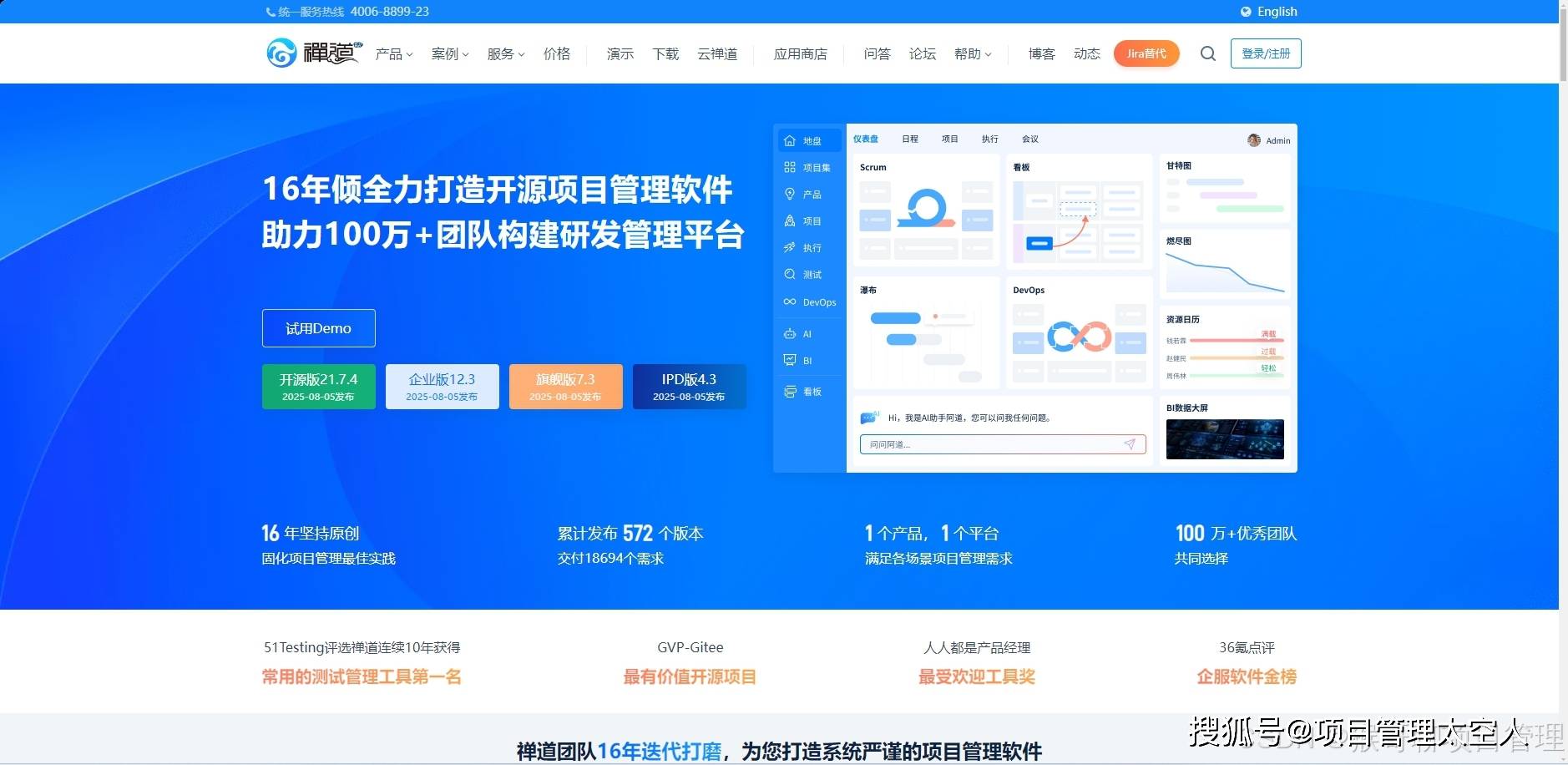
Core Insights - The article addresses the challenges faced by CIOs and IT decision-makers in choosing between feature-rich public cloud solutions and secure private tools, emphasizing the need for a clear evaluation framework to guide strategic decisions [1][2]. Evaluation Framework - Four core dimensions are proposed for evaluating project management tools: data sovereignty and controllability, compatibility with domestic innovation (信创), deployment flexibility and cost, and system integration and scalability [6][2]. Product Analysis - Each of the ten products is analyzed based on the established evaluation framework, ensuring a neutral and factual comparison without disparaging any solution [2]. Market Trends - By 2025, the market is expected to see a rise in private solutions like ZenTao in sectors with strict data security requirements, while AI integration will become increasingly important [4][46]. Industry-Specific Insights - Financial services may prioritize data sovereignty, while manufacturing may focus on integration capabilities, indicating that the evaluation framework's weight can be adjusted based on industry needs [2][6]. ZenTao Overview - ZenTao is an open-source project management software originating from China, supporting agile development and waterfall models, with a focus on private deployment and lightweight architecture [3]. ZenTao's 2025 Outlook - ZenTao is predicted to gain market share in government and enterprise sectors due to its strong alignment with domestic security requirements, although it needs to enhance AI integration to keep pace with technological trends [4][46]. ByteDance Collaboration Tool Overview - ByteDance's collaboration platform integrates project management, instant messaging, and calendar functions, primarily as a SaaS offering [9]. ByteDance's 2025 Outlook - The platform is expected to deepen its penetration in the internet industry but may face challenges related to hybrid deployment demands [10][46]. Microsoft Project Overview - Microsoft Project is a long-established project management software that supports both desktop and cloud versions, deeply integrated with the Office ecosystem [32]. Microsoft Project's 2025 Outlook - It is anticipated to maintain stability in the enterprise market but may face pressures from cloud transformation trends [33][46]. Conclusion - The article concludes that the selection of project management software in 2025 will focus more on strategic alignment rather than mere functionality, urging decision-makers to use the proposed framework for informed choices [53][46].
刷脸支付:是极致便捷还是多维风险
Jin Rong Shi Bao· 2025-11-03 05:10
Core Insights - The evolution of payment methods reflects societal technological changes, with facial recognition payment emerging as a key infrastructure in the digital economy, raising concerns beyond mere technical security and privacy issues [1][2] Group 1: Governance Principles - Establish a risk-based governance principle focusing on three core aspects: 1. Preventive principle: Regulatory measures should be proactive and adaptable to unknown risks associated with biometric data [3] 2. Proportionality principle: Regulatory intensity must correspond to the risk level of specific applications, avoiding a one-size-fits-all approach [3] 3. Collaborative governance principle: Involvement of multiple stakeholders, including government, industry, and the public, to create a cooperative governance framework [3] Group 2: Regulatory Tools and Mechanisms - Innovate key regulatory tools and mechanisms by: 1. Upgrading the "regulatory sandbox" to test data governance rules and algorithmic ethics comprehensively [4] 2. Establishing mandatory algorithm audits and certifications by independent third parties to ensure fairness and robustness [4] 3. Implementing risk-based tiered management according to transaction amounts and application scenarios, requiring multi-factor authentication for high-risk situations [4] Group 3: Legal and Standard Foundations - Strengthen the legal and standard foundations for governance by: 1. Clarifying legal responsibilities and consumer protection measures, including the principle of "reversed burden of proof" in fraud cases [5] 2. Promoting industry self-regulation and the establishment of high-standard processing norms for biometric information [5] Group 4: External Environment for Governance - Create a favorable external environment for scientific governance by: 1. Enhancing public digital literacy and awareness of risks associated with facial recognition payments [6] 2. Expanding social participation and oversight channels in the formulation of technical standards and regulations [6] - The challenges posed by facial recognition payments necessitate a comprehensive regulatory framework to guide its healthy development, ultimately supporting inclusive finance and social equity [7]
数字关税战争:TikTok争端背后的全球规则博弈
虎嗅APP· 2025-10-29 00:27
Core Viewpoint - The article discusses the emergence of "digital tariffs" as a new form of economic warfare, particularly illustrated through the case of TikTok in the U.S., where compliance requirements effectively impose hidden costs on the platform and its users [2][4]. Group 1: Digital Tariffs and Economic Impact - The U.S. government has mandated TikTok to migrate user data to local servers, resulting in an investment of approximately $1.5 billion for restructuring [4]. - The annual expenditure for data storage and auditing has surged by over $200 million, translating to an "invisible tax" of about $1.2 per American user [5]. - The increased operational costs lead to higher advertising prices and commissions, impacting small businesses that rely on TikTok for customer acquisition [5]. Group 2: Algorithm Control and Intellectual Property - TikTok's recommendation algorithm, which contributes over 70% to its business value, is a focal point of U.S. regulatory demands, aiming to gain control over this core technology [6]. - A compromise allows TikTok's parent company, ByteDance, to retain intellectual property rights while a local joint venture in the U.S. operates a copy of the algorithm, effectively turning it into a "leased asset" [6]. Group 3: Advantages of Digital Barriers - Digital tariffs circumvent multilateral trade rules, as they are framed under the guise of national security and privacy protection, allowing the U.S. to impose strict requirements selectively [8]. - The flexibility and rapid adjustment of digital barriers enable regulators to redefine "sensitive data" swiftly, making them a more agile tool compared to traditional tariffs [9]. - Digital barriers are often tied to public sentiment and social issues, making them more palatable to the domestic audience and complicating retaliatory measures from other countries [9]. Group 4: Global Digital Governance Fragmentation - The article outlines three major global camps regarding data sovereignty: the U.S. with its "long-arm jurisdiction," the EU with its stringent privacy standards, and China focusing on "sovereignty first" [11][12][13]. - The fragmentation of digital governance could lead to significant economic losses, with estimates suggesting a potential global GDP decline of 4.5% if strict data localization measures are implemented [15]. - Small businesses are particularly vulnerable, as rising costs associated with compliance could force them to reduce marketing budgets or exit platforms like TikTok [15]. Group 5: Future Directions and Solutions - Companies are exploring proactive strategies, such as Huawei's establishment of local data centers in Germany to meet regulatory requirements while retaining control over technology [18]. - Regional agreements like the RCEP could pave the way for coordinated digital rules, potentially forming a "data tariff alliance" among member countries [19]. - The competition for data value chain pricing power signifies a shift from product competition to rule competition in the digital economy [21].

加快建设自主可控的科学数据体系
Ke Ji Ri Bao· 2025-10-27 03:03
Core Viewpoint - The construction of a scientific data system is crucial for enhancing China's technological independence, international competitiveness, and the development of new productive forces [1][2][3] Summary by Sections Importance of Scientific Data System Construction - Scientific data, created and collected by researchers during technological innovation, is unique and intersects with various data types, including personal and public data [2] - Accelerating the construction of a scientific data system is vital for enabling AI in scientific research and reshaping scientific discovery paradigms [2] - A robust scientific data system can safeguard national security by ensuring the autonomous control of critical scientific data [3] - It supports the construction of a strong technological nation by optimizing research funding and attracting top global talent [3] Current Issues in Scientific Data System Construction - There is a lack of systematic planning at the national level, leading to fragmented management and difficulties in cross-departmental coordination [4][5] - Data sharing is hindered by concerns over data control, security, and intellectual property, resulting in reluctance to share data [5] - The scientific data management lifecycle faces challenges, including insufficient data quality and a lack of sustainable sharing mechanisms [5] - There is a significant reliance on foreign software and a shortage of high-quality databases, with only 63 out of 3300 registered databases being led by China [6] Recommendations for Accelerating Scientific Data System Construction - Strengthening top-level design to redefine "scientific data" and coordinate resources across departments [7] - Exploring institutional innovations to redefine data ownership and improve incentives for researchers [8] - Constructing a layered governance system for scientific data, integrating national and local resources [8][9] - Expanding data applications to support the integration of technological and industrial innovation [9]
中概股三十年:挤破头赴美股到锚定香港,多市场布局解中概股困局
Sou Hu Cai Jing· 2025-10-26 02:18
Core Viewpoint - The narrative surrounding Chinese companies delisting from the U.S. stock market is not about patriotism but rather a response to regulatory challenges and the need for data sovereignty [1][12][18] Group 1: Historical Context - In the late 1980s, Chinese companies sought overseas listings due to a lack of domestic financial infrastructure and capital [3] - By the early 2000s, internet companies faced similar challenges, leading them to seek foreign investment as domestic banks were reluctant to lend without tangible assets [5] Group 2: Market Dynamics - After 2010, Chinese companies in the U.S. stock market experienced a surge in capital, leading to unsustainable business practices, such as excessive subsidies in competitive markets [7][8] - The rise of P2P lending platforms in the U.S. market exemplified this trend, with companies prioritizing high-interest loans over risk management [8] Group 3: Regulatory Challenges - The introduction of the Holding Foreign Companies Accountable Act in 2020 mandated that foreign companies listed in the U.S. must provide audit documentation, which raised concerns over data privacy and national security [12] - This regulatory pressure resulted in over 160 Chinese companies being placed on a delisting watchlist, causing significant stock price declines and operational cutbacks [12][14] Group 4: Shift to Hong Kong - Chinese companies are increasingly turning to Hong Kong for secondary listings, viewing it as a long-term strategy rather than a temporary refuge [14][16] - Hong Kong's unique position as an international financial center with compatible regulatory frameworks allows companies to access global capital while addressing domestic data security concerns [16] Group 5: Conclusion - The journey of Chinese companies over the past three decades reflects a process of trial and adjustment in the context of globalization, with decisions to list in the U.S. or return to Hong Kong driven by evolving business needs and regulatory landscapes [18]

SAP和OpenAI宣布合作,计划推出"德国版OpenAI"
Hua Er Jie Jian Wen· 2025-09-24 11:39
Core Insights - SAP and OpenAI announced a partnership to launch a "German version of OpenAI" aimed at combining SAP's enterprise application expertise with OpenAI's leading AI technology to serve the German public sector [1] - The initiative will be supported by SAP's subsidiary Delos Cloud and will operate on Microsoft Azure technology to ensure data sovereignty [1] - This collaboration will enable millions of public sector employees to use artificial intelligence securely and responsibly while adhering to strict data sovereignty, security, and legal standards [1]

失约的iPhoneAir,焦急的运营商
Xin Lang Ke Ji· 2025-09-21 06:43
Core Viewpoint - The launch of Apple's iPhone Air in China has been delayed due to regulatory issues surrounding eSIM technology, which is not yet supported by local telecom operators [2][3][4]. Group 1: iPhone Air Launch - The iPhone Air, Apple's lightest flagship smartphone, is currently not available for sale in China, with its release status marked as "to be updated" on official platforms [2]. - The iPhone Air only supports eSIM, which requires regulatory approval for telecom operators in China to offer eSIM services [2][3]. - Apple has indicated that the iPhone Air will only be supported by China Unicom for eSIM activation, requiring users to visit physical stores for identity verification [5][6]. Group 2: eSIM Technology and Regulatory Environment - eSIM technology is seen as a future trend in the telecom industry, but its adoption in China is hindered by regulatory and compliance challenges [3][11]. - Chinese telecom operators are prepared to offer eSIM services but are awaiting formal approval from regulatory bodies [4][11]. - The complexity of eSIM activation processes and the need for stringent security measures have led to delays in service rollout [8][9][14]. Group 3: Industry Perspectives - Industry analysts believe that the widespread adoption of eSIM in China is inevitable, but it will follow a cautious and phased approach [3][11]. - The telecom sector is currently focused on enhancing security measures for eSIM technology to address concerns over user privacy and fraud [8][9][14]. - Companies like China Unicom are exploring advanced technologies, such as blockchain, to improve the security of eSIM services [14].