新自由主义

Search documents
全球化反噬:美国工人失业、降薪,全球化失控背后的血泪与反思!
Sou Hu Cai Jing· 2025-10-07 06:17
Core Insights - The book "The Worst Bet in the World: How Globalization Went Off the Rails (and How to Get Back on Track)" by David Lynch highlights that American workers are merely pawns in the globalization gamble, with their fates disconnected from the outcomes of this global economic strategy [1][22] Group 1: Historical Context of Globalization - Initially, globalization was viewed as an ideal utopia where capital could flow freely across borders, benefiting developing countries and creating new markets [3] - The economic turmoil in countries like Indonesia and Russia, along with the unemployment of American workers, illustrates the negative consequences of globalization [3] - The 1990s saw President Clinton promoting globalization as an "unstoppable force," despite widespread awareness that it would harm domestic workers [5] Group 2: Impact on Workers - Economists like Dani Rodrik warned that globalization primarily benefits capital and high-skilled labor, while low-skilled workers face job losses due to competition from cheaper labor [5] - Clinton's "Trade Adjustment Assistance" program aimed to support displaced workers but was poorly executed, with less than 10% of eligible workers benefiting [5][14] - The signing of NAFTA did not significantly reduce factory numbers, but workers affected by low-cost labor from Mexico suffered greatly, leading to increased anti-globalization sentiments [10] Group 3: Political Reactions and Shifts - Protests against globalization peaked during the 1999 WTO meeting in Seattle, reflecting workers' frustrations with being sacrificed for corporate interests [10][13] - Obama's push for the Trans-Pacific Partnership (TPP) faced backlash due to its perceived favoritism towards corporations over labor rights [16] - Trump's election and subsequent withdrawal from TPP signified a shift towards prioritizing American workers, although the effectiveness of such measures remains questionable [16] Group 4: Current Challenges and Future Considerations - The COVID-19 pandemic exposed vulnerabilities in global supply chains, prompting a reevaluation of reliance on international production models [18] - Lynch calls for a reconsideration of globalization, urging that the needs of small-town residents dependent on factories should not be dismissed as "ignorant protectionism" [19] - While Lynch suggests increasing corporate tax rates and rebuilding social safety nets, he acknowledges the lack of concrete policy solutions to address the ongoing challenges of globalization [21]

孙宇晨的奇幻漂流
Hu Xiu· 2025-09-28 13:58
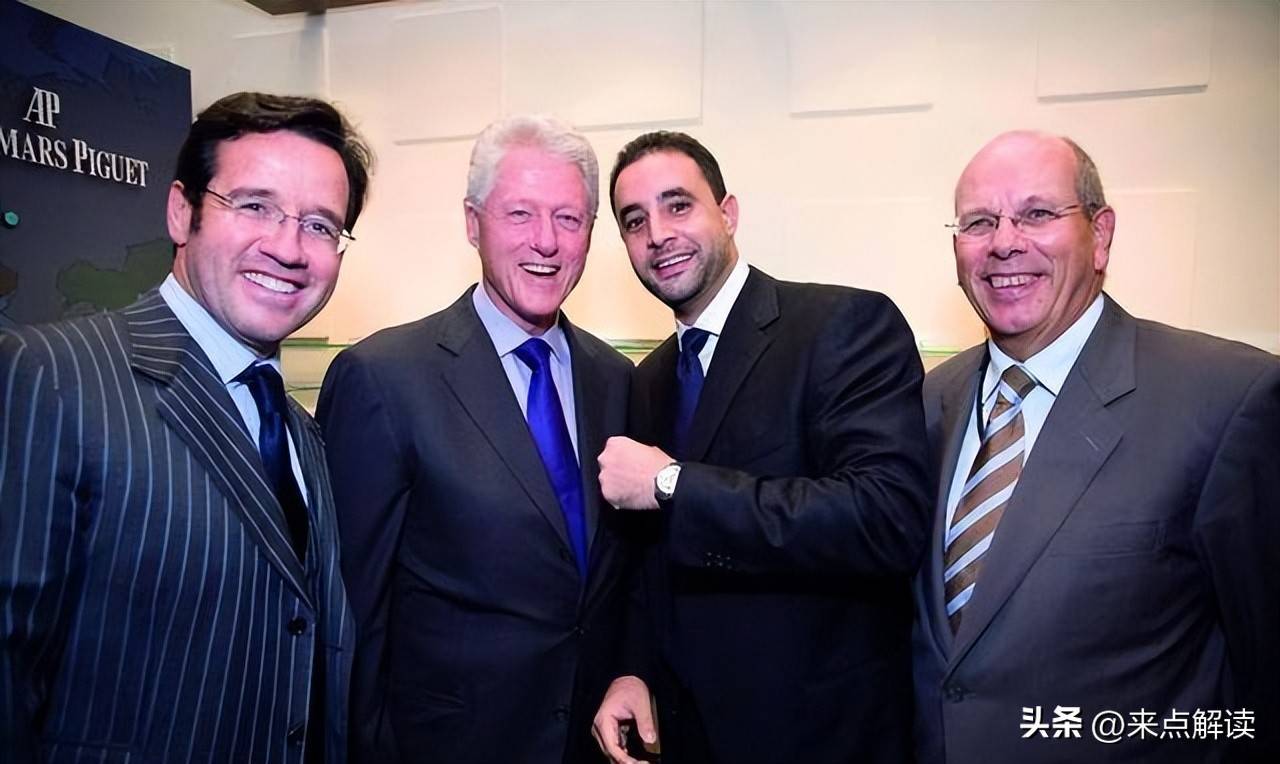
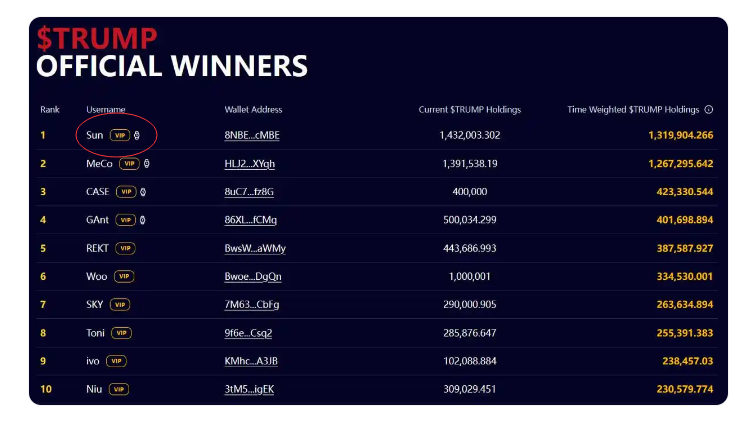
Core Points - Sun Yuchen, known for his unconventional path from winning a writing competition to becoming a major player in cryptocurrency, has invested $75 million in the Trump family-supported project World Liberty Financial (WLFI) [1] - His public image is polarizing, with supporters viewing him as a visionary entrepreneur and critics labeling him a speculator [3] - Sun's cryptocurrency narrative is characterized by evading regulation, starting with the establishment of TRON in 2017, which claims to offer a decentralized platform [4][5] Investment and Regulatory Context - TRON's fundraising occurred just days before a Chinese regulatory ban on token issuance, raising suspicions about Sun's foresight regarding regulatory changes [5] - The project faced accusations of plagiarism in its white paper, suggesting a lack of originality and transparency [5] - Sun's subsequent appointment as Grenada's ambassador to the WTO highlights a controversial shift in his career, leveraging Caribbean citizenship for political protection [6][7] Citizenship and Regulatory Evasion - Sun acquired citizenship from Saint Kitts and Nevis, known for its lax immigration policies, allowing for quick nationality acquisition [8][9] - This citizenship has been associated with facilitating money laundering, making it an attractive option for individuals seeking to evade regulatory scrutiny [9][10] - Sun's strategy involved obtaining multiple citizenships to create legal barriers against potential regulatory actions from stronger nations [12][13] Legal Challenges and Political Connections - The SEC filed a lawsuit against Sun and his companies for unregistered securities issuance and market manipulation, which he contested by claiming the actions were outside U.S. jurisdiction [18][19] - Following a significant investment in Trump-related projects, the SEC paused its civil fraud case against him, raising concerns about political influence in regulatory matters [21][22] - This situation reflects a broader trend of individuals seeking political connections to navigate legal challenges, showcasing the intersection of finance and politics [23] Broader Implications of Neoliberalism - Sun's story exemplifies the contradictions of neoliberal globalization, where market mechanisms often serve elite interests rather than the public good [25][26] - The commodification of citizenship, as seen in Caribbean nations selling citizenship, highlights the challenges to national sovereignty and regulatory frameworks [27] - Sun's narrative of decentralization in cryptocurrency is critiqued as a façade for centralization, undermining the principles of a truly decentralized economy [28][29] Conclusion - Sun Yuchen's trajectory from regulatory evasion to political maneuvering illustrates the inherent flaws in neoliberal ideologies, revealing a significant gap between the ideals of free markets and the realities of power dynamics [32][33]
孟晓苏谈特朗普的“美国版国有化”: 房地产商思维如何重塑美国经济
Feng Huang Wang Cai Jing· 2025-09-16 07:57
Group 1: Core Concept - The article discusses Trump's "American-style nationalization" policies, reflecting a significant shift in economic governance driven by his real estate developer mindset [3][4][13]. Group 2: Real Estate Developer Mindset - Trump's background as a real estate developer influences his governance approach, viewing everything as a negotiable asset and prioritizing immediate returns [4][7]. - The strategy includes converting subsidies into equity, treating key companies as "premium assets," and operating national strategies like business projects [4][7]. Group 3: National and Economic Security - The Trump administration emphasizes the importance of controlling strategic industries like semiconductors and rare earths to ensure national security [5]. - By acquiring stakes in companies like MP Materials, the government aims to reduce reliance on foreign sources, particularly China, and enhance supply chain security [5]. Group 4: Industrial Policy Reconstruction - Trump's approach represents a reaction against decades of neoliberal economic policies, seeking to bind companies more closely to government strategic goals through equity stakes rather than traditional subsidies [6][10]. - This shift marks a transition of the government from a "subsidizer" to a "strategic investor," emphasizing practical returns and national interests [7]. Group 5: Response to Chinese Competition - The administration's strategies include adopting elements of the "Chinese model" to maintain U.S. advantages in key technology sectors [8]. - By forming a "national team" and investing in critical companies, the government aims to consolidate resources for competitive advantage against China [8]. Group 6: Political Pragmatism - The policies are also driven by domestic political considerations, targeting key industries in swing states to secure voter support ahead of elections [9]. Group 7: Fiscal Pressures - The U.S. federal debt exceeding $37 trillion and increasing fiscal pressures motivate the shift towards equity-based funding, potentially transforming subsidies into assets [10]. Group 8: Controversies and Challenges - Trump's policies face criticism for undermining free market principles, creating conflicts of interest, and raising legal concerns regarding the use of subsidy funds [11][12]. - The approach may intensify global competition in industrial policy and national capitalism trends [12]. Group 9: Shift Towards National Capitalism - The combination of Trump's "America First" ideology and real estate mindset may lead the U.S. towards a "national capitalism" model, where the government plays a dominant role in the economy [13][14]. - This governance style raises questions about the future direction of the U.S. economic system, contrasting sharply with traditional free market ideals [14].


打破思想殖民枷锁 绘就文明多样图谱——智库报告揭示美国认知战的手段、根源及国际危害
Xin Hua She· 2025-09-08 01:01
Core Viewpoint - The article discusses the concept of "thought colonialism" as a strategy employed by the United States to exert ideological influence globally, revealing its historical roots and the serious international consequences of such actions [1][2][3]. Group 1: Historical Context and Development - The seeds of American thought colonialism were planted as early as the late 18th century, with actions like the westward expansion and the Monroe Doctrine, which aimed to establish U.S. dominance in Latin America [2]. - Post-World War II, the U.S. linked economic aid to ideological promotion through initiatives like the Marshall Plan, solidifying its influence over capitalist nations and countering Soviet power [2]. - The Cold War era saw the U.S. intensifying its ideological export through media outlets like Voice of America, which disseminated narratives promoting the "free world" [3]. Group 2: Mechanisms of Thought Colonialism - The U.S. employs a complex, multi-layered system for thought colonialism, characterized by government-led strategies, media manipulation, and collaboration with allies [4][5]. - A dual approach of promoting American values while undermining local cultures is evident, with the U.S. using both constructive and destructive tactics to achieve its goals [3][5]. - The U.S. has developed a sophisticated communication network that includes traditional media, digital platforms, and cultural exports to shape global narratives and perceptions [5][6]. Group 3: International Consequences - American thought colonialism has led to the erosion of local ideologies and the destabilization of governments, with the U.S. attempting to overthrow over 50 foreign governments since World War II [7][8]. - The strategy has also involved inciting geopolitical conflicts by spreading misinformation, as seen in the lead-up to the Iraq War [8]. - The long-term impact includes the loss of cultural identity in developing nations, where local elites may adopt pro-American stances, undermining their countries' sovereignty [9][10]. Group 4: Global Response and Future Outlook - There is a growing awareness and resistance among global South countries against American thought colonialism, with calls for independent development and cultural exchange gaining momentum [10][11]. - Initiatives proposed by countries like China aim to provide alternative frameworks for development and governance, challenging the dominance of American ideological narratives [10][11].
硬刚特朗普,卢拉能否带领巴西放弃幻想,抗住美式霸凌
Sou Hu Cai Jing· 2025-09-06 05:40
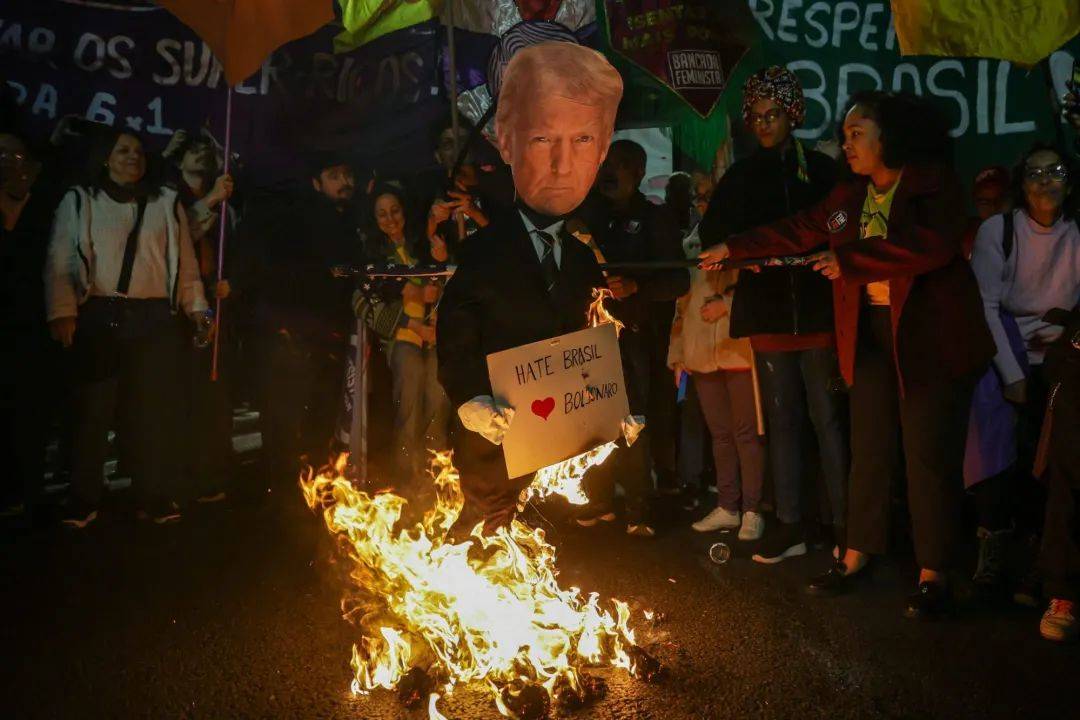
Group 1: Core Insights - Trump's tariff threat against Brazil has raised tariffs by an astonishing 50%, drawing significant attention in international trade [3] - The long-term trade data shows that the US has a cumulative surplus of over $400 billion with Brazil over the past 15 years, with 80% of US exports to Brazil enjoying zero tariffs [3] - Analysts argue that Trump's tariff policy contradicts his stated goal of restoring trade balance and lacks solid economic theory [3] Group 2: Geopolitical Context - Brazil, as the largest and strongest economy in South America, faces immense political and economic pressure from the US [4] - President Lula's pragmatic cooperation approach, termed "Lulaism," is being tested by Trump's aggressive tactics [4] - Lula has publicly criticized Trump's approach, asserting that no foreign leader has the right to dictate to Brazil [4] Group 3: Opportunities and Challenges - The global tariff war initiated by Trump has ironically created new opportunities for Brazil's agriculture and livestock sectors [6] - Lula's ability to withstand Trump's economic pressure will significantly impact Brazil's position in the global trade landscape and South America's strategic standing [6] Group 4: Trade Relations and Responses - Brazil's trade with the US constitutes only 1.7% of its GDP, and the majority of its exports to the US are raw materials, which are in demand globally [29] - Lula's government has shifted to a more confrontational stance against Trump's threats, including the possibility of taxing US internet companies [29] - Protests erupted in São Paulo against Trump's tariff threats, indicating strong domestic backlash [29] Group 5: Historical Context and Lessons - Historical experiences show that South American countries have faced development bottlenecks due to US imperialism, regardless of their chosen strategies [30] - The current geopolitical climate is pushing Brazil towards a more hardline stance, moving away from its traditionally pragmatic approach [30]
法国的全民度假,要取消了?
Hu Xiu· 2025-08-30 08:58
Core Viewpoint - The article discusses the cultural significance of vacation in France, highlighting how it has become a societal norm across all classes, rooted in historical labor and social movements [6][7][13]. Group 1: Historical Context - The first generation post-World War II focused on rebuilding the country, leading to economic recovery and industrial modernization, which laid the foundation for the "Glorious Thirty Years" of growth [9][10]. - The second generation, growing up during economic prosperity, fought for labor rights and social equity, resulting in increased vacation time and a shift in societal values towards leisure [11][12][13]. - The third generation solidified vacation as a legal right, with significant policies introduced in the early 1980s that extended paid vacation to five weeks, impacting the tourism industry positively [20][21]. Group 2: Current Developments - The current discussion in France revolves around a proposal to cancel two public holidays to increase productivity, which is met with widespread opposition and could lead to significant protests [22]. - The article draws parallels between the current situation in France and emerging trends in other countries, where there is a shift towards better work-life balance and labor rights [22][23].

专栏丨谁在制造“债务陷阱”?——一份英国报告揭示的真相
Xin Hua She· 2025-08-18 10:53
Group 1 - A recent report by the UK NGO "Debt Justice" reveals that from 2020 to 2025, 39% of external debt repayments from low-income countries will go to commercial lenders outside of China, while only 13% will go to China [1] - The report highlights that Western commercial lenders and multilateral financial institutions are primarily responsible for the debt crisis in developing countries, contrary to the narrative that blames China as the largest creditor [1][2] - The nature and conditions of the debt are more critical than the amount itself, with Western lenders often imposing high-interest rates and strict repayment terms, leading to a "trap" for developing nations [1] Group 2 - Historical practices by Western nations have significantly impacted the development paths of countries in the Global South, with financial tools being used to impose conditions that undermine economic sovereignty [2] - To address the long-standing debt issues of developing countries, a focus on economic diversification and sustainable development is essential, with China supporting these efforts through long-term investments in infrastructure [2] - The narrative of the "debt trap" reflects a deeper geopolitical struggle for development rights and discourse, with China's cooperative model offering an alternative to the restrictive frameworks imposed by Western debt systems [3]
全球关税:起源、演进历程及对财政的贡献|国际
清华金融评论· 2025-08-17 08:58
Core Viewpoint - Tariffs have re-emerged as a focal point in global economic and trade policies, particularly due to the rise of trade protectionism in the U.S. and the reevaluation of tariff policies by multiple countries amid geopolitical conflicts and fiscal pressures [5]. Summary by Sections Origin and Characteristics of Tariffs - Historically, tariffs originated as a form of transit fee for cross-border goods, primarily aimed at controlling the movement of people and goods, rather than for fiscal purposes [7]. - Tariffs have evolved from being a minor component of national fiscal systems to a crucial tool for economic intervention and revenue generation, especially since the 16th century with the rise of international trade [8][11]. Functions of Tariffs - Tariffs serve three main functions: revenue generation, protection of domestic industries, and economic regulation [11]. - The role of tariffs has shifted over time, influenced by economic development and prevailing economic ideologies, with their revenue-generating function becoming less significant in developed countries [12][19]. Evolution of Tariff Systems - The evolution of global tariff systems can be divided into five main stages from the 16th century to the present, reflecting changes in economic thought and development levels [13][14]. - **First Stage (16th-18th Century)**: Mercantilism dominated, with tariffs primarily used for revenue collection [15]. - **Second Stage (19th Century)**: The rise of free trade theories led to a reduction in tariffs in industrialized nations, while developing countries continued to rely on tariffs for revenue and protection [16]. - **Third Stage (Early 20th Century)**: Protectionism surged post-World War I, reinforcing tariffs as tools for revenue and industry protection [17]. - **Fourth Stage (Post-WWII to 2017)**: Establishment of a global free trade system led to a general decline in tariffs and a shift towards income and consumption taxes as primary revenue sources [18]. - **Fifth Stage (2018-Present)**: A resurgence of protectionism, particularly in the U.S., has seen tariffs used again for industry protection and economic regulation [19]. Dependency on Tariff Revenue - Global economies can be categorized based on their dependency on tariff revenue, with developed economies generally showing low dependency (below 3%), while some developing economies exhibit medium (3%-5%) or high dependency (over 5%) [20][23][26]. - Countries like Japan, Canada, and the U.S. have low tariff revenue contributions to their overall fiscal income, while nations like the Philippines show a high reliance on tariffs due to weaker tax systems [23][28].

“自由市场”从何而来:一场思想史的祛魅之旅
Sou Hu Cai Jing· 2025-08-04 02:55
Core Ideas - The article discusses the evolution of the concept of the free market, linking it to historical philosophical perspectives and the interplay between morality, government intervention, and economic systems [1][5][10]. Historical Context - The free market is not merely a transactional space but a complex interplay of human desires, ideologies, and historical conditions, as articulated by thinkers like Karl Polanyi [2]. - The philosophical roots of modern free market thought can be traced back to Marcus Tullius Cicero, who emphasized the moral and political dimensions of economic freedom [5][6]. Philosophical Perspectives - Cicero's vision of economic freedom was tied to a moral society where land ownership and virtuous behavior were essential for a stable market [5][6]. - The transition from Cicero's moral economy to a rigid philosophical stance on free markets is explored, highlighting concerns from economists like Mises and Friedman regarding government intervention [1][5]. Economic Evolution - The decline of Rome illustrated the necessity of state intervention to restore market order amidst societal collapse, challenging the notion of a self-regulating market [10][11]. - The emergence of commercial republics in 14th-century Europe marked a shift towards a more secular moral view of wealth, where hard work and profit were seen as virtues [11]. The Role of Government - Historical figures like Jean-Baptiste Colbert advocated for a balance between state intervention and market freedom, emphasizing the importance of a stable environment for trade [14][15]. - The article critiques the oversimplified view of free market proponents who dismiss the role of government, arguing that effective governance is crucial for market functionality [26][27]. Modern Implications - The article suggests that the ideal of a self-sustaining market is increasingly questioned in light of economic crises and growing inequality, indicating a need for a reevaluation of the relationship between government and market [26][27]. - It posits that a mixed economic model, incorporating both free market principles and government oversight, is more effective in addressing contemporary challenges [27][28].

深度解析马斯克怒建美国党背后的原因
Hu Xiu· 2025-07-10 00:43
Group 1 - The Biden administration has not yet established a new policy order or reshaped electoral politics, despite passing significant legislation like the CHIPS and Science Act and the Inflation Reduction Act [1][10] - The concept of "post-neoliberalism" indicates the difficulty in achieving a new consensus, as both left and right coalitions are unprepared for the challenges posed by geopolitical, economic, and technological competition [1][2] - The shift from a Fordist economy dominated by large manufacturers to a "fractured" economy driven by intellectual property and financial rents has profound implications for corporate and investor behavior [3][4] Group 2 - Neoliberalism has provided ideological justification for the shift towards a fractured economy, with policy changes acting as key catalysts, such as the reduction of tariffs and the weakening of antitrust laws [5][6] - The hollowing out of manufacturing and the abandonment of capital-intensive industries have weakened the U.S.'s innovation capacity and economic standing, leading to internal tensions and a loss of technological leadership [6][10] - The current political landscape reflects a departure from traditional political projects, with both parties struggling to propose coherent policy agendas, resulting in a fragmented political environment [15][16] Group 3 - The environmental movement has shifted to a more prominent role in national industrial policy, yet it struggles to transcend neoliberal frameworks and mobilize a broad political project [22][23] - The rise of "woke" politics has polarized discussions, making it difficult to form a consensus around economic issues, as both progressives and conservatives cling to their respective narratives [24][25] - The lack of a unifying political project has led to a focus on individual self-fulfillment rather than collective governance, complicating the potential for a new post-neoliberal consensus [27][28]