消费场景创新

Search documents
深圳文旅消费开门红 背后藏着新信号
2 1 Shi Ji Jing Ji Bao Dao· 2026-01-07 07:03
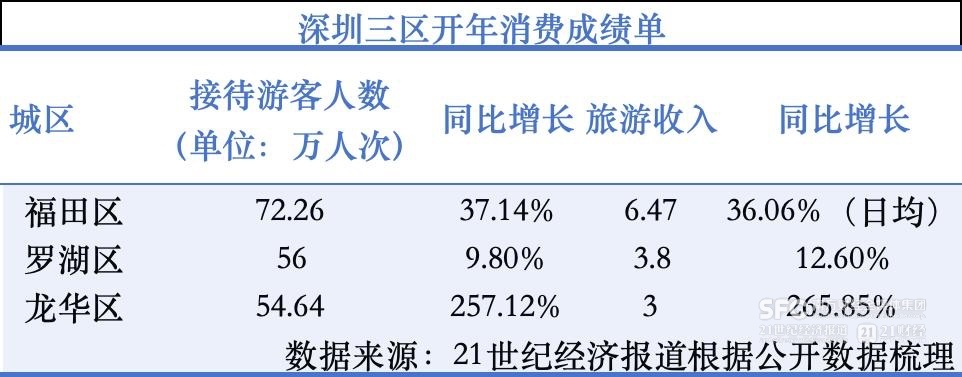
Core Insights - Shenzhen's cultural and tourism consumption market has shown strong performance during the New Year holiday, with a total of 3.1164 million visitors and a tourism revenue of 2.093 billion yuan, reflecting year-on-year growth of 32.3% and 36% respectively [1][2] Group 1: Visitor Statistics - The total number of visitors in Shenzhen during the New Year holiday reached 3.1164 million, with an average daily increase of 32.3% year-on-year [1] - The tourism revenue for the same period was 2.093 billion yuan, with a daily average increase of 36% year-on-year [1] - Specific districts showed notable performance: - Futian District received 722,600 visitors, a year-on-year increase of 37.14%, generating a revenue of 647 million yuan, up 36.06% [2] - Luohu District welcomed over 560,000 visitors, a 9.8% increase, with tourism revenue nearing 380 million yuan, up 12.6% [2] - Longhua District saw a staggering 257.12% increase in visitors, totaling 546,400, and a revenue increase of 265.85%, surpassing 300 million yuan [2] Group 2: Factors Driving Growth - The growth in consumption is attributed to continuous innovation in consumption scenarios, new consumption landmarks, and accelerated integration between Shenzhen and Hong Kong [3][6] - Innovative consumption experiences are being developed, moving beyond traditional shopping to immersive experiences that attract visitors [3] - The introduction of themed consumption landmarks is becoming a new trend, with various districts launching unique attractions that blend art and commerce [5] Group 3: Cross-Border Influence - The acceleration of integration between Shenzhen and Hong Kong has significantly contributed to the increase in consumer traffic, with over 1.18 million people crossing into Hong Kong on January 1, 2026 [6] - Targeted marketing strategies in different districts have been implemented to attract specific demographics, such as international consumers in Futian and young cross-border visitors in Luohu [6] Group 4: Future Opportunities - Future strategies for Shenzhen's consumption growth include developing four major cultural tourism products, such as becoming a "Technology Tourism Capital" and an "Industrial Tourism Destination" [7]

“开门红”!元旦假期武汉线下消费破百亿
2 1 Shi Ji Jing Ji Bao Dao· 2026-01-05 08:33
Core Insights - Wuhan's consumer market showed significant vitality during the New Year holiday, with offline retail spending reaching 10.694 billion yuan, a year-on-year increase of 23.68%, and consumer visits totaling 15.7712 million, also up by 23.69% [1][2] Group 1: Consumer Activity - The theme "Exciting Wuhan Shopping Globally" was central to the New Year celebrations, integrating three major consumption sectors: shopping, dining, and trendy experiences [1] - Major shopping districts reported impressive foot traffic, with over 150,000 visitors at both Wushang Dream Times and MixC on New Year's Eve, and sales at Wuhan Shanshan Outlets expected to exceed 9 million yuan on the first day of the New Year [1] - Innovative consumption scenarios were introduced, blending intangible cultural heritage, technology, and cultural elements, shifting consumer focus from mere material satisfaction to experiential enjoyment [1] Group 2: Event Highlights - The launch of a 7-meter giant fire dance performance at Qunxing City attracted many citizens, allowing them to enjoy traditional performances while shopping and dining [2] - Henglong Plaza's "New Year Kickoff Carnival Night" featured music and magic performances, enhancing the artistic atmosphere for visitors [2] - The "Get Rich Soon" themed street at Chuhe Han Street became a popular photo spot for young people, showcasing a giant fortune god installation [2] Group 3: Government Initiatives - Wuhan's consumer promotion policies played a crucial role in the successful holiday season, with over a hundred unique activities launched across various sectors [2] - The government is focused on creating diverse consumption scenarios, linking food, travel, shopping, and entertainment, while continuing to issue consumption vouchers and encouraging innovation in shopping districts [2][3] - The cross-year international consumption season in Wuhan will last until February 2026, featuring various activities across shopping, dining, cultural entertainment, tourism, and sports [3]
新年消费开门红!全国多地文旅商体展消费场景全面上新
Sou Hu Cai Jing· 2026-01-04 15:18
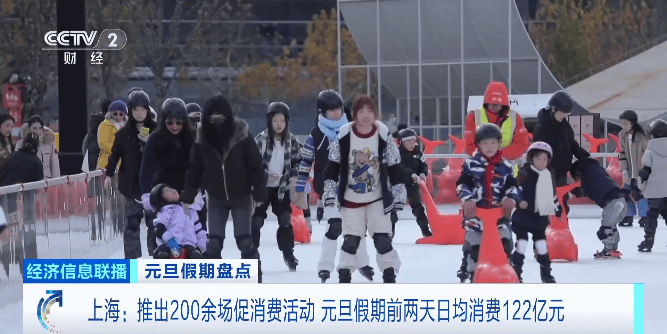
Group 1 - The core viewpoint of the articles highlights the revival of consumer spending during the New Year period, driven by various promotional activities and government initiatives across multiple regions [1][3][5][7]. Group 2 - In Shanghai, over 200 promotional activities were launched during the "New Year Celebration Season," resulting in an average daily consumption of 12.2 billion yuan, a year-on-year increase of 2.5% [3]. - The average daily foot traffic in 35 key commercial areas in Shanghai reached 6.399 million, reflecting a year-on-year growth of 5.4% [3]. Group 3 - In Qinghai, 12 key commercial enterprises reported sales of 23.37 million yuan on New Year's Eve, marking a year-on-year increase of 5.62% [5]. - The province initiated a "trade-in" program for consumer goods starting January 1, 2026, distributing nearly 2,000 consumption vouchers daily [5]. Group 4 - In Changsha, Hunan Province, 10 million yuan in government funds were allocated for consumption vouchers, leading to a total consumption benefit exceeding 300 million yuan [7]. - Retail sales in 33 monitored enterprises in Changsha surpassed 12.4 million yuan on January 1, showing a significant year-on-year growth of 42.43% [7]. Group 5 - The core area of the Wuyi commercial district in Changsha experienced foot traffic exceeding 2.8 million during the New Year holiday [7]. - A staff member from a Changsha shopping mall reported an average daily foot traffic of over 200,000, with sales growth exceeding 20% [9].
昆明消费市场迎来“开门红”
Xin Lang Cai Jing· 2026-01-03 22:20
Core Insights - The New Year's holiday in Kunming has seen a significant boost in consumer activity, driven by a series of innovative events and promotions aimed at enhancing the "Buy in China, Enjoy Spring City" brand effect [1][2][8] Group 1: Consumer Events and Activities - The New Year's Eve celebrations featured over a hundred diverse promotional activities across major commercial districts, creating a vibrant consumer atmosphere [2] - Key locations such as Dongfeng Square and Nanping Walking Street hosted high-quality events, including a large-scale music concert and various cultural performances [2][3] - The first Chinese Coffee Creative Theme Event was launched, showcasing Kunming's coffee culture and promoting local consumption habits [3] Group 2: Differentiated Consumption Experiences - Various districts in Kunming developed unique consumption experiences that leveraged local natural and cultural resources, creating a new consumption landscape [4] - The West District's "36-hour non-stop" event combined multiple entertainment forms, enhancing visitor engagement through immersive experiences [4] - The Guandu District transformed agricultural land and old factories into unique consumer experience zones, promoting ecological and cultural values [4] Group 3: Integration of Diverse Consumption Models - Major commercial areas demonstrated strong innovative capabilities by integrating traditional retail, cultural experiences, and entertainment to meet diverse consumer demands [5][6] - Events like the New Year's music festival and themed activities attracted various demographics, including families and young consumers [5][6] Group 4: Sports and Commercial Integration - A significant sports event was integrated with commercial spaces, creating "second viewing" points across the city, enhancing the spectator experience while driving foot traffic to local businesses [7] - This innovative "sports + commerce" model not only improved the viewing experience for fans but also increased consumer spending in surrounding areas [7] Group 5: Future Consumer Strategies - The Kunming Municipal Bureau of Commerce plans to continue promoting consumption through a series of themed events and activities throughout the year, focusing on seasonal and cultural engagement [8] - Upcoming initiatives include a variety of consumer festivals and activities designed to enhance participation and stimulate local economic growth [8]
挖掘文旅体育等新增长点 擦亮首发经济品牌
Xin Lang Cai Jing· 2025-12-30 20:11
Group 1 - The core viewpoint emphasizes the need to stimulate consumer vitality in Chengdu by exploring new growth points in cultural tourism and sports, while enhancing traditional consumption and expanding new consumption [1][2] - Chengdu's economic work meeting highlighted the importance of continuously expanding effective demand and exploring new spaces for domestic demand growth as a key task for 2026 [1] - The city plans to implement a special action to boost consumption, including initiatives like trade-in programs for consumer goods and enhancing service quality in sectors such as dining and housekeeping [1][2] Group 2 - The Chengdu Retail Association is focused on driving innovation in commercial products, new business formats, and consumer scenarios, with plans to launch a new list of consumer scenarios by 2026 [2] - The "Rongqi Rongpin Going Global" initiative has shown positive results, with Chengdu's foreign trade reaching 775 billion yuan, accounting for 82.9% of the province's total foreign trade value [2] - The city aims to strengthen its overseas service platforms and expand into markets along the Belt and Road, while providing tailored support for foreign trade enterprises [2]
李军:场景相融促进消费扩容
Jing Ji Ri Bao· 2025-12-30 00:32
Core Viewpoint - The article emphasizes the growth of consumer momentum in China driven by policies such as trade-in programs, highlighting the importance of expanding service consumption and creating new consumption scenarios through innovation and technology [1] Group 1: Current Trends in Consumption - China's consumption landscape is characterized by digitalization, integration, and greening, with technologies like 5G, AI, and VR enhancing the consumer experience [1] - The integration of various sectors is breaking down industry boundaries, leading to the emergence of cross-sector consumption scenarios such as "consumption + culture and tourism" and "consumption + health" [1] - The transition towards green consumption is becoming a significant trend, with rapid adoption of new energy vehicle charging scenarios and smart home energy management systems [1] Group 2: Advantages of Building Consumption Scenarios - China benefits from a massive market that drives consumer demand, exemplified by the live e-commerce market growing from less than 500 billion yuan in 2019 to 5.8 trillion yuan by 2024, a tenfold increase [2] - The digital infrastructure supports this growth, with China accounting for over 60% of global 5G base stations and a mobile payment penetration rate of 86%, facilitating scenarios like contactless payments [2] - Targeted policy initiatives, such as the "smart business district" pilot by the Ministry of Commerce, are fostering an innovative environment for consumption scenario development [2] Group 3: Challenges in Consumption Scenario Development - There are shortcomings in China's consumption scenario development, including an incomplete ecological collaboration mechanism and low cross-departmental data sharing, leading to prolonged conversion cycles from technology research to practical application [2] - Regional disparities exist, with first-tier cities dominating innovation while third and fourth-tier cities still rely on traditional consumption models, and rural areas face challenges like insufficient cold chain logistics [2] - The standard system is lagging, with high complaint rates regarding false advertising in live streaming and data security breaches, indicating a need for improved evaluation standards and service norms [2] Group 4: Recommendations for Enhancing Consumption Scenarios - Strengthening top-level design and policy support systems is essential, including establishing a national-level consumption scenario innovation fund to support new consumption themes [3] - Enhancing technological empowerment through the use of VR, AR, and AI to create immersive consumption experiences and building "consumption scenario innovation laboratories" to shorten the technology-to-application cycle [3] - Promoting cross-industry integration by developing "consumption + metaverse," "consumption + health," and "consumption + education" scenarios, and supporting the revitalization of traditional brands through technology [4]
多元融合成引擎 消费市场添活力
Sou Hu Cai Jing· 2025-12-29 20:10
Core Insights - Beijing has seen a significant increase in commercial facilities and brand stores, with over 1 million square meters of new large commercial spaces and nearly 1,000 brand flagship stores opening in the past year, enhancing consumer potential and market supply [2][4]. Group 1: New Commercial Developments - The opening of new commercial spaces like Zhonghai Dajixiang has attracted both locals and tourists, becoming a popular destination for relaxation and cultural experiences [3]. - Various districts in Beijing have introduced new commercial entities, such as D.P.One in Fangshan, which integrates culture, art, and social atmosphere, and the new shopping areas in Chaoyang and Haidian, contributing to the city's commercial vitality [4]. Group 2: Revitalization of Existing Commercial Areas - The renovation of traditional shopping areas, such as the Friendship Store, has transformed them into trendy social hubs, blending historical elements with modern retail experiences [5]. - The city is actively promoting the upgrade of older commercial districts, with significant improvements in areas like Zhongguancun and Qianmen, supported by financial incentives for qualifying projects [5][6]. Group 3: Cultural and Entertainment Integration - The integration of cultural and entertainment experiences within shopping centers is on the rise, with venues hosting concerts and immersive performances, enhancing the overall consumer experience [7][8]. - Events and activities linked to cultural themes, such as film festivals and art exhibitions, are becoming popular, driving foot traffic and engagement in commercial areas [8].
紧抓假日消费潜力释放窗口期
Zheng Quan Ri Bao· 2025-12-28 16:11
Group 1 - Consumption has become a crucial engine for economic growth in China, with holidays serving as key windows for concentrated consumer demand release [1] - The recent notice from the Central Committee and State Council emphasizes expanding the supply of quality goods and services, innovating diverse consumption scenarios, and stimulating holiday consumption potential [1] - The deployment accurately addresses the current supply-demand relationship in the consumer market, providing short-term consumption boosts and long-term growth direction through supply-side quality enhancement and scenario innovation [1] Group 2 - The Chinese consumer market is characterized by simultaneous total expansion and structural upgrading, with rising income levels leading to a shift from basic needs to quality and experiential consumption [2] - The emphasis on expanding the supply of quality goods and services aligns with the trend of consumption upgrading, aiming to effectively connect supply capabilities with consumer demand [2] - Innovation in consumption scenarios is identified as a key driver to break traditional consumption models and release incremental demand, with recent examples illustrating the shift from single shopping to multi-experience consumption [2] Group 3 - The policy deployment of expanding quality goods and services and innovating diverse consumption scenarios is a pragmatic response to structural challenges in the current consumer market and a strategic approach to long-term domestic demand expansion [2] - To facilitate the transformation from short-term stimulation to long-term growth, three focus areas are suggested: increasing R&D investment by enterprises, improving consumer income expectations and social security systems, and promoting successful scenario innovation experiences into regular consumption practices [2] - Holiday consumption serves as an important window to observe economic vitality and a valuable opportunity to cultivate new growth momentum, requiring both short-term demand stimulation and long-term policy guidance for industry upgrades [3]
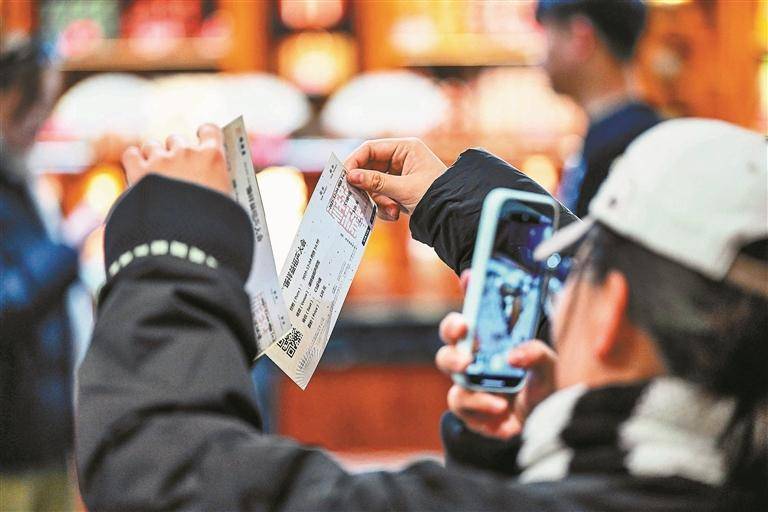
一张影院小票根 玩出城市大生意
Sou Hu Cai Jing· 2025-12-25 23:12
Core Insights - The "ticket root economy" is an innovative economic model that extends movie consumption from cinemas to the entire urban consumption chain, enhancing consumer engagement and creating new opportunities in the cultural tourism landscape [2] Group 1: Ticket Root Economy Overview - The ticket root economy integrates various consumption activities, such as movies, events, and exhibitions, with local businesses to offer cross-scenario discounts, stimulating urban consumption [2] - This new model is gaining traction across multiple cities in China, transforming small ticketing interactions into significant consumption gateways [2] Group 2: Case Studies and Examples - The release of "Zootopia 2" has demonstrated the power of its IP, with themed pop-up stores attracting long queues, where consumers can exchange movie tickets for exclusive merchandise [3] - During the National Day holiday, a collaboration between China UnionPay and Maoyan Entertainment launched a "food map" that provides dining discounts based on movie ticket purchases, covering 12,000 cinemas nationwide [3] - The film "The Volunteer Army: Blood and Peace" allows ticket holders to enjoy discounts at partner hotels, resulting in a 50% increase in daily visitor numbers at the associated film base during the holiday [4] Group 3: Regional Performance and Economic Impact - Guangdong province has maintained its position as the top box office region in China for 23 consecutive years, with a total box office exceeding 60.7 billion yuan and over 1.45 billion admissions [6] - Shenzhen's box office reached 1.556 billion yuan in 2023, with two cinemas ranking among the top ten in the country, showcasing the city's strong market presence [6] - The ticket root economy in Shenzhen is driven by cinema partnerships with local businesses and promotional collaborations with brands, enhancing the overall consumer experience [6] Group 4: Future Development and Strategic Recommendations - The success of the ticket root economy relies on leveraging popular IPs, such as influential films and events, to drive consumer engagement [7] - Recommendations for enhancing the ticket root economy include expanding the range of applicable scenarios, increasing policy and financial support, and utilizing digital technologies for better consumer targeting [7] - The ticket root economy is viewed as a significant driver of economic soft power, positioning films as a starting point for broader economic activities [7]
科技赋能促对接 场景创新焕活力 成都举办消费新场景供需对接会
Sou Hu Cai Jing· 2025-12-23 23:15
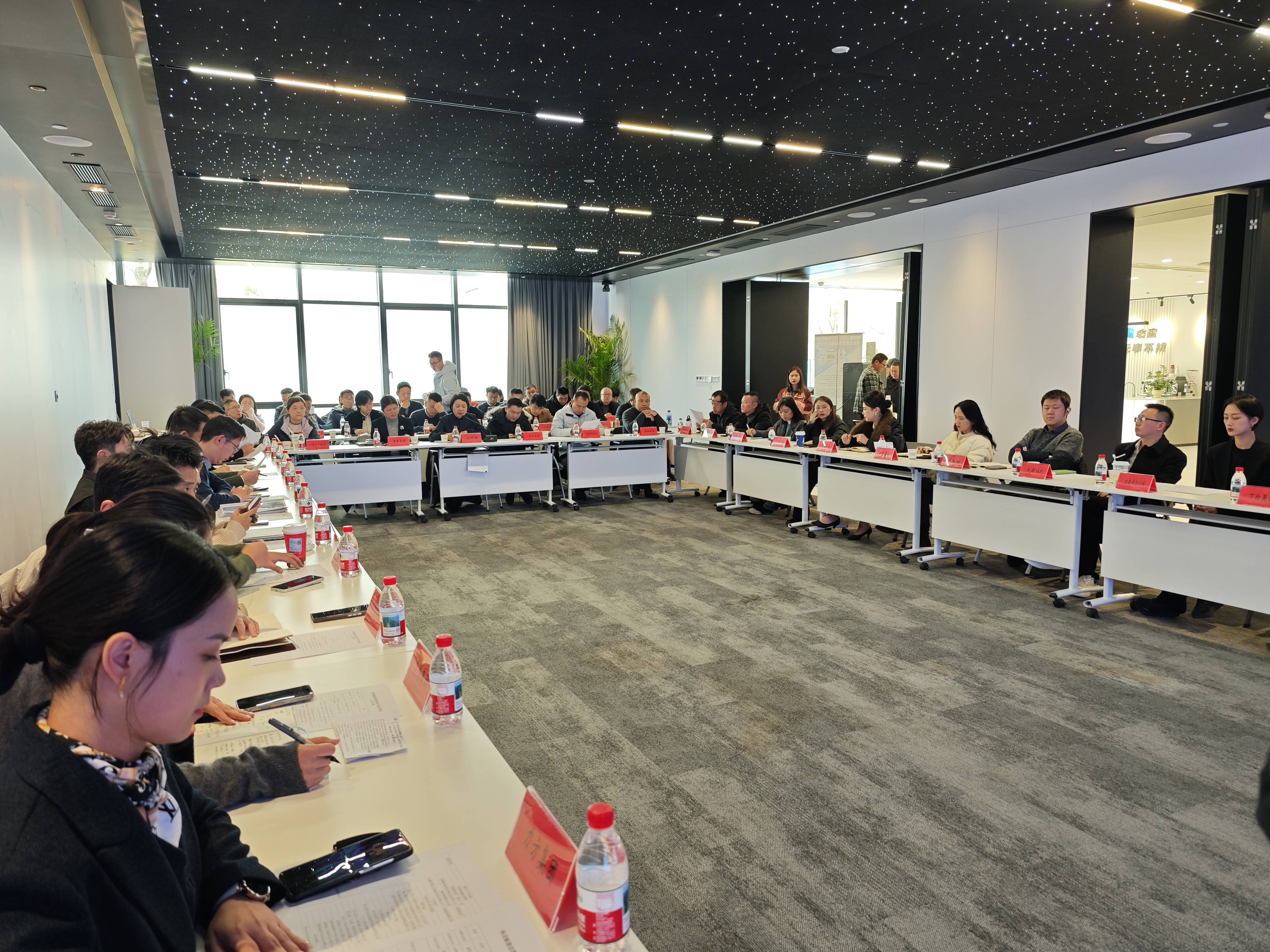
红星新闻网(记者 李婉清)12月23日报道 为加速数字经济与实体经济深度融合,打通技术供给与消费需求的精准衔接通道,12月23日,成都市商务局联合 市经信局新经济委举办科技赋能消费新场景供需对接会。市发改委、市科技局等市级部门相关负责人,四川天府新区、成都高新区等区(市)县商务主管部 门相关负责人,商务商贸园区代表,消费场景运营商,智能制造、AI应用、电商平台等领域企业代表,以及相关行业协会负责人齐聚一堂,共商消费场景 创新发展路径,助力成都加快国际消费中心城市建设。 此次对接会以"搭建平台、整合资源、推动落地"为核心,设置政策解读、需求发布、供给展示、基金推介、互动洽谈等环节,精准匹配供需两端需求,为参 会各方搭建起高效沟通的桥梁。 政策解读环节,市商务局相关负责人详细解读成都消费场景升级配套政策,涵盖新业态新模式新场景试点城市和国际化消费环境建设城市配套政策,以及省 级"蜀里安逸"消费新场景培育及相关奖补政策。清晰的政策解读让参会企业精准把握政策导向,不少企业代表表示,政策红利的释放为企业参与场景建设提 供了明确指引,也增强了大家扎根成都、布局消费新场景的信心。 交流发言环节,现场互动氛围热烈。场景需求方 ...