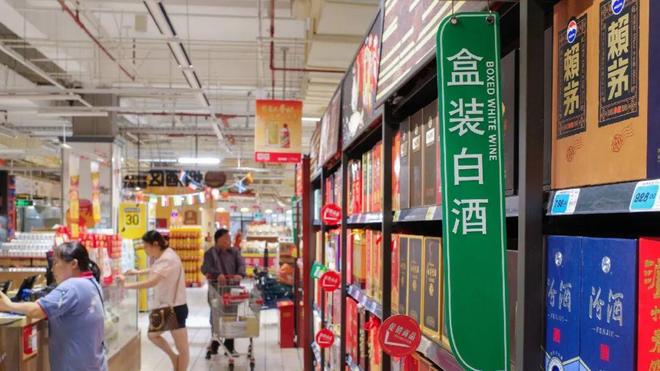
白酒行业深度调整

Search documents
酒企厂商博弈加剧、新年任务难定,能否共度寒冬
第一财经· 2025-12-17 06:04
Core Viewpoint - The white liquor market is experiencing significant adjustments, leading to a more complex relationship between liquor companies and distributors as they negotiate sales targets for the upcoming year [1][2]. Group 1: Market Conditions - Sales for liquor companies have declined by 20-30% compared to last year, with reduced demand from corporate clients and a noticeable drop in group purchase orders [1]. - Distributors express concerns over the lack of clarity regarding sales targets and the "opening red" incentives typically offered by liquor companies [1]. - The current market environment has led both liquor companies and distributors to adopt a "wait-and-see" approach regarding sales tasks for the new year [1]. Group 2: Company Responses - Unlike previous years, liquor companies are adopting a more lenient approach towards distributors, recognizing the pressure of potential distributor exits and the challenges of recruiting new ones [2]. - There is currently no clear "opening red" policy from liquor companies, as they are considering the actual operating conditions of distributors before setting targets [2]. - For publicly listed liquor companies, adjusting sales targets poses a dilemma, as it directly impacts revenue and net profit metrics [2]. Group 3: Industry Challenges - The liquor industry is facing a dual challenge: the need to maintain sales during peak seasons while also managing inventory levels to stabilize market prices [4]. - The industry is undergoing a deep adjustment characterized by high inventory levels and changing consumer preferences, necessitating a focus on quality and sustainable business models rather than mere expansion [4].

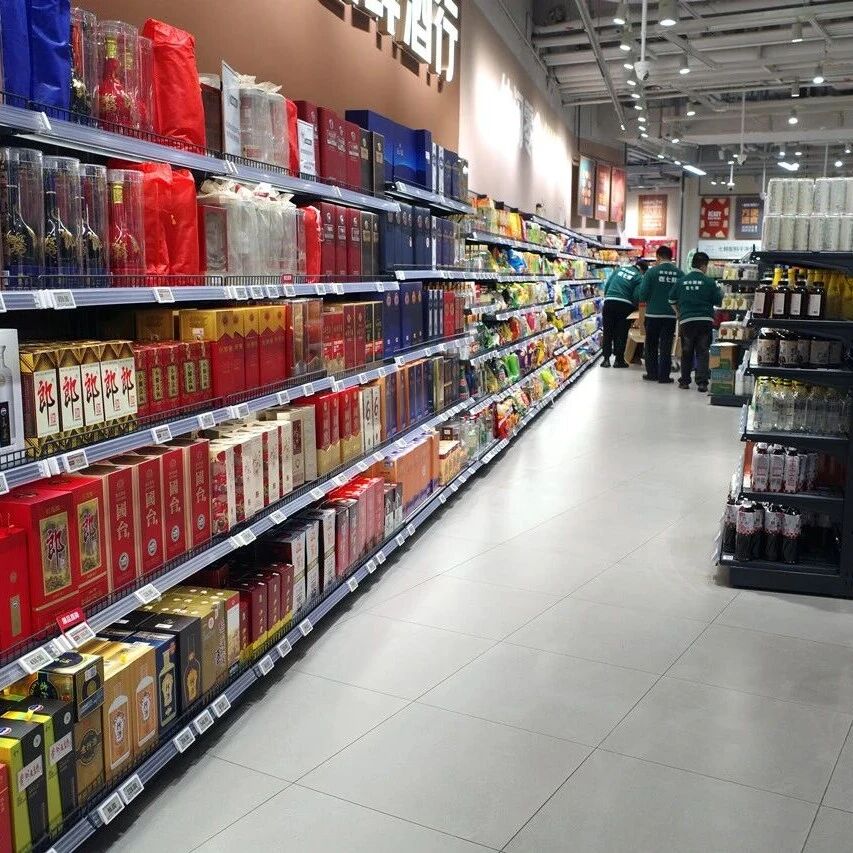
一天多次涨价还断货!飞天茅台批价逼近1600元,经销商称茅台控量
Sou Hu Cai Jing· 2025-12-14 21:46
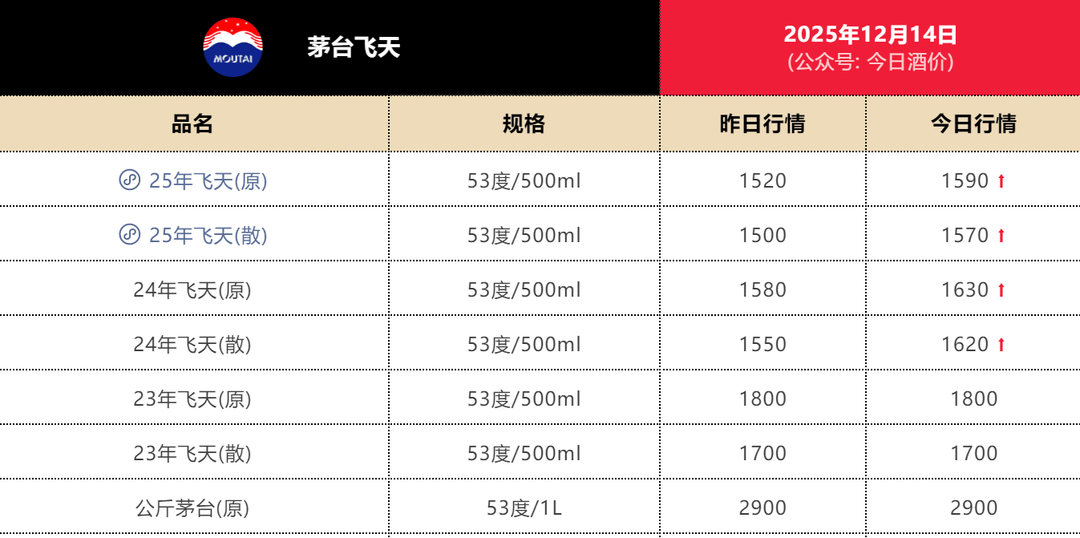
Core Viewpoint - Kweichow Moutai has implemented a volume control policy, halting the distribution of all Moutai products to distributors until January 1, 2026, leading to a significant price increase for its flagship product, the 25-year Flying Moutai [1][2][3][4]. Group 1: Volume Control Policy - The volume control policy includes short-term measures to alleviate financial pressure on distributors during a tight cash flow period [2][4]. - Moutai will stop supplying all products to distributors until the end of 2025, with plans to resume distribution in early 2026 [3][4]. - The long-term structural reform aims to significantly reduce the quota of non-standard products, which will help decrease profit erosion in distribution channels [5]. Group 2: Price Impact - The price of the 25-year Flying Moutai has surged nearly 100 yuan over two days, reaching close to 1600 yuan per bottle [1]. - As of December 14, the wholesale price for the 25-year Flying Moutai reached 1590 yuan for original boxes and 1570 yuan for loose bottles, reflecting a substantial increase from previous days [1]. - Distributors report that the retail price for the 25-year Flying Moutai has risen above 1750 yuan per bottle, with some products already out of stock [7]. Group 3: Market Context - The white liquor industry is currently undergoing a deep adjustment phase, with Moutai's chairman emphasizing the importance of balancing short-term and long-term strategies without sacrificing long-term growth for immediate gains [7]. - In contrast to Moutai's volume control policy, Wuliangye has introduced a marketing incentive by lowering the invoice price for distributors starting in 2026 [8]. - As of December 12, Kweichow Moutai's stock was priced at 1420.65 yuan per share, with a year-to-date decline of 4.95% [8].

400亿分红!白酒市场信心获提振 顺价求生能否重写生存法则
Xin Hua Cai Jing· 2025-12-11 06:54
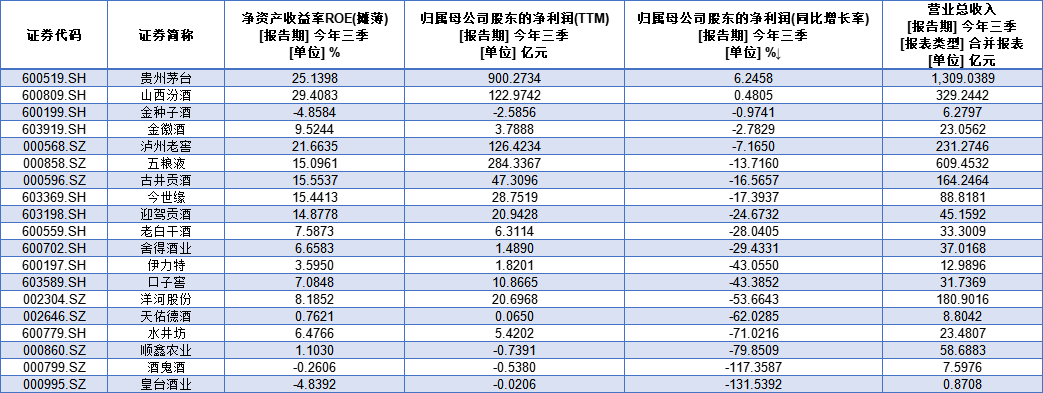
Core Viewpoint - The Chinese liquor industry is undergoing a significant value reshaping in 2025, with high-end liquor prices facing downward pressure and a structural reform in supply-side management [1][2]. Industry Overview - The liquor industry is experiencing a deep adjustment driven by fundamental changes in demand, leading to challenges such as inventory buildup, price inversions, and slowing growth indicators [2][8]. - The A-share liquor index has dropped nearly 14% this year, contrasting with the overall market's upward trend, indicating a significant decline in the once "star" sector [2]. Financial Performance - In the first three quarters of 2025, only Kweichow Moutai and Shanxi Fenjiu reported growth in net profit attributable to shareholders, highlighting the financial struggles of many liquor companies [2]. - Major liquor companies, including Kweichow Moutai and Wuliangye, announced over 40 billion yuan in dividends for the mid-2025 period, maintaining a tradition of shareholder returns despite industry challenges [2][3]. Profitability and Market Share - The six major liquor companies (Moutai, Wuliangye, Fenjiu, Yanghe, Luzhou Laojiao, and Gujing Gongjiu) collectively accounted for over 90% of the industry's total revenue and profit, showcasing their strong pricing power and risk resilience [3][4]. - The average net profit margin for these companies exceeds 20%, making them rare quality assets in the A-share market [3]. Market Dynamics - Wuliangye's recent price cuts are seen as a potential catalyst for broader market changes, aimed at reducing inventory and supporting distributors [7][9]. - The industry is in a "proactive destocking" phase, with companies like Moutai controlling shipments to alleviate distributor inventory pressure [8][9]. Future Outlook - Analysts predict that the current industry adjustment may last until spring 2026, with a focus on maintaining channel health and promoting genuine consumption [8][10]. - The industry is expected to undergo a transformation, with a shift towards quality innovation and targeting younger demographics, as well as integrating online and offline marketing strategies [10][11].


五粮液渠道补贴背后:白酒行业深度调整下的破局与困局
Xin Lang Cai Jing· 2025-12-09 10:16
Group 1 - The core point of the article is that Wuliangye's recent channel policy adjustment, which effectively reduces the price of its flagship product, reflects the company's proactive response to operational pressures and the collective challenges faced by the liquor industry during a deep adjustment period [1][6] - Wuliangye's price adjustment is not a direct reduction of the factory price but rather an "official subsidy" to alleviate channel burdens, maintaining the factory price at 1019 yuan per bottle while allowing distributors to invoice at 900 yuan per bottle through discounts [2][7] - The adjustment is driven by significant pressures on channels and declining performance, with the market circulation price for Wuliangye's product on platforms like Tmall and JD.com being around 850 yuan per bottle, which is substantially lower than the factory price [2][8] Group 2 - Wuliangye's performance data indicates severe operational pressure, with a revenue of 60.945 billion yuan for the first three quarters of 2025, a year-on-year decline of 10.26%, and a net profit of 21.511 billion yuan, down 13.72%, marking the first revenue decline since 2015 [3][8] - The adjustment is historically significant, as it marks the first effective price reduction since 2014, when the factory price was lowered from 729 yuan to 609 yuan per bottle, highlighting a rapid market reversal within just over a year [3][8] - The high-end liquor market is experiencing collective pressure, with leading companies facing challenges to their traditional pricing strategies, leading to a shift from "volume decline with profit increase" to "decline in both volume and price" since 2025 [4][9] Group 3 - The price inversion phenomenon is widespread, particularly severe in the 800 to 1500 yuan price range, with different price segments showing distinct development trends [4][9] - The high-end market is trapped in a "volume-price decline" cycle due to reliance on business banquets and gift consumption, while the mid-range market faces intense competition with low consumer loyalty, leading to a common practice of "price for volume" [4][9] - The low-price market has seen growth in sales below 100 yuan, but the limited profit margins make it a strategic move for maintaining market share rather than supporting profit growth for leading companies [4][9]
“价格锚”松动!飞天茅台批价连跌,白酒何时企稳?
Sou Hu Cai Jing· 2025-12-04 10:47
Industry Overview - The liquor industry is currently in a deep adjustment period, entering a "stock competition" era, with companies facing high channel inventory, product price inversion, and slowing growth rates [2] - The A-share liquor index has seen a cumulative decline of over 15% this year, underperforming in a generally hot market and dragging down the overall market [2] Performance Analysis - In the first three quarters of 2025, most liquor stocks experienced a slowdown in performance, with only Kweichow Moutai and Shanxi Fenjiu reporting profit growth, while others, including Shunxin Agriculture and Jiu Gui Jiu, faced significant declines [2][3] - Kweichow Moutai's total revenue reached 130.9 billion yuan, a year-on-year increase of 6.32%, with net profit at 64.63 billion yuan, also up 6.25%, marking a multi-year low in growth rates [3][4] Specific Company Performance - Kweichow Moutai's third-quarter revenue was 39.06 billion yuan, growing only 0.56%, while its net profit increased by 0.48%, indicating further slowdown [4] - Wuliangye's performance was notably poor, with total revenue of 60.95 billion yuan, down 10.26%, and net profit of 21.51 billion yuan, down 13.72%, with a staggering 52.66% drop in third-quarter revenue [4][5] Price Trends - The price of Feitian Moutai has significantly declined, with wholesale prices dropping below 1,600 yuan, down nearly 30% from around 2,200 yuan at the beginning of the year [6] - The decline in Feitian Moutai's price has affected pricing strategies across the industry, leading to a collective drop in prices among lower-tier products [6][7] Market Sentiment and Future Outlook - The industry is experiencing a liquidity trap, with declines in business banquets, gift-giving, and investment collections contributing to the downturn [7] - Some companies, particularly those with weaker financial positions, are facing severe challenges, as evidenced by the financial troubles of Guizhou Wuyou Liquor [8][9] - Despite the current challenges, some analysts remain optimistic about the long-term prospects of the liquor industry, suggesting that the sector may be nearing a bottom and could see recovery driven by macroeconomic factors and consumer sentiment [13][15]
又一家茅台镇酒厂被传“爆雷”,董事长发文道歉
阿尔法工场研究院· 2025-12-04 00:06
Core Viewpoint - Guizhou Wuyou Liquor Industry is facing significant operational challenges, including being listed as an executed party due to a debt of approximately 62.55 million yuan, which reflects the company's aggressive expansion strategy and misjudgment of market trends [4][6][7]. Group 1: Company Situation - Guizhou Wuyou Liquor Industry was recently listed as an executed party with a total execution amount of about 62.55 million yuan, indicating potential financial distress [6]. - The founder, Yuan Mingquan, acknowledged the company's aggressive expansion and misjudgment of market trends, which contributed to its current difficulties [7][16]. - The company has halted all non-core expansions and investments, entering a "wartime state" focused on survival and stabilizing its operations [7][16]. Group 2: Industry Context - The liquor industry is undergoing a significant adjustment, with many small to medium-sized enterprises facing operational issues, as seen with other companies like Sichuan Xiantan Liquor and Shandong Bandaojing [8][10]. - The overall production capacity of Chinese liquor is projected to decline by 13.3% in 2024, marking the first decrease in nearly six years, which adds pressure on mid-sized brands [16]. - Many local liquor manufacturers have reduced production by 40% to 60% this year, reflecting the challenging market environment [16].
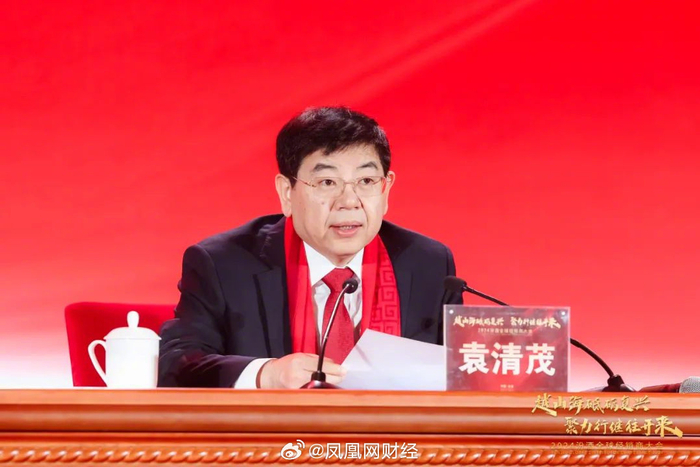
汾酒董事长袁清茂称白酒行业传统经验几乎失效
Cai Jing Wang· 2025-12-03 02:48
Core Viewpoint - The current state of the liquor industry, particularly the white liquor sector, is challenging, with traditional consumption patterns becoming less effective as the market evolves [1] Industry Summary - The white liquor industry has experienced its worst performance in nearly a decade during the third quarter of this year, with many companies struggling [1] - The traditional consumption model, which relied heavily on government and business scenarios, is no longer sustainable as consumer preferences shift [1] - There is a growing need for companies to focus on casual drinking scenarios, such as home consumption and social gatherings, which have been largely overlooked [1] Company Summary - Shanxi Fenjiu is one of the few companies that maintained growth, reporting a revenue of 32.92 billion yuan, a 5% increase year-on-year, and a net profit of 11.41 billion yuan, up 0.5% year-on-year for the first three quarters of 2025 [1] - The company’s performance at the recent global dealer conference has drawn significant attention within the industry [1] - The chairman of Shanxi Fenjiu, Yuan Qingmao, emphasized the need for the industry to adapt to a market that balances traditional values with modern consumer preferences, indicating a future where both social and personal consumption will coexist [1]
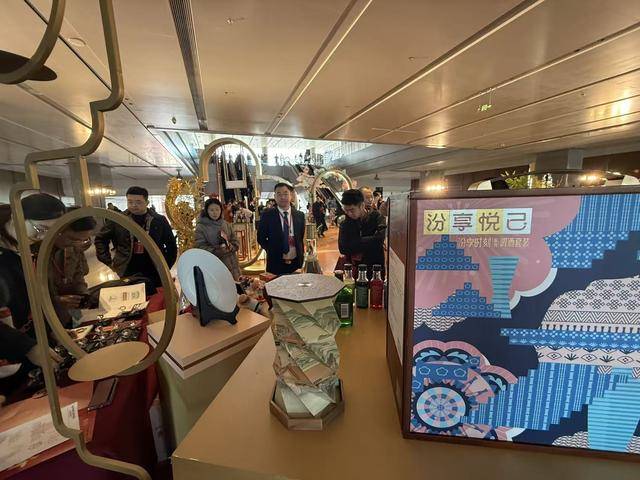
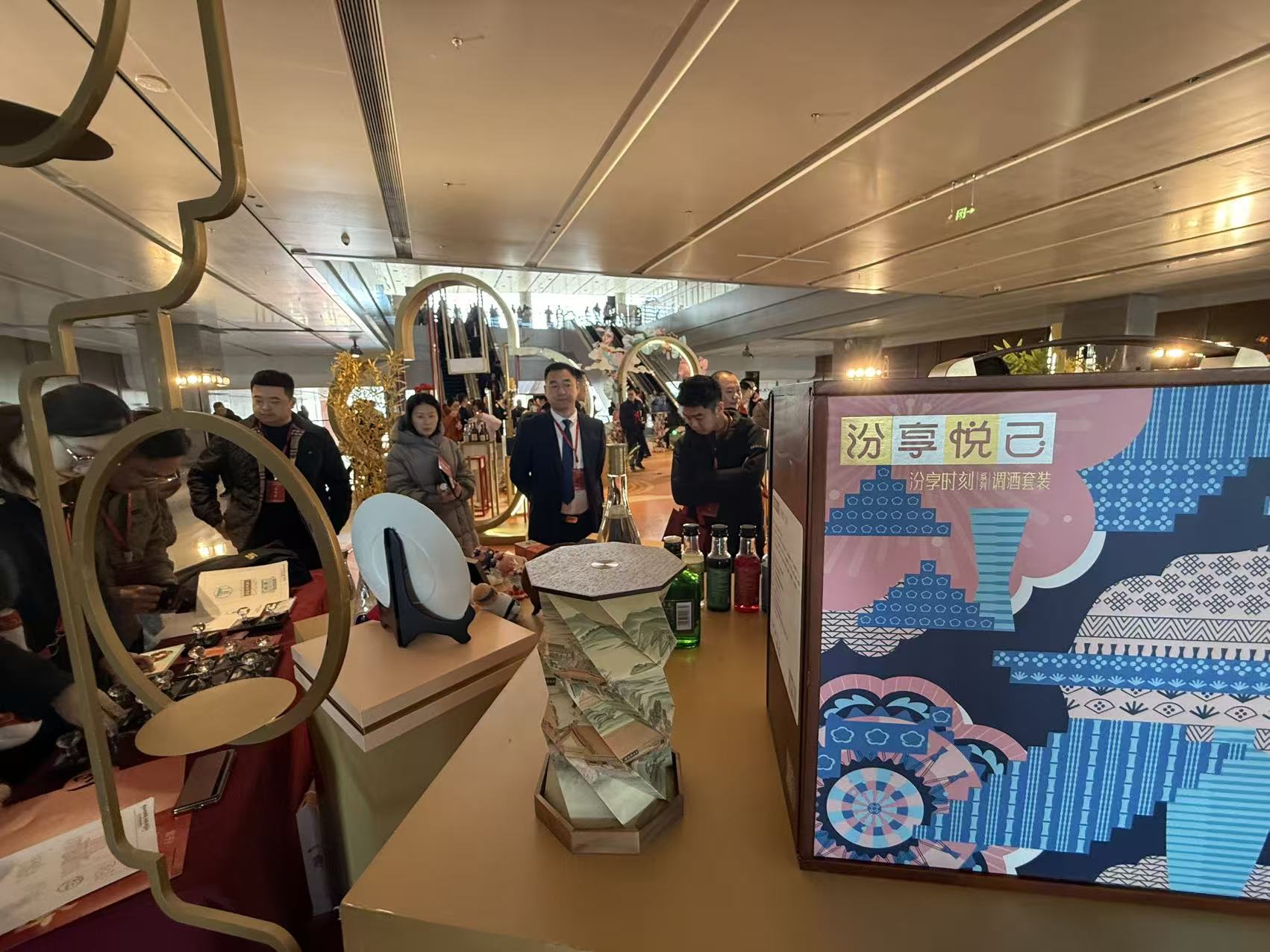
汾酒董事长:白酒行业过得不容易,重点关注悦己消费
Sou Hu Cai Jing· 2025-12-02 12:25
Core Insights - The Chinese liquor industry is undergoing a significant adjustment, shifting from a growth model primarily driven by government and business consumption to a new paradigm that emphasizes both "pleasing others" and "self-pleasing" [1][2] - Shanxi Fenjiu is one of the few companies maintaining growth amidst a challenging market, reporting a revenue of 32.92 billion yuan, a 5% increase year-on-year, and a net profit of 11.41 billion yuan, up 0.5% [1] - The traditional consumption patterns are becoming less effective, necessitating a reevaluation of market strategies by liquor companies [1][5] Industry Trends - The rise of self-pleasing consumption is impacting the social attributes of liquor, leading to a market that will feature a coexistence of traditional and modern consumption styles, as well as online and offline channels [2] - Fenjiu's 2026 strategy includes a focus on national expansion and targeting core markets while also emphasizing youth and internationalization as key growth avenues [2][4] Product Development - Fenjiu plans to launch a new low-alcohol product line called "Fen Enjoy Youth 28 Degrees," with over ten products in development [4] - The brand "Bamboo Leaf Green" is adopting a "Fenjiu+" approach to introduce fruit, floral, and herbal flavors to attract younger and older consumers [4] Consumer Engagement - Consumers are reshaping liquor consumption through their choices and actions, prompting companies to rethink their market and consumer engagement strategies [5] - A significant portion of consumers (70%) are indifferent or even resistant to traditional marketing, preferring user-generated content and social media trends [5] - The industry is moving towards a more market-oriented marketing transformation, focusing on consumer-centric approaches and digital integration [5]
汾酒董事长:白酒行业过得不容易,传统经验几乎失效
Di Yi Cai Jing· 2025-12-02 11:57
Core Insights - The Chinese liquor industry is undergoing a significant adjustment, shifting from a traditional growth model based on government and business consumption to a new paradigm that emphasizes both "pleasing others" and "self-pleasing" [1][2] - Shanxi Fenjiu is one of the few companies maintaining growth, reporting a revenue of 32.92 billion yuan with a year-on-year increase of 5% and a net profit of 11.41 billion yuan, up 0.5% for the first three quarters of 2025 [1] - The traditional consumption patterns are becoming less effective, necessitating a reevaluation of market strategies by liquor companies [1][2] Industry Trends - The rise of self-pleasing consumption is impacting the social attributes of liquor, leading to a market that will feature a coexistence of traditional and modern consumption styles, as well as online and offline channels [2] - The 2026 strategy for Fenjiu includes a focus on national expansion and targeting 12 core markets, 5 opportunity markets, and 10 potential markets for low-alcohol products [2][4] - Fenjiu plans to introduce a new low-alcohol product line, "Fen Enjoy Youth 28 Degrees," and expand its bamboo leaf green wine brand to attract younger and older consumers [4] Consumer Behavior - Consumers are reshaping liquor consumption through their choices and actions, prompting companies to rethink their market approach [4] - A significant portion of consumers (70%) are indifferent or even negative towards traditional promotional content, preferring user-generated content and social media trends [4] - The complexity of liquor consumption is increasing, with social drinking, self-drinking, and investment collection coexisting, leading to higher demands on liquor companies [4]
无忧酒业回应“暴雷”
Di Yi Cai Jing Zi Xun· 2025-11-28 08:28
Core Viewpoint - Guizhou Wuyou Liquor Industry has been listed as an executed party, raising concerns in the industry, although the company claims its operations are normal and denies a crisis [2][3]. Company Summary - Guizhou Wuyou Liquor Industry is a large sauce-flavored liquor enterprise in Maotai Town, with three production areas covering over 400 acres and an annual production capacity of over 7,000 tons of high-quality sauce-flavored liquor [2]. - The company has approximately 1,400 employees and has received several honors, including being recognized as one of the top ten famous liquors in the core sauce-flavored liquor production area of China [2]. Industry Summary - The liquor industry is undergoing significant adjustments, with many small and medium-sized liquor companies facing operational difficulties. Recent examples include Sichuan Xiantan Liquor and Shandong Bandaojiu, which have reported various issues [4]. - The industry is experiencing a complex situation characterized by insufficient consumption power, demographic changes, high channel inventory, and price inversions, leading to a deeper adjustment in the market over the next three years [4]. - From 2024, the domestic liquor industry is expected to enter a deep adjustment period, with overall scale shrinking and a concentration of market share among leading brands, making it increasingly difficult for small liquor companies [4]. Recommendations for Small and Medium-sized Enterprises - Small and medium-sized liquor companies need to find new paths by focusing on core markets, creating differentiated products, and maintaining healthy channels. Collaborations and partnerships may enhance their risk resilience [5].