
财税体制改革

Search documents
促进居民就业增收!财政部最新发声
Zhong Guo Zheng Quan Bao· 2025-12-28 04:55
Core Viewpoint - The National Finance Work Conference emphasizes the continuation of a more proactive fiscal policy in 2026, focusing on expanding fiscal expenditure, optimizing government bond tools, enhancing transfer payment efficiency, and strengthening fiscal-financial collaboration. Group 1: Fiscal Policy and Expenditure - The conference outlines the need to expand the fiscal expenditure base to ensure necessary spending levels [1] - It highlights the optimization of government bond tools to better leverage their effectiveness [1] - There is a focus on improving the efficiency of transfer payments to enhance local financial autonomy [1] - Continuous optimization of expenditure structure is emphasized to strengthen support for key areas [1] - The importance of fiscal-financial collaboration to amplify policy effectiveness is noted [1] Group 2: Key Tasks for 2026 - The conference stresses the need to support domestic demand and build a strong domestic market, with initiatives to boost consumption and effective investment in key areas [2] - It calls for increased fiscal investment in technology and industry innovation, aiming to foster new growth drivers [2] - There is a commitment to promote urban-rural integration and regional coordination to expand development space [2] - Strengthening basic social security and enhancing employment and education services are prioritized to ensure public welfare [2] - The conference advocates for a comprehensive green transformation of economic and social development, focusing on pollution prevention and ecosystem protection [2] Group 3: Financial Management and Reforms - The need for comprehensive fiscal management and adherence to frugality in government spending is highlighted [3] - The conference emphasizes the importance of risk management and establishing long-term mechanisms for government debt management [3] - It calls for deepening fiscal and tax system reforms while ensuring effective asset management [3] - The conference also mentions the importance of international financial cooperation and the advancement of global economic governance [3] Group 4: Achievements and Future Directions - The conference reflects on the achievements of 2025, noting the effectiveness of proactive fiscal policies in supporting economic goals [4] - It highlights the significant increase in basic research funding and the promotion of digital transformation for SMEs [4] - The need for continuous enhancement of social security measures and employment policies is reiterated [4] - The conference discusses the importance of addressing risks in key areas and managing hidden debts effectively [4] - It emphasizes the completion of international financial cooperation initiatives, including the Asian Infrastructure Investment Bank [4]
财政部部署2026年六大重点任务
21世纪经济报道· 2025-12-28 04:31
Core Viewpoint - The article outlines the key tasks and strategies for China's fiscal policy in 2026, emphasizing the importance of maintaining a proactive fiscal policy to support economic growth and social stability [5][6]. Group 1: Fiscal Policy Strategies - The meeting highlighted the need for a more proactive fiscal policy, focusing on maintaining spending intensity and supporting key projects to stimulate consumption [5]. - There will be a significant increase in investment in basic research and support for digital transformation in small and medium-sized enterprises [5]. - The government aims to enhance social welfare by improving employment policies, increasing scholarship standards, and establishing a childcare subsidy system [5]. Group 2: Risk Management and Reform - The meeting emphasized the importance of managing risks in key areas, including the replacement of hidden debts and the orderly transformation of financing platforms [5]. - Fiscal and tax reforms will be deepened, including the implementation of zero-based budgeting and improvements to the VAT refund policy [5][6]. - The article stresses the need for enhanced international financial cooperation and the successful completion of significant international meetings [5]. Group 3: Key Tasks for 2026 - The focus will be on boosting domestic demand and supporting the construction of a strong domestic market, with actions to stimulate consumption and effective investment [7]. - There will be an emphasis on integrating technological and industrial innovation, with increased fiscal support for technology and the modernization of industrial systems [7][8]. - The government plans to promote rural revitalization and regional coordinated development, ensuring basic social welfare and enhancing the social security system [8]. Group 4: Management and Governance - The article calls for comprehensive improvements in fiscal management, emphasizing the need for high-level management to drive quality fiscal development [9]. - It highlights the importance of balancing risk management with long-term mechanisms, particularly in government debt management [9]. - The meeting encourages a strong commitment to the leadership of the Communist Party, reinforcing the need for unity and focus in fiscal reforms [9].


财政部:坚持化解风险与建立长效机制相结合,加强政府债务管理不放松
Zheng Quan Shi Bao Wang· 2025-12-28 04:26
Core Viewpoint - The national fiscal work conference emphasizes the need for comprehensive strengthening of fiscal scientific management and the implementation of stringent financial discipline within government agencies to promote high-quality fiscal development [1] Group 1: Fiscal Management Strategies - The conference advocates for a combination of top-down and bottom-up approaches to advance fiscal scientific management pilot programs [1] - It stresses the importance of balancing responsibility enforcement with mechanism improvement to maintain the "three guarantees" baseline [1] - The need to manage government debt effectively while addressing risks and establishing long-term mechanisms is highlighted [1] Group 2: Fiscal and Tax System Reform - The conference calls for a steady yet bold exploration of fiscal and tax system reforms [1] - It emphasizes the importance of managing and utilizing state assets effectively to enhance the national asset management system [1] Group 3: Financial Oversight - There is a focus on the precise identification of issues and effective problem-solving to strengthen financial accounting supervision [1]
锚定“十五五”开局 专家建言宏观政策优化与深层次改革破题
Zheng Quan Shi Bao Wang· 2025-12-28 03:26
Core Insights - The "15th Five-Year Plan" is a critical period for achieving socialist modernization by 2035, emphasizing the urgency of economic research in key areas [2][3] - Experts discussed macroeconomic policies, fiscal reforms, revitalizing existing assets, and building a consumer-friendly financial system as essential topics for the "15th Five-Year Plan" [2][3] Group 1: Strategic Orientation - The economic development strategy during the "15th Five-Year Plan" should reflect its transitional nature, focusing on foundational work and comprehensive efforts to meet the 2035 modernization goal [3] - Key areas of focus include improving expectation management mechanisms, reforming income distribution systems, and optimizing fiscal structures to enhance investment in both physical and human capital [3] Group 2: Policy Optimization - The year 2026 marks the beginning of the "15th Five-Year Plan," presenting both challenges and long-term supportive conditions for macroeconomic policies [5] - Recommendations include consolidating industrial advantages, maintaining a reasonable manufacturing ratio, and addressing local government challenges in boosting consumption [5] Group 3: Debt and Asset Management - The "15th Five-Year Plan" will see a focus on revitalizing existing economic features, with an emphasis on debt restructuring and optimizing resource allocation [6] - A new framework for understanding debt, assets, and resources is proposed, highlighting the importance of maintaining resource liquidity to create valuable combinations [6] Group 4: Reform and Innovation - The "15th Five-Year Plan" necessitates deepening financial theoretical innovation to support the construction of a financial powerhouse [7] - Emphasis is placed on developing theories that address practical issues in finance, ensuring financial security, and enhancing the foundational role of financial systems in economic development [7] Group 5: Fiscal Policy and Consumer Finance - Fiscal reforms are essential for national governance, requiring alignment with other policies while addressing structural issues in the medium to long term [8] - Building a consumer-friendly financial system is crucial for facilitating domestic circulation, with recommendations for both supply-side financial reforms and demand-side enhancements [8]
2025年西藏财政收支增速稳居全国前列
Zhong Guo Xin Wen Wang· 2025-12-27 13:06
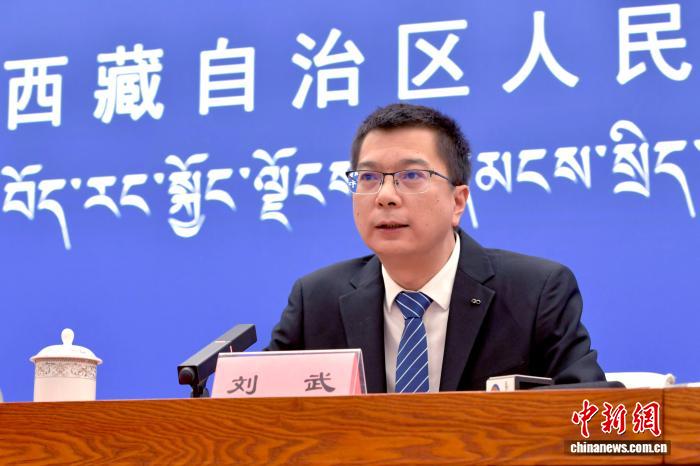
中新网拉萨12月27日电 (李林)西藏自治区实施更加积极的财政政策成效和"十四五"时期深化财税体制改 革新闻发布会26日在拉萨召开。会议介绍,2025年中央持续加大对西藏的转移支付支持力度,西藏自治 区精准实施更加积极的财政政策,财政收支增速稳居全国前列。 2025年1-11月,西藏全区一般公共预算支出2715.61亿元,增长7.8%。综合预判,2025年全区财政收入 有望突破300亿元,支出有望突破3000亿元大关,将实现"双破三"的历史性突破。 西藏通过实施更加积极的财政政策,一方面,多措并举提振消费,支持大宗消费品更新升级;另一方 面,带动扩大有效投资。同时,强化政策支撑和资金保障,推动外贸规模稳步增长。 西藏自治区财政厅预算处处长刘雪介绍,"十四五"时期西藏进一步深化财税体制改革,重点围绕持续优 化税制结构、提升基层保障能力等方面开展工作。(完) (文章来源:中国新闻网) 图为西藏自治区财政厅党组成员、副厅长刘武介绍相关情况。李林摄 西藏自治区财政厅党组成员、副厅长刘武介绍,2025年中央对西藏补助达到2881亿元(人民币,下同), 均衡、生态等多项转移支付增幅位居全国或西部地区前列。2025年1-1 ...
中国社会科学院学部委员、国家一级教授高培勇:政策支持与改革创新并举筑牢经济发展根基
Zheng Quan Ri Bao· 2025-12-26 16:44
Group 1 - The core argument presented by Gao Peiyong emphasizes the dual approach of policy support and reform innovation as essential for driving economic development in 2026 [1] - Current weak market expectations are identified as a significant factor hindering economic recovery, necessitating the establishment of a robust expectation management mechanism [1] - Gao proposes three key measures for improving expectation management: integrating expectation factors into macroeconomic analysis, explicitly including stable expectations in macroeconomic policy goals, and incorporating reform measures into macroeconomic regulation practices [1] Group 2 - Consumption is highlighted as a lasting driver of economic growth, with its effectiveness depending on both the release of current consumption potential and the cultivation of long-term consumption capacity [2] - The deep-rooted issue of insufficient consumer demand is attributed to changes in income and wealth accumulation patterns, leading to uncertainty in future expectations [2] - The Central Economic Work Conference's focus on implementing a plan for increasing urban and rural residents' income is seen as a crucial step in reforming the income distribution system [2] Group 3 - The fiscal and tax system is called to transition towards a public finance model, focusing on optimizing the government revenue and expenditure structure [3] - Adjustments in government spending are recommended, shifting funds from "investment in material" to "investment in people," particularly in social welfare and livelihood security [3] - This transformation is described as a profound change in the fiscal system's function, aimed at enhancing public service spending and increasing investments in livelihood, ultimately fostering a virtuous cycle of income growth and consumption increase [3]
建立健全市县自主财力可持续增长机制
Jin Rong Shi Bao· 2025-12-22 05:09
Core Viewpoint - The article emphasizes the need to enhance local fiscal autonomy through reforms in the fiscal and tax system, aiming for a clearer division of responsibilities and financial coordination between central and local governments, ultimately leading to sustainable growth in local fiscal capacity [1][2]. Group 1: Constraints on Local Fiscal Autonomy - Local fiscal autonomy reflects the ability of local governments to independently manage financial resources, which is influenced by the efficiency of intergovernmental fiscal relations and the division of responsibilities [2]. - Local fiscal capacity is primarily derived from general public budgets, government fund budgets, and state capital operation budgets, excluding social insurance funds [2]. - Current challenges include an under-optimized fiscal system at the provincial level, inefficient financial allocation mechanisms at the city and county levels, and insufficient governance capabilities [2][3]. Group 2: Optimization of Fiscal Systems - The fiscal system below the provincial level requires further optimization to align with the goals of modernizing China's economy, necessitating reforms in the division of fiscal responsibilities and expenditure [3]. - The transfer payment system needs improvement in terms of scientific accuracy and efficiency, with a focus on increasing the proportion of general transfer payments [4]. - Local tax systems are inadequate, with a heavy reliance on shared taxes and short-term revenue sources like land sales, which undermines fiscal stability [4]. Group 3: Governance Capacity Enhancement - Local governments face systemic shortcomings in fiscal governance, including reliance on outdated practices and insufficient capacity for zero-based budgeting reforms [5]. - The implementation of performance management systems is lacking, affecting the efficiency of fiscal resource allocation [5]. - There is a need for improved digital finance applications and enhanced professional capabilities among local fiscal staff [5]. Group 4: Sustainable Growth Mechanism for Local Fiscal Autonomy - A sustainable growth mechanism for local fiscal autonomy should be established through institutional reforms and enhanced governance capabilities [6]. - Key strategies include deepening fiscal reforms at the provincial level, optimizing financial allocation mechanisms, and improving fiscal management practices [7]. - Specific recommendations include clarifying the division of responsibilities between central and local governments, fostering stable local tax sources, and enhancing the structure of transfer payments [8][9]. Group 5: Financial Resource Utilization - Local governments should actively utilize existing assets and resources to enhance fiscal efficiency, including the management of idle assets and the promotion of market-oriented approaches [11][12]. - Establishing a comprehensive asset database and promoting competitive mechanisms for resource allocation can maximize fiscal resource value [12]. - The integration of digital technologies in fiscal management can improve oversight and efficiency in resource allocation [15].
扩大内需战略解读与推荐
2025-12-22 01:45
Summary of Key Points from Conference Call Records Industry Overview - The focus is on the **expansion of domestic demand** as a long-term structural reform strategy to address challenges such as declining demographic dividends and globalization pressures. The shift is from supply-driven to demand-driven, emphasizing the need to supplement both upstream R&D and downstream consumption [1][2][3]. Core Insights and Arguments - **Increase in Resident Income**: A critical factor for expanding domestic demand. Policies like trade-in subsidies may have a short-term effect but can lead to over-reliance on such measures. The emphasis should be on increasing wage and asset income through fiscal reforms to achieve broad-based benefits [1][6]. - **Consumer Trends**: By 2026, service consumption, high-end consumption, and emerging self-reward consumption are expected to perform well. Policies may favor sectors like tourism and dining, while a declining real estate market could enhance purchasing power for younger consumers [1][9]. - **Investment Focus**: Effective investments are anticipated in water conservancy, energy, municipal infrastructure, and core technology sectors such as AI, biomedicine, and quantum communication. The green transition is expected to unlock consumption potential in areas like eco-tourism and energy-efficient appliances [1][11]. Industry-Specific Insights Home Appliance Sector - The home appliance industry is projected to experience a downturn in the second half of 2025 due to trade-in policies, but a recovery is expected in early 2026 as subsidies are renewed, leading to a replenishment cycle [1][12][13]. - **Sales Data**: By November 2025, air conditioner sales grew by approximately 2%, while refrigerator sales declined by about 1%. The overall industry saw a decline in the latter half of the year, particularly in Q4, where air conditioner sales dropped over 20% [12][13]. Fiscal Policy and Consumer Behavior - The fiscal reform is expected to shift focus from incremental taxation to more comprehensive measures, such as property and capital gains taxes, which will gradually influence overall household income and consumption [7][8]. - The effectiveness of subsidies is questioned, as they may lead to a crowding-out effect on autonomous consumption. For instance, a 300 billion yuan subsidy led to a 2.7 trillion yuan increase in retail sales, but the non-subsidy portion contributed negatively [6]. Investment Recommendations - **Home Appliances**: Companies like Midea, Haier, TCL, and Hisense are recommended for their strong domestic and international performance. The expectation is that these companies will benefit from the renewed subsidy policies in 2026 [15]. - **New Consumption Trends**: Focus on emerging brands in personal care and health products, as well as established brands with significant market barriers, such as Mao Geping and Shanghai Jahwa [18]. - **Health and Wellness Sector**: Companies like Xianle Health and Ximai Foods are highlighted for their growth potential in the health and wellness market, driven by the aging population and increasing health awareness [19][21]. Additional Insights - **Transportation Sector**: The aviation industry is expected to benefit directly from increased demand, while the shipping industry will see indirect benefits from heightened domestic trade activities [28]. - **Agricultural Sector**: Recommendations include focusing on the pet industry and functional ingredients, with companies like Zhongchong and Bailong Chuangyuan showing strong growth potential [31]. Conclusion - The overall sentiment is optimistic regarding the expansion of domestic demand, with significant investment opportunities across various sectors, particularly in health, home appliances, and new consumption trends. The emphasis on increasing resident income and effective fiscal reforms will be crucial in driving this growth [26][27].
实施更加积极的财政政策 筑牢经济运行信心根基
Xin Lang Cai Jing· 2025-12-21 21:43
Core Viewpoint - The article emphasizes the importance of implementing a more proactive fiscal policy to stabilize economic growth and enhance confidence amid external uncertainties and domestic demand weaknesses [3][4][5]. Group 1: Importance of Proactive Fiscal Policy - A more proactive fiscal policy is crucial for shaping economic growth paths and driving high-quality development, especially in the context of external environmental changes and domestic supply-demand imbalances [4]. - The shift from "active" to "more active" fiscal policy has led to historic breakthroughs in deficit rates and significant expansions in debt instruments, which will continue to enhance confidence in stable economic growth [4][5]. Group 2: Counter-Cyclical Regulation and Economic Confidence - The proactive fiscal policy serves as a core tool for counter-cyclical regulation, addressing multiple pressures such as demand shortages and supply shocks [5]. - By providing financial support to various micro-entities, the policy aims to alleviate cash flow issues and stimulate consumption and investment, thus countering risks from international economic fluctuations [5]. Group 3: Long-term Growth and Structural Adjustment - The fiscal policy aims to achieve both short-term stability and long-term structural adjustments, addressing investment gaps in high-risk and positive externality sectors [6]. - It focuses on reducing early risks in strategic emerging industries and compensating for underinvestment in areas like basic research and infrastructure, which are essential for innovation and economic resilience [6]. Group 4: Social Welfare and Security - The proactive fiscal policy prioritizes social welfare, enhancing public services in education, healthcare, and social security, which in turn boosts consumer confidence and spending [7][11]. - It also aims to mitigate risks in key areas, ensuring sustainable fiscal health while supporting economic development and social stability [7][12]. Group 5: Key Measures for Implementation - The article outlines that maintaining necessary fiscal deficits and enhancing market confidence in demand recovery are essential for economic stability [9]. - It emphasizes the need for optimizing fiscal expenditure structures to support both social welfare and innovation, ensuring effective resource allocation [10][11]. Group 6: Risk Management and Sustainable Development - Effective risk management is highlighted as a prerequisite for stabilizing confidence, with a focus on maintaining sustainable fiscal practices [12]. - The proactive fiscal policy aims to stabilize the real estate market and manage local government debt risks through targeted financial strategies [12]. Group 7: Fiscal and Tax System Reform - The article discusses the need for fiscal and tax system reforms to promote fair competition and long-term development capabilities [13]. - It emphasizes the importance of standardizing tax incentives and fiscal subsidies to support public welfare, technological innovation, and green transformation [13].

“反内卷”再深化!中央经济工作会议明确健全地方税体系,减少政府过度招商引资
Sou Hu Cai Jing· 2025-12-14 08:42
本报(chinatimes.net.cn)记者刘诗萌 北京报道 继2025年之后,"反内卷"将继续成为下一年经济工作的重点之一。 12月10日至11日,中央经济工作会议在北京举行。会议提出,要坚持改革攻坚,增强高质量发展动力活 力,具体措施包括制定全国统一大市场建设条例,深入整治"内卷式"竞争;加紧清理拖欠企业账款;推 动平台企业和平台内经营者、劳动者共赢发展;拓展要素市场化改革试点;健全地方税体系等。 对比2024年年终中央经济工作会议在这一领域的表述会发现,推动全国统一大市场建设的表述从去年 的"制定全国统一大市场建设指引"增加到两条,位置从第三条上升到了第一条,国企改革、促进民营经 济的表述相应推后。对于平台经济的表述,也从整体上加强监管有了具体的指向,要推动三方共赢。此 外,对于财税体制的改革、增加地方自主财力的方法也有了明确的方向,即健全地方税体系。 "反内卷"已初见成效 2025年,"反内卷"是中国最重要的经济政策之一。 1月,《全国统一大市场建设指引(试行)》正式发布,提出构建全国统一大市场的重点为"五统一、一 破除";3月,综合整治"内卷式"竞争首次写入政府工作报告,不仅是对上一年7月政治局会 ...