
高性能计算

Search documents
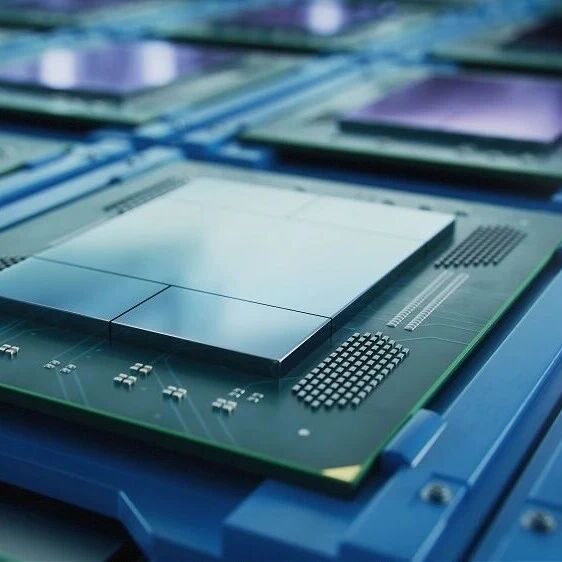
拥抱Chiplet,大芯片的必经之路
半导体行业观察· 2026-02-12 00:56
Core Viewpoint - The article discusses the emergence of Chiplet architecture as a transformative solution for high-performance computing (HPC) and artificial intelligence (AI), offering significant advantages in performance, cost, and energy efficiency compared to traditional single-chip processors [2][4]. Group 1: Chiplet Architecture Advantages - Chiplet architecture can provide higher performance at lower costs while reducing energy consumption by up to 10 times compared to traditional single-chip processors [2]. - This architecture allows for better integration of components, reducing the need for data to be transferred off-chip, which in turn lowers power consumption and heat generation [4][5]. - The use of UCIe (Universal Chiplet Interconnect Express) enables a layered architecture that is compatible with other interconnect standards, facilitating tighter chip arrangements and improved performance [4][6]. Group 2: Manufacturing and Scalability - Chiplet architecture improves manufacturing efficiency by allowing for the replacement of defective components without affecting the entire system, thus enhancing yield rates [4][5]. - The scalability of chiplets is achieved through packaging-level scaling, which overcomes limitations of traditional photolithography, enabling systems that exceed the capacity of single chips [5][6]. - The architecture supports 3D designs, allowing for stacked components that enhance computational density and reduce data latency, although this introduces higher costs and complexity [7][8]. Group 3: Market Trends and Future Outlook - The demand for AI and HPC capabilities is driving the adoption of chiplet technology, with companies like NVIDIA pushing the boundaries of traditional chip design [6][7]. - The Chiplet community is still in its early stages but shows strong momentum, with key industry players gathering to discuss advancements and standards [8][9]. - The adoption of UCIe is seen as crucial for establishing chiplet standards and expanding the chiplet community, although some suppliers express caution regarding their investments in UCIe [8][9].

SK海力士,闪存黑科技
半导体芯闻· 2026-02-11 10:59
Core Viewpoint - SK Hynix is developing an innovative technology called "AIP (All-In-Plug)" to achieve the next generation of high-density NAND flash memory, aiming to significantly reduce manufacturing costs by completing core processes in a single step [1][2]. Group 1: AIP Technology Development - AIP technology is designed to address the increasing technical difficulties in semiconductor processes, which have made traditional methods unsustainable [1]. - The technology is particularly focused on reducing costs associated with the increased number of stacking layers in NAND flash memory [1][2]. - AIP is related to HARC (High Aspect Ratio Contact) etching processes, which are critical for NAND flash implementation [1]. Group 2: Current NAND Flash Shortage - The global NAND flash shortage has evolved into a substantial operational risk for enterprises running high-performance computing (HPC) and artificial intelligence (AI) workloads [3][4]. - The shortage is not due to a single supply disruption but is a result of manufacturers shifting capacity towards more profitable products after a period of oversupply [4][5]. - Demand for NAND flash has surged due to the industrial-scale application of AI, leading to a mismatch between available computing resources and the storage architecture needed for efficient operation [4][5]. Group 3: Financial Implications for Enterprises - Enterprises heavily reliant on HPC and AI face severe financial impacts due to the scarcity and high costs of SSDs, leading to underutilization of expensive GPU resources [5][6]. - Traditional methods of expanding storage capacity, such as compression and deduplication, are ineffective for modern AI and HPC data flows [5][6]. - Delaying new deployments or scaling down projects is no longer a viable strategy in the fast-paced AI market, as it risks falling behind competitors [5][6]. Group 4: Rethinking Storage Solutions - A sustainable approach to addressing the NAND flash shortage involves re-evaluating the reliance on flash storage for performance in HPC and AI infrastructures [6][7]. - Modern hard drives, combined with advanced caching and data tiering technologies, can meet or exceed the performance needs of many AI and HPC workloads [6][7]. - Companies that adopt smarter storage strategies, including a mix of disk, cache, and tiered storage, can mitigate the impacts of the current NAND flash market volatility [7][8]. Group 5: Broader Implications - The current NAND flash shortage is a significant test for existing storage solutions in AI and HPC environments, highlighting the need for infrastructure designs that are independent of storage media [8]. - Systems that decouple performance from the availability of any single storage medium can adapt to supply fluctuations and maintain predictable operations [8].

未知机构:强烈推荐华峰测控SOC市场快速扩容8600打开市值空间0210-20260211
未知机构· 2026-02-11 02:05
强烈推荐华峰测控:SOC市场快速扩容,8600打开市值空间!-0210 #华峰新产品8600面向AI、HPC,26年有望实现订单0到1的突破。 公司主力机型STS8200系列聚焦于模拟及功率IC测试,STS8300系列专精于混合信号及电源管理IC测试,而 STS8600系列则面向高性能SOC芯片测试,包括人工智能(AI)、高性能计算(HPC)及汽车电子等,市场空间是 模拟测试机4-6倍; #爱德万、泰瑞达市值均不断创新高,PE从20倍扩张到80倍。 根据SEMI报告预测,2025年全球原始设备制造商(OEM)的半导体制造设备总销售额预计达1330亿美元,同比增 长13.7%,创历史新高;增长主要由人工智能相关投资拉动,涵盖先进逻辑、存储及先进封装技术;2025年半导体 测试设备销售额预计激增48.1%至112亿美元,显著快于半导体设备行业整体增速;2026、2027年测试设备销售额 预计继续增长12.0%和7.1%; #爱德万、泰瑞达业绩均超预期,产业趋势非常确定。 爱德万测试25Q3利润增长51.76%,泰瑞达25Q4利润增长75.87%,利润率均大幅改善,高端SOC测试机量价齐升; 预计26年SOC市场8 ...

Amkor Technology(AMKR) - 2025 Q4 - Earnings Call Transcript
2026-02-09 23:02
Financial Data and Key Metrics Changes - Q4 2025 revenue was $1.89 billion, down 5% sequentially but up 16% year-on-year, with EPS at $0.69, outperforming guidance [5][12] - Full year 2025 revenue grew 6% to $6.7 billion, with net income of $374 million and EPS of $1.50 [14][15] - Gross profit for Q4 was $315 million, with a gross margin of 16.7% [13] - Full year gross margin was 14%, impacted by the ramp-up of the Vietnam facility [15] Business Line Data and Key Metrics Changes - Communications revenue grew 28% year-on-year in Q4, with a 1% increase for the full year [12] - Computing revenue increased 6% year-on-year in Q4 and 16% for the full year, driven by AI-related devices [12] - Automotive and industrial revenue rose 25% year-on-year in Q4 and 8% for the full year, supported by advanced automotive content [12] - Consumer revenue declined 10% year-on-year in Q4 but grew 9% for the full year [13] Market Data and Key Metrics Changes - The computing segment is expected to grow over 20% in 2026, driven by AI and HPC demand [10][11] - Communications and automotive markets are also projected to see strong growth in 2026 [16] Company Strategy and Development Direction - The company aims to elevate technology leadership, expand geographic footprint, and enhance strategic partnerships [8] - Focus on advanced packaging platforms, including HDFO and test, critical for AI and HPC [9] - Construction of the Arizona campus is underway, with significant capital expenditures planned for 2026 [10][11] Management's Comments on Operating Environment and Future Outlook - Management expressed confidence in navigating market shifts and geopolitical challenges, positioning the company for growth [5][6] - The outlook for Q1 2026 revenue is between $1.6 billion and $1.7 billion, reflecting a 25% year-on-year increase [16] - The effective tax rate for 2026 is expected to be around 20% [16] Other Important Information - Capital expenditures for 2026 are projected to be between $2.5 billion and $3 billion, with a significant portion for facility expansion [17] - The company held $2 billion in cash and short-term investments at year-end, with total liquidity at $3 billion [16] Q&A Session Summary Question: CapEx guidance and investment changes - Management clarified that the high CapEx guidance includes significant spending for the Arizona facility and equipment for advanced packaging [19][21] Question: Government incentives and CapEx - The CapEx number is net of government incentives, which will come in after the investment periods [24][25] Question: Computing segment growth and data center programs - The computing segment is expected to see a significant ramp in data center HDFO programs, with one program anticipated to reach high volume [27][29] Question: Communication segment outlook - Management noted relative strength in the Android segment and positive expectations for iOS in Q1 [46][48] Question: Partnership with TSMC - The partnership with TSMC is ongoing, focusing on technology and manufacturing needs for the U.S. supply chain [49][50] Question: Balance sheet management and cash needs - The company can operate comfortably with $500 million on the balance sheet and expects a decrease in interest expense despite potential debt increases [58][59]

为何死磕EUV光刻?
半导体行业观察· 2026-02-05 01:08
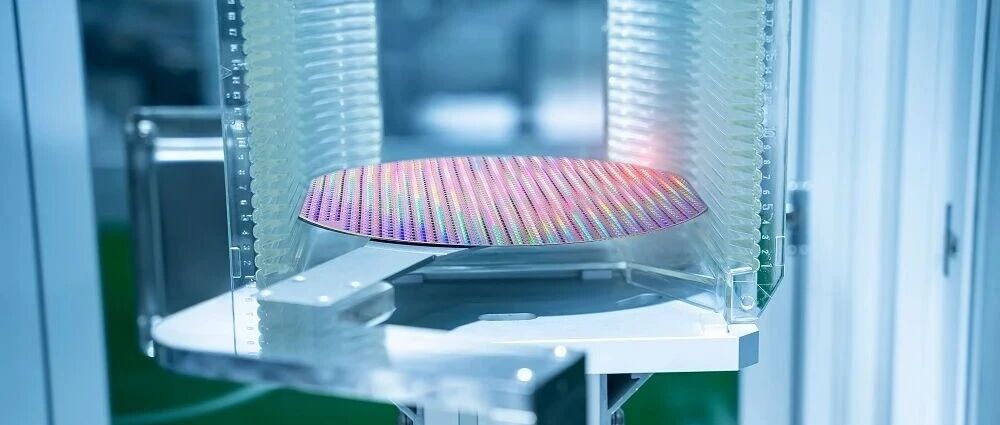
Core Viewpoint - The development of High Numerical Aperture Extreme Ultraviolet (High NA EUV) lithography technology is gaining momentum, showcasing significant potential in size reduction, process simplification, and design flexibility, driven by a collaborative ecosystem involving leading chip manufacturers and suppliers [2][19]. Group 1: Resolution and Image Contrast - High NA EUV lithography, with a numerical aperture (NA) of 0.55, offers a 67% increase in resolution compared to 0.33 NA EUV, enabling the ability to resolve features as small as 16 nanometers [4][5]. - The resolution of lithography systems is influenced by factors such as the k1 factor, wavelength of light, and the NA of the projection lens, with the goal of achieving a k1 value close to its physical limit of 0.25 [4]. Group 2: Process Simplification - High NA EUV lithography reduces the need for complex multiple exposure steps, allowing for the printing of minimum chip feature sizes in a single exposure, which enhances manufacturing efficiency and reduces costs [10][19]. - For critical metal layers in advanced logic nodes, High NA EUV lithography can achieve the required specifications in a single exposure, while 0.33 NA EUV requires multiple masks [11]. Group 3: Design Flexibility - The advancements in High NA EUV lithography allow for the reapplication of 1.5D and 2D Manhattan designs, enabling greater design flexibility and potentially reducing chip area and costs [16][18]. - The technology supports the introduction of complex curved geometries in chip design, which can lead to significant area reductions and improved performance [18]. Group 4: Industry Implications - High NA EUV lithography is positioned as a critical technology for future advancements in AI chips, high-performance computing, and next-generation memory, addressing the rapid hardware development needs of these applications [19]. - The technology is also essential for meeting the goals outlined in the European Chips Act regarding the advancement of logic technology nodes below 2 nanometers [19].

苹果承认:芯片麻烦了
Xin Lang Cai Jing· 2026-02-04 10:31
Core Viewpoint - Apple Inc. has announced that its Q2 FY2026 performance will be constrained by the supply of advanced processors from TSMC, marking the first time the company has made such a statement in years [1] Group 1: Apple’s Performance and Supply Constraints - Apple CEO Tim Cook indicated that the company is facing supply bottlenecks in Q2, which is reflected in the revenue guidance provided by CFO Kevin Parker [1] - The bottleneck is attributed to limited capacity at advanced process nodes, exacerbated by a 23% growth in Q1 performance, which has reduced the ability to significantly increase production [1] - CFO Kevin Parker emphasized that the guidance for the next quarter is based on the company's best estimate of supply constraints, indicating a rapidly changing situation [1] Group 2: TSMC's 2nm Capacity Demand - TSMC's 2nm process is being aggressively adopted by chip manufacturers, with companies like NVIDIA, AMD, and ASIC designers competing for capacity [2] - The rise of AI has led to high-performance computing (HPC) customers occupying a significant share of TSMC's total revenue, with initial applications driven by mobile clients like Apple and Qualcomm [2] - The competition for high-end process technology is intensifying, as major players like AMD and NVIDIA plan to utilize TSMC's advanced processes for upcoming products [2] Group 3: DRAM Price Surge - DRAM contract prices are rising at an unprecedented rate, with reports indicating that prices have nearly doubled due to strong demand [4] - Micron has proposed a significant price increase of 115% to 125% compared to Q4 2025, reflecting the ongoing negotiations between memory suppliers and large-scale data center operators [4] - The memory market is currently characterized as a "seller's market," with buyers having little bargaining power, and DRAM prices are expected to rise by 90% to 95% in the current quarter [4][5]


AMD(AMD) - 2025 Q4 - Earnings Call Transcript
2026-02-03 23:02
Financial Data and Key Metrics Changes - In 2025, the company achieved record revenue of $34.6 billion, a 34% year-over-year increase, with net income rising 42% to a record $2.5 billion and free cash flow nearly doubling to $2.1 billion [5][6][23] - For Q4 2025, revenue reached $10.3 billion, up 34% year-over-year, with gross margin at 57%, an increase of 290 basis points year-over-year [5][24] Business Segment Data and Key Metrics Changes - Data center segment revenue increased 39% year-over-year to a record $5.4 billion, driven by strong demand for EPYC processors and MI350 products [7][25] - Client and gaming segment revenue rose 37% year-over-year to $3.9 billion, with client revenue at a record $3.1 billion, up 34% year-over-year [16][26] - Embedded segment revenue grew 3% year-over-year to $950 million, reflecting demand across various end markets [18][26] Market Data and Key Metrics Changes - The company reported strong demand from hyperscalers in the cloud market, with EPYC cloud instances increasing over 50% year-over-year [8][9] - The enterprise market saw a significant shift towards EPYC adoption, with over 3,000 solutions optimized for major workloads [8][9] Company Strategy and Development Direction - The company is focused on capturing growth opportunities in high-performance computing and AI, with plans to grow data center segment revenue by over 60% annually over the next three to five years [15][20] - Strategic partnerships, such as with Tata Consultancy Services, aim to co-develop industry-specific AI solutions [12] Management's Comments on Operating Environment and Future Outlook - Management expressed confidence in the growth trajectory for 2026, driven by increased adoption of EPYC and Instinct products, alongside a return to growth in the embedded segment [22][30] - The company anticipates significant top-line and bottom-line growth, with a target of greater than 35% CAGR over the next three to five years [22] Other Important Information - The company closed the sale of its ZT Systems manufacturing business, which is reported separately in financial statements [27] - The company generated a record $2.3 billion in cash from operations during the quarter [28] Q&A Session Summary Question: Can you discuss customer engagements and demand for MI450 and Helios platforms? - Management confirmed strong customer engagements and progress on MI450 series development, with a ramp expected in the second half of the year [33][34] Question: Can you provide details on March guidance and data center GPU ramp? - Management indicated a sequential decline in client revenue but strong growth in data center, with expectations for GPU revenue to increase [38][40] Question: What are the assumptions for China MI308 sales beyond Q1? - Management forecasted $100 million in Q1 from MI308 sales to China but did not expect additional revenue due to the dynamic situation [45][46] Question: How is the company addressing server CPU capacity and growth trajectory? - Management noted increased supply capacity for server CPUs and strong demand, indicating a positive outlook for growth throughout 2026 [51][52] Question: What is the outlook for gross margins as new products ramp? - Management expressed optimism about gross margin progression, benefiting from favorable product mix and new product ramps [55][56]

AMD(AMD) - 2025 Q4 - Earnings Call Transcript
2026-02-03 23:00
Financial Data and Key Metrics Changes - In Q4 2025, revenue grew 34% year-over-year to a record $10.3 billion, driven by strong sales of EPYC, Ryzen, and Instinct processors [4][22] - Net income increased 42% to a record $2.5 billion, and free cash flow nearly doubled year-over-year to a record $2.1 billion [5][22] - For the full year, revenue grew 34% to $34.6 billion, with gross margin at 52% and record earnings per share of $4.17, up 26% year-over-year [22][24] Business Segment Data and Key Metrics Changes - Data center segment revenue increased 39% year-over-year to a record $5.4 billion, driven by strong demand for EPYC processors and MI350 products [5][24] - Client gaming segment revenue was $3.9 billion, up 37% year-over-year, with the PC processor business performing exceptionally well [14][25] - Embedded segment revenue increased 3% year-over-year to $950 million, supported by demand in test and measurement and aerospace markets [18][25] Market Data and Key Metrics Changes - Hyperscaler demand for EPYC processors was strong, with over 500 AMD-based instances launched in 2025, increasing EPYC cloud instances by more than 50% year-over-year [6][19] - The number of large businesses deploying EPYC on-premises more than doubled in 2025, indicating a significant market share gain [7][19] - The client market is expected to face inflationary pressures, but the company anticipates growth in its PC business, particularly in the enterprise segment [70] Company Strategy and Development Direction - The company is entering a multi-year demand supercycle for high-performance and AI computing, positioning itself to capture significant growth opportunities [19] - The launch of the next-generation Venice CPU and MI400 series is expected to extend the company's leadership in performance and efficiency [8][12] - Strategic partnerships, such as with Tata Consultancy Services, aim to co-develop industry-specific AI solutions [11] Management's Comments on Operating Environment and Future Outlook - Management expressed confidence in the strong demand for server CPUs and AI workloads, anticipating data center segment revenue growth of over 60% annually over the next three to five years [13][20] - The company expects significant top-line and bottom-line growth in 2026, driven by increased adoption of EPYC and Instinct products [20][29] - Management highlighted the importance of maintaining operational scale and deep customer partnerships to support long-term growth [19] Other Important Information - The company generated a record $2.3 billion in cash from continuing operations during the quarter, with inventory increasing to support strong data center demand [26] - The company repurchased 12.4 million shares and returned $1.3 billion to shareholders in 2025 [27] Q&A Session Summary Question: Can you talk about customer engagements and demand for MI450 and Helios platforms? - Management confirmed strong customer engagement and progress on MI450 series development, with expectations for a second-half launch and ramp [32][33] Question: Can you provide details on March guidance and data center GPU ramp? - Management indicated a sequential decline in client revenue but strong growth in data center, with expectations for GPU revenue to also increase [36][39] Question: What are the expectations for data center revenue growth in 2026? - Management expressed optimism about achieving the long-term target of over 60% growth in data center revenue, supported by strong demand for EPYC and MI450 products [44][46] Question: How is the company addressing supply chain challenges for server CPUs? - Management noted increased supply capacity for server CPUs and ongoing collaboration with supply chain partners to meet demand [50][51] Question: What is the outlook for operating expenses as AI revenue ramps? - Management expects operating expenses to grow slower than revenue, indicating potential leverage as revenue increases [62][63] Question: How does the company view the competitive landscape with ARM CPUs? - Management emphasized the importance of x86 CPUs for AI workloads and the optimization of EPYC processors to meet diverse customer needs [78][80]
图灵奖获得者杰克·唐加拉:高性能计算是国家核心能力
Jin Rong Jie· 2026-02-03 05:10
图灵奖获得者杰克·唐加拉表示,高性能计算是国家的重要核心能力。唐加拉指出,随着科技的迅速发 展,计算能力的提升对社会各领域的进步至关重要。国家需要在高性能计算领域加大投入,以应对全球 竞争并推动技术创新。他强调,持续的研究和发展能够提升国家在信息技术领域的影响力和竞争力。 ...
新华社专访|高性能计算是国家核心能力——访图灵奖获得者杰克·唐加拉
Xin Hua She· 2026-02-03 05:07
"中国高性能计算整体发展轨迹十分清晰——投入持续增加、体系不断成熟,应用和影响力稳步扩 大。"他说。 唐加拉同时高度评价了中国科研人员在高性能计算及相关领域的贡献。他表示,中国科研人员在系统架 构设计、并行算法、大规模人工智能以及对计算能力提出更高要求的应用领域均取得了重要进展。在国 际合作方面,唐加拉认为,中国具备在多个领域发挥更具建设性作用的现实机遇。 展望未来,唐加拉指出,制约全球计算发展的关键因素将不仅是性能,更是能源。未来十年,如何在提 升计算能力的同时控制能耗,将成为全球共同面临的挑战。(完) 世界顶尖科学家峰会2月1日至3日在阿联酋迪拜举行,唐加拉在峰会期间接受新华社记者书面采访。他 表示,无论是在气候、能源、材料、生物、国家安全,还是先进制造领域,高性能计算都已不再是可有 可无的基础设施,而是一项国家级核心能力。 唐加拉认为,一个国家建设高性能计算能力,关键并不在于采购最先进的设备,而在于能否构建一套真 正缩短"科研到成果"周期的综合能力体系。这要求国家在顶层设计上具备清晰的任务目标和系统性规 划,同时拥有稳定的电力保障和可靠的基础设施支撑,并在硬件不断迭代的同时,在软件、算法和方法 体系建设 ...