
TOD模式

Search documents
开盘两小时认购13.8亿元
Sou Hu Cai Jing· 2025-08-03 01:38
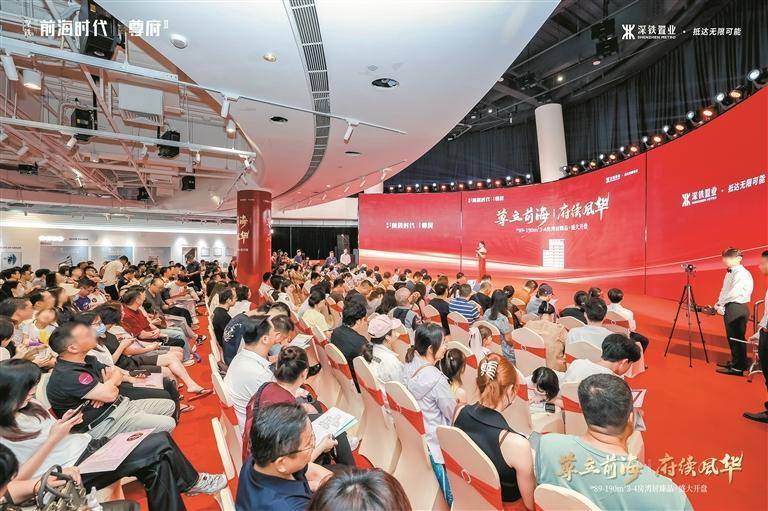
Core Insights - The recent launch of the Qianhai Times Zunfu project by Shenzhen Metro Group saw a price increase of 4,000 yuan per square meter compared to the previous offering, reflecting strong market confidence in the Qianhai area [2][3] - The project sold 139 out of 171 units within two hours of opening, achieving a sales rate of 81% and a total subscription amount of approximately 1.38 billion yuan [2][3] - The project is strategically located near key amenities, including parks, schools, and a well-developed transportation network, enhancing its appeal to potential buyers [4][5] Project Details - The Qianhai Times Zunfu project offers units ranging from 89 to 190 square meters, catering to various family needs with compact three-bedroom and upgraded four-bedroom layouts [2][3] - The project is part of a broader trend of successful sales, having previously sold 270 units in six hours and 344 units in March 2024, indicating a strong demand for high-quality residential properties in the area [3] Location and Amenities - The project benefits from its proximity to the Qianhai Bay area, with natural scenery and urban landscapes merging, providing residents with a desirable living environment [3][4] - A robust transportation network, including nearby metro lines and major roads, facilitates efficient commuting options for residents [4][5] - The surrounding area features established educational institutions and commercial facilities, enhancing the overall living experience for residents [4][5] Development Strategy - Shenzhen Metro Group has developed 32 Transit-Oriented Development (TOD) projects, covering a total area of 18.19 million square meters, which includes residential, commercial, and educational facilities [5] - The company emphasizes creating a comprehensive living experience that integrates housing, transportation, education, and leisure, aiming to enhance the quality of life for residents [5]

财界观察 | 青岛地铁联袂华润置地,共拓TOD战略合作新空间
Xin Lang Cai Jing· 2025-07-24 11:51
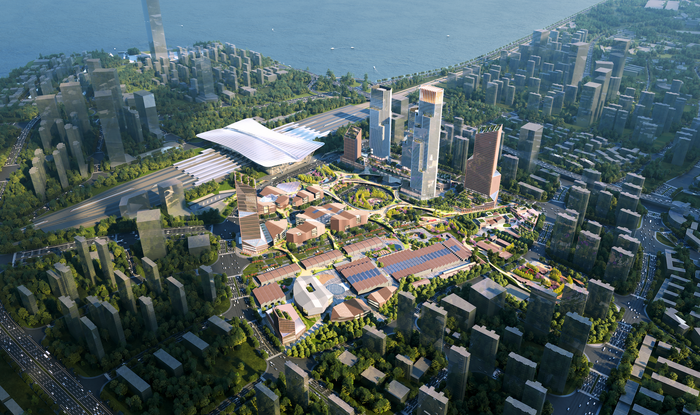
Core Insights - Qingdao Metro Group and China Resources Land have signed a strategic cooperation agreement to advance the "Qingdao TOD No.1 Project," exploring a new model of "station-city symbiosis" [1][3] - The TOD (Transit-Oriented Development) model is increasingly recognized as a key approach to overcoming urban development bottlenecks and enhancing comprehensive carrying capacity [3] Group 1: Strategic Value of Qingdao TOD No.1 Project - The core area of the Qingdao TOD No.1 Project is strategically located in the Qingdao North Station area, forming a natural geographical hub [3] - The project features a forward-looking transportation network layout, integrating major hubs like Qingdao Jiaodong International Airport and Qingdao North Station, along with multiple metro lines and rapid road networks [3] - Qingdao Metro Group has established a TOD project library with over 10,000 acres of land and investments exceeding 100 billion [3] Group 2: Industrial Heritage Revitalization - The transformation of the Guomian No. 6 Factory area serves as an innovative example of activating industrial heritage, reflecting the city's historical memory and spirit [5] - The project adopts a "repairing the old while keeping the old" philosophy, integrating modern urban functions while respecting historical context [5] - The operational strategy combines short-term events to attract attention and long-term community engagement to maintain interest [5] Group 3: Synergy Between Rail and Urban Development - The collaboration represents a strong union of "rail infrastructure capabilities" and "urban comprehensive operation experience," maximizing land value [8] - The synergy between the metro network and commercial operations is highlighted, where stable passenger flow from the metro supports commercial demand [8] - The alignment of rail extension with urban growth patterns signifies a mature urban development philosophy [9]

香港楼市现状与启示:双轨并行缓解住房压力,存量转型助力优质经营
2025-07-11 01:13
Summary of Key Points from the Conference Call Industry Overview: Hong Kong Real Estate Market - The Hong Kong real estate market is stabilizing due to factors such as the rebound of the Hang Seng Index and the influx of talent and capital, although 2024 is expected to see an increase in transaction volume but a decrease in prices, with second-hand transactions accounting for 80% of the market, indicating a mature market [1][9] - The dual-track system in Hong Kong's housing market is characterized by limited residential land supply, which constitutes only 7% of total land, leading to high property prices and rents, while the average living space is only 16 square meters and home ownership is low at 50.4% [1][6][7] - The expectation of interest rate cuts in the U.S. is likely to positively impact the Hong Kong real estate market, potentially lowering mortgage rates and stimulating demand for owner-occupied housing [1][12] Company Insights: Hong Kong Property Companies - Hong Kong property companies generally adopt a mixed rental and sales model, with rental income being a significant portion of their revenue. This model enhances risk resilience and supports development activities, characterized by low leverage, low turnover, and high profitability [1][4][26] - Hong Kong property companies have a competitive edge in commercial real estate, particularly in high-end projects and luxury brand leasing, benefiting from strong brand recognition and operational capabilities [1][22][24] Investment Opportunities: Hong Kong REITs Market - The Hong Kong REITs market is mature, with local properties as underlying assets and the ability to invest overseas. The largest REIT, Link REIT, demonstrates strong asset management capabilities through active management and asset adjustments [2][27][28] - The average market capitalization of Hong Kong REITs is approximately HKD 7 billion, significantly larger than that of mainland REITs, which average around RMB 3 billion [27] Market Dynamics: Supply and Demand - The supply-demand relationship in the Hong Kong real estate market is imbalanced, with limited housing supply but no severe deterioration in conditions, maintaining significant investment value [3] - The residential land shortage is a critical factor leading to insufficient supply, with new supply units averaging only 20,000 to 30,000 annually, closely tied to post-pandemic economic conditions [8] Regulatory Environment and Taxation - The taxation framework in Hong Kong includes land rent and property tax, contributing about 10% to fiscal revenue. The unique housing situation, where half the population rents, results in substantial tax income [16] - Recent adjustments in transaction taxes have lowered buyer costs, leading to increased transaction volumes despite ongoing price declines [19] Population and Economic Factors - The introduction of talent attraction policies has led to a noticeable increase in population, supporting the real estate market despite a negative natural growth rate [20] - The relationship between the Hang Seng Index and property prices indicates that price movements typically lag behind index changes by 1 to 2 months, suggesting a correlation between market performance and investor sentiment [11] Comparative Analysis: Hong Kong vs. Mainland China - Hong Kong property companies differ from mainland counterparts by focusing more on rental income and mixed-use developments, while mainland firms primarily rely on property development [21] - The potential impact of new residential projects in the Northern Metropolis and Lantau Island on the Shenzhen and Hong Kong markets is expected to be limited due to distance [15] Conclusion - The Hong Kong real estate market is characterized by a unique dual-track system, a mature REITs market, and a distinct operational model among local property companies. The interplay of supply constraints, regulatory changes, and population dynamics will continue to shape investment opportunities and market performance in the coming years [1][5][20]
地铁“虹吸”下的公交“突围”
Xin Hua Ri Bao· 2025-07-09 22:53
Core Insights - The article discusses the integration of micro-bus services with metro systems in Nanjing to enhance public transportation and address the decline in bus ridership due to the rise of metro and private transport options [1][5][8] Group 1: Micro-Bus Services - Nanjing has launched 76 micro-bus routes to connect residential areas with metro stations, addressing the "last mile" issue for commuters [2][3] - The micro-bus services are characterized by short routes, high frequency, and small vehicle sizes, making them accessible and convenient for residents [3][4] - The introduction of micro-bus routes has led to increased ridership, with some routes achieving daily passenger volumes of nearly 1,000 to 2,000 [3][4] Group 2: Adjustments to Existing Bus Services - Nanjing's public transport strategy includes reducing the frequency and number of buses on routes that overlap significantly with metro lines, while still maintaining a substantial daily ridership on key routes [4][5] - The city has optimized 218 bus routes, resulting in a reduction of the total number of buses from 6,900 to 5,500, reflecting a strategic shift towards more efficient service delivery [5][8] Group 3: Custom and On-Demand Bus Services - Custom bus services have been introduced to cater to specific community needs, generating additional revenue for the public transport system [7][8] - Nanjing has launched over 380 custom bus routes, which connect various districts and have proven to be financially beneficial, generating approximately 16 million yuan annually [7] Group 4: TOD Development and Revenue Generation - Nanjing is exploring Transit-Oriented Development (TOD) to enhance bus station utility and generate additional revenue through commercial activities [10][11] - The city plans to develop 13 bus stations over the next decade, which are expected to generate annual revenues of around 300 million yuan [11] - The integration of bus and metro services through TOD projects aims to improve public transport efficiency and attract more riders [11]
深铁集团第六次“输血”万科A:“62.49亿借款+展期8.9亿”解近渴 造血困局待破
Xin Lang Zheng Quan· 2025-07-04 07:26
Core Viewpoint - Vanke A's major shareholder, Shenzhen Metro Group, is providing a loan of up to 6.249 billion yuan and extending an existing loan of 890 million yuan, indicating a systematic support mechanism for the company amid financial challenges [1][3]. Group 1: Loan Details - The new loan of up to 6.249 billion yuan is intended for repaying public market bond principal and interest, with a term of 3 years and an interest rate of 2.34%, significantly lower than the average financing cost for real estate companies [2]. - The existing loan of 890 million yuan has been extended to the end of 2025, and an additional 1.551 billion yuan loan requires a 70% equity pledge of Wanwu Cloud Space Technology [2]. Group 2: Support Model Analysis - The cumulative support from Shenzhen Metro Group for Vanke in 2025 exceeds 21.8 billion yuan, marking a shift from emergency assistance to a systematic rescue approach [3]. - All loans are specifically allocated for repaying public market bonds, addressing imminent debt repayment peaks [3]. Group 3: Financial Risk Assessment - The pledged shares of Wanwu Cloud are valued at 10.2 billion yuan, which is 45% of its market value, indicating vulnerability if the stock price declines significantly [4]. - The trend of short-term debt is highlighted, with approximately 30% of Vanke's domestic bonds due within one year, creating a mismatch with the 3-year loan term [4]. Group 4: Market Signals and Implications - The ongoing financial support from Shenzhen Metro Group signals confidence in Vanke's stability, alleviating immediate liquidity concerns [6]. - However, the reliance on borrowing to repay existing debts rather than for project development raises concerns about Vanke's sales recovery and operational viability [6]. Group 5: Conclusion and Future Considerations - The loan from Shenzhen Metro Group is part of a broader strategy to address Vanke's liquidity issues, but several critical points need attention, including the nearing pledge ceiling of Wanwu Cloud shares and the necessity for sales recovery in the latter half of 2025 [7].

越南将开展北南铁路征拆工作
Shang Wu Bu Wang Zhan· 2025-07-01 17:07
Group 1 - The Vietnamese government is initiating land acquisition and compensation processes for the North-South Railway project, aiming for construction to start by December 2026 [1] - The Ministry of Construction will coordinate with various ministries and local governments to review planning and design, especially in sensitive areas like natural forests and cultural heritage sites [1] - The Ministry of Finance will guide local governments in utilizing central budgets for land acquisition and compensation, while also encouraging proactive financing [1] Group 2 - The Electricity of Vietnam is responsible for reporting to the Prime Minister regarding the relocation of high-voltage power lines [2] - Provincial committees are required to establish guidance committees by July 5, 2025, to ensure timely completion of land acquisition and compensation plans [2] - Urban development spaces will be created around railway stations, particularly in major cities like Hanoi and Ho Chi Minh City, to facilitate land development and regional growth [2]
5月规上工企利润下降9.1%,Zara Home撤出多个城市 | 财经日日评
吴晓波频道· 2025-06-28 01:21
Group 1: Industrial Profit Trends - In the first five months of the year, the total profit of large-scale industrial enterprises in China reached 27,204.3 billion yuan, a year-on-year decline of 1.1%. In May alone, profits dropped by 9.1% year-on-year [1][2] - State-owned enterprises experienced a profit total of 8,709.5 billion yuan, down 7.4% year-on-year, while private enterprises saw a profit increase of 3.4% to 7,592.5 billion yuan [1][2] Group 2: Private Enterprises' Role - Private enterprises play a crucial role in supporting economic growth, contributing significantly to tax revenue, job creation, and innovation. There is a need to optimize the business environment for private enterprises to address operational challenges [3] Group 3: Alibaba's Restructuring - Alibaba Group reduced its partner count from 26 to 17, indicating a focus on frontline business leaders to enhance adaptability in the current market environment. The company reported a revenue of 996.347 billion yuan for the fiscal year 2025, with a net profit increase of 77% to 125.976 billion yuan [4][5] Group 4: Xiaomi's Product Launch - Xiaomi launched multiple new products, including the YU7 car, which saw over 200,000 pre-orders within three minutes. The pricing of the YU7 ranges from 253,500 yuan to 329,900 yuan [6][7] Group 5: Vanke's Financial Situation - Vanke reported a revenue of over 340 billion yuan, with a net loss of nearly 50 billion yuan for the year. The company is focusing on asset sales and expanding financing channels to manage debt repayment pressures [8][9] Group 6: Zara Home's Market Exit - Zara Home is closing its last stores in Changsha and Hangzhou, reflecting the decline of fast fashion brands in the Chinese market. The brand's high rental costs and consumer preference for cost-effective products have contributed to its struggles [10][11] Group 7: Honor's IPO Plans - Honor has initiated the process for an A-share IPO, with plans to invest 100 billion yuan in AI over the next five years. The company aims to transition from a smartphone manufacturer to a leading AI terminal ecosystem provider [14][15]

跟风买限价盘,以为捡了便宜,等看到实景才知道……
Sou Hu Cai Jing· 2025-06-26 13:51
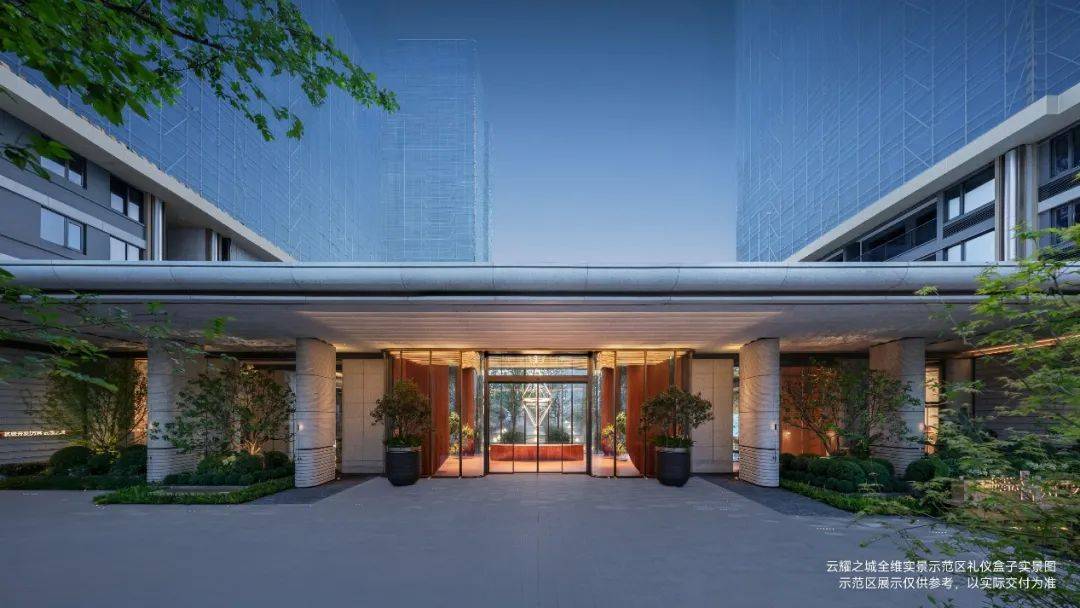
Group 1 - The article discusses the experience of a young buyer, Xiao Lin, who purchased a property in Hangzhou's Yun Yao Zhi Cheng, highlighting the trend of "blind buying" among young people [1] - The property is positioned as a limited-price project, which adds to its appeal and urgency for potential buyers [1] - The developer has opened a real-life demonstration area, alleviating buyer concerns about the quality of the property after a period of anticipation [1] Group 2 - Yun Yao Zhi Cheng is strategically located near urban amenities, including a 5000㎡ municipal park, enhancing its attractiveness to residents [5] - The project is a collaboration between Hangzhou Rail Development and Vanke, marking their fourth joint venture in the region [10] - The development represents an evolution in Transit-Oriented Development (TOD), integrating residential and transportation infrastructure in a more complex manner [11] Group 3 - The project features a unique design with a 1.5万㎡ green space, creating a "plant garden" effect above the subway [12] - Architectural elements include a high-ceilinged ceremonial space and a focus on a refined aesthetic that deviates from current market trends [16][23] - Six multifunctional pavilions are designed to enhance community interaction and lifestyle integration, catering to various social needs [28][41] Group 4 - The developer has introduced a community commercial space called "Xiwen Leji," which integrates retail and cultural elements to enhance the living experience for residents [43] - Several businesses have already opened in the area, including a trendy beverage shop and a bakery, indicating a proactive approach to community building [44] - The initiative aims to create connections among residents and foster a sense of community through shared spaces and services [50]
人才房日光 10万+ 7成,深圳楼市又行了?
Sou Hu Cai Jing· 2025-06-24 20:59
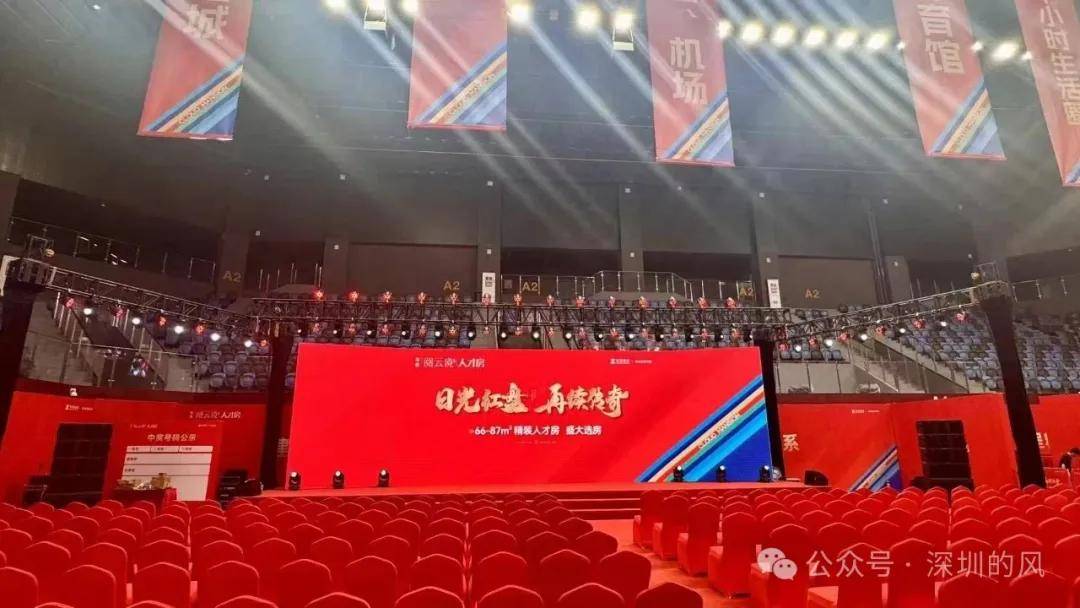
Core Insights - The article highlights the contrasting dynamics in Shenzhen's real estate market, showcasing the success of affordable talent housing and the high demand for luxury properties [6][7][8] Group 1: Talent Housing Market - The "Shenzhen Longgang District" witnessed a successful launch of the "Shenzhen Railway Yuyun Jing" project, with 287 talent housing units sold out, marking the third consecutive sell-out since September 2024 [1][3] - The average price of these units is only 27,800 yuan per square meter, attracting 1,844 families with a subscription ratio of 1:6.4, indicating strong demand from first-time homebuyers [3][6] - The project features a high practical rate of 76.5% in its unit designs, which has become a key selling point for attracting talent [3][6] Group 2: Luxury Housing Market - The "Huanxi Dianju" project in Nanshan, known as Shenzhen's "most prestigious street," saw 238 units sold on its opening day, achieving a sales rate of 71% with an average price of 100,000 yuan per square meter [4][6] - The project's location contributes significantly to its appeal, as it is situated in an area that generates over 400 billion yuan in GDP and houses major companies like Tencent and DJI [6][7] - The luxury market is characterized by a severe supply-demand imbalance due to a decade-long halt in new residential land supply, leading to soaring prices in the surrounding areas [6][7] Group 3: Market Dynamics and Future Outlook - Shenzhen's real estate market is exhibiting a "dumbbell" structure, with affordable talent housing performing well while luxury properties continue to appreciate due to their scarcity [6][7][8] - The dual-track system of "talent housing and commercial housing" is expected to deepen structural development, alleviating housing anxiety for lower-income groups while maintaining the resilience of the luxury market [8] - The ongoing success of affordable housing projects signals a positive trend, but there is a need to monitor inventory pressures in non-core areas [8]
地产经纬丨引入社会资本“活水”,上海15宗涉住宅地块瞄准TOD及“城中村”改造
Xin Hua Cai Jing· 2025-06-16 07:41
Core Insights - Shanghai's Development and Reform Commission has released a new list of 41 key projects aimed at attracting social capital, focusing on urban construction, technology industries, and social welfare, with 15 residential development projects highlighted as a key focus [1][5] Group 1: TOD Model and Urban Development - The TOD (Transit-Oriented Development) model is emphasized in the new project list, particularly in the context of the Oriental Hub, which integrates Pudong International Airport and Shanghai East Railway Station, aiming to be a benchmark for super TOD projects [2][4] - The Oriental Hub area includes five land parcels with a total building area exceeding 190,000 square meters, featuring a high plot ratio of 2.8, indicating a focus on land-intensive utilization [2] - The integration of transportation hubs with business and cultural facilities aims to alleviate pressure on core business districts and create new growth areas in eastern Shanghai [2][4] Group 2: Residential and Commercial Integration - The new projects include a residential development at the Pudong Hangtou parking lot, planning for 215,000 square meters of residential space and 85,000 square meters of rental housing, with a total investment of 9.5 billion yuan [3] - The Yuan Center project in Pudong aims to balance residential and commercial needs through vertical urban development, with a total investment exceeding 18.3 billion yuan for two phases [3][4] Group 3: Urban Village Renovation - The renovation of "urban villages" is a key initiative for Shanghai, with plans to complete overall renovation projects by the end of 2026 and basic completion by 2027, including 11 projects in the new list [5][6] - Major projects in Qingpu and Jiading districts involve significant residential and commercial developments, with total investments of 18 billion yuan, 18.65 billion yuan, and 13.32 billion yuan for three major projects [6] - The collaboration model of "rural collective economic organizations + social capital" is designed to activate long-term value of collective land resources, providing benefits to villagers through compensation and profit-sharing [6][7] Group 4: Exit Strategies for Social Capital - Experts highlight various exit strategies for social capital, including asset securitization through public REITs, CMBS, and other financial instruments, which are crucial for revitalizing stagnant funds and promoting urban renewal [7]