
经济全球化

Search documents
中外经贸合作不容第三方干涉
Jing Ji Ri Bao· 2025-08-17 21:55
Group 1 - The Italian government may impose restrictions on the shareholding ratio of Chinese investments in several Italian companies due to pressure from the U.S. government [1] - The U.S. has previously issued a "security warning" regarding an Italian tire company, claiming that Chinese technology in its products poses risks, potentially affecting its sales in the U.S. market [1] - The article criticizes the U.S. for politicizing economic issues and interfering in international trade relations, which disrupts global supply chains and undermines the development rights of other countries [1] Group 2 - China advocates for international economic cooperation based on open, transparent, and equal market rules, emphasizing non-interference in internal affairs and not targeting third parties [2] - Chinese investments in various countries, including Italy, have contributed to local economic development and expanded market opportunities, as seen in projects in Greece, Serbia, Africa, and Southeast Asia [2] - Countries under U.S. pressure are encouraged to maintain independent stances and make decisions based on facts and national interests to enhance their economic growth and global credibility [2] Group 3 - Economic globalization is an irreversible trend, and multilateral cooperation is essential to address current risks and challenges, opposing protectionism and promoting a fair international economic environment [3]
非洲学者:世界已经全球化 美关税政策伤人害己
Yang Shi Xin Wen Ke Hu Duan· 2025-08-13 09:57
Group 1 - Ghana's exports to the US will face higher costs, leading to a loss of competitiveness for Ghanaian products in the US market [2] - China has been a significant player in promoting economic globalization and multilateralism, providing zero-tariff treatment to multiple African countries [2][4] - The core model of Africa-China relations is deepening trade ties, creating fair competition opportunities for all countries involved [4] Group 2 - The US tariff policies are expected to cause economic shocks not only to other countries but also to the US, potentially leading to inflation and reduced purchasing power for American consumers [5] - Decisions made by the US may be politically motivated rather than economically driven, which could have severe repercussions on the global economy [7] - The interconnectedness of the global economy means that the US's actions could ultimately harm its own economic stability and consumer purchasing power [7]


新华时评丨所谓“中国经济再平衡”是个伪命题
Xin Hua Wang· 2025-08-12 06:21
Core Viewpoint - The notion of "China's economic rebalancing" is deemed a fallacy that ignores the structural characteristics of China's economy and its high-quality development [1][3]. Group 1: Economic Structure and Trade - China's manufacturing export scale is larger than that of other countries, but the proportion of exports to GDP has been declining since 2010, currently lower than that of Vietnam, Germany, and South Korea [1]. - China's imports are also increasing, with the 2024 goods trade imports projected to exceed $2.64 trillion, a tenfold increase since 2000 [1]. - The foreign trade dependence of China is now lower than that of South Korea, Germany, and Japan, indicating a shift towards domestic consumption and investment as the main drivers of economic growth [1]. Group 2: Global Economic Integration - China's competitive advantage in manufacturing results from both its own development efforts and deep participation in global industrial division [2]. - The country has continuously improved its business environment and attracted foreign investment and technology, providing a solid foundation for manufacturing development [2]. Group 3: Innovation and Global Value Chain - China's manufacturing sector is transitioning from low-end to high-end production, significantly contributing to global technological innovation and industrial upgrades [3]. - The export of Chinese electric vehicles is driving the global automotive industry towards electrification and intelligence [3]. - Multinational companies are increasingly establishing R&D centers in China, reflecting its evolution from a "world factory" to a "world innovation laboratory" [3].
詹德斌:关税大棒下,新殖民主义幽灵在游荡
Sou Hu Cai Jing· 2025-08-11 22:40
Group 1 - The core argument highlights the detrimental impact of U.S. tariffs on countries like Lesotho, particularly with a 15% tariff on apparel products, which exacerbates economic challenges in these nations [1] - The U.S. has been using tariffs as a tool to compel global companies to relocate production and transfer technology to the U.S., effectively leveraging its market power [2][3] - Traditional allies of the U.S. are competing for lower tariff rates rather than resisting U.S. pressure, indicating a lack of strategic autonomy and a shift towards dependency on U.S. economic policies [2][3] Group 2 - The article critiques the U.S. for undermining international rules and order, portraying it as a significant disruptor rather than a fair market leader [3][4] - It emphasizes the need for global South countries to unite in defending a multilateral international system based on international law and the principles of the UN Charter [4][5] - The call for a more equitable international order is framed as a collective responsibility, urging nations to reject unilateralism and embrace genuine multilateralism [5]
隆国强:全岛封关运作是更高水平开放的起点
Sou Hu Cai Jing· 2025-08-10 04:23
Core Viewpoint - The full closure operation of Hainan Free Trade Port is a starting point for a higher level of openness, not an endpoint, marking a new phase in its development [4][5]. Group 1: Achievements and Progress - Hainan Free Trade Port has seen significant progress since the implementation of the overall plan, with a steady increase in foreign investment, reaching 102.5 billion yuan, growing at an average annual rate of 14.6% [5]. - The number of newly established foreign enterprises has increased to 8,098, with an average annual growth rate of 43.7%, significantly higher than the national average [5]. - The proportion of the four leading industries (tourism, modern services, high-tech industries, and tropical agriculture) in the economy has increased by 13.7 percentage points, now accounting for 67% of the province's GDP [6]. Group 2: Policy Design and Implementation - The policy design for the full closure operation includes a "zero tariff" policy for 74% of imported goods, an increase from 21%, and allows for tax-free circulation of goods within the island [8]. - Trade management measures will be more relaxed, with open arrangements for certain prohibited and restricted imports [8]. - A more efficient regulatory model will be implemented, focusing on low intervention and high efficiency for "zero tariff" goods [8]. Group 3: Future Directions and Open Measures - Future measures include expanding the range of "zero tariff" goods and enhancing the openness of service sectors such as tourism, education, and healthcare [9][10]. - The establishment of a transparent and predictable investment environment is crucial, with plans to further relax foreign investment restrictions and implement a commitment-based entry system [9]. - Financial policies will be adapted to support open development, including the establishment of a multi-functional free trade account system [10]. Group 4: Clarification of Misunderstandings - Hainan Free Trade Port is not considered "inside the border and outside the customs"; it remains under the supervision of the customs laws of the People's Republic of China, ensuring regulatory compliance [11].
迟至的道歉,远非历史的终点(环球走笔)
Ren Min Ri Bao· 2025-08-06 22:49
Core Points - The Netherlands has officially returned 119 Benin bronzes to Nigeria, which were looted by British troops in 1897, marking a significant step in addressing historical injustices [1] - Several European countries have begun to publicly apologize for their colonial histories and the injustices associated with them, indicating a growing recognition of past wrongs [1] - The delayed acknowledgment of colonial atrocities raises questions about the timing and sincerity of these apologies, as many occurred centuries after the events [2] - The rise of economic globalization and social media has amplified voices from developing countries, challenging the historical narrative dominated by the West [3] - Acknowledging colonial history and returning looted artifacts is seen as a step forward, but more substantial actions are needed to address the ongoing impacts of colonialism [3][4] Group 1 - The return of the Benin bronzes is viewed as a corrective measure for historical injustices [1] - Apologies from European nations for colonial actions have become more common in recent years [1] - The historical context of these apologies often spans centuries, highlighting a delayed response to past injustices [2] Group 2 - The emergence of new economic powers and the influence of social media have shifted the global narrative, allowing for greater recognition of developing countries' experiences [3] - Current social issues in Western societies are linked to historical colonial practices, prompting a reevaluation of the past [3] - There is a call for more concrete actions beyond apologies to address the legacies of colonialism and support healing [3][4]
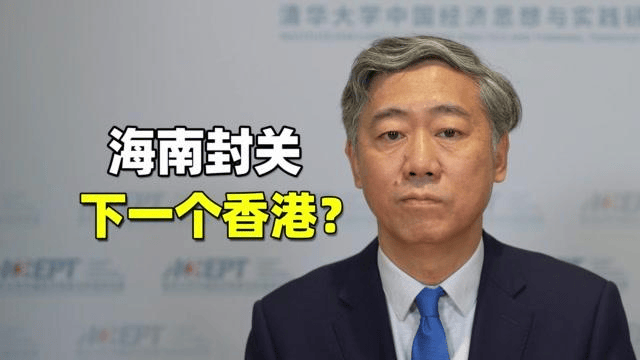
海南全岛封关,会是下一个香港吗?对普通人又有哪些机会和改变?
Sou Hu Cai Jing· 2025-08-05 09:15
Core Points - Hainan Free Trade Port will officially close its borders on December 18, allowing residents to enjoy similar conveniences as in Hong Kong without special procedures [1][3] - The closure is a significant move towards expanding openness, coinciding with the anniversary of the Third Plenary Session of the 11th Central Committee, which initiated China's reform and opening-up [3][4] Summary by Sections Policy Changes - The policy can be summarized as "open one line, control two lines, and free flow within the island" [4] - "Open one line" refers to the reduction of tariffs on imports, with zero tariffs expanding from 1,900 to approximately 6,600 items, covering 74% of imported goods, and an annual tax-free shopping limit of 100,000 yuan per person [4] - "Control two lines" indicates that there will be checkpoints for goods and capital flow between the mainland and Hainan to ensure market stability [4] - "Free flow within the island" allows for the free movement of market factors, with personal income tax capped at 15%, significantly lower than the mainland's maximum of 45% [4][5] Competitive Advantage - Hainan's tax policies are competitive compared to mainland China (15%-25%), Singapore (17%), and Hong Kong (16.5%), which may attract high-income individuals and high-tech industries [5][6] - The government will provide additional support such as entrepreneurial and rental subsidies, positioning Hainan as a potential "treasure basin" for investment [5][6] Future Potential - Hainan is compared to Hong Kong, which began as a free trade port and evolved into a global financial and trade center [6] - The geographical advantages of Hainan, including its size (32 times that of Hong Kong) and abundant natural resources, enhance its development potential [6] - Hainan's strategic location as a key node in the "Belt and Road" initiative and its proximity to the vast mainland market present further opportunities for high-tech and tropical specialty industries [6]
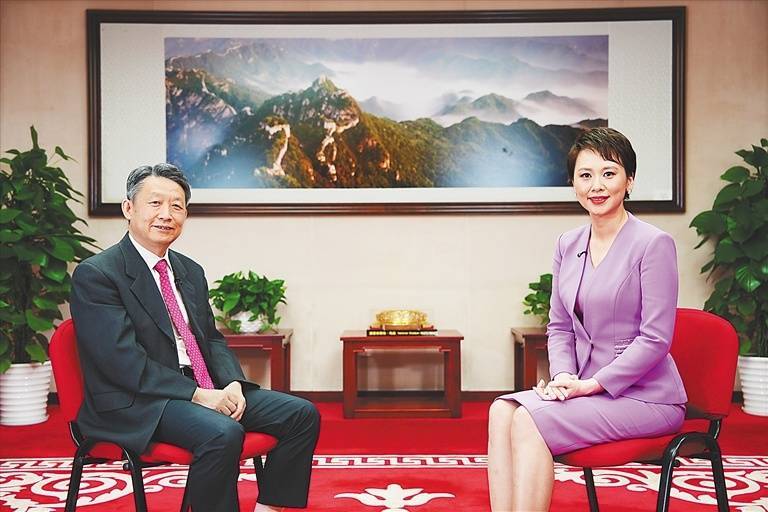
经济全球化与发展新质生产力 (深入学习贯彻习近平新时代中国特色社会主义思想·学习《习近平经济文选》第一卷专家谈)
Ren Min Ri Bao· 2025-08-05 03:15
Group 1: Economic Globalization and Innovation - Economic globalization is an objective requirement for the development of social productivity and technological progress, aligning with long-term human interests [1] - Strengthening technological innovation is essential for building an open innovation ecosystem and promoting international technological cooperation [1][2] - The core element of developing new productive forces is technological innovation, which can give rise to new industries, models, and dynamics [3] Group 2: Challenges and Responses - The current global landscape is marked by rising trade protectionism, geopolitical conflicts, and unilateralism, which pose challenges to economic globalization [2][8] - Countries are increasingly seeking to maximize their own interests while enhancing bilateral and multilateral cooperation [2] - To address these challenges, it is crucial to strengthen international technological cooperation and actively integrate into the global innovation network [2][8] Group 3: Technological Advancements - Significant breakthroughs in fields such as artificial intelligence, aerospace, and renewable energy are injecting new vitality into global economic recovery and transformation [4] - The rapid development of digital technologies has made the digital economy a key force in reshaping global resource allocation and economic structure [4] - Green development is becoming an important trend in economic globalization, with major countries enhancing green technological innovation to address climate change [4] Group 4: International Competition - The intersection of technological revolution and major power competition is reshaping global order and development patterns [5] - Emerging market countries are making significant progress in technological innovation and industrial upgrading, challenging traditional international market dynamics [5] - New productive forces are becoming a primary source for countries to enhance their international competitiveness [5] Group 5: Development Strategies - Accelerating the development of new productive forces can drive economic transformation and structural optimization, leading to sustainable development [6] - Gathering global innovation elements and enhancing original and disruptive technological innovation are essential for cultivating new dynamics [6][7] - Management and institutional innovation are crucial components in developing new productive forces, requiring government support and market mechanisms [7] Group 6: Open Innovation and Global Integration - High-level openness is vital for attracting global resources and enhancing the quality of trade and investment cooperation [14][15] - Expanding institutional openness can better adapt to innovation needs and promote the efficient allocation of new productive factors [16] - Coordinating technological and industrial policies is necessary to guide global technological resource allocation and avoid conflicts [12][13]
经济全球化与发展新质生产力
Ren Min Ri Bao· 2025-08-05 00:57
Group 1: Economic Globalization and New Quality Productivity - Economic globalization is a requirement for the development of social productivity and technological progress, aligning with long-term human interests [1][2] - The current global landscape is marked by challenges such as rising protectionism, geopolitical conflicts, and unilateralism, which hinder the progress of economic globalization [2][7] - Strengthening international technological innovation cooperation is essential for developing new quality productivity [2][3] Group 2: Technological Innovation as Core Element - Technological innovation is the core element in developing new quality productivity, capable of generating new industries, models, and dynamics [3][4] - The globalization of technological innovation is becoming a significant feature of economic globalization and a powerful driver for addressing global challenges [3][4] Group 3: Digital Economy and Green Development - The rapid development of digital technologies has transformed the global economy, making the digital economy a key force in reshaping resource allocation and competition [4][5] - Green development is emerging as an important trend in economic globalization, with countries focusing on enhancing green technology innovation to address climate change [4][5] Group 4: International Competition and New Quality Productivity - The interplay of technological revolution and major power competition is reshaping global order, with high-tech sectors becoming the forefront of international competition [5][6] - New quality productivity is increasingly recognized as a primary source for enhancing a country's international competitiveness [5][6] Group 5: Challenges and Responses in Globalization - The rise of anti-globalization sentiments and fragmented trade rules pose new challenges to economic globalization [7][8] - Addressing these challenges requires innovation to optimize global production relations and promote an open world economy [8][9] Group 6: High-Level Opening and Institutional Reform - High-level opening is crucial for gathering global resources and enhancing the quality of trade and investment cooperation [12][13] - Institutional opening aims to create a market-oriented, law-based, and international business environment, facilitating industrial upgrades and structural adjustments [13][14] Group 7: Promoting New Quality Productivity - Expanding institutional opening can better meet innovation demands by optimizing the allocation of new production factors like technology and data [14][15] - Creating a favorable environment for the free flow of technology, capital, and talent is essential for accelerating the development of new quality productivity [14][15]

经济全球化与发展新质生产力(深入学习贯彻习近平新时代中国特色社会主义思想·学习《习近平经济文选》第一卷专家谈)
Ren Min Wang· 2025-08-04 22:25
Group 1: Core Views - Economic globalization is a requirement for the development of social productivity and technological progress, aligning with long-term human interests [1][2] - Strengthening international technological innovation cooperation is essential for enhancing global competitiveness and developing new productive forces [2][3] Group 2: Technological Innovation and New Productive Forces - Technological innovation is the core element in developing new productive forces, capable of generating new industries, models, and dynamics [3][4] - The rapid development of digital economy and green technology is reshaping global economic structures and promoting transformation [4][5] Group 3: International Competition and Challenges - The rise of trade protectionism and unilateralism poses significant challenges to economic globalization, affecting international cooperation and competition [2][5] - New emerging markets and developing countries are making notable progress in technological innovation, impacting traditional market competition [5][9] Group 4: Strategies for Development - Accelerating the development of new productive forces can enhance economic transformation and competitiveness through global innovation resource integration [6][7] - Management and institutional innovations are crucial for fostering new productive forces, requiring government support and market mechanisms [7][14] Group 5: Open Innovation Ecosystem - Establishing an open innovation ecosystem is vital for leveraging global resources and enhancing international collaboration [1][10] - High-level institutional openness is necessary to adapt to innovation demands and facilitate the free flow of technology, capital, and talent [15][16]