
贸易战

Search documents
真要出兵打?特朗普重磅宣布:美国将很快变成一个更大的国家
Sou Hu Cai Jing· 2025-11-23 05:38
Core Viewpoint - Trump's statements regarding territorial expansion, including the incorporation of Canada as the 51st state, regaining control of the Panama Canal, and purchasing Greenland, have shocked the world and are seen as exaggerated rhetoric rather than feasible actions [1][4][11]. Group 1: Canada - Trump has repeatedly suggested that Canada should merge with the U.S. to avoid high tariffs, especially during trade tensions, which escalated when he raised tariffs to 25% [3][11]. - Despite Trump's claims, 90% of Canadians prefer to continue paying high taxes rather than becoming part of the U.S., indicating strong national sentiment against such proposals [4]. - The Canadian government has maintained strict border controls, and Trump's threats have not resulted in any actual changes to the status quo [4][11]. Group 2: Greenland - Trump views Greenland as strategically important due to its resources and location, but Denmark has firmly rejected any notion of selling the territory, asserting it belongs to the Greenlandic people [4][6]. - Following Trump's comments, Denmark increased its defense budget and military presence, demonstrating a strong response to perceived threats [4][6]. - The local elections in Greenland showed a significant rise in support for parties opposing Trump's views, further solidifying Greenland's status as a Danish territory [4]. Group 3: Panama Canal - Trump argues that the U.S. should regain control of the Panama Canal, claiming it was built by the U.S. and criticizing current tolls, while the Panamanian government has firmly stated that the canal is their territory [6][11]. - Despite Trump's rhetoric, U.S. naval operations continue to comply with existing agreements, and the canal's revenue has reached new highs, with Chinese companies still operating key ports [6][11]. - Trump's threats regarding the canal have not led to any tangible outcomes, reinforcing the notion that his statements are more about negotiation tactics than actual policy changes [6][11]. Group 4: Global Perception and Strategy - Global media interpret Trump's rhetoric as a revival of imperialistic attitudes, suggesting he is applying 19th-century thinking to 21st-century issues, which is increasingly viewed as outdated [8][9]. - The international community, particularly Arctic nations, has become more cautious of U.S. intentions, with Canada moving closer to the EU and Latin American countries growing wary of U.S. actions [9][11]. - Trump's approach appears to be a strategy to leverage extreme statements for negotiation advantages, as evidenced by his use of the 51st state proposal to pressure Canada into trade concessions [11][13].

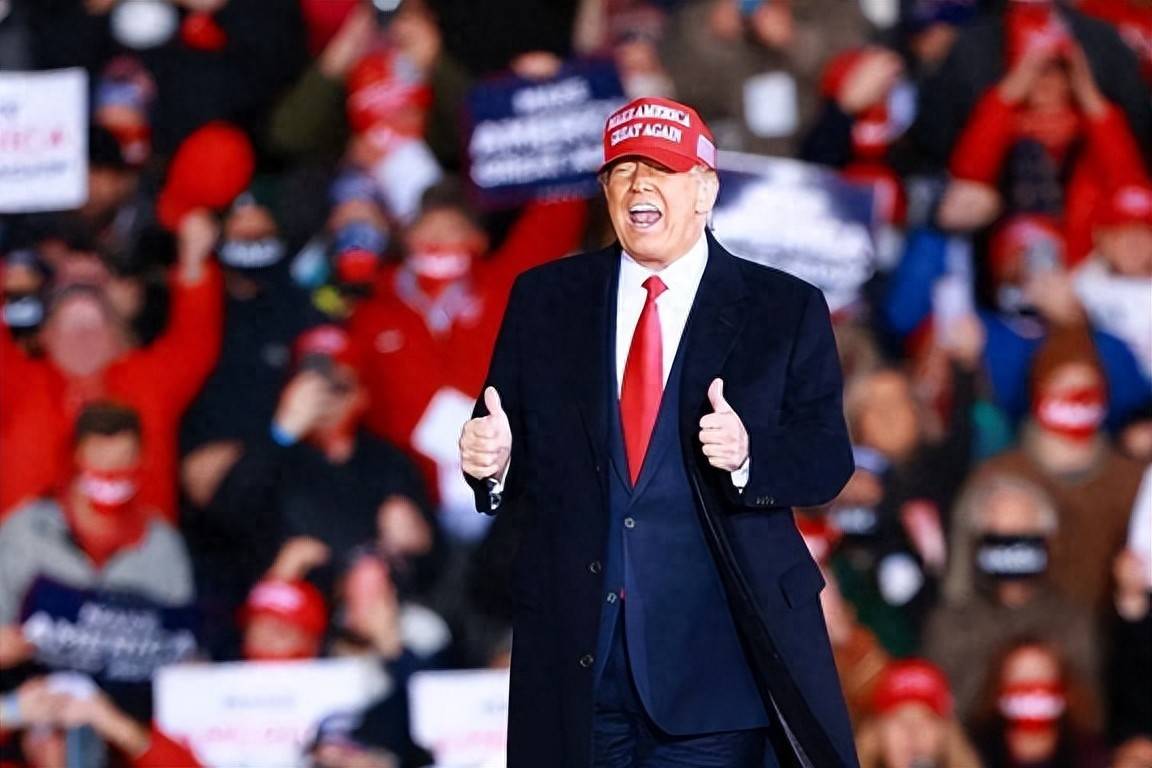
特朗普吹嘘美国养活了我军,指示美财长打电话,要中国报恩
Sou Hu Cai Jing· 2025-11-22 19:40
中美关税战暂告一段落,美国总统特朗普似乎仍未平息心中不甘,竟公然宣称是美国"掏钱养活了中国解放军",并指示财政部长致电中方,催促其"报答恩 情"。 此前,中美双方就关税问题达成一年休战共识,然而好景不长,美方很快又故态复萌。 特朗普的这番言论,看似荒诞不经,实则意在向美国国内传递信息:他挑起贸易战的根本目的是为了遏制解放军的发展,以确保美军不被超越,从而凸显自 己是保护美国安全的首功之臣。同时,他也试图以此为筹码,迫使中国高价购买美国农产品。 事实上,感到焦虑的并非特朗普一人。近日,美国海军高层考德尔在看到中国海军舰艇"下饺子"般列装,尤其是福建舰的服役以及四川舰的海试进展,表现 出了极大的震撼。他直言四川舰"又大又强",并表示美军将密切关注其后续动向。 美国方面的一系列言论和举动,在某种程度上,可以说是为自身发展非对称作战能力进行舆论铺垫,同时也为日后可能撕毁关税承诺埋下伏笔。因此,中国 方面有必要保持高度警惕。 首先,美国政府批准了特朗普上任以来首批对台军售,这不仅违背了美国领导人关于台湾问题的承诺,更是对中国的又一次背信弃义。台湾问题作为中美关 系中的敏感红线,美方的此番举动无疑极大动摇了来之不易的中美 ...
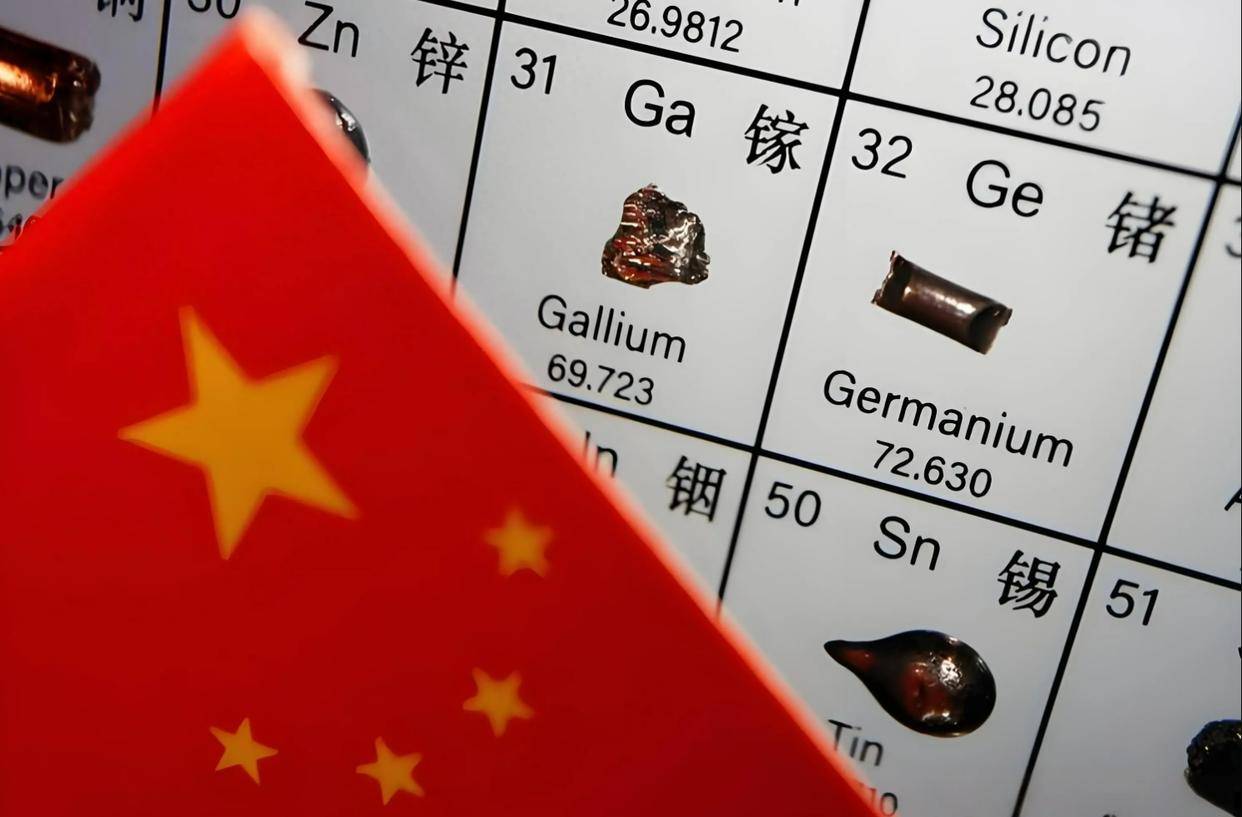
中日关系恶化,美国看戏?叫停100%关税,特朗普不愿激怒中国
Sou Hu Cai Jing· 2025-11-21 17:32
Core Viewpoint - The article discusses the deterioration of Sino-Japanese relations and the unusual silence from the United States, suggesting that the U.S. is avoiding being dragged into a confrontation with China due to Japan's provocative actions [1][4][32]. Group 1: U.S. Response to Sino-Japanese Tensions - The U.S. has adopted a rare "bystander" stance, refraining from openly supporting Japan or criticizing China during escalating tensions [3][4]. - This silence indicates a strategic decision by the U.S. to avoid being entangled in Japan's provocations, particularly regarding the Taiwan Strait, which is a core interest for China [6][11][30]. - The U.S. has not provided even symbolic support to Japan, despite conducting joint military exercises, which typically serve as a show of solidarity [7][12]. Group 2: Trade Policy and Economic Implications - The Trump administration has delayed the implementation of a proposed 100% tariff on semiconductor imports, reflecting a desire to avoid aggravating China and disrupting critical supply chains [13][19]. - The U.S. recognizes that while it can produce chips, it relies on China for rare earth materials essential for high-tech industries, making it cautious about escalating trade tensions [16][18]. - The article highlights that previous strategies of economic pressure have not effectively constrained China and have instead led to adverse effects on the U.S. economy [22][25]. Group 3: Strategic Considerations - The deterioration of Sino-Japanese relations poses a challenge for the U.S., as Japan's aggressive stance could push the U.S. into a position of direct conflict with China, which it seeks to avoid [24][36]. - The U.S. aims for "controllable competition" with China rather than an "uncontrollable explosion," indicating a shift in its approach to international relations in East Asia [32][38]. - The article concludes that the U.S. is redefining its relationship with China, recognizing that any provocations by allies like Japan will not be supported at the cost of U.S. interests [38].
特朗普为何频频示好中国?布热津斯基:俄罗斯很邪恶,中国则不同
Sou Hu Cai Jing· 2025-11-21 12:53
Core Viewpoint - The article discusses the shift in the U.S. approach towards China under Trump's administration, highlighting a transition from confrontation to negotiation, particularly in trade relations, as a response to domestic and global economic pressures [1][3][20]. Group 1: U.S.-China Trade Relations - Trump's initial trade war began in 2018, imposing tariffs on $34 billion worth of Chinese goods, which marked a significant escalation in U.S.-China tensions [1][3]. - Under Biden, tariffs on electric vehicles were increased to 100%, contributing to economic strain in the U.S. and rising inflation [3][5]. - Following the 2024 election, Trump indicated a willingness to negotiate trade issues with China, suggesting a potential reduction in tariffs if China made concessions on technology transfers [3][5][7]. Group 2: Strategic Adjustments - Trump's administration recognized the need to stabilize relations with China after years of trade conflict, as trade volume increased by 8% but supply chains were disrupted [9][20]. - The administration's strategy involved being tougher on allies while easing restrictions on China, aiming to provide relief to the U.S. economy [11][20]. - A significant agreement was reached during the APEC summit on October 30, where tariffs on certain Chinese goods were reduced from 20% to 10%, indicating a strategic pivot towards cooperation [7][11]. Group 3: Historical Context and Influences - The article references Zbigniew Brzezinski's views on U.S. foreign policy, emphasizing the importance of balancing power in Eurasia and the need for partnerships rather than confrontation [11][19]. - Brzezinski's perspective on China as a potential partner contrasts with his views on Russia, which he considered a threat, influencing U.S. policy directions [19][23]. - The article suggests that Trump's approach to China reflects a broader understanding of the geopolitical landscape, recognizing the necessity of cooperation in light of domestic pressures and global realities [20][23].
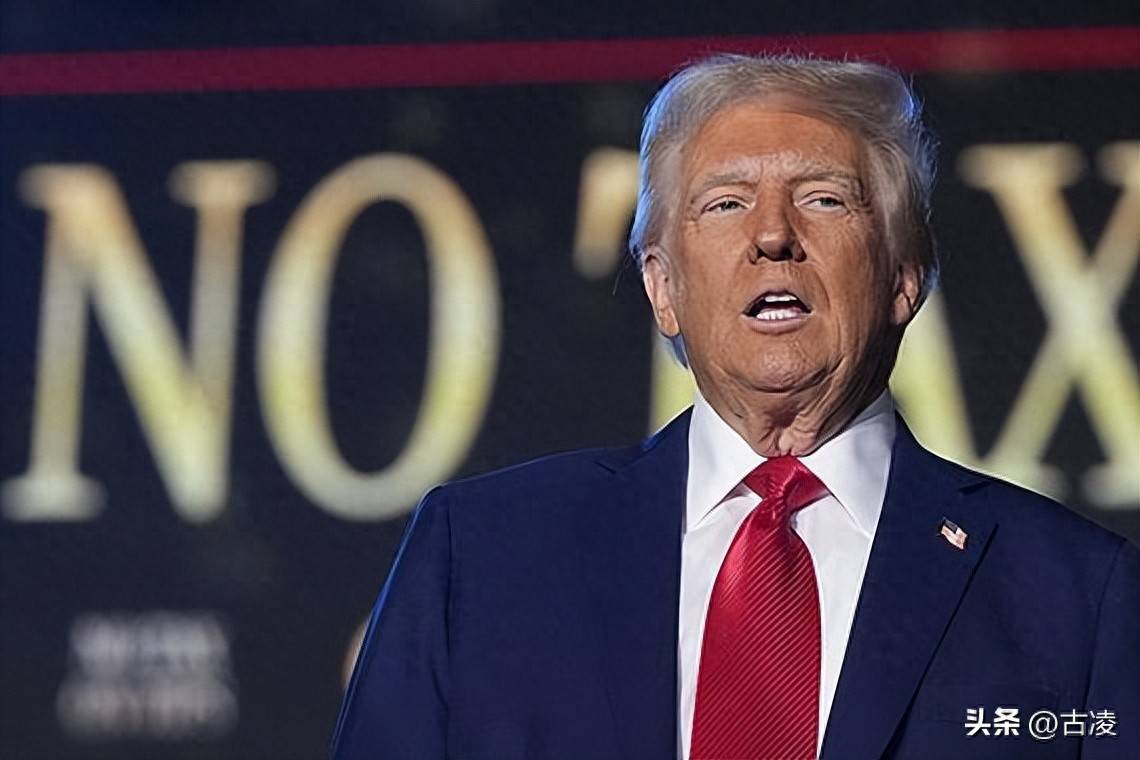
回顾:特朗普坚持不住了,已发帖我方表示:期望中国增加对美国大豆的购买量
Sou Hu Cai Jing· 2025-11-21 12:53
Group 1 - The article discusses the changing dynamics of U.S.-China soybean trade, highlighting Trump's recent calls for increased soybean orders from China despite previous trade tensions [1][3][5] - Historically, China accounted for a significant portion of U.S. soybean exports, with 28% of U.S. production going to China before 2011, and in the 2023-2024 market year, U.S. soybean exports to China are projected to be around 25 million tons [3][5] - The ongoing trade war has led to a decline in soybean purchases from China, with U.S. farmers expressing frustration over the lack of orders despite a bountiful harvest [5][10] Group 2 - U.S. soybean farmers have reported that China has shifted its soybean orders to Brazil, completing approximately 8 million tons of soybean purchases for September, which poses a significant challenge for U.S. exports [10][12] - The relationship between China and Brazil has strengthened, with Brazil becoming a key player in the soybean market, which could further complicate U.S.-China negotiations [12][14] - Trump's administration has attempted to mitigate the impact of the trade war on farmers through financial aid, but the ongoing situation has led to increasing discontent among U.S. farmers [7][8]

集运指数(欧线)期货周报-20251121
Rui Da Qi Huo· 2025-11-21 11:19
Report Summary 1. Investment Rating No investment rating for the industry is provided in the report. 2. Core View The trade war situation has improved, and there is a substantial turning point in geopolitical conflicts, but it has not yet affected the trade sector. Japan's actions may exacerbate geopolitical risks. China's export performance was weak in October, and freight rates lack support. With the arrival of the fourth - quarter shipping peak season, the demand side may pick up. The current freight rate market is highly influenced by news, and futures prices are expected to fluctuate more violently. Investors are advised to be cautious, pay attention to operation rhythm and risk control, and track geopolitical, shipping capacity, and cargo volume data in a timely manner [6][34]. 3. Summary by Directory 3.1 Market Review - The futures prices of the container shipping index (European line) declined collectively this week. The main contract EC2602 closed down 3.78%, and the far - month contracts fell between 1 - 3%. The latest SCFIS European line settlement freight rate index was 1357.67, down 147.13 points from last week, a 9.8% month - on - month decrease, which drove down the futures prices [5][33]. - The price of the main contract of the container shipping index (European line) futures decreased slightly this week. The trading volume and open interest of the EC2602 contract increased, and market trading warmed up [10][13]. 3.2 News Review and Analysis - Japan's actions, including the prime minister's wrong remarks on Taiwan and the issue of Japanese aquatic product exports, may have a negative impact on the market [18]. - Statements from the State Council Premier at the SCO meeting and the Fed's policy meeting minutes are considered neutral [18]. - The US's modification of patent rules and restrictions on Chinese enterprises are negative, while the Netherlands' suspension of the administrative order against Anshi Semiconductor is neutral to positive [18]. 3.3 Weekly Market Data - The basis of the container shipping index (European line) futures contracts shrank, and the spread widened this week [21]. - The export container freight rate index rebounded rapidly this week. Global container shipping capacity continued to grow, and the shipping capacity on the European line recovered with the approaching peak season. The BDI and BPI declined due to geopolitical factors [24][27]. - The charter price of Panamax ships fluctuated at a high level this week, and the spread between the offshore and on - shore RMB against the US dollar converged [29]. 3.4 Market Outlook and Strategy - The futures prices of the container shipping index (European line) declined collectively this week. China's manufacturing PMI in October declined more than seasonally, and the new export order index dropped significantly. The freight rate expectation continued to fall as shipping companies' price - support actions did not fully materialize. The Middle East situation postponed the expectation of Red Sea re - navigation. Germany's economic performance boosted market confidence [5][33]. - Considering the overall situation, although there are positive signs in trade and geopolitics, the freight rate lacks support. With the peak season approaching, the demand side may improve. The market is volatile, and investors should be cautious and track relevant data [6][34].

美联储或将再度进入“观望式降息”
2 1 Shi Ji Jing Ji Bao Dao· 2025-11-20 22:55
Core Viewpoint - The Federal Reserve is experiencing significant internal disagreement regarding the potential for further interest rate cuts in December, influenced by the recent government shutdown and the resulting lack of key economic data [1][2][3] Group 1: Economic Conditions - The U.S. economy is showing moderate expansion, with a gradual cooling of the labor market, but no sharp deterioration has been observed [1] - The core Consumer Price Index (CPI) for August was reported at 2.7%, indicating a slight increase from previous months, which may affect inflation expectations [3] - The trade war's impact on U.S. prices is becoming more evident, with tariffs potentially influencing inflation sustainability [4] Group 2: Federal Reserve's Policy Outlook - Federal Reserve officials are divided on whether to cut rates further, with some advocating for a wait-and-see approach due to the uncertainty surrounding economic data [2][3] - The likelihood of a rate cut in December has decreased to 44%, down from nearly 100% following the September decision, as market liquidity has improved post-government reopening [2] - The Fed's focus remains on balancing interest rates based on evolving data and risks, with a neutral rate being considered as a prudent strategy [2][4] Group 3: Trade and Economic Growth - Despite ongoing trade tensions, China remains a significant trading partner for the U.S., being the second-largest source of imports and third-largest destination for exports [4] - The Fed's dual mandate includes promoting economic growth, which may be impacted by trade policies and tariffs, necessitating a comprehensive evaluation of monetary policy in light of trade war effects [4]
21评论丨美联储或将再度进入“观望式降息”
Sou Hu Cai Jing· 2025-11-20 22:55
肖宇(中国社会科学院亚太与全球战略研究院副研究员) 据新华社报道,当地时间11月19日,美国联邦储备委员会公布的10月货币政策会议纪要显示,由于经济温和扩张、劳动力市场逐步降温但 未现急剧恶化,美联储官员对12月是否进一步降息出现明显分歧。这一决议符合市场预期,主要原因在于,长达43天的美国联邦政府停 摆,使得就业和通胀等关键数据缺失,而这些都是美联储决策所依赖的关键变量。 受数据迷雾的影响,美联储货币政策的能见度大大下降。在这一情况下,美联储官员们的发声,成为了市场观察美联储接下来货币政策走 向的重要窗口。 11月17日,美联储理事克里斯托弗·沃勒,在英国伦敦专业经济学家协会年度晚宴上,发表了《持续降息的理由》的主题演讲,认为政府 停摆导致数据缺失的挑战在许多方面被夸大了。政策制定者和预测者并非"盲目飞行"或在"迷雾中",尽管政府关门,但美联储仍然拥有大 量私营和部分公共部门数据,提供了一幅不完美但完全可作参考的美国经济图景。而且根据这些数据,进一步降息的条件仍然具备。 但在美联储副主席菲利普·杰斐逊看来,当前利率的走向,需要继续根据最新的数据、不断变化的前景和潜在的风险进行平衡。在11月17 日于密苏里州 ...

美国目的终于达成,西方逐渐统一对我们立场,企图联手对中国工业实施打压
Sou Hu Cai Jing· 2025-11-20 13:40
Core Viewpoint - The ongoing trade conflict between the United States and China, particularly in the renewable energy sector, reflects the U.S.'s efforts to maintain its global dominance amid China's rapid industrial rise [1][3]. Group 1: U.S. Trade Actions - In 2024, the U.S. imposed punitive tariffs of up to 100% on electric vehicles from China, along with 25% and 50% tariffs on lithium batteries and solar cells, respectively [5]. - The European Union followed suit in October 2024, announcing additional tariffs ranging from 17% to 45% on Chinese electric vehicles, indicating a coordinated effort among Western nations to limit China's industrial exports [5][8]. Group 2: G7's Stance - The G7 emphasized concerns over China's trade practices in multiple meetings throughout 2024 and 2025, agreeing to monitor "non-market policies and practices" that target China's industrial subsidies [7][8]. - By 2025, G7 leaders committed to establishing a joint fund to support domestic industry transformation and introduced specific metrics such as minimum tax refund requirements and subsidy caps [7][8]. Group 3: Impact on Global Trade - Despite the tariffs, China's electric vehicle and solar product exports accounted for over 50% of the global market in 2024, demonstrating the resilience of China's green industry [13]. - Following the implementation of EU tariffs, Chinese electric vehicle exports to Europe dropped by 20%, but the market quickly shifted to emerging markets like Vietnam and Indonesia, leading to a record export surplus of $1.2 trillion for China in 2025 [13][17]. Group 4: Internal Challenges in the West - The EU's economy showed signs of decline in 2025, with Germany experiencing four years of stagnation, partly due to supply chain disruptions caused by tariffs [13]. - France's efforts to achieve strategic autonomy were constrained by U.S. influence, despite contributing to a G7 fund aimed at supporting domestic battery production [13][11]. Group 5: Future Outlook - The G7's approach evolved from scattered responses in 2023 to a comprehensive suppression strategy by 2025, including punitive measures like retroactive tariffs and minimum price commitments [14]. - The ongoing confrontation between Western nations and China highlights the need for cooperation rather than conflict to foster global economic development [17].
传特朗普计划推迟半导体关税 以避免中美贸易摩擦升级
智通财经网· 2025-11-20 09:18
Core Viewpoint - The U.S. government may delay the implementation of previously promised semiconductor tariffs, which could impact President Trump's economic agenda [1][2] Group 1: Tariff Implementation - U.S. officials have privately indicated that semiconductor tariffs may not be implemented soon, reflecting a more cautious approach from the government [1] - Trump's aides are reportedly stalling on the chip tariff issue to avoid trade conflicts with China, which could disrupt critical rare earth mineral supplies [1] - The government is still debating the timing and details of the tariffs, which could potentially reach triple-digit percentages [1] Group 2: Government Stance - White House spokesperson and Commerce Department officials denied any change in the government's position regarding semiconductor tariffs [2] - The Commerce Department stated that there has been no change in policy regarding the semiconductor 232 tariffs, without providing a timeline for final decisions [2] Group 3: Economic Context - The timing is sensitive for Trump, as rising consumer anxiety over holiday shopping prices could be exacerbated by increased import taxes on semiconductors, affecting costs of various electronic devices [2] - Trump recently canceled tariffs on over 200 food items but claimed that import taxes have not significantly impacted inflation [2] - Since President Biden took office, inflation rates have consistently exceeded the Federal Reserve's target level [2] Group 4: National Security Concerns - Trump believes that tariffs can help revive domestic manufacturing jobs that have been lost to other countries, including China [3] - In April, the Trump administration announced investigations into drug and semiconductor imports to assess national security risks associated with reliance on foreign production [3]