产能出清

Search documents
杨东、杜昌勇、赵枫发声,谈内需、红利等板块机会
Sou Hu Cai Jing· 2025-04-28 10:39
Group 1 - The core viewpoint is that the Chinese government is expected to introduce strong measures to boost consumption and stimulate domestic demand, which may create numerous opportunities in the stock market [1] - There is a significant anticipated stimulus policy aimed at boosting consumption and potential further policies in the real estate sector [1] - Compared to developed countries, China has considerable macro policy space, including leverage, monetary easing, and fiscal deficit levels, which can help stabilize the domestic macro economy [1] Group 2 - Domestic service consumption has been relatively low in recent years, but it is likely to be one of the sustainable growth directions for future domestic demand [2] - Leading domestic companies have been expanding overseas for years, particularly in sectors like home appliances, construction machinery, and lithium batteries, making these companies worthy of attention [2] - The power industry is experiencing a shift where profits are moving from coal to the electricity sector, with long-term reforms and the development of renewable energy expected to stabilize and grow the performance of traditional power companies while maintaining high dividend commitments [2]
奥特维接待6家机构调研,包括易方达、睿远基金、诺德基金等
Jin Rong Jie· 2025-04-25 10:32
Core Viewpoint - The company, Aotwei, reported significant revenue growth in 2024 but faced challenges in new orders and backlog, indicating potential market pressures ahead [1][5]. Group 1: Financial Performance - In 2024, the company achieved a revenue of 9.198 billion yuan, representing a year-on-year increase of 45.94% [1][3]. - The net profit attributable to shareholders was 1.273 billion yuan, with a modest growth of 1.36% [1][3]. - The operating cash flow for the year was 788 million yuan, and total assets reached 14.029 billion yuan [1][3]. - For Q1 2025, the company reported a revenue of 1.534 billion yuan and a net profit of 141 million yuan [1][6]. Group 2: Order and Backlog Situation - The new orders signed in 2024 amounted to 10.149 billion yuan, showing a decline of 22.49% year-on-year [1][5]. - As of December 31, 2024, the backlog of orders was 11.831 billion yuan, down 10.40% compared to the previous year [1][5]. - By March 31, 2025, the backlog of orders decreased to 11.271 billion yuan [1][6]. Group 3: Cost and Expense Analysis - In 2024, sales expenses were 143.9018 million yuan, increasing by 9.61% year-on-year [4]. - Management expenses rose to 331.2247 million yuan, reflecting a growth of 29.11% [4]. - R&D expenses reached 430.3609 million yuan, with a growth rate of 31.49% [4]. - The growth rates of sales, management, and R&D expenses were lower than the revenue growth rate [4]. Group 4: Future Outlook and Strategic Initiatives - The company highlighted its technological advantages in aluminum wire bonding machines and anticipates an improvement in gross margins for 2025 [2][8]. - Aotwei is developing next-generation equipment in the photovoltaic, lithium battery, and semiconductor sectors [2][9]. - The establishment of a manufacturing base in Malaysia aims to mitigate the impact of U.S. tariffs and enhance export capabilities [2][9]. - The company does not plan to develop integrated production lines but will focus on core equipment in the industry chain [2][10]. - The company expects opportunities in the overseas market in 2025, despite challenges from tariffs [2][9].

光伏产业链价格继续走低、企业利润大减,背后受何因素影响
Di Yi Cai Jing· 2025-04-24 13:34
实际上,从去年年底开始,通威股份、大全能源等硅料大厂几乎同步"带头"减产以响应相关部门及中国 光伏行业协会提出的光伏产业"反内卷"倡议。据第一财经记者了解,截至目前,我国所有在产多晶硅企 业基本处于降负荷运行状态。不过据硅业分会披露,本月总计1家企业进入检修状态,预计对整体产量 影响较为有限。 除了各环节供需矛盾,下游终端市场需求的疲软,也是导致眼下光伏产业链从上至下各环节价格均走低 的一大原因。 在硅业分会看来,近期硅片环节价格的下行主要变化不在于供给端,而在需求端。"下游终端组件需求 快速回落,导致电池排产下降,对硅片需求大幅减弱。" 光伏主产业链由上至下主要分为硅料(多晶硅)、硅片、电池、组件四大环节。4月24日晚间,中国有 色金属工业协会硅业分会(下称"硅业分会")披露的数据显示,过去一周,多晶硅价格震荡下行,硅片 价格继续下行,电池和组件价格同样呈继续下探趋势。 "多晶硅市场处于僵持博弈状态,现货市场鲜少成交,买方与卖方暂时没有达成较为一致的价格共 识。"据硅业分会分析,上游多晶硅环节价格再度下滑的主要原因在于,目前二季度硅片的产出不及预 期。"整体来看,4月硅料签单水平不及3月,而5月硅片开工预计 ...

福斯特(603806):胶膜量增价减 感光膜快速起量
Xin Lang Cai Jing· 2025-04-10 11:23
Core Viewpoint - The company reported a decline in revenue and net profit for 2024, primarily due to intense competition in the photovoltaic supply chain and falling prices of encapsulant materials, but anticipates a recovery in 2025 as excess capacity is cleared and prices stabilize [1][2]. Group 1: Financial Performance - In 2024, the company achieved revenue of 19.147 billion yuan, a year-on-year decrease of 15.2%, and a net profit attributable to shareholders of 1.308 billion yuan, down 29.3% year-on-year [1]. - The fourth quarter of 2024 saw revenue of 3.973 billion yuan, with a significant decline of 33.1% quarter-on-quarter and 9.9% year-on-year [1]. - The company's 2024 encapsulant revenue decreased by 15% to 17.5 billion yuan, despite a 24.98% increase in sales volume to 2.81 billion square meters [2]. Group 2: Market Dynamics - The global photovoltaic industry faced an imbalance in supply and demand in 2024, leading to a continuous decline in prices across the entire supply chain [2]. - The average price of encapsulant materials fell from 7.3 yuan per square meter in Q1 2024 to 6.2 yuan per square meter in Q4 2024 [2]. - The company’s market share in the encapsulant segment increased to over 50% despite the price decline [2]. Group 3: Product Segments - The company reported a revenue of 593 million yuan from photosensitive dry film in 2024, reflecting a year-on-year growth of 30.72%, driven by demand from sectors like electric vehicles and AI servers [3]. - Revenue from aluminum-plastic film reached 133 million yuan, up 16.17% year-on-year, benefiting from the expansion of demand in electric vehicles and consumer electronics [3]. - The company is expanding its customer base in the digital, energy storage, and power battery sectors, which is expected to drive further growth in the future [3]. Group 4: Profit Forecast and Valuation - The company has revised its net profit forecasts for 2025 and 2026 to 2.46 billion yuan and 3.31 billion yuan, respectively, reflecting an increase of 11.6% and 9.6% from previous estimates [4]. - The target price for the company has been adjusted to 23.5 yuan, based on a price-to-earnings ratio of 25x for 2025, maintaining a "buy" rating [4].

新能源淘汰赛加剧,非“头部”公司靠香港IPO生存?
阿尔法工场研究院· 2025-03-04 10:16
Core Viewpoint - The article emphasizes the importance of initiating Hong Kong IPOs and accelerating global expansion for companies in the energy storage and photovoltaic industries during periods of industry downturn [2][4]. Industry Overview - The energy storage and photovoltaic sectors are currently facing significant challenges, with only leading companies able to endure the downturn [2]. - The industry is in a critical phase of capacity clearing, with the bottom of the cycle already identified, but price wars continue to dominate the market [4][17]. Company Actions - Major lithium battery companies, including Zhongwei Co., are moving towards Hong Kong IPOs to signal a strategic "breakout" and to support their global development strategies [3][21]. - Zhongwei Co. has initiated preparations for its Hong Kong IPO, aiming to enhance its international capital operations and optimize global industrial layout [3][21]. Financial Performance - Zhongwei Co.'s revenue grew from 1.862 billion to 34.273 billion from 2017 to 2023, while net profit surged from 18.23 million to 1.947 billion during the same period [12]. - Despite maintaining profitability, Zhongwei Co. experienced a slowdown in growth, with a revenue of 30.163 billion in the first three quarters of 2024, a 15.17% increase year-on-year, and a net profit of 1.324 billion, down 4.54% from the previous year [17][21]. Strategic Adjustments - Due to ongoing changes in the electric vehicle market and related industry conditions, Zhongwei Co. decided to terminate its investment in a nickel refining project in South Korea [19]. - The company has also extended the construction period for its nickel mining project in Indonesia, reflecting the challenges faced in overseas expansion [20]. Future Outlook - The industry is expected to face a period of consolidation, with the elimination of mid-tier companies, while leading firms like Zhongwei Co. and CATL are accelerating their IPO processes in Hong Kong [20][22]. - The anticipated fundraising from Zhongwei Co.'s Hong Kong IPO is expected to be between 400 million to 500 million USD, indicating a potential for recovery once industry supply and demand reach a balance [21][22].

光伏玻璃专家-价格与供需变化
2025-03-03 03:15
Summary of Conference Call Industry Overview - The conference call primarily discusses the photovoltaic (PV) glass industry and its components, including solar modules and their production dynamics [1][2][3][4][5][6][7][8][9][10][11][12][13][14][15][16][17][18][19][20][21][22][23][24][25][26][27][28][29][30][31][32][33][34][35][36][37][38][39][40][41][42][43][44][45][46][47][48]. Key Points and Arguments - **Production Increase**: Domestic PV module production increased from 33 GW in February to over 45 GW in March, with global production reaching approximately 53 to 55 GW, indicating a significant demand recovery [1]. - **Component Cost Structure**: PV modules consist of two main cost components: regulated costs (solar cells) and non-regulated costs (PV glass, EVA, frames, etc.). The price of regulated components has risen, with solar cell prices reaching 0.29 yuan per watt [2]. - **Glass Supply Dynamics**: The domestic PV glass supply is stable, with daily production capacity at 88,790 tons, accounting for 91% of global production. The supply has seen a slight decrease of 7.16% year-on-year [5][6]. - **Market Recovery**: The market is gradually improving from a low demand state, supported by a release of pent-up demand. The glass component's cost is about 15% of the total module cost, which is expected to rise further [3][4]. - **Future Production Plans**: New production capacity is expected to come from leading enterprises, while smaller firms are cautious about expanding capacity due to market conditions [7][8][9]. - **Price Trends**: The price of PV glass has been increasing, with expectations that module prices will also rise. The current market dynamics suggest a potential price increase in the coming months [24][25][26]. - **Inventory Levels**: Inventory levels for PV glass have been decreasing, with major companies reporting a reduction in stock to around 30 days, which supports price increases [31][32][33]. - **Demand Forecast**: The demand for PV modules is expected to continue rising, driven by increasing installations and the growth of distributed energy systems. The forecast for 2024 indicates a module shipment of approximately 588 GW, with a growth rate of over 40% in the last five years [18][19][20]. - **Export Dynamics**: Approximately 40% of domestic module production is exported, with an expected export volume of 240 GW in 2024, reflecting a 26% year-on-year increase despite rising barriers in international markets [20]. - **Long-term Market Outlook**: The overall market is expected to stabilize, with a gradual recovery in profitability for most companies as production costs align with market prices. However, smaller firms may face challenges due to competitive pressures [35][36][37][38]. Other Important Insights - **Cold Repairs and Production Resumption**: Many glass furnaces have undergone cold repairs, with a significant number expected to resume production in March, which will impact supply dynamics [10][11][12][13]. - **Regulatory Environment**: Current policies primarily affect new entrants in the market, with existing production capacities not significantly impacted by regulatory changes [47]. - **Technological Advancements**: The industry is witnessing a shift towards larger module sizes and higher power outputs, which will influence future glass demand [38]. This summary encapsulates the key discussions and insights from the conference call, providing a comprehensive overview of the current state and future outlook of the PV glass industry.
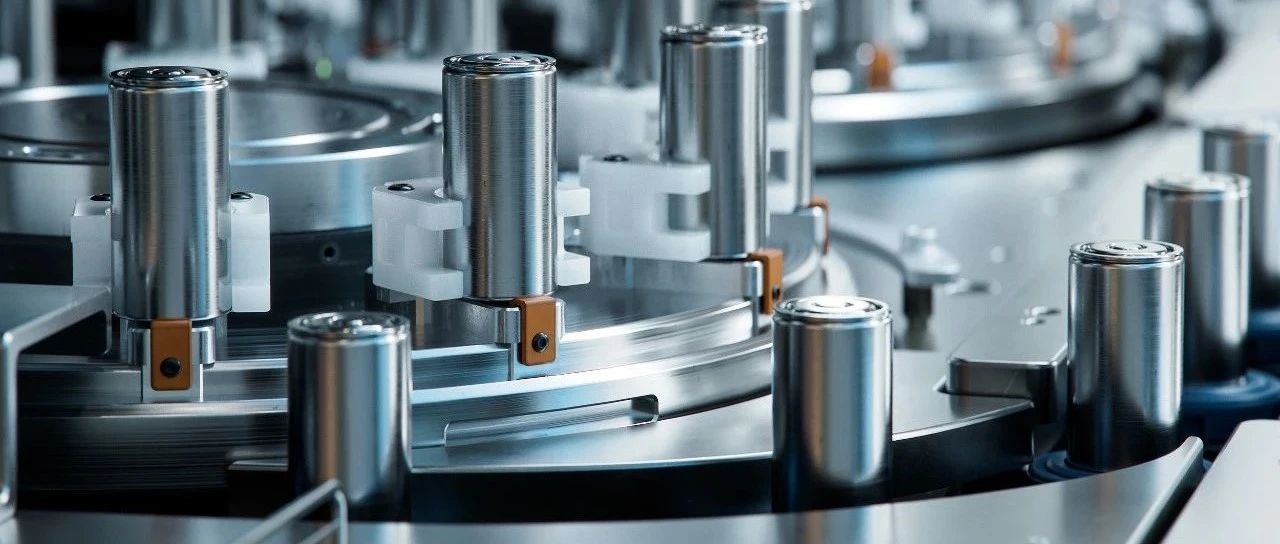
海外圆柱电池项目投扩产提速
高工锂电· 2025-03-01 07:12
Core Viewpoint - Battery companies are increasingly focusing on expanding their production capacity in the cylindrical battery segment, particularly in Southeast Asia, to meet the rising demand in various applications such as electric tools and 3C electronics [2][5][11]. Group 1: Expansion of Production Capacity - Recent announcements from companies like EVE Energy, Haisida, and Guanyu Group indicate a significant increase in cylindrical battery production capacity overseas, with EVE Energy's Malaysian facility aiming for an annual output of 680 million units [2]. - The cylindrical battery projects are expected to ramp up production steadily, with several projects set to launch in 2024, reflecting the optimism of battery manufacturers regarding the lithium battery market [3][4]. - The overall industry is currently in a capacity clearing phase, with fewer new projects being initiated, and most expansions are still focused on square batteries [3]. Group 2: Market Demand and Regional Focus - The demand for electric two-wheelers and electric tools in Southeast Asia is rapidly increasing, with projections indicating a compound annual growth rate of over 13% for electric two-wheelers from 2025 to 2029 [8]. - Establishing cylindrical battery factories in Southeast Asia allows companies to better align with local market needs and gain cost advantages, thereby capturing market share [8]. - Malaysia is becoming a hub for Chinese lithium battery companies due to favorable factors such as cost, resources, and policies, leading to a concentration of related supply chain entities [9]. Group 3: Strategic Client Relationships - By investing in Southeast Asia, domestic battery companies can facilitate the transition of international clients' supply chains, particularly in sectors like electric tools and 3C electronics, where international customer proportions are higher [10]. - Companies like EVE Energy and Weilan Lithium have established partnerships with major international clients, enhancing their market presence and mitigating tariff risks associated with U.S.-China trade tensions [10]. Group 4: Focus on Niche Markets - As competition intensifies in the traditional lithium battery markets, companies are shifting their focus to niche segments such as electric tools, 3C electronics, and smart home appliances, where growth potential remains strong [11][12]. - The number of companies in the power battery sector is expected to decline significantly by 2027, while niche markets are projected to show better growth and profitability [12].