金融强国

Search documents
A股市场投资策略周报:国内外重要会议临近,市场进入等待阶段-20251204
BOHAI SECURITIES· 2025-12-04 10:06
Market Review - In the past five trading days (November 28 to December 4), major indices mostly rose, with the Shanghai Composite Index slightly up by 0.01% and the ChiNext Index up by 1.19%. The CSI 300 rose by 0.69% and the CSI 500 increased by 0.89% [3][9][23]. Policy Insights - On December 3, the Deputy Director of the Central Financial Office emphasized the necessity of accelerating the construction of a financial powerhouse to promote high-quality development. Key areas include improving the central bank system, enhancing capital market stability, and optimizing financial institutions and infrastructure [28]. Investment Strategy - The A-share market is entering a phase of oscillation and waiting. The performance of the market will depend on the catalysts from various sectors during this earnings vacuum period. With important meetings approaching, the market is anticipating incremental policy changes, which could lead to a rebound if they exceed expectations. Investors are advised to remain patient and focus on policy and technology themes for future positioning [29]. Sector Opportunities - Investment opportunities are identified in several sectors: 1. TMT sector and robotics, driven by the expansion of AI capital from domestic and international cloud vendors and the acceleration of domestic computing power replacement [29]. 2. Power equipment and non-ferrous metals, benefiting from high global demand for energy storage and the ongoing industrialization of solid-state batteries [29]. 3. Social services and resource products, which may present policy-driven opportunities amid structural adjustments and "anti-involution" initiatives [29]. 4. The banking sector is also highlighted as a potential area for allocation due to the low interest rate environment and the return of public fund holdings to performance benchmarks [29].
问道银行品牌“铸金之径”:信立根,行致远,新拓界
Zhong Guo Jing Ji Wang· 2025-12-04 07:17
Core Viewpoint - CITIC Bank has been awarded the title of "2025 China Annual Bank" by The Banker, recognizing its innovative practices in serving the real economy and contributing to the development of a financial powerhouse in China [1]. Group 1: Brand Development - The foundation of modern banking is built on trust, which is essential for both the bank's development and brand construction [2]. - CITIC Bank integrates the concept of trust into its brand DNA, emphasizing a commitment to serving the real economy and high-quality development [2][4]. - The bank's brand value has reached $16.95 billion, with a year-on-year increase of 27.23%, making it the financial institution with the highest brand value growth in mainland China [3]. Group 2: Financial Services and Innovations - CITIC Bank focuses on five key areas: technology finance, green finance, inclusive finance, pension finance, and digital finance, translating brand philosophy into tangible development and customer value [4]. - The bank has made significant investments in technology, with its technology expenditure as a percentage of revenue exceeding 5%, positioning it among industry leaders [7]. - CITIC Bank has received multiple awards for its innovative projects, including first place for its cloud-native financial technology platform [7]. Group 3: Customer-Centric Approach - The bank has developed a comprehensive product and service matrix that addresses the full lifecycle needs of customers, including tailored offerings for both elderly and young clients [8]. - CITIC Bank's initiatives include the "Latte Plan" for young customers and support for elderly clients through pension products, reflecting a deep understanding of societal changes [8]. Group 4: Strategic Vision - The bank's chairman emphasizes a philosophy of "planning for the long term, doing well, and acting quickly" to achieve high-quality development [5]. - As of the end of Q3 2025, CITIC Bank's total assets reached 9.898 trillion yuan, with a non-performing loan ratio of 1.16%, indicating stable asset quality [5].

突然爆发!涨停潮!
证券时报· 2025-12-04 04:32
Group 1: Market Overview - On December 4, A-shares showed a rebound after a dip, with the ChiNext Index rising over 1% at one point. The Shanghai Composite Index closed slightly up by 0.04% at 3879.52 points, while the Shenzhen Component and ChiNext Index rose by 0.35% and 0.76% respectively, with a total transaction volume of 10,403 billion yuan [2] - Small-cap stocks were generally weak, with sectors like tourism, coal, liquor, and food and beverage declining. However, the brokerage sector saw a surge, led by Changcheng Securities [2][3] Group 2: Brokerage Sector - The brokerage sector experienced a significant rise, with Changcheng Securities up over 4%. Other firms like Xiangcai Securities and Huatai Securities also saw gains. Analysts predict that the brokerage industry will move towards a clearer structure of "leading brokerages + small specialized brokerages" by 2026, driven by ongoing reforms and policies [3][4] - Current valuations of brokerages are considered reasonable but still low compared to the expected high-quality development of the capital market, indicating potential for growth in profitability and valuation [4] Group 3: Robotics Sector - The robotics sector saw a strong surge, with stocks like Sanxie Electric rising over 20%, and several others including Haichang New Materials and Huawu Co., Ltd. hitting the daily limit. Jiangsu Leili also rose over 10% [5][6] - The U.S. government is reportedly accelerating the development of robotics technology, with plans for an executive order on robotics technology expected next year. This indicates a growing interest in robotics as a competitive frontier for the U.S. against other major economies [8][10] Group 4: Commercial Aerospace Sector - The commercial aerospace sector became active again, with stocks like Aerospace Hanyu and Tender Shares rising over 10%. The establishment of a dedicated Commercial Aerospace Department by the National Space Administration signifies a push for high-quality development in this industry [12][15] - The National Space Administration's action plan aims for significant growth in the commercial aerospace industry by 2027, enhancing innovation and resource utilization [15]


寻找中国经济突围之路,和讯财经中国2025年会即将启幕
Xin Lang Cai Jing· 2025-12-04 04:04
Core Viewpoint - In 2025, China's economy is at a critical juncture filled with challenges and opportunities, facing pressure from real estate adjustments, weak external demand, and slow internal recovery, necessitating a sustainable and resilient development path [1][6]. Group 1: Economic Challenges and Opportunities - The overall economic operation is stable but structural contradictions remain prominent, with investment, consumption, and exports not synchronizing [1][6]. - The theme of the upcoming "Finance China 2025 Conference" is "Finding the Path for China's Economic Breakthrough," focusing on revitalizing the private economy, reshaping industrial advantages, and promoting technological innovation [1][6]. Group 2: Conference Focus and Goals - The conference will address macro policy coordination, structural reforms, technological innovation, private sector development, financial openness, and risk prevention [2][7]. - The event aims to gather insights from leaders across various sectors to explore feasible paths for balancing stable growth with structural optimization [1][6][7]. Group 3: Recognition and Impact - The "Finance China Annual Conference" has become one of the most influential annual events in China's financial sector, recognized as a barometer for the upcoming year's economic dynamics [3][8]. - The 23rd Finance Wind and Cloud List will continue to uphold principles of fairness and transparency, evaluating companies based on multiple dimensions such as corporate value and social responsibility [2][7].
券商板块拉升,证券ETF建信(515560)所跟踪指数翻红上扬,机构看好未来券商盈利能力与估值水平上升空间
Xin Lang Cai Jing· 2025-12-04 03:53
Group 1 - The core viewpoint of the articles highlights the significant growth in the overseas business revenue of Chinese securities firms, with a 24% year-on-year increase in the first half of 2025, marking a historical high and a six-year compound annual growth rate of 20% [1] - The demand for companies to expand internationally is strong, supported by a surge in A-share companies listing in Hong Kong, with 17 companies completing IPOs in 2025, raising 3.25 times the amount raised in 2024, and an additional 89 companies in the queue for applications [1] - The competitive landscape for overseas business is highly concentrated, with the top eight firms (CR8) accounting for 94% of the market, allowing leading firms to establish capital and licensing barriers, resulting in significantly higher profitability and leverage compared to domestic counterparts [1] Group 2 - Looking ahead to 2026, the industry is expected to move away from homogeneous competition, with a clearer distinction between leading firms and smaller specialized firms, driven by the "Financial Power" strategy and policies aimed at activating capital markets [2] - The dual impact of policy support and organic growth within the industry is anticipated to provide considerable upward potential for the profitability and valuation of securities firms [2] - Regulatory encouragement for industry consolidation is evident, with mergers and acquisitions seen as effective means for firms to achieve external growth, enhance overall competitiveness, optimize resource allocation, and promote healthy market development [2]
证券行业2026年投资策略:本源业务彩彻区明,整合出海铸一流投行
GF SECURITIES· 2025-12-04 02:05
Core Insights - The report emphasizes the recovery of the securities industry in 2025, with a significant increase in profits driven by self-operated businesses, and anticipates continued growth in 2026 due to favorable policies and market conditions [6][15][26]. Section Summaries 1. 2025 Review: Recovery Begins - The securities industry saw a substantial improvement in profitability, with 43 listed brokers achieving a net profit of CNY 1,692.54 billion in the first three quarters of 2025, a year-on-year increase of 63.44% [15]. - The overall revenue for the same period reached CNY 4,216.23 billion, reflecting a 12.85% increase year-on-year [15]. - The recovery is supported by strong performance in brokerage and proprietary trading, with brokerage net income rising by 68% [18]. 2. Incremental Catalysts Expected, Performance Continues to Improve - The "14th Five-Year Plan" outlines a strategic direction for high-quality development in the financial sector, emphasizing the importance of a robust capital market [33]. - There is significant potential for increased market participation from institutional investors and retail investors, as the wealth effect from the capital market is expected to drive demand expansion [44][48]. 3. Comprehensive Performance Recovery, Growth Potential in Light Asset Businesses - The wealth management sector is recovering, with public funds showing high-quality development and increased market activity [18]. - Investment banking activities are also rebounding, particularly in the dual innovation sector, with IPOs and underwriting volumes expected to rise [18]. 4. Industry Structure Optimization: Building a First-Class Investment Bank - The report highlights the acceleration of mergers among leading brokers and the internationalization of Chinese brokers as key strategies for building a first-class investment bank [6][39]. - The integration of mergers and international expansion is seen as crucial for enhancing the competitive landscape of the industry [6][39]. 5. Profit Forecast: Continued ROE Improvement in 2026 - The report predicts that the return on equity (ROE) for the industry will continue to improve, with a projected net profit growth of 13% year-on-year under neutral assumptions for 2026 [6][39]. 6. Investment Recommendations: Focus on Structural Optimization and Alpha Catalysts - Investors are advised to pay attention to brokers benefiting from structural optimization and the recovery of wealth management, such as China International Capital Corporation, Huatai Securities, and CITIC Securities [6][39].



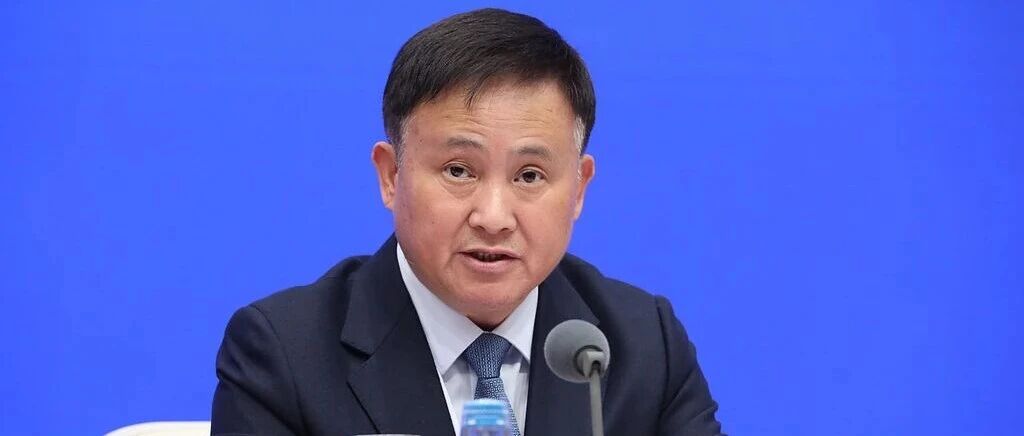
潘功胜发表署名文章
中国基金报· 2025-12-04 01:34
Group 1 - The article emphasizes the importance of constructing a scientific and robust monetary policy system and a comprehensive macro-prudential management system as strategic measures for promoting high-quality financial development and building a financial powerhouse during the 14th Five-Year Plan period [4][5][6]. - It highlights that the dual objectives of maintaining currency stability and financial stability are foundational tools for the central bank's macro-management, which are essential for achieving the goals of modernizing the economy [5][6][7]. Group 2 - The construction of a scientific and robust monetary policy system is deemed necessary for accelerating the establishment of a high-level socialist market economy, addressing unbalanced and insufficient development, and supporting high-quality development [5][6][8]. - The article outlines the need for a well-structured monetary policy framework that includes optimizing the mechanism for basic currency issuance and maintaining reasonable growth in financial aggregates [10][11]. Group 3 - The macro-prudential management system aims to observe, assess, and respond to financial risks from a macro and counter-cyclical perspective, preventing systemic financial risks that could disrupt macroeconomic stability [12][13]. - It stresses the importance of monitoring systemic financial risks and implementing preventive measures to ensure the stability of key financial institutions and markets [15][16].
货币政策最新定调
清华金融评论· 2025-12-04 01:19
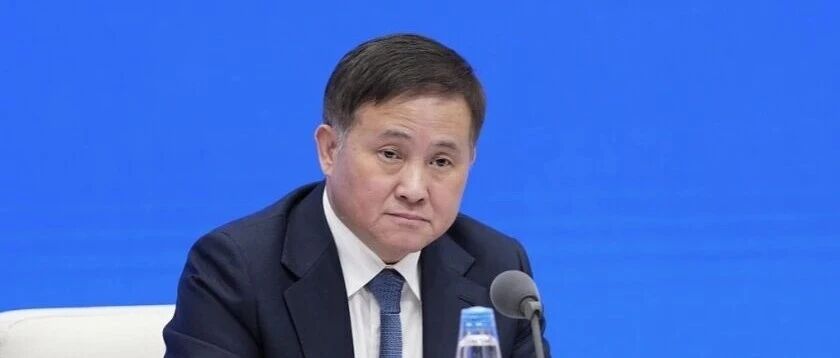
以下为原文: 构建科学稳健的货币政策体系和覆盖全面的宏观审慎管理体系(学习贯彻党的二十届四中全会精神) 潘功胜 党的二十届四中全会通过的《中共中央关于制定国民经济和社会发展第十五个五年规划的建议》提出,构建科学稳健的货币政策体系和覆盖 全面的宏观审慎管理体系。这是"十五五"时期推动金融高质量发展、加快建设金融强国的战略举措,为完善中央银行制度指明了方向。 一、构建科学稳健的货币政策体系和覆盖全面的宏观审慎管理体系的重要意义 习近平总书记指出,金融是"国之大者",关系中国式现代化建设全局。中央银行以维护币值稳定和金融稳定为双目标,货币政策体系和宏观 审慎管理体系是中央银行实施宏观管理的两项基础性工具,是实现双目标的双支柱。构建科学稳健的货币政策体系和覆盖全面的宏观审慎管 理体系,有利于把维护币值稳定和金融稳定更好结合起来,对于支撑金融强国建设具有重要的意义。 一是加快构建高水平社会主义市场经济体制的必然要求。习近平总书记指出,金融改革发展是国家改革发展的重要内容;金融制度是经济社 会发展中重要的基础性制度。"十五五"时期,需要适应社会主要矛盾变化,更好解决发展不平衡不充分问题;需要建设现代化产业体系,加 快构建 ...

潘功胜发表署名文章
21世纪经济报道· 2025-12-04 00:33
Group 1 - The core viewpoint emphasizes the importance of establishing a scientific and robust monetary policy system and a comprehensive macro-prudential management system as strategic measures for promoting high-quality financial development and building a financial powerhouse during the 14th Five-Year Plan period [1][2][3]. Group 2 - The construction of a scientific and robust monetary policy system is essential for maintaining the stability of currency value and financial stability, which are the dual objectives of the central bank [2][3]. - The need for a high-level socialist market economy system requires further improvement of the dual pillar system to balance economic growth, structural adjustment, and systemic financial risk prevention [2][3]. - The transition from high-speed growth to high-quality development necessitates enhancing the robustness of financial institutions and markets, thereby improving the quality of financial services to the real economy [3][4]. Group 3 - The monetary policy system and macro-prudential management system are core components of the modern central bank system, which need to be mutually supportive and complementary [4]. - The 2008 financial crisis highlighted that price stability does not equate to financial stability, necessitating the construction of a macro-prudential management system to prevent systemic financial risks [4][5]. - The dual pillar system has been preliminarily established in China, with monetary policy being relatively mature while macro-prudential management requires further refinement [4][5]. Group 4 - The main tasks for constructing a scientific and robust monetary policy system include optimizing the mechanism for basic currency issuance and monetary supply regulation, enhancing the market-oriented interest rate formation and transmission mechanism, and improving the structural monetary policy tool system [7][8][9]. - The focus should be on maintaining reasonable growth of financial totals while ensuring the effective financing needs of the real economy are met [7][8]. - Continuous improvement of the RMB exchange rate formation mechanism is necessary to maintain exchange rate flexibility and prevent excessive fluctuations [9]. Group 5 - The comprehensive macro-prudential management system aims to observe, assess, and respond to financial risks from a macro and counter-cyclical perspective, preventing systemic financial risks that could destabilize the macroeconomic environment [11][12]. - The system should cover the interconnections between macroeconomic operations and financial risks, as well as the key areas of financial markets and activities [11][12]. - Strengthening the monitoring and assessment of systemic financial risks is crucial, focusing on key areas such as cross-border capital flows and the real estate market [13][14]. Group 6 - The construction of a financial stability guarantee system is essential, which includes enhancing corporate governance and risk management of financial institutions, and ensuring effective early warning mechanisms for financial risks [15]. - The financial security capabilities should align with the level of openness in the financial sector, ensuring the safety of critical financial institutions and foreign exchange reserves [15].

潘功胜发表署名文章
财联社· 2025-12-03 23:35
Core Viewpoint - The article emphasizes the importance of constructing a scientific and robust monetary policy system and a comprehensive macro-prudential management system as strategic measures for promoting high-quality financial development and building a strong financial nation during the 14th Five-Year Plan period [3]. Group 1: Importance of Monetary Policy and Macro-Prudential Management - The dual goals of maintaining currency stability and financial stability are foundational for the central bank's macro-management tools, which are essential for supporting the construction of a financial powerhouse [4]. - The construction of these systems is a necessary requirement for accelerating the establishment of a high-level socialist market economy and addressing the imbalances in development [4]. - The need for a robust financial system has become more pressing as the economy transitions from high-speed growth to high-quality development, necessitating a shift from extensive expansion to intensive development [5]. Group 2: Building a Scientific and Robust Monetary Policy System - The monetary policy system aims to achieve a dynamic balance among currency stability, economic growth, full employment, and balance of payments [7]. - Key relationships to manage include the short-term versus long-term dynamics, the balance between growth and risk prevention, and the internal versus external economic relationships [8]. - Major tasks for constructing this system include optimizing the mechanism for basic currency issuance, enhancing market-oriented interest rate formation, and improving structural monetary policy tools [9][10]. Group 3: Comprehensive Macro-Prudential Management System - The macro-prudential management system aims to observe, assess, and respond to financial risks from a macro and counter-cyclical perspective, preventing systemic financial risks that could destabilize the macroeconomic environment [11]. - The system must cover the interconnections between macroeconomic operations and financial risks, focusing on key areas such as credit markets, capital markets, and real estate [12]. - Key tasks include strengthening the monitoring and assessment of systemic financial risks, implementing preventive measures in critical sectors, and enriching the policy toolbox for macro-prudential management [14][15].