两山理念

Search documents
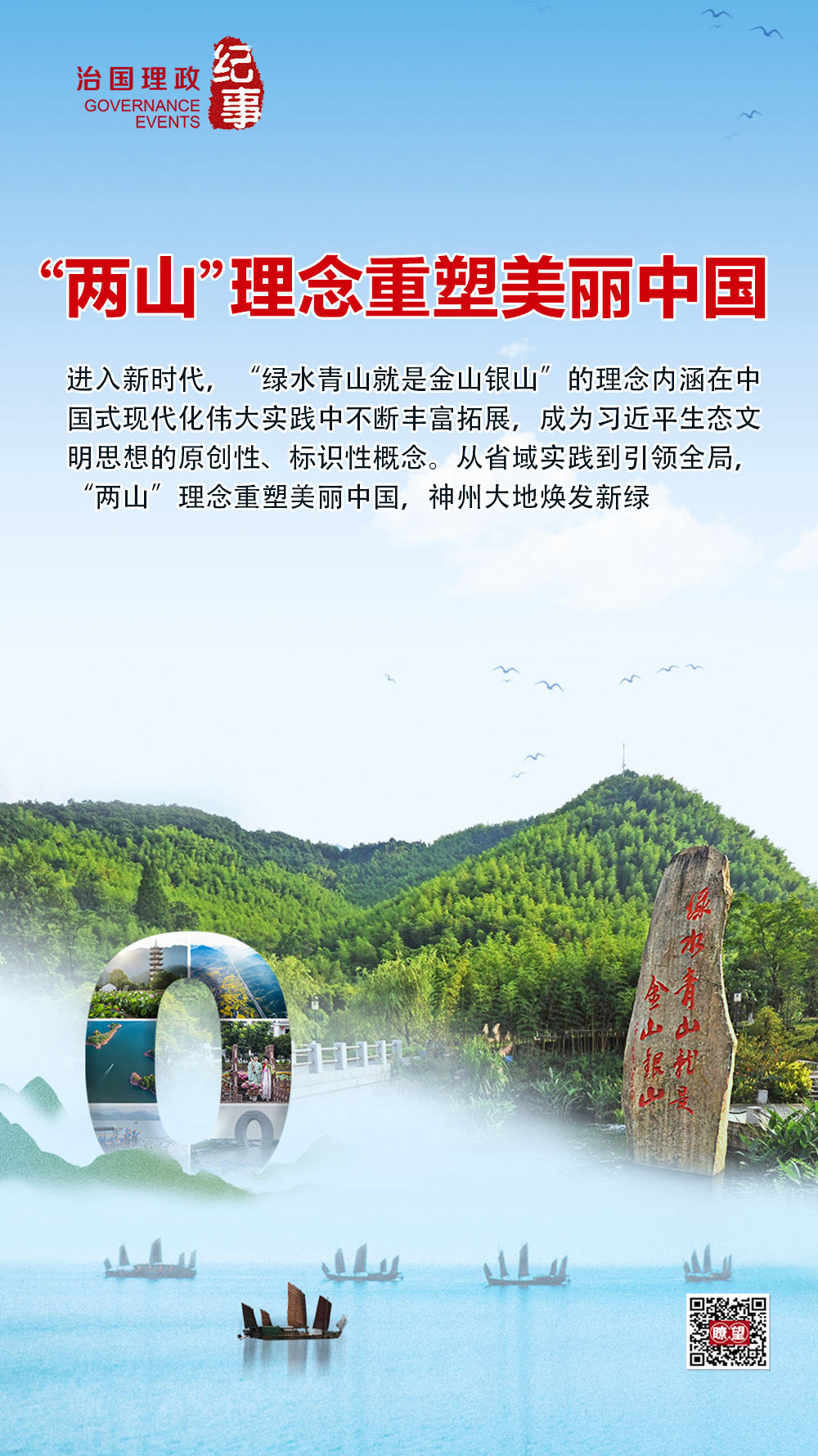
“两山”理念重塑美丽中国
Xin Hua Wang· 2025-08-09 02:21
Core Concept - The "Two Mountains" concept, which emphasizes the unity of ecological protection and economic development, has been pivotal in reshaping China's ecological civilization and promoting sustainable development practices across the nation [1][5][17]. Group 1: Historical Context and Development - The "Two Mountains" concept was first introduced by Xi Jinping in 2005 during a visit to Anji County, Zhejiang, highlighting the need for harmony between economic growth and environmental protection [3][4]. - Since the 18th National Congress of the Communist Party, this concept has fostered a broad consensus on ecological protection and green development, leading to significant changes in ecological civilization practices in China [5][18]. Group 2: Regional Initiatives and Achievements - Zhejiang Province has implemented five rounds of the "811" action plan, focusing on environmental protection and green development, resulting in substantial improvements in ecological conditions [3][8]. - By the end of 2022, Zhejiang established its first regional ecological product trading center, facilitating the trading of ecological resources and generating significant economic activity, with a total transaction amount of 13.101 billion yuan [3][14]. Group 3: Economic and Environmental Metrics - China's renewable energy generation capacity has surpassed that of coal, with a 21% year-on-year increase in new renewable energy installations in the first quarter of 2025, accounting for approximately 90% of new installations [4][23]. - In 2024, China's production of new energy vehicles is expected to exceed 10 million units, representing 65% of the global total, marking a decade of leadership in this sector [4][23]. Group 4: Global Contributions and Recognition - China's efforts in ecological civilization have been recognized globally, with significant contributions to sustainable development and environmental governance, positioning the country as a leader in global ecological initiatives [29][28]. - The "Two Mountains" concept has not only transformed China's development path but also offers a model for sustainable development that can be applied globally, addressing the challenges of environmental degradation [26][29].

西藏生态安全屏障日益牢固
Zhong Guo Huan Jing Bao· 2025-08-08 07:57
王君正介绍,2021年以来,西藏自治区经济发展规模不断扩大,发展的质量和效益明显提升,清洁能 源、文化旅游、高原轻工业等现代产业蓬勃发展,现代产业体系初步建立。如今,西藏自治区自我造 血、自我发展的能力不断提高,主要经济指标增速连续多年位居全国前列,2025年全自治区生产总值有 望突破3000亿元,实现第三个千亿目标。 在坚定不移贯彻落实绿色发展理念方面,2024年,西藏自治区绿色食品、有机农产品、农产品地理标 志、全国名特优新农产品总数达到了404个,绿色有机成为"藏字号"农畜产品的金字招牌。绿色工业加 速转型,2021年—2024年累计培育国家级绿色工厂17家、国家级绿色工业园区1家,高原特色产业的含 绿量、含金量、含新量不断提升。 如今,西藏自治区依托世界级水能、风能和太阳能资源,加快清洁能源基地建设,积极为实现"双碳"目 标贡献力量。2024年西藏清洁能源发电量占比达到99%以上,基本实现了全清洁电力供应,成为全国清 洁能源发电量占比最高的地区。非化石能源消费比重达到55%以上,位居全国前列。 西藏自治区的各领域生态补偿制度不断优化完善。2021年—2024年,西藏自治区累计落实草原生态补助 奖励资金 ...
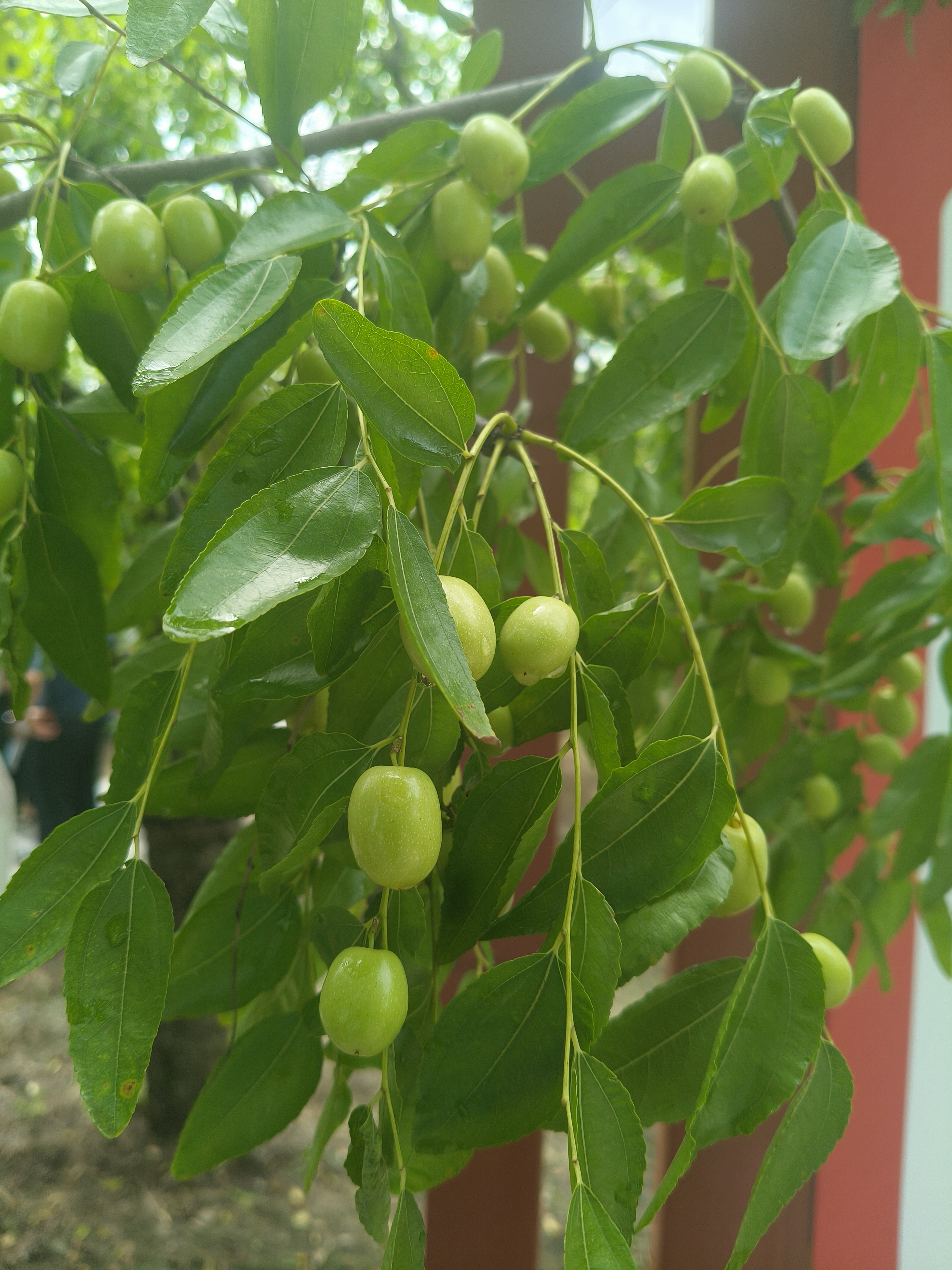
千年古树焕新机:乐陵绘就“两山”转化生态画卷
Qi Lu Wan Bao· 2025-08-08 04:33
Core Viewpoint - The article highlights the transformation of the ancient jujube trees in Dezhou's Leiling City into valuable agricultural assets, emphasizing the integration of ecological preservation with economic development through innovative practices and tourism promotion [1][5][8] Group 1: Ecological Preservation - Leiling City is home to the largest ancient artificial fruit forest in China, covering 300,000 acres, with over 1,400 ancient trees over a thousand years old and more than 14,000 trees over 500 years old [5] - Each ancient tree is tagged with a wooden plaque indicating its age and protection level, showcasing the historical significance and the efforts made for their conservation [5][7] - The establishment of a jujube germplasm resource bank and designated core protection areas serves as a protective measure for these ancient trees [7] Group 2: Economic Development - The local government has implemented innovative agricultural practices, such as intercropping jujubes with peonies and peppers, increasing income by an additional 3,000 yuan per acre [7] - The jujube industry has diversified, producing various products including freeze-dried jujubes, jujube wine, vinegar, and health enzymes, significantly increasing the value-added potential of the jujube [7][8] - A comprehensive sales network has been established, integrating e-commerce, supermarkets, and international trade, facilitating the distribution of over 140 product varieties [8] Group 3: Cultural and Tourism Integration - The local government promotes jujube culture through events like the Jujube Expo and various tourism activities, enhancing visitor engagement and cultural appreciation [8] - The establishment of the China Jujube Culture Museum and numerous scenic spots contributes to the cultural narrative surrounding the jujube, attracting tourists and fostering local pride [8]
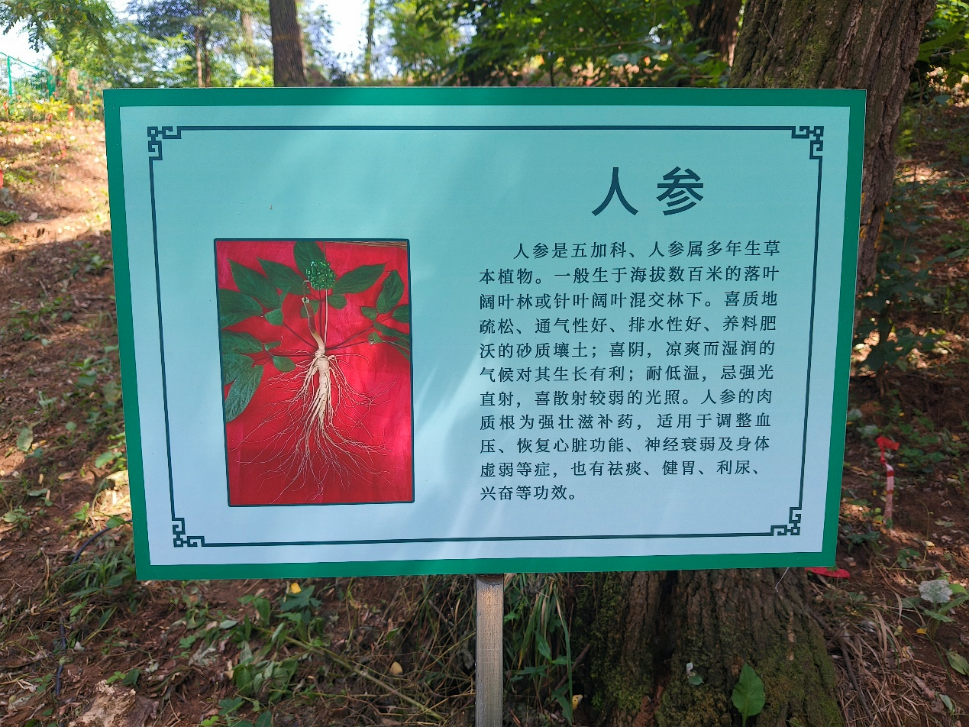
青州仰天山“点绿成金”:千亩林下参园绘就“两山”新画卷
Qi Lu Wan Bao· 2025-08-08 04:33
Core Viewpoint - The successful cultivation of ginseng in the ecological environment of Mount Yangtian represents a significant achievement in integrating forest resources with medicinal plant cultivation, showcasing a model for sustainable economic development in Shandong province [1][5][6]. Group 1: Ginseng Cultivation Success - The ginseng planting base spans over a thousand acres and has successfully completed its life cycle from transplantation to natural reproduction [1]. - The unique forest climate, characterized by mild temperatures, rich soil, and appropriate light conditions, has created an ideal environment for ginseng growth [5]. - The initial trial of ginseng cultivation has evolved into a long-term partnership, leading to the expansion of ginseng cultivation in the region [5]. Group 2: Economic Transformation - The company aims to transform ginseng into high-value health products, pharmaceuticals, and skincare items, maximizing the economic benefits derived from the ecological resources [6]. - The development of a composite model that includes forest-based planting, breeding, collection, and tourism is becoming a vital link between ecological preservation and economic growth [6]. - The success of the ginseng project is inspiring more forest-based economic initiatives, contributing to the overall revitalization of rural areas [7]. Group 3: Sustainable Development - The project exemplifies the practical application of the "Two Mountains" theory, which emphasizes the balance between ecological preservation and economic development [6][7]. - The local community recognizes the importance of protecting the ecological environment as a foundation for future development [7]. - The ongoing efforts in ecological protection and sustainable economic practices are expected to lead to a more prosperous future for the region [7].
嘉兴:二十年“两山”实践,绘就生态新画卷
Zhong Guo Huan Jing Bao· 2025-08-08 02:08
Group 1 - The core idea of the article emphasizes the transformation of Jiaxing City from an "environmental debt" to an "ecological asset" through systematic governance and innovative practices, showcasing the synergy between ecological environment and economic development [2][10][17] - Jiaxing has achieved a significant improvement in water quality, with the proportion of Class III water bodies rising from 0% in 2012 to 100% today, and drinking water sources meeting standards for five consecutive years [4][5] - The city has implemented comprehensive pollution control measures, including the "Five Water Co-Governance" initiative and the "Three Water Coordination" strategy, leading to a reduction of over one-third of pollutants through various ecological projects [4][5] Group 2 - Jiaxing's air quality has improved, with PM2.5 concentrations projected to drop to 26.8 micrograms per cubic meter by 2024, marking a significant achievement in air pollution control [5] - The city has established a "city-park-enterprise" three-tier practice system for pollution reduction and carbon neutrality, showcasing innovative technologies that reduce volatile organic compound emissions by 17.68 tons annually [5][10] - Jiaxing encourages the development of green industries such as ecological agriculture and rural tourism, with successful examples like the integration of the peach industry and rural tourism in Taoyuan Village, leading to increased farmer incomes [10][11] Group 3 - The article highlights the importance of community involvement in ecological governance, with initiatives like the creation of "quiet communities" and the use of AI for monitoring pollution sources [16] - Jiaxing has pioneered the integration of carbon emissions into planning and environmental assessments, establishing a rapid response mechanism for environmental incidents [16][17] - The city's practices demonstrate that ecological protection and economic development can coexist harmoniously, providing a model for integrated ecological and economic growth in the Yangtze River Delta region [17]
苏州以更高标准打造世界级生态湖区
Su Zhou Ri Bao· 2025-08-08 00:29
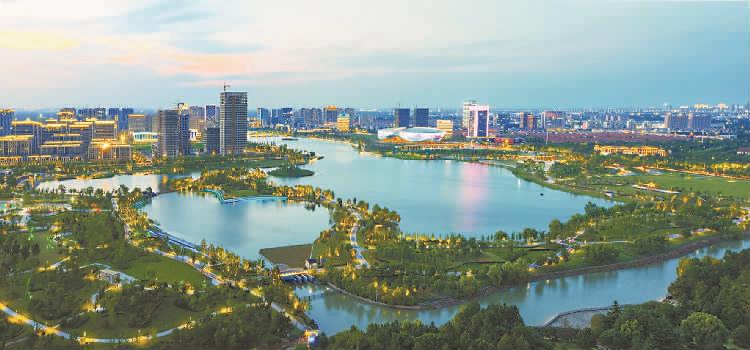
Core Viewpoint - Suzhou is actively implementing ecological restoration and sustainable development initiatives around Taihu Lake, achieving significant improvements in water quality and biodiversity while promoting eco-friendly tourism and cultural integration [1][6][10]. Group 1: Ecological Restoration Efforts - Taihu Lake has safely passed summer for 17 consecutive years, meeting national standards for excellent lakes [1]. - Suzhou has invested 25 billion yuan in 21 key projects for ecological restoration from 2022 to 2025, achieving a rural sewage treatment rate increase from 65% to 100% and restoring 1,200 hectares of ecology [2]. - The water quality of Taihu Lake has improved, with the coverage of aquatic plants increasing from 12% to 38% and the biomass of benthic animals increasing by 3.5 times [7]. Group 2: Legislative and Institutional Framework - The "Suzhou Taihu Ecological Island Regulations," the first of its kind in Jiangsu Province, was enacted to protect Taihu islands, establishing a robust legal framework for ecological restoration [2]. - A "1+2+2" institutional system has been created to support the regulations, including ecological compensation and assessment mechanisms [2]. - The establishment of a comprehensive ecological damage compensation demonstration base in Jiangsu has facilitated innovative ecological restoration practices [3]. Group 3: Technological Innovations - The "Key River and Lake Cloud Manager" platform in Suzhou utilizes hundreds of monitoring points for real-time ecological data transmission, enhancing water quality and algae monitoring [8]. - A collaborative laboratory involving 12 top research institutions has achieved breakthroughs in 16 core technologies related to ecological protection [8]. Group 4: Economic and Cultural Integration - Suzhou is exploring an "ecology + culture" development model, leveraging rich cultural resources to enhance tourism and local economies [10]. - The region has seen a significant increase in tourist numbers, with a 9.46% year-on-year growth during the Spring Festival, driven by attractions like the red-billed gull [9][10]. - Investment in eco-friendly tourism and cultural projects is expected to further boost local economies and attract more visitors [10].
天津宁河区:解码“两山”转化新路径
Zhong Guo Fa Zhan Wang· 2025-08-07 22:41
中国发展网讯 李揽月 记者朱波报道 碧波万顷,苇海摇曳,鸥鸟翔集——走进天津市宁河区七里海湿地 自然保护区,宛若铺展的生态画卷。这片享有"京津绿肺"美誉的世界三大古海岸湿地之一、我国唯一的 古海岸与湿地同处一地的国家级自然保护区,处处焕发着盎然的生机。 "快看,又生了9头小麋鹿!"七里海湿地顾问于增会举着望远镜,欣喜地指向远方。他感慨道:"它们的 回归与繁衍,是湿地健康最好的'考官'。"如今,依托七里海这块"金字招牌",乡亲们的日子越过越红 火,腰包越来越鼓。绿水青山就是金山银山,已成为大家心底最真切的认同。 绿色发展是高质量发展的底色。近年来,宁河区始终以习近平生态文明思想为指引,紧扣"生态立区"发 展方向,坚定不移走生态优先、绿色发展之路,将绿色生态"高颜值"转化为经济发展"高产值"。2023年 宁河区荣膺"国家生态文明建设示范区",2024年成功摘得国际生态保护领域的大奖——联合国"生物多 样性魅力城市"和世界"自然城市"平台称号。 如今,宁河区正以蓬勃活力诉说着生态保护与发展的共赢故事…… 从增绿到增收,育生态农业"金招牌" "为啥五黑鸡蛋的平均售价比普通鸡蛋高出5倍?消费者看中的是我们这里的好生态。 ...
活力中国调研行•走进吉林丨枯竭矿脉上长出“美丽经济”长春马鞍山村生动践行“两山”理念
Sou Hu Cai Jing· 2025-08-06 04:52
Core Viewpoint - The article highlights the transformation of the Ma'anshan Village in Jilin Province from a resource-exhausted mining community to a vibrant tourist destination, showcasing the successful implementation of the "Two Mountains" concept, which emphasizes ecological preservation and economic development [2][21]. Group 1: Economic Transformation - Ma'anshan Village, once reliant on mining, has shifted to a tourism-based economy, attracting 600,000 visitors annually and generating over 15 million yuan in tax revenue [9][11]. - The village has developed a rural tourism model that integrates red culture and local history, creating a red education base and themed hiking routes [5][22]. - The village's tourism initiatives include the "Huanyu Mountain" rural complex, which features 147 guest rooms and a 1,500 square meter restaurant, capable of accommodating 300 guests [25][27]. Group 2: Community Development - The establishment of the "Jilin Shangjia Cultural Development Co., Ltd." allows for a village-enterprise partnership, with the village holding 60% of the shares, ensuring community involvement and profit-sharing [10][26]. - The village's tourism development has created approximately 20 long-term jobs and over 2,000 temporary positions, significantly improving local livelihoods [10][26]. - Local products, such as wild vegetable buns, have gained popularity, with over 500 servings sold during the 2024 Spring Festival [6][23]. Group 3: Cultural and Environmental Integration - The village's initiatives reflect a successful blend of agriculture, culture, and tourism, contributing to the broader rural revitalization efforts in Changchun City [24][27]. - The local government has integrated cultural heritage into tourism, promoting traditional arts and crafts, which has led to a significant increase in tourist spending [11][27]. - The article emphasizes the importance of ecological sustainability in the village's development strategy, aligning with national goals for rural revitalization and environmental protection [21][24].
今豫言丨常青树也是摇钱树
He Nan Ri Bao· 2025-08-04 23:41
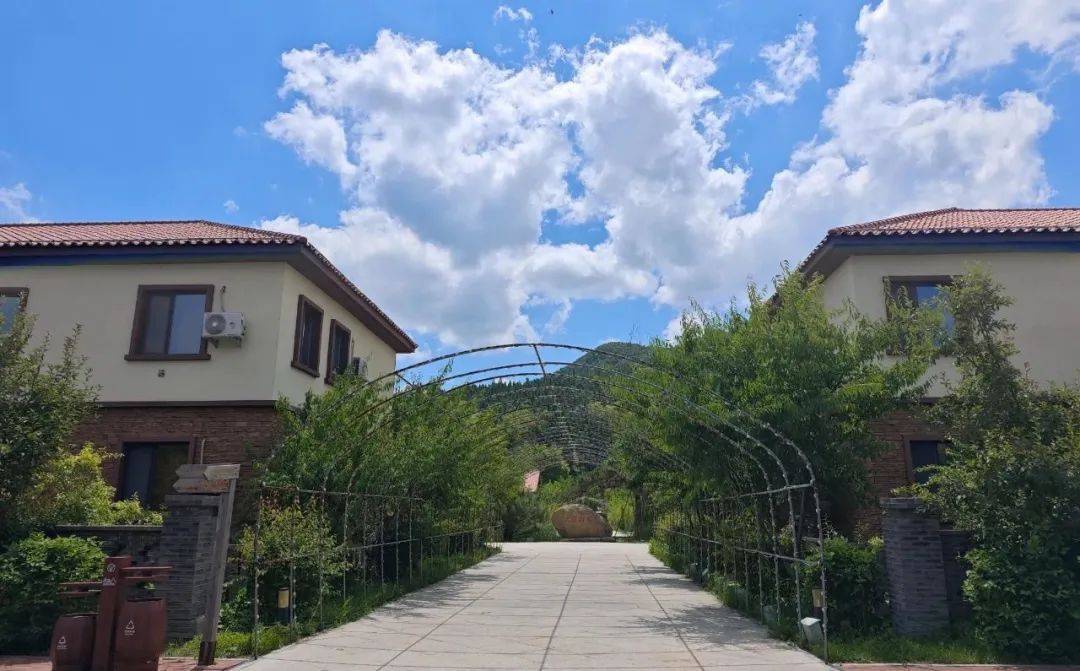
Core Viewpoint - The article emphasizes the successful integration of ecological preservation and economic development in Henan province, showcasing the transformation of barren land into thriving ecosystems and industries, particularly through initiatives like the Minquan Shengan Forest Belt, which is recognized as one of the major artificial protective forests in Asia [1][2]. Group 1: Ecological Development - The Minquan Shengan Forest Belt has transformed from barren saline-alkali land to a lush forest, becoming one of the four major plains protective forests in China and one of the top ten in Asia, often referred to as "the Saihanba of Henan" [1]. - The ecological initiatives in Henan are not only focused on environmental restoration but also on creating economic opportunities, as seen in the organization of ecological marathon events that promote sports, culture, and tourism [1]. Group 2: Economic Integration - Henan's approach combines ecological conservation with industrial development, leading to high-quality economic growth, as evidenced by the successful integration of green initiatives with local industries [1]. - The province has adopted the "Two Mountains" theory, which emphasizes that a good ecological environment is foundational for accelerating the transformation of old and new economic drivers, thus ensuring sustainable high-quality development [1]. Group 3: Case Studies - Luanchuan has developed popular tourist attractions like Laojun Mountain and Chongdugou, turning traditional industrial areas into green economic zones [1]. - The New County has attracted social capital by leveraging its natural and cultural heritage, creating a rural revitalization model that combines natural resources with cultural tourism [1]. - Guangshan County is promoting the oil tea industry on barren hills, demonstrating a dual achievement of economic and ecological benefits [1].
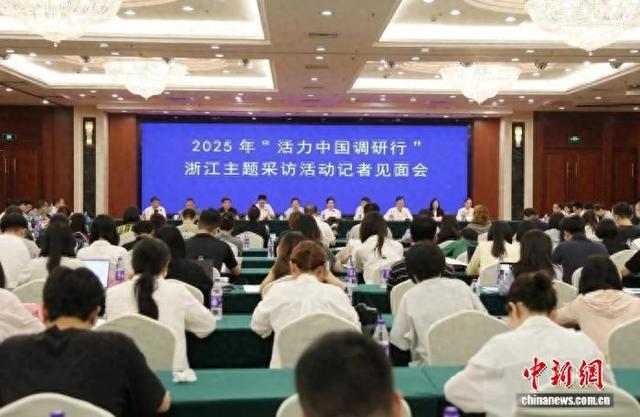
(活力中国调研行)浙江:做好“三件事”推动全面绿色转型
Zhong Guo Xin Wen Wang· 2025-08-04 14:25
Group 1 - The core theme of the event is to promote a comprehensive green transformation of economic and social development in Zhejiang, focusing on the concept of "Green Water and Green Mountains are as Valuable as Mountains of Gold and Silver" [2] - Zhejiang has implemented the "811" environmental pollution control action since 2004, which targets eight major water systems and eleven key pollution areas, demonstrating a long-term commitment to environmental protection [3] - The proportion of surface water with good quality in Zhejiang has increased from 41.9% to 98.6% over nearly 20 years, and the average PM2.5 concentration in urban areas has decreased from 61 µg/m³ in 2013 to 26.1 µg/m³, showcasing significant environmental improvements [3] Group 2 - The transformation of "Green Water and Green Mountains" into "Mountains of Gold and Silver" involves exploring and broadening conversion pathways, including the establishment of a provincial GEP accounting standard to measure ecological product value [5] - Zhejiang has developed over 126 full industrial chains for local specialties, generating a total output value of 321.6 billion yuan and creating 4.7 million jobs, with an average annual income of 51,000 yuan [7] - The province has focused on upgrading its manufacturing sector and developing clean energy and advanced manufacturing, resulting in a significant increase in output value despite a reduction in the number of companies in certain industries [8]