元宇宙

Search documents
四闯IPO,Soul赚得到年轻人“情绪价值”的钱吗?
Huan Qiu Wang· 2025-12-16 09:58
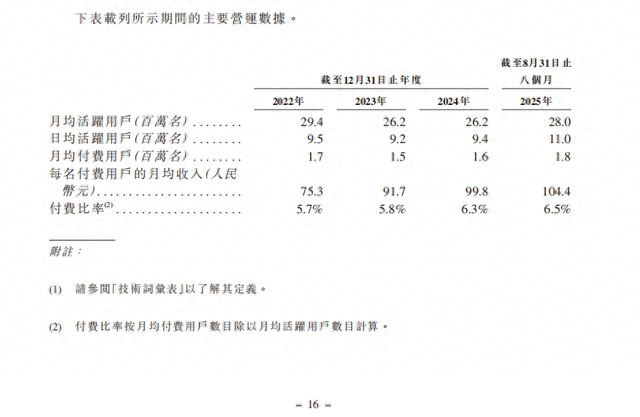
Core Viewpoint - Soul has submitted its IPO application to the Hong Kong Stock Exchange for the fourth time since its attempt to go public in the US in 2021, showing improved financial performance with a revenue of 1.68 billion yuan in the first eight months of 2025, a year-on-year increase of 17.8% [1] Financial Performance - Revenue for the first eight months of 2025 reached 1.68 billion yuan, reflecting a 17.8% year-on-year growth [1] - Operating profit turned positive in 2023 and has continued to grow, with customer acquisition costs significantly reduced, leading to a decrease in sales expenses from 1.5 billion yuan in 2021 to 890 million yuan in 2024 [1] - Monthly active users (MAUs) are projected to slightly increase from 26.2 million in 2023 to 28 million in 2025, while daily active users (DAUs) are expected to rise from 9.4 million in 2023 to 11 million in 2025 [2] Business Model and Strategy - Soul positions itself as a leading AI and immersive social platform, focusing on user interests and personalities rather than physical appearance, creating a unique emotional oasis for users [3][4] - The company plans to allocate funds raised from the IPO towards expanding into XR, virtual spaces, and AI-driven technologies related to the metaverse [3][4] - The revenue structure remains highly concentrated, with virtual goods and membership services accounting for over 90% of total income, while advertising revenue is less than 10% [7] User Engagement and Challenges - The average revenue per paying user has increased by approximately 140% to 104.4 yuan, with daily active users spending over 50 minutes on the platform [7] - Despite the positive financial indicators, the user payment rate remains low, peaking at only 6.5% in 2025, which is significantly lower than competitors [7] - The user base has declined from a peak of 31.6 million MAUs in 2021 to around 26.2 million in 2023, with only a slight recovery expected in 2025 [7] Emotional Value and Market Positioning - Soul's core business revolves around capturing the "emotional value" of young users, addressing the demand for anonymous communication and emotional resonance [8] - The platform's shift towards monetizing social opportunities and efficiency has raised concerns about straying from its original mission of "soul over appearance," potentially altering community dynamics [8] - The introduction of virtual companions has highlighted the challenges of balancing user expectations and trust within the emotional consumption space [8]

2024年山东万元工业增加值用水量降至10.74立方米
Qi Lu Wan Bao· 2025-12-16 09:28
12月16日,山东省政府新闻办举行省政府政策例行吹风会,邀请省水利厅负责同志等解读《山东省人民政府关于落实节水优先方针全面推进水资源节约集 约利用的意见》。 二是强化技术攻关,突破节水技术装备瓶颈。坚持以技术创新、装备更新挖掘节水潜力,建立"研发-应用-推广"机制。在研发上,坚持把节水作为实施企 业技术创新项目重点领域,2025年实施工业节水方向技术创新项目12项。在应用上,组织开展工业节水技术征集工作,今年有7项技术装备列入《国家鼓 励的工业节水工艺、技术和装备目录(2025年版)》。在推广上,联合省水利厅、省生态环境厅等部门印发推广工作方案,聚焦化工、钢铁等高耗水行业开 展"一行业一策"先进技术装备推广活动,引导企业积极依靠新技术装备提高水资源节约利用水平。 三是强化系统治理,构建节水工业体系。坚持系统施策,加快培育新质生产力,推动水资源流向先进制造业。传统产业提质升级。聚焦冶金、石化等传统 产业,深入实施工业领域新一轮大规模设备更新,今年实施的1662个省技改导向目录项目中,有近三分之一包含节水措施。新兴产业发展壮大。新一代信 息技术、高端装备、新能源新材料等新兴产业发展聚链成群,不断壮大,高新技术产业 ...
第十届中国设计智造大奖最终结果揭晓
Nan Fang Du Shi Bao· 2025-12-15 15:04
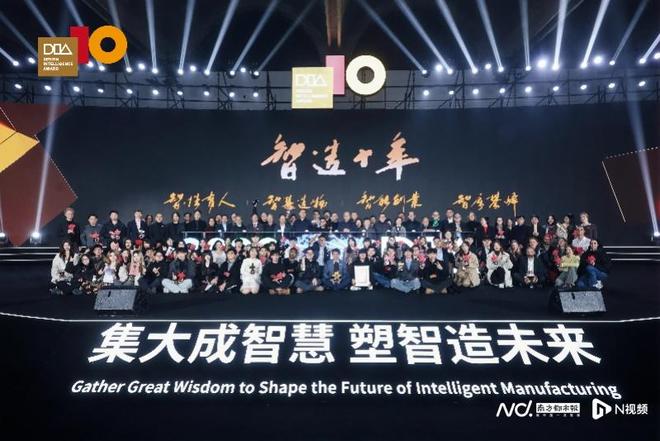
Core Insights - The 10th China Design Intelligence Award (DIA) ceremony was held, with Huawei's HarmonyOS ecosystem winning the "Grand Prize" [1][5] - Notable gold award winners included the "Rizhi" clinical decision support system, Leki smart glasses, Xiaopeng's split flying car, and Cannero WalkingTales [1] Group 1: Event Highlights - The DIA ceremony featured a strategic cooperation agreement between Cumulus and the China Academy of Art, aiming to enhance international collaboration in design education and innovation [5] - A new "Innovation Incubation Award" was introduced, with over 80 projects awarded and 26 advancing to the finals, involving participation from 29 renowned universities and several tech companies [8] Group 2: Participation and Impact - The 2024 DIA will see participation from 52 countries and regions, with over 1,600 companies, marking a 4% increase in new submissions compared to the previous year [7] - The awards reflect global design diversity and cross-cultural exchange, covering various industries such as smart transportation, AI, healthcare, and sustainable design [8][9] Group 3: Historical Context and Achievements - Over the past decade, the DIA has received more than 65,000 submissions from 87 countries, with a participation rate of 84% from leading innovation nations [14] - The awards have seen significant involvement from over 6,000 high-tech manufacturing companies and 800 educational institutions, with many projects achieving commercialization [14][15]
技术赋能+创意加持 盐城数字视听产业绽放新活力
Yang Zi Wan Bao Wang· 2025-12-15 15:04
Core Insights - AIGC technology is revitalizing the cultural identity of Yancheng, enhancing the city's unique cultural characteristics through industrial innovation [1][2] - The establishment of the Yangtze River Delta (Yancheng) Digital Audiovisual Industry Base has led to the production of various original AIGC works, showcasing the base's commitment to the digital audiovisual industry [1][3] Industry Development - The base focuses on emerging fields such as animation, film, gaming, and short videos, attracting numerous digital cultural enterprises, with 58 companies holding broadcasting and television production licenses [1][2] - The base has produced 2 feature films, 12 micro-dramas, 35 animated mobile games, 230 short videos, 120 audiobooks, and nearly 500 AI music creations, demonstrating significant content production capabilities [1] Cultural Innovation - Collaborative projects like the AIGC animated micro-drama "The Song Dynasty Cat Chronicles" blend traditional culture with modern IP, while popular micro-dramas like "The Begonia Blossoms Before Rain" have become key digital carriers for telling "Yancheng stories" [2] - The base has successfully created short videos with over 100 million views, effectively promoting Yancheng's cultural image [2] Technological Empowerment - The base emphasizes technological innovation as a core competitive advantage, fostering a cluster of digital audiovisual enterprises and achieving breakthroughs in technology [3] - Companies like Tingshan Technology and Augmented Vision are focusing on AI algorithms and XR technology, respectively, contributing to the development of immersive cultural tourism experiences [3] - The establishment of key laboratories for metaverse and smart cultural tourism technologies supports the application of new technologies in the audiovisual field, driving the industry towards a "technology-led, full-chain ecosystem, and cross-industry integration" model [3]
“2025年度中国游戏产业年会”落地徐汇 向全球游戏从业者发出邀约
Zhong Guo Jin Rong Xin Xi Wang· 2025-12-15 14:21
Core Insights - The "2025 Annual China Game Industry Conference" will be held from December 17 to 19 in Shanghai, serving as a significant platform for industry dialogue and a window into the development of China's gaming sector [1] Group 1: Industry Overview - Shanghai's Xuhui District is home to over 70 leading gaming companies, with the gaming industry revenue expected to exceed 70 billion yuan in 2024, accounting for nearly half of the city's total [1] - Major companies such as Tencent, NetEase, and miHoYo have established their strategic bases in Xuhui, alongside emerging players like Lilith Games and Eagle Horn Network, as well as international studios from Garena and Ubisoft [1] Group 2: Technological and Creative Drivers - The growth of the gaming industry in Xuhui is driven by technology and innovative scenarios, supported by national platforms like the Shanghai Artificial Intelligence Laboratory, enhancing both development efficiency and content creativity [2] - The "Meta World Neo World" metaverse district, spanning 1.9 kilometers, integrates various cultural and commercial spaces, creating immersive experiences that blend industry and consumer engagement [2] Group 3: Supportive Ecosystem - Xuhui has established a comprehensive support system for the digital entertainment industry, including the Game Industry Service Center, which streamlines processes for business registration and provides policy consultation [4] - The district's policies, such as the "Opinions on Promoting High-Quality Development of Cultural and Creative Industries," aim to support key sectors like gaming and esports, with potential funding of up to 30 million yuan for qualifying projects [4] Group 4: Intellectual Property Protection - A robust intellectual property protection network has been established, including a copyright protection alliance and a comprehensive protection center, ensuring a secure environment for innovation [5] Group 5: Emerging Trends and Future Outlook - The gaming industry's boundaries are expanding through integration with consumption, culture, and technology, leading to the emergence of new business models [6] - The upcoming conference is positioned as a celebration of past achievements and an invitation for global gaming professionals to collaborate on the future of the industry, emphasizing Xuhui's open ecosystem and innovative services [8]
工信部出台产业技术基础公共服务平台管理办法
仪器信息网· 2025-12-15 09:07
Core Viewpoint - The article discusses the release of the "Management Measures for Industrial Technology Basic Public Service Platforms" by the Ministry of Industry and Information Technology, emphasizing the importance of these platforms in supporting industrial development and technological innovation [3][8]. Summary by Sections General Principles - The purpose of the measures is to implement the manufacturing power strategy, enhance the industrial support system, and cultivate authoritative and foundational public service platforms for industrial technology [10]. - The service platforms are defined as specialized institutions that provide essential support services across the entire chain of technological innovation activities, from research and development to industrialization [10]. Application - Applicants for service platforms must clearly define their service industry and scope, focusing on key sectors such as equipment, petrochemicals, steel, non-ferrous metals, construction materials, light industry, textiles, food, pharmaceuticals, new information technology, biotechnology, new energy, new materials, and more [13][14]. Basic Requirements - Applicants must have independent legal status and engage primarily in industrial technology basic services, with at least 60% of their business related to this area [14]. - They should have a strong reputation in the industry, a well-established operational mechanism, and a minimum of one year of relevant service experience [14]. - The platforms must also possess high-level professional talent, necessary infrastructure, and technical capabilities, including having equipment valued at no less than 10 million yuan or annual service revenue exceeding 10 million yuan [14]. Review and Publication - The Ministry of Industry and Information Technology will conduct annual reviews of the service platforms, with evaluations based on submitted annual reports and performance assessments [24]. - A third-party organization or expert group will be responsible for reviewing applications and conducting on-site evaluations if necessary [18]. Operation - Service platforms are required to strengthen their institutional norms, adhere to principles of fairness and integrity, and accept government guidance and social supervision [21]. - They must also enhance their operational capabilities, improve service quality, and adapt to industry trends and technological developments [22]. Dynamic Management - The Ministry will implement dynamic management of the service platforms, conducting annual evaluations and comprehensive reviews every three years [24]. - Platforms that fail to meet performance standards or engage in fraudulent activities may be removed from the official list and barred from reapplication for three years [25].

2026年企业数字化转型领导者“十要十不要”
3 6 Ke· 2025-12-15 06:10
Core Viewpoint - Digital transformation is often misunderstood by company leaders, leading to superficial or incomplete efforts. A deeper understanding of digitalization is essential for effective transformation [1][3]. Group 1: Misunderstandings and Issues - Many traditional company leaders equate digital transformation with merely purchasing advanced software systems, neglecting the unique aspects of their own organizations [2]. - There is a tendency to expect immediate financial returns from digital initiatives, which can lead to budget cuts or project cancellations when short-term results are not visible [4]. - Leaders often either delegate digital transformation entirely or interfere excessively in technical decisions, resulting in confusion and misalignment [4][5]. Group 2: Methodological and Cultural Challenges - Companies frequently lack a clear digital strategy and implementation roadmap, leading to ad-hoc approaches that fail to address real business needs [5]. - There is a common oversight of the human and cultural aspects of transformation, with many leaders failing to establish cross-departmental teams or address the resulting shifts in power and interests [6]. - A lack of a data-driven culture and reliance on traditional management practices hinder effective digital transformation [6]. Group 3: Recommendations for Leaders - Leaders should personally engage in learning about digitalization, lead transformation efforts, and actively participate in decision-making [7]. - It is crucial for leaders to maintain a long-term perspective, avoid rushing for quick wins, and embrace the complexities of digital transformation [7][8]. - Successful transformation requires a fundamental shift in leadership mindset, focusing on collaboration and data-driven decision-making [8].
投资苏州丨一文看懂苏州市元宇宙产业发展现状与投资机会前瞻(附元宇宙产业现状、空间布局、投资机会分析等)
Qian Zhan Wang· 2025-12-15 03:17
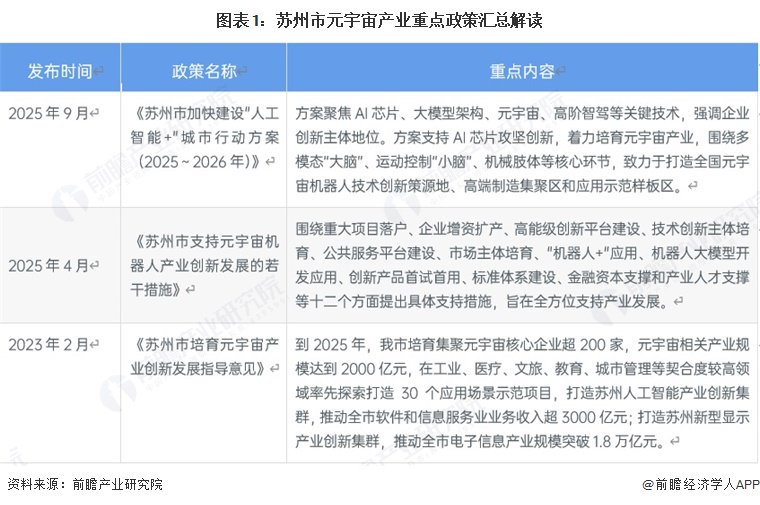
Group 1: Core Insights - Suzhou aims to establish itself as a national innovation hub for the metaverse and robotics industry by 2025, supported by comprehensive policies covering AI chips, large models, and other key technologies [1][2][4] - The city has outlined specific measures to support the metaverse industry across 12 areas, including project settlement, platform construction, application promotion, and financial talent [2][4] - By 2025, Suzhou plans to cultivate over 200 core metaverse enterprises and achieve an industry scale of 200 billion yuan, with a focus on industrial, medical, cultural tourism, education, and urban management sectors [2][4] Group 2: Regional Policy Overview - Suzhou has established clear regional divisions in the metaverse industry, with the Suzhou Industrial Park as the core innovation source focusing on complete systems and key technologies [4][6] - Wuzhong District emphasizes application ecosystem cultivation through platform construction and funding support, creating a collaborative development framework from technology research to market application [4][6] Group 3: Industry Chain and Development - Suzhou has built a complete metaverse industry chain encompassing upstream technology support, midstream platforms and content, and downstream applications, showcasing strong potential across various sectors [7][9] - By 2025, Kunshan has attracted over 100 metaverse enterprises with a production value exceeding 10 billion yuan, while Wuzhong has gathered 52 core enterprises with a scale of 15.4 billion yuan [11][12] Group 4: Major Application Scenarios - In 2024, Suzhou identified 30 major application scenarios for the metaverse, primarily in the industrial sector, with significant expansions into smart cities, cultural tourism, healthcare, and education [13][16] - The industrial metaverse focuses on digital twin factories and virtual equipment validation, while cultural tourism aims to develop immersive experience projects [13][16] Group 5: Financing Landscape - As of 2025, metaverse financing events in Suzhou are concentrated between 2022 and 2024, with notable activity from companies like Juyou Universe and Haisai Future [21][22] - The financing distribution reflects a concentration in the Gusu District, with Suzhou Industrial Park and Kunshan each having one financed enterprise, aligning with the region's development characteristics [23] Group 6: Investment Opportunities - Suzhou's metaverse industry benefits from a comprehensive policy framework, a complete industry chain, and clear regional divisions, presenting various investment opportunities [29][30] - Key investment areas include strengthening the supply chain in critical segments, integrating metaverse with AI technologies, and focusing on vertical applications that match regional characteristics [29][30]
Meta计划在Reality Labs部门裁员,将资源转向AI眼镜和可穿戴设备
Ge Long Hui· 2025-12-15 02:39
Group 1 - Meta announced layoffs in its Reality Labs division focused on the metaverse, reallocating resources towards AI smart glasses and wearable devices [1] - The layoffs could affect 10% to 30% of the VR department employees, with the plan potentially implemented as early as next month [1] - A spokesperson confirmed that the company is adjusting its investment portfolio, emphasizing no plans for larger-scale changes at this time [1]

小扎忍痛!亲口宣告了元宇宙的死亡
程序员的那些事· 2025-12-15 02:06
Core Viewpoint - Meta's commitment to the "metaverse" is shifting as the company plans to cut jobs in its Reality Labs division and redirect resources towards the unexpectedly successful AI smart glasses [3][4][9]. Group 1: Job Cuts and Strategic Shift - Meta is preparing to lay off 10% to 30% of employees in its Reality Labs, which focuses on VR headsets and VR-based social networks [6][7][28]. - The layoffs signal a strategic resource reallocation rather than a complete abandonment of the metaverse vision, with funds being redirected to the more successful AR glasses and wearable devices [9][17]. - The Reality Labs division has incurred over $70 billion in losses over the past four years, prompting a reassessment of investment priorities [18][23]. Group 2: Success of AI Smart Glasses - Meta's collaboration with Ray-Ban in 2021 resulted in smart glasses that include a camera and microphone, which have now evolved into AI-enabled devices allowing voice interaction [12][13]. - The smart glasses have significantly outperformed internal sales expectations, contrasting with the slow consumer adoption of VR headsets [14][15]. - Meta's spokesperson confirmed the shift in investment focus towards AI glasses and wearables, emphasizing that this does not indicate broader organizational changes [17]. Group 3: Design and Innovation - Meta is enhancing the design and fashion aspects of its smart glasses, with the appointment of former Apple designer Alan Dye to lead a new creative studio within Reality Labs [30][31]. - The company aims to integrate technology with thoughtful design to improve user interaction and connectivity [32][33]. - This strategic pivot suggests that the path to future innovation may not solely rely on creating a new virtual world but rather on enhancing existing technologies [34].