
高水平对外开放

Search documents
“十五五”如何重构中国增长逻辑?
Sou Hu Cai Jing· 2025-11-10 13:12
"十五五"时期的形势和环境决定了,围绕重塑经济动力机制、推动新旧动能转换等中心任务,"十五五"规划是增长型规划、调整型规划、改革 性规划、动员性规划 文|徐策 "十五五"时期,是基本实现社会主义现代化夯实基础、全面发力的关键时期,也是进一步全面深化改革的攻坚期,国家经济社会发展进入了新 的历史方位。这一时期的外部环境和内部条件也将变得异常复杂。 从国际看,世界百年未有之大变局加速演进,全球化逆流甚嚣尘上,国际环境更趋复杂严峻;从国内看,发展不平衡不充分问题仍然突出,周 期性问题与体制性问题相互交织,总量性矛盾与结构性矛盾相互掣肘,供给侧问题与需求侧问题相互牵绊,发展型问题和治理型问题相互叠 加,改革和发展任务十分艰巨繁重,发展转型和体制转型压力和难度不断加大,这赋予了"十五五"规划新的时代属性。 但无论形势多么严峻复杂,我们都必须善于从"噪音"中发现和淬炼"信号",牢牢抓住世界发展的大势和大局,从中发现战略机遇和发展空间, 为国家的长远发展赢得主动,为国民的福祉改善提供源泉。 习近平总书记针对"十五五"规划编制工作强调,科学制定和接续实施五年规划,是我们党治国理政一条重要经验,也是中国特色社会主义一个 重要政 ...


国际论道丨进博会传递中国开放强音
Ren Min Ri Bao Hai Wai Ban· 2025-11-10 08:51
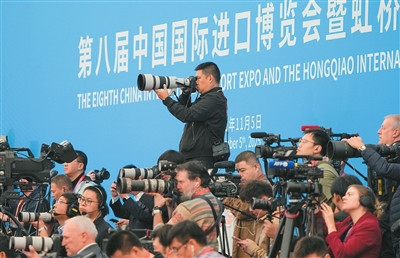
Core Points - The China International Import Expo (CIIE) has become an essential platform for global trade and economic cooperation, showcasing China's commitment to high-level openness and collaboration with the world [1][2][4] - The expo serves as a bridge connecting producers and consumers, innovation and opportunities, and China with the global market, reflecting the need for such platforms in the current global economic environment [2][4] - Various countries view the CIIE as a significant opportunity to strengthen their trade relations with China, with many participating to promote their products and services [5][6][8] Group 1 - The CIIE is recognized as a major initiative for China's market openness, marking a significant milestone in the history of international trade [4] - The expo has evolved into an "irreplaceable global economic and trade cooperation strategic platform," facilitating connections between international enterprises and Chinese buyers [2][6] - Countries like Argentina and Tanzania have reported tangible benefits from participating in the CIIE, highlighting its role in expanding market opportunities for their products [6][7] Group 2 - The CIIE has attracted a record number of exhibitors, with nearly 50 companies from British Columbia, Canada, participating, showcasing its growing influence [7] - The event has been pivotal for countries like the UAE, which aims to enhance investment ties with China, focusing on advanced technology and clean energy [5][8] - The expo has also been instrumental in deepening friendships and strategic partnerships between nations, as seen in the case of Serbia, which emphasizes its long-term relationship with China [8][9]
广大一线工作者和民营科技企业家备受鼓舞、干劲十足用好改革开放“关键一招” 奋力推动高质量发展
Nan Fang Ri Bao Wang Luo Ban· 2025-11-10 08:08
Group 1: High-Quality Development in Guangdong - The core message emphasizes the importance of promoting high-quality development through deepening reform and opening up, as highlighted by Xi Jinping's recent visit to Guangdong [1] - Guangdong is recognized as a leader in reform and opening up, with a call to leverage technological and industrial transformation opportunities for coordinated urban-rural development [1] Group 2: Economic Development and Market Environment - The development of various ownership economies is crucial for supporting high-quality economic growth, with a focus on effective market and proactive government collaboration [2] - The favorable business environment in Guangdong is expected to enhance the development of various ownership economies, providing broader opportunities for local businesses [2] Group 3: Innovation and Technology - The speech indicates a clear direction for private technology enterprises, emphasizing the need for collaboration in a fair competitive environment to expand their development space [3] - Companies like Aobo Zhongguang are positioned to leverage new technological revolutions and industrial transformations, aiming for high-end positions in global supply chains [3][5] Group 4: Infrastructure and Transportation - Guangdong's transportation infrastructure is set to expand significantly during the 14th Five-Year Plan, with a focus on enhancing connectivity and building a sustainable transportation system [4] - The development of rural roads is seen as a critical component for promoting regional coordination and breaking down urban-rural divides [4] Group 5: Integration of Technology and Industry - The integration of technological innovation and industrial innovation is essential for building a competitive modern industrial system, as stated by Xi Jinping [5] - Companies like Ligon Industrial are focusing on advancing their technology and establishing a robust ecosystem in the robotics sector to enhance global competitiveness [6] Group 6: Artificial Intelligence Development - The speech outlines a clear path for the development of artificial intelligence in Guangdong, leveraging rich industry scenarios and supportive policies to enhance productivity [7] Group 7: Open Economy and Global Integration - Expanding high-level openness is deemed necessary for advancing modernization, with a focus on deepening cooperation in the Guangdong-Hong Kong-Macao Greater Bay Area [8] - The establishment of a comprehensive service base for Chinese enterprises "going global" is a key task for Guangdong, facilitating investment and risk management [9] Group 8: Industry Transformation and Upgrading - Companies in Guangdong are actively pursuing transformation towards green, intelligent, and high-end production, contributing to local industry development [10]
惠全球!进博会让世界共享中国机遇
Xin Hua She· 2025-11-10 07:15
Group 1 - The China International Import Expo (CIIE) this year featured enterprises from 123 countries involved in the Belt and Road Initiative, marking a 23.1% increase year-on-year; 163 companies from the least developed countries participated, reflecting a 23.5% growth [2] - The expo showcased China's role as a major global market and a co-creator of opportunities, with companies like Louis Dreyfus presenting diverse products such as animal nutrition solutions and instant coffee, indicating a strategic shift towards downstream value chain expansion [4] - China's commitment to high-level opening-up is expected to inject new vitality into global economic development through more precise linkages, efficient cooperation, and comprehensive sharing [6]
在开放的大舞台上相向而行、相互成就
Ren Min Ri Bao· 2025-11-09 22:20
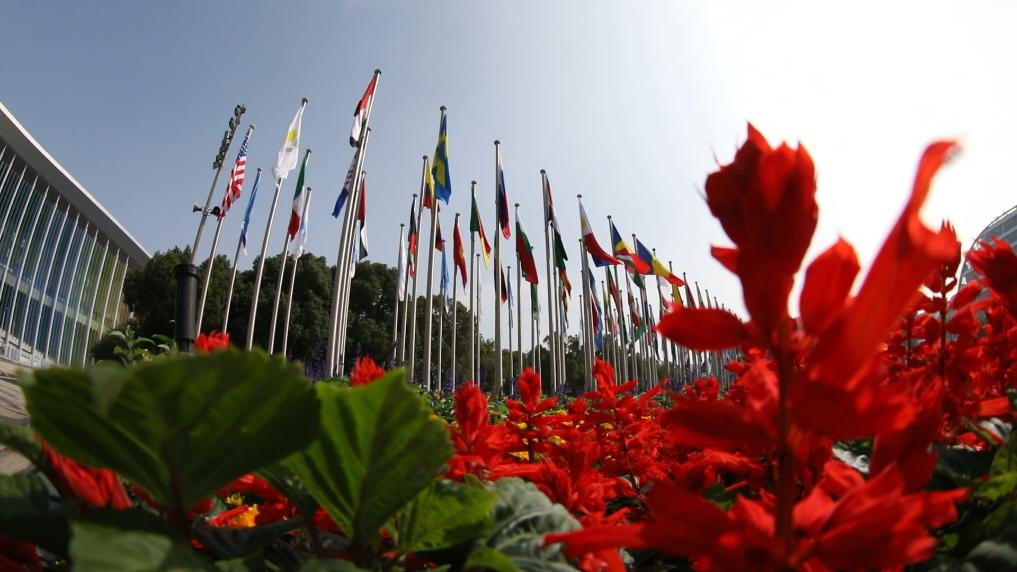
Group 1 - The eighth China International Import Expo (CIIE) features 67 participating countries and international organizations, with Thailand, UAE, Nigeria, Georgia, Sweden, and Colombia as guest countries [1] - The event serves as a platform for showcasing unique products and innovative achievements, promoting cooperation and mutual development among participating nations [1][2] - Colombia's participation includes 29 companies from agriculture, handicrafts, and cosmetics, marking a record number for the country at the expo [2] Group 2 - Kyrgyzstan, as a first-time participant, highlights natural products like honey and handmade soap, emphasizing the expo as an excellent platform for visibility and collaboration [2] - Sweden focuses on green technology, digital transformation, and high-end manufacturing, viewing the expo as a vital opportunity for bilateral trade and cultural exchange [2][3] - The expo facilitates connections for African SMEs, with the Democratic Republic of Congo's exhibitor expressing optimism about leveraging the event for business growth [3][4] Group 3 - Sri Lanka promotes its Ceylon tea at the expo, viewing it as a bridge for discovering business opportunities and enhancing cooperation among global southern countries [4] - Armenia showcases products like mineral water and wine, with participants expressing hope for increased recognition and orders from Chinese consumers [4] - The expo blends commerce and culture, with immersive experiences in various national pavilions, enhancing cultural exchange and understanding [5] Group 4 - The "Charming Friendly Cities" section at the expo highlights local cooperation achievements, featuring twin city exhibitions that showcase diverse cultural and economic ties [5]
新华视点丨第八届进博会:共享大市场,共创新机遇
Xin Hua She· 2025-11-09 12:38
Group 1 - The China International Import Expo (CIIE) has seen participation from 155 countries, regions, and international organizations, with 290 Fortune 500 and industry-leading companies exhibiting, marking record highs in both exhibition area and total number of companies [2] - Metro, a leading global retail and wholesale company, has participated in the CIIE for eight consecutive years, showcasing 130 products from 21 countries, with 60 of them making their debut [3] - New Zealand's participation has expanded, with 26 new companies and 29 brands represented at the New Zealand pavilion, highlighting the appeal of the CIIE as an open platform [5] Group 2 - The CIIE serves as a gateway for global innovation, exemplified by Tesla's Cybertruck making its Asia-Pacific debut, showcasing advancements in fully autonomous driving technology [7] - Lulu Lemon transformed its booth into an interactive sports venue, displaying its star products across six categories and sharing its local innovation stories in China [8] - Fosun showcased its Da Vinci surgical robot series, emphasizing the integration of "China Intelligent Manufacturing" in its offerings, while Schneider Electric highlighted joint innovations in digital transformation and green development [9] Group 3 - The CIIE featured 163 companies from the least developed countries, a 23.5% increase, demonstrating China's role as a global market and a co-creator of opportunities [11] - Louis Dreyfus Company presented diverse products, reflecting its strategic expansion into downstream value chains while actively exploring overseas markets [11] - China's commitment to high-level opening-up is expected to inject new vitality into global economic development through more precise connections, efficient cooperation, and comprehensive sharing [13]
迈向“十五五”美丽图景 | 更新“打开方式” 进博会映照中国开放新气象
Yang Shi Wang· 2025-11-09 06:13
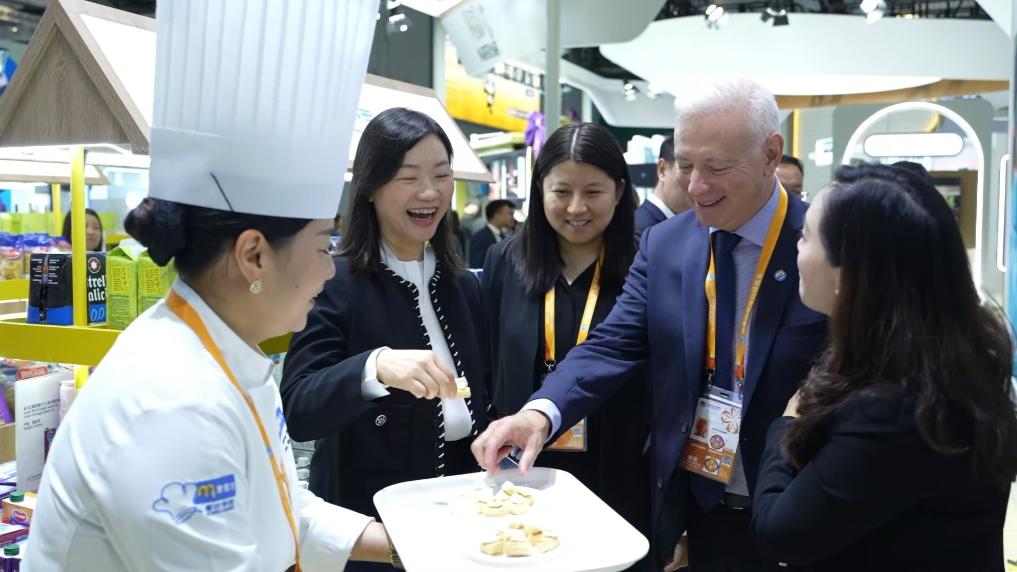
Group 1 - The "14th Five-Year Plan" emphasizes expanding high-level openness, promoting trade innovation, and enhancing investment cooperation, outlining a blueprint for the next five years [1] - The ongoing China International Import Expo (CIIE) reflects the increasing confidence in China's market, with a growing number of exhibitors and activities [3][5] - The exhibition area has expanded from 500 square meters to 700 square meters, and the number of participating buyers has increased from 100 to over 130 this year [5] Group 2 - The recent policies introduced alongside the "14th Five-Year Plan" have attracted numerous exhibitors, leading to immediate business transactions [7] - Over the past five years, the CIIE has seen a continuous increase in exhibition space and enthusiasm from exhibitors, with over 600 additional overseas exhibitors compared to last year [9] - The event has introduced innovative features such as a humanoid robot competition and a low-altitude economy zone, aligning with China's future development priorities [9] Group 3 - The CIIE has evolved from a few pages of activity arrangements to a comprehensive schedule, indicating a significant increase in openness and engagement [11][13] - More than 2,000 new products, technologies, and services from around the world have been showcased at the CIIE, with an intention to transact over $200 billion [13] - The CIIE serves as a vital link between domestic and international markets, enhancing the confidence of global enterprises in participating [15] Group 4 - The CIIE aims to create a platform for global sharing of the Chinese market, in line with the "14th Five-Year Plan" goals of expanding high-level openness and fostering win-win cooperation [17]
“越来越成熟”“创新”“充满机遇的窗口”……相约“四叶草”,多国人士高度评价进博会
Huan Qiu Wang· 2025-11-09 04:11
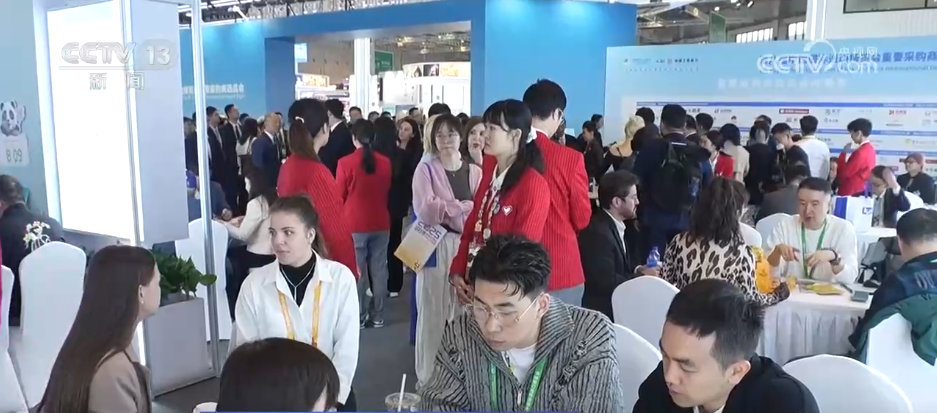
Core Viewpoint - The China International Import Expo (CIIE) has become a significant platform for foreign companies to enter the Chinese market, showcasing its maturity and growth over the years [1][3]. Group 1: Participation and Impact - The eighth CIIE, held from November 5 to 10, featured participation from 155 countries and regions, with over 4,108 foreign enterprises and an exhibition area exceeding 430,000 square meters, marking a new record in scale [1]. - The event serves as a valuable opportunity for small enterprises from global South countries to expand into the Chinese market, while also providing a platform for large companies to promote new products [3]. Group 2: Company Experiences - The Belarusian food company "Bellakt" highlighted the importance of the Chinese market, primarily supplying milk powder and aiming to diversify its product offerings. The company successfully signed a supply contract with a Chinese firm during the expo, indicating a successful participation [5]. - The CEO of "Bellakt" metaphorically described the expo as the "most beautiful flower" for their company, emphasizing its significance in business development [5]. Group 3: Cultural Exchange and Innovation - The CIIE is not only a business platform but also a cultural exchange venue, allowing participants to showcase their cultures and products, as noted by various attendees [6]. - The event has consistently introduced innovative technologies, particularly in AI, which has impressed many visitors, reflecting the expo's focus on connection, innovation, and future opportunities [8].
进博之约 确定的中国给不确定的世界带来了什么?
Yang Shi Wang· 2025-11-08 22:59
央视网消息:作为中国推进高水平对外开放的重要平台,进博会年年在上海如期举办,向世界传递中国 坚定开放合作的信心。在全球格局深刻变革的背景下,中国正以实际行动为世界发展注入更多确定性。 ...
记者手记:从生产到生活,“德企之乡”吸引外资有新貌
Xin Hua She· 2025-11-08 12:06
Group 1 - Schaeffler has increased its investment in Taicang, Jiangsu, 13 times since 1995, making it the largest production base outside Germany, with a workforce of 7,000 [1] - The utilization rate of equipment at Schaeffler's Taicang factory has improved by over 3%, and the average maintenance time for rotating equipment has decreased by approximately 10% [1] - Trumpf has expanded its fiber laser production base in Taicang, increasing production line area by 83% and workforce by over 40% to meet the growing demand in sectors like new energy and 3C electronics [2] Group 2 - Taicang is home to over 560 German enterprises, generating an annual industrial output value exceeding 67 billion yuan, with key industry clusters in automotive components, industrial machinery, and aerospace [2] - The local government has optimized the business environment, enhancing collaboration in the industrial chain, leading to a robust growth in foreign investment [2] - The establishment of a foreigner service center and initiatives like the "Hi Taicang Card" have improved the living convenience for expatriates, fostering a welcoming atmosphere [3] Group 3 - The Taicang German Center serves as a bridge for German companies entering the Chinese market and vice versa, providing high-end office services [3] - The local community has created a sense of belonging for expatriates, with cultural events and amenities that reflect German heritage [3] - The presence of over 1,000 foreign residents and more than 20,000 annual visitors highlights Taicang's growing international appeal [3]