
制度型开放

Search documents
视频丨这五个方面 带你读懂海南自贸港全岛封关
Xin Lang Cai Jing· 2025-12-21 02:12
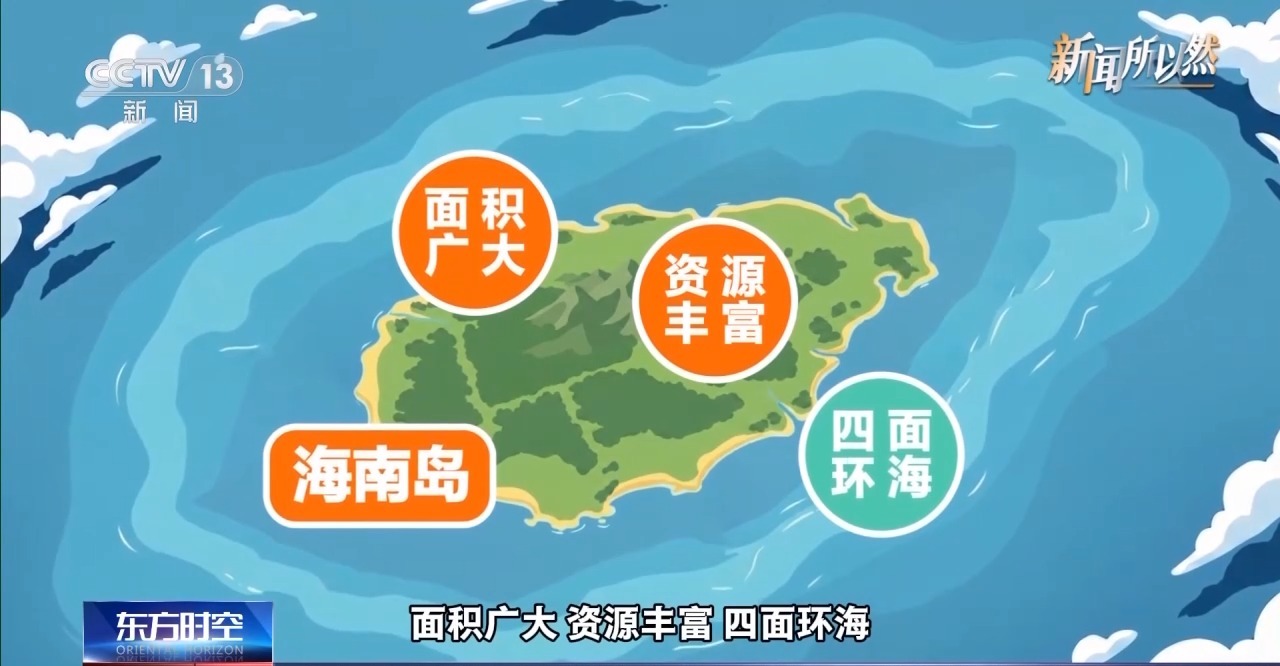
Core Viewpoint - The official launch of the Hainan Free Trade Port on December 18 marks a significant step towards high-level openness in China, aiming to establish Hainan as a unique experimental zone for international trade and investment [1][28]. Group 1: Hainan's Strategic Importance - Hainan Island, as China's second-largest island, is strategically located to connect East Asia with Southeast Asia and South Asia, serving as a vital gateway for international trade [3]. - The island's development is not focused on traditional trade and manufacturing but aims to enhance tourism, modern services, and high-tech industries, emphasizing comprehensive human development and innovation [5]. Group 2: Phased Development Plan - The construction of the Hainan Free Trade Port is divided into three phases: 1. By 2025, establish a preliminary system focusing on trade and investment facilitation. 2. By 2035, mature the system and operational model. 3. By the mid-21st century, fully develop a high-level free trade port with significant international influence [5]. Group 3: Innovative Institutional Openness - The term "institutional openness" appears frequently in the Hainan Free Trade Port's overall plan, indicating a shift from traditional trade facilitation to aligning domestic regulations with international standards [8]. - The operational model post-closure is characterized by "one line open, two lines controlled, and free movement within the island," allowing for greater freedom in international exchanges while maintaining control over domestic markets [10][12]. Group 4: Tax Policies and Economic Benefits - The "zero tariff" policy post-closure significantly expands the range of goods eligible for tariff exemptions from 1,900 to 6,600 items, increasing the proportion from 21% to 74%, thereby reducing operational costs for businesses [24]. - The policy encourages high-value-added processing industries by allowing products with over 30% added value to be exempt from import tariffs when sold to the mainland [24]. Group 5: Talent Attraction and Immigration Policies - Hainan has implemented a competitive personal income tax rate of 15% for high-demand talent, regardless of nationality, and has optimized immigration processes for 86 countries to attract skilled professionals [26]. Group 6: Global Economic Implications - The launch of the Hainan Free Trade Port is a clear signal of China's commitment to expanding high-level openness and participating actively in shaping international trade rules, especially in the context of rising protectionism globally [30].

共话中国经济新机遇丨专访:海南将成为具备全球竞争力的枢纽——访世界自由区组织首席执行官昂鲁尼
Xin Hua She· 2025-12-21 01:42
Core Viewpoint - Hainan Free Trade Port's full island closure operation is a key measure for establishing a high-standard free trade system, demonstrating China's commitment to advancing institutional openness [1] Group 1: Hainan Free Trade Port Developments - The full island closure operation of Hainan Free Trade Port was launched on December 18, marking a significant step in China's efforts to expand high-level openness and build an open world economy [1] - The operation is expected to accelerate trade flow, promote industrial development, and attract investments in manufacturing, services, and advanced logistics, positioning Hainan as a globally competitive hub [1] Group 2: Global Supply Chain and Innovation - Free trade zones and ports are becoming comprehensive nodes in regional and global supply chains, serving as hubs for modern logistics, digital economy, high-value-added services, and sustainable development projects [1] - To maintain competitiveness and differentiation, free trade zones and ports must possess innovative capabilities, particularly in key areas such as digital customs, automation technology, and circular economy [1] Group 3: International Cooperation and Opportunities - Hainan Free Trade Port has well-developed infrastructure, efficient transportation systems, and high-quality hotel services, providing significant development advantages [2] - The port aims to strengthen cooperation with ASEAN, South Asia, and the Middle East in maritime, aviation, and digital economy sectors, potentially becoming an important platform for regional cooperation [2] - China's high-standard construction of Hainan Free Trade Port sends a clear signal to the world, showcasing its commitment to high-level openness and offering new development opportunities for developing countries and emerging market economies [2]
这五个方面 带你读懂海南自贸港全岛封关
Yang Shi Xin Wen Ke Hu Duan· 2025-12-21 01:32
Group 1 - The core viewpoint of the article is that the official launch of the Hainan Free Trade Port on December 18 marks a significant step towards expanding high-level openness in China, serving as a model for future economic reforms [1][29]. - Hainan Island, with its unique geographical advantages, is positioned as a crucial gateway for trade between East Asia, Southeast Asia, and South Asia, enhancing its role in China's broader economic strategy [3][29]. - The central government has clearly defined that Hainan's development will not focus on transshipment trade and manufacturing but will prioritize tourism, modern services, and high-tech industries, emphasizing comprehensive human development and innovation [5][29]. Group 2 - The construction of the Hainan Free Trade Port is structured in three phases, with the first phase aiming to establish a policy system focused on trade and investment facilitation by 2025 [6][29]. - The concept of "institutional openness" is highlighted, indicating a shift from traditional trade facilitation to aligning domestic regulations with international standards, which is crucial for Hainan's development [9][18]. - The "one line open, two lines manage" approach post-closure allows for greater freedom in international trade while maintaining control over domestic markets, ensuring a balance between openness and regulation [11][13][16]. Group 3 - Hainan is actively aligning with high-standard international trade rules, which include higher commitment levels, broader coverage of sectors, and stricter enforcement, enhancing its global trade competitiveness [18][20]. - The "zero tariff" policy, which significantly expands the range of duty-free imports from 1,900 to 6,600 items, aims to reduce operational costs for businesses and encourage high-value-added processing industries [25][29]. - Hainan's tax incentives for high-demand talent, including a capped personal income tax rate of 15% and visa-free entry for citizens from 86 countries, are designed to attract skilled professionals and foster a competitive environment [27][29].
22个自贸试验区累计贡献全国约1/5外商投资和进出口总额
Guo Ji Jin Rong Bao· 2025-12-21 00:18
Core Insights - The establishment of the Hainan Free Trade Port marks a significant milestone in China's efforts to enhance its free trade zones, with the first day of operations reporting zero tariff imports valued at 360 million yuan [1] - President Xi Jinping emphasizes the need for systematic opening and reform, urging the exploration of deeper and broader areas in free trade zone construction [2] - The free trade zones have contributed approximately 20% of China's foreign investment and total import-export volume, showcasing their importance in the national economy [2] Group 1: Institutional Innovation - The introduction of a negative list for data export management in the Shanghai Free Trade Zone has significantly improved the efficiency and clarity of data cross-border flow for foreign pharmaceutical companies [3] - The dynamic international rule benchmarking mechanism is essential for adapting to the evolving landscape of global trade, particularly in service trade and digital economy [3] - Several free trade zones, including Hainan, have implemented data export negative lists that facilitate cross-border data flow in various sectors such as automotive, pharmaceuticals, and aviation [3] Group 2: Industrial Development - The Hunan Free Trade Zone is fostering innovation in the manufacturing sector, particularly in the production of key components like shield machine bearings, through collaborative efforts among universities and enterprises [4] - The establishment of a remanufacturing system in the engineering machinery sector is driving innovation and digital transformation within the equipment manufacturing industry [4] - The Xinjiang Free Trade Zone is enhancing its logistical capabilities with the launch of the China-Europe (Central Asia) freight trains, which connect to 19 countries and 26 cities, thereby expanding its cross-border cooperation potential [5] Group 3: Strategic Development - The Xinjiang Free Trade Zone's strategic location with multiple land and air ports is creating a comprehensive open network that supports cross-border collaboration and industrial integration [5] - The Ministry of Commerce is committed to leading the enhancement strategy of free trade zones, encouraging proactive exploration and yielding more reform and opening-up results [5]
创新开放聚动能 扬帆蓄力启新程
Hai Nan Ri Bao· 2025-12-20 23:40
Group 1 - The official launch of the Hainan Free Trade Port's full island closure marks a significant milestone, initiating a new phase of reform and opening up, which is expected to inject continuous innovative momentum and vitality into the high-quality development of the free trade port [1][2] - The core engine of institutional innovation is emphasized as essential for the high-quality development of the Hainan Free Trade Port, with a focus on utilizing policy advantages in the service industry market [2][3] - The full island closure is seen as a pivotal event for both Hainan's development and China's commitment to expanding high-level opening up and constructing a high-level socialist market economy [2][3] Group 2 - Hainan aims to optimize the business environment by implementing a policy system that aligns with a high-level free trade port, focusing on intermediary management, corporate compliance guidance, and personal credit management [4] - The "Million Talents Prosper Hainan" action plan will be initiated to attract and retain high-level talents, supporting the construction of the free trade port with a strong talent and intellectual foundation [5] - The tax department will focus on implementing tax and fee preferential policies tailored to the characteristics of the free trade port, enhancing cross-border tax services, and ensuring a fair and transparent tax environment [5][6] Group 3 - The full island closure is expected to enhance the international competitiveness of Hainan's products by expanding market scale, reducing costs, and introducing high-quality raw materials and advanced technologies [3] - The digital governance system will be developed to support the construction of the free trade port, with a focus on upgrading common capabilities and enhancing digital services for enterprises [6] - The closure is anticipated to stimulate business entities to take action in a more open trade and investment environment, with companies like China Seed Group expanding their international influence through the free trade port policies [7]
自贸试验区建设迈向更高水平(奋勇争先,决战决胜“十四五”)
Ren Min Ri Bao· 2025-12-20 22:09
Group 1 - Hainan Free Trade Port officially commenced full island closure operations on December 18, with customs reporting an import value of 360 million yuan for zero-tariff goods on the first day [1] - The establishment of free trade zones is a significant strategic initiative by the central government to promote reform and opening up, contributing approximately 20% of the national foreign investment and total import-export volume [1] - The introduction of a negative list for data export management has greatly enhanced the convenience and efficiency of data outflow for enterprises, particularly benefiting foreign companies operating in China [2] Group 2 - The Hunan Free Trade Zone is fostering innovation in the manufacturing sector, with a focus on key technologies in shield machine bearing production, achieving over a hundred breakthroughs in critical technologies [3] - The Xinjiang Free Trade Zone is enhancing its connectivity with two land and two air ports, creating a comprehensive open network that supports cross-border cooperation and industrial transfer [4] - The Ministry of Commerce emphasizes the need for free trade zones to lead in exploration and reform, aiming to improve the level of institutional openness, systemic reform effectiveness, and the quality of the open economy [4]
在质的有效提升上取得更大突破
Jing Ji Ri Bao· 2025-12-20 22:04
提升发展质量,要加快消除制约高质量发展的体制机制障碍。纵深推进全国统一大市场建设,深入整 治"内卷式"竞争,形成既"放得活"又"管得好"的经济秩序。坚持以开放促改革、促发展,稳步推进制度 型开放,推进贸易投资一体化、内外贸一体化发展,以高水平对外开放助力国内经济提质增效。 2025年,在外部压力加大、内部困难较多的复杂局面下,中国经济顶压前行、向新向优发展,经济社会 发展主要目标将顺利完成,展现出强大韧性与活力。"十五五"时期是基本实现社会主义现代化夯实基 础、全面发力的关键时期,中央经济工作会议在部署明年经济工作时明确指出,要"在质的有效提升上 取得更大突破",为"十五五"开好局、起好步提供了重要指引。 当今世界动荡变革加剧,新一轮科技革命和产业变革加速突破,外部环境变化影响加深,同时,国内供 强需弱矛盾仍然突出。要在激烈国际竞争中赢得战略主动,要解决好发展中、转型中的问题,就必须在 转变发展方式、优化经济结构、转换增长动力方面下更大功夫,全力推动经济发展实现质的有效提升, 以高质量发展的确定性应对各种不确定性。我国经济基础稳、优势多、韧性强、潜能大,长期向好的支 撑条件和基本趋势没有变,中国特色社会主义制 ...
海南将成为具备全球竞争力的枢纽
Xin Lang Cai Jing· 2025-12-20 21:04
Core Viewpoint - The establishment of the Hainan Free Trade Port's full island closure operation is a key measure for building a high-standard free trade system, demonstrating China's commitment to advancing institutional openness [1][2] Group 1: Hainan Free Trade Port Operations - The Hainan Free Trade Port commenced its full island closure operation on December 18, marking a significant step in China's efforts to expand high-level openness and promote an open world economy [1] - The closure operation is expected to accelerate trade flow, promote industrial development, and attract investments in manufacturing, services, and advanced logistics, positioning Hainan as a globally competitive hub [1] Group 2: Global Supply Chain and Innovation - Free trade zones and ports have become comprehensive nodes in regional and global supply chains, serving as hubs for modern logistics, digital economy, high-value services, and sustainable development projects [1] - To maintain competitiveness and differentiation, free trade zones and ports must possess innovative capabilities, particularly in key areas such as digital customs, automation technology, and circular economy [1] Group 3: Development Advantages and Regional Cooperation - Hainan Free Trade Port boasts well-developed infrastructure, an efficient transportation system, and high-quality hotel services, providing significant development advantages [1] - Future efforts will focus on strengthening cooperation with ASEAN, South Asia, and the Middle East in maritime, aviation, and digital economy sectors, potentially establishing Hainan as an important platform for regional cooperation [1]
小编同大家分享下自由贸易港的含义
Sou Hu Cai Jing· 2025-12-20 04:11
Core Concept - The article discusses the concept and development of free trade ports, highlighting their role as highly open economic zones that facilitate trade and investment with minimal restrictions [2][3]. Group 1: Definition and Historical Context - A free trade port is defined as a specific area within a country where goods, capital, and personnel can move freely, with most goods exempt from tariffs [2]. - The historical origins of free trade ports can be traced back to the establishment of the Livorno Free Port in Italy in 1547, with modern examples including Singapore, Hong Kong, and Dubai [2]. Group 2: Differences from Traditional Bonded Zones - Unlike traditional bonded zones that primarily offer "duty-free storage," free trade ports provide comprehensive urban functions, allowing offshore trade and international financing [3]. - Dubai's Jebel Ali Free Zone exemplifies this, permitting 100% foreign ownership and offering a 50-year tax exemption, along with residential and educational facilities [3]. Group 3: Unique Features of China's Free Trade Ports - China's free trade port construction features unique institutional designs, such as the "zero tariff" management plan for imported goods by 2025 and the implementation of "six freedoms" by 2035 [3]. - Hainan is pioneering a "data customs" regulatory model to promote digital economy development while ensuring security [3]. Group 4: Functional Evolution and Legal Framework - Modern free trade ports have evolved beyond mere transshipment trade to become comprehensive platforms, with Hong Kong being the third-largest financial center globally [4]. - Legal frameworks, such as Singapore's Free Trade Zone Act and Hainan's Free Trade Port Law, provide a stable environment for market participants, contributing to a 32% year-on-year increase in new market entities in Hainan [4]. Group 5: Impact of Digital Technology - Digital technologies are reshaping the structure of free trade ports, with Singapore's "Trade Information Highway" enabling paperless customs clearance and Hainan's "Single Window" 3.0 version reducing clearance times [4]. - The application of blockchain technology in Dubai's free zone allows for real-time verification of cross-border transactions, enhancing international trade facilitation [4]. Group 6: Global Value Chain and Future Prospects - In the context of global value chain restructuring, free trade ports are taking on new historical missions, with Hainan's cross-border e-commerce trade with ASEAN countries increasing by 150% post-RCEP [5]. - Future developments will focus on regulatory alignment in areas such as green trade and digital tariffs, contributing to a higher-level open economy [5].
专访王辉耀:海南自贸港全岛封关 打造中国高水平开放“新标杆”
2 1 Shi Ji Jing Ji Bao Dao· 2025-12-20 01:55
Core Viewpoint - The construction of Hainan Free Trade Port is positioned as a strategic pivot for China to participate in global rule-making and enhance its open advantages amid complex global changes [3][4]. Group 1: Strategic Significance - The "14th Five-Year Plan" emphasizes the need for "actively expanding autonomous opening" and "high-standard construction of Hainan Free Trade Port," highlighting its strategic importance in the current global context [3][4]. - Hainan Free Trade Port is seen as a "pressure testing zone" for institutional openness, exploring zero tariffs, low tax rates, and cross-border data flow, which serve as a model for domestic reform and signal China's commitment to economic globalization [3][4][5]. Group 2: Unique Characteristics - Hainan Free Trade Port's uniqueness lies in its "comprehensive, systematic, and internationally benchmarked" integration, allowing for a unified policy approach across the entire province, unlike other free trade zones that operate in specific areas [5][6]. - The policy design targets international standards, implementing significant measures in corporate income tax, processing value-added exemptions, and cross-border service trade, creating a business environment close to international norms [5][6]. Group 3: Economic and Trade Cooperation - The full closure operation on December 18 marks a transition to a "special economic zone" where goods, capital, personnel, and data can flow freely according to international rules, enhancing Hainan's role as an international interface for multinational companies [6][7]. - Hainan is positioned to become a crucial hub connecting China with ASEAN and the broader Indo-Pacific region, enhancing China's resilience and influence in global supply chains [2][3]. Group 4: Potential Cooperation Areas - Beyond agriculture, high-potential cooperation areas include digital economy, healthcare, and blue economy, with specific platforms like Boao Lecheng International Medical Tourism Pilot Zone facilitating cross-border healthcare services [8][9]. - The integration of Hainan's processing and value-added policies with ASEAN's raw materials can create a closed-loop industrial chain, significantly increasing product value [7][8]. Group 5: Institutional Innovation and Collaboration - Hainan can serve as a "testing ground" for institutional innovation, promoting rule coordination through pilot projects with ASEAN countries, thereby reducing cross-border compliance costs [9][10]. - Establishing a regular "China-ASEAN Institutional Innovation Dialogue Platform" can enhance regional compatibility and facilitate consensus on digital trade and carbon neutrality standards [9][10]. Group 6: Attracting Foreign Investment - Attracting high-quality foreign investment now relies more on institutional certainty, governance transparency, and talent ecosystems rather than just tax incentives [10]. - Hainan must convert its policy advantages into stable institutional expectations, ensuring legal protections for foreign enterprises and optimizing the international talent ecosystem to become a preferred destination for global innovative companies [10].