AGI

Search documents
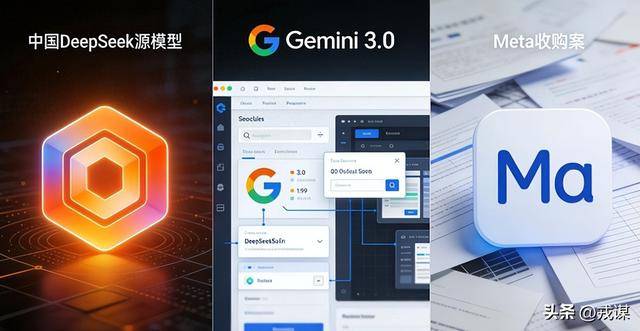
143亿打水漂?Meta惨翻车,谷歌逆袭OpenAI拉响红色警报
Sou Hu Cai Jing· 2026-01-05 16:50
Core Insights - The article discusses key events in the AI industry for 2025, highlighting significant developments and shifts among major players like DeepSeek, Meta, and Google [1]. Group 1: Major Events - DeepSeek's release of an open-source large model that reportedly matches OpenAI's performance has disrupted the perception of American technology dominance, leading to increased interest in reinforcement learning [3]. - Meta's struggles are evident as its Llama4 model fails to gain traction, prompting the company to invest $14.3 billion in talent acquisition, which resulted in the creation of an underwhelming video application called Vibes [5]. - Google's Gemini 3.0 has marked a significant comeback, challenging OpenAI and changing the competitive landscape, although it still lags in user numbers compared to ChatGPT [5][7]. Group 2: Industry Trends - The trend of "circular financing" is emerging, where AI companies secure funding from firms like Microsoft and NVIDIA, only to reinvest in purchasing their chips, creating a unique financial ecosystem [7]. - Despite the hype around AI robots, practical applications remain limited, with products like Tesla's Optimus still requiring human intervention, raising questions about their utility [9]. - The AI community is divided on the effectiveness of continuous learning capabilities, with no consensus on a reliable solution for achieving Artificial General Intelligence (AGI) [9]. Group 3: Future Outlook - The AI landscape in 2025 is characterized by intense competition and contrasting fortunes among companies, with questions remaining about profitability and the stability of Google's position in 2026 [11].


OpenAI的2026:要么封神,要么破产
美股研究社· 2026-01-05 12:54
Core Viewpoint - OpenAI is facing significant financial challenges despite rapid growth, with projections indicating substantial cash burn and the need for aggressive fundraising to sustain operations and expansion [7][12][20]. Financial Projections - OpenAI is expected to burn $17 billion in cash by 2026, up from $9 billion in 2025 [7]. - Cumulative cash burn could reach $115 billion by 2029, indicating a severe financial strain [20]. - Revenue for 2025 is projected to reach $13 billion, with an annualized rate potentially hitting $20 billion by year-end [15]. Growth and Competition - OpenAI has raised over $60 billion since the launch of ChatGPT, setting a record for private companies [11]. - The company plans to raise an additional $100 billion in 2026, potentially valuing it at $830 billion [12]. - Competitors like Google and Facebook took years to reach similar revenue milestones, but OpenAI achieved this in just two years [16]. Operational Challenges - OpenAI's computing power needs have surged from 200 megawatts in 2023 to 1.9 gigawatts by 2025, with plans to add 30 gigawatts at a cost of $1.4 trillion [18][19]. - The rising costs of model training and operational expenses are creating a financial "black hole" that could threaten the company's sustainability [24][41]. Strategic Shifts - OpenAI is increasingly resembling traditional tech giants, with plans to integrate advertising into ChatGPT and explore partnerships for e-commerce [32][34]. - The company is also developing custom chips to reduce reliance on Nvidia and is venturing into consumer hardware with Jony Ive [35]. - A significant portion of revenue is shifting from consumer to enterprise clients, indicating a strategic pivot [37]. Market Sentiment - There are concerns about whether OpenAI's growth trajectory is sustainable or if it resembles a bubble similar to WeWork [39]. - The capital markets are reacting negatively to companies closely tied to OpenAI, indicating a potential loss of investor confidence [42]. - Despite these challenges, there remains a strong belief in OpenAI's potential, with the CEO expressing confidence in overcoming obstacles [43].
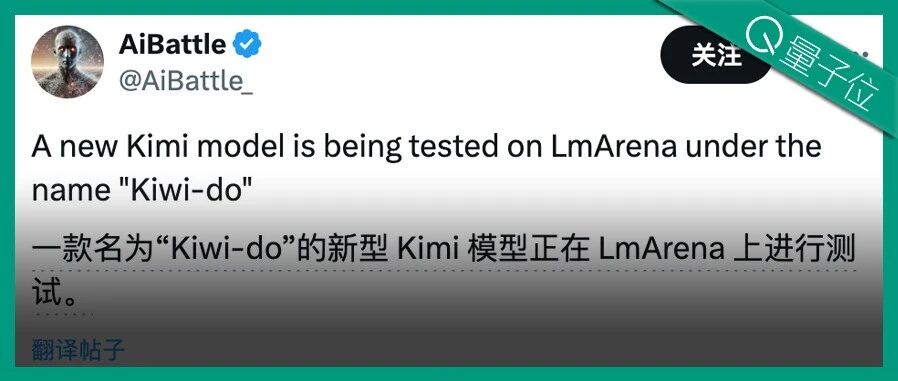
融资35亿后,Kimi神秘模型现身竞技场
量子位· 2026-01-05 05:00
Core Viewpoint - The emergence of a new model named Kiwi-do from Kimi, which is speculated to be a significant player in the large model arena, especially with its upcoming release and potential capabilities in multi-modal applications [1][19]. Group 1: Model Development and Performance - Kiwi-do is suggested to be linked to Kimi's previously mentioned K2-VL model, with indications that it has successfully passed the Visual Physics Comprehension Test (VPCT), showcasing its ability to solve complex visual tasks [15][17]. - The model's performance in SVG drawing tasks has been compared to K2-Thinking, revealing distinct differences in output quality [4][8]. - There is speculation that Kiwi-do may be a smaller parameter model, which could indicate a strategic approach to model development [12][13]. Group 2: Funding and Strategic Goals - Kimi recently announced a $500 million (approximately 3.5 billion RMB) Series C funding round, led by IDG, with participation from major investors like Alibaba and Tencent, resulting in a post-money valuation of $4.3 billion [21][22]. - The funds raised will be utilized to aggressively expand GPU resources to accelerate the training and development of the K3 model, with a long-term goal of becoming a leading AGI company [24][25]. - Kimi's approach to financing differs from other companies in the sector, as it is not currently pursuing an IPO, focusing instead on private market funding to support its growth strategy [27][28]. Group 3: Market Position and Future Outlook - Kimi aims to leverage its funding to enhance computational capabilities, which are critical in the large model industry, where operational costs are substantial [25][26]. - The company plans to time its IPO strategically in the future as a means to further accelerate its AGI ambitions [29]. - The K3 model is expected to achieve a significant leap in pre-training performance, aiming to match world-leading models and enhance user experience through innovative training techniques [32].
人工智能行业专题(14):大模型发展趋势复盘与展望
Guoxin Securities· 2026-01-05 01:16
Investment Rating - The report maintains an "Outperform" rating for the AI industry [1] Core Insights - The report reviews the stock price trends of major US tech companies over the past three years, highlighting the continuous evolution of AI narratives. In 2023, OpenAI led the global acceleration of AI, benefiting Microsoft through exclusive partnerships, resulting in a significant valuation increase. The narrative shifted in 2024 towards reasoning capabilities, with application companies seen as optimal investments, particularly Meta, which holds a monopoly in social media and advertising scenarios [2][11] - The report anticipates a 50% year-on-year increase in capital expenditures (Capex) for four major companies in 2025, with a sustained growth rate of over 30% expected in 2026. The report notes that the North American tech giants' Capex was revised upwards from an initial estimate of $320-330 billion to nearly $400 billion by year-end [2][18] - The evolution of model architectures continues, with the Scaling Law remaining relevant. The emergence of multi-modal and long-text capabilities is expected to provide a foundation for the explosion of agents. The report identifies two core pain points that need addressing: the computational and memory consumption bottlenecks during training and the limited memory capacity during inference [2][47] Summary by Sections Section 1: Stock Price and Capex Review - In 2023, major tech companies experienced a significant recovery in stock prices after a sharp decline in 2022, with OpenAI's advancements driving this trend [7][11] - The report predicts that the Capex for major companies will continue to grow, with Microsoft, Amazon, Google, and Meta all showing substantial year-on-year increases [18][19] Section 2: Demand for Reasoning Capabilities - The report highlights that the demand for reasoning capabilities is expected to explode, particularly in programming and agent applications. The growth of AI programming tools and agents is anticipated to drive significant revenue increases in these sectors [5][11] Section 3: Model Development Trends - The report discusses the ongoing evolution of model architectures, emphasizing the importance of addressing computational efficiency and memory limitations. It notes that the next generation of models will need to overcome these challenges to achieve significant advancements [33][47] - The report also mentions the competitive landscape among major model developers, with OpenAI, Google, and others vying for leadership in multi-modal capabilities and reasoning models [36][44] Section 4: Investment Recommendations - The report suggests focusing on companies involved in computational infrastructure, such as Alibaba, Baidu, NVIDIA, and Google, as well as major model developers like Alibaba, Google, and Tencent [5][11]
Sam Altman: AGI’s Missing Ingredient
Alex Kantrowitz· 2026-01-04 18:09
GPT5 is smarter than us in almost every way. I thought that that isn't that AGI and and if not, has the term become somewhat meaningless. These models are clearly extremely smart on a sort of raw horsepower basis.You know, there's all this stuff out the last couple of days about GPD 5.2% has an IQ of 147 or 144, 151 or whatever it is. It's like, you know, depending on whose test, it's like it's some high number and you have like a lot of experts in their field saying it can do these amazing things and it's ...

瀚博半导体:争做全球AI推理芯片的领导者
Xin Lang Cai Jing· 2026-01-04 12:25
Core Viewpoint - Nvidia plans to acquire core technology assets from AI chip startup Groq for approximately $20 billion, signaling a shift in focus from "training" to "inference" in AI computing, as real-time, low-cost, and deployable inference capabilities become the new competitive focus in the industry [1][9]. Group 1: Nvidia's Acquisition and Market Shift - Nvidia's acquisition of Groq is seen as a clear signal that the focus of AI computing is shifting towards inference capabilities [1][9]. - The move is expected to help Nvidia cover a broader range of AI inference and real-time workloads [1][9]. Group 2: Insights from Hanbo Semiconductor - Hanbo Semiconductor was founded in 2018 with the insight that cloud AI inference would have greater explosive potential than AI training chips [4][10]. - The CEO of Hanbo, Qian Jun, emphasizes the vast and untapped market potential for cloud AI inference and rendering in the era of AGI [4][12]. Group 3: Hanbo's Product Development and Market Position - Hanbo has launched two series of AI inference and rendering chips, SV and SG, achieving commercial success with major internet companies and operators in China [4][12]. - The SV series chips can achieve data throughput speeds twice that of general-purpose GPUs while requiring lower bandwidth, and they are among the few products in China that natively support FP8 large model inference [6][14]. Group 4: Strategic Focus and Future Outlook - Hanbo focuses on specific applications, such as video processing and AI acceleration, to create value through hardware and software collaboration [5][13]. - The company aims to become a global leader in AI inference chips, with a prediction that 2027 will be a key year for the large-scale replacement of domestic AI inference chips [8][16].


【兴证计算机】OpenAI深度:大模型王者,引领AGI之路
兴业计算机团队· 2026-01-04 05:48
Core Viewpoint - OpenAI has established itself as a global leader in the large model era, with a decade of development that continues to shape the AI large model industry trends [1][2]. Group 1: Review of OpenAI - OpenAI was founded in 2015 as a non-profit organization, leveraging a top-tier founding team to secure a leading position in the industry. The team has expanded significantly while maintaining a flat organizational structure, with over 5,000 employees expected by April 2025 and a median salary of $630,000, which is above the national average [2][3]. - The company's revenue is projected to reach $13 billion in 2025, representing a 2.5 times year-on-year growth, with expectations to exceed $100 billion by 2028. Revenue sources are diversifying from ChatGPT to APIs and Agents [2][3]. - OpenAI's valuation has risen to $750 billion by the end of 2025, following over ten rounds of financing, with continued investments from major players like Microsoft, SoftBank, and NVIDIA [2][3]. Group 2: Future Outlook - OpenAI maintains a high-frequency model release schedule, with the GPT-5 series leading in areas such as mathematical reasoning and programming, transitioning products from "tool-like assistants" to "productivity partners" [3][4]. - The Sora 2 model has shown significant performance improvements, with a notable partnership with Disney involving a $1 billion equity investment, which is expected to enhance user engagement and retention [3][4]. - ChatGPT has surpassed 1.2 billion monthly active users, leading the industry, with a weekly user conversion rate of approximately 5%, indicating substantial potential for future monetization [3][4]. - The company is expanding its product line based on its models, with innovations like the Atlas AI browser and advanced Codex code tools, while also planning to enter the AI hardware space [3][4]. Group 3: Vision and Ecosystem - OpenAI's core mission is to ensure that AGI benefits all of humanity, with a dual-track structure established in October 2025 to align commercial development with its mission [4]. - The company is building a differentiated competitive barrier by leveraging its technological lead and user base of 800 million weekly active users, collaborating with giants like Microsoft, NVIDIA, Oracle, and Amazon AWS to create an AI infrastructure network [4]. - OpenAI plans to launch a ChatGPT application store in December 2025, integrating various applications to enhance its capabilities and transition ChatGPT towards an operating system-like platform [4]. - As of November 2025, OpenAI has surpassed one million global enterprise customers, with over 7 million commercial user seats for ChatGPT for Work [4].
LeCun曝Meta作弊刷榜,田渊栋:我没想到这个结局
量子位· 2026-01-04 05:21
Core Viewpoint - The article discusses the fallout from the release of Meta's Llama 4, highlighting internal conflicts and the departure of key figures like LeCun and Tian Yuandong, who are now pursuing entrepreneurial ventures due to dissatisfaction with Meta's direction in AI development [1][3][22]. Group 1: Llama 4 and Internal Conflicts - Llama 4 faced significant criticism and allegations of cheating in benchmark tests, leading to a loss of confidence from Meta's leadership [1][10]. - The release of DeepSeek, a competing AI model, pressured Meta to accelerate its AI investments, resulting in internal turmoil and a shift in team dynamics [4][6]. - The communication breakdown within the team was exacerbated by differing priorities, with LeCun's team wanting to innovate while leadership preferred proven technologies [7][8]. Group 2: Departures and New Ventures - LeCun and Tian Yuandong both announced their intentions to start new companies after leaving Meta, with LeCun focusing on world models and Tian Yuandong on new AI initiatives [27][33]. - LeCun's new venture, Advanced Machine Intelligence (AMI), aims to explore advanced machine intelligence through open-source projects, while he will serve as the executive chairman [27][30]. - Tian Yuandong expressed a desire to co-found a startup, indicating a trend among former Meta employees to seek new opportunities outside the company [33]. Group 3: Future Directions in AI - LeCun's focus on the V-JEPA architecture aims to enhance AI's understanding of the physical world through video and spatial data, with expectations for significant progress within 12 months [32]. - The article emphasizes the need for AI to move beyond language limitations, as highlighted by LeCun's critique of the current focus on large language models [25][26].


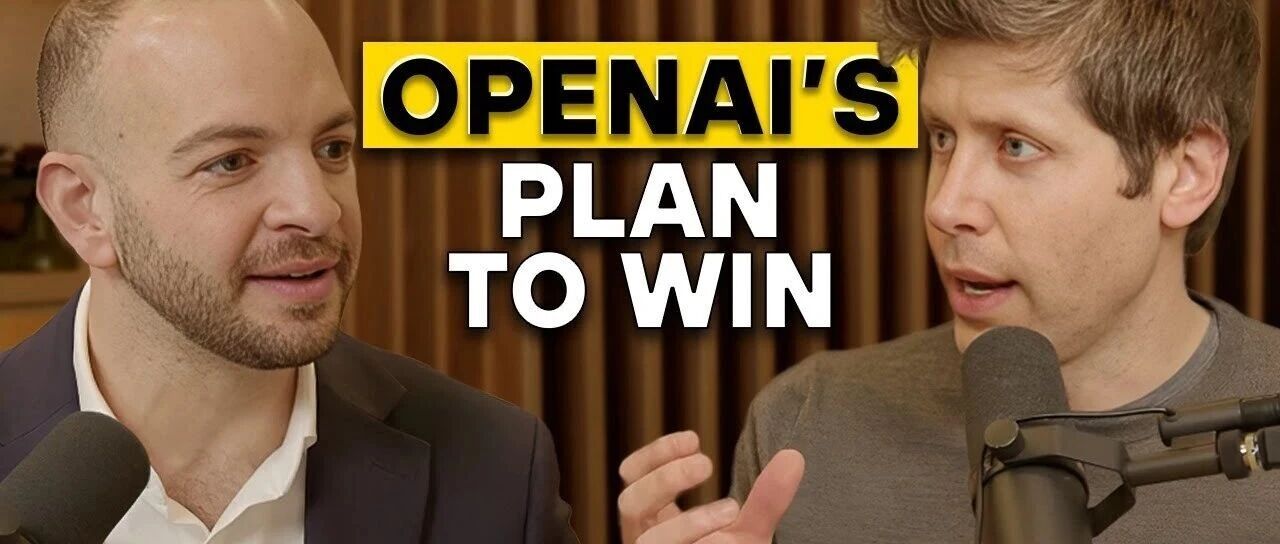
深度|对话Sam Altman:企业级市场是OpenAI 26年重点发力方向,25年B端业务增长已超过C端增长
Z Potentials· 2026-01-04 04:18
图片来源: Alex Kantrowitz Z Highlights Sam Altman 是 OpenAI 的 CEO ,曾管理过多个科技项目,领导 OpenAI 发展成全球领先的人工智能公司。在 AI 领域具有深厚背景,并且不断推动算力、 产品和技术的进步。作为硅谷知名企业家和投资人, Sam Altman 在人工智能和科技创新方面的洞察力备受业界关注。本次访谈由著名科技记者 Alex Kantrowitz 主持,深度探讨了 OpenAI 的技术发展、 AI 对社会的影响以及未来的创新趋势,访谈已于 2025 年 12 月 19 日发布。 OpenAI 的 AI 竞赛: ChatGPT 如何保持领先 Alex Kantrowitz : 今天我们邀请到了 OpenAI CEO Sam Altman ,来聊一聊 OpenAI 在这场 AI 巨头竞赛中打算如何取胜,基础设施层面的账到底怎么 算,以及 OpenAI 是否、以及何时可能 IPO 。 Sam 今天就在演播室,欢迎你。非常感谢你来。 OpenAI 已经 10 岁了,这简直不可思议。而 ChatGPT 已 经 3 岁了。但竞争正在明显加剧。我们现在就在 ...
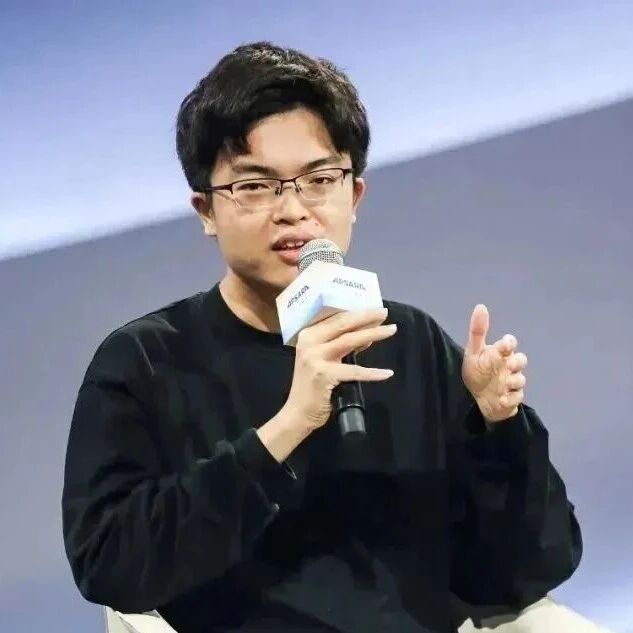
90后清华学霸,又融资35亿
首席商业评论· 2026-01-04 03:59
Core Viewpoint - The article discusses the strategic decisions made by the company "月之暗面" (Kimi) regarding its funding and market approach, emphasizing its preference for private funding over public listing at this stage, while also outlining its ambitious plans for technological advancements and product development [5][6][8]. Funding and Market Strategy - The company recently completed a $500 million (approximately 3.5 billion RMB) Series C funding round, significantly exceeding its initial target, with a post-money valuation of $4.3 billion [7]. - Notable investors in this round included IDG, Alibaba, Tencent, and Meituan's co-founder Wang Huiwen, highlighting strong market confidence in the company [7]. - The CEO, Yang Zhilin, stated that the company is not in a hurry to go public, believing it can raise more capital through private markets than through IPOs [6][8]. Technological Advancements - The funding will be used to aggressively expand GPU resources and accelerate the training and development of the K3 model, aiming to enhance its capabilities significantly [10]. - The company plans to achieve a tenfold increase in the effective FLOPs of the K3 model and introduce unique features that differentiate it from competitors [10]. - Recent product launches include new intelligent agent functionalities and the Kimi-K2 model, which boasts 1 trillion parameters, positioning the company among a select few capable of developing such large models [12][13]. Commercialization and User Growth - Kimi has implemented a tiered subscription model for its services, resulting in a significant increase in paid user growth, with a monthly average increase of over 170% from September to November [15]. - The release of K2 Thinking has led to a fourfold increase in overseas API revenue during the same period [15]. Company Culture and Leadership - The company fosters a unique and efficient culture characterized by direct communication among top talent, allowing for high productivity with smaller teams [16][19]. - CEO Yang Zhilin, a highly accomplished individual with a strong academic background, is considered a key asset to the company [19]. - The company has shifted its focus from aggressive marketing to enhancing its foundational algorithms and model capabilities, maintaining a long-term strategic vision despite short-term user engagement fluctuations [19].