
长期主义

Search documents
迎峰而上,让美好触手可及——2025珀莱雅公益年会圆满举办,凝聚多方力量共绘公益蓝图
Xin Lang Cai Jing· 2025-12-22 10:28
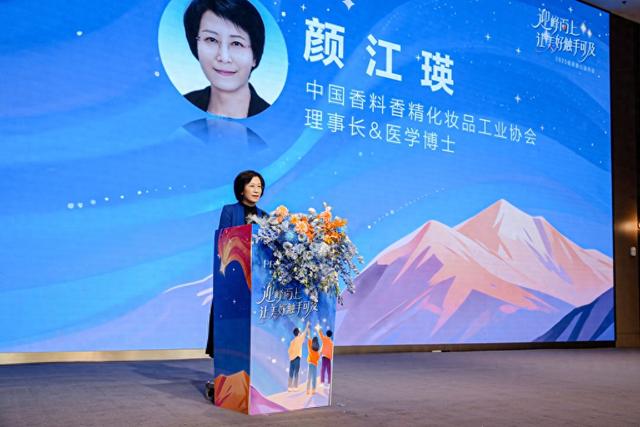
Core Viewpoint - The 2025 Proya Charity Annual Conference highlighted Proya's commitment to social responsibility and its achievements in public welfare over the past 18 years, while also outlining future development directions [1][7][17]. Group 1: Proya's Commitment to Public Welfare - Proya Charity Foundation, established in August 2023, focuses on women's development, education assistance, and emergency disaster relief, aligning with national charitable policies and social needs [1][3]. - Proya has consistently adhered to its corporate spirit of "diligence, pragmatism, passion, and gratitude" since its founding in 2003, actively engaging in social responsibility initiatives [5][12]. - The foundation's secretary general emphasized the importance of collaboration in achieving public welfare goals, stating that every achievement is a result of collective efforts [7][8]. Group 2: Achievements and Future Plans - Proya's charity projects have shown resilience and internal motivation despite increasing regulatory scrutiny and challenges in fundraising [7]. - The foundation aims to deepen its exploration in education assistance and women's care, continuing to write a beautiful chapter in public welfare [8][17]. - Future plans include extending compliance principles from corporate operations to charity work, ensuring transparent and efficient use of funds to build public trust [18]. Group 3: Community Engagement and Impact - The "Proya Mama" initiative focuses on mental health support for new mothers, aiming to create a supportive ecosystem for their psychological well-being [10]. - The transformation of the Gansu Proya Hope Primary School illustrates Proya's long-term commitment to educational empowerment, showcasing the impact of their initiatives on local communities [12]. - The annual conference featured expert discussions on effective charitable actions, providing practical guidelines for corporate philanthropy [14][15].


当参数狂欢退潮,只有雅阁这样的车能陪你“到世界尽头”
Zhong Guo Qi Che Bao Wang· 2025-12-22 09:30
Core Viewpoint - The automotive market is evolving rapidly, with a focus on technology and features, yet there is a growing nostalgia for reliable, well-built vehicles that can endure over time [1][3][20] Group 1: Product Features and Technology - The sixth-generation Accord, despite its age and high mileage, showcases the importance of durable products in a fast-paced automotive market [1] - The Accord offers two powertrain options: the fuel-efficient锐·T动 gasoline version and the e:PHEV plug-in hybrid version, catering to diverse consumer needs [6] - The e:PHEV features a fourth-generation i-MMD dual-motor hybrid system, addressing the industry's common pain point of performance when battery levels are low [6][8] - The fuel version is equipped with a 1.5T VTEC turbocharged engine, delivering 260N·m of peak torque at 1700 RPM, demonstrating responsive power [10] Group 2: Safety and Reliability - The Accord's safety philosophy emphasizes comprehensive protection, integrating advanced safety features and robust structural design [11][13] - The vehicle's structure utilizes high-strength steel, with 8.8% of the body made from 1500Mpa hot-formed steel, ensuring a strong safety framework [13] - The Honda SENSING safety system has evolved to include new features like door opening warnings and front traffic crossing alerts, enhancing overall safety [15] - The Accord has achieved top safety ratings from global authorities, reflecting its commitment to safety and reliability [13][15] Group 3: Market Performance and Longevity - The Accord has sold over 25 million units globally, with nearly 3.5 million units in China, indicating strong market acceptance and product strength [16] - It consistently ranks high in resale value within the mid-size car segment, demonstrating its long-term reliability and quality [18] - Approximately 700,000 Accords in China are over 15 years old and still operational, with many exceeding one million kilometers without major repairs [20] - The emotional connection between users and their Accords is highlighted by the vehicle's ability to serve as a reliable companion throughout various life stages [20]

2.5万字|柏基“传奇基金经理”安德森的罕见深访:伟大公司各有各的独特,平庸公司却都差不多
Xin Lang Cai Jing· 2025-12-22 07:08
Core Viewpoint - James Anderson emphasizes the importance of understanding change in the financial markets, arguing that true long-term returns are driven by significant deviations from equilibrium rather than minor fluctuations [3][4][24]. Group 1: Investment Philosophy - Anderson advocates for a top-down approach to investing, focusing on identifying companies that can execute blueprints for embracing change [5][24]. - He highlights the rarity of true disruptors in the market, who are willing to treat the future as an open-ended proposition and invest over long time horizons [5][24]. - The philosophy of seeking "unique exceptions" rather than "better averages" is central to Anderson's stock selection strategy [6][24]. Group 2: Market Dynamics - Anderson critiques the prevailing market misconception that it operates as a self-correcting system, suggesting that significant changes in technology and industry structure are what truly reshape the business landscape [4][24]. - He notes that the focus on short-term performance metrics has led to a market that increasingly resembles a "recycling machine" rather than a creator of new companies and innovations [35][36]. - The trend of companies prioritizing stock buybacks and dividends over long-term investments in growth is identified as a critical issue in the current market environment [36][37]. Group 3: Personal Insights and Experiences - Anderson shares his background in history and how it shaped his investment perspective, emphasizing the value of diverse viewpoints and curiosity in understanding market dynamics [26][27]. - He reflects on the evolution of the investment trust model, which he believes offers significant flexibility and the ability to provide professional investment capabilities to individual investors [28][29]. - The conversation touches on the historical context of investment practices, illustrating how past decisions have influenced current market behaviors [12][30].

2.5万字|柏基“传奇基金经理”安德森的罕见深访:伟大公司各有各的独特,平庸公司却都差不多……
聪明投资者· 2025-12-22 07:03
Core Viewpoint - The article discusses James Anderson's investment philosophy, emphasizing the importance of understanding change and the execution of visionary leadership in the financial markets [2][3][4]. Group 1: Understanding Change - Anderson believes that the biggest misconception in financial markets is the assumption that the world will automatically return to equilibrium, while true long-term returns are often driven by significant deviations from equilibrium [3]. - He highlights the importance of identifying who can execute a blueprint for embracing change, acknowledging that failure is a frequent occurrence in this process [4]. Group 2: Investment Philosophy - Anderson's stock-picking philosophy focuses on seeking "unique exceptions" rather than just "better averages," emphasizing the need for structural variables that can be validated over the long term [6]. - He draws a comparison between great companies, which are unique, and mediocre companies, which tend to be similar [5]. Group 3: Industry Insights - The conversation touches on the challenges faced by the fund management industry, which Anderson believes has become increasingly introspective and focused on relative performance rather than supporting transformative companies [18][19]. - He points out that over the past few decades, companies in the UK and the US have returned more money to shareholders than they have raised through public markets, indicating a shift away from innovation and growth [19][20]. Group 4: Long-term Vision - Anderson stresses the need for a long-term perspective in building companies, which often requires time horizons that extend beyond quarterly results [22]. - He criticizes the trend of stock buybacks and excessive dividends, arguing that these practices detract from necessary investments in innovation and long-term growth [20][24].
诗裴丝斩获2025新网商年度创新品牌大奖,郑如晶解码细分赛道长期主义
Sou Hu Wang· 2025-12-22 01:45
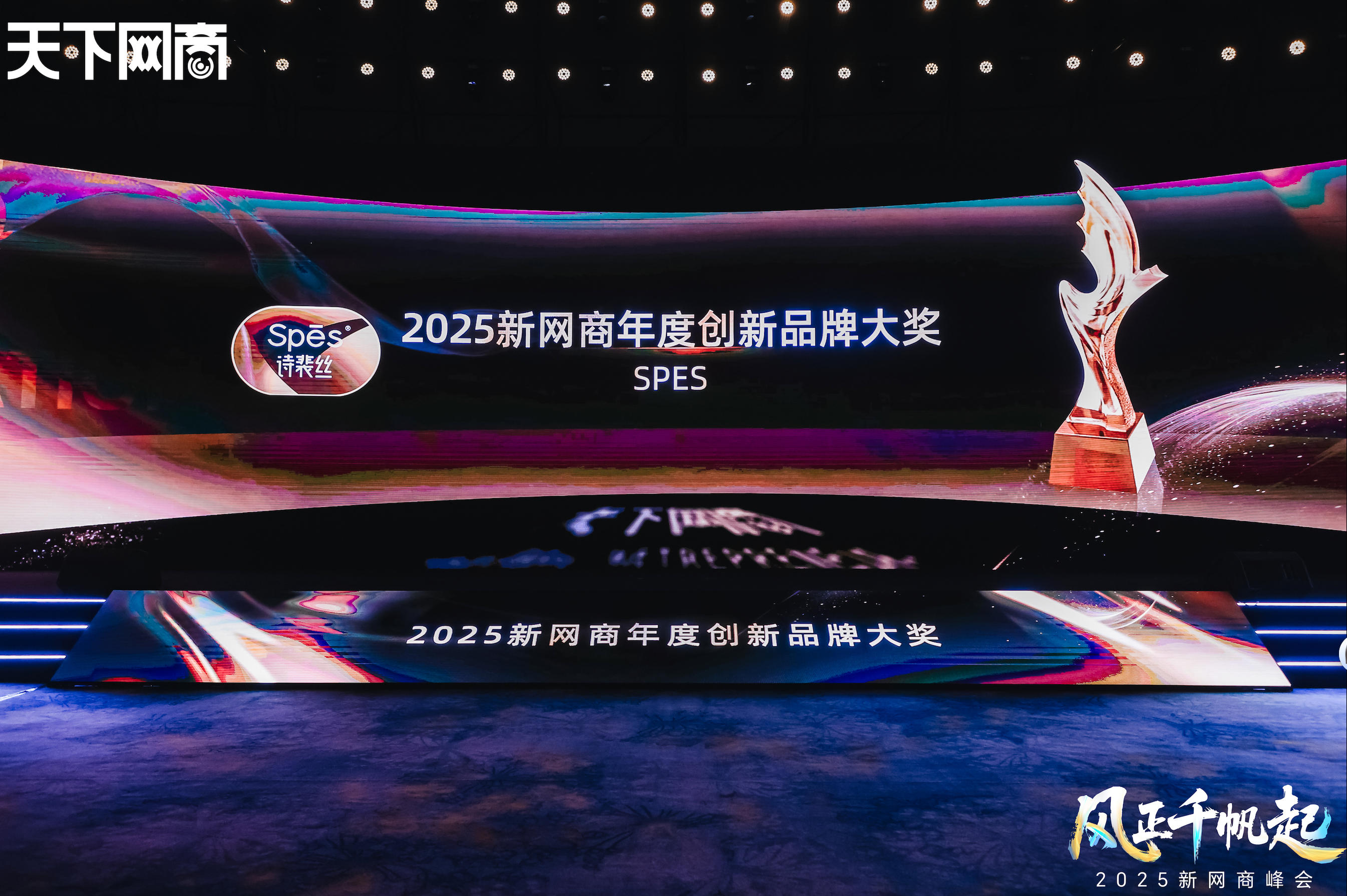
Core Insights - The "2025 New E-commerce Summit" highlighted the importance of innovation and growth in the Chinese consumer market, featuring discussions among economists, brand founders, and top investors [1][10] - Spes, a leading domestic brand in scalp care, won the "2025 New E-commerce Annual Innovation Brand Award," showcasing its strong market influence and innovative approach [3][4] Company Highlights - Spes has successfully identified and addressed unmet consumer needs in the saturated hair care market, focusing on specific pain points for young consumers, such as time constraints and scalp sensitivity [4][8] - The brand's core products are designed to solve real-life problems, leading to high repurchase rates and establishing Spes as a benchmark in the hair care sector [4][8] Industry Trends - The discussions at the summit emphasized that competition in a saturated market is not about chasing short-term trends but about embedding brands into consumers' lives and addressing genuine pain points [5][7] - The concept of "long-termism" was highlighted as essential for brands to adapt to evolving consumer needs and maintain market leadership [7] Future Outlook - The Chinese consumer market is transitioning towards high-quality development, with brands like Spes demonstrating that innovation is possible even in traditional categories [10] - Spes plans to continue focusing on user needs, enhancing research and development, and expanding its product offerings to solidify its market position [10]
公募基金行业发展十大展望:明年规模将冲击40万亿元大关
Zhong Guo Jing Ji Wang· 2025-12-22 00:48
Core Viewpoint - The public fund industry in China is expected to continue its growth trajectory, with projections indicating that the total scale may surpass 40 trillion yuan in 2026, driven by long-term capital inflows and favorable policy reforms [3][4][6]. Group 1: Industry Growth and Trends - The public fund scale is projected to exceed 40 trillion yuan in 2026, supported by long-term funds such as insurance and pension funds entering the market [3][4]. - The public fund industry has seen its net asset value grow from approximately 9.1 trillion yuan in 2016 to about 36 trillion yuan in 2025, with an average annual growth rate of around 16% [4]. - The low interest rate environment is driving a shift of savings into public funds, with equity and "fixed income plus" products expected to be the main growth drivers [3][4]. Group 2: Investor-Centric Approach - The industry is shifting towards an investor-centric model, emphasizing the importance of investor returns and experience in fund management [5][6]. - Regulatory changes are reinforcing the principle of prioritizing investor interests, which is expected to reshape the public fund ecosystem and operational models [6][11]. - The focus on long-term performance and investor satisfaction is anticipated to lead to a healthier industry environment, fostering a virtuous cycle of returns and growth [6][11]. Group 3: Product Innovation - There is a growing trend towards product innovation in the public fund sector, with new offerings such as REITs and thematic funds emerging to meet market demands [7][8]. - Future innovations are expected to focus on technology-driven products, low-volatility options, and diversified asset allocation strategies [7][8]. - The introduction of more diversified ETFs and thematic funds is anticipated, catering to specific industry sectors and investment themes [9][10]. Group 4: ETF Development - The ETF market is expected to enter a new phase of differentiated competition, with a focus on thematic and sector-specific ETFs [9][10]. - The demand for passive investment products is increasing, driven by a structural shift towards low-cost, high-transparency options [10][11]. - The competitive landscape for ETFs will focus on tracking accuracy, fee structures, and niche market offerings [10][11]. Group 5: Active Equity Funds - Active equity funds are moving towards a value investment approach, with a reduction in style drift and a focus on long-term performance [11][12]. - Regulatory frameworks are expected to enforce stricter performance benchmarks, promoting a return to fundamental research and value discovery [11][12]. - The emphasis on long-term performance metrics is likely to reshape the competitive dynamics within the active fund management space [12][13]. Group 6: Sales and Distribution Transformation - The sales model in the fund industry is transitioning towards a focus on maintaining existing client relationships rather than solely on new product launches [16][17]. - Fund sales strategies will increasingly prioritize client service and long-term investment experiences, moving away from a purely transactional approach [16][17]. - The revenue model for fund sales is expected to shift from transaction-based fees to advisory service fees, aligning more closely with client outcomes [17][18]. Group 7: AI and Digital Transformation - The integration of AI technology is becoming crucial for the asset management industry, enhancing efficiency and redefining service delivery [18][19]. - AI applications are expected to permeate various aspects of fund management, including product development, risk management, and customer service [19][20]. - The future of the industry will likely see a collaborative approach between human expertise and AI capabilities, optimizing operational processes and client interactions [20][21]. Group 8: Long-Term Focus and Specialization - The public fund industry is anticipated to return to a long-term investment philosophy, aligning more closely with wealth management and pension fund strategies [21][22]. - The industry is expected to see increased specialization, with firms focusing on niche markets and tailored investment solutions [22][23]. - The trend towards floating fee structures is likely to gain traction, linking fees more closely to fund performance and investor returns [22][23].
中国储能年度十大领袖(2025)|巨制
24潮· 2025-12-22 00:02
Core Viewpoint - The article emphasizes the significant rise of China's energy storage industry, highlighting its global leadership in energy storage capacity and international orders, marking a new era of growth and innovation in the sector [2][3]. Group 1: Industry Overview - The global energy storage market is experiencing a massive transition, with China emerging as a dominant player, leading in both domestic installations and international orders [2]. - The energy storage industry is characterized by intense competition, with many companies achieving double-digit growth despite market challenges [2][4]. Group 2: Key Players and Achievements - CATL (宁德时代) has grown from a small workshop to a global leader in energy storage, with total assets nearing 900 billion yuan and a revenue increase from 44 million yuan to 57.29 billion yuan over 11 years, marking a 1301-fold growth [6][8]. - EVE Energy (亿纬锂能) has maintained a strong position in the market, with overseas revenue growing 28.05% year-on-year, and a significant increase in R&D investment, totaling 136.97 billion yuan over 20 years [12][13]. - Sungrow (阳光电源) has seen its energy storage business grow from 383 million yuan to 24.96 billion yuan from 2018 to 2024, achieving a 64.17-fold increase [16][17]. Group 3: Financial Health and Capital Strength - CATL's financial health is robust, with a total asset-liability ratio of 61.27% and a net cash position of 327.18 billion yuan, providing a strong buffer against market fluctuations [9]. - Sungrow's capital strength is also notable, with a funding reserve of 27.76 billion yuan and a net cash position of 21.93 billion yuan, allowing for continued investment in growth [19][20]. Group 4: Innovation and Technology - CATL has invested over 800 billion yuan in R&D over the past decade, leading to significant technological advancements, including the production of a 587Ah energy storage cell and a 9MWh energy storage system solution [7][8]. - EVE Energy has developed a comprehensive range of lithium battery technologies and has a strong focus on R&D, with over 10,000 patents filed [13][14]. Group 5: Global Expansion and Market Strategy - CATL's international revenue has surged from 15 million yuan to 110.34 billion yuan over 11 years, with overseas orders totaling approximately 49.5GWh [8][9]. - EVE Energy has also expanded its international footprint, with overseas revenue growing significantly and a focus on diversifying its product offerings [12][13]. - Sungrow has established a strong global presence, with 50% of its revenue coming from international markets, and has signed numerous overseas contracts [19][21]. Group 6: Challenges and Future Outlook - The energy storage industry faces challenges such as safety incidents, price wars, and product homogenization, which could hinder healthy development [10][21]. - Industry leaders emphasize the need for innovation, safety, and a focus on long-term strategies to navigate the evolving market landscape [10][21].






“党的创新理论青年说”宣讲活动走进湖州
Xin Lang Cai Jing· 2025-12-21 23:49
(来源:湖州日报) 在面向企业员工的宣讲中,宣讲员方可媛用一首原创歌曲《我们这样走过》拉开本次理论宣讲的序幕, 歌声将宏大叙事融入青春旋律,娓娓道来"十四五"的奋斗足迹与"十五五"的奋进展望,迅速点燃了全 场。随后,宣讲员季誉恒以《横店变竖店,竖是哪个"术"》为题,探讨了影视产业发展背后所蕴含的技 术之"术"与创新之"道";宣讲员郑德镇用轻松活泼的"开放麦"形式,让"相信"成为企业发展的信念。 在庾村兴头上未来工作空间的乡村专场,宣讲员王哲身穿戏服上台,深情讲述了艺术学子肩负传承与创 新的使命感,其间穿插的越剧表演赢得了阵阵叫好声;宣讲员张博文直面当代青年的思想困惑,在《一 撇一捺中的投资心法》里鼓励青年在新时代的浪潮中书写无悔华章……大家与乡村创客、基层干部等围 坐共话,让理论在泥土气息中生根。 据悉,此次巡讲活动覆盖干部职工、党员群众近300人次,全面展示了新时代理论宣讲工作的蓬勃生机 和创新活力,不仅搭建了交流互鉴的平台,也进一步激发了青年学习贯彻党的创新理论、投身湖州高质 量发展的热情。 转自:湖州日报 记者 张志炜 本报讯 由省委宣传部主办,潮新闻、市委宣传部承办的"党的创新理论青年说——学习贯彻党 ...
零售商发展自有品牌应立足长期深耕
Xin Lang Cai Jing· 2025-12-21 21:43
Core Insights - Retailer private labels have experienced an average annual growth of 44% over the past two years, indicating a significant shift in consumer purchasing behavior and increased competition for brand manufacturers [1] - The trend towards private labels is driven by a pragmatic consumer mindset seeking quality at a reasonable price, alongside the expansion of the consumer market into lower-tier cities [2] Group 1: Market Trends - Over 48% of urban households in China purchased private labels in the first three quarters of 2025, a 10 percentage point increase from the previous year [2] - The penetration rate of private labels in lower-tier cities has increased by over 12 percentage points, highlighting the strong market potential in these areas [2] Group 2: Retailer Strategies - Retailers are transitioning from merely selling products to creating their own brands, leveraging consumer insights and supply chain advantages to develop private labels [1] - Private labels allow retailers to reduce costs by eliminating intermediaries and brand premiums, thus improving profit margins and enabling better pricing control [2] - Retailers are focusing on enhancing the quality and value of private labels to meet the rising demand for high-quality, cost-effective products [2] Group 3: Long-term Strategy - Retailers must adopt a long-term perspective in developing private labels, emphasizing patience, steady growth, and careful expansion [3] - Establishing a robust user engagement system and maintaining high-quality standards in the supply chain are essential for building brand trust and loyalty [3] - Retailers should focus on creating iconic products and integrating private labels into consumers' lifestyles to enhance brand recognition and differentiation [3]
明年冲击40万亿!十大展望来了
Zhong Guo Ji Jin Bao· 2025-12-21 11:46
Group 1: Industry Outlook - The public fund industry is expected to reach a scale of 40 trillion yuan in 2026, driven by long-term capital inflows and a low-interest-rate environment [3][4] - The growth of public funds is supported by the continuous influx of long-term funds from insurance, personal pensions, and social security funds, as well as the ongoing shift of savings into diversified products like ETFs and fixed-income products [3][4] - The industry has seen a significant increase in net asset value from approximately 9.1 trillion yuan in 2016 to about 36 trillion yuan in 2025, with an average annual growth rate of around 16% [4] Group 2: Investor-Centric Approach - The industry is shifting towards an investor-centric model, emphasizing the importance of investor profitability and prioritizing the interests of fund holders [5][6] - Regulatory changes, such as performance assessment guidelines and new performance benchmarks, are reinforcing this investor-first approach [5][6] Group 3: Product Innovation - There is a growing trend of product innovation in the public fund sector, with a focus on meeting real market demands and expanding offerings like REITs and various ETF products [7][8] - Future innovations are expected to include a wider range of ETFs, including those focused on technology, real estate, and low-volatility products [7][8] Group 4: ETF Development - The ETF market is anticipated to enter a new phase of differentiated competition, with a focus on thematic and sector-specific ETFs [9][10] - The demand for passive investment products is increasing, driven by a structural shift towards low-cost, high-transparency options [9][10] Group 5: Active Equity Funds - Active equity funds are expected to return to a focus on value investing, moving away from short-term speculative strategies [11][12] - Regulatory frameworks are tightening performance benchmarks, which will encourage fund managers to concentrate on long-term value creation [11][12] Group 6: Sales Transformation - Fund sales are transitioning towards a model that emphasizes maintaining existing clients over acquiring new ones, focusing on service quality and client experience [16][17] - The sales strategy will shift from product-centric to client-centric, with a greater emphasis on advisory services and long-term client relationships [16][17] Group 7: AI Integration - The integration of AI technology is becoming crucial for the public fund industry, enhancing efficiency in product management, customer service, and governance [18][19] - AI is expected to evolve from a tool for efficiency to a collaborative decision-making partner, impacting all aspects of fund operations [18][19] Group 8: Long-Term Focus - The public fund industry is anticipated to return to a long-term investment philosophy, aligning more closely with wealth management and pension fund objectives [21][22] - The regulatory environment is pushing for a focus on stability and quality in fund offerings, which will attract more institutional and long-term investors [21][22] Group 9: Market Diversification - The industry is likely to see a diversification of products and strategies, with a focus on niche markets and global asset allocation [22] - The introduction of floating fee structures is expected to become more prevalent, aligning fund performance with investor returns [22]