两新政策

Search documents
6月工业企业利润降幅收窄,应收账款回收时间环比缩短
证券时报· 2025-07-27 04:13
数据显示,6月份规模以上工业企业实现利润总额7155.8亿元,同比下降4.3%,降幅较5月份收窄4.8个百分点。 国家统计局工业司统计师于卫宁表示,工业企业营收持续增长,为企业盈利恢复创造有利条件。6月份,相关企业营业收入同比增长1.0%,增速与5月份持平。从累 计看,1—6月份规模以上工业企业营业收入增长2.5%。 7月27日,国家统计局公布数据显示,6月份,规模以上工业企业利润同比下降4.3%,较5月份明显收窄。 分析指出,工业企业营收持续增长为企业盈利恢复创造有利条件。从行业看,6月份,装备制造业拉动全部规模以上工业利润增长3.8个百分点,支撑作用突出。此 外,"两新"政策持续显效,应收账款平均回收周期较5月末缩短。 规上工业企业利润同比降幅收窄 6月末,规模以上工业企业每百元资产实现的营业收入为73.9元,同比减少1.9元;人均营业收入为182.3万元,同比增加5.6万元;产成品存货周转天数为20.4天, 同比增加0.1天;应收账款平均回收周期为69.8天,同比增加3.9天。 与4月末和5月末对比看,虽然规模以上工业企业每百元资产实现的营业收入同比仍在减少,应收账款平均回收周期同比也在增加,但人均营业 ...


工业利润降幅收窄,装备制造业支撑作用突出
Di Yi Cai Jing· 2025-07-27 04:00
Group 1 - In June, the manufacturing sector showed significant improvement, with profits shifting from a decline of 4.1% in May to a growth of 1.4% [1] - For the first half of the year, the total profit of industrial enterprises above designated size reached 34,365.0 billion yuan, a year-on-year decrease of 1.8% [1] - In June, the total profit of industrial enterprises was 7,155.8 billion yuan, a year-on-year decline of 4.3%, but the decline narrowed by 4.8 percentage points compared to May [1] Group 2 - State-owned enterprises reported a total profit of 11,091.2 billion yuan, down 7.6%, while private enterprises saw a profit of 9,389.7 billion yuan, up 1.7% [3] - The mining industry experienced a profit drop of 30.3%, while the manufacturing sector's profit increased by 4.5% to 25,900.6 billion yuan [3] - The equipment manufacturing sector's revenue grew by 7.0% in June, with profits rebounding from a decline of 2.9% in May to a growth of 9.6% [3] Group 3 - High-end, intelligent, and green industries within manufacturing saw rapid profit growth, with electronic special materials manufacturing profits increasing by 68.1% [4] - The production of smart and automated products contributed to profit increases in related sectors, with smart consumer device manufacturing profits rising by 40.9% [4] - Green production initiatives led to significant profit growth in sectors like lithium-ion battery manufacturing, which saw a profit increase of 72.8% [5] Group 4 - The Ministry of Industry and Information Technology indicated that while external uncertainties have increased, supportive policies are being implemented to ensure stable industrial growth [6] - The upcoming plans for key industries such as steel and non-ferrous metals aim to stabilize growth in the second half of the year [6] - Analysts expect that the "Two New" policies will continue to support profit growth in the equipment manufacturing and high-tech sectors, leading to a broader recovery in industrial profits [6]
帮主郑重:利润降了别慌!三个信号藏黄金
Sou Hu Cai Jing· 2025-07-27 02:08
Core Viewpoint - The recent industrial profit data shows a decline of 1.8%, but this should be viewed in the context of structural differentiation within the economy, revealing potential investment opportunities rather than just risks [3][4]. Group 1: Profit Trends - Industrial profits have decreased by 1.8%, but this figure is influenced by a high base from the previous year and significant structural differentiation [4]. - State-owned enterprises experienced a profit decline of 7.6%, while foreign and private enterprises saw profit increases of 2.5% and 1.7%, respectively, indicating greater flexibility in adapting to market changes [4]. - The mining industry faced a dramatic profit drop of 30.3%, contrasting with a 4.5% profit increase in the manufacturing sector, highlighting a shift from traditional energy to advanced manufacturing [4]. Group 2: Key Indicators - Despite the overall profit decline, gross profit increased by 1.1%, suggesting improved cost control among companies [5]. - The production of smart appliances and industrial robots has doubled, driven by policies promoting equipment upgrades and replacements, leading to profit increases of over 10% in these sectors [5][6]. - The equipment manufacturing sector saw a profit increase of 7.2%, particularly in electronics and electrical machinery, with growth rates exceeding double digits in specific sub-sectors [4]. Group 3: Investment Signals - Key investment signals include policy direction favoring "new" initiatives, foreign investment trends, and technological breakthroughs, particularly in AI and materials [6]. - Foreign investment enterprises reported a profit growth of 2.5%, indicating confidence in the market, especially with the shift of supply chains to Southeast Asia [6]. - The focus should be on identifying companies with strong competitive advantages in the manufacturing upgrade process and those poised to benefit from policy incentives [6].
“国补”来了!第三批690亿元资金下达
券商中国· 2025-07-26 04:14
Core Viewpoint - The National Development and Reform Commission (NDRC) has allocated 69 billion yuan in special long-term bonds to support the consumption of old goods in exchange for new ones, aiming to stimulate consumer spending and economic growth [1][2]. Group 1: Policy Implementation - The NDRC has been actively implementing the "Two New" policy since 2025, establishing a comprehensive system for the exchange of old consumer goods for new ones [1]. - As of July 16, 2025, approximately 280 million people have claimed subsidies for the exchange program, resulting in sales exceeding 1.6 trillion yuan [1]. - Retail sales of major household appliances and audio-visual equipment, cultural and office supplies, communication equipment, and furniture have seen year-on-year growth rates of 30.7%, 25.4%, 24.1%, and 22.9% respectively in the first half of the year [1]. Group 2: Future Plans - The NDRC plans to allocate another 69 billion yuan in special long-term bonds in October to further support local implementation of the exchange policy [2]. - Coordination with the Ministry of Finance and the Ministry of Commerce will be enhanced to ensure balanced and effective use of funds across different sectors and time periods [2]. - The NDRC will continue to improve the policy implementation mechanism, focusing on product quality and price regulation to prevent fraudulent activities and ensure compliance among participating enterprises [2].

“国补”来了!第三批690亿元资金下达
财联社· 2025-07-26 03:36
Core Viewpoint - The National Development and Reform Commission (NDRC) has allocated 69 billion yuan in special long-term bonds to support the consumption of old goods in exchange for new ones, aiming to stimulate consumer spending and economic growth [1][2]. Group 1: Policy Implementation - Since 2025, the NDRC has actively implemented the "Two New" policy, establishing a comprehensive system for the exchange of old consumer goods for new ones, and has effectively disbursed special long-term bond funds [1][2]. - As of July 16, 2025, 280 million people have applied for subsidies under the old-for-new policy, resulting in sales exceeding 1.6 trillion yuan [1]. Group 2: Economic Impact - Retail sales of major household appliances and audio-visual equipment, cultural office supplies, communication equipment, and furniture have seen year-on-year growth rates of 30.7%, 25.4%, 24.1%, and 22.9% respectively in the first half of the year [1]. - The retail volume of passenger cars increased by 10.8%, contributing to a 5% year-on-year growth in total retail sales of consumer goods [1]. Group 3: Future Plans - The NDRC plans to allocate another 69 billion yuan in special long-term bonds in October to further support local implementation of the old-for-new policy [2]. - There will be a focus on ensuring balanced and effective use of funds across different sectors and time periods, optimizing subsidy distribution methods to maintain smooth policy execution [2]. - Continuous improvement of policy implementation mechanisms will be emphasized, including product quality and price regulation, to prevent fraudulent practices and ensure compliance among participating enterprises [2].

河南焦作:跟进监督压实责任 助力“两新”政策落地落实
Zhong Yang Ji Wei Guo Jia Jian Wei Wang Zhan· 2025-07-24 03:18
Group 1 - The focus of the supervision by the Jiaozuo City Discipline Inspection Commission is on the implementation of large-scale equipment updates and the old-for-new consumption policy, ensuring that these policies benefit both enterprises and consumers [1][2] - The commission employs a dynamic supervision model, utilizing various methods such as attending meetings, on-site inspections, and reviewing documents to monitor the execution of the "two new" policies [1] - The commission aims to address issues such as policy execution discrepancies and service management problems, ensuring strict accountability and effective implementation of the policies [1][2] Group 2 - The old-for-new consumption policy is seen as a key element in upgrading the consumption market, with the commission focusing on optimizing the review process and preventing fraudulent activities during policy execution [2] - The commission plans to enhance the quality and effectiveness of supervision to ensure the successful implementation of the "two new" policies, particularly in the final stages of policy execution [2]
优结构提质量步伐加快 有效投资蓄能稳步攀升
Zhong Guo Fa Zhan Wang· 2025-07-21 06:54
Group 1: Infrastructure Investment - The Wuhan Metro Line 12, with a total length of 59.9 kilometers, has successfully completed its construction, enhancing urban connectivity in Wuhan [1] - National fixed asset investment reached 248,654 billion yuan in the first half of the year, showing a nominal growth of 2.8% year-on-year, while the actual growth, after adjusting for price factors, was 5.3% [1] - Infrastructure investment grew by 5.5% year-on-year, serving as a stabilizing factor for the economy amid external fluctuations [2][4] Group 2: Major Projects and Government Support - The Beijing Urban Sub-center Station, Asia's largest underground transportation hub, is nearing completion, with 95% of the main construction finished [3] - The "Two Heavy" projects in Gansu Province have seen significant progress, with 493 projects planned and a total investment of 1,045.33 billion yuan [3] - The National Development and Reform Commission has allocated over 300 billion yuan to support the third batch of "Two Heavy" construction projects, totaling 800 billion yuan for 1,459 projects [4] Group 3: Manufacturing and Technological Upgrades - Manufacturing investment increased by 7.5% year-on-year, driven by technological upgrades and new industries [7] - High-tech manufacturing sectors, such as aerospace and computer equipment, saw substantial investment growth of 26.3% and 21.5%, respectively [7] - The "Two New" policies have effectively supported the recovery of consumer spending and the modernization of traditional industries [7][8] Group 4: Regional Investment Trends - Investment growth in central and western regions outpaced that of eastern regions, with central regions growing by 3.2% and western regions by 4.8% [9] - The shift of industries from east to west is becoming a long-term trend, supported by policies like "Western Development" and "Central Region Acceleration" [9] - The data reflects the release of policy dividends, although challenges remain for the long-term transformation of the northeastern region [9] Group 5: Real Estate Market Dynamics - The real estate sector is experiencing a decline in investment, with land transaction volumes down to 2.8 million square meters, only 61% of the new housing transaction volume [10] - Despite the downturn, there are signs of stabilization in the market, with new policies expected to support the real estate sector in the second half of 2025 [11] - The reduction in new land development and ongoing inventory clearance are seen as necessary for achieving a balanced supply-demand dynamic in the real estate market [10][11]

我国高质量发展投资有较大潜力
Jin Rong Shi Bao· 2025-07-21 02:42
Investment Growth Overview - In the first half of the year, China's fixed asset investment (excluding rural households) reached 24.9 trillion yuan, with a year-on-year growth of 2.8%, showing a decline compared to earlier months [1] - Private fixed asset investment decreased by 0.6% year-on-year, indicating a cautious investment sentiment among private enterprises [1][3] - The nominal growth rate of investment has slowed, but the actual growth rate, adjusted for price factors, remained stable at 5.3% [2] Sector-Specific Insights - Manufacturing investment grew by 7.5% year-on-year, significantly outpacing overall investment growth and contributing 1.8 percentage points to total investment growth [4] - High-tech manufacturing sectors, such as aerospace and computer equipment, experienced double-digit growth rates [1] - High-tech service industry investment rose by 8.6%, with information services seeing a remarkable increase of 37.4% [4] Policy and Structural Changes - The "Two New" and "Two Heavy" policies have positively impacted investment structure, leading to a 17.3% increase in equipment and tool purchases [4] - Infrastructure investment grew by 4.6% year-on-year, contributing 1.0 percentage points to total investment growth, with water transportation and water management investments increasing by 21.8% and 15.4%, respectively [4] Challenges and Future Outlook - External uncertainties and weak domestic demand have affected investment performance, particularly in the second quarter [5][7] - The average collection period for accounts receivable among large private enterprises exceeded 70 days, indicating liquidity issues [7] - To stimulate private investment, the government is reducing market entry barriers and introducing over 3,200 new projects worth more than 3 trillion yuan, focusing on key sectors like transportation and energy [7][8]
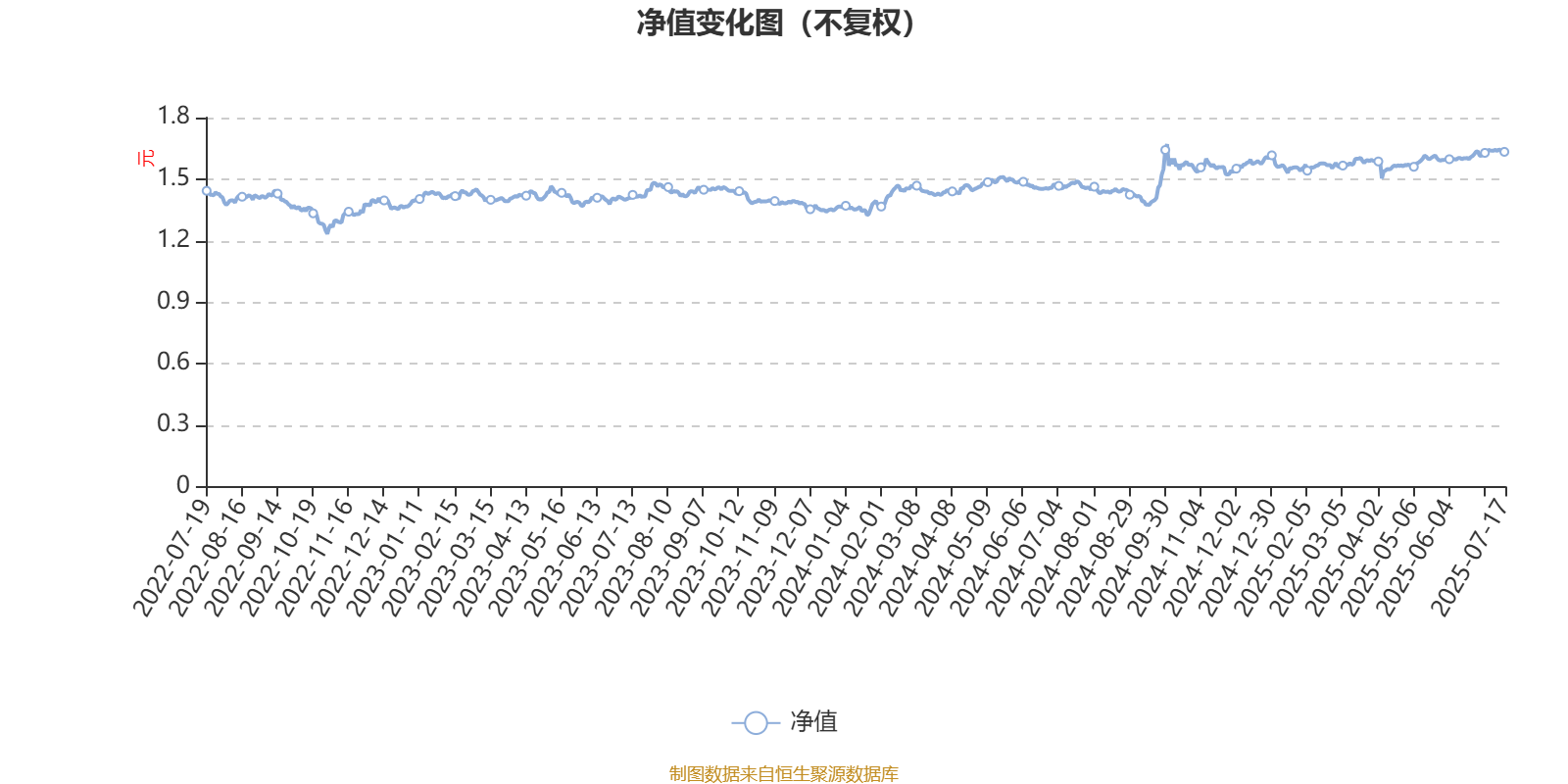
中信保诚红利精选A:2025年第二季度利润32.91万元 净值增长率1.57%
Sou Hu Cai Jing· 2025-07-18 08:38
Core Viewpoint - The AI Fund, CITIC Prudential Dividend Select A (008091), reported a profit of 329,100 yuan for Q2 2025, with a weighted average profit per fund share of 0.0235 yuan. The fund's net value growth rate was 1.57%, and its total scale reached 22.47 million yuan by the end of Q2 2025 [3][16]. Fund Performance - As of July 17, the fund's unit net value was 1.633 yuan. Over the past year, the fund achieved a cumulative net value growth rate of 10.38%, ranking it highest among its peers, while CITIC Prudential New Blue Chip had the lowest at -0.2% [3]. - The fund's net value growth rates over different periods are as follows: 4.51% over the last three months (ranked 543/615), 4.91% over the last six months (ranked 480/615), and 14.74% over the last three years (ranked 29/324) [4]. Investment Strategy - In Q2 2025, the fund adjusted its holdings towards high-dividend stocks, slightly increasing the concentration of its portfolio. The external environment has become more complex, with increasing trade barriers, but the overall economic operation in China remains stable and improving [3]. Risk and Return Metrics - The fund's Sharpe ratio over the past three years is 0.4308, ranking 17/319 among comparable funds. The maximum drawdown over the same period was 14.64%, with the largest single-quarter drawdown occurring in Q1 2022 at 14.53% [10][12]. Portfolio Composition - The average stock position of the fund over the past three years was 88.66%, compared to the industry average of 83.13%. The fund reached a peak stock position of 92.3% in mid-2021 and a low of 70.57% in Q1 2020 [15]. - As of Q2 2025, the top ten holdings of the fund included Midea Group, Yangtze Power, Bank of Communications, Hangzhou Bank, Industrial and Commercial Bank of China, Jiangsu Bank, China Merchants Bank, Gree Electric Appliances, Daqin Railway, and Industrial Bank [19].


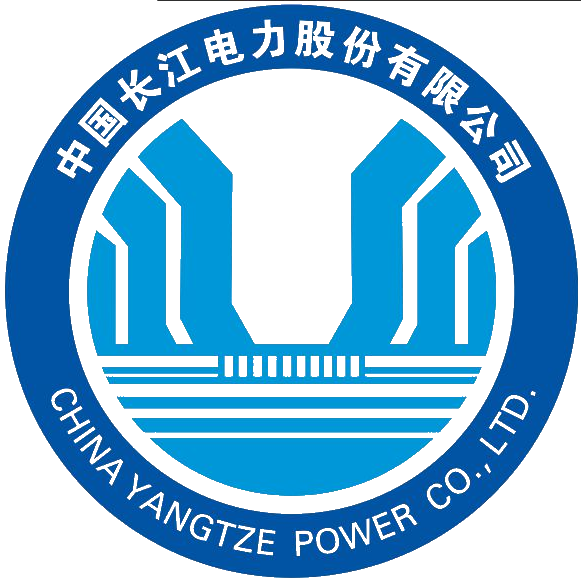

2025年1-6月份河南固定资产投资增长5.1%
Sou Hu Cai Jing· 2025-07-18 03:03
Core Viewpoint - The fixed asset investment in Henan Province for the first half of 2025 shows a year-on-year growth of 5.1%, driven by a significant increase in private investment and industrial investment, despite declines in infrastructure and real estate development investments [1][3]. Investment Overview - Fixed asset investment (excluding rural households) increased by 5.1% year-on-year [2] - Private investment grew by 8.3% [2][8] - Industrial investment rose by 25.9% [2] - Infrastructure investment (excluding power, heat, gas, and water supply) decreased by 10.6% [2] - Real estate development investment fell by 8.5% [2] Sector Analysis - First industry investment decreased by 0.7% [2] - Second industry investment increased by 25.9% [2] - Third industry investment declined by 5.8% [2] Industrial Investment Breakdown - Mining industry investment surged by 40.5% [2] - Manufacturing investment rose by 24.8% [2] - Investment in electricity, heat, gas, and water production and supply increased by 28.3% [2] Infrastructure Investment Details - Water conservancy, environment, and public facilities management investment decreased by 1.7% [2] - Transportation and postal services investment fell by 22.2% [2] - Information transmission investment declined by 18.2% [2] Project Investment Insights - Central project investment grew by 4.0% [2] - Local project investment increased by 5.1% [2] Policy and Economic Context - The investment growth is supported by macroeconomic policies aimed at stabilizing growth and enhancing the business environment [3] - Manufacturing investment accelerated with a year-on-year increase of 24.8%, reflecting a 3.3 percentage point rise from the first quarter [4] - Key industrial chains saw a 25.2% increase in investment, indicating a focus on high-quality development [5] - High-tech manufacturing investment grew by 12.1%, with significant contributions from the pharmaceutical sector [6] - Equipment procurement investment surged by 26.3%, driven by industrial needs [7] - The policies promoting private sector investment have led to an 8.3% increase in private investment, with a notable rise in non-real estate projects [8] - Major projects with planned investments of over 100 million yuan saw a 9.3% increase, contributing significantly to overall investment growth [9]