智能化

Search documents
东风汽车发布2026年战略目标 计划全年销售325万辆
Yang Shi Wang· 2026-02-02 13:52
Core Insights - Dongfeng Motor Group is transitioning from an "investment phase" to a "harvest phase," with a focus on achieving a virtuous cycle of scale and efficiency, as evidenced by a 21% year-on-year increase in new energy vehicle sales to 1.05 million units in 2025 [3] - The company has set an overall sales target of 3.25 million units for 2026, including 1.7 million new energy vehicles and 600,000 exports, while emphasizing smart, green, and integrated development [4] Group 1: Strategic Development - The "One Dongfeng" strategy aims to synergize various business segments for growth [1] - Dongfeng's R&D investment intensity reached 7.9% in 2025, highlighting a commitment to core technology development [4] - The company has launched several key technologies, including the high-end MCU chip DF30 and the Mahle hybrid engine with over 48% thermal efficiency [4] Group 2: Product and Brand Planning - Dongfeng is set to unveil the co-created "Yijing" brand with Huawei in March, alongside new models from various brands, including the U series from Dongfeng Mengshi and the high-end models from Dongfeng Lantu [5] - The company plans to introduce a new generation of Mahle power systems and the T200 intelligent driving system, with large-scale applications expected [4] Group 3: Internal Reforms and Future Directions - Dongfeng will enhance internal reforms by granting more autonomy to frontline business units to improve market responsiveness [6] - The focus on technological innovation will serve as the core engine for the company's growth, aiming to elevate the Chinese automotive industry to a new level of high-quality development [6]


中国汽车强省大洗牌:吉林跌出10强,湖南河南成黑马
21世纪经济报道· 2026-02-02 13:50
记者丨 张旭 编辑丨周上祺 2025年,中国汽车产业在技术与政策驱动下,经历着深刻变革。国家统计局数据显示,2025 年我国汽车产量达3477.86万辆,同比增长10.2%。 汽车产业作为国民经济的支柱产业,其区域格局的变迁,映射着中国制造业的转型升级之路。 值得注意的是,自2025年起,国家统计局对汽车产量的统计方式发生重要调整,将统计原则从 沿用多年的按"企业法人所在地"改为按"生产地"计算。 以比亚迪为例,比亚迪在外地工厂生 产的汽车,不再计入总部所在地深圳的产量数据,而是计入实际生产地的产量。这一调整使得 汽车产业格局发生了变化。 广东、安徽错位发展 2025年,有16个省份汽车产量突破100万辆,比2024年多出4个(湖南、河南、四川、江 西)。 其中,湖南、河南排名上升幅度较大,前者由第18位跳至第9位,后者由第17位升至第 11位。 新能源时代的到来,也是产业格局变化的重要因素。 中国汽车工业发源地吉林被挤出十强 , 下滑4位排名至第13,2025年汽车产量同比减少3%至146.13万辆,其中新能源汽车18.36万 辆,占比仅12.6%。 华东师范大学城市发展研究院院长曾刚向21世纪经济报道记者 ...

广电计量溢价定增13亿元 加速打造国有科研检测龙头企业
Quan Jing Wang· 2026-02-02 13:47
Core Viewpoint - Guangdian Measurement has successfully raised 1.3 billion yuan through a private placement, marking a significant step in its "second entrepreneurship" phase and providing new momentum for its high-quality development during the 14th Five-Year Plan period [1] Group 1: Fundraising Details - The company issued 54.1441 million shares at a price of 24.01 yuan per share, achieving a total fundraising amount of 1.3 billion yuan, with 16 participants fully subscribing [2] - The total effective subscription amount reached 5.662 billion yuan, 4.36 times the planned fundraising amount, indicating strong market interest [2] - Guangdian Measurement is the first company in 2026 to achieve a premium issuance, reflecting high recognition from the capital market regarding its intrinsic value and future potential [2] Group 2: Investor Participation - A total of 63 investors participated in the subscription, with 49 being stable value-oriented investors, accounting for over 80% of the subscription amount [3] - Notably, 35 state-owned institutions participated, including major state-owned enterprises, indicating strong support from national capital [3] - Prominent public funds and long-term insurance institutions also participated, showcasing concentrated investment from core institutions [3] Group 3: Strategic Collaborations - The successful fundraising attracted several high-quality investors with significant industrial backgrounds, facilitating deep integration of industry and capital [4] - National-level funds, including military-civilian integration investment funds, contributed 4.8 billion yuan, representing 36.92% of the total fundraising [4] - The collaboration with core industrial capital is expected to provide ongoing development momentum for the company's long-term growth [4] Group 4: Industry Context - The high-end manufacturing sector in China is undergoing a critical transformation, with strategic emerging industries like aerospace, semiconductors, and artificial intelligence being key areas for development [5] - High-end testing technology is essential for the high-quality development of these industries, positioning the company favorably within the market [5] - As a state-controlled leading third-party measurement and testing enterprise, the company focuses on innovation-driven strategies to address core technological challenges in high-end manufacturing [6]
外卖小哥的“神器”,要IPO了
3 6 Ke· 2026-02-02 10:44
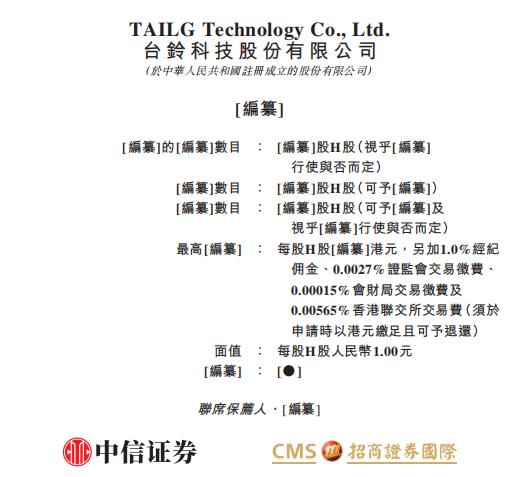
Core Viewpoint - Tailin Technology Co., Ltd. has submitted an IPO application to the Hong Kong Stock Exchange, aiming to leverage capital market power to enhance its position in the increasingly competitive electric two-wheeler market in China [1][3]. Group 1: Company Overview - Tailin ranks third in the Chinese electric two-wheeler market with a market share of approximately 12.7% as of 2024 [1]. - The company offers a diverse product range, including 50 models of electric bicycles, 38 models of electric motorcycles, and three models of electric tricycles [3]. - Tailin's revenue is projected to grow from 11.88 billion RMB in 2023 to 13.6 billion RMB in 2024, representing a growth rate of 14.5% [5]. Group 2: Financial Performance - Revenue for the nine months ending September 30, 2025, is expected to increase to 14.84 billion RMB, a growth rate of 38.6% compared to the same period in 2024 [5]. - Net profit is forecasted to rise from 287 million RMB in 2023 to 472 million RMB in 2024, marking a growth rate of 64.9% [5]. - The average selling price of electric bicycles is 1,393.7 RMB, while electric motorcycles average 1,585.3 RMB [7]. Group 3: Market Challenges - Tailin faces intense competition from established players like Yadea and Aima, as well as emerging brands like Ninebot and Niu, which are targeting the high-end market [7]. - The domestic electric two-wheeler market is nearing saturation, with over 420 million units in circulation, equating to one vehicle for every three people [7]. - The company is also contending with a significant financial burden, with net current liabilities reaching 2.05 billion RMB as of September 30, 2025 [9]. Group 4: Regulatory Environment - The implementation of stringent new national standards poses additional challenges, as Tailin must ensure compliance across its extensive distribution network to avoid penalties [12]. - The new regulations aim to address safety issues and require significant adjustments in manufacturing and sales practices [12]. Group 5: Strategic Initiatives - Tailin has begun to explore international markets, with overseas revenue contributing only 2.4% of total income in 2024, indicating potential for growth in less saturated markets [9]. - The company has been expanding its presence in countries like Kenya, Uganda, and the Philippines since 2010, although brand recognition and market penetration remain limited [9].
外卖小哥的“神器”,要IPO了
凤凰网财经· 2026-02-02 10:07
Core Viewpoint - The article discusses the IPO application of Tailin Technology Co., Ltd. on the Hong Kong Stock Exchange, highlighting its position as the third-largest player in the electric two-wheeler market in mainland China, with a market share of approximately 12.7% as of 2024. If successful, Tailin will join Yadea and Aima as a major industry player listed on the capital market [1][2]. Group 1: Company Overview - Tailin Technology was founded in 2003 in Shenzhen, seizing the opportunity presented by the ban on traditional motorcycles to pivot towards electric bicycles [4]. - The company offers a diverse product range, including 50 models of electric bicycles, 38 models of electric motorcycles, and three models of electric tricycles, catering to various transportation needs [4][7]. Group 2: Financial Performance - Tailin's revenue is projected to grow from 11.88 billion RMB in 2023 to 13.6 billion RMB in 2024, representing a growth rate of 14.5%. For the nine months ending September 30, 2025, revenue is expected to increase from 10.71 billion RMB to 14.84 billion RMB, a growth rate of 38.6% [7][8]. - The company's net profit is forecasted to rise from 287 million RMB in 2023 to 472 million RMB in 2024, a growth rate of 64.9%. For the same nine-month period, net profit is expected to jump from 370 million RMB to 823 million RMB, a growth rate of 122.4% [7][8]. Group 3: Market Challenges - Tailin faces intense competition from established brands like Yadea and Aima, as well as emerging players like Ninebot and Niu, which are vying for market share in the high-end segment [10]. - The domestic electric two-wheeler market is nearing saturation, with over 420 million units in circulation, equating to one vehicle for every three people [10]. Group 4: Pricing and Profitability - The average selling price of Tailin's electric bicycles is 1,393.7 RMB, while electric motorcycles average 1,585.3 RMB. Despite maintaining prices above 1,000 RMB, profit margins remain constrained due to industry-wide price wars [11][12]. - Tailin's gross margin for electric bicycles improved from 13.3% in 2023 to 17.7% in the first nine months of 2025, while electric motorcycles saw an increase from 13.3% to 18.1% [14]. Group 5: International Expansion - Tailin has begun to explore international markets, which are still in a growth phase compared to the domestic market. The global electric two-wheeler market is projected to reach $74.9 billion in 2024, with a compound annual growth rate of 8.7% from 2025 to 2034 [16]. - However, as of 2024, revenue from overseas markets accounts for only 2.4% of Tailin's total income, indicating limited current impact [17]. Group 6: Regulatory and Operational Challenges - The implementation of stringent new national standards poses significant challenges for Tailin, particularly in ensuring compliance across its extensive distribution network of over 30,000 stores [19]. - The company is also grappling with high levels of short-term liabilities, totaling 2.05 billion RMB as of September 30, 2025, primarily due to trade payables [17][18]. Group 7: Consumer Perception and Brand Trust - Tailin's reliance on lower-tier markets has led to substantial sales, but it risks alienating younger consumers who prioritize technology and smart features in their purchasing decisions [20][21]. - The company faces challenges in consumer trust, with over 2,000 complaints reported, particularly regarding after-sales service and battery quality issues [20]. Group 8: Conclusion - Tailin's upcoming IPO is marked by high debt and low gross margins, raising concerns about its long-term viability in a competitive market. The company must address operational challenges and enhance its technological offerings to secure its position in the industry [25].

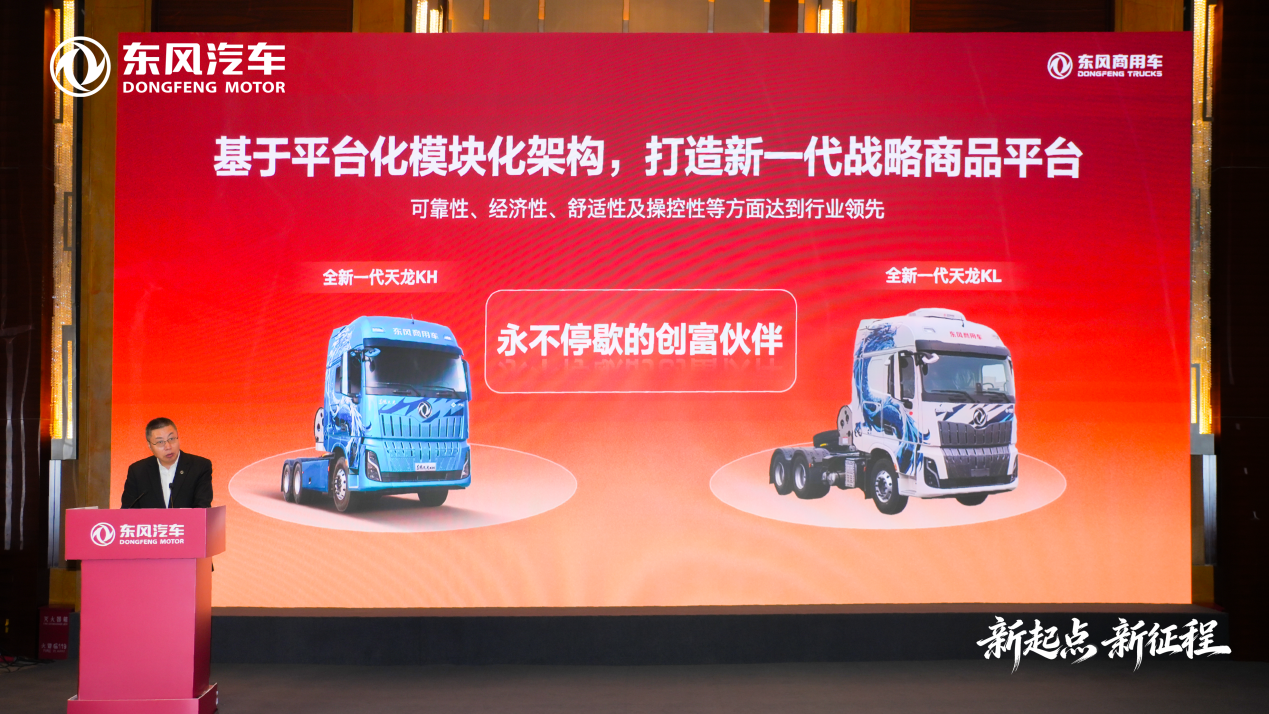
解读东风商用车的“可靠”答卷
Zhong Guo Qi Che Bao Wang· 2026-02-02 09:01
Core Viewpoint - Dongfeng Commercial Vehicle is committed to reliability as a foundation for growth and transformation in the face of energy transition and technological revolution, aiming for a future driven by innovation and new strategies [1] Group 1: Performance and Achievements - In 2025, Dongfeng Commercial Vehicle achieved a sales volume of 131,000 units, representing a 24% year-on-year increase, and expanded its market share [3] - The company accelerated its growth in the new energy sector, launching over 70 models including hydrogen fuel and hybrid vehicles, with sales exceeding 10,000 units, doubling from the previous year [3] - Dongfeng's traditional advantages in the conventional energy sector remain strong, with the self-developed Dragon Power chain achieving over 51% efficiency and overseas exports reaching 20,000 units [4] Group 2: Strategic Initiatives - Dongfeng aims to exceed 176,000 units in sales by 2026, targeting a 34% year-on-year growth [5] - The company plans to transition towards a comprehensive ecosystem in new energy, focusing on electric, hydrogen fuel, and hybrid vehicles, while providing full value chain services [6] - In international markets, Dongfeng intends to deepen its presence in 18 key markets, shifting from "product export" to "system export" to enhance local operations and service [6] Group 3: Future Outlook - The company anticipates significant industry restructuring, with a projected increase in the domestic new energy market penetration rate to over 35% [7] - Dongfeng expects a long-term shift towards localized operations in overseas markets, maintaining a 1/3 market share [7] - The focus of competition is expected to shift from low-price competition to lifecycle value services, aligning with the industry's "anti-involution" advocacy [7]
2025年中国光固化材料行业市场规模、竞争格局及发展趋势分析:环保政策推动,行业未来发展前景可期[图]
Xin Lang Cai Jing· 2026-02-02 07:12
Industry Overview - Photocurable materials are special substances that can undergo physical or chemical changes under light conditions, transitioning from liquid to solid. This process is rapid and efficient, leading to widespread applications in various fields [1][32]. - The industry chain of photocurable materials includes upstream raw materials such as monomers, oligomers, photoinitiators, and additives; midstream manufacturers of curing material formulations and related irradiation equipment; and downstream applications in sectors like home building materials, home appliances, automotive, consumer electronics, ink printing, and optical fibers [1][32]. Photoinitiators - Photoinitiators absorb light energy and convert it into chemical energy to initiate polymerization reactions. They are widely used in fields ranging from PCB manufacturing to 3D printing, coatings, adhesives, electronic materials, and biomedical applications. The demand for high-quality photoinitiators is steadily increasing due to the expansion of these downstream applications [3][34]. - In July 2024, the Ministry of Industry and Information Technology and 11 other departments released a plan to reduce high VOC solvent-based coatings and promote environmentally friendly radiation-cured coatings, creating a favorable environment for the development of photoinitiators. However, the market size of China's photoinitiator industry experienced a decline in 2022 due to weak downstream demand, with a projected market size of 4.83 billion yuan in 2024, expected to reach 9 billion yuan by 2030 [3][34]. Current Development of the Industry - The photocurable materials industry has been significantly propelled by stringent environmental policies encouraging the reduction of solvent-based products and the adoption of eco-friendly alternatives. The "dual carbon" strategy has positioned photocurable materials as a key pillar for energy conservation and emission reduction [5][36]. - In 2021, the market size of China's photocurable materials industry reached 19.865 billion yuan, a year-on-year increase of 38.8%. However, the market size declined in 2022 due to weak downstream demand but is expected to recover, reaching 20 billion yuan in 2024, a year-on-year increase of 2.6% [5][36]. - The production of photocurable materials in China was 455,600 tons in 2018, projected to grow to 900,000 tons by 2024, with a compound annual growth rate of 12.0%. Sales are expected to increase from 395,900 tons in 2018 to 790,000 tons in 2024, with a compound growth rate of 12.2% [7][38]. Competitive Landscape - The global photocurable materials market is dominated by a few chemical giants such as BASF, Dow Chemical, and Toagosei, which leverage technology, patents, and global supply chain advantages to maintain a stronghold in the high-end market. China, as a major producer, accounts for over half of the global production capacity, but the market is fragmented, with leading companies focusing on high-end products while smaller firms engage in price competition in the mid-to-low-end market [10][41]. Key Companies - **Tianjin JiuRi New Materials Co., Ltd.**: Established in 1998, this national high-tech enterprise specializes in photoinitiators and other photocurable materials. The company reported a revenue of 1.167 billion yuan in 2024, a year-on-year increase of 18.59% [12][43]. - **Changzhou Strong Electronic New Materials Co., Ltd.**: Founded in 1997, this high-tech enterprise focuses on UV curing technology and electronic materials. The company achieved a revenue of 720 million yuan in the first three quarters of 2025, a year-on-year increase of 3.12% [14][45]. - **Guangzhou Jitai Chemical Co., Ltd.**: This company specializes in environmentally friendly adhesives and coatings, having developed customized solutions for global clients over more than 30 years [12][43]. - **Zhejiang Yangfan New Materials Co., Ltd.**: Established in 2002, this company focuses on UV curing materials and sulfur-based fine chemicals, with applications in UV coatings, inks, and electronic chemicals [12][43]. - **Shaanxi Yangling Tianyang Photocurable Materials Co., Ltd.**: Founded in 2010, this comprehensive technology enterprise produces UV curing decorative panels and has an annual capacity of 2.85 million square meters [12][43]. Future Development Trends - **Intelligentization**: The industry is expected to leverage advancements in artificial intelligence, big data, and the Internet of Things to enhance production, quality control, and supply chain management, leading to more automated and intelligent manufacturing processes [16][47]. - **Green Development**: The industry will increasingly focus on developing environmentally friendly curing materials, optimizing production processes, and promoting recycling, aligning with stricter environmental policies and growing consumer demand for sustainable products [17][48]. - **Internationalization**: Companies will prioritize international market expansion to enhance competitiveness and achieve sustainable development, necessitating the formulation of effective international strategies and brand building [18][49].

新思想引领新征程丨优化提升传统产业 巩固壮大实体经济根基
Yang Guang Wang· 2026-02-02 04:59
Group 1 - Traditional manufacturing is a crucial part of the real economy, and there is a strong emphasis on leveraging market demand and technological innovation to revitalize traditional industries [1][2] - Regions and departments are encouraged to adopt high-end, intelligent, green, and integrated approaches to enhance traditional industries, effectively stimulating new momentum and vitality [1][2] - The production line at Benxi Steel's cold-rolled plant is noted for its capability to produce steel plates that are only as thick as a bank card but can withstand a pressure of 480 tons, showcasing advancements in material strength and toughness [1] Group 2 - The delivery of the LNG carrier "Tianshan," which utilizes the latest dual-fuel low-speed propulsion system, highlights the integration of digital construction technologies that have reduced the construction cycle from 21 months to 16-17 months [2] - The AI "Safety Brain" developed by a fossil energy equipment manufacturing company in Lanzhou has significantly shortened the hazard inspection cycle from 2-3 months to 2 weeks, enhancing safety management [3] - Over 35,000 basic-level and more than 8,200 advanced-level intelligent factories have been established in China, indicating a robust push towards digital transformation in manufacturing [3] Group 3 - The green transformation of traditional industries is advancing, with significant reductions in energy consumption per unit of added value expected in major energy-consuming sectors by 2025 [3] - A coal-to-nylon transformation in an energy chemical enterprise illustrates the shift of coal from a fuel to a core material in high-end manufacturing, revitalizing traditional industries [3] - The deep integration of the digital economy with traditional industries is injecting new growth vitality, with a focus on optimizing and enhancing traditional sectors during the 14th Five-Year Plan [3]
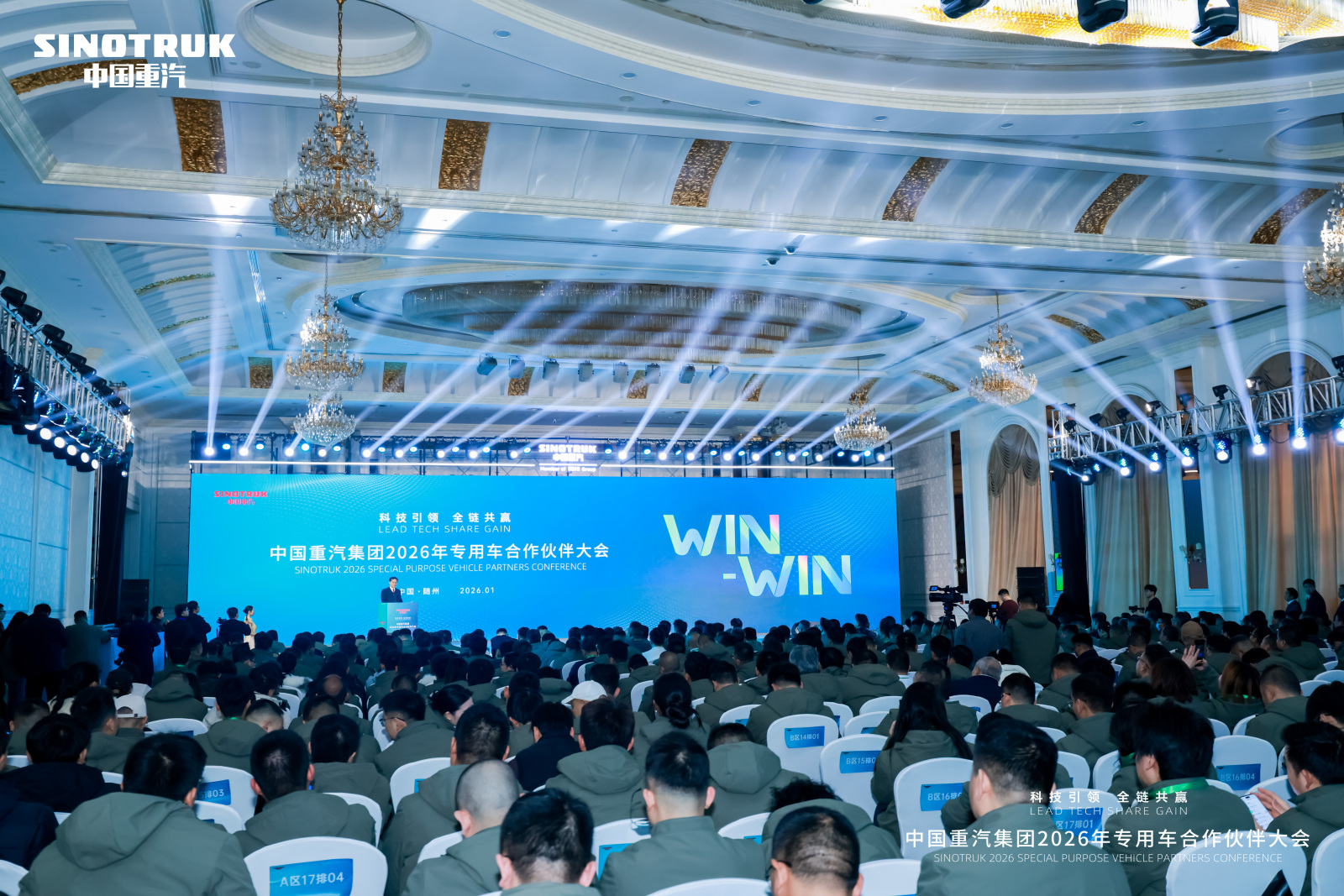
3.8万辆创佳绩!中国重汽专用车以四大主轴领航新程
Zhong Guo Qi Che Bao Wang· 2026-02-02 02:41
Core Insights - The Chinese special vehicle industry is accelerating its transformation towards electrification, intelligence, and efficiency, showing a positive trend in scale and quality improvement as it enters the "14th Five-Year Plan" period [1] - China National Heavy Duty Truck Group (CNHTC) aims to solidify its industry position by balancing market stability and progress, as well as integrating new and old strategies during the new competitive cycle [3] Market Performance - In 2025, the overall Chinese special vehicle market is stabilizing and growing, with CNHTC achieving annual sales of 38,000 units, including 20,000 medium and heavy-duty special vehicles and 18,000 light-duty special vehicles, marking significant breakthroughs in various segments [4] - CNHTC's market share in the medium and heavy-duty special vehicle sector reached its best performance in recent years, with over 75% market share in high-end special vehicles like fire and emergency trucks [4][6] Product Development - CNHTC's brands have shown strong performance in niche markets, with the HOWO brand leading in several categories, including a 44.8% market share in fire trucks and a 31.9% share in recovery vehicles [6] - The company emphasizes a dual approach of fuel and new energy products, showcasing over 40 vehicles and 20 key components at its recent partner conference, highlighting advancements in energy efficiency and adaptability [10] Strategic Focus - As part of its strategy for 2026, CNHTC has identified four key development pillars: product enhancement, ecosystem development, value marketing, and international expansion [12][14] - The company aims to deepen its understanding of market scenarios, enhance technical capabilities, and innovate business models to seize opportunities during structural transformations [11][14] Future Outlook - CNHTC is committed to customer satisfaction and aims to lead the special vehicle sector through technological innovation and collaboration with industry partners, focusing on creating high-quality, efficient products that meet market demands [16]

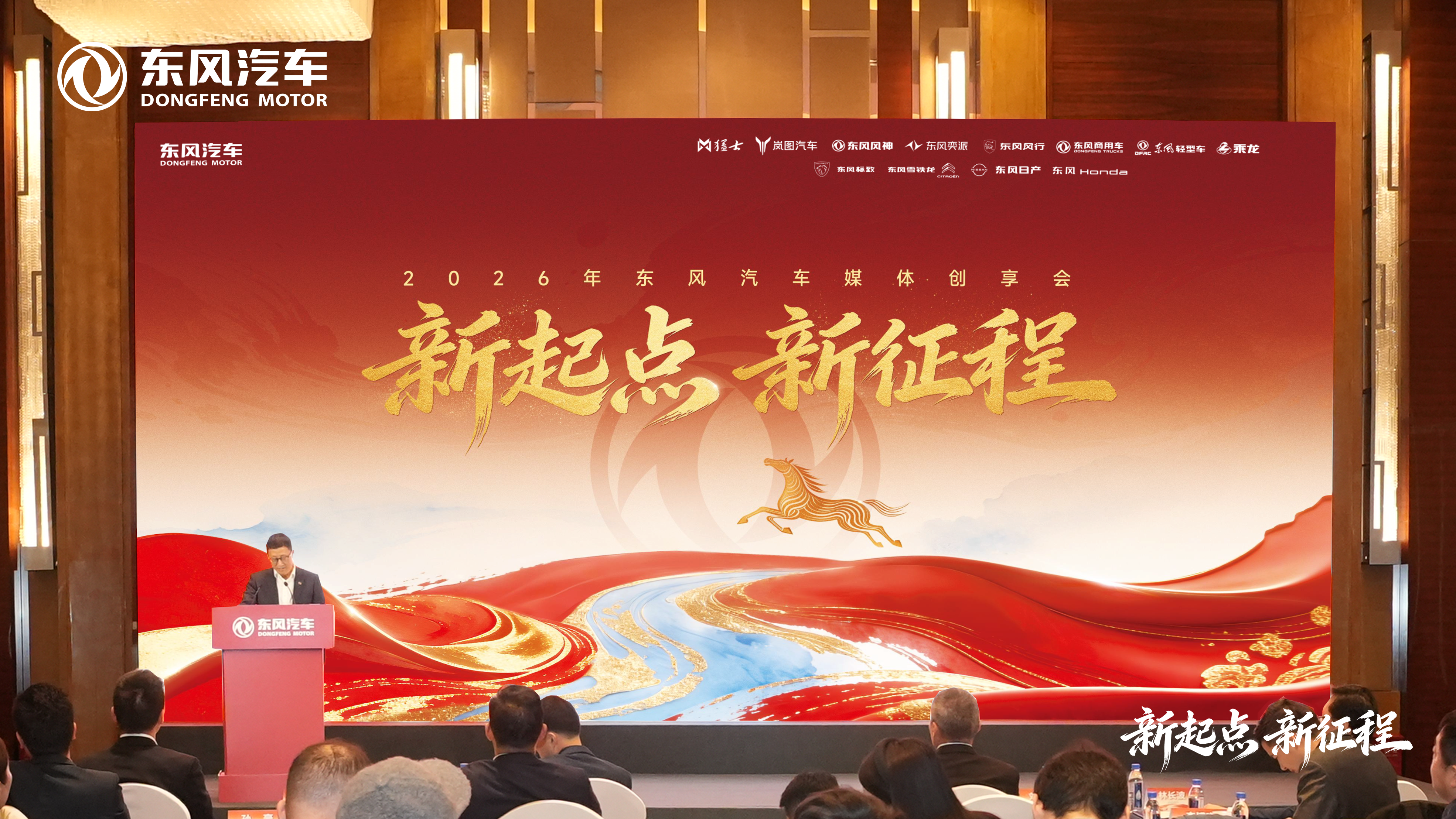
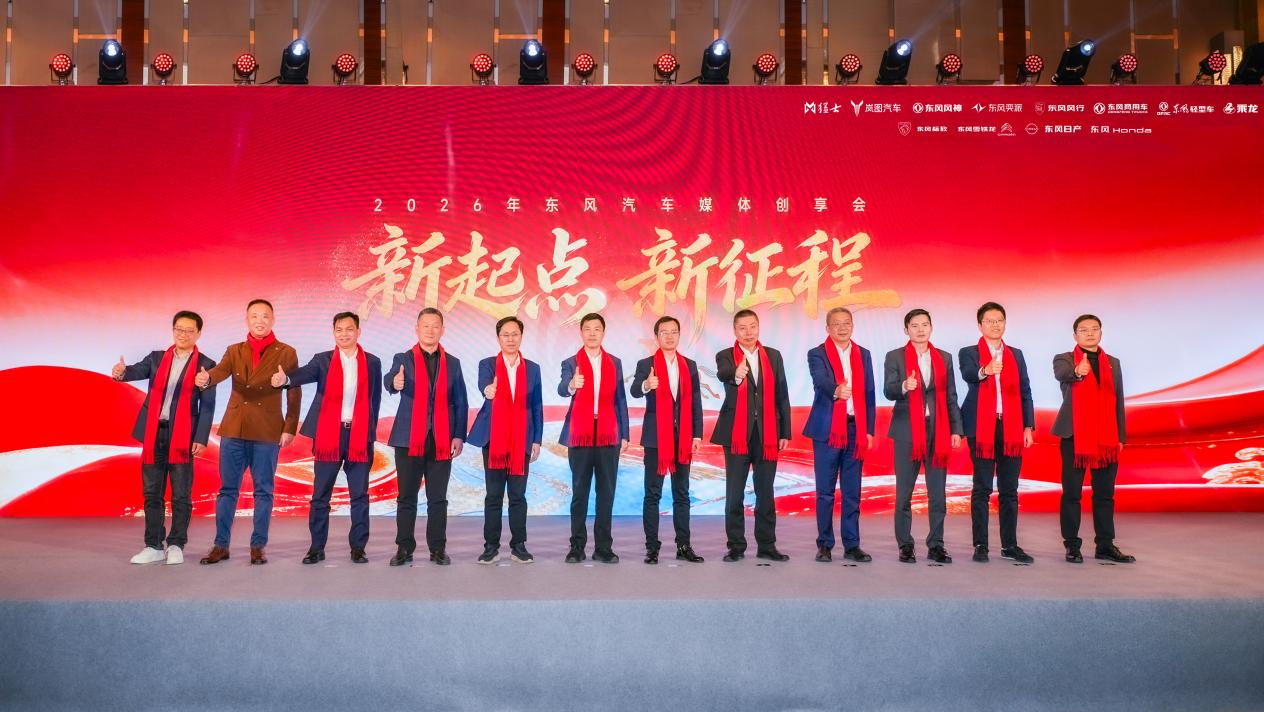
东风汽车:2026,迈入高质量发展跃迁年!
Zhong Guo Qi Che Bao Wang· 2026-02-02 02:20
Core Insights - Dongfeng Motor is committed to a strategic transformation under the "One Dongfeng" initiative, aiming to enhance collaboration across its various business segments and achieve significant growth in the automotive market [1][29]. Group 1: Strategic Goals and Achievements - In 2025, Dongfeng's new energy vehicle sales reached 1.05 million units, marking a 21% year-on-year increase, while total sales of self-owned brands exceeded 1.5 million units, accounting for over 60% of total sales [4]. - The company aims to achieve overall sales of 3.25 million units in 2026, with specific targets of 1.7 million for new energy vehicles and 600,000 for exports [10][11]. Group 2: Technological Advancements - Dongfeng has significantly enhanced its core technology capabilities, with R&D investment intensity reaching 7.9%. The company has successfully mass-produced the DF30 automotive-grade MCU chip, achieving full-stack domestic control [7]. - The Mahle hybrid engine has achieved a thermal efficiency of over 48%, setting a new industry record, and the company has established a 16,000-ton integrated die-casting production line to improve vehicle manufacturing efficiency [7]. Group 3: Brand Development and Market Positioning - Dongfeng's brand strategy includes the launch of the "Yijing" brand in collaboration with Huawei, focusing on high-end intelligent vehicles, while the Dongfeng Warrior and Dongfeng Lantu brands aim to lead the luxury electric off-road and high-end markets, respectively [10][11]. - The company is exploring a new model characterized by "Chinese customers, Chinese standards, Chinese components, and Chinese speed," fostering a strategic community for co-creating value [10]. Group 4: Future Outlook and Reforms - In 2026, Dongfeng plans to implement deeper reforms to enhance market responsiveness by granting greater autonomy to frontline business units, enabling quicker decision-making and actions [24]. - The company emphasizes that its future growth will be driven by technological innovation, collaborative development, and internal reforms, positioning itself to lead in the evolving automotive industry [29].