
绿色低碳发展

Search documents
中国经济今年有哪些亮眼表现
Sou Hu Cai Jing· 2025-12-13 02:08
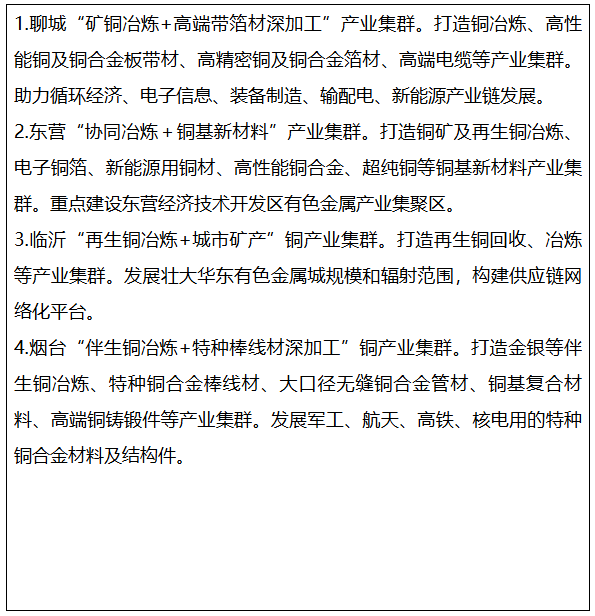
Group 1: Industrial Upgrade - The most significant change in China's economy in 2024 comes from industrial structure, with exports of new energy vehicles, lithium batteries, and photovoltaic products growing by 23.6% year-on-year in the first ten months, becoming a key driver of foreign trade [2] - The first fully automated "photovoltaic + energy storage + charging" integrated smart factory has been established in Hefei, producing one new energy vehicle every 2.5 minutes, showcasing advancements in manufacturing automation across various industrial hubs in China [2] - By the end of September, over 3,800 digital workshops and smart factories have been built in China, with average product development cycles shortened by 25.2% and production efficiency improved by 34.8% [2] Group 2: Consumer Recovery - Consumption is showing structural recovery and upgrade characteristics in 2024, with total retail sales of consumer goods increasing by 6.8% year-on-year in the first ten months, particularly strong in service consumption [3] - Domestic tourism during the "May Day" holiday saw a 7.6% increase in the number of travelers and a 12.7% increase in tourism revenue, highlighting the depth and breadth of the Chinese consumer market [3] - Online retail sales grew by 11.2% in the first three quarters, with physical goods online retail accounting for 26.4% of total retail sales, driven by new models like live-streaming e-commerce and instant retail [3] Group 3: Innovation Drive - R&D expenditure in China continues to grow rapidly, with a year-on-year increase of 11.4% in the first nine months, and corporate R&D investment accounting for over 78% of total R&D spending [4] - Significant breakthroughs have been made in quantum computing, artificial intelligence, and biomanufacturing, with some technologies reaching internationally advanced levels [4] - China ranks 12th in the 2024 Global Innovation Index, being the only middle-income economy in the top 30, with over 460,000 high-tech enterprises and a growing number of innovative small and medium-sized enterprises [4] Group 4: Green Transition - The green and low-carbon development has become a prominent feature of China's economy in 2024, with production and sales of new energy vehicles reaching 7.31 million and 7.28 million units respectively, marking year-on-year increases of 33.2% and 37.5% [5] - The installed capacity of renewable energy generation exceeded 1.5 billion kilowatts by the end of October, accounting for 51.9% of the total installed capacity in the country [6] - The carbon emissions trading market has seen stable operations, with a total of 320 million tons of allowances traded and a transaction value of 17.6 billion yuan in the first ten months [6] Group 5: Open and Win-Win - Despite a complex global trade environment, China's actual use of foreign capital reached 1.1 trillion yuan in the first ten months of 2024, with a 12.4% increase in high-tech manufacturing foreign investment [7] - The construction of free trade pilot zones has led to the replication and promotion of 302 institutional innovation achievements nationwide [7] - The cumulative operation of the China-Europe Railway Express has exceeded 18,000 trains, with a 13.4% year-on-year increase in container shipments via the new western land-sea corridor [7] Group 6: Livelihood Security - In the first three quarters, 10.22 million new urban jobs were created, achieving 85% of the annual target, with an average urban unemployment rate of 5.2% [8] - The per capita disposable income of residents reached 30,713 yuan, with a nominal year-on-year growth of 6.5%, and a real growth of 6.0% after accounting for price factors [8] - The number of people covered by basic pension insurance reached 1.08 billion, with the basic medical insurance coverage rate stable above 95% [8]

河北保定:绿色低碳助力经济发展提质增效
Zhong Guo Jing Ji Wang· 2025-12-12 08:16
能源结构优化成效显著,实现降碳与增长双向共赢。2024年,全市地区生产总值增长6.0%,总量达 4773.3亿元。在经济稳中向好的同时,2024年能耗强度降至0.472吨标煤/万元,较2020年下降14.56%, 提前完成"十四五"目标任务。全市煤炭消费占比下降至37%左右,非化石能源占能源消费总量比重达到 18%,超额完成省"十四五"规划目标5个百分点。可再生能源装机占电力总装机比重达71%,可再生能 源发电增速19%,非化石能源消费占比优于全省"十四五"末13%的目标,呈现出经济发展与生态环境保 护协调共进的局面。 交通运输结构创新升级持续推进,清洁运输体系加速成型。全市大宗货物清洁低碳运输比例已提升至 80%以上。完成"容易线"驿站北区等6座加氢站建设,成功打造雄安新区"容易线"氢能重卡、主城区氢 能环卫车、城市民生物流及工业大宗运输等应用场景。目前,全市氢燃料电池车辆应用规模已超过千 辆,清洁低碳交通网络正逐步完善。 从河北省保定市召开的"十四五"经济社会发展成就系列主题新闻发布会获悉,"十四五"期间,保定市绿 色低碳转型步伐持续加快,为高质量发展注入鲜明生态底色。 保定市生态环境局督察专员甄赫明介绍 ...
山东力争2027年铜产业总产值突破2000亿元
Sou Hu Cai Jing· 2025-12-12 03:38
Core Viewpoint - The Shandong Provincial Industrial and Information Technology Department has issued the "Shandong Province Copper Industry High-Quality Development Action Plan (2025-2027)", aiming for the copper industry to achieve a total output value exceeding 200 billion yuan by 2027 [1][2]. Overall Goals - By 2027, the copper industry is expected to see steady growth in scale and efficiency, with total output value surpassing 200 billion yuan. Key technological innovations and equipment capabilities will be enhanced, maintaining top-tier operational efficiency in electrolytic copper production and leading in energy consumption and metal recovery rates [3]. Key Tasks 1. Optimize Industrial Layout - Focus on cities with strong industrial foundations to enhance collaboration and expand clusters, creating four major copper industry clusters in Dongying, Liaocheng, Yantai, and Linyi, while preventing new copper smelting capacity in key air pollution areas [4]. 2. Extend Industrial Chains - Promote projects that strengthen the copper industry chain, focusing on recycling and high-end applications, including renewable energy materials like photovoltaic copper strips and battery copper foils [5]. 3. Strengthen Key Project Support - Ensure new copper smelting projects have at least 30% of their capacity sourced from domestic copper concentrate. Support major projects through financial policies and promote technological upgrades in existing facilities [6]. 4. Cultivate Backbone Enterprises - Establish a dynamic management system for the copper industry, aiming to nurture around 10 national-level specialized enterprises and champions in strategic emerging fields [6]. 5. Break Through Technological Bottlenecks - Foster collaboration between industry and academia to innovate in key technologies, establishing platforms for technology transfer and commercialization [7]. 6. Empower Digital and Intelligent Upgrades - Encourage the implementation of digital and intelligent technologies across the copper industry, promoting smart factories and digital workshops to enhance efficiency and reduce costs [7]. 7. Promote Green and Low-Carbon Development - Implement green technologies and practices in the copper industry, including the use of clean energy and pollution control measures [7]. 8. Ensure Upstream Resource Supply - Support copper smelting enterprises in establishing stable supply chains for copper concentrate through international cooperation and local resource development [7]. 9. Expand Export Markets - Encourage the export of high-end copper products and support enterprises in participating in international exhibitions to increase order volumes [7]. 10. Explore Technology and Equipment Export Paths - Promote the export of proprietary technologies and equipment, enhancing international cooperation in production capacity and technology [7]. Support Measures - Relevant provincial departments will enhance collaboration and resource allocation to support the copper industry, ensuring that the core goals and tasks of the action plan are integrated into regional industrial planning [8].
烟台|烟台冲刺绿色低碳高质量发展示范城市
Da Zhong Ri Bao· 2025-12-12 01:21
Core Viewpoint - Yantai is committed to becoming a model city for green, low-carbon, and high-quality development by the end of the 14th Five-Year Plan, focusing on industrial upgrades and sustainable growth [8]. Economic Growth - Yantai's GDP grew by 6.4% in the first three quarters, leading among 27 trillion-yuan cities and 16 cities in the province, with an expected annual growth exceeding the 5.5% target [2]. - The city's industrial output value increased by 13.9%, with manufacturing value rising by 16.5% and industrial technological investment up by 29.1% from January to October [2]. Industrial Structure - Yantai aims to establish a "3-level, 5-cluster" industrial structure during the 15th Five-Year Plan, focusing on optimizing five leading industries and nurturing five emerging industries, along with five future industries [3]. Innovation and Talent Development - The city will implement strategies to enhance innovation capabilities, focusing on building high-level scientific research platforms and fostering collaboration between enterprises and educational institutions [4]. Digital Economy - Yantai is advancing its digital economy by integrating artificial intelligence into various sectors, aiming to enhance operational efficiency and promote smart development across industries [5]. Marine Economy - The city plans to develop a modern marine industry system, enhancing coastal economic zones and promoting high-value marine products and services [6][7]. Green and Low-Carbon Development - Yantai is committed to achieving carbon peak and promoting green low-carbon industrial transformation, with initiatives to upgrade traditional industries and develop renewable energy sources [8].
中央经济工作会议擘画高质量发展新蓝图 以新质生产力引领现代化产业体系建设
Zhong Guo Zheng Quan Bao· 2025-12-11 20:32
Group 1: Artificial Intelligence Development - The meeting emphasizes the importance of deepening and expanding "Artificial Intelligence+" initiatives, aiming for broader and deeper integration across key sectors to enhance productivity [1] - Emerging industries represented by "Artificial Intelligence+" are expected to drive a transformative technological revolution, focusing on domestic production, deep integration with application scenarios, and global competition [2] - State-owned enterprises are encouraged to strategically integrate AI into their operations to foster innovation and technological advancement [2] Group 2: Energy Transition and Green Development - The meeting outlines a comprehensive plan for energy transition, including the establishment of a national carbon trading market and the promotion of green electricity applications [3] - A systemic approach is highlighted, integrating energy transition with market mechanisms and governance structures to maximize overall efficiency [3] - The development of new green products, supported by innovative financial tools, is essential for traditional industries to adapt and grow in a low-carbon economy [4] Group 3: Real Estate Market Stabilization - The meeting focuses on stabilizing the real estate market through targeted policies, including inventory reduction and the promotion of affordable housing [5] - Strategies such as reforming the housing provident fund and enhancing the quality of housing aim to address long-term housing needs and improve living standards [5] - The overall goal is to transition the real estate sector towards high-quality, people-oriented development, ensuring a stable market and improved supply structure [5]
12月中央经济工作会议学习理解:中央经济工作会议的十大亮点
Shenwan Hongyuan Securities· 2025-12-11 14:08
宏 观 研 究 —— 12 月中央经济工作会议学习理解 事件:新华社北京 12 月 11 日电,中央经济工作会议 12 月 10 日至 11 日在北京举行。 会议在基调上有何亮点?针对新形势提出五个"必须"、强调"国内供强需弱矛盾突出"等 2025 年中央经济工作会议针对新形势提出五个"必须",与 2024 年五个"统筹"形成逻辑呼应,延续并 深化了经济工作的规律性认识。五个"必须"具体为:必须充分挖掘经济潜能,必须坚持政策支持和改革 创新并举,必须做到既"放得活"又"管得好",必须坚持投资于物和投资于人紧密结合,必须以苦练内 功应对外部挑战。与 2024 年会议提出的五个"统筹"为对比, 2025 年会议更突出经济潜能挖掘与政策、 改革的协同发力,同时强化内需稳定性保障,政策导向更贴合当前发展形势。 会议分析经济形势时指出,我国"老问题、新挑战仍然不少",并突出强调"国内供强需弱矛盾突出", 精准聚焦当前核心痛点。2024 年会议中提出的问题更侧重需求侧,即"国内需求不足,部分企业生产经营 困难,群众就业增收面临压力"。2025 年会议则直指当前供给相对偏强而需求不足的现状,既契合 PPI、 CPI 持续疲 ...
山西国资国企交出“十四五”转型答卷 新质生产力激活高质量发展新动能
Zhong Guo Fa Zhan Wang· 2025-12-11 10:08
Core Insights - The news highlights the significant achievements of Shanxi's state-owned enterprises (SOEs) during the "14th Five-Year Plan" period, focusing on reforms, industrial transformation, and technological innovation [2][3] Group 1: Financial Performance - During the "14th Five-Year Plan," provincial SOEs reported a net profit increase of 4.78% year-on-year, with attributable net profit growth exceeding 25% [2] - Key performance indicators, such as cost-to-profit ratios, reached historical highs, positioning the enterprises among the best in the nation, thereby providing robust support for provincial economic stability [2] Group 2: Industrial Transformation and Technological Innovation - Shanxi's SOEs have initiated 14 original technology innovation hubs and implemented the "1551" engineering project, focusing on 93 specific tasks to accelerate the development of critical technologies [3] - The establishment of 28 national-level and 206 provincial-level innovation platforms has facilitated advancements in intelligent mining, with nearly 100 smart coal mines achieving automated operations [3] Group 3: Green and Low-Carbon Development - The SOEs have promoted energy structure optimization, recovering over 7 million tons of coal resources through green mining techniques [4] - By the end of 2024, the energy consumption per unit of industrial output in the province decreased by 22.2%, achieving the "14th Five-Year Plan" goals ahead of schedule [4] Group 4: Support for SMEs and Industrial Collaboration - A comprehensive public service platform network for SMEs has been established, providing support for 2,686 projects with a total of 8.68 billion yuan, leveraging a total investment of 75.8 billion yuan [4] - The number of SMEs in Shanxi surpassed 1.2 million, marking a 50% increase since 2020, with revenues from small and medium-sized industrial enterprises reaching 1.75 trillion yuan, accounting for 54.2% of the province's total industrial revenue [4] Group 5: Future Directions - The provincial government plans to leverage the development of the "15th Five-Year Plan" to deepen SOE reforms, enhance production capabilities, and foster innovation, aiming to create leading enterprises with core competitiveness [5]
闽东电力:公司聚焦主责主业及绿色低碳发展
Zheng Quan Ri Bao· 2025-12-11 09:43
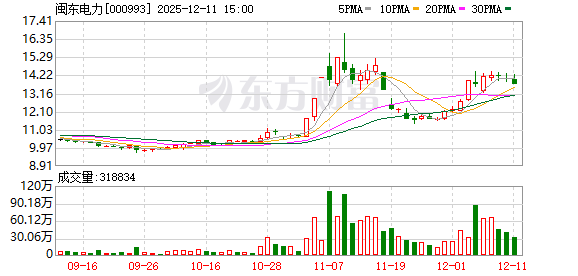
证券日报网讯 12月11日,闽东电力在互动平台回答投资者提问时表示,公司聚焦主责主业及绿色低碳 发展,积极跟进福建省电力系统改革政策,探索符合公司战略的合作机会,已完成时代绿色能源有限公 司(宁德时代全资子公司)所持有的福建润时海上风电有限公司3%股权收购,由该公司负责开发宁德 深水A区海上风电场项目。详见公司于2023年12月22日发布的相关公告。 (文章来源:证券日报) ...

中企在沙特创新施工用电模式
人民网-国际频道 原创稿· 2025-12-11 09:19
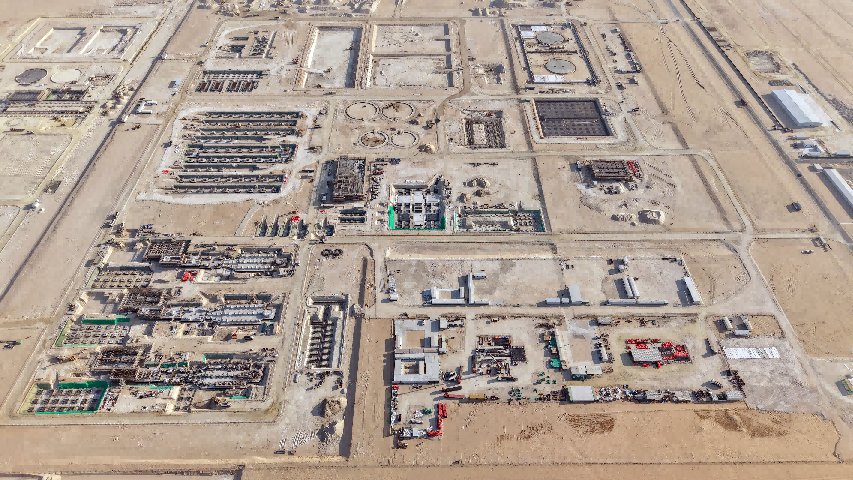
纳瑞亚EPC项目正在施工中。项目部供图 移动光伏站。项目部供图 纳瑞亚EPC项目经理孙光海表示,项目部主动作为,结合项目所在地区日照充足、可再生能源条件优越的特点,广泛调研各类供电方案,最终确定 以"市电+移动光伏+应急柴发"协同供电的新型模式: 人民网迪拜12月11日电 (记者管克江)记者从中企承建沙特纳瑞亚EPC项目了解到,该项目实施"市电+移动光伏+应急柴发"的施工用电模式两个多月 以来,在降低用电成本同时,大幅减少了传统柴油发电模式导致的环境污染。 市电作为主供电源,为施工区提供持续电力;移动光伏系统根据实时光照条件动态发电,自动调节输出功率;如遇突发停电或极端天气,应急柴发可随 时介入,实现能源安全"零断供"。这也是山东电建三公司首次在施工中采取类似用电模式。 沙特纳瑞亚EPC项目位于沙特东部,是一个1800MW联合循环电站,由中国电建所属山东电建三公司(山东三公司)承建。施工用电是工程建设的关键 环节。据了解,长期以来,项目施工现场普遍采用柴油发电(柴发)单一供电模式,在实际应用中暴露出诸多问题:一是供电不稳定,易出现设备过载或停 机,频繁影响现场生产秩序;二是碳排放量大、噪音污染严重,与绿色低碳 ...
路灯绿色改造 年省电费1.8亿元
Hang Zhou Ri Bao· 2025-12-11 02:40
Group 1 - The seminar themed "Carbon Seeking New Economy, Green Driving Modernization" was held in Hangzhou, focusing on green energy saving, construction waste resource utilization, and urban renewal [1] - Hangzhou is advancing its green transformation through four major measures: institutional guarantees, facility upgrades, technological empowerment, and service quality improvement [1] - The city has established a "1+5" standardized management system and a full-process control mechanism for projects [1] Group 2 - In terms of facility upgrades, over 95% of new projects use energy-saving lighting, and 255,000 streetlights have been retrofitted under a "zero government investment" model, saving 180 million yuan in electricity costs and reducing carbon emissions by 162,000 tons annually [1] - The city is actively promoting photovoltaic lighting pilot projects, with the airport terminal's photovoltaic project generating 777,400 kWh annually [1] - A smart lighting management platform has integrated over 2 million data points, achieving daily electricity savings of 23,000 kWh through intelligent dimming of streetlights [1] Group 3 - During the seminar, representatives visited various projects, including the urban landscape, commercial outdoor projects, a recycling sorting center, and a photovoltaic power generation and ecological restoration project [2] - Attendees expressed that Hangzhou's innovative practices in landscape lighting, smart sanitation supervision, and ecological restoration provide replicable experiences for green and low-carbon development in cities nationwide [2]