美元霸权

Search documents
铁矿石人民币计价一石二鸟,正在做萨达姆与卡扎菲想做未做成的事
Sou Hu Cai Jing· 2025-10-06 23:20
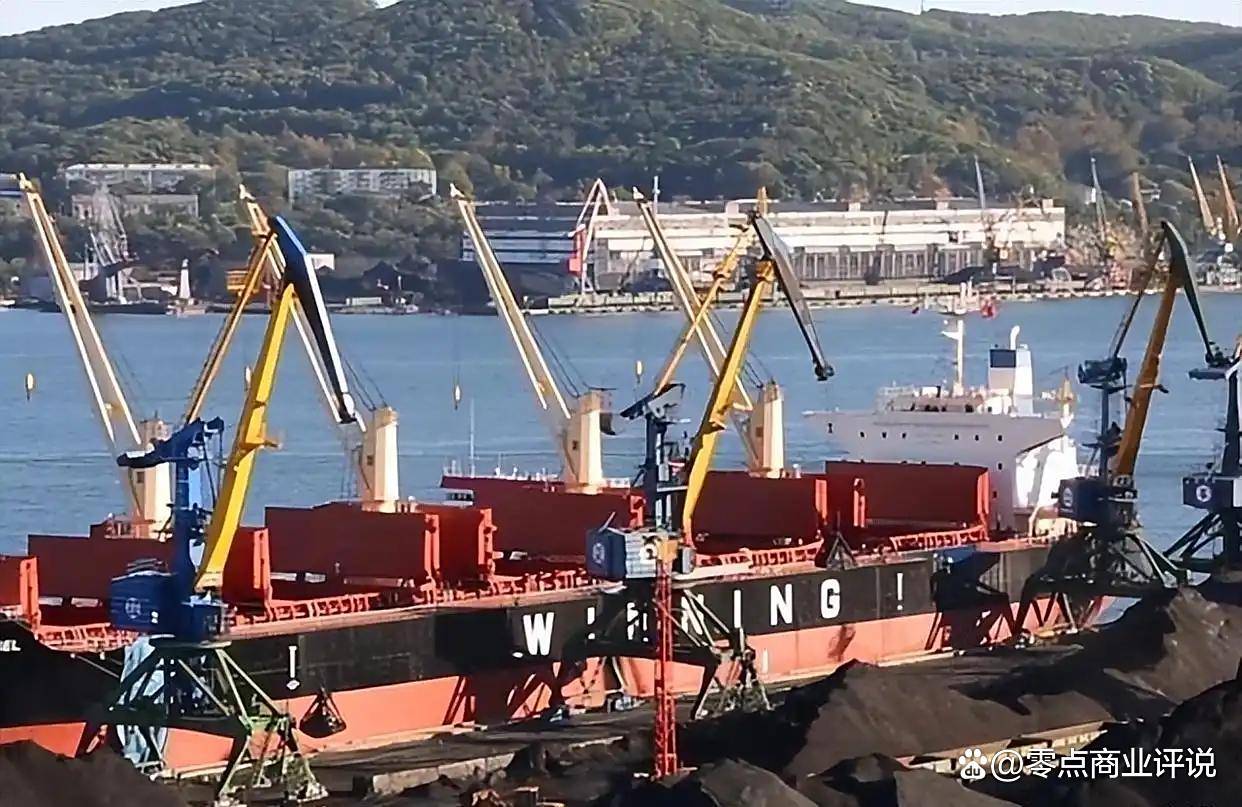
Core Viewpoint - China's recent decision to halt the purchase of iron ore from BHP in USD and promote RMB settlement marks a significant shift in the global iron ore trade landscape, reflecting a long-term strategy to reduce reliance on the US dollar and enhance pricing power in the market [1][10]. Group 1: Historical Context - The move parallels historical attempts by leaders like Saddam Hussein and Muammar Gaddafi to challenge the dominance of the US dollar, albeit through different strategies; China opts for a pragmatic approach rather than radical political upheaval [3][10]. - China has been the world's largest iron ore importer, with imports reaching 1.237 billion tons in 2024, accounting for 72% of global imports, and imports from Australia alone totaling 743 million tons valued at 564.9 billion yuan [3][5]. Group 2: Market Developments - The Dalian Commodity Exchange introduced iron ore futures for foreign traders in May 2018, which has since become the largest iron ore derivatives market globally, with trading volume 23 times that of Singapore's market [5]. - The push for RMB settlement is supported by a robust market foundation, with cross-border RMB payments reaching 64.1 trillion yuan in 2024, a year-on-year increase of over 20%, making RMB the fourth largest payment currency globally [5][9]. Group 3: Strategic Moves - China's strategy includes a gradual approach, exemplified by the first RMB-denominated spot trading contract signed in October 2019, and the introduction of the "Beijing Iron Ore Index" in 2025, which is based on real transaction data [7][10]. - The breakdown of negotiations for RMB settlement with Australia has led to the current procurement halt, as Australia insists on USD settlement and higher prices, while China seeks a more reasonable pricing mechanism [7][10]. Group 4: Global Implications - The shift towards RMB settlement in iron ore trade is part of a broader trend of restructuring global financial power, with countries like Russia and India also exploring similar currency settlement agreements [9][10]. - The ongoing changes in the global iron ore supply-demand dynamics, with a 5.5% year-on-year decline in China's iron ore imports in early 2025, enhance China's bargaining power in negotiations [10].

中国开始全面反击: 暂停澳铁矿石进口! 大豆与铁矿关键被中国抓住
Sou Hu Cai Jing· 2025-10-06 09:52
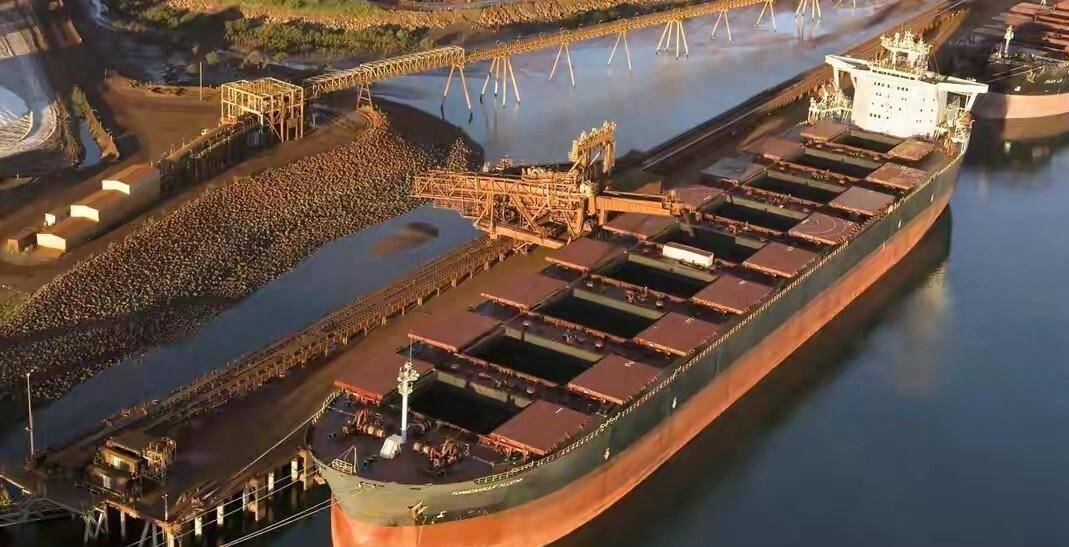
Core Viewpoint - The recent decision by China Mineral Resources Group to suspend imports of Australian iron ore priced in USD signifies a strategic move to reclaim iron ore pricing power and challenge the dominance of the USD in global trade [1][22]. Group 1: Historical Context - Since China's entry into the WTO, it has become the largest buyer of iron ore, purchasing over 60% of global seaborne iron ore [3]. - Despite being the largest customer, China has faced unfavorable pricing terms, often dictated by three major companies: Vale, BHP, and Rio Tinto, which control over 70% of global seaborne iron ore [5][10]. - Historical negotiations have often resulted in China accepting significant price increases, such as an 80% to 96% hike in 2008, demonstrating the power imbalance in negotiations [8][10]. Group 2: Strategic Moves - China is diversifying its iron ore sources by investing in new mines, particularly in Guinea, which is expected to produce 60 million tons annually by 2026 [12]. - The establishment of China Mineral Resources Group aims to consolidate purchasing power among domestic steel companies, allowing for unified negotiations with major suppliers [14]. - The introduction of a domestic iron ore price index and the push for RMB-denominated transactions are key components of China's strategy to reduce reliance on USD pricing [14][16]. Group 3: Comparative Analysis - The situation mirrors China's previous actions in the soybean market, where it shifted purchases from the U.S. to Brazil in response to trade tensions, leading to significant economic repercussions for U.S. farmers [18][20]. - This strategic maneuvering showcases China's ability to leverage its market power to influence global commodity pricing and trade dynamics [22].


普京突改口否认去美元化?宣布不反美元,普京这步棋究竟下给谁看
Sou Hu Cai Jing· 2025-10-06 04:12
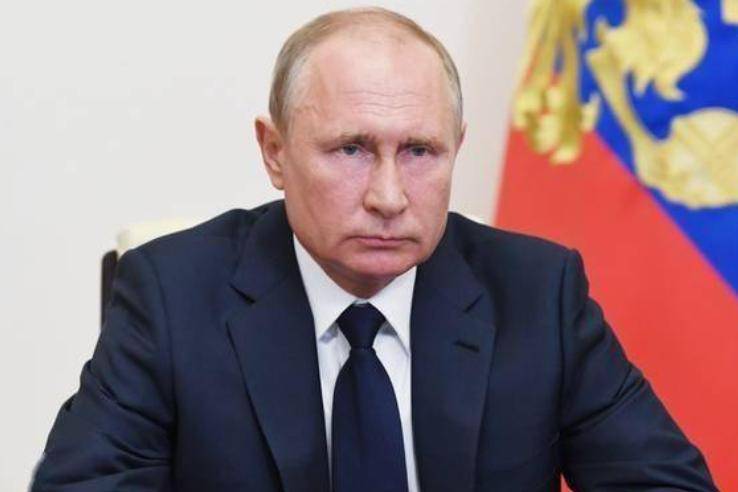
Core Viewpoint - Putin's recent shift on "de-dollarization" indicates that Russia is not actively pursuing this strategy but is instead forced to use local currency due to U.S. sanctions [1][4][8] Group 1: U.S. Sanctions and Economic Impact - U.S. sanctions have severely restricted Russia's ability to engage in international trade, particularly in sectors reliant on dollar transactions [1][8] - The sanctions have led to the freezing of Russian overseas assets and exclusion from the SWIFT system, complicating trade, especially for essential goods like medical equipment [1][8] - Russia's reliance on the dollar and euro is highlighted, as other currencies like the rupee and yuan lack international liquidity, limiting their use in global trade [3][8] Group 2: Diplomatic Strategy - Putin's statement about not actively pursuing de-dollarization serves as a diplomatic gesture aimed at easing tensions with the U.S. and potentially negotiating sanctions relief [4][6] - This approach mirrors previous diplomatic overtures, such as his willingness to extend arms control agreements with the U.S. to foster dialogue [4][6] - The strategy reflects a recognition that maintaining economic stability may require temporary concessions in the face of ongoing sanctions [8][9] Group 3: Future Implications - Should Russia regain economic stability, there may be a renewed push for de-dollarization, but current realities necessitate a more conciliatory approach [9] - The global trend of questioning the dollar's dominance is growing, with many countries diversifying reserves away from the dollar, indicating a long-term challenge to U.S. currency hegemony [9]
不把进口铁矿石价格打下来,中国钢铁企业就是给外国资本家打工!
Sou Hu Cai Jing· 2025-10-05 10:49
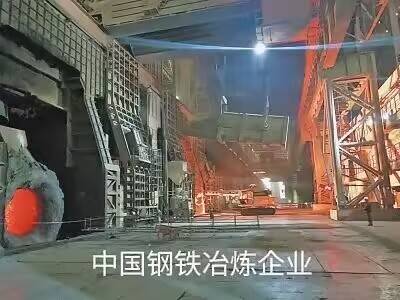
Core Points - China has suspended iron ore imports from Australia, requiring BHP to sell at market prices and accept payment in RMB [1][3] - Australia exports approximately 700 million tons of iron ore to China annually, out of a total of 1.2 billion tons imported by China [3] - Historically, Australia held significant pricing power in the iron ore market, with mining costs around $30 per ton and selling prices ranging from $103 to $267 per ton, resulting in profit margins of 343% to 890% [5] - Chinese steel companies have struggled with low profit margins, often below 5%, which has impacted their ability to invest in R&D and improve employee welfare [5] Industry Developments - To gain pricing power, China has invested in iron ore projects in Guinea and Brazil, and has recently negotiated agreements with Russia for iron ore imports [5] - The establishment of the China Mineral Resources Group in 2022 aims to centralize iron ore procurement, preventing individual steel companies from negotiating prices independently [5] - The shift to RMB payments for bulk commodity purchases is seen as a challenge to US dollar dominance, prompting concern from the US [5]
美国11个航母靠谁养?负债34万亿美元!美债是如何拉动美国经济的
Sou Hu Cai Jing· 2025-10-05 08:46
Group 1 - The core issue is that the United States, despite being the world's largest economy, has accumulated a national debt of $34 trillion, which exceeds its GDP of $27.37 trillion, making it impossible to repay the debt even if all citizens stopped spending for a year [1][10] - The U.S. government plans to allocate 3.1% of its GDP, approximately $870 billion, to pay interest on this debt, which is higher than the defense spending for 2024 [1] - The U.S. has been able to sustain its military power and operations, including maintaining 11 aircraft carriers, despite this massive debt burden [1] Group 2 - The U.S. national debt has grown significantly due to the government's reliance on issuing bonds to finance its operations, with annual issuances ranging from $500 billion to $600 billion, attracting global investors [4] - China and Japan are the largest foreign holders of U.S. debt, with China reducing its holdings from over $1 trillion to $859 billion [6] - The U.S. has engaged in significant monetary expansion since the COVID-19 pandemic, leading to inflation and a devaluation of the dollar, which has affected the value of foreign-held U.S. debt [8] Group 3 - The U.S. government is expected to increase its national debt to $48 trillion by 2034, which would represent 116% of its GDP, indicating a reliance on borrowing to manage existing debt [10] - Historically, U.S. national debt has been used as a tool for economic growth, dating back to the Revolutionary War, and has been a primary source of funding during conflicts [14][19] - The U.S. has established the dollar's dominance in the global economy post-World War II, allowing it to finance its debt through international demand for U.S. bonds [17] Group 4 - The U.S. economy is heavily dependent on its military strength and the global demand for its national debt, creating a cycle of borrowing to sustain economic operations [21] - This "debt-driven" model has positioned the U.S. as the largest global debtor, raising concerns about the sustainability of this economic strategy [21][22]

普京“改口”去美元化:退缩还是战略缓冲?
Sou Hu Cai Jing· 2025-10-04 15:32
Core Viewpoint - Russia's recent statements regarding de-dollarization reflect a pragmatic shift rather than a strategic retreat, driven by intense U.S. pressure and economic realities [2][3][6] Group 1: U.S. Pressure and Economic Constraints - The U.S. has exerted extreme pressure on Russia, with former President Trump warning that any move towards de-dollarization would face severe tariffs, highlighting the importance of dollar dominance to U.S. interests [2] - Russia's economy is heavily reliant on energy exports, which account for nearly half of its budget revenue, making direct confrontation with the U.S. economically unfeasible [2][3] - Despite high rates of local currency settlements in trade with China and within the Eurasian Economic Union, the overall reliance on the dollar and euro remains significant, with over 90% of global foreign exchange transactions still conducted in these currencies [3][5] Group 2: Foreign Exchange Reserves and Fiscal Needs - As of May 2025, a substantial portion of Russia's foreign exchange reserves consists of non-dollar assets, with gold reserves exceeding 30%, but these are not easily liquidated to support cash flow [5] - Energy-related tax revenues are projected to reach 9.19 trillion rubles in 2024, with settlements still heavily dependent on dollar transactions, indicating a critical need for dollar access to maintain economic stability [5] - The lessons learned from sanctions, such as the impact of cutting off dollar transactions on the ruble's value, underscore the necessity for Russia to prioritize cash flow over ideological commitments to de-dollarization [5] Group 3: Tactical Adjustments and Long-term Goals - Russia's recent adjustments in rhetoric are seen as tactical maneuvers rather than a complete abandonment of its long-term goals, including the development of cross-border payment systems among BRICS nations [6] - The shift from an aggressive anti-dollar stance to a more pragmatic approach allows Russia to avoid provoking the U.S. while still working towards currency independence [6] - The complexity of the de-dollarization process is highlighted by the dual pressures of U.S. threats and Russia's economic vulnerabilities, suggesting that while tactical retreats may occur, the long-term direction towards currency autonomy remains unchanged [6]
美元霸权会在数字货币浪潮中落幕吗?
Sou Hu Cai Jing· 2025-10-04 12:38
Core Viewpoint - The dominance of the US dollar in the international financial system is being challenged by the rise of digital currencies, raising questions about whether digital currencies can ultimately replace the dollar's supremacy [1][5][12] Group 1: Historical Context of Dollar Dominance - The US dollar's dominance was established post-World War II, supported by the Bretton Woods system, which linked the dollar to gold and other currencies to the dollar [3] - Despite the collapse of the Bretton Woods system in the 1970s, the dollar maintained its central role in international trade and finance, bolstered by the US's control over global commodity pricing, particularly oil [3] Group 2: Rise of Digital Currencies - The emergence of decentralized digital currencies like Bitcoin represents a significant shift in the financial landscape, challenging traditional currency concepts with features such as decentralization, anonymity, and immutability [5] - Central Bank Digital Currencies (CBDCs) are being explored by various countries, combining the advantages of digital currencies with the stability of traditional currencies, potentially enhancing payment efficiency and reducing transaction costs [5] Group 3: Potential Challenges to Dollar Supremacy - Digital currencies could theoretically disrupt the dollar's monopoly in the international monetary system, especially if more countries and businesses adopt them for international trade settlements [7] - The speed and cost advantages of digital currencies in cross-border payments present an attractive alternative to traditional banking methods, which rely heavily on the dollar [7] Group 4: Obstacles to Digital Currency Adoption - The entrenched position of the dollar is supported by the US's strong economic, political, and military power, along with the liquidity and stability of its financial markets [8] - The digital currency market faces significant challenges, including price volatility, lack of effective regulation, and risks associated with illicit activities [8] - The promotion and application of CBDCs encounter hurdles such as inconsistent technical standards and incomplete legal frameworks [8] Group 5: Geopolitical and Economic Constraints - The US dollar's dominance is not just an economic issue but also a tool for the US to maintain its global hegemony, leading to potential resistance against the rise of digital currencies [10] - International cooperation on digital currency development is complicated by varying national interests and strategies, creating challenges for global coordination [10] Group 6: Future Outlook - The rise of digital currencies presents both opportunities and challenges for the international monetary system, but the foundation of dollar dominance remains strong [12] - A coexistence of digital currencies and the dollar in the international financial system is likely, with both competing and complementing each other [12]

普京改口不反对美元,俄罗斯临阵退缩?他只是说出了问题的关键
Sou Hu Cai Jing· 2025-10-04 06:41
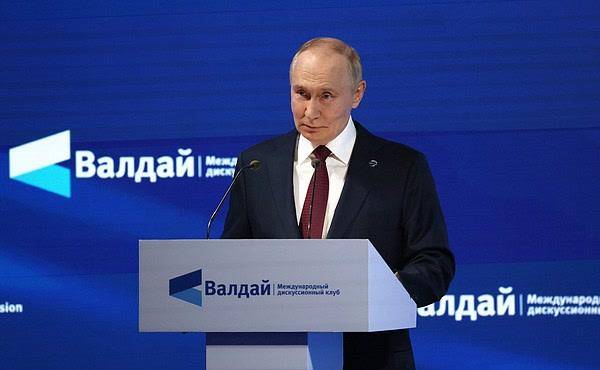
Core Viewpoint - Putin's recent statements at the Valdai Conference regarding "de-dollarization" have sparked widespread discussion, revealing that Russia is not actively cutting ties with the dollar but is instead being forced into this position by the U.S. exclusion [1][4]. Group 1: Putin's Position on Dollarization - Putin clarified that Russia is not conducting an anti-dollar campaign or planning a de-dollarization strategy, but is compelled to use its own currency due to the lack of opportunities to transact in dollars [4][9]. - The perception that Russia is abandoning the dollar is misleading; rather, it is a reaction to U.S. actions that have excluded Russia from the dollar payment system [4][6]. Group 2: U.S. Influence and Reactions - The U.S. has maintained its dollar hegemony through sanctions, which, while aimed at Russia, may ultimately threaten the dollar's stability as more countries seek alternative settlement methods [12]. - Trump's administration has been particularly sensitive to the de-dollarization issue, threatening countries that challenge the dollar's dominance with tariffs [4][6]. Group 3: Russia's Economic Reality - Despite the push for local currency settlements, Russia's economy still relies significantly on the dollar and euro, as trade with countries like India presents challenges due to currency liquidity issues [6][7]. - The use of the yuan is limited, primarily for imports from China, and India is reluctant to use the yuan for settlements due to competitive dynamics with China [7][9]. Group 4: Long-term Implications - Putin's cautious approach is a strategic move to avoid escalating tensions with the U.S. while subtly shifting the blame for Russia's economic situation back to American policies [6][9]. - The ongoing trend of countries seeking alternatives to the dollar could lead to a significant shift in the international financial landscape, potentially undermining the dollar's long-term dominance [12].
这只是第一枪!拿澳铁矿石开刀,必须用人民币交易,该美元颤抖了
Sou Hu Cai Jing· 2025-10-04 05:03
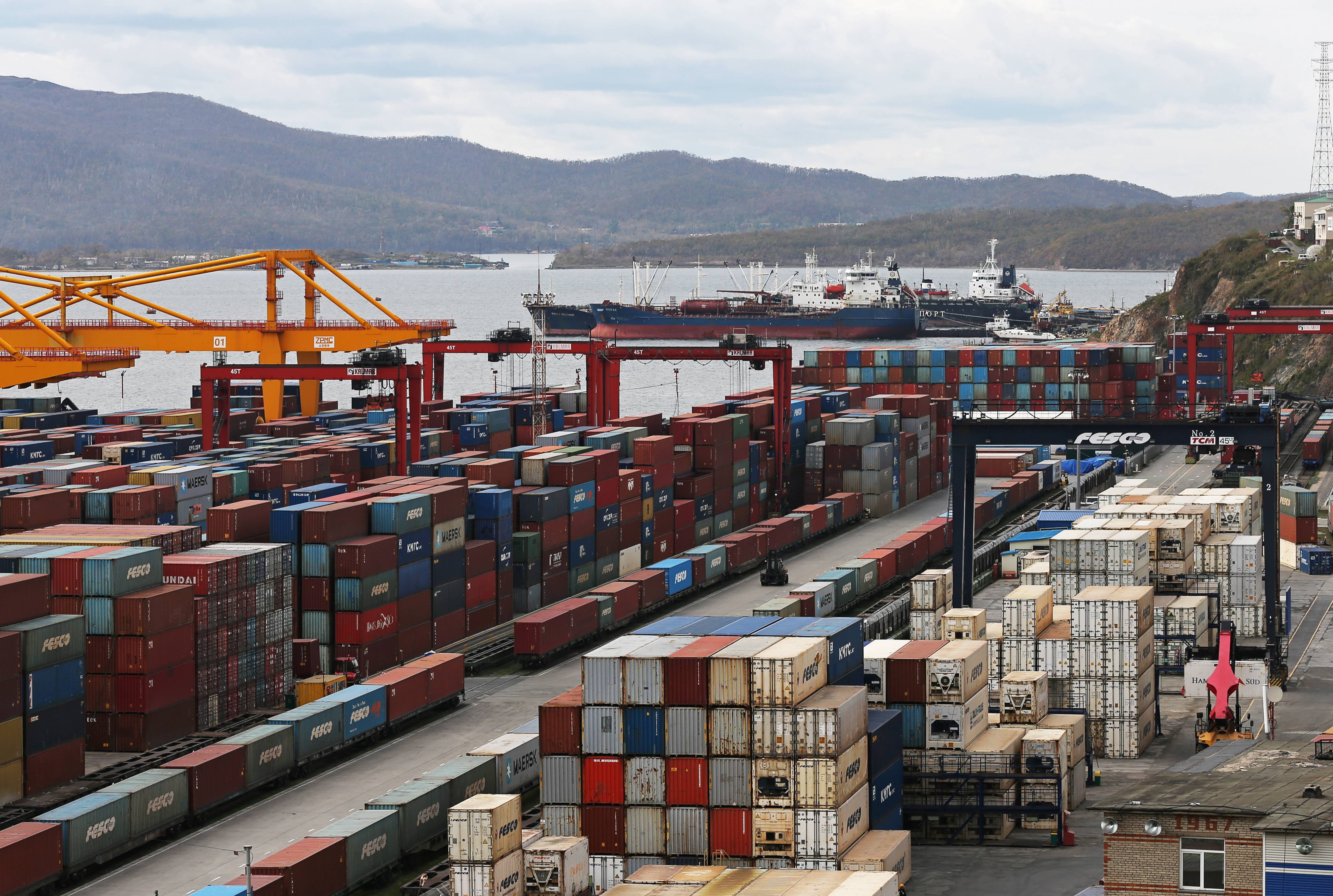
Core Viewpoint - The recent push by China for RMB settlement in iron ore contracts with BHP has caused significant concern in Australia, indicating a strategic shift in global trade dynamics and financial sovereignty [1][6]. Group 1: Background and Context - The negotiations for contract renewal between China and BHP regarding iron ore have been ongoing for months, with China proposing RMB settlement, which was initially dismissed by Australia as a mere exploratory suggestion [3]. - China imports over 70% of the world's iron ore, with nearly half sourced from Australia, making the Australian market heavily reliant on Chinese demand [3]. Group 2: Historical Context - In the 2010s, China's rapid expansion in steel production led to soaring iron ore prices, with costs reaching $190 per ton, highlighting China's vulnerability due to its reliance on Australian imports [4]. - The U.S. Federal Reserve's interest rate hikes have further exacerbated China's import costs, prompting a strategic shift to reduce dependency on Australian iron ore [4]. Group 3: Strategic Implications - The move towards RMB settlement is seen as a bid for financial sovereignty, potentially leading to a shift in global trading norms similar to the historical U.S. dollar dominance in oil transactions [6]. - This situation reflects a broader structural shift in global trade, with countries like Russia and India also exploring alternative currencies for trade, indicating cracks in the dollar's hegemony [7]. Group 4: Market Reactions - The Australian market reacted negatively, with BHP's stock price dropping by 8%, as shareholders prioritize dividends over geopolitical tensions [7]. - Australian officials are reportedly exploring phased implementation of RMB settlement, acknowledging the market's influence over political rhetoric [7]. Group 5: Future Outlook - The potential for similar "settlement battles" in other commodities such as copper, lithium, and natural gas suggests a trend where China may leverage its market power to reshape global trade rules [8]. - The iron ore situation is viewed as just the beginning of a larger strategic game, with significant implications for global trade dynamics moving forward [8].

突发!澳矿美元船遭全面喊停,3句话揭开人民币结算时代来临
Sou Hu Cai Jing· 2025-10-04 05:03
Core Viewpoint - The decision by China Mineral Resources Group to halt all dollar-denominated iron ore purchases has created significant upheaval in the global iron ore trade, challenging the existing dollar settlement system [1][3]. Group 1: Trade Dynamics - China Mineral Resources Group issued a directive to domestic steel mills to stop purchasing all dollar-denominated iron ore, signaling a shift towards RMB settlement [5][7]. - The move is seen as a response to the long-standing dominance of major players like BHP, Rio Tinto, and Vale, which have historically controlled pricing and terms in the iron ore market [7]. - The establishment of a centralized procurement entity in 2022 has allowed Chinese steel mills to negotiate collectively, enhancing their bargaining power [7]. Group 2: Pricing and Negotiation - The immediate trigger for this trade disruption was a disagreement over pricing, with BHP attempting to raise prices despite a decline in international iron ore prices [9]. - The Chinese Steel Industry Association reported that spot prices had fallen below certain thresholds, leading to demands for prices to be aligned with market conditions [9][11]. Group 3: Strategic Positioning - China has diversified its iron ore import channels, increasing the proportion of diversified imports from less than 30% to over 50% [11]. - Brazil's Vale is expected to benefit significantly, with projected exports reaching record levels and long-term agreements established with China [11][12]. Group 4: Economic Impact - The halt in dollar-denominated purchases poses a severe economic threat to Australia, which relies heavily on iron ore exports to China, accounting for a significant portion of its export revenue [16]. - The Australian economy could face substantial repercussions, including potential job losses in the iron ore sector, which directly employs thousands [16][18]. Group 5: Currency and Global Trade - China's push for RMB settlement in iron ore trade represents a direct challenge to the dollar's dominance in global commodity markets [18][20]. - The shift to RMB is seen as a move to reduce reliance on the dollar and mitigate financial risks associated with currency fluctuations [18][20]. - The increasing acceptance of RMB in international trade reflects a broader shift in global economic power dynamics [21].