
农业农村现代化

Search documents
《“十五五”规划建议》解读:政策红利下农林牧渔企业的三大增长路径
Lian He Zi Xin· 2025-11-20 11:31
Investment Rating - The report emphasizes a positive outlook for the agriculture, forestry, animal husbandry, and fishery industry, driven by policy support and market demand [1][3]. Core Insights - The "14th Five-Year Plan" elevates agricultural modernization to a strategic level, creating a policy framework for high-quality development in the industry [3]. - The report identifies three main growth paths for companies in the agriculture sector: policy subsidies and diversified financing, technological empowerment, and industrial integration innovation [1][10]. Summary by Sections Path 1: Policy Subsidies and Financing Support - The "14th Five-Year Plan" aims to enhance the effectiveness of agricultural policies, establishing a multi-faceted investment structure that includes fiscal guarantees and financial support [4]. - Insurance policies for major grain crops provide significant subsidies, with central government support reaching up to 50% for certain regions, effectively mitigating risks from natural disasters and market fluctuations [4][6]. - R&D incentives in key areas like biotechnology and smart agricultural machinery are substantial, with a deduction rate of 175% for eligible expenses, significantly lowering innovation costs for companies [5][6]. Path 2: Technological Empowerment - The report highlights the integration of advanced technologies such as AI and smart agricultural equipment, which are transforming traditional farming practices and enhancing productivity [7][9]. - The contribution of agricultural technology to production has reached 63.2%, with mechanization rates exceeding 75%, leading to improved quality and efficiency in crop production [8][9]. - The use of smart equipment has drastically reduced labor costs and increased operational efficiency, exemplified by a 20-fold increase in efficiency in certain agricultural parks [7][9]. Path 3: Industrial Integration Innovation - The "14th Five-Year Plan" encourages a diversified food supply system, promoting the integration of agriculture, forestry, and fishery sectors [10]. - Companies are shifting from low-margin raw product sales to higher-value processing sectors, such as deep processing of grains and pre-prepared foods, enhancing profit margins [11]. - Innovative business models, including ecological farming and agri-tourism, are being developed to create new revenue streams and improve resilience against market fluctuations [11][12]. Outlook - The report anticipates that the implementation of supportive policies will align with market needs, enhancing the core competitiveness of companies in the agriculture sector and optimizing their profit structures [12][13].
和社科院蔡昉聊透“十五五”
21世纪经济报道· 2025-11-20 04:49
Core Viewpoint - The article discusses the strategic planning and goals set forth in the "15th Five-Year Plan" for China's economic and social development, emphasizing the importance of achieving a per capita GDP level comparable to that of moderately developed countries by 2035, which requires maintaining an average annual growth rate of approximately 4.8% during the "15th Five-Year" period [1][6][10]. Economic Growth and Productivity - The "15th Five-Year Plan" aims to maintain economic growth within a reasonable range while steadily improving total factor productivity and significantly increasing the resident consumption rate [1][6]. - To achieve the target of per capita GDP reaching around $25,000 by 2035, an average annual growth rate of 4.8% is necessary, with potential growth rates estimated between 4.5% and 4.8% [6][7]. Demographic Challenges and Consumption - China is entering a phase of negative population growth and moderate aging, with projections indicating that by 2032, over 21% of the population will be aged 65 and above, which will impact consumption patterns [7]. - The emphasis on increasing the resident consumption rate is crucial to counteract the negative effects of demographic changes and to enhance the income levels and consumption capabilities of residents, particularly the elderly [7][10]. Income Distribution and Middle-Income Expansion - Expanding the middle-income group is essential for achieving higher levels of common prosperity and modernization by 2035 [10]. - Improving income distribution requires coordinated efforts across primary, secondary, and tertiary distribution, with a focus on enhancing labor market conditions and reducing structural unemployment [10][12]. Government Investment and Social Services - The article highlights the need for government spending to focus more on "investing in people" rather than solely on material investments, suggesting a shift in priorities to enhance social welfare and public services [8][13]. - Increasing the share of social spending in GDP is necessary to improve the quality of life and reduce poverty transmission across generations [13]. Artificial Intelligence and Employment - The development of artificial intelligence (AI) presents both challenges and opportunities for employment, necessitating alignment with an "employment-first strategy" to ensure that AI enhances rather than replaces human labor [14][15]. - AI can help address structural employment issues by improving labor productivity and facilitating the transition of labor from low-productivity agricultural sectors to higher-productivity non-agricultural sectors [20][22]. Urbanization and Household Registration Reform - The article discusses the ongoing urbanization process and the need for reforming the household registration system to facilitate labor mobility and improve access to public services for rural residents transitioning to urban areas [16][17]. - Enhancing public services in urban areas and reducing the disparity in service quality between urban and rural regions are critical for successful urbanization [17]. Agricultural Modernization - The potential for agricultural modernization in China is significant, with opportunities for labor transfer from agriculture to higher productivity sectors, supported by advancements in technology and AI [20][22]. - Modern agriculture is characterized by high labor productivity, large operational scales, and the application of scientific technologies, which can be further enhanced through AI [21][22].

【习近平经济思想研究征文】突出重点扎实推进乡村全面振兴
Zhong Guo Jing Ji Wang· 2025-11-20 01:50
Core Viewpoint - The implementation of the rural revitalization strategy is a significant decision made by the central government, focusing on modernizing agriculture and rural areas to better promote Chinese-style modernization [1] Group 1: Agricultural Supply and Security - The central government emphasizes the importance of food security, aiming for a grain production of over 1.4 trillion jin in 2024, with a per capita grain availability of 500 kg, surpassing the international safety line of 400 kg [1] - The government aims to ensure stable production and supply of food and important agricultural products amidst various challenges, including international dynamics and resource constraints [1] Group 2: Agricultural Technology and Infrastructure - There is a focus on enhancing seed and arable land protection, promoting research and application in breeding, and establishing a comprehensive protection system for arable land [2] - The government plans to strengthen agricultural technology and equipment support, promoting smart agriculture and increasing mechanization to reduce reliance on labor [2] Group 3: Labor Productivity and Competitive Edge - In 2024, the primary industry will account for 22.2% of total employment, but only 6.8% of GDP, indicating a need to improve agricultural labor productivity [3] - The government aims to deepen reforms in agricultural management and industry systems, promoting modern agriculture and extending the agricultural value chain [3][4] Group 4: Urban-Rural Integration - The government recognizes the need for balanced urban-rural development and aims to promote the integration of urban and rural areas while addressing the unique challenges of China's dual economy [4][5] - There is a commitment to enhancing public services and infrastructure in rural areas to support population flows and improve living conditions [5] Group 5: Poverty Alleviation and Support Mechanisms - A system for preventing poverty and supporting low-income populations is being established, focusing on dynamic monitoring and tailored assistance for rural low-income groups [6] - The government plans to optimize support mechanisms for underdeveloped areas, ensuring resources flow to these regions to foster internal development [6] Group 6: Resource Allocation and Talent Development - The government emphasizes the efficient use of financial resources, ensuring funds are directed to the most critical areas for rural revitalization [7] - There is a strong focus on cultivating talent in rural areas, supporting local talent development, and attracting skilled individuals to contribute to rural revitalization efforts [7]
刘宁到新乡市获嘉县红旗区调研时强调:落实落细党的二十届四中全会精神 发挥优势把农业建成现代化大产业
He Nan Ri Bao· 2025-11-19 10:37
Group 1: Agricultural Machinery Industry - The county of Huojia has gathered multiple enterprises engaged in agricultural machinery production, sales, and services, forming a complete industrial chain for agricultural machinery equipment [2] - Liu Ning visited Huaxi Technology Co., Ltd. to observe modern agricultural machinery such as straw harvesting and baling machines, and to understand the development of the agricultural machinery manufacturing industry cluster [2] - The "14th Five-Year Plan" emphasizes accelerating agricultural modernization and promoting the integration of high-end intelligent agricultural machinery, which aligns with the region's strengths in agriculture [2] Group 2: Cultural and Creative Industry - The New Xiang Bubble Mart Cultural and Creative Co., Ltd. is responsible for global customer service and has seen rapid growth in its e-commerce business [3] - Liu Ning acknowledged the company's achievements in creating trendy toy categories and emphasized the cultural industry's potential due to its knowledge-intensive and high-value characteristics [3] - The focus is on leveraging technology to stimulate cultural innovation and meet diverse public demands for cultural consumption, which can empower economic and social development [3] Group 3: Economic Development and Policy Implementation - Liu Ning highlighted the importance of implementing the spirit of the 20th Central Committee and the key tasks of the "1+2+4+N" framework to enhance industrial transformation and upgrade [3] - The emphasis is on strengthening the role of enterprises in technological innovation and promoting the deep integration of innovation chains, industrial chains, financial chains, and talent chains [3] - The goal is to create new economic growth points while ensuring the safety and well-being of the population and addressing pollution prevention [3]

中部地区贯彻落实四中全会精神 以高质量发展书写中部崛起新篇章
Xin Hua She· 2025-11-19 06:48
Group 1: Technological Innovation in Hefei - Hefei is emerging as a technology innovation city, focusing on high-level technological self-reliance to drive new productive forces [1][7] - The Hefei Institute of Physical Science, part of the Chinese Academy of Sciences, hosts over 30 key laboratories and research centers, contributing significantly to scientific research [3] - Guoxuan High-tech's all-solid-state battery has entered the pilot production phase, marking a significant advancement in China's power battery industry [5] Group 2: Robotics Development in Hubei - The Hubei Humanoid Robot Innovation Center aims to become a leading public service platform for humanoid robots, leveraging local technical talent and a solid manufacturing base [6][10] - The center is developing a comprehensive ecosystem that includes training facilities and application practice areas to foster innovation and industry integration [10] Group 3: Agricultural Modernization in Jiangxi - Jiangxi is advancing agricultural modernization with a focus on specialty crops like chili peppers and honey oranges, which are becoming profitable industries [9][13] - The city of Zhangshu has established large-scale bases for traditional Chinese medicinal materials, with over 500,000 acres dedicated to cultivation [12][16]
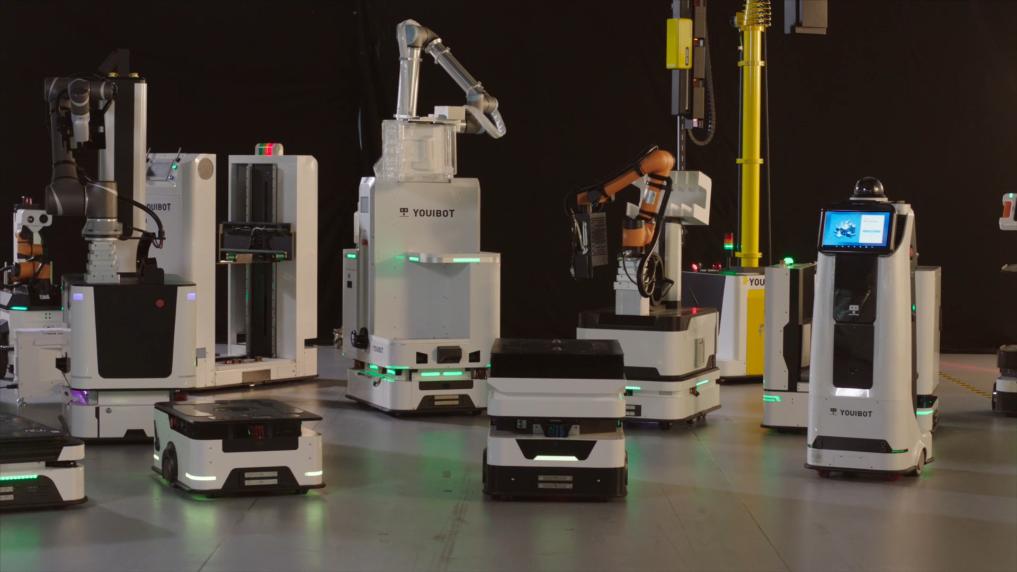
市委理论学习中心组开展现场研学 谋深谋实“三农”工作施工图 不断建设宜居宜业和美乡村 马明龙主持并讲话
Zhen Jiang Ri Bao· 2025-11-18 23:40
Core Insights - The article emphasizes the importance of advancing agricultural and rural modernization as a long-term strategic task, focusing on both immediate and long-term goals to address pressing issues faced by farmers [2][3] Group 1: Agricultural Modernization Strategy - The city aims to implement practical measures that yield tangible benefits for farmers, ensuring their satisfaction while also planning for the next five years of agricultural development [2] - The strategy includes a focus on local resources and unique characteristics to enhance rural industries, promoting a transformation in rural economies [3] Group 2: Social and Cultural Aspects - The modernization effort is described as a profound social change that requires preserving traditional culture and improving rural governance, creating a shared spiritual home for communities [3] - There is a call for broad social mobilization, emphasizing the role of farmers as key players in rural revitalization and the importance of grassroots involvement [4] Group 3: Leadership and Collaboration - The article highlights the necessity of strong leadership and collaboration across various levels of government and departments to ensure effective implementation of rural policies [4] - It stresses the need for a coordinated approach to rural development, with a focus on empowering farmers and respecting their contributions to the revitalization process [4]
和社科院大专家蔡昉聊透“十五五”
21世纪经济报道· 2025-11-18 13:23
Economic Growth and Development Goals - The "15th Five-Year Plan" aims for a reasonable economic growth rate to achieve a per capita GDP at the level of middle-income countries by 2035, requiring an average annual growth rate of approximately 4.8% during this period [6][10] - The plan emphasizes the importance of improving total factor productivity, increasing the resident consumption rate, and ensuring synchronized growth of resident income and economic growth [6][10] Consumption and Income Distribution - The focus on increasing the resident consumption rate is crucial due to the anticipated challenges from negative population growth and aging demographics, which will impact demand [7][10] - The Gini coefficient of 0.465 indicates a need for improved income distribution, with efforts to ensure that low-income groups see faster income growth compared to high-income groups [7][10][12] Middle-Income Group Expansion - Expanding the middle-income group is essential for achieving higher levels of common prosperity and modernization, necessitating coordinated improvements in initial, secondary, and tertiary income distribution [10][12] - The labor market must address structural unemployment, particularly among the elderly and youth, through targeted training and support [10][11] Role of Artificial Intelligence - Artificial intelligence (AI) has the potential to exacerbate structural employment issues but can also enhance labor productivity, providing solutions to these challenges [15][16] - A systematic governance framework is needed to align AI development with employment priorities, ensuring that AI not only replaces jobs but also enhances worker capabilities [15][16] Urban-Rural Integration and Household Registration Reform - The reform of the household registration system is critical for urbanization, with the potential to convert over 200 million rural residents into urban citizens, thereby stabilizing labor supply and enhancing economic growth [18][19] - The focus should be on improving public services in smaller cities and rural areas to attract and retain residents [19] Agricultural Modernization - China's agricultural labor force still has significant potential for transfer to higher productivity sectors, with current agricultural labor accounting for 22% of the workforce [22][23] - Modern agriculture is characterized by high labor productivity, large operational scales, and the application of advanced technologies, including AI, to enhance efficiency and output [23][24]
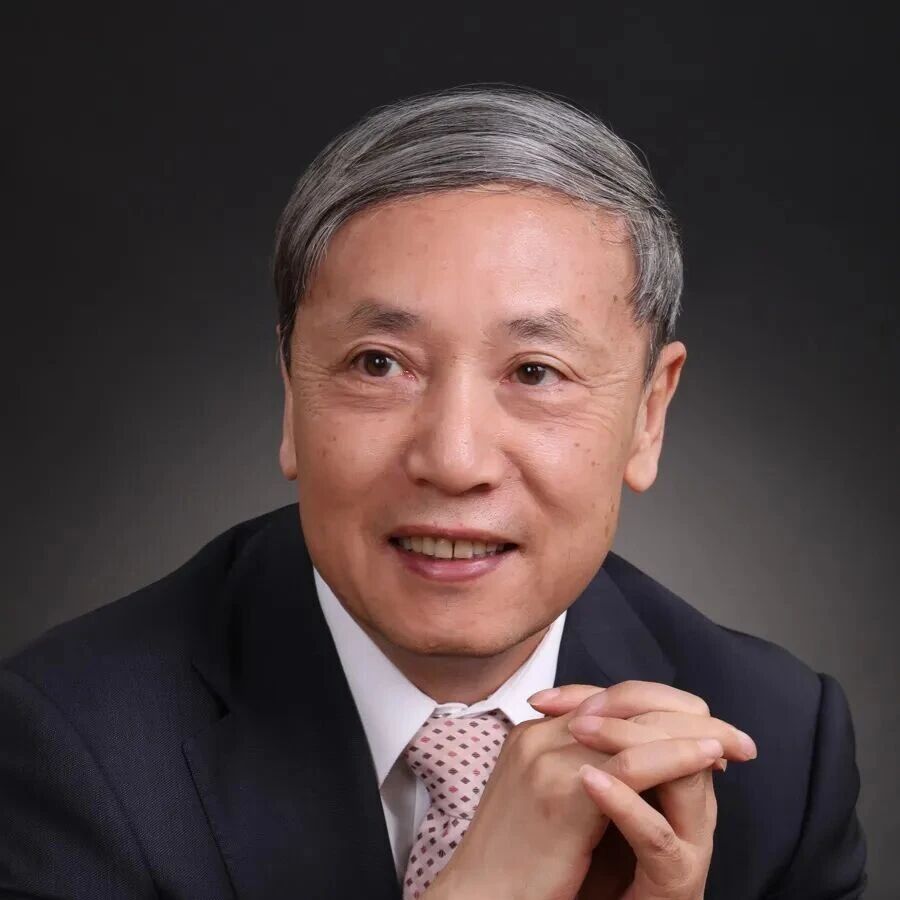
21专访|和社科院大专家蔡昉聊透“十五五”:增速、消费、2亿人户籍改革红利与AI未来
2 1 Shi Ji Jing Ji Bao Dao· 2025-11-18 08:43
Core Insights - The 14th Five-Year Plan is crucial for achieving the goal of modernizing China's economy and society by 2035, with a key indicator being the per capita GDP reaching the level of middle-income developed countries [1][5] - The plan emphasizes maintaining reasonable economic growth, improving total factor productivity, increasing the consumption rate, and expanding the middle-income group [1][5][6] Economic Growth and Productivity - The average annual growth rate required to reach the per capita GDP target of approximately $25,000 by 2035 is estimated to be around 4.8% [5][6] - Current potential growth rates for China's economy are estimated between 4.5% and 4.8%, with the possibility of increasing if reforms are intensified [5][6] Consumption and Income Distribution - The focus on increasing the consumption rate is driven by the need to address challenges posed by negative population growth and aging demographics, which will impact demand [6][7] - Improving income distribution is essential, with a current Gini coefficient of 0.465 indicating a need for faster income growth among low-income groups to expand the middle-income population [6][7][9] Employment and Labor Market - The labor market requires targeted efforts to address structural unemployment, particularly among the elderly and youth, through vocational training and support [8][9][11] - The rise of new employment forms, including gig economy jobs, necessitates the development of suitable social security systems to protect workers' rights [9][11][12] Urbanization and Household Registration Reform - Urbanization is ongoing, with a significant gap between registered and actual urban populations, indicating potential for economic contributions through household registration reform [15][16] - The reform aims to enhance public services and employment opportunities in cities, thereby attracting rural residents to urban areas [15][16] Agricultural Modernization - The potential for labor transfer from agriculture to higher productivity sectors remains significant, with current agricultural labor accounting for 22% of the workforce [17][18] - Modern agriculture is characterized by high labor productivity, large operational scales, and the application of advanced technologies, including AI [19][20]
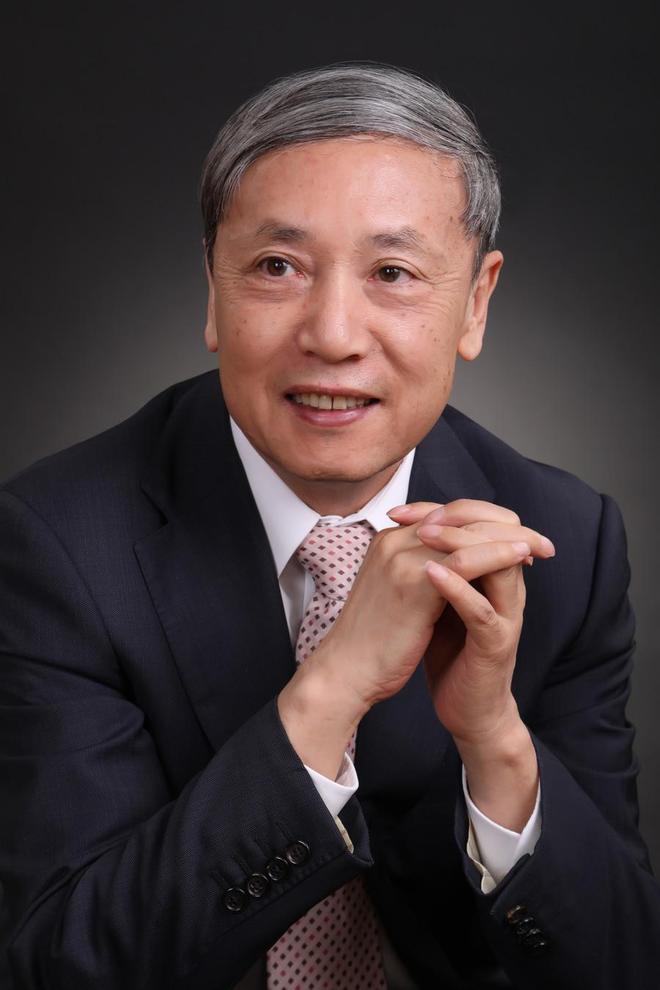
权威访谈丨扎实推动经济高质量发展
Yang Guang Wang· 2025-11-17 04:50
央广网北京11月17日消息(记者朱敏)据中央广播电视总台中国之声《新闻和报纸摘要》报 道,"十五五"规划《建议》,把推动高质量发展确定为"十五五"时期经济社会发展的主题。本期《权威 访谈》从扩大高水平对外开放、农业农村现代化建设等方面进行解读。 坚持开放合作、互利共赢是中国式现代化的必然要求。《建议》围绕扩大高水平对外开放,开创合 作共赢新局面作出一系列重要部署,强调以开放促改革促发展,与世界各国共享机遇、共同发展。 商务部政策研究室主任杨正位:下一步,我们的开放要达到"高水平",应体现在市场准入水平高、 贸易投资自由化便利化程度高、双循环良性互动水平高、对改革创新发展的促进作用高,以及人员、信 息往来便利程度越来越高。接下来开放的重点是服务业,争取再创制造业开放的辉煌。四中全会强调了 开创合作共赢新局面,这是应对世界百年变局、营造良好外部环境的必然要求。 农业农村现代化关系中国式现代化全局和成色。《建议》提出"加快农业农村现代化,扎实推进乡 村全面振兴",强调促进城乡融合发展,持续巩固拓展脱贫攻坚成果,推动农村基本具备现代生活条 件,加快建设农业强国。 农业农村部部长韩俊:全会明确了今后一个时期农业农村发展 ...
【权威访谈】扎实推动经济高质量发展
Yang Shi Wang· 2025-11-16 12:07
Core Viewpoint - The "14th Five-Year Plan" emphasizes promoting high-quality development as the central theme for economic and social development during this period [1][3]. Group 1: High-Level Opening Up - The plan outlines a series of important deployments to expand high-level opening up, aiming to create a new situation of win-win cooperation [3]. - It emphasizes the necessity of open cooperation and mutual benefit as an inevitable requirement for Chinese-style modernization [3]. Group 2: Agricultural and Rural Modernization - The plan highlights the importance of accelerating agricultural and rural modernization, promoting comprehensive rural revitalization, and ensuring urban-rural integration [5]. - It stresses the need to consolidate and expand the achievements of poverty alleviation and to push for rural areas to meet modern living conditions [5]. - The goal is to build a strong agricultural nation and ensure sustainable and healthy economic development as a key focus for the current and future economic construction [5].
