南向资金

Search documents
晋景新能获纳入恒生综合指数 有望成为港股通标的
Zhi Tong Cai Jing· 2025-08-22 11:10
Group 1 - The core point of the article is that JinJing New Energy (01783) has been included in the Hang Seng Composite Index, effective from September 8, 2025, following the announcement by the Hang Seng Index Company on August 22 [1] - Analysts suggest that once included in the Hong Kong Stock Connect, JinJing New Energy will unlock a direct channel for mainland capital inflow, potentially attracting more southbound funds and passive investments such as index funds, significantly enhancing short-term liquidity [1] - For the fiscal year 2025 (ending March 31), JinJing New Energy reported revenues of approximately HKD 870 million, representing a year-on-year increase of 92.3%. After excluding certain one-time expenses, the company achieved profitability during this period, with adjusted EBITDA recording a profit of HKD 44.76 million [1]
牛市狂奔,投资还有哪些好选择?
Sou Hu Cai Jing· 2025-08-22 10:40
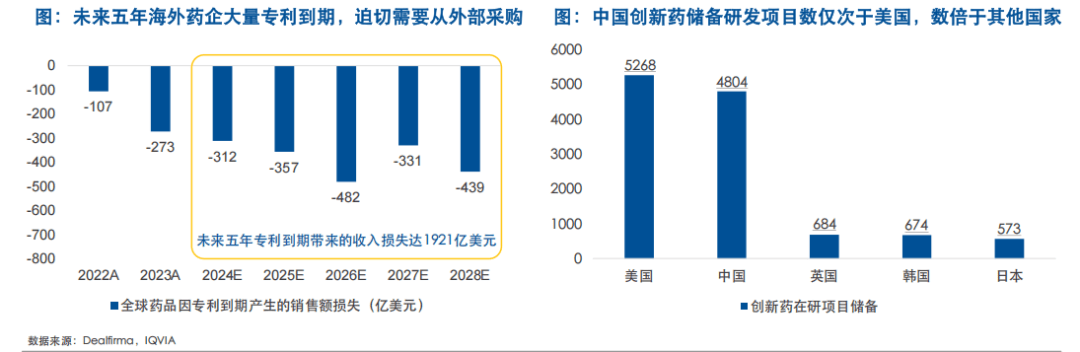
Group 1 - The core viewpoint of the article highlights the contrasting performance between the A-share market, which is experiencing a strong bull run led by the chip industry, and the relatively subdued performance of the Hong Kong stock market, raising questions about the value of holding Hong Kong stocks [1][2] - Despite the lackluster performance of the Hong Kong market, there has been a significant increase in the scale of Hong Kong ETFs, which surged from 297.4 billion yuan at the beginning of the year to 565.5 billion yuan by August 20, indicating a strong recognition of value by smart capital [1][2] - The article suggests that the current market conditions present structural opportunities in the Hong Kong stock market, particularly in sectors like innovative pharmaceuticals and non-bank financials, rather than a general overvaluation [2][4] Group 2 - The innovative pharmaceutical sector has seen substantial growth, with the Hong Kong innovative pharmaceutical ETF (513120) doubling in value this year and reaching a scale of over 20 billion yuan, indicating strong investor interest [5][14] - The logic behind the growth in innovative pharmaceuticals is driven by the impending expiration of patents for many drugs from multinational pharmaceutical companies, creating a demand for new and undervalued drug pipelines [6][11] - Southbound funds have emerged as significant buyers in the innovative pharmaceutical sector, contributing to the bullish sentiment and increasing the ETF's scale from 8 billion yuan to 20.7 billion yuan this year [12][14] Group 3 - The non-bank financial sector has also attracted attention, with the Hong Kong non-bank financial ETF (513750) rising over 50% year-to-date, supported by increased trading activity from southbound funds and retail investors [16][19] - The article outlines three main reasons for the increased attractiveness of non-bank financials: higher trading frequency from southbound funds, improved liquidity in the market, and favorable policies for insurance capital to expand equity investments [18][19] - The non-bank financial ETF has seen its scale increase to 18.7 billion yuan, reflecting strong institutional interest and a favorable market environment [19] Group 4 - The technology sector, particularly the Hang Seng Technology Index, has faced short-term challenges but is expected to recover as market concerns dissipate, with potential for upward price movement [22][23] - Investors are encouraged to consider the Hang Seng Technology ETF (513380) for exposure to this sector, which has shown resilience despite recent underperformance [23] - For those concerned about competition affecting the technology index, the Hong Kong Technology ETF (159262) offers a more focused investment option, with a scale exceeding 3.2 billion yuan [25] Group 5 - The article emphasizes the importance of selecting the right ETFs in the current bull market, highlighting various options such as the Hong Kong Dividend ETF (520900) and thematic ETFs focused on new energy vehicles and consumer sectors [28] - The diverse range of ETFs available allows investors to tailor their strategies according to their risk preferences and market outlook, with a focus on high liquidity and substantial market capitalization [28]

南向资金今日净买入51.66亿港元 快手、中芯、美团净买额居前
Xin Lang Cai Jing· 2025-08-22 10:01
Core Viewpoint - Southbound funds recorded a net purchase of HKD 51.66 billion, indicating strong investor interest in specific stocks [1] Group 1: Net Purchases - Kuaishou-W received a net purchase of HKD 11.73 billion, leading the gains among southbound funds [1] - Semiconductor Manufacturing International Corporation (SMIC) saw a net purchase of HKD 10.93 billion, reflecting positive sentiment in the semiconductor sector [1] - Meituan-W had a net purchase of HKD 10.09 billion, highlighting its attractiveness to investors [1] Group 2: Net Sales - Xpeng Motors-W experienced a net sale of HKD 13.09 billion, indicating a decline in investor confidence [1] - Xiaomi Group-W faced a net sale of HKD 9.03 billion, suggesting potential concerns regarding its market performance [1] - Hua Hong Semiconductor recorded a net sale of HKD 7.5 billion, reflecting a negative outlook from investors [1]



8月22日恒生指数收盘上涨0.93%,南向资金当日净流入51.66亿港元
Mei Ri Jing Ji Xin Wen· 2025-08-22 08:22
(记者 张喜威) 免责声明:本文内容与数据仅供参考,不构成投资建议,使用前请核实。据此操作,风险自担。 每经AI快讯:北京时间8月22日16:00,恒生指数收盘上涨234.53点,涨幅为0.93%,报收25339.14点;国 企指数收盘上涨105.16点,涨幅为1.17%,报收9079.93点;红筹指数收盘下跌14.37点,跌幅为0.33%, 报收4345.52点。南向资金当日净流入51.66亿港元。 | 指数 | 最新 | 涨跌幅 | | --- | --- | --- | | 恒生指数 | 25339.14 | 0.93% | | 国企指数 | 9079.93 | 1.17% | | 红筹指数 | 4345.52 | -0.33% | ...

截至目前,南向资金净买入额达40亿港元
Mei Ri Jing Ji Xin Wen· 2025-08-22 08:20
(文章来源:每日经济新闻) 每经AI快讯,8月22日, 截至目前,南向资金净买入额达40亿港元。 ...
港股科技ETF(513020)涨超2.0%,市场关注AI与南向资金驱动估值修复
Mei Ri Jing Ji Xin Wen· 2025-08-22 03:04
Group 1 - The core viewpoint is that during the mid-year reporting season, the performance and outlook of internet companies will rapidly reflect market expectations, with a notable shift in policies aimed at curbing excessive competition and low-price subsidies [1] - The market liquidity is abundant, with a short-selling ratio at 15.5%, indicating active long-short trading and potential for short covering in the future [1] - The Hong Kong technology sector has entered a favorable left-side layout period, with negative factors gradually being priced in and fundamental expectations likely to stabilize [1] Group 2 - The Hong Kong Technology ETF (513020) tracks the Hong Kong Stock Connect Technology Index (931573), focusing on technology-related companies listed in Hong Kong that are accessible through the Stock Connect [1] - The index comprises 30 constituent stocks, reflecting a high concentration in the industry and purity in technology, aiming to represent the overall performance of technology stocks within the Stock Connect framework [1] - Investors without stock accounts can consider the Cathay CSI Hong Kong Stock Connect Technology ETF Initiated Link C (015740) and Link A (015739) [1]
南向资金助力港股生态重塑
Sou Hu Cai Jing· 2025-08-21 23:16
Core Insights - Hong Kong Stock Exchange (HKEX) reported record high revenue and net profit for the first half of 2025, with revenue reaching HKD 14.076 billion, a year-on-year increase of 32.53% [1] - The average daily trading volume in the Hong Kong stock market surged to HKD 240.2 billion, up 118% from the previous year, driven significantly by southbound capital [1][2] - Southbound capital's average daily trading volume reached HKD 111.04 billion, a remarkable increase of 196% year-on-year, indicating its growing influence in the market [1][2] Financial Performance - Main business revenue was HKD 12.954 billion, reflecting a 33.68% year-on-year growth, with net investment income rising due to increased deposit fees and margin scale [1] - EBITDA margin improved to 79%, up 6% year-on-year, while net profit attributable to shareholders was HKD 8.519 billion, a 39.09% increase [1] - Basic earnings per share were HKD 6.74, with an interim dividend of HKD 6 per share, marking a 37.61% increase from the previous year [1] Market Dynamics - The trading volume in the derivatives market contributed HKD 17.4 billion to the daily average, while the average daily trading volume for equity securities was HKD 222.8 billion after excluding derivatives [2] - Cumulative net inflow of southbound capital exceeded HKD 4.6 trillion, enhancing its pricing power in the Hong Kong stock market [2] - Northbound capital also saw significant growth, with average daily trading volume for stocks reaching RMB 173.14 billion, a 32% increase year-on-year [2] IPO Activity - IPO financing in the Hong Kong stock market reached HKD 106.713 billion, a staggering increase of 688% year-on-year, reclaiming the top position among global exchanges [3] - The number of new stock listing applications surged to 207, more than double the 84 applications in 2024 [3] - HKEX plans to implement several reforms to enhance market competitiveness, including shortening settlement cycles and optimizing IPO pricing regulations [3] Future Outlook - The explosive growth of southbound capital signifies a restructuring of the Hong Kong stock market, positioning it as a crucial force in market dynamics [4] - If macroeconomic conditions remain stable, southbound capital is expected to further support the Hong Kong stock market [4]

【港股观潮】 南向资金助力港股生态重塑
Zheng Quan Shi Bao· 2025-08-21 18:32
Core Insights - Hong Kong Stock Exchange (HKEX) reported record high revenue and net profit for the first half of 2025, with revenue reaching HKD 14.076 billion, a year-on-year increase of 32.53% [1] - The average daily trading volume in the Hong Kong stock market surged to HKD 240.2 billion, up 118% from the previous year [1][2] - Southbound trading saw an average daily turnover of HKD 111.04 billion, a remarkable increase of 196% compared to the same period last year [1][2] Financial Performance - Main business revenue was HKD 12.954 billion, reflecting a 33.68% year-on-year growth [1] - EBITDA margin improved to 79%, up 6% year-on-year [1] - Net profit attributable to shareholders was HKD 8.519 billion, a 39.09% increase year-on-year, with basic earnings per share at HKD 6.74 [1] Market Dynamics - Southbound funds have significantly influenced the Hong Kong stock market, with cumulative net purchases exceeding HKD 4.6 trillion as of August 2025 [2] - The demand for diversified investment and the relatively low valuation of Hong Kong stocks have attracted substantial southbound capital [2] - Northbound trading also saw growth, with average daily turnover for stocks reaching RMB 173.14 billion, a 32% increase year-on-year [2] IPO Activity - IPO financing in the Hong Kong market reached HKD 106.713 billion, a staggering increase of 688% year-on-year, reclaiming the top position among global exchanges [3] - The number of new IPO applications surged to 207, more than double the 84 applications in 2024 [3] - HKEX plans to implement reforms to enhance market competitiveness, including shortening settlement cycles and optimizing IPO pricing regulations [3] Market Outlook - The explosive growth of southbound trading indicates a restructuring of the Hong Kong stock market, with southbound funds becoming a crucial force [4] - A stable macroeconomic environment could further support the Hong Kong stock market through increased southbound capital inflows [4]
今日南向资金ETF买入及卖出成交额为44.30亿港元
Zheng Quan Shi Bao Wang· 2025-08-21 14:29
(文章来源:证券时报网) 今日(8月21日)南向资金ETF买入及卖出成交额为44.30亿港元,较前一日减少163.56亿港元,占南向 资金今日成交额的3.22%。 港股通(沪)(亿港元) 17.56 港股通(深)(亿港元) 26.74 港股通合计(亿港元) 44.30 具体来看,港股通(沪)ETF买入及卖出成交额17.56亿港元,港股通(深)ETF买入及卖出成交额 26.74亿港元。(数据宝) 南向资金ETF买入及卖出成交额 注:本文系新闻报道,不构成投资建议,股市有风险,投资需谨慎。 ...
港股,接下来也会有一轮上涨!
大胡子说房· 2025-08-21 12:28
Core Viewpoint - The recent significant appreciation of the Hong Kong dollar is attributed to the Hong Kong Monetary Authority's (HKMA) intervention to reduce liquidity and curb carry trade activities, alongside increased demand from southbound capital inflows into the Hong Kong stock market [4][10][18]. Group 1: Currency Appreciation Factors - The HKMA began to withdraw Hong Kong dollars from circulation, leading to a decrease in liquidity [7][10]. - The overnight Hong Kong Interbank Offered Rate (HIBOR) surged from 0.177% to 2.787% within a week, indicating a rapid increase in interest rates [8][12]. - The total balance of Hong Kong dollars in the market dropped from 170 billion HKD to approximately 50 billion HKD, reflecting a significant contraction in liquidity [12][16]. Group 2: Carry Trade Dynamics - The HKMA's actions aimed to reduce the carry trade, where investors exchanged Hong Kong dollars for US dollars to invest in higher-yielding US assets [13][14]. - The prolonged weakness of the Hong Kong dollar had led to increased carry trade activities, which the HKMA sought to mitigate [15][16]. Group 3: Southbound Capital Inflows - There was a notable net inflow of 35.9 billion HKD from southbound capital into the Hong Kong stock market, driven by increased attractiveness and demand for IPOs [18][19]. - The combination of reduced liquidity and heightened demand for Hong Kong dollars contributed to the currency's appreciation [19]. Group 4: Market Implications - The Hong Kong stock market has been underperforming compared to the A-share market, which has seen significant gains recently [20][24]. - The potential for the Hong Kong stock market to catch up with the A-share market is contingent on external factors, particularly the Federal Reserve's interest rate decisions [28][30]. - A key turning point for the Hong Kong market could be the Federal Reserve's decision to lower interest rates, which would likely increase liquidity and attract capital back to Hong Kong [28][34][40]. Group 5: Future Outlook - The current appreciation of the Hong Kong dollar may be a strategic move in anticipation of the Federal Reserve's rate cuts, aimed at strengthening local assets and reducing outflows to US dollar-denominated investments [41][42]. - The Hong Kong stock market is viewed as having significant upside potential, especially as it has lagged behind the A-share market and many stocks remain undervalued [43][44].