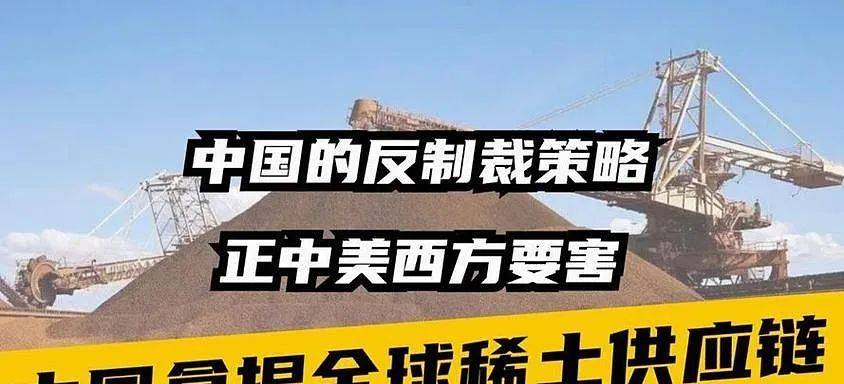
稀土出口管制

Search documents
稀土:最新政策解读及点评
2025-08-26 15:02
Summary of Rare Earth Industry Conference Call Industry Overview - The conference call focused on the rare earth industry, particularly the recent policy changes and their implications for market dynamics and company performance [1][2][5][7]. Key Points and Arguments 1. **Policy Changes**: The annual quota for rare earth mining is no longer publicly disclosed, which may increase market uncertainty and affect expectations [1][2]. 2. **Expanded Definitions**: The definitions and scope of rare earth mining and smelting have been broadened, indicating stricter controls over more types of rare earth minerals, including potential new products [1][2][6]. 3. **Production Forecast**: Baotou Steel (包钢) expects a production of 390,000 tons in 2025, a 3.4% increase year-on-year, which is significant for market quota references [4]. 4. **Market Quota Growth**: The overall market quota growth for 2025 is projected to be between 3.4% and -6.45%, providing support for the market fundamentals [4]. 5. **Cautious Attitude**: The government maintains a cautious stance on the increment of quotas, aiming to reduce market uncertainty and enhance control through measures like export restrictions [5][6]. 6. **Price Trends**: The light rare earth market has seen prices rise to 600,000 yuan, with expectations to reach 800,000 yuan, driven by strong demand in sectors like new energy vehicles and wind power [1][19]. 7. **Heavy Rare Earth Market**: The heavy rare earth market is still in a price initiation phase, with weak demand influenced by new technologies, but it retains strategic value due to scarcity and technical barriers [1][18]. 8. **Regulatory Impact**: The new management measures are expected to strengthen industry regulation, improve resource utilization efficiency, and combat illegal mining and trading [8][9]. 9. **Emerging Applications**: Future applications in humanoid robots and flying cars are anticipated to significantly impact demand for rare earth materials, particularly neodymium-iron-boron magnets [22][24]. Additional Important Insights - **Market Dynamics**: The demand for light rare earths is primarily driven by their applications in electric motors for new energy vehicles and wind power, with significant growth expected in these sectors [19][20]. - **Supply Challenges**: Heavy rare earth supply is heavily reliant on ion-type rare earth mines, predominantly located in southern China and Southeast Asia, which face stability issues [14][15]. - **Valuation of Companies**: The valuation of rare earth companies varies, with companies like Shenghe Resources and Northern Rare Earth showing different market capitalizations and production capacities, indicating a need for careful evaluation of investment opportunities [27]. This summary encapsulates the critical insights from the conference call regarding the rare earth industry, highlighting the implications of policy changes, market dynamics, and future growth areas.
3834吨稀土,被偷运到美国!为何禁令没效果?究竟谁干的?
Sou Hu Cai Jing· 2025-08-25 12:31
Core Viewpoint - The article discusses the illegal smuggling of 3,834 tons of antimony oxide to the United States, highlighting the complexities of international trade and the effectiveness of China's export controls on strategic minerals [1][3]. Group 1: Smuggling Incident - 3,834 tons of antimony oxide, not rare earth elements, were secretly transported to the U.S. from Thailand and Mexico, which were previously not major buyers of antimony [3]. - U.S. companies reported illegal smuggling activities, leading to the interception of 300 tons of disguised rare earths, valued at over $80 million, resulting in a significant stock price increase for the reporting company [3][5]. Group 2: U.S. Response and Regulations - The U.S. is accused of double standards, imposing sanctions while simultaneously engaging in smuggling activities [5]. - In response to the smuggling, China has strengthened its laws, increasing penalties for small-scale rare earth smuggling to a maximum of 10 years and severe penalties for larger cases [5][7]. Group 3: China's Export Control Measures - Since 1998, China has implemented strict export controls on rare earths, including quotas and export tax adjustments, making it difficult for other countries to bypass regulations [7]. - China holds 23% of global rare earth reserves but dominates over 90% of the market share, creating a significant competitive advantage [7].

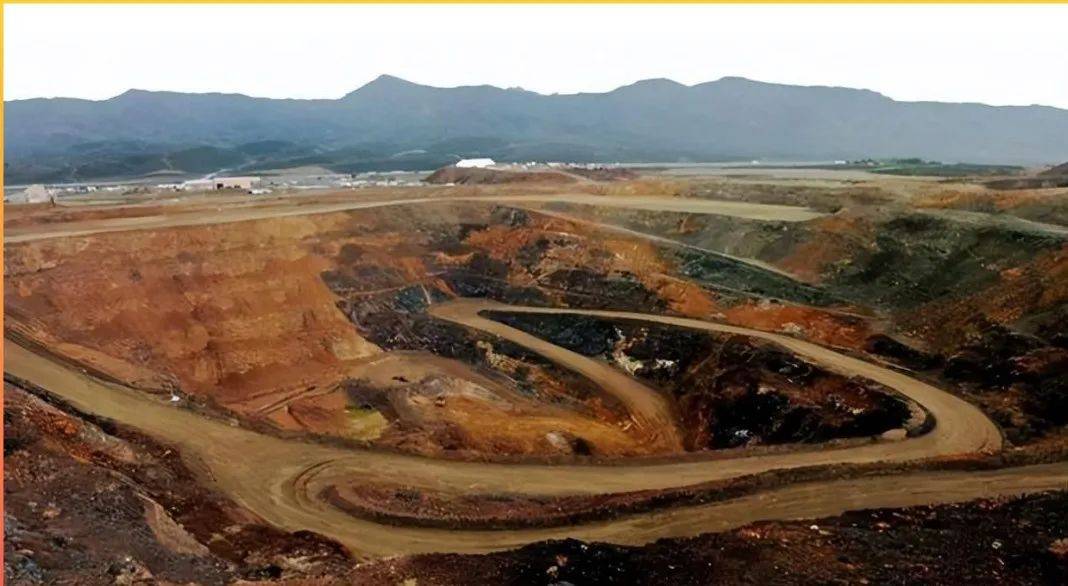
钐价飙升60倍,美国军工果真被中国稀土卡住脖子,都要快窒息了
Sou Hu Cai Jing· 2025-08-25 11:04
Group 1 - The price of samarium has surged by 60 times, significantly increasing the costs for the U.S. defense industry, with production lines for F-35 jets nearing a halt [1][3] - Samarium is a critical rare earth element used in military applications due to its high-temperature resistance and strong magnetic properties, essential for various advanced weapon systems [3][5] - The U.S. is heavily reliant on China for rare earth elements, with over 90% of global refining capacity controlled by China and a dependency rate of over 95% for U.S. defense needs [5][6] Group 2 - China has implemented export controls on samarium and other heavy rare earths, prohibiting their use in military applications, which complicates U.S. military procurement efforts [5][10] - The U.S. is actively seeking alternative suppliers and attempting to rebuild its domestic rare earth supply chain, but these efforts are seen as unrealistic given the established dominance of China's industry [6][8] - The situation highlights a strategic power shift, with China holding the upper hand in the rare earth supply chain, impacting U.S. military capabilities and deterrence strategies [10]

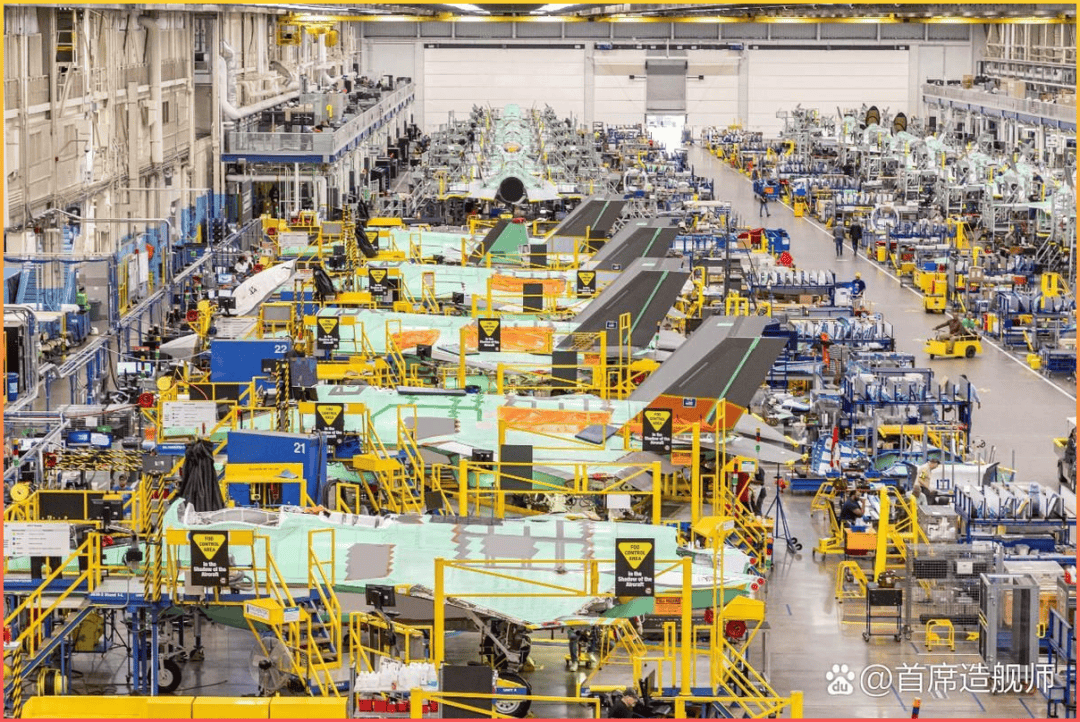
中方已解除对印度稀土出口管制?外交部回应
Xin Jing Bao· 2025-08-19 12:07
Core Viewpoint - The Chinese government has indicated a willingness to strengthen dialogue and cooperation with relevant countries and regions to maintain the stability of global supply chains, particularly in the context of rare earth exports to India [1]. Group 1 - The Chinese Foreign Ministry spokesperson, Mao Ning, addressed a question regarding reports from Indian media about the lifting of export controls on rare earths to India [1]. - Mao Ning did not confirm the accuracy of the media reports regarding the lifting of all rare earth export controls [1]. - The statement reflects China's broader commitment to engage in dialogue to ensure the stability of global production and supply chains [1].
普京和泽连斯基有可能在中国会晤吗?外交部最新回应
Hua Xia Shi Bao· 2025-08-19 09:34
Group 1: Rare Earth Exports - China has not confirmed the lifting of rare earth export restrictions to India, emphasizing the importance of dialogue and cooperation to maintain global supply chain stability [2] - The Chinese government considers rare earth materials as strategic resources with dual-use attributes, implementing export controls in line with international practices to safeguard national security [2] Group 2: International Relations - China aims to develop friendly cooperative relationships with both India and Pakistan, asserting that its relationship with Pakistan is not influenced by third parties [3] - The Chinese government maintains a consistent stance on the Korean Peninsula issue, urging all parties to recognize the root causes and work towards political solutions for peace and stability [5] Group 3: Technological Innovation - The recent World Humanoid Robot Games in Beijing highlighted China's competitiveness in artificial intelligence and robotics, showcasing innovations and fostering international dialogue in these fields [11] - China believes that open cooperation is essential for technological innovation and global progress, expressing willingness to collaborate with other countries to leverage technological advancements for global development [11]
行业对价利好频出,稀土企业有望受益
2025-08-18 01:00
Summary of Key Points from the Conference Call Industry Overview - The conference call discusses the rare earth industry, particularly focusing on the supply and demand dynamics of light and heavy rare earth elements, as well as the impact of government policies on pricing and production [1][4][5]. Core Insights and Arguments - **Production and Demand Growth**: Baotou Steel's rare earth concentrate production is expected to increase by 3.4% in 2025, which is significantly lower than the demand growth in the electric vehicle sector (40.61% year-on-year increase) and wind power (new installed capacity doubled) [1][3]. - **Price Trends**: Light rare earth prices have shown a significant upward trend since July 2025, driven by tight supply-demand fundamentals. The first batch of tungsten quotas decreased by 6.45%, indicating limited supply growth [3][7]. - **Strategic Value of Heavy Rare Earths**: Heavy rare earths are crucial for magnetic materials, with elements like samarium, dysprosium, and terbium being essential. China's export controls on these materials are expected to lead to a price increase within 3-6 months after policy implementation [4][9]. - **Emerging Demand Areas**: New demand areas for rare earths include humanoid robots (approximately 4 kg of rare earths per robot) and low-altitude economy applications, which are expected to maintain a tight supply-demand balance in the future [2][6]. Additional Important Content - **Global Supply Dynamics**: China currently holds 89% of the global rare earth smelting and separation capacity, which is projected to decrease to 64% by 2029 due to increased overseas capacity and no new domestic production [1][4][14]. - **Impact of Myanmar's Policy**: Myanmar's Kachin State announced the cessation of rare earth mining licenses, which could disrupt global supply stability, particularly affecting ion-type rare earth mines outside of China [8][13]. - **Market Sentiment**: The auction results from Northern Rare Earths showed that all bids were successfully completed, reflecting positive market sentiment [7]. - **Investment Recommendations**: Investors are advised to monitor developments in the electric vehicle and wind power sectors, as these areas are expected to drive demand for rare earths. Companies like Guangsheng Nonferrous and China Northern Rare Earth are highlighted as potential beneficiaries of the current market conditions [5][18]. Conclusion - The rare earth industry is poised for significant changes driven by supply constraints, strategic government policies, and emerging technological demands. Investors should remain vigilant regarding market dynamics and policy impacts to identify potential opportunities and risks.
求锤得锤!中国稀土“新规矩”一出,欧美彻底慌了:不给就真断供啊?
Sou Hu Cai Jing· 2025-08-17 17:27
Group 1 - China has implemented new regulations on rare earth exports, causing significant concern in Europe and the United States [1][8] - Rare earth elements are crucial for various high-tech applications, including smartphones, electric vehicles, and advanced weaponry, with over 70% of global supply controlled by China [3][8] - The new regulations include export controls on gallium and germanium, which are vital for the semiconductor industry, leading to a dramatic increase in prices for these materials in less than a month [8][10] Group 2 - Historically, China sold rare earths at low prices to Western countries, which then produced high-end products and restricted technology transfers to China [5][6] - The shift in power dynamics has led major companies like Apple, Tesla, and Intel to seek cooperation with China, acknowledging its dominance in the rare earth sector [10][12] - The situation illustrates the importance of self-reliance and the changing landscape of global trade relationships, particularly in high-tech industries [12]
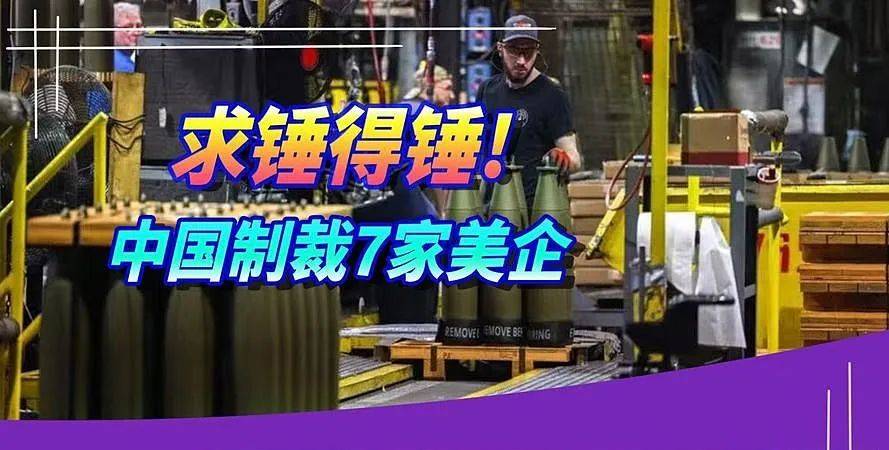
美国绕道两国,4000吨稀土“失踪”案背后的真相?
Sou Hu Cai Jing· 2025-08-16 05:39
Core Insights - The recent actions by the U.S. regarding rare earth resource acquisition have garnered significant attention, especially following China's export restrictions targeting the U.S. [1] - The U.S. managed to secretly export up to 4,000 tons of rare earths from China, which is 35 times the total amount imported by the U.S. in the past three years [1] - There are allegations of internal collusion, with two unidentified individuals facilitating this large-scale transfer [3] - In response to the resource loss, China has vowed to implement strict measures to investigate and punish those responsible while enhancing export regulations [3] Group 1 - Since China's export controls on rare earths, the U.S. has sought alternative solutions to meet its demand, turning to third-party countries like Thailand and Mexico for cooperation [5] - The import volumes from Thailand and Mexico have surged, raising suspicions as these countries were not previously significant players in rare earth imports [5][8] - A metal chemical company in Guangxi is implicated in smuggling activities, with its Thai subsidiary reportedly using covert methods to ship rare earth products to the U.S. [7] Group 2 - Up to 17 Chinese companies are suspected of assisting in smuggling activities, undermining China's export control policies and disrupting fair competition in the international rare earth market [7] - The processing capabilities for rare earths in Thailand and Mexico are limited, making their increased exports to the U.S. particularly questionable [8] - China has introduced a tracking system for rare earth exports and is conducting thorough investigations into the import activities of Thailand and Mexico to prevent similar incidents in the future [10]
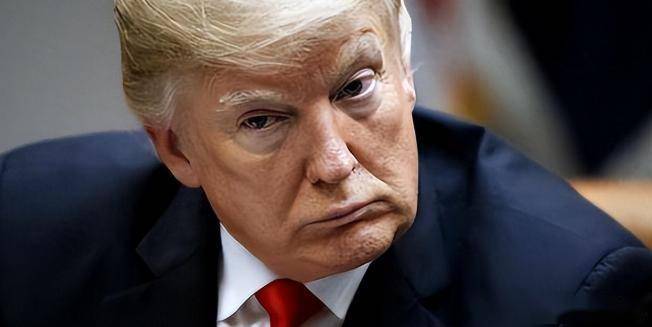
“中方正严管稀土囤积,外企开始将生产线转移至中国”
Guan Cha Zhe Wang· 2025-08-15 12:07
Core Viewpoint - China is implementing stricter controls on rare earth exports, emphasizing its dominant position in the supply chain while addressing concerns from Western countries about potential threats to defense industries [1][6]. Group 1: Export Control Measures - China is tightening regulations on foreign companies hoarding rare earths, warning that large-scale stockpiling could lead to supply issues [1]. - A new export licensing system for critical minerals and rare earth magnets is being established, with a focus on expediting approvals for compliant applications [3]. - The approval process for export applications is thorough, with significant scrutiny on large orders to prevent potential hoarding [1][5]. Group 2: Impact on Western Companies - Many Western companies are relocating production lines to China to circumvent export restrictions, as seen with Regal Rexnord, which is assembling rare earth magnets in China to ease export difficulties [5]. - In June, China's exports of rare earth magnets to the U.S. surged to 352.8 tons, a 660% increase from May, indicating a recovery in supply following trade negotiations [5]. - Overall, China's rare earth magnet exports in June reached 3,188 tons, a 157.5% increase from May, although still down 38.1% compared to the same period in 2024 [5]. Group 3: China's Position and Intentions - China asserts that its export controls are in line with international practices and aim to maintain national security while facilitating compliant trade [6]. - The Chinese government emphasizes that the goal is to regulate rather than prohibit exports, promoting sustainable and peaceful trade practices [6].
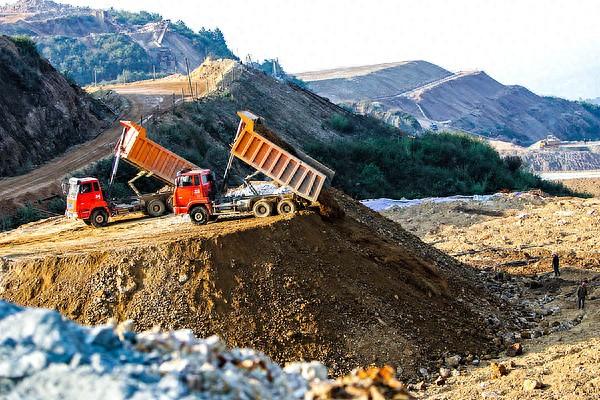
中国用稀土深度扼杀,美国国防巨头沉默不语,但痛苦才刚刚开始
Sou Hu Cai Jing· 2025-08-13 15:10
Group 1 - China's recent escalation of rare earth export controls has caused significant concern in the United States, highlighting a shift in power dynamics [1] - China holds approximately 85% of the world's rare earth resources, making it crucial for high-tech industries globally, including smartphones, computers, and military equipment like the F-35 fighter jet [3] - Historically, China sold rare earths at extremely low prices, lacking pricing power and technology, while the U.S. profited from high-end products made from these resources [5] Group 2 - The U.S. has relied heavily on Chinese rare earth imports, with 78% of its total demand met by China last year, despite public claims of wanting to reduce dependency [11] - A U.S. Department of Defense report indicated that if China were to completely cut off rare earth supplies, U.S. weapon production would halt within six months, underscoring the critical nature of these materials for the military [11] - China is not only controlling raw material supply but is also advancing in downstream industries such as electric vehicles and wind power, which are key applications for rare earths [12] Group 3 - The U.S. attempts to find alternative rare earth sources in countries like Australia and Canada face challenges due to a lack of processing technology, which could take 10 to 15 years to develop [13] - China's actions are framed as legitimate business practices rather than retaliation, emphasizing a shift in the balance of power and the need for new rules in the industry [13] - The narrative suggests that any attempts to undermine China's position will ultimately backfire, as the U.S. faces increasing challenges in its military and high-tech sectors [13]