
金融强国建设

Search documents
管涛:低利率时代更加呼唤资本市场高质量发展
Di Yi Cai Jing· 2025-10-01 02:38
Group 1: Monetary Policy and Economic Transformation - Current monetary policy in China is supportive with major interest rates at historical lows, expected to persist for some time [1] - Monetary tightening can curb inflation, but monetary easing is less effective in addressing price stagnation, which often requires structural policies [2] - The imbalance in China's financing structure, characterized by high debt and low equity, necessitates an increase in direct financing, particularly equity financing [2][3] Group 2: Capital Market Development - The capital market plays a crucial role in promoting a virtuous cycle among industry, technology, and capital, essential for both emerging and traditional industries [3] - Recent policies, such as the "New National Nine Articles" and the "1+N" policy framework, aim to enhance the quality of listed companies and encourage long-term investments [4] - The low proportion of stocks in household wealth limits the wealth effect from monetary easing, highlighting the need for a more balanced financial market structure [5] Group 3: Financial System Resilience - The current issues of "reluctance to lend" from enterprises and "caution in lending" from banks are not unique to China and require a diversified financing structure [6] - Developing direct financing options, including stocks and bonds, is essential for enhancing the resilience of the financial system and improving monetary policy transmission [6] Group 4: Financial Power and Internationalization - The construction of a financial powerhouse is crucial for economic strength, with a strong currency being a key element [6] - The internationalization of the Renminbi is a significant goal, requiring high-level financial openness and capital market reforms [7] - Institutional openness should align domestic regulations with international standards to better support cross-border investments [7]
坚持党中央对金融工作的集中统一领导 走好中国特色金融发展之路
Jin Rong Shi Bao· 2025-09-29 02:13
Core Viewpoint - The article emphasizes the importance of the centralized and unified leadership of the Communist Party of China (CPC) in guiding the development of the financial sector, which is seen as essential for achieving high-quality economic growth and modern governance [1]. Group 1: Party Leadership in Financial Work - The CPC's leadership in financial work is rooted in a people-centered value orientation, ensuring that financial development serves the real economy and benefits all citizens [2]. - The CPC has elevated inclusive finance to a national strategy, resulting in a significant increase in loans to small and micro enterprises, with a balance exceeding 33 trillion yuan by the end of 2024 [2]. - The CPC's commitment to safeguarding the financial interests of the public is evident in its proactive measures to prevent and mitigate financial risks, including the complete elimination of over 5,000 P2P lending institutions [3]. Group 2: Financial Development Achievements - Under the CPC's leadership, China's financial sector has achieved rapid growth, with total banking assets reaching 444.6 trillion yuan by the end of 2024, maintaining the world's largest banking market [8]. - The emphasis on serving the real economy has led to a high mobile payment penetration rate of 86%, and significant achievements in green finance, with green loan balances reaching 36.6 trillion yuan [9]. - China's digital finance sector has become a global leader, with the digital yuan pilot program achieving a transaction volume of 10.8 trillion yuan by April 2025 [10]. Group 3: Governance and Risk Management - The establishment of the Central Financial Commission represents a significant institutional reform aimed at enhancing the CPC's centralized leadership in financial governance [17]. - A comprehensive financial risk prevention system has been developed, focusing on proactive measures and a three-tier defense strategy to address financial risks [13]. - The CPC has implemented a market-oriented and legal approach to resolve financial institution risks, exemplified by the successful restructuring of high-risk banks without triggering systemic crises [14]. Group 4: Building a Financial Power - The construction of a financial power is deemed essential for the great rejuvenation of the Chinese nation, with the CPC's leadership being the fundamental guarantee for achieving this goal [15]. - The CPC's leadership is crucial in maintaining currency sovereignty and stability, enhancing the capabilities of central banks, and fostering strong financial institutions [16]. - The CPC's strategic insights and long-term planning ensure the continuity and stability of financial policies, contrasting with the often volatile approaches seen in Western countries [12].
签约投资金额超450亿元项目!2025 青岛创投风投大会举办
Qi Lu Wan Bao Wang· 2025-09-28 06:47
Group 1 - The 2025 Qingdao Venture Capital Conference successfully upgraded from a "Venture Capital Summit" to a "Financial Industry Summit," gathering over a hundred executives and experts to discuss global venture capital market trends [1] - The conference resulted in significant outcomes, including over 45 billion yuan in investment agreements and the successful launch of insurance fund pilot projects, marking Qingdao as the fifth city in China to establish such funds [1] - The conference highlighted two core achievements: the signing of strategic cooperation agreements with four major financial institutions and the establishment of a private securities investment fund with a total scale of 20 billion yuan [1] Group 2 - The conference officially launched the "Action Plan for Promoting High-Quality Development through Fund Leadership (2025-2027)," aiming to create a fund matrix of no less than 300 billion yuan by integrating government-guided funds [2] - The plan sets a phased goal of attracting a total of 15 billion yuan in long-term and patient capital over three years, with the government-guided fund's investment scale reaching 150 billion yuan by 2027 [2] Group 3 - The conference released the "2025 China Venture Capital and Private Equity Industry White Paper," which forecasts that global venture capital investment will approach 440 billion dollars by 2025, with generative artificial intelligence being the most attractive investment area [3] - Key investment sectors identified include intelligent and high-end manufacturing, artificial intelligence and big data, and biotechnology, with the future development of China's venture capital industry focusing on verticalization, international restructuring, and ecosystem building [3] Group 4 - Industry leaders provided insights on financial development, discussing topics such as venture capital direction, the construction of a financial powerhouse, and the high-quality development of equity investment funds [4] - Suggestions for advancing financial modernization included promoting market-oriented financial and technological innovation, deepening financial institution reforms, expanding openness, and ensuring a balance between innovation and safety [4] Group 5 - The conference featured a compact layout with one main forum and five parallel forums, covering industry hotspots and providing a platform for efficient communication and cooperation [5] - Ten quality projects were showcased for roadshows, offering technology innovation companies direct opportunities to engage with investment institutions [5] Group 6 - The conference served as a significant platform for Qingdao to showcase its financial strength and connect global resources, with the launch of the 300 billion yuan fund matrix and the signing of 20 key cooperation projects expected to optimize the venture capital ecosystem [6] - The developments are anticipated to attract more long-term capital and quality projects, injecting strong financial momentum into economic restructuring and high-quality industrial development [6]
签约投资金额超450亿元项目!2025•青岛创投风投大会举办
Sou Hu Cai Jing· 2025-09-27 09:55
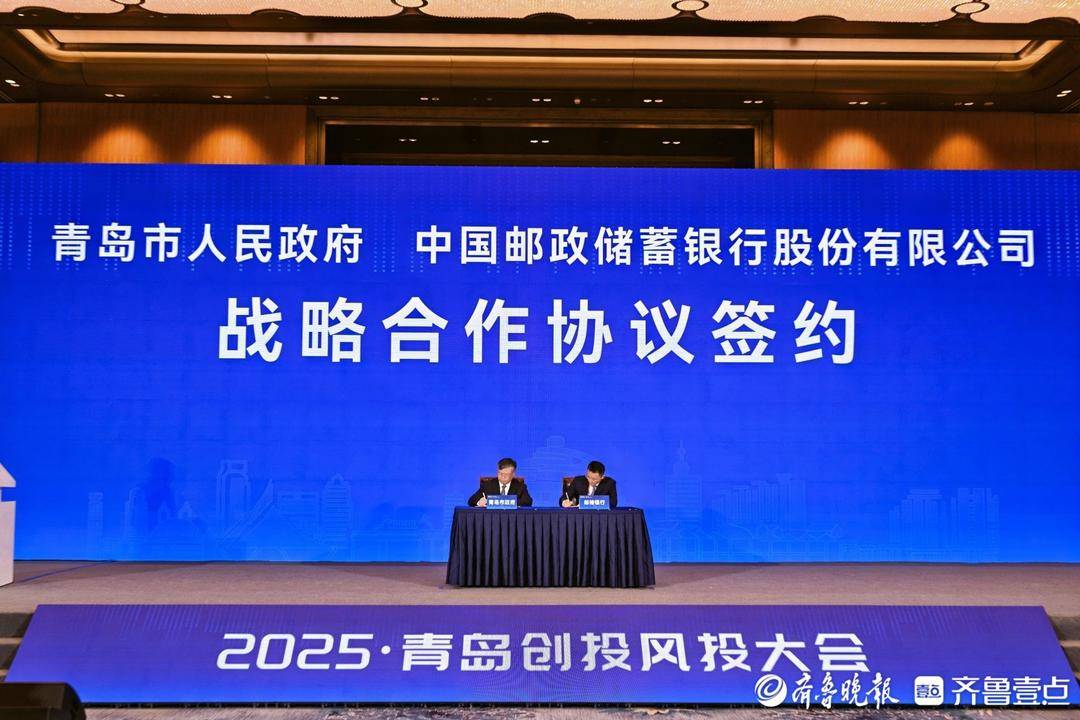
Core Insights - The 2025 Qingdao Venture Capital and Private Equity Conference successfully transitioned from a "venture capital event" to a "financial industry event," attracting over a hundred executives and experts to discuss global venture capital market trends [1][3] - The conference resulted in significant outcomes, including project investments exceeding 45 billion yuan and the successful launch of insurance capital pilot projects [3][6] Investment Highlights - The conference saw the signing of strategic cooperation agreements with four major financial institutions, including China Postal Savings Bank, which will provide 500 billion yuan in intended financing support to Qingdao [3] - The establishment of a private equity securities investment fund with a total scale of 20 billion yuan marks Qingdao as the fifth city in China to have such a fund, enhancing the local financial landscape [3][6] Fund Development Strategy - The "Action Plan for Promoting High-Quality Development through Fund Leadership (2025-2027)" was officially released, aiming to create a fund matrix of no less than 300 billion yuan by integrating government-guided funds [5] - The plan sets a target to attract a total of 15 billion yuan in long-term and patient capital over three years, with the government-guided fund investment scale reaching 150 billion yuan by 2027 [5] Industry Trends - The "2025 China Venture Capital and Private Equity Industry White Paper" was published, forecasting global venture capital investment to approach 440 billion USD by 2025, with generative artificial intelligence identified as a key investment area [6] - The white paper highlights three main development trends for China's venture capital industry: deep verticalization, international restructuring, and ecosystem development [6] Expert Discussions - The conference featured discussions from industry leaders on topics such as venture capital direction, financial modernization, and the integration of finance and technology [7] - Recommendations for advancing financial modernization included encouraging market-driven financial and technological collaboration, deepening institutional reforms, and enhancing international competitiveness [7] Event Structure and Impact - The conference was structured with one main forum and five parallel forums, covering key industry topics and providing a platform for project roadshows [8] - The event not only showcased Qingdao's financial strength but also aimed to attract long-term capital and quality projects, contributing to economic restructuring and high-quality industrial development [8]

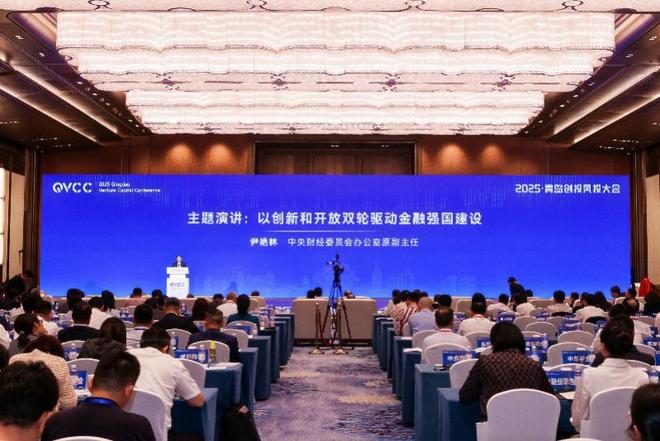
尹艳林:金融要实现创新,唯有改革
Jing Ji Guan Cha Bao· 2025-09-26 13:42
Core Insights - The integration of technology and finance is an irreversible trend, with new technologies like AI, big data, and blockchain reshaping the financial industry and creating new business models [1][2] Group 1: Technology Integration - The new technological revolution characterized by intelligence, greenness, and digitization is significantly impacting the global economy and pushing the financial industry into a new era [1] - AI is accelerating its integration into financial processes, enhancing areas such as investment research, risk control, compliance checks, and customer service [1] - The penetration rate of smart investment advisory services has exceeded 60%, with the global managed scale expected to reach $1.8 trillion by 2024 [1] Group 2: Recommendations for Financial Modernization - Encouraging innovation is essential, with a focus on market-oriented and legal frameworks to promote financial innovation and collaboration between financial institutions and technology companies [2] - Reform is necessary to enhance the capabilities of financial institutions, particularly state-owned banks, and to shift regulatory approaches towards business logic rather than institutional types [3] - Expanding openness in the financial sector can improve resource allocation efficiency and enhance international competitiveness [3] Group 3: Financial Ecosystem Integration - The financial sector must maintain its focus on serving the real economy while promoting cross-sector integration among various financial services and industries [4] - Strengthening the integration of finance with technology, e-commerce, and logistics can create more comprehensive financial service scenarios [4] Group 4: Risk Management - Risk prevention remains a core theme in financial work, with a focus on data security and privacy protection as new business models emerge [4] - Establishing a regulatory framework that adapts to new business models and enhances regulatory capabilities is crucial for balancing innovation and risk prevention [4]
尹艳林:鼓励金融机构和科技公司协同合作创新
Zheng Quan Shi Bao Wang· 2025-09-26 08:07
Core Viewpoint - The integration of finance and technology is an irreversible trend, and building a financial powerhouse requires leading and adapting to new financial business models and trends [1] Group 1: Financial Modernization - The new round of technological revolution is reconstructing the financial industry, with AI, big data, and blockchain being widely applied [1] - The trends of intelligence, greenness, digitization, and internationalization are the era's currents in financial modernization [1] - China has become an important force in promoting global financial reform [1] Group 2: Encouraging Innovation - Continuous increase in R&D investment and the promotion of financial product and service innovation are essential [2] - Both financial institutions and technology companies should be encouraged to innovate and collaborate [2] - Reform is necessary for innovation, including reforms in financial institutions and regulatory bodies [2] Group 3: Regulatory Reforms - Regulatory bodies should shift from institution-type regulation to business logic-based regulation, ensuring similar activities face the same regulatory standards [2] - Expanding openness is crucial for promoting reform and innovation, enhancing international competitiveness [2] Group 4: Risk Management - Risk prevention and control should remain a constant theme in financial work, with a focus on data security and privacy protection [3] - Financial institutions must comply with relevant policies and regulations to strengthen data security oversight [3] - A regulatory system that adapts to new business models should be established, enhancing regulatory technology and capabilities [3]
尹艳林:移动支付平台用户数超10亿,17省试点数字人民币
Nan Fang Du Shi Bao· 2025-09-26 07:17
Core Insights - The conference theme emphasizes the dual drive of innovation and openness in building a strong financial nation, highlighting the importance of adapting to technological advancements in finance [3] Group 1: Financial Technology and Digital Transformation - Financial institutions in China are accelerating their digital transformation, with a goal to achieve over 85% digitalization rate by 2027 [3] - China's digital finance landscape is expanding, covering various services such as payment, credit, investment, insurance, and credit reporting, with a leading position in global mobile payments [3] - The number of mobile payment platform users in China exceeds 1 billion, making it the largest market globally, and 88% of individuals are expected to use mobile banking by 2024 [3] Group 2: Internationalization and Cross-Border Finance - Significant progress has been made in the internationalization of the Chinese financial system, with record high offshore RMB bond issuance and breakthroughs in cross-border financial services [4] - The establishment of the digital RMB international operation center is expected to increase the proportion of RMB in cross-border payments [4] Group 3: Openness and Regulatory Framework - The importance of openness in promoting reform and innovation is emphasized, with a focus on enhancing the efficiency of financial resource allocation and international competitiveness [4] - The need to align with international high-standard trade agreements in the financial sector is highlighted, aiming to simplify restrictive measures and improve cross-border investment and financing [4] - The potential for offshore RMB stablecoin trials in Hong Kong is discussed, with a call for regulatory measures to keep pace with these developments [4]

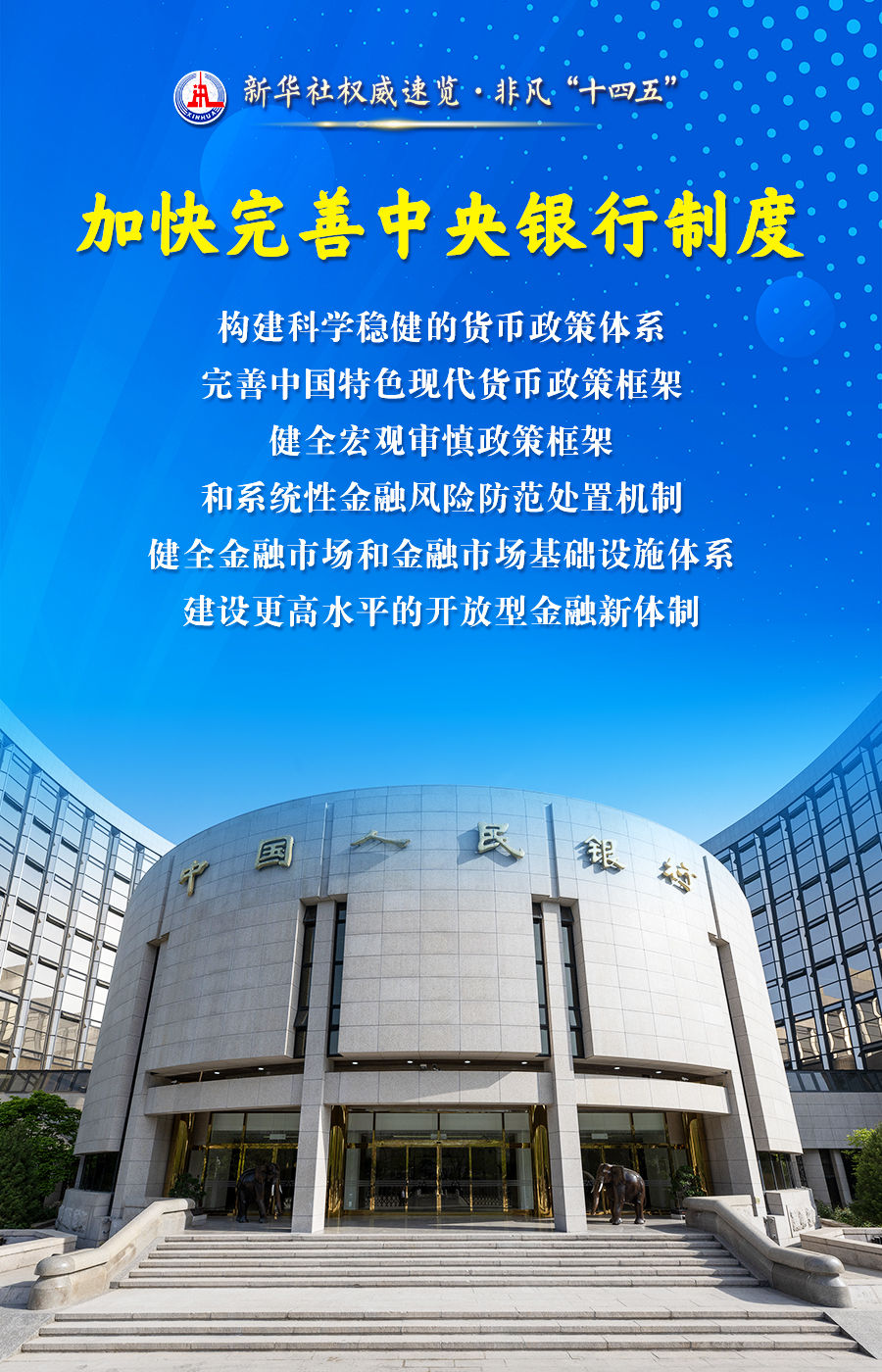
非凡“十四五” |建设金融强国,他们这样干!
Xin Hua She· 2025-09-23 08:55
Group 1 - The core viewpoint of the news highlights the achievements in China's financial sector during the "14th Five-Year Plan" period, emphasizing deepened financial reforms and the construction of a financial powerhouse [1] - Financial risk prevention and resolution have made significant progress, with tailored reform plans for key regions and the establishment of provincial-level legal entities for rural credit cooperatives [3] - Financial support for the real economy has been strengthened, with a notable decrease in financing platform numbers by over 60% and a reduction in financial debt scale by over 5% compared to the beginning of 2023 [6] Group 2 - The capital market has maintained a market-oriented, legal, and international approach, with long-term funds holding A-shares reaching approximately 21.4 trillion yuan, a 32% increase from the end of the "13th Five-Year Plan" [9] - The foreign exchange market has shown stable operation, with cross-border receipts and payments projected to reach 14 trillion USD in 2024, a 64% increase from 2020 [11] - The financial regulatory system has been solidified, with 171 regulations issued over five years and enhanced supervision of 41 key institutions [21] Group 3 - Financial support for major projects during the "14th Five-Year Plan" has been substantial, with infrastructure loan balances reaching 54.5 trillion yuan, a 62% increase from the "13th Five-Year Plan" [15] - The number of foreign institutions participating in the interbank foreign exchange market has increased, with 703 banks and 115 non-bank institutions involved, including 296 foreign institutions [11] - The total amount of small loans issued to poverty alleviation populations has reached nearly 400 billion yuan [16]
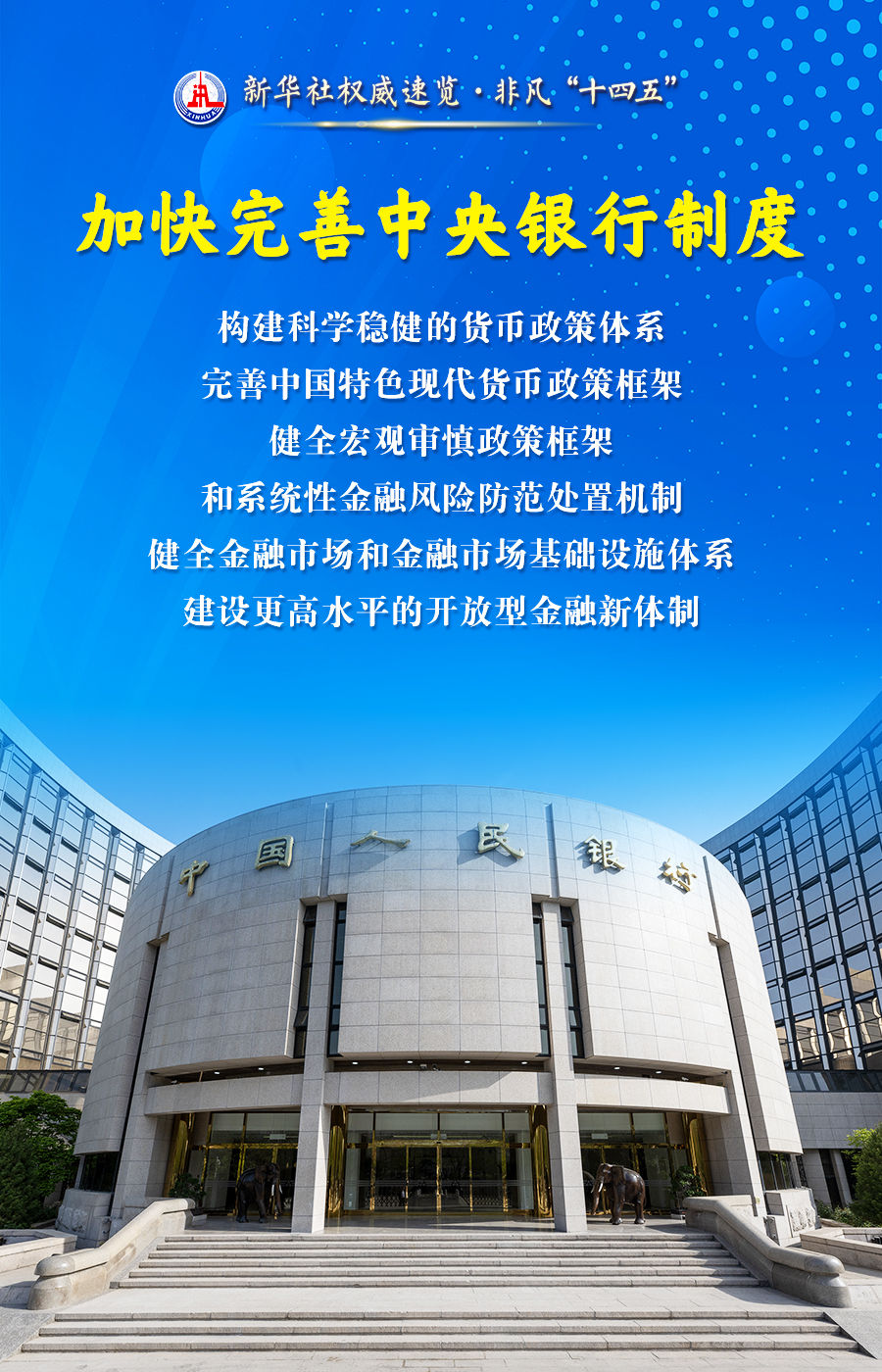
权威速览·非凡“十四五” |建设金融强国,他们这样干!
Xin Hua She· 2025-09-23 07:55
Group 1 - The core viewpoint of the articles highlights the achievements and ongoing reforms in China's financial sector during the "14th Five-Year Plan" period, emphasizing the deepening of financial system reforms and the construction of a financial powerhouse [1][3][6] - Financial support for the real economy has been strengthened, with over 1.6 trillion yuan allocated to key projects such as affordable housing [3][15] - The number of financing platforms has decreased by over 60% compared to the beginning of 2023, and financial debt has declined by over 5% [6] Group 2 - The capital market has maintained a market-oriented, legal, and international approach, with long-term funds holding approximately 21.4 trillion yuan in A-shares, a 32% increase from the end of the "13th Five-Year Plan" [9] - By the end of August, 207 companies have been smoothly delisted during the "14th Five-Year Plan" period, and 13 foreign-controlled securities and fund institutions have been approved to operate in China [9] - The foreign investment in A-shares reached a market value of 3.4 trillion yuan, with 269 companies listed overseas [9] Group 3 - The foreign exchange market has shown stable operations, with cross-border receipts and payments expected to reach 14 trillion USD in 2024, a 64% increase from 2020 [11] - The trading volume is projected to be 41 trillion USD in 2024, a 37% increase from 2020 [11] - The proportion of the renminbi in cross-border trade has risen from 16% to nearly 30% [11] Group 4 - The bond default rate in the exchange market remains low at around 1%, and the rectification of private equity funds is progressing steadily [13] - A comprehensive prevention and punishment system has been established to combat fraudulent activities in the financial sector [13] - The financial regulatory framework has been strengthened, with 171 regulations issued over the past five years [21] Group 5 - Financial support for infrastructure loans has reached 54.5 trillion yuan, a 62% increase compared to the "13th Five-Year Plan" [15] - Loans to high-tech enterprises have reached nearly 19 trillion yuan, with an annual growth rate exceeding 20% [15] - Small loans for poverty alleviation have amounted to nearly 400 billion yuan [16]
五年砺剑 筑金融强国根基
Jin Rong Shi Bao· 2025-09-23 02:08
Core Viewpoint - The financial sector in China has made significant achievements during the "14th Five-Year Plan" period, contributing to the country's modernization and economic development through robust reforms and enhanced service capabilities [1][2][4]. Group 1: Financial Sector Achievements - As of June 2023, China's banking sector total assets reached nearly 470 trillion yuan, ranking first globally; the stock and bond markets are the second largest in the world; and foreign exchange reserves have maintained the top position for 20 consecutive years [1]. - The balance of green credit has reached 42.39 trillion yuan, supporting the construction of a beautiful China, while the digital payment penetration rate stands at 86%, showcasing the accessibility of financial services [1]. - Over the five years, the banking and insurance sectors have provided an additional 170 trillion yuan in funding to the real economy, highlighting the crucial role of financing channels [2]. Group 2: Reform and Market Activation - The financial reforms during the "14th Five-Year Plan" have deepened and materialized, with a series of transformative reforms enhancing governance efficiency and market vitality [2]. - The modern monetary policy framework has begun to take shape, significantly improving policy implementation and transmission effectiveness, thereby supporting the main economic and social development goals [2]. Group 3: Risk Management and Safety - Risk prevention measures have been effectively implemented, leading to a significant reduction in high-risk financial assets and the orderly restructuring of small and medium-sized financial institutions [3]. - The overall risk in key areas such as real estate and local government debt remains controllable, with the resilience of the financial system continuously strengthening [3]. Group 4: Global Competitiveness and Openness - The financial services sector has seen a deepening of institutional openness, with mechanisms like the Shanghai-Hong Kong Stock Connect being optimized, and foreign holdings of domestic stocks and bonds exceeding 10 trillion yuan [3]. - The international status of the renminbi is steadily rising, with China becoming one of the top three currencies in global trade financing and payment, reinforcing its role in the international monetary system [3].