健康中国建设

Search documents
全链条支持创新药发展主题会举办
Zhong Guo Jing Ji Wang· 2025-11-10 14:27
近日,在第八届中国国际进口博览会期间,由健康和人口发展战略研究院指导,中国人口与发展研究中 心、国家卫生健康委卫生发展研究中心、上海市卫生健康委主办的"全面推进健康中国建设:全链条支 持创新药发展"主题会举办。 健康和人口发展战略研究院学术委员会主席王培安表示,本次会议将进博会与健康中国建设相结合,为 全链条支持创新药发展提供沟通交流的机会。他提出四点建议:一是以开放促创新,共享中国超大规模 市场机遇,让全球创新药械通过进博会"快车道"惠及中国患者;二是以合作强链条,落实《支持创新药 高质量发展的若干措施》等政策,打造稳定透明的创新环境;三是以共赢拓未来,加强国际合作,推动 中国创新药"走出去",共筑人类卫生健康共同体;四是以人民为中心,聚焦重大疾病和罕见病等领域研 发,提升基层医疗服务与药品可及性,让优质医疗资源更好惠及人民群众。 会上,与会专家就创新药发展相关议题进行了主旨演讲和圆桌对话。(经济日报记者吴佳佳) 国家卫生健康委财务司副司长、一级巡视员赵树理表示,国家卫生健康委高度重视生物医药产业的创新 与发展,坚持把创新药物研发摆在国家战略层面统筹规划,会同科技部、国家发展改革委、财政部、国 家医保局等部 ...
为推进中国式现代化协力奋斗——全国政协常委聚焦推动“十五五”时期经济社会高质量发展协商议政
Xin Hua She· 2025-11-01 09:37
Group 1: Economic Development - The core task is to focus on high-quality development and comprehensively promote Chinese-style modernization [1] - Emphasis on implementing proactive macro policies to boost effective demand from the source [1] - Strengthening the domestic market as a strategic support for modernization [1] Group 2: Education Reform - The importance of foundational education reform to enhance national quality is highlighted [2] - A recommendation for a "dual-track" education system that integrates general and vocational education [2] - The need for cultural innovation and reform in the cultural industry to drive development [2] Group 3: Health and Well-being - The proposal to establish a health-first development system and integrate health into all policies [2] - Focus on promoting the coordinated development of medical services, insurance, and pharmaceuticals [2] Group 4: Environmental Protection - Commitment to ecological priority and green development, enhancing public satisfaction with the environment [3] - The need for a modernized approach to achieve harmony between humans and nature [3] Group 5: Food Security - Emphasis on strengthening food security amidst growing demand and resource constraints [3] - Recommendations for improving agricultural resource management and enhancing soil quality [3]
让人民生活更加幸福美好——党的二十届四中全会精神在山东广大党员干部群众中引发热烈反响
Da Zhong Ri Bao· 2025-10-30 01:06
Group 1: Economic and Social Development - The core objective of the "14th Five-Year Plan" is to meet the growing needs of the people for a better life, emphasizing the importance of improving and safeguarding livelihoods [1] - Shandong province has seen urban employment exceed 1.2 million for nine consecutive years, highlighting its commitment to stabilizing employment for key groups [1] - The provincial government aims to enhance the employment service system and implement policies to support job creation and stability [1] Group 2: Healthcare and Social Security - Shandong is improving its healthcare system, with a stable insurance coverage rate of 95% among the resident population [2] - The province is focusing on enhancing elderly care services, with 216 facilities and 2,863 beds established in the Yanzhou area [2] - The healthcare infrastructure is being expanded, with a target of 7.55 hospital beds and 4.2 practicing physicians per 1,000 people [2] Group 3: Cultural and Community Engagement - The "One Yuan Theater" initiative in Heze has successfully provided affordable cultural performances, reaching over 200,000 attendees in six years [3] - The initiative aligns with the goal of promoting equal access to basic public services and enhancing community cultural engagement [3] - The province is committed to fostering cultural innovation and enriching the spiritual lives of its citizens through various cultural programs [4]
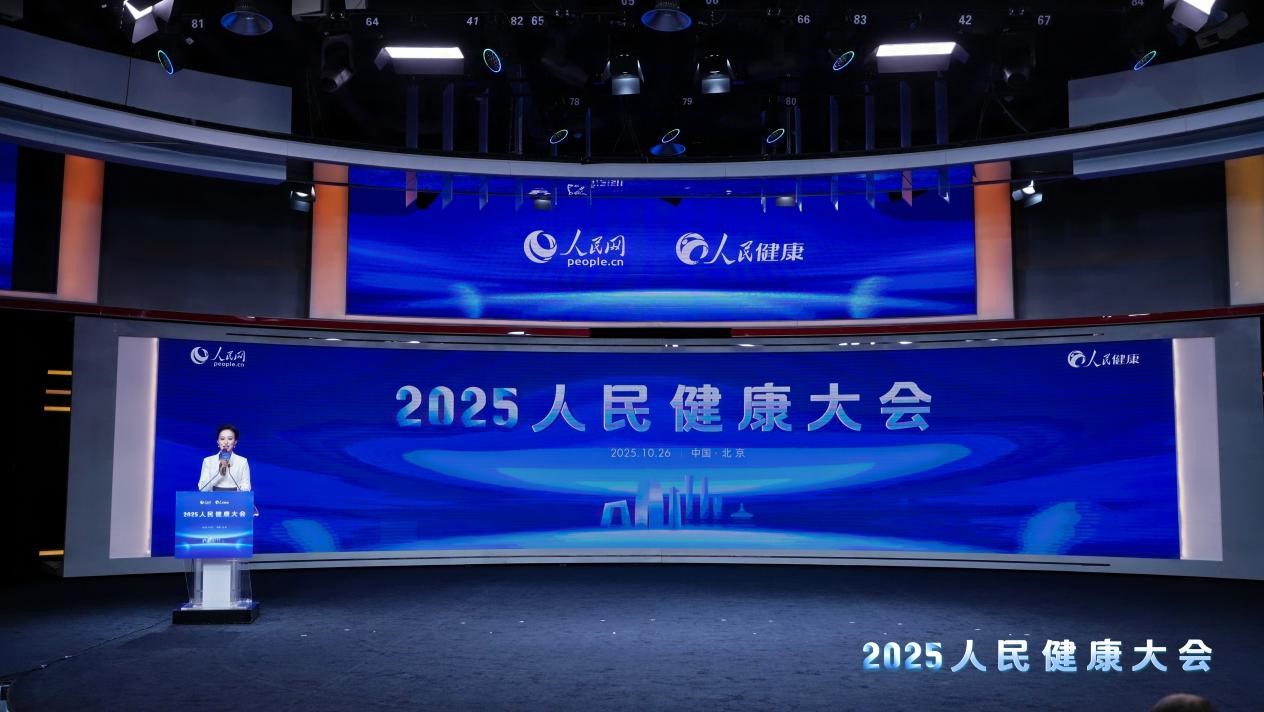
助推健康中国建设 2025人民健康大会在京举办
Ren Min Wang· 2025-10-29 03:00
Core Insights - The 2025 People's Health Conference was held in Beijing on October 26, focusing on innovative experiences and achievements since the implementation of the Healthy China initiative [1][10] - Key discussions included AI empowerment in health management, the development of aging services, and the need for age-friendly renovations [1][4] Group 1: Health Management and Innovation - The "2025 Healthy China Innovation Practice Case Library" was launched to document innovative practices across various regions and sectors [1][10] - The conference emphasized the importance of integrating health into policy frameworks and maintaining a focus on preventive health measures [7] Group 2: Aging Population and Home Care - Addressing population aging is a pressing social issue, with 99% of elderly individuals preferring home care, yet facing challenges due to unsuitable living environments [5] - The Beijing Development and Reform Commission is promoting age-friendly home renovations to enhance the quality of life for the elderly [5][6] - The Chinese Aging Industry Association is working on standards for home renovations and expanding the elderly care industry, which is seen as a new growth area for the economy [6] Group 3: Community Engagement and Sports - The National Sports Administration is increasing investment in public fitness services to meet the diverse needs of the population and improve overall quality of life [4] - There is a call for societal support for community sports to promote health and well-being among the population [4] Group 4: Health Management for the Elderly - Recommendations for improving elderly health management include non-pharmaceutical approaches such as health risk screening and lifestyle management [8] - The focus is on enhancing home safety and comfort for elderly individuals through targeted renovations [8]

第十一批国采公布中选结果;复星医药前三季度净利同比增长26%
2 1 Shi Ji Jing Ji Bao Dao· 2025-10-29 00:08
Policy Developments - The "14th Five-Year Plan" emphasizes accelerating the construction of a Healthy China, implementing a health-first development strategy, and enhancing public health capabilities [2] - The plan aims to improve the healthcare system, promote the integration of traditional Chinese and Western medicine, and support the development of innovative drugs and medical devices [2] Drug and Device Approvals - Shanghai Pharmaceuticals' bromide pyridostigmine sustained-release tablets have received production approval from the National Medical Products Administration, which is expected to enhance market share and competitiveness [3] - The company has invested approximately RMB 16.009 million in the research and development of this drug [3] Financial Reports - Fosun Pharma reported a 26% year-on-year increase in net profit for the first three quarters of 2025, despite a 4.91% decline in revenue [4] - Haisheng Pharmaceutical achieved a 40.89% increase in revenue and a 47.16% increase in net profit for the first three quarters of 2025 [5] Capital Market Activities - New Tian Di has entered a strategic cooperation agreement with Nanjing Zhihe Pharmaceutical to develop GLP-1 long-acting peptide innovative drugs [6][7] - WuXi AppTec signed strategic cooperation memorandums with NEOM and the Saudi Ministry of Health to explore localized new drug R&D and production services [8] Industry Events - The results of the 11th batch of national drug centralized procurement were announced, including 55 drugs aimed at stabilizing clinical needs and ensuring quality [9][10] - The procurement process has raised the qualification thresholds for bidding companies and aims to prevent collusion in pricing [10] Intellectual Property Developments - The Deputy Director of the National Intellectual Property Administration of China met with representatives from the International Pharmaceutical Alliance to discuss patent protection and dispute resolution mechanisms [11] Shareholder Actions - BioVeda, a major shareholder of AoJing Medical, has completed a share reduction plan, selling 1.3555 million shares, which represents 1% of the company's total equity [12]


“十五五”民生蓝图:就业、收入、教育等将迎哪些红利?
Yang Shi Xin Wen· 2025-10-28 12:53
Employment and Income Distribution - The proposal emphasizes the implementation of an employment-first strategy to promote high-quality and sufficient employment, focusing on creating a job-friendly development model [3][4] - It aims to enhance the coordination between industry and employment, support the cultivation of new jobs, and improve the human resources supply-demand matching mechanism [4] - The income distribution system will be improved to increase the proportion of residents' income in national income distribution and enhance labor remuneration in primary distribution [8][12] Education Development - The proposal outlines the implementation of a moral education project, integrating ideological and social education, and enhancing physical, aesthetic, and labor education [13][15] - It aims to expand the coverage of free education and explore extending the duration of compulsory education [15][16] - The focus is on improving vocational education and expanding high-quality higher education enrollment [17][19] Social Security System - The proposal calls for the establishment of a nationwide basic pension insurance system and the development of a multi-tiered pension insurance system [22][24] - It emphasizes the need to expand unemployment and work injury insurance coverage and improve the social security transfer and connection policies [23][24] - The aim is to enhance the social assistance system and provide better services for vulnerable groups such as the elderly and disabled [27][28] Real Estate Development - The proposal seeks to accelerate the construction of a new model for real estate development, optimizing the supply of affordable housing to meet the basic housing needs of urban workers and disadvantaged families [32][33] - It emphasizes the importance of implementing safety and quality improvement projects for housing [34] Health and Population Development - The proposal promotes a health-first development strategy, enhancing public health capabilities and improving the healthcare system [35][36] - It aims to address population aging by developing a coordinated policy mechanism for elderly care and optimizing basic elderly services [42][43] - The focus is on improving maternal and child health services and promoting family-friendly policies to reduce the cost of child-rearing [41][39]
“十五五”民生蓝图:就业、收入、教育等将迎哪些红利?
财联社· 2025-10-28 12:27
Core Viewpoint - The article discusses the release of the "Suggestions on Formulating the 15th Five-Year Plan for National Economic and Social Development," emphasizing various measures aimed at improving employment, income distribution, education, social security, and public services in China [1][2]. Employment and Income Distribution - The plan aims to promote high-quality and sufficient employment by implementing an employment-first strategy, enhancing the employment promotion mechanism, and fostering a job-friendly development model [6]. - It emphasizes the need to improve the income distribution system, advocating for a primary distribution mechanism based on market evaluation and contribution, and increasing the proportion of residents' income in national income distribution [6]. Education - The article highlights the importance of providing satisfactory education, focusing on integrating moral education with practical learning, enhancing physical, aesthetic, and labor education, and improving the education evaluation system [5]. - It also calls for expanding educational resources in urban areas, increasing the scope of free education, and enhancing the quality of basic and higher education [9]. Social Security - The plan outlines the need to establish a comprehensive social security system, including improving the pension insurance system, expanding medical insurance coverage, and enhancing the social assistance framework [7][10]. - It emphasizes the importance of ensuring the rights and interests of vulnerable groups, such as the elderly, children, and disabled individuals [7]. Public Services - The article stresses the need for equalization of basic public services, advocating for a standardized evaluation system and ensuring that public services reach rural and underserved areas [12][16]. - It highlights the importance of improving public health services, including enhancing disease control capabilities and promoting mental health services [10].

推动优质医疗资源扩容下沉(编辑手记)
Ren Min Ri Bao· 2025-10-25 22:12
Core Points - The article highlights the successful implementation of a tightly-knit county medical community reform, which has improved access to quality medical resources in grassroots healthcare settings [1] - The reform includes initiatives such as expert consultations in local health centers, advanced medical equipment installation, promotion of telemedicine, and establishment of central pharmacies [1] - The ongoing efforts in deepening medical reforms aim to enhance the availability of quality healthcare resources and address the urgent healthcare needs of the population [1] Summary by Categories Healthcare Reform - The article discusses the effective practice of county-level medical community reforms that have brought expert medical services closer to rural populations [1] - It emphasizes the importance of continuous efforts to deepen medical reforms and expand quality healthcare resources [1] Access to Medical Services - The reforms have significantly reduced the burden on patients by providing surgical services locally, eliminating the need for long-distance travel for treatment [1] - The introduction of advanced medical equipment and telemedicine has further enhanced the accessibility of healthcare services [1] Future Directions - The article calls for increased efforts in improving public health services and ensuring equitable access to basic healthcare, which is essential for advancing the health of the population [1] - It suggests that enhancing public welfare and basic healthcare infrastructure will contribute to the overall health of the nation and improve citizens' sense of well-being and security [1]
中国社会科学院世界社保研究中心研究员姚宇: 健康保障更加坚实
Jing Ji Ri Bao· 2025-10-25 22:12
Core Points - The 20th Central Committee's Fourth Plenary Session emphasizes increasing efforts to guarantee and improve people's livelihoods, with a focus on medical security as a significant aspect of social development [1][2] - The "14th Five-Year Plan" period has seen historic achievements in China's medical security, contributing to solving the global challenge of healthcare reform and laying a solid foundation for the "15th Five-Year Plan" [1] - The National Medical Insurance Administration has organized 10 batches of centralized drug procurement, resulting in an average price reduction of over 50% for 435 drugs, saving thousands of billions in drug costs [1] - By the end of 2024, approximately 1.327 billion people are expected to be covered by basic medical insurance, maintaining a coverage rate of over 95% [1] Summary by Sections Medical Security Achievements - The "14th Five-Year Plan" has led to significant reductions in the financial burden of medical expenses for the public through targeted reforms [1] - The centralized procurement model has effectively reduced unreasonable costs in the drug distribution chain [1] Future Directions - The "15th Five-Year Plan" aims to enhance the fairness, sustainability, and effectiveness of the medical insurance system, addressing disparities in benefits among different groups [2] - Recommendations include improving the dynamic adjustment mechanism for funding and benefits, and enhancing the performance of medical services and fund utilization [2]
人均预期寿命79岁!健康中国建设“成色足”
Xin Hua Wang· 2025-10-22 03:03
Core Insights - The average life expectancy in China has reached 79 years, an increase of 1.1 years since 2020, with eight provinces surpassing the 80-year mark [1][4] - The continuous rise in life expectancy reflects significant advancements in China's healthcare system and overall living standards since the founding of the People's Republic of China [3][4] Healthcare System Development - China has established the world's largest healthcare service system, with 1.09 million medical institutions and 15.78 million healthcare personnel by the end of 2024 [4] - Over 90% of residents can access medical services within 15 minutes, addressing urgent healthcare needs effectively [4] Disease Prevention and Health Promotion - The health literacy rate among residents has increased from 23.2% in 2020 to 31.9% in 2024, contributing to better control of major chronic diseases and a decline in the incidence of infectious diseases [4][6] - The shift from a disease-centered approach to a health-centered approach has been pivotal in improving public health outcomes [4] Medical Insurance and Accessibility - The dynamic adjustment mechanism for the medical insurance drug list has allowed 402 new drugs to be added since the beginning of the 14th Five-Year Plan, enhancing access to essential medications [4] - The basic medical insurance coverage remains stable at around 95%, providing a safety net for over 1.3 billion residents [4] Health and Fitness Initiatives - The concept of healthy living is gaining traction, with sports facility area reaching 4.23 billion square meters and over 38.5% of the population regularly engaging in physical exercise [6] - The commitment to prioritizing health in development strategies aims to enhance the well-being of over 1.4 billion people in China [6]