区域合作

Search documents
专访丨区域合作在动荡中更显重要——访博鳌亚洲论坛秘书长张军
Xin Hua She· 2025-11-30 01:31
新华社利雅得11月29日电 专访|区域合作在动荡中更显重要——访博鳌亚洲论坛秘书长张军 新华社记者罗晨 王海洲 2025年博鳌亚洲论坛利雅得会议26日至27日在沙特阿拉伯首都利雅得举行。博鳌亚洲论坛秘书长张军27 日接受新华社记者专访时表示,当今世界正面临一系列严峻挑战,区域合作重要性正进一步提升。区域 合作不仅有助于应对单边主义、保护主义带来的挑战,也能推动产业链供应链的安全、多元与稳定,进 一步增强区域经济韧性。 张军表示,当今世界正处在大变革、大转型之中。一方面在单边主义、保护主义冲击之下,全球经济和 贸易持续承压,产业链供应链安全稳定成为各国共同关注的重点。另一方面,世界经济也处在新的转型 时期,以数字经济、绿色经济为代表的新增长动能不断涌现,为区域合作与经济转型带来新机遇。 张军说:"召开这样的会议,就是希望推动各方加强团结合作,共同应对挑战,维护经济安全和产业链 供应链稳定,同时推动共同努力,在全球经济转型中通过多元化发展来增强各国和区域经济的韧性,发 掘更大发展空间和潜力。" 今年的利雅得会议以"转型促进区域经济多元化与可持续发展"为主题。博鳌亚洲论坛理事长、联合国前 秘书长潘基文等来自10多个 ...
【高端访谈】区域合作在动荡中更显重要——访博鳌亚洲论坛秘书长张军
Xin Hua She· 2025-11-29 13:50
新华财经利雅得11月29日电(记者罗晨王海洲) 2025年博鳌亚洲论坛利雅得会议26日至27日在沙特阿 拉伯首都利雅得举行。博鳌亚洲论坛秘书长张军27日接受新华社记者专访时表示,当今世界正面临一系 列严峻挑战,区域合作重要性正进一步提升。区域合作不仅有助于应对单边主义、保护主义带来的挑 战,也能推动产业链供应链的安全、多元与稳定,进一步增强区域经济韧性。 张军表示,当今世界正处在大变革、大转型之中。一方面在单边主义、保护主义冲击之下,全球经济和 贸易持续承压,产业链供应链安全稳定成为各国共同关注的重点。另一方面,世界经济也处在新的转型 时期,以数字经济、绿色经济为代表的新增长动能不断涌现,为区域合作与经济转型带来新机遇。 张军说:"召开这样的会议,就是希望推动各方加强团结合作,共同应对挑战,维护经济安全和产业链 供应链稳定,同时推动共同努力,在全球经济转型中通过多元化发展来增强各国和区域经济的韧性,发 掘更大发展空间和潜力。" 今年的利雅得会议以"转型促进区域经济多元化与可持续发展"为主题。博鳌亚洲论坛理事长、联合国前 秘书长潘基文等来自10多个国家和地区以及多家国际组织的300多名政商学界嘉宾出席本次会议, ...
特朗普成功挖墙脚?为了讨好美国,两大铁杆朋友竟选择背刺中国
Sou Hu Cai Jing· 2025-11-26 06:11
从长远来看,这一政策推动了区域内的贸易变化,尤其是RCEP框架下的区域合作,东盟峰会也开始积 极推动柬泰之间的合作,缓解了美国的压力。联合国贸发会议的报告指出,这种贸易壁垒可能会导致全 球GDP损失0.5%。中国坚持继续对外开放,推动各方对话,努力维护地区的稳定。 特朗普一上任就开始大力使用关税手段,打算通过这种方式调整全球经济格局。2025年4月2日,他在白 宫玫瑰园签署了一项行政命令,推出对等关税政策。此举意味着全球进口商品将面临不同程度的关税: 来自中国的商品被征收34%的关税,欧盟为20%,日本24%,韩国25%,印度26%,越南46%,孟加拉国 37%,巴基斯坦29%,柬埔寨则高达49%。这一政策宣布后,全球股市迅速下跌,道琼斯指数下跌了 3.2%,越南胡志明市股市更是暴跌了6.68%。特朗普的目的是通过这种经济手段重塑全球供应链,迫使 其他国家让步,尤其是中国的贸易路线被切断。巴基斯坦作为能源进口大国,每年需支付113亿美元的 费用,29%的关税直接冲击了其纺织和农产品的出口,这部分占其总出口的15%。而柬埔寨的服装业几 乎完全依赖美国市场,一旦面对49%的关税,工厂订单必然大幅减少。 这一政策对 ...

新契机 新实践 新起点(赛场观潮)
Ren Min Ri Bao· 2025-11-20 21:54
Group 1 - The 15th National Games, hosted jointly by Guangdong, Hong Kong, and Macau, showcases the advantages of collaborative event organization, resource sharing, and talent integration, providing valuable experience for regional cooperation and high-quality development in the Greater Bay Area [1] - The event serves as a new opportunity for Macau's diversified development, leveraging its strengths in exhibitions and tourism to create a vibrant atmosphere around the National Games, enhancing its capacity to host large-scale sports events and promoting the construction of a sports city [1] - Macau's role as the host for the National Games represents a new practice of integrating into the national development framework, with innovative measures in event preparation, cross-border coordination, and data connectivity, exemplified by the simultaneous relay of the torch across four cities and seamless transitions during competitions [1] Group 2 - The National Games mark a new starting point for promoting national fitness, with sports becoming a regular part of life, enhancing social cohesion while encouraging a healthy lifestyle among the populace [2] - The event embodies the spirit of Chinese modernization, using the Greater Bay Area as a focal point and sports as a lever to gather momentum for national construction and the rejuvenation of the nation [2]
青春共赴 数智同行
Zhong Guo Qing Nian Bao· 2025-11-16 05:41
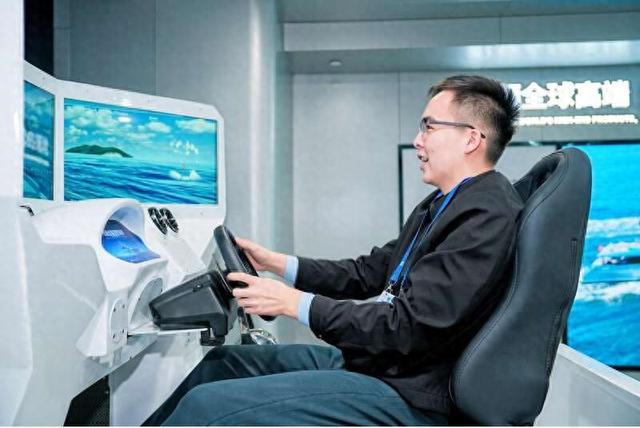
Core Points - The 2025 Shanghai Cooperation Organization (SCO) Youth Exchange Camp focuses on enhancing digital skills among youth from SCO member countries, aiming to create new development momentum for the organization [7][10] - The event includes visits to various technological and cultural sites in China, showcasing advancements in automation, AI, and cultural heritage [8][9] Group 1: Technological Advancements - Youth representatives witnessed impressive technological achievements in high-tech enterprises, such as fully automated container terminals and AI applications in daily life [8] - The integration of AI and automation across industries was highlighted, with examples from companies like iFlytek, which applies AI in education, healthcare, and urban development [8][9] Group 2: Cultural Exchange - The event facilitated cultural understanding through activities that showcased traditional Chinese arts and crafts, fostering connections among youth from different countries [8][9] - Music and cultural performances served as a bridge for communication, emphasizing the importance of cultural exchange in building international relationships [9] Group 3: Youth Collaboration and Entrepreneurship - The SCO Youth Development Forum featured discussions on sustainable development and the importance of cross-border digital skills training to address global challenges [9][10] - Youth representatives expressed the need for collaboration and shared resources to enhance entrepreneurial efforts, viewing the SCO as a platform for innovation and growth [11][12] Group 4: Future Cooperation - The exchange camp is seen as a seed for future friendships and development, with participants optimistic about the potential for cooperation among SCO countries [12] - Discussions included the importance of leveraging unique cultural and developmental strengths of each member country to foster a collaborative environment [12]
《粤港澳大湾区经济发展报告》蓝皮书: 城市集聚发展趋势更明显
2 1 Shi Ji Jing Ji Bao Dao· 2025-11-10 11:12
Core Insights - The "Guangdong-Hong Kong-Macao Greater Bay Area Economic Development Report (2025)" provides a unified statistical framework for the region, addressing discrepancies in data collection between the nine cities of the Pearl River Delta and the special administrative regions of Hong Kong and Macao [1] - From 2012 to 2023, the economic output of the Greater Bay Area has consistently increased, with an optimized industrial structure and a noticeable trend towards urban agglomeration [1][2] Economic Growth and Structure - The total economic output of the Greater Bay Area has shown continuous growth, with significant improvements in per capita economic development levels, resident income, corporate profits, and government fiscal revenue [1] - The primary driver of economic growth has been consumer demand, while investment demand has also played an increasingly important role [2] Industry Development - Key cities such as Shenzhen, Guangzhou, and Hong Kong are leading the development of the tertiary sector, while Shenzhen, Guangzhou, Foshan, and Dongguan are enhancing the overall layout of the secondary sector [2] - The industrial value added in the Greater Bay Area has grown rapidly, supported by strategies focused on industrialization and high-end manufacturing [2] Recommendations for High-Quality Development - To promote high-quality development in the Greater Bay Area, it is essential to leverage comparative advantages and enhance collaboration among the three regions [2] - The report emphasizes the need to expand consumption, improve investment returns, stabilize net exports, and strengthen demand as a driver of economic growth [2]
好评中国|图解:“新”视角!解锁第八届中国国际进口博览会
Huan Qiu Wang· 2025-11-06 09:21
Group 1 - The event showcases participation from 4,108 foreign enterprises across 155 countries, covering over 430,000 square meters, marking a record scale for the expo [2][4] - There is a notable increase of 23.5% in participation from the least developed countries [4] - The expo has expanded the African product section and is providing comprehensive support for countries with diplomatic relations with Africa, including some free exhibition spaces [6] Group 2 - The event will feature 461 new products and technologies, focusing on sectors such as low-altitude economy and humanoid machines, attracting 290 Fortune Global 500 companies [8][10] - Trade negotiations and investment fairs will be held, along with the creation of international friendship city exhibitions to further promote cooperation between China and foreign localities [10] - The expo will introduce new trends in consumer lifestyles, including innovations in sports economy and automotive sectors [13] Group 3 - The Shanghai Customs has launched a "Polymer Transport" model, breaking the limitations of the comprehensive bonded zone, allowing high-value exhibition goods to be directly transported to the expo, reducing transit time and damage risk [17]

第三届明斯克欧亚安全国际会议讨论多项国际安全议题
Xin Hua She· 2025-10-28 23:38
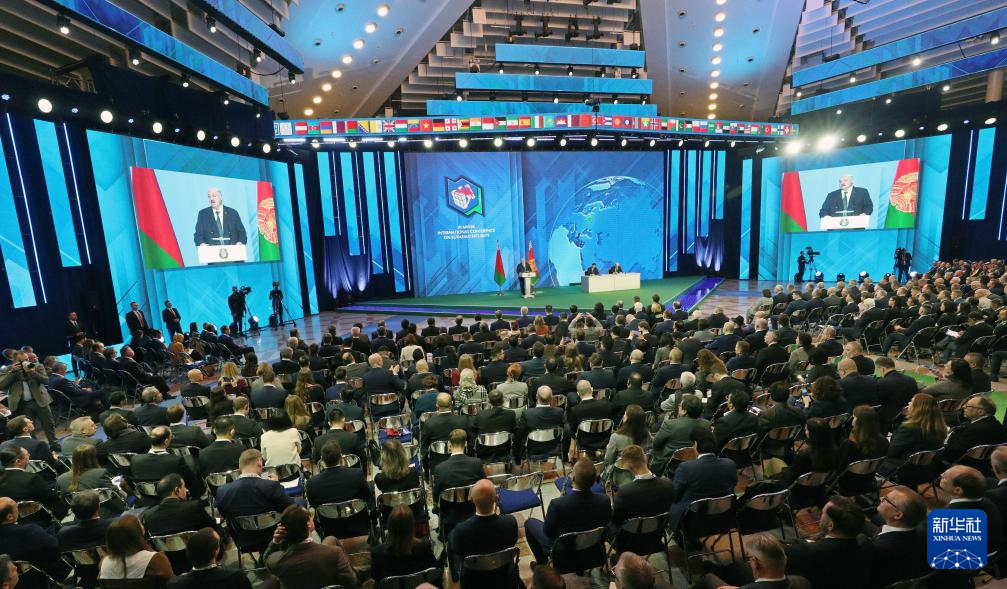
Core Points - The third Minsk Eurasian Security International Conference opened in Minsk, Belarus, with participation from over 40 countries and regions, as well as 7 international organizations, discussing strategic stability, arms control, regional cooperation, information and economic security, and migration issues [1][9] Group 1: Key Statements from Leaders - Belarusian President Lukashenko stated that the Western unipolar world order poses a threat to global stability, advocating for a multipolar world based on mutual respect and cooperation, and emphasizing the need for diplomatic dialogue over sanctions [2][4] - Russian Foreign Minister Lavrov emphasized that Europe must abandon its "arrogant exclusive claims" and hostile stance towards many Eurasian countries, including Russia and Belarus, expressing willingness to engage in substantive discussions on security issues [5][10] - Hungarian Foreign Minister Szijjarto highlighted the importance of regional partnerships in addressing migration and economic security issues, urging all parties to adopt inclusive approaches that benefit all stakeholders [7]
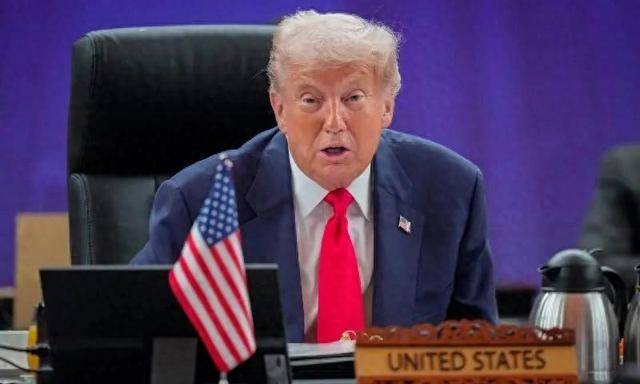
别光看莫迪缺席!东盟峰会上,印度偷偷给美国摆了一道
Sou Hu Cai Jing· 2025-10-28 12:22
Group 1 - The core point of the news is that India has made significant progress in its trade relations with ASEAN by achieving a breakthrough in tariff reductions, opening 71% of tariff lines, which will facilitate Indian goods entering the ASEAN market and help mitigate the negative impacts of US sanctions [2][5][7] - During the ASEAN summit, despite Prime Minister Modi's absence, India's negotiation team engaged in intensive discussions with ASEAN representatives, successfully finalizing the details of tariff concessions [2][5] - India is focusing on the rules of origin in the tariff negotiations to curb re-export trade practices, which have previously hindered deeper trade agreements with ASEAN [5][7] Group 2 - The negotiations reflect India's strategy to balance domestic political interests while ensuring continued international economic cooperation amid external pressures [4][5] - India's approach to diversifying its trade partnerships through free trade agreements with the UK, EU, and other economies aims to reduce reliance on a single market and spread risks [5][7] - The breakthrough in tariff reductions is seen as a crucial step in India's economic self-rescue efforts, with potential future expansions in manufacturing and digital economy sectors, contingent on strengthening local industry competitiveness [7]
6小时签6国协定!特朗普吉隆坡“闪电外交”,却对加拿大狠加关税
Sou Hu Cai Jing· 2025-10-28 09:39
Core Points - Trump's visit to Malaysia initiated a significant shift in trade diplomacy within the Asia-Pacific region, with multiple trade agreements announced within hours of his arrival [1][3][17] - The agreements include a key mineral cooperation pact with Malaysia and Thailand, which ensures the export of critical minerals and rare earth elements to the U.S., supporting industries like renewable energy and semiconductors [5][6] - The U.S. maintains a 19% tariff rate on most exports from Malaysia, Thailand, and Cambodia, while a 20% rate applies to Vietnam, with potential for tariff reductions on specific products [6][8] Trade Agreements - Six trade agreements were signed with four countries, with a focus on critical minerals and broader trade frameworks with Cambodia and Thailand [3][6] - The U.S. aims to provide unprecedented market access for exporters in Vietnam, enhancing trade relations [6][8] Regional Dynamics - The U.S. is positioning itself as a steadfast partner to Southeast Asia, addressing concerns over high tariffs impacting the region [8][17] - The ASEAN summit also marked East Timor's official entry as the 11th member, expanding the geographical coverage of ASEAN and opening new trade and investment opportunities [12][14][15] Economic Context - The U.S. faces pressure from high tariffs, with an average effective tariff rate of 17.9%, the highest since 1934, prompting a search for new trade partnerships [8][17] - China's trade with ASEAN continues to grow, with a 9.6% increase in trade volume, highlighting the competitive landscape in the region [17]