
反制措施

Search documents
反击美国关税,欧洲想要跟加拿大和日本联手
Hua Er Jie Jian Wen· 2025-07-14 03:10
Core Viewpoint - The European Union (EU) is preparing to respond collectively with other countries affected by the new tariffs imposed by the United States, particularly targeting a 30% tariff on products from Mexico and the EU starting August 1, 2025 [1]. Group 1: EU's Response to US Tariffs - The EU is coordinating with Canada and Japan to discuss potential joint actions against the new tariffs [1]. - The EU has a current retaliation list that will impact approximately €210 billion ($245 billion) worth of US goods, along with an additional list worth €720 billion for further measures [2]. - EU Commission President Ursula von der Leyen stated that while the EU has paused countermeasures until August 1, they are preparing further retaliation measures to ensure readiness [1][2]. Group 2: Trade Negotiations Focus - Ongoing negotiations between the EU and the US are centered on unresolved issues, particularly concerning automotive and agricultural tariffs [5]. - The preliminary agreement discussed includes a 10% tariff on most EU exports and a proposed 17% tariff on agricultural products from the EU [5]. - The EU aims to keep agricultural export tariffs below 10% and opposes mechanisms that would allow tariff reductions in exchange for investments, to prevent production shifts [5]. Group 3: Use of Trade Tools - The EU's most powerful trade tool, the Anti-Coercion Instrument (ACI), is not currently being activated, as stated by von der Leyen [3]. - French President Emmanuel Macron emphasized the need for credible countermeasures, including the ACI, if no agreement is reached before August 1 [4].
德副总理:如果贸易谈判失败,将考虑采取“果断的反制措施”
news flash· 2025-07-13 23:09
Core Viewpoint - The German government, led by Vice Chancellor Olaf Scholz, has issued a stern warning regarding the new tariffs proposed by the United States, indicating potential decisive countermeasures if trade negotiations fail [1] Group 1 - The German government is prepared to consider "decisive countermeasures" in response to the U.S. tariffs [1] - Vice Chancellor Olaf Scholz's statement reflects the seriousness of the trade negotiations between Germany and the United States [1] - The warning comes amid ongoing tensions regarding trade policies and tariffs [1]
德副总理:若与美贸易谈判失败 将坚决反制
news flash· 2025-07-13 12:08
Group 1 - The German federal government issued a stern warning regarding the new tariff threats posed by U.S. President Trump [1] - German Vice Chancellor and Finance Minister Scholz stated that the government would consider "decisive countermeasures" if trade negotiations fail [1]
德国财政部长:如果公平协商的解决方案不成功,那么我们必须采取果断的反制措施。
news flash· 2025-07-13 10:34
Core Viewpoint - The German Finance Minister emphasizes the need for decisive countermeasures if fair negotiation solutions fail [1] Group 1 - The statement indicates a strong stance on the importance of achieving fair negotiations [1] - The potential for implementing countermeasures suggests a proactive approach to economic challenges [1]
特朗普新威胁!他们强硬回怼
第一财经· 2025-07-13 02:07
Core Viewpoint - The article discusses the implications of President Trump's announcement to impose a 30% tariff on goods imported from the EU and Mexico starting August 1, 2025, highlighting the potential backlash and economic consequences for American consumers and international trade relations [1][4][24]. Group 1: Tariff Announcement and Reactions - President Trump issued letters to the leaders of Mexico and the EU, stating that a 30% tariff will be imposed on their goods starting August 1, 2025 [4][6]. - The EU has expressed readiness to retaliate if necessary, emphasizing that the tariffs would disrupt important supply chains and harm both businesses and consumers on both sides of the Atlantic [9][11]. - Various European leaders, including French President Macron and Dutch Prime Minister Rutte, have condemned the tariff decision, calling for unity and negotiation to protect European interests [16][17]. Group 2: Economic Impact and Consumer Burden - The tariffs are expected to lead to increased costs for American consumers, as many essential goods are imported, which could raise living expenses [26][29]. - The termination of the "tomato agreement" with Mexico will result in a 17% tariff on Mexican tomatoes, potentially increasing prices for consumers and affecting employment related to tomato imports [27][28]. - The imposition of tariffs on Brazilian goods could lead to significant price hikes for popular food items in the U.S., such as coffee and orange juice, further burdening consumers [27][29].

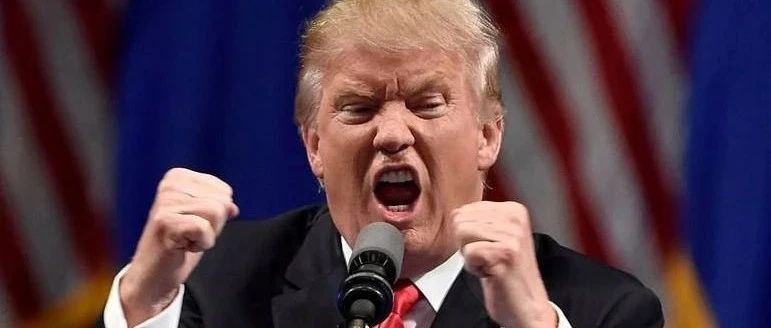
欧洲多国反对美对欧盟征收30%关税
news flash· 2025-07-13 01:57
Core Viewpoint - European countries expressed opposition to the U.S. announcement of a 30% tariff on EU goods, emphasizing the need for unity and negotiation to protect mutual interests [1] Group 1: Reactions from European Leaders - French President Macron stated that the European Commission should demonstrate the EU's determination to defend its interests amid the current situation [1] - German Economy Minister Habeck, Dutch caretaker Prime Minister Rutte, and Swedish Prime Minister Kristersson also voiced their opposition to the U.S. tariffs, urging continued negotiations for a mutually beneficial outcome [1] Group 2: Potential Actions by the EU - If no agreement is reached by August 1, the EU should activate all available tools, including the anti-coercion mechanism, to prepare credible countermeasures [1]
中美罕见共识,欧盟说不服就得打服,欧洲历史悲剧即将重演?
Sou Hu Cai Jing· 2025-07-08 07:59
Group 1 - The article highlights a rare consensus between China and the U.S. in responding to the EU's stance, indicating a shift from persuasion to a more aggressive approach [1] - The EU is facing internal divisions under significant political and economic pressure, with leaders like former German Chancellor Merkel urging unity against U.S. tariffs [3] - The U.S. has imposed high tariffs on EU products, including 50% on steel and aluminum and 25% on automobiles, with threats of further increases if negotiations fail [3] Group 2 - The EU is adopting a tough stance not only against the U.S. but also against China, with demands for China to cease economic cooperation with Russia amid the ongoing conflict [5] - China has responded to EU measures by imposing anti-dumping duties on EU brandy, ranging from 27.7% to 34.9%, effective for five years [7] - The Chinese government has also taken countermeasures against EU restrictions on medical device procurement, indicating a direct response to EU barriers [9] Group 3 - The EU's strong resistance against both the U.S. and China is influenced by complex member state interests and a belief in its ability to act as a global counterbalance [11] - Internal conflicts within the EU are surfacing, particularly between member states like Poland and Germany, which could affect the EU's unified response to external pressures [12] - The EU's strategic focus is primarily on addressing U.S. pressures before dealing with China, although the potential for a sudden agreement with the U.S. remains [12]
台当局“吃饭砸锅”,对大陆产品出手,加征巨额关税,还要求道歉
Sou Hu Cai Jing· 2025-06-29 00:07
Core Viewpoint - Taiwan's recent imposition of high tariffs on products from mainland China, including beer and specific hot-rolled steel, is seen as a significant escalation in cross-strait economic tensions, with tariffs ranging from 13% to 64% [1][3]. Economic Impact - Taiwan's trade surplus with mainland China has reached over 100 billion USD, with exports to mainland China exceeding 1.5 trillion RMB in 2024, while imports from mainland China are around 500 billion RMB, indicating a profit of nearly 1 trillion RMB for Taiwan [3]. - The overall economic impact of Taiwan's tariff increase on mainland China is expected to be minimal, as a complete halt in trade would primarily harm Taiwan's economy, leading to a potential recession [3][6]. Political Dynamics - The actions of Taiwan's ruling Democratic Progressive Party (DPP) are perceived as politically motivated, prioritizing external political goals over the welfare of Taiwanese citizens, which raises concerns about their governance [4][8]. - The DPP's approach is viewed as a manipulation of the goodwill from mainland China, which has historically supported Taiwanese businesses and citizens, contrasting with the DPP's current stance [4][6]. Future Outlook - The ongoing tensions and tariff impositions may lead to retaliatory measures from mainland China, which could further complicate cross-strait relations and impact Taiwan's economy negatively [6][8]. - The DPP's strategy of provoking mainland China for political gain may ultimately backfire, as the Taiwanese populace could recognize the detrimental effects on their livelihoods [6][8].

玉渊谭天:面对美方的单边关税,中方是仍有反制措施的
news flash· 2025-06-06 10:38
Core Viewpoint - The ongoing economic and trade discussions between China and the U.S. since the Geneva talks have maintained communication on mutual concerns in the economic and trade sectors, highlighting China's willingness to negotiate on non-principled issues while firmly opposing unilateral tariffs and threats from the U.S. [1] Group 1 - China demonstrates "sincerity" in negotiations by respecting U.S. concerns on non-principled issues and seeking win-win outcomes through flexible technical discussions [1] - The term "principle" encompasses two main aspects: China's readiness to implement countermeasures against U.S. unilateral tariffs and its strong opposition to U.S. coercive tactics during negotiations [1]