土地财政

Search documents
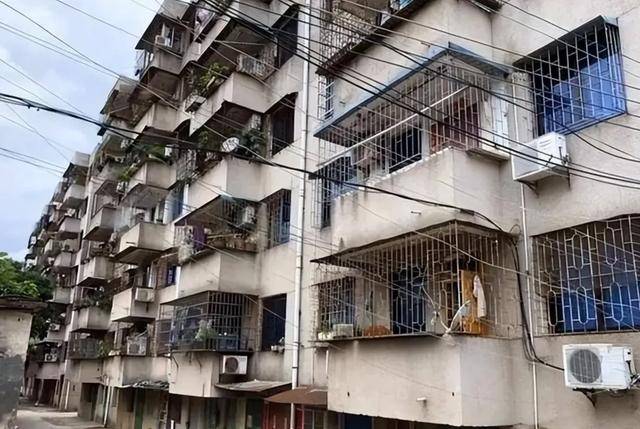
原拆原建来了,买了老破小的普通人,还有机会“翻身”吗?
Sou Hu Cai Jing· 2025-09-13 18:11
Core Viewpoint - The recent policy from the central government supports the renovation and reconstruction of old housing, which may present investment opportunities in the real estate market, particularly for old properties in prime locations [5][8]. Policy Implications - The policy aims to shift urban development from rapid expansion to improving existing housing stock, indicating a focus on quality over quantity in urban planning [4][8]. - The initiative is part of a broader strategy to stabilize the housing market, moving away from reliance on population influx for demand [4][8]. Market Dynamics - Successful examples of renovation, such as the transformation of the Zhejiang Gongshang University neighborhood, show significant price increases post-renovation, with prices rising from 30,000 to 46,000-50,000 CNY per square meter [3][6]. - However, not all old properties qualify for renovation; only those deemed dangerous or dilapidated are eligible, limiting the scope of potential investment opportunities [6][7]. Financial Considerations - The financial burden of renovation falls on homeowners, with costs potentially reaching 350,000 CNY for a 50 square meter unit, which may deter participation in some cases [7]. - Local governments rely heavily on land sales for revenue, which may restrict the widespread implementation of the renovation policy, as it could reduce demand for new developments [7][8]. Conclusion - While there are opportunities for value appreciation in core areas with old properties, the majority of ordinary old properties may not see significant benefits due to various constraints, including funding, homeowner consent, and urban planning regulations [8][9].

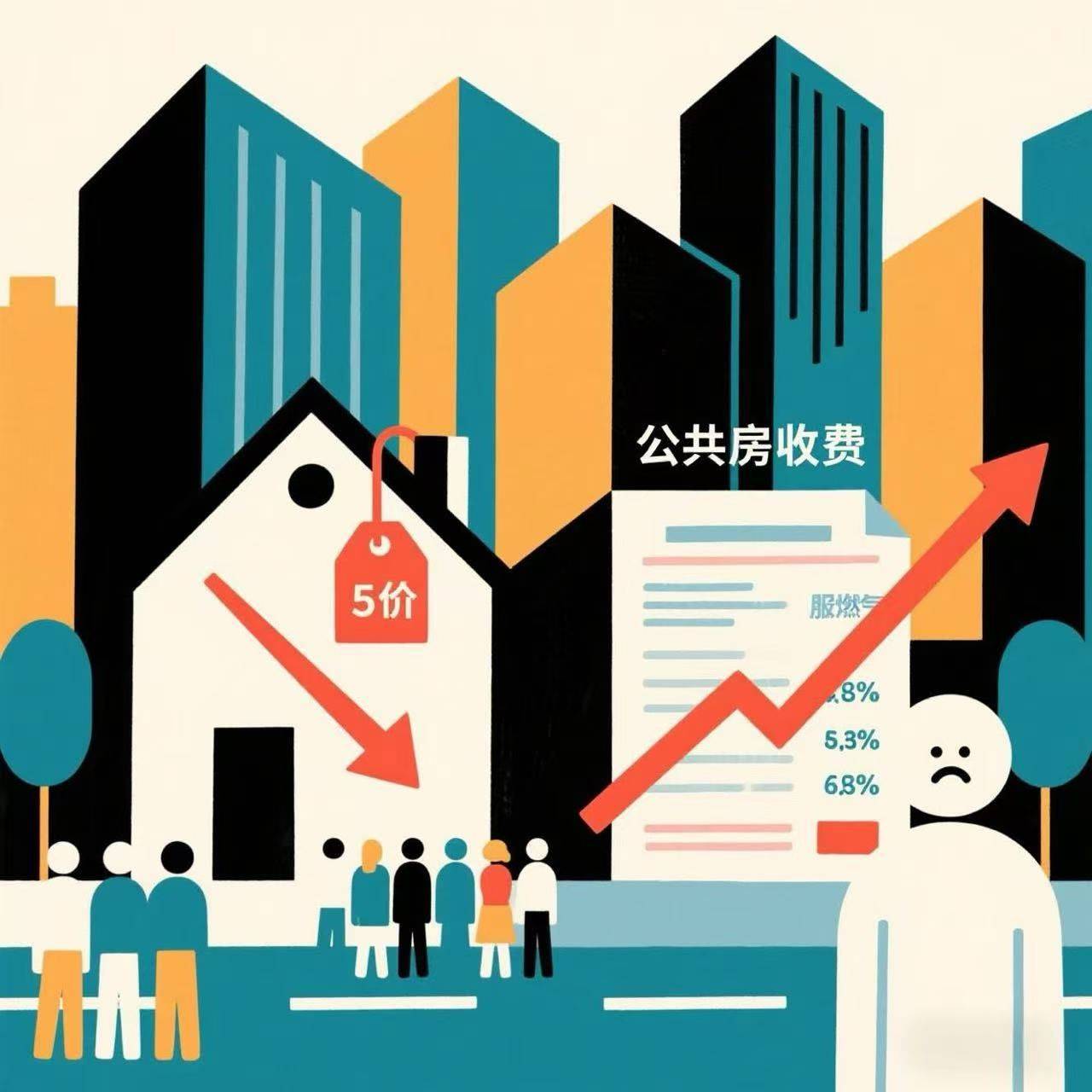
房价下跌的“隐患”已经逐渐呈现,“万物升”的时代悄悄来临
Sou Hu Cai Jing· 2025-09-05 21:44
Group 1 - The article discusses the concept of "whale fall" as a metaphor for the decline of the real estate market in China, contrasting it with the idea of rebirth and renewal in nature [1] - Over the past two decades, China's public service prices have been significantly lower than the international average, with electricity prices at less than 60% of the global average and water prices among the lowest in the world [1] - The decline in real estate sales is leading to reduced land auction revenues, which are a primary source of local government income, resulting in increased public service costs [1][3] Group 2 - The article highlights a significant drop in land sale revenues from 8.7 trillion yuan in 2021 to an expected 3 trillion yuan in 2024, indicating a loss of nearly 6 trillion yuan [3] - The transition from a subsidized public service model to a more market-driven approach is underway, suggesting that prices will become more transparent but also more expensive [4] - The expectation for a rebound in housing prices is unrealistic; instead, the focus is on achieving a "soft landing" for the real estate sector [4] Group 3 - The article emphasizes the need for individuals to rationally adjust their household budgets in response to rising costs in education, energy, and transportation [6] - It advises abandoning the belief that all properties will appreciate in value, as the increase in public service costs is expected to be a widespread trend [7] - The importance of monitoring the fiscal health of cities is highlighted, as only those with strong industries and stable tax revenues will be able to maintain quality public services [8]
深圳房地产45年:从市场化探路者到住有宜居
21世纪经济报道· 2025-08-26 12:54
Core Viewpoint - The article discusses the evolution of Shenzhen's real estate market, highlighting its transformation from a housing shortage to a thriving market driven by innovative policies and market demands. It emphasizes the role of real estate in Shenzhen's urban development and economic growth over the past decades [1][2][7]. Group 1: Historical Context - In 1979, Shenzhen was established as a city, facing a housing shortage and poor living conditions. The government aimed to build over 300 housing units within a year, but budget constraints limited funding to 50,000 yuan [1]. - The concept of "land finance" emerged as a solution, allowing local governments to generate revenue through land use rights, which was initially restricted by law [1][2]. Group 2: Development Milestones - The establishment of the Shenzhen Special Economic Zone Real Estate Company in 1980 marked the beginning of China's first real estate development company, leading to the creation of the first commercial housing project, Donghu Liyuan [2][4]. - The introduction of the pre-sale system, inspired by Hong Kong, allowed developers to sell properties before completion, significantly impacting the market dynamics [4][5]. Group 3: Policy Changes and Market Evolution - In 1987, Shenzhen implemented a land management reform, allowing land use rights to be auctioned, which became a standard practice and generated substantial funds for urban development [5][7]. - The 1998 housing reform marked the end of welfare housing distribution, transitioning to a market-oriented housing system, which initiated a "golden era" for real estate [7][11]. Group 4: Recent Trends and Future Outlook - By 2014, the real estate market reached a supply-demand balance, prompting a shift in policy focus towards housing as a necessity rather than an investment [13]. - Shenzhen's real estate market is now entering a phase of stock development, with ongoing urban renewal projects and a focus on improving living conditions [14][15]. - Recent policies aim to enhance housing affordability and supply, particularly for new residents and young people, reflecting a commitment to sustainable urban development [15].

读财政史,让人清醒
Hu Xiu· 2025-08-19 07:18
Core Viewpoint - The article emphasizes the importance of studying fiscal history to understand the underlying factors that shape modern states and societies, arguing that financial capabilities often determine the outcomes of historical events and conflicts [2][3][12]. Fiscal History Insights - Fiscal history helps to debunk grand narratives about the origins of modern states, highlighting the concept of the "fiscal-military state" as essential [3]. - In the late medieval period, royal finances were limited, relying on unstable sources such as land rents and tariffs, leading to temporary measures for war funding [4]. - The 16th century marked the beginning of a "long war era" in Europe, compelling states to find more stable financing methods [5]. - The Glorious Revolution in England (1688) led to parliamentary control over finances, establishing a national debt system and the Bank of England, which enabled sustained military engagement [6]. - France's fiscal structure was flawed, with tax burdens disproportionately on the common people, leading to high debt costs and eventual state bankruptcy, which contributed to the French Revolution [7]. - During the Napoleonic Wars, Britain leveraged its global capital markets and efficient tax systems to finance prolonged conflicts [8]. Case Studies in Fiscal Capacity - The Crimean War (1853-1856) is framed as a test of fiscal capacity, with Britain and France having established robust debt markets, while Russia's reliance on serfdom and limited domestic capital led to its defeat [9]. - The fiscal crisis in Russia prompted significant reforms, including the abolition of serfdom and the establishment of a modern fiscal and economic system [9]. Broader Implications of Fiscal History - Fiscal history reveals that financial resources directly influence the success of wars and have profound effects on social structures and national identity [12]. - Economic historian Joseph Schumpeter's insights suggest that a nation's fiscal history encapsulates its cultural and social dynamics, providing a clearer understanding of historical developments [12][13]. - Schumpeter posits that modern nations and national identities are shaped by fiscal pressures, indicating that taxation plays a crucial role in state formation [14][15]. Historical Context in China - The early Republic of China faced significant turmoil, attributed to a weak fiscal foundation, with the central government heavily reliant on tariffs and external debts, leading to fragmented political power [16][18]. - The fiscal decentralization trend began in the late Qing dynasty, with local powers retaining tax revenues, which contributed to the political fragmentation observed during the early Republic [17]. - The establishment of the Nationalist government in 1927 aimed to unify fiscal authority, but true fiscal centralization was not achieved until after 1949, with significant reforms occurring in the 1990s [18]. Conclusion - Understanding fiscal history, alongside population history, is crucial for grasping the true pulse of historical developments and societal changes [19].
城市更新,在旧肌理里刻下新气息
Guang Zhou Ri Bao· 2025-08-16 23:41
Core Insights - The transition of Chinese cities from "incremental expansion" to "quality improvement" in urban renewal is gaining momentum, driven by policies that support funding, land security, and social capital participation [1][2] - Urban renewal signifies a collective awakening to move away from reliance on "land finance," addressing issues of homogenization, historical disconnection, and ecological sustainability [1] Group 1: Urban Renewal Characteristics - Urban renewal is not merely a superficial transformation but involves integrating modern civilization with historical context [2] - The current transformation faces challenges such as the misalignment of "quality improvement" with actual public needs, leading to performance-driven projects that overlook community welfare [2] Group 2: Solutions and Governance - To overcome existing challenges, a framework of "three standards" is proposed: conducting comprehensive urban assessments, fostering multi-stakeholder governance, and emphasizing long-term management over short-term construction [2] - Establishing a shared interest among government, market, and residents is crucial to prevent transient urban renewal efforts [2] Group 3: Philosophical Shift - The shift from expansion to quality improvement reflects not only a change in development strategy but also an elevation in governance philosophy, focusing on the lived experiences of residents rather than mere economic metrics [2] - A city's greatness is measured by its ability to provide a meaningful living environment for its residents, rather than the number of skyscrapers it possesses [2]
一旦房地产不起来,明年中国楼市或有5大问题?
Sou Hu Cai Jing· 2025-08-10 19:41
Core Viewpoint - The real estate market is experiencing a significant downturn, with predictions for price stabilization in major cities being pushed back, indicating a prolonged period of low market activity [1] Group 1: Local Finance - The land finance model, which has supported local finances for over two decades, is now in jeopardy, with land transfer revenue dropping by 14% year-on-year in the first half of the year [3] - The difficulties faced by real estate companies have led to a lack of interest in the land market, exacerbating the financial strain on local governments [3] - This creates a vicious cycle where tight local finances hinder large-scale construction, leading to fewer projects and reduced tax revenue [3] Group 2: Secondary Housing Market - In Shanghai, over 40,000 newly restricted homes are set to be released in 2026, posing a risk of market collapse as prices for previously high-demand properties have plummeted [6] - The number of second-hand homes listed in Beijing and Shanghai has exceeded 160,000, with even a 20% price reduction failing to attract buyers [6] - A potential panic selling scenario could lead to a complete breakdown of the pricing system in the secondary housing market [6] Group 3: Real Estate Company Debt - By 2025, real estate companies will face nearly 3 trillion yuan in maturing debt, forcing developers to resort to drastic price cuts to sell properties [7] - The cycle of price reduction, mortgage defaults, and subsequent forced sales creates a downward spiral that is difficult to reverse [7] Group 4: Consumer Behavior - With real estate accounting for nearly 70% of household assets in China, the ongoing decline in property prices has severely impacted consumer wealth and spending intentions [8] - The perception of wealth has diminished, leading to a significant drop in consumer confidence and spending, as evidenced by reduced budgets for purchases like cars [8] Group 5: Market Confidence - The real estate market is trapped in a cycle of declining confidence, with new home prices falling for 39 consecutive months and second-hand home prices for 41 months [8] - The average sales cycle for homes in major cities has extended to 20 months, reflecting a lack of buyer interest [8] - The fundamental logic of the housing market has shifted, with an oversupply of housing and insufficient actual demand, indicating a return to the primary function of housing as a living space rather than a wealth symbol [8]

28省份上半年财政数据出炉,下半年收支矛盾仍突出
第一财经· 2025-08-07 02:44
Core Viewpoint - The overall financial situation of local governments in China shows a stable economic operation in the first half of the year, but the fiscal revenue and expenditure remain under pressure, indicating a tight balance [3][4]. Revenue Summary - 27 out of 31 provinces reported revenue growth, with a national average increase of 1.6% in local general public budget revenue [6][8]. - The revenue growth was primarily driven by non-tax income, suggesting a weak recovery [4][6]. - Jilin province experienced the highest revenue growth at 16.4%, while four provinces, including Shaanxi and Shanxi, saw declines in revenue [7][8]. Expenditure Summary - 24 out of 28 provinces reported an increase in general public budget expenditure, with an average growth rate of 2.6%, which is higher than the revenue growth rate [3][6]. - The increase in expenditure is attributed to rising rigid spending, particularly in areas like education, social security, and healthcare [11][16]. - Local governments are prioritizing "three guarantees" (basic livelihood, wages, and operational stability) in their spending [16]. Challenges and Outlook - Despite the slight revenue growth, many provinces face significant fiscal pressure, with ongoing challenges in maintaining sustainable revenue growth [12][14]. - The second half of the year is expected to present continued difficulties in revenue generation, necessitating increased fiscal policy support [4][12]. - Local governments are implementing measures to balance budgets, including tightening spending and enhancing revenue collection efforts [14][15].
别只盯着房价!让农民工安居,给城市留活力|陶然
Sou Hu Cai Jing· 2025-08-05 15:39
Core Insights - The discussion focuses on the current state of land finance in China, the need for land reform, and the transformation of the real estate sector, emphasizing the shift from expansion to quality improvement in urban development [2][5][37] Land Finance and Reform - The traditional model of land finance, which relied on large-scale land acquisition and low-priced industrial land supply, is no longer sustainable, necessitating a shift towards optimizing existing land resources [5][12] - The central government has indicated a transition from extensive urban expansion to enhancing the quality and efficiency of existing land use, addressing long-standing issues in urban governance and population mobility [5][37] Solutions Proposed - Professor Tao proposed three key solutions to address the inefficiencies in land use: revitalizing underutilized industrial land, promoting urban village redevelopment, and meeting the demand for improved housing [2][3][47] - The suggestion includes a policy where landowners could transfer a significant portion of their low-efficiency industrial land to the government for redevelopment into residential areas, which would help provide affordable housing for migrant workers [50][51] Debt and Financial Management - Local governments have accumulated significant debt, with total liabilities exceeding 100 trillion yuan, leading to challenges in debt repayment and fiscal sustainability [17][19] - The discussion highlights the need for a national debt restructuring to alleviate the financial burden on local governments, allowing them to focus on essential public services rather than new construction projects [21][22] Real Estate Market Dynamics - The real estate market has seen a shift, with developers like Country Garden and Evergrande heavily investing in third and fourth-tier cities during favorable policy conditions, leading to over-leveraging and subsequent financial difficulties [30][31] - The current market environment poses challenges for real estate companies, as previous successful strategies may no longer be viable due to changing policies and market conditions [32][36] Urbanization and Population Trends - The future of urbanization in China is expected to focus on major metropolitan areas, with a need to address the housing and integration issues faced by migrant workers in these cities [37][40] - The discussion emphasizes the importance of creating conditions for migrant workers to settle in cities, which would enhance their willingness to invest in housing and contribute to urban development [54][56]

二十多年房地产市场野蛮生长给国家与人民带来什么?
Sou Hu Cai Jing· 2025-08-02 20:22
Core Insights - The report by the Ministry of Housing and Urban-Rural Development reveals a national housing vacancy rate of 21.3%, indicating approximately 120 million units are idle, significantly exceeding the internationally accepted standard of 5% [1] - The severe imbalance in the real estate market is attributed to local governments' reliance on land finance, which has led to excessive real estate development despite declining population trends [1][3] - The average housing price-to-income ratio in first-tier cities is 18.7, making home ownership increasingly unattainable for average families, particularly in lower-tier cities where the ratio is still high [1] Group 1 - The national housing vacancy rate stands at 21.3%, with first-tier cities averaging 16.5% and third- and fourth-tier cities reaching 26.4% [1] - The report highlights a direct correlation between the overdevelopment of real estate and the land finance model, which has contributed to a significant waste of resources [1][3] - Population decline is evident, with 2023 seeing a birth rate drop below 9 million and a natural growth rate of -0.15%, further exacerbating the housing demand issue [1] Group 2 - Approximately 38% of urban housing is for investment purposes, with nearly 40% of these properties remaining vacant, indicating a shift from housing as a necessity to a financial asset [3] - The real estate market's overreliance on investment has led to a disconnect between supply and actual housing needs, resulting in inflated prices and economic pressure on families [3][4] - The rapid urbanization in China has been criticized for mimicking Western models without considering local conditions, leading to a housing market that is out of sync with real demand [3][4]

特稿 | 章俊:资本市场如何赋能新质生产力
Di Yi Cai Jing· 2025-06-18 01:33
Core Viewpoint - The development of new productive forces is a strategic choice for China's economy amid global changes, emphasizing the need for technological innovation and capital market support to enhance national competitiveness and drive high-quality economic growth [2][4]. Group 1: Global Context and Challenges - The world is undergoing a deep technological revolution and industrial transformation, with intensified geopolitical risks and adjustments in the international monetary system [2][3]. - Geopolitical conflicts, such as the ongoing Russia-Ukraine war, are impacting global energy security and commodity prices, leading to increased cross-border investment risks [3]. - The U.S. dollar's dominance is being questioned, with its share in global foreign exchange reserves projected to drop to 57.8% by the end of 2024, indicating a shift towards a multipolar currency system [3]. Group 2: Domestic Economic Transformation - China's urbanization rate has surpassed 67%, and the real estate market is facing a fundamental reversal in supply-demand dynamics, with land transfer revenue expected to decline by 16% in 2024 [4]. - The traditional "land finance" model is unsustainable, revealing risks such as repeated construction and local government debt [4]. - New productive forces, driven by technological innovation and data as key production factors, are crucial for breaking through the current economic transformation [4]. Group 3: Role of Capital Markets - Capital markets are essential for nurturing new productive forces, facilitating resource allocation, and supporting technological innovation [5][8]. - The Chinese government has prioritized the development of capital markets, implementing policies to enhance their functionality and efficiency [5][6]. - The capital market's ability to support technology enterprises throughout their lifecycle is being strengthened, with various initiatives aimed at improving access to financing [6][7]. Group 4: Challenges in Capital Market Empowerment - Supply-side challenges include insufficient patient capital and limited exit channels for equity investments, which hinder investment in high-risk tech startups [9][10]. - Demand-side issues involve mismatches between investment preferences and the financing needs of early-stage companies, as well as inadequate mechanisms for transitioning between different market segments [11][12]. - Mechanism-related challenges include information asymmetry and the need for a restructured valuation system that accurately reflects the potential of new productive forces [13][14]. Group 5: Recommendations for Strengthening Capital Market Support - To cultivate patient capital, innovative long-term assessment mechanisms should be established, focusing on aligning investments with strategic technological advancements [15][17]. - Diversifying exit pathways and enhancing institutional investor participation in the secondary market can optimize capital allocation and support new productive forces [16][18]. - A comprehensive governance framework should be developed to improve risk assessment models and enhance collaboration among market participants [19][20].