房票安置

Search documents
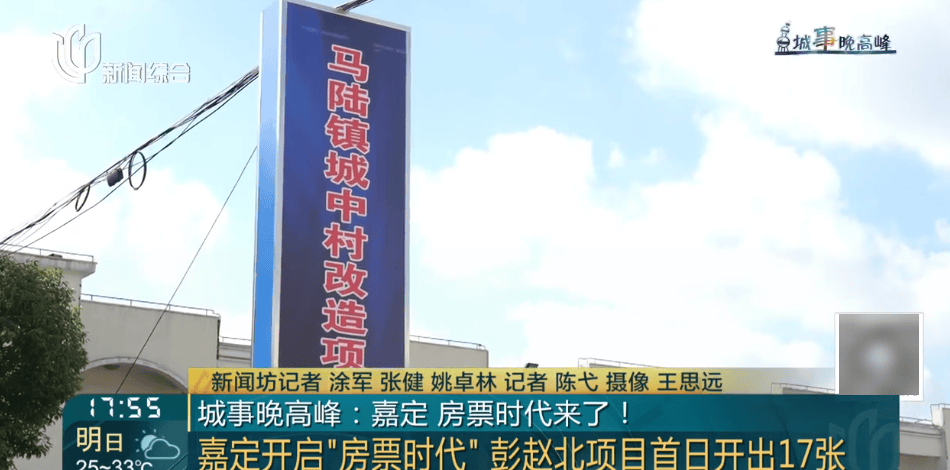
@上海人房票时代来了!有人分到796万购房额度
Sou Hu Cai Jing· 2025-10-11 07:01
Core Insights - The article discusses the introduction of a new housing compensation method called "housing vouchers" in the urban renewal project of Pengzhao Village, which is part of the Jiading District in Shanghai. This makes Jiading the third administrative district in Shanghai to implement this model after Jinshan and Qingpu [1][25]. Group 1: Housing Voucher System - Housing vouchers are compensation certificates issued by the expropriation department, allowing residents to purchase homes from designated sources, providing a third option beyond cash or direct housing [3][25]. - The housing voucher system aims to offer residents more flexibility and choice in their housing options, with the potential for additional rewards, such as an 8% bonus on the voucher amount [8][27]. Group 2: Community Response and Participation - The initial response from residents has been overwhelmingly positive, with 68% of the first 25 signed households opting for housing vouchers, indicating a strong interest in this new compensation method [6][10]. - Over 140 out of 268 households have expressed interest in using housing vouchers, with many already making advance payments to secure their options [10][12]. Group 3: Developer Engagement - Developers are actively participating in the housing voucher system, offering various incentives such as discounts and additional services to attract residents [13][14]. - The competitive environment among developers has led to significant marketing efforts, including substantial financial incentives to facilitate the sale of existing inventory [15][19]. Group 4: Future Implications - The successful implementation of the housing voucher system in Jiading is expected to serve as a model for future projects across the city, with plans for additional areas to adopt similar strategies [29][30]. - The local government is committed to refining the housing voucher policy based on feedback and operational experiences to enhance the effectiveness of urban renewal initiatives [32].

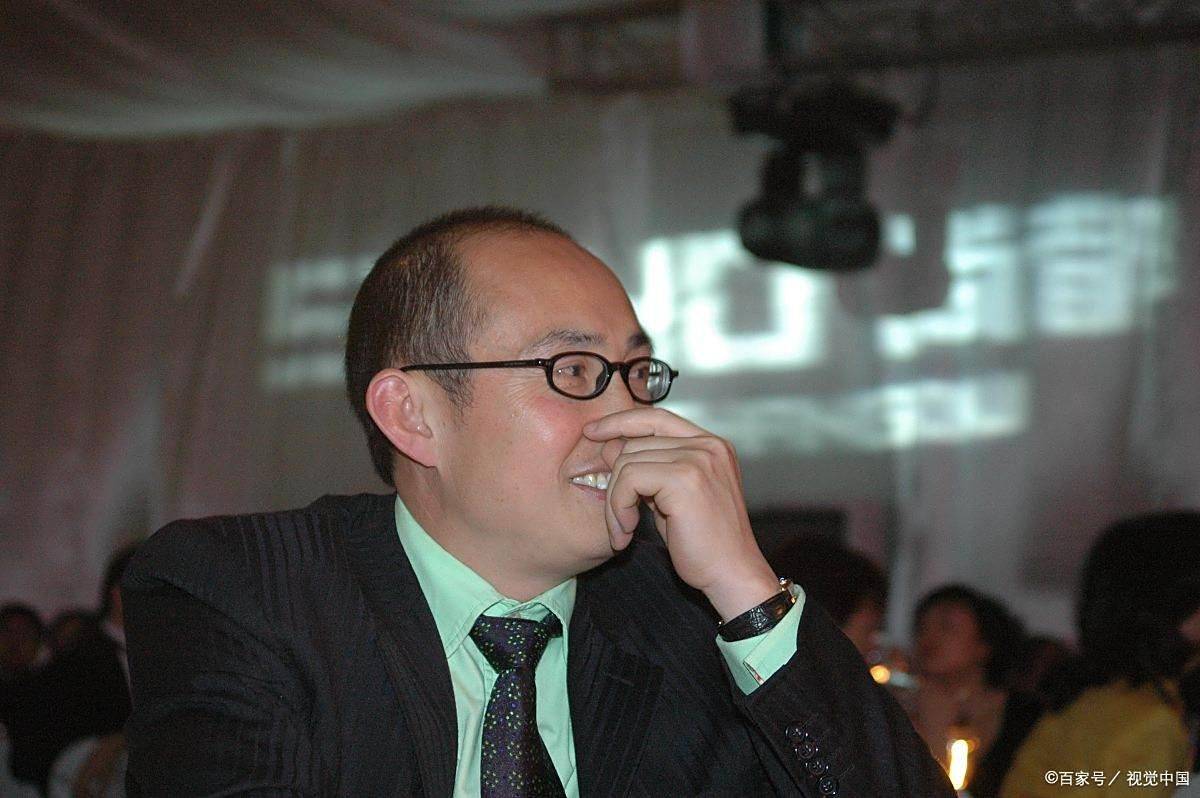
潘石屹预言应验了!不出意外,5年后,楼市或大概率迎来3大趋势
Sou Hu Cai Jing· 2025-10-03 00:03
Core Insights - The article highlights the foresight of Pan Shiyi in 2018 regarding the real estate market, predicting risks that have now materialized, such as supply-demand imbalance and unreasonable return rates [1] - It discusses three future trends in the real estate market that will significantly impact ordinary people [3][5][7] Group 1: Market Trends - The first trend involves the expiration of business loans, which will affect the second-hand housing market as many individuals who borrowed low-interest loans to buy homes will face challenges in refinancing due to declining property values [3] - The second trend indicates a complete differentiation in the housing market, where high-quality properties will appreciate while lower-quality ones will depreciate, influenced by factors such as building age and location [5] - The third trend suggests an increase in demolition efforts to reduce inventory, with a shift towards using housing vouchers instead of cash compensation for displaced residents, which will help developers recover funds and manage inventory [7] Group 2: Market Conditions - The current inventory of unsold new homes exceeds 7.6 billion square meters, requiring approximately 24 months for absorption, which is nearly double the situation in 2018 [7] - The article notes that the real estate market is transitioning from an investment-driven model to one focused on residential needs, with a significant decline in home-buying intentions among younger individuals [7] - It concludes that while the golden era of real estate is over, the market is not collapsing but rather returning to a healthier state, allowing housing to no longer dictate the lives of ordinary people [7]
推行房票安置,湖南宁乡出台楼市新政
Sou Hu Cai Jing· 2025-10-01 05:45
Core Viewpoint - The joint measures announced by six departments in Ningxiang City aim to promote stable, healthy, and high-quality development of the real estate market, aligning with national and provincial policies to stimulate market vitality through various initiatives. Group 1: Housing Fund Support - The policy enhances housing fund support for first-time homebuyers of new commercial housing, allowing eligible individuals under 35 years with a full-time bachelor's degree to apply for a loan up to 1.5 times the current maximum limit, independent of their housing fund account balance [1]. Group 2: Housing Consumption Subsidies - From October 1, 2025, to December 30, 2025, individuals purchasing new residential, commercial, or office properties will receive a housing consumption subsidy equal to 50% of their actual paid deed tax, contingent on completing the contract signing and tax payment within the specified period [2]. Group 3: Encouragement of "Old for New" Program - Households selling their existing homes between October 1, 2025, and July 13, 2026, and purchasing new homes within the same timeframe will receive a subsidy of 1% of the new home's total transaction price, capped at 30,000 yuan per unit [3]. Group 4: Land Use and Development Policies - The policy allows for the deferral of urban infrastructure fees for new real estate projects under certain conditions, and it enables the repurposing of undeveloped non-residential land for residential use, provided it meets public service and infrastructure requirements [3][4]. Group 5: Promotional Activities - The initiative includes promotional activities such as housing fairs and group purchasing options to reduce costs for specific demographics, including recent graduates and introduced talents, thereby enhancing the affordability of housing [4]. Group 6: Construction Quality and Land Supply - The measures emphasize the construction of high-quality residential projects with a focus on safety, comfort, and sustainability, while also adjusting land supply policies to facilitate easier access to land for developers [5].
允许房票跨区买物业 探索一次性转让
Nan Fang Du Shi Bao· 2025-09-11 23:09
Core Viewpoint - The implementation of the housing ticket policy in Huizhou represents an innovative approach to urban renewal and real estate market regulation, facilitating multiple wins for stakeholders involved [3][4][7]. Group 1: Policy Impact on Stakeholders - The housing ticket policy significantly reduces the transition time for displaced residents, allowing for quicker relocation and improved living conditions [4][9]. - For the government and demolition entities, the policy alleviates financial burdens by minimizing the need for relocation fees and transitional costs [4][5]. - The policy aids in the de-stocking of existing housing inventory, promoting a healthier real estate market and addressing the financial challenges faced by property developers [4][8]. Group 2: Market Dynamics - The housing ticket policy is crucial for alleviating the inventory issues in the real estate sector, helping developers maintain cash flow and ensuring the delivery of unfinished projects [4][9]. - The policy accelerates urban renewal and old city renovation by reducing the lengthy relocation cycles associated with traditional compensation methods [4][5][9]. - The introduction of the housing ticket system allows for immediate access to existing homes, significantly shortening the time from relocation to occupancy [9]. Group 3: Recommendations for Improvement - Experts suggest enhancing the flexibility of the housing ticket policy by allowing cross-regional property purchases and exploring mechanisms for ticket transferability [6][7]. - Increased government efforts in policy promotion and clear communication about the benefits of the housing ticket are recommended to encourage early utilization by residents [6][10]. - The establishment of a closed-loop mechanism for the use of housing tickets in the secondary market is proposed to ensure funds flow back into the new housing market [7].
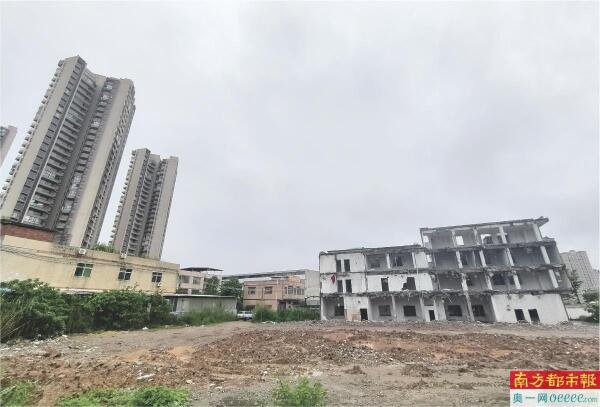
房票安置成“高频词”!多地积极探索
证券时报· 2025-09-02 12:48
Core Viewpoint - The article discusses the increasing exploration of "housing vouchers" in first-tier cities, particularly in Shenzhen, as part of urban renewal policies aimed at compensating residents affected by redevelopment projects [1][6]. Group 1: Housing Voucher Policy - Housing vouchers are defined as compensation rights quantified in monetary terms for residents displaced during urban renewal, allowing them to purchase properties within specified timeframes and regions [6]. - Over 90 cities in China are expected to incorporate housing vouchers into their demolition compensation strategies by 2024, indicating a trend towards large-scale implementation of this policy [6]. Group 2: Case Study - Baishizhou Project - The Baishizhou urban renewal project in Shenzhen, covering approximately 460,000 square meters, is highlighted as a significant case, with plans for phased development [2]. - A recent survey regarding the Baishizhou project revealed options for residents to either accept government housing vouchers for relocation or receive compensation of 40,000 yuan per square meter [2][4]. Group 3: Public Awareness and Reception - Many residents in the Baishizhou and Luohu districts expressed a lack of understanding about the housing voucher system, indicating a need for clearer communication from the government [4]. - Local developers noted that utilizing housing vouchers for relocation could help address issues related to high plot ratios in urban renewal projects [4]. Group 4: Broader Implications - The central government has emphasized the importance of urban renewal, particularly in transforming urban villages and dilapidated housing, which is expected to stimulate investment and housing consumption [8]. - Experts predict that the integration of housing vouchers and other compensation methods will significantly support real estate sales and facilitate smoother funding channels in the sector [8].

百城二手房挂牌均价同比下跌8.5%
3 6 Ke· 2025-08-12 02:29
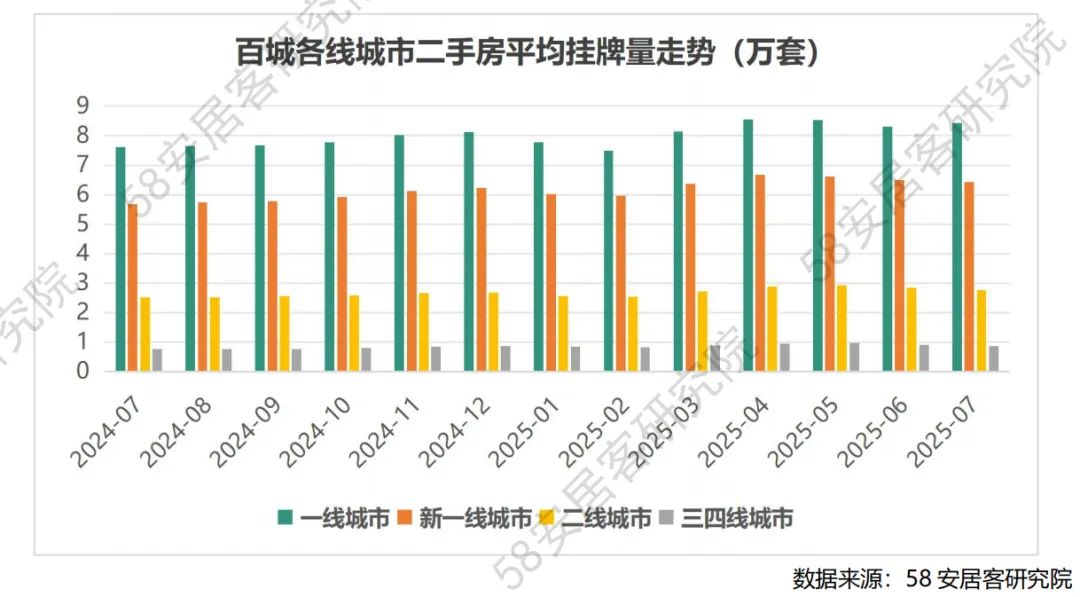
Core Insights - The current real estate market is characterized by a significant "supply increase and demand decrease" trend, with a notable rise in the number of second-hand homes listed for sale and a decline in buyer interest [1][3][11]. Supply Side - The number of second-hand homes listed in 100 cities reached 2.5856 million units, a year-on-year increase of 11.58%, with the largest increases seen in third- and fourth-tier cities (+13.26%) and new first-tier cities (+12.99%) [3][5]. - Cities like Shenzhen (+36.66%) and Quanzhou (+119.42%) experienced substantial increases in listings, indicating a growing willingness among homeowners to sell [1][7]. Demand Side - The housing search heat index fell by 3.11% year-on-year, with declines across all city tiers, particularly in second-tier cities like Nantong (-10.11%) and Hangzhou (-5.81%), reflecting a strong market hesitation [11][13]. - The overall market sentiment remains weak, despite ongoing policy initiatives aimed at stimulating demand [11][12]. Price and Liquidity - The average listing price for second-hand homes dropped by 8.5% year-on-year, with the most significant declines in second-tier cities (-10.22%), particularly in Xiamen (-18.66%) and Hefei (-14.74%) [26][28]. - The average listing duration increased by 5.23% year-on-year, with first-tier cities experiencing an average transaction period exceeding 103 days, indicating deteriorating liquidity [19][20]. Key Characteristics - The increase in listings coupled with declining prices has led to a negative feedback loop, where buyer hesitation intensifies as prices continue to fall [1][19]. - High-tier cities like Beijing and Shanghai show stronger price resilience, but liquidity risks are rising, as evidenced by a 12.23% increase in listing duration in Shanghai [1][19]. - Lower-tier cities face "double pressure" from both volume and price declines, with some cities like Quanzhou and Mianyang seeing a surge in listings without sufficient demand support, leading to significant inventory pressures [1][19]. Policy Factors - Recent policies aimed at stimulating the market, such as "old-for-new" exchanges and housing vouchers, are being implemented in various cities, but their effectiveness and execution remain to be observed [2][4].
房票安置提振楼市,上半年广州中心城区地产投资增速全部转正
Sou Hu Cai Jing· 2025-08-08 11:16
Group 1: Economic Overview - The industrial output and real estate investment in Guangzhou have shown positive growth for the first time since last year, with recent economic data from the ten districts indicating new changes [1][7] - The overall GDP of Guangzhou reached 15080.99 billion, with a growth rate of 3.8% [3] Group 2: Real Estate Investment - Key changes in real estate investment include the central urban areas of Tianhe, Yuexiu, Haizhu, Liwan, and Baiyun all achieving positive growth, while peripheral areas like Huadu, Panyu, and Conghua continue to experience negative growth [2][7] - Baiyun district regained its position as the fourth largest GDP contributor in the city, with a GDP growth rate of 5.3%, surpassing Haizhu's 5.1% [4][3] - Baiyun's real estate development investment increased by 10.5% in the first half of the year, a significant recovery from a 31.6% decline in the first quarter [5][7] Group 3: Industrial Performance - Huangpu district, known as the "industrial leader," reported a GDP of 2069.13 billion with a growth rate of 4.0%, continuing its recovery trend [4][11] - The automotive sector in Panyu and Huadu is still under pressure, with Panyu's industrial output declining by 8.4% and Huadu's by 2.2% [11][14] - The overall industrial output in Guangzhou has ended a year-long adjustment period, but recovery levels vary significantly across districts [11][16] Group 4: Transportation and Logistics - Baiyun district's transportation, storage, and postal services saw an increase of 9.5%, contributing to its economic growth [4] - Baiyun Airport's passenger throughput reached 40.04 million, marking a 9.2% increase, with international passenger traffic growing by 23.9% [4] Group 5: Land Development and Policy Support - Guangzhou issued approximately 60.5 billion in government bonds for land recovery, with significant projects located in Baiyun district [6][10] - The ongoing urban village renovation projects in central districts are expected to further support real estate sales and investment [7][9]

别只盯着房价!让农民工安居,给城市留活力|陶然
Sou Hu Cai Jing· 2025-08-05 15:39
Core Insights - The discussion focuses on the current state of land finance in China, the need for land reform, and the transformation of the real estate sector, emphasizing the shift from expansion to quality improvement in urban development [2][5][37] Land Finance and Reform - The traditional model of land finance, which relied on large-scale land acquisition and low-priced industrial land supply, is no longer sustainable, necessitating a shift towards optimizing existing land resources [5][12] - The central government has indicated a transition from extensive urban expansion to enhancing the quality and efficiency of existing land use, addressing long-standing issues in urban governance and population mobility [5][37] Solutions Proposed - Professor Tao proposed three key solutions to address the inefficiencies in land use: revitalizing underutilized industrial land, promoting urban village redevelopment, and meeting the demand for improved housing [2][3][47] - The suggestion includes a policy where landowners could transfer a significant portion of their low-efficiency industrial land to the government for redevelopment into residential areas, which would help provide affordable housing for migrant workers [50][51] Debt and Financial Management - Local governments have accumulated significant debt, with total liabilities exceeding 100 trillion yuan, leading to challenges in debt repayment and fiscal sustainability [17][19] - The discussion highlights the need for a national debt restructuring to alleviate the financial burden on local governments, allowing them to focus on essential public services rather than new construction projects [21][22] Real Estate Market Dynamics - The real estate market has seen a shift, with developers like Country Garden and Evergrande heavily investing in third and fourth-tier cities during favorable policy conditions, leading to over-leveraging and subsequent financial difficulties [30][31] - The current market environment poses challenges for real estate companies, as previous successful strategies may no longer be viable due to changing policies and market conditions [32][36] Urbanization and Population Trends - The future of urbanization in China is expected to focus on major metropolitan areas, with a need to address the housing and integration issues faced by migrant workers in these cities [37][40] - The discussion emphasizes the importance of creating conditions for migrant workers to settle in cities, which would enhance their willingness to invest in housing and contribute to urban development [54][56]

珠三角全方位提升城市综合承载力与可持续发展能力
Nan Fang Ri Bao Wang Luo Ban· 2025-07-22 08:43
Group 1 - The central urban work conference highlighted that urbanization in China has transitioned from rapid growth to stable development, focusing on improving existing urban areas and promoting the renovation of urban villages and dilapidated housing [1] - The Pearl River Delta, as a key area of the Guangdong-Hong Kong-Macao Greater Bay Area, is seen as a national strategic core, with its urban governance and development paths serving as a model for the entire country [1][8] - Cities like Guangzhou, Shenzhen, and Dongguan are actively responding to the "People's City for the People" concept, aiming to promote urban connotation development [1][9] Group 2 - Urban village renovation is a significant challenge and breakthrough point for urban renewal in Guangdong, with Guangzhou having 272 urban villages housing around 6.7 million residents, approximately one-third of the city's population [2] - The central government has initiated policies to promote urban village renovation in mega cities, with the first local legislation on urban village renovation set to take effect in May 2024 [2] - Guangzhou is leveraging central-local cooperation projects to accelerate urban village renovations, with recent projects achieving significant progress [2] Group 3 - Dongguan has implemented its local urban village renovation regulations, emphasizing sustainable urban renewal and balancing economic and social benefits [3] - The city plans to accelerate the implementation of 40 demolition and new construction projects, alongside various improvement projects [3] Group 4 - Cities in the Pearl River Delta, including Guangzhou, Zhuhai, Shenzhen, and Huizhou, have introduced innovative "housing ticket" compensation methods to facilitate urban village renovations [4][5] - Guangzhou has successfully issued its first batch of housing tickets, with multiple districts showcasing successful cases of this compensation method [5] Group 5 - The renovation of old residential communities is also a crucial aspect of urban renewal, with various cities in the Pearl River Delta exploring collaborative governance and resident participation [6] - Guangdong Province has initiated numerous old community renovation projects, benefiting over 110,000 households [6][7] Group 6 - Dongguan plans to start 20 old community renovation projects and is focusing on modern industrial park development [7] - The central government is expected to invest approximately 3.557 billion yuan in these initiatives, marking a 49% increase year-on-year [7] Group 7 - The recent central urban work conference emphasized the need for cities to adapt to changing circumstances and achieve five key transformations in urban development [7][8] - The focus is on enhancing urban governance, promoting high-quality development, and ensuring that urban renewal efforts are people-centered [9]
鼓励直补购房首付,成都出台17条重磅楼市新政
第一财经· 2025-07-21 10:00
Core Viewpoint - Chengdu has introduced 17 new policies to stabilize the real estate market, responding to central government directives and adapting to local market conditions and buyer needs [1]. Group 1: Policy Measures - The new measures focus on four main areas: improving supply quality, meeting diverse demands, revitalizing existing stock, and leveraging the housing provident fund [1]. - The policies encourage local districts to adopt direct subsidies for down payments, marking a significant innovation in financial support for homebuyers [3]. - The measures promote urban renewal, including the renovation of urban villages and dilapidated housing, and expand the "housing ticket" system for compensation and relocation [4]. Group 2: Education and Housing Demand - The policies support conditional districts to allow guardians of school-age children to purchase new residential properties, facilitating school enrollment based on purchase contracts [5]. - This approach aims to stimulate housing demand by simplifying the process of securing school placements for families [5]. Group 3: Market Regulation Adjustments - The measures include a phased cancellation of housing sales restrictions, allowing properties purchased before October 14, 2024, to be listed for sale after obtaining property certificates [7][8]. - This adjustment is expected to activate the secondary market and meet the demand for improved housing options [7]. Group 4: Housing Provident Fund Adjustments - The policies enhance housing provident fund loan support, linking loan amounts to deposit balances and reducing the down payment for second homes from 30% to 20% [9]. - Additionally, the measures lower the entry barriers for flexible employment individuals to participate in the provident fund system, facilitating easier access to loans [9].