菜篮子工程

Search documents
储备充足价格平稳 “菜篮子”有保障
Xin Lang Cai Jing· 2026-01-05 20:49
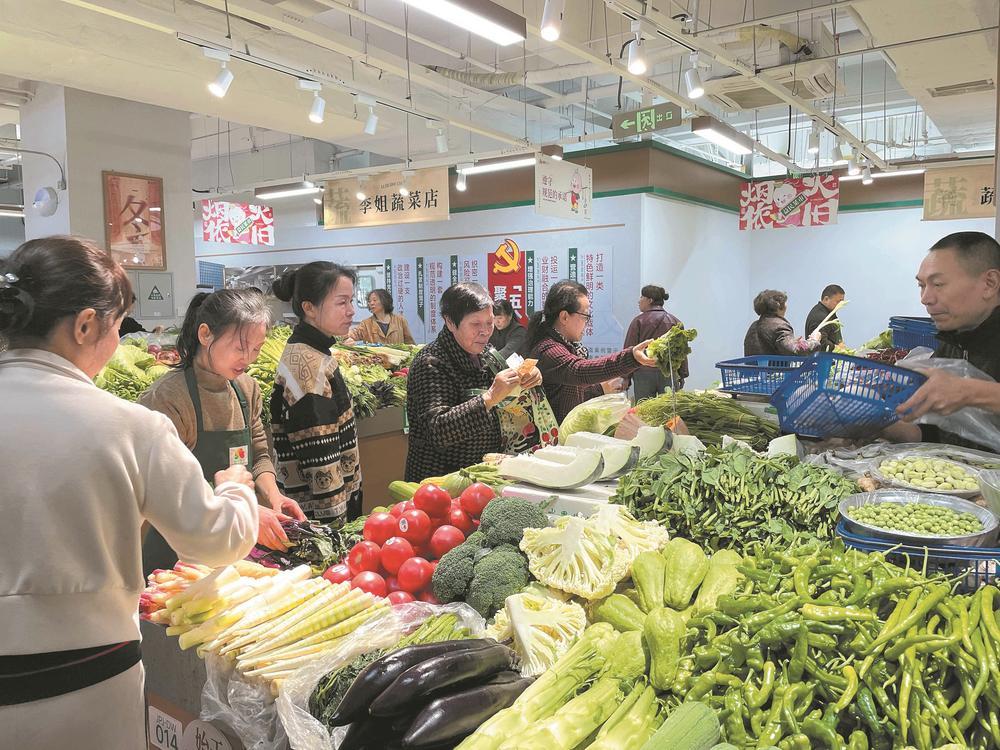
Core Viewpoint - The agricultural supply in Chengdu is stable and sufficient, ensuring the availability of essential food products for the population during the winter season, despite adverse weather conditions [1][2]. Production Side - Chengdu has a diverse agricultural supply, including vegetables, meat, eggs, dairy, fruits, and fish, with significant production areas dedicated to various crops [1][2]. - The area of vegetable cultivation in Pengzhou is 267,000 acres, with over 20 major varieties expected to be available before the Spring Festival [1]. Market Side - The Chengdu Agricultural Wholesale Market operates efficiently, with a wide variety of agricultural products and stable prices, even during peak demand periods [2][3]. - The city has established a comprehensive distribution network consisting of three large wholesale markets, over 20 regional markets, more than 800 farmer's markets, and over 7,100 retail outlets [3]. Emergency Supply - Chengdu has implemented a plan to cultivate and support production bases that can ensure stable supply during emergencies, such as natural disasters or public events [4][5]. - The city maintains a stock that can meet normal sales for seven days, with over 1,200 vegetable emergency supply bases and over 1,400 meat emergency supply bases in place [5].

保障千家万户“舌尖上的安全”
Xin Lang Cai Jing· 2025-12-23 20:11
Core Viewpoint - Chengdu is implementing measures to cultivate a number of "vegetable basket" stable production and supply bases to ensure food safety and supply for urban residents [1][2]. Group 1: Policy Implementation - The Chengdu Agricultural and Rural Bureau has issued the "Management Measures for the Cultivation and Management of Chengdu's 'Vegetable Basket' Stable Production and Supply Bases" [1]. - The measures aim to enhance urban operational safety and provide assurance for the daily lives of residents [1]. Group 2: Base Requirements - The "vegetable basket" stable production and supply bases must be agricultural production entities within the city, including agricultural enterprises, cooperatives, and family farms, meeting specific production scale and quality safety standards [1][2]. - Recognized bases can use the "Chengdu 'Vegetable Basket' Stable Production and Supply Base" logo for product promotion and will have access to training and financial support policies [1]. Group 3: Supply Assurance - Products from these bases will be prioritized for local market supply, especially during emergencies such as natural disasters or significant public events that disrupt supply [2]. - Specific application conditions and scale standards are set, such as a minimum planting area of 20 acres for vegetable bases and an annual output of over 500 pigs for pig production bases [2].
传达学习习近平总书记重要指示精神部署未成年人思想道德建设和“三农”等工作
Xi An Ri Bao· 2025-12-22 02:52
Group 1 - The meeting emphasized the importance of moral education for minors as a strategic and foundational task, advocating for the implementation of quality improvement in basic education and a collaborative education mechanism involving schools, families, and society [2] - The meeting highlighted the need to strengthen farmland protection and management, focusing on reducing farmland occupation by revitalizing existing land and enhancing the regulatory capacity for food security [2] - The meeting called for the continuous consolidation and expansion of poverty alleviation achievements, implementing a comprehensive rural revitalization strategy, and accelerating agricultural modernization [2] Group 2 - The meeting stressed the need to address historical issues with determination and systematic thinking, focusing on resolving long-standing petition cases and improving governance capabilities [2] - The meeting aimed to systematically resolve the difficulties in real estate registration, promoting reforms such as "multi-measure integration" and "separation of certificates and payments" [2] - The meeting encouraged the promotion of labor model and craftsman spirit, leveraging the exemplary role of labor models and advanced collectives to foster a strong atmosphere for high-quality development in Xi'an [3]
田间“支暖招”、供应“不断档” 各地直面寒潮 保障“菜篮子”货足价稳
Yang Shi Wang· 2025-12-12 10:14
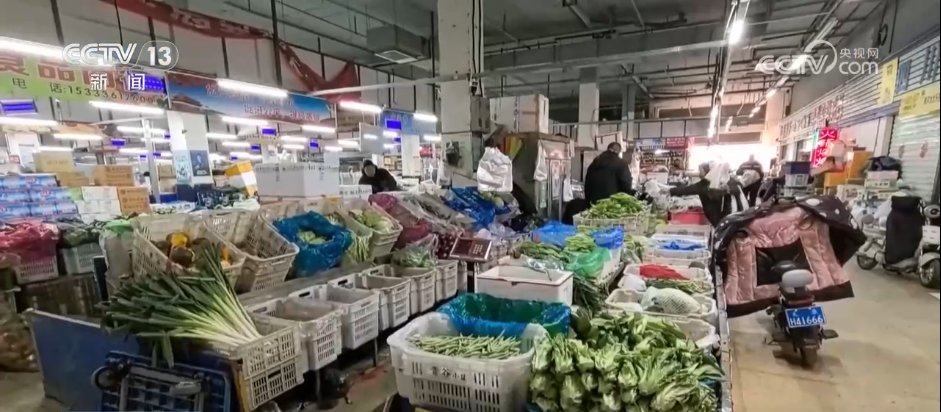
12日上午,河南西部、中部出现雨雪天气,气温普遍降至0摄氏度以下。多地提前组织农技人员指导设施蔬菜、田间小麦进行防寒保暖, 保障农作物安全越冬。 央视网消息:12月12日凌晨,山西朔州市迎来大范围降雪,气温骤降至零下13摄氏度。面对低温天气,当地果蔬批发市场多措并举,保障 市民"菜篮子"货足价稳。 12日清晨,记者走访朔州市一家大型果蔬批发市场,发现蔬菜、肉类等生活必需品货源充足、价格平稳。在一家店铺里,货运工人正忙着 清点蔬菜、搬运装车。 据了解,这家果蔬批发市场年交易量可达30万吨,承担着朔州市85%以上的"菜篮子"保供任务。这几天,该市场提前充实商品储备,全力 保供稳价。市场商户表示,下雪前接了20多吨蔬菜,够2到3天的货,蔬菜都是现接现卖的新鲜菜。只有少部分蔬菜每斤有两到三角的涨幅,大 部分蔬菜都和下雪前价格一样。 河南:应对雨雪降温天气 多举措保障农业生产 眼下,河南省冬小麦正处于苗期,强降温可能对晚播的田块构成一定冻害威胁,延缓出苗进程。在周口市郸城县,当地农业农村局组织专 家组对全县142万亩冬小麦开展苗情巡查,为农户提供技术指导。 在新乡市原阳县,农技人员指导农户提前加固蔬菜大棚,搭建二层保温 ...
多地迎来降雪降温天气 农业部门迅速行动保障市民“菜篮子”供应充足
Yang Shi Wang· 2025-12-12 09:15
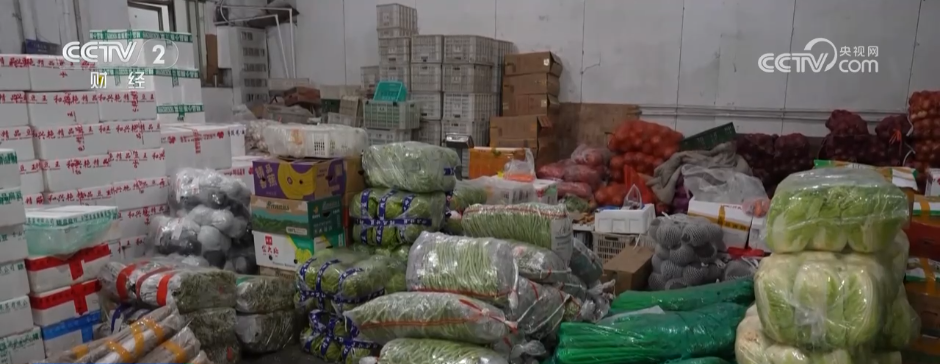
Group 1 - The core viewpoint of the articles highlights the proactive measures taken by agricultural departments in Shanxi to ensure the safety and supply of agricultural production amidst severe weather conditions, including heavy snowfall and temperature drops [1][3][5] Group 2 - Starting from December 11, Shanxi experienced widespread snowfall and a cold wave, prompting local agricultural departments to activate emergency response mechanisms [3] - Agricultural experts provided guidance to farmers for reinforcing greenhouses, repairing damaged materials, and preventing wind damage [3] - Continuous communication with meteorological and emergency management departments was emphasized to share weather information and issue warnings [3] Group 3 - In Linfen, a large agricultural market was observed actively receiving vegetable shipments, with stable prices for essential winter vegetables like potatoes and cabbages at around 1 yuan per jin [7] - The market management coordinated with vendors to secure supplies from various regions, increasing transportation and storage efforts to ensure a smooth supply chain [9] - The daily vegetable reserve in Linfen exceeded 300 tons, effectively meeting the purchasing needs of residents in the city and surrounding areas [9]
寒潮来袭:多地启动应急预案 全力保障“菜篮子”供应与供暖安全
Yang Shi Wang· 2025-12-10 09:24
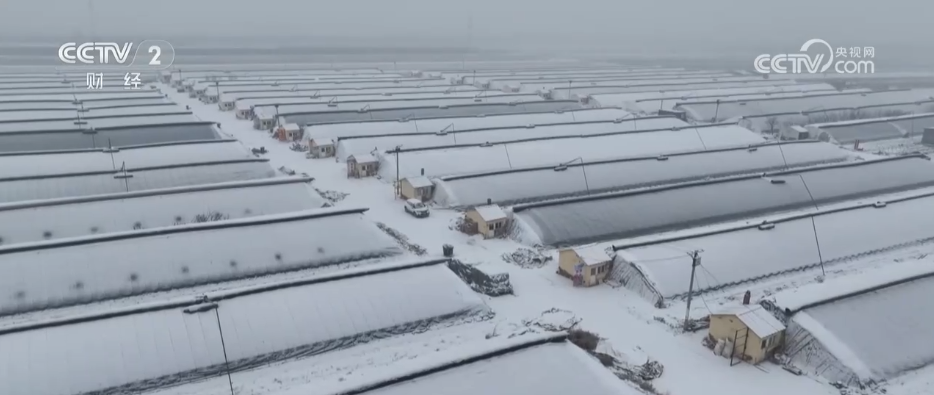
Group 1 - The core viewpoint of the articles highlights the impact of a cold air mass leading to significant snowfall and temperature drops across Inner Mongolia and Shanxi province, with extreme low temperatures recorded [1][3][5] - In Inner Mongolia, temperatures in cities like Hulunbuir have plummeted to nearly -40 degrees Celsius, prompting local authorities to enhance heating and supply measures [1][3] - The extreme cold has led to the activation of emergency response plans, including ice removal on roads and increased water supply temperatures to maintain heating quality [3][5] Group 2 - In Shanxi province, particularly in Taiyuan, preparations are underway to ensure sufficient supply of essential goods, particularly vegetables and meat, in anticipation of the cold wave [6][7] - Local markets are actively stocking up to stabilize prices and ensure availability of fresh produce, with reports indicating that prices for major vegetables and meat products remain stable [9][10] - The weather forecast predicts further snowfall and temperature drops in the region from December 11 to 13, with expected temperature decreases exceeding 8 degrees Celsius and wind speeds surpassing level 9 [5]

中经评论:如何拎稳百姓菜篮子
Zhong Guo Jing Ji Wang· 2025-12-09 08:20
Core Insights - Recent vegetable price increases in multiple regions are attributed to adverse weather conditions delaying market entry and production reductions due to disasters, leading to supply chain disruptions [1] - Improved supply capabilities are noted, with farmers expanding planting due to earlier price increases and new vegetable harvests from regions like Yunnan, Guangxi, and Hainan [1] - Predictions indicate that winter temperatures will be close to or above normal, which is favorable for vegetable growth, and market stability is expected as northern facilities begin to supply vegetables [1] Group 1 - The impact of extreme weather, supply chain transitions, and changing demand on vegetable prices is highlighted, indicating that price fluctuations are a normal phenomenon in a market economy [2] - China's vegetable production accounts for over half of the global total, with per capita vegetable availability exceeding three times the world average, showcasing the country's agricultural strength [2] - The "vegetable basket project" initiated in 1988 has led to significant advancements in vegetable production, with annual output reaching approximately 800 million tons [2] Group 2 - The concept of "eating vegetables by latitude" reflects the increasing specialization and scale of vegetable production, with major production areas separated from consumption centers [3] - Local governments are responsible for ensuring stable vegetable supply and must coordinate production, distribution, and market regulation effectively [3] - Encouragement for the development of detailed vegetable production maps and urban agriculture initiatives is suggested to enhance local supply capabilities [3] Group 3 - The wholesale market remains the primary channel for vegetable distribution, and there is a need for market upgrades and improved logistics infrastructure [4] - Government intervention in vegetable pricing should be limited, but measures to address severe price fluctuations are necessary [4] - Strategies to maintain total supply, optimize structure, ensure smooth circulation, and stabilize prices are essential for meeting public demand for quality living [4]
如何拎稳百姓菜篮子
Jing Ji Ri Bao· 2025-12-09 00:28
"按纬度吃菜"是业内的流行语。背后恰恰是蔬菜生产的日益规模化专业化,产地和销地相对分离, 生产主要集中在六大优势主产区,而消费主要集中在大中城市。在此背景下,很多城市蔬菜供应依赖外 埠,一旦发生产销不畅等问题,就容易出现价格异常波动现象。我国实行"菜篮子"市长负责制。尽管老 百姓的"菜篮子"总体有保障,但是地方政府依然要以时时放心不下的责任感,统筹生产发展、产销衔 接、流通运输、市场调控等各项工作,抓好稳产保供。 建好"菜园子"。鼓励相关协会或机构发布蔬菜品种的细分产业地图,包括面积产量、主栽品种、上 市周期等信息,回答"在哪里、有多少"等问题,引导主产区科学生产。大中城市也不能把蔬菜供应都寄 托在主产区上,自身也要保有一定的菜地和产能。浙江省杭州市财政每年都会安排专项资金,连续10多 年支持蔬菜基地建设,值得各地学习。大中城市可以发展都市农业,既能丰富农产品供给,又能供市民 观光休闲。 看好"菜摊子"。批发市场依然是蔬菜流通的主渠道,要推动批发市场改造升级,加强仓储保鲜物流 设施建设。政府不应直接干预蔬菜价格,但对价格剧烈异常波动,要有应对措施。要多用市场手段,落 实重要"菜篮子"产品储备调节,创新使用农业 ...

全球最低菜价背后:中国农民一天挣100元,美国却要1000元?
Sou Hu Cai Jing· 2025-12-06 04:34
Core Insights - The significant price disparity between vegetables in China and the U.S. highlights the remarkable changes in Chinese agriculture over the past four decades, transforming from limited options to a diverse range of fresh produce available in supermarkets [1] Group 1: Agricultural Labor Costs - In China, the daily labor cost for farmers is approximately 100 yuan, while in California, U.S., it reaches 1,000 yuan, creating a nearly tenfold difference that directly impacts planting costs [3] - For instance, the labor cost for growing cucumbers in Shandong is about 3,000 yuan per acre, whereas similar-sized farms in the U.S. incur labor costs of around 30,000 yuan [3] - Chinese farmers have developed expertise in vegetable cultivation, combining traditional knowledge with modern technology, resulting in a 40% increase in vegetable yield over the past decade [3] Group 2: Logistics and Distribution - The optimization of logistics systems has facilitated the transportation of vegetables from southern to northern China, significantly lowering prices [4] - For example, in Yunnan, farmers begin packaging freshly harvested vegetables at 3 AM, and after 24 hours of transport, these vegetables reach consumers in Beijing [4] - Data from Tianjin's Haijixing market indicates that 95% of vegetables are shipped directly from the source, with the price of lettuce increasing by only 1.2 yuan from farm to supermarket [4] Group 3: Market Challenges - Despite low vegetable prices, farmers face risks such as price drops leading to unsustainable selling prices, sometimes resulting in crops being left unharvested [6] - The cost of production per acre is about 3,000 yuan, but in cases of price collapse, farmers may only sell their produce for a few hundred yuan [6] - The balance of vegetable prices is maintained by the hard work of millions of farmers, reflecting the complexities of ensuring food security for a population of 1.4 billion [6]
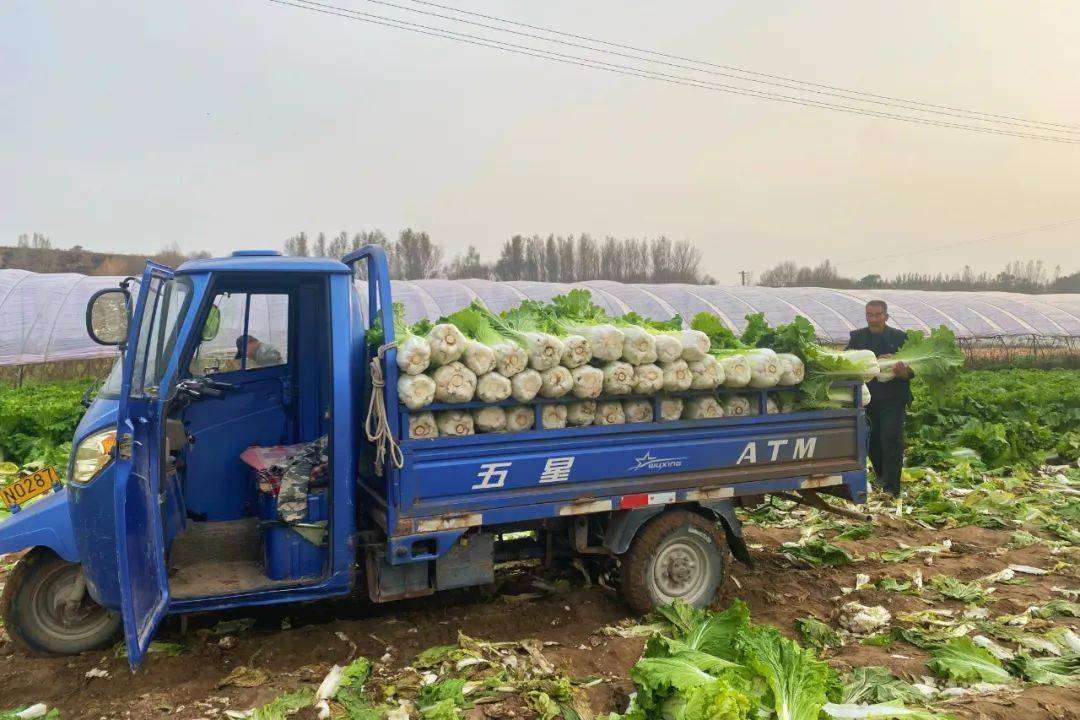
应对低温挑战 多地数措并举保障百姓“菜篮子”供应充足
Yang Shi Wang· 2025-12-04 08:26
Group 1 - Shanxi has experienced a significant drop in temperature and strong winds, prompting local agricultural markets to stock up in advance to ensure sufficient supply for residents' "vegetable baskets" [1] - In Taiyuan, Shanxi, a large agricultural market shows a rich variety of vegetables and fruits, indicating that the cold weather has not affected market supply [3] - In Jinzhong, Shanxi, temperatures have dropped to around -10°C, leading to necessary insulation measures for merchants' storage and display areas [3] Group 2 - In Zhengzhou, Henan, the sudden drop in temperature has posed challenges for vegetable production and transportation, prompting markets to take swift action to ensure winter supply [4] - The cold weather has caused a slight increase in prices for certain vegetables like tomatoes and cucumbers, leading merchants to increase their stock levels [6] - Market management in Zhengzhou is enhancing procurement from southern regions like Yunnan and Sichuan, as well as expanding sources from greenhouses in Shandong and Inner Mongolia to maintain a diverse and solid supply [8] Group 3 - In Jiangsu, temperatures have dropped to -1°C, impacting agricultural production, particularly in Taizhou [10] - Local agricultural technicians are providing targeted cold protection guidance to vegetable growers, including installing double-layer films and accelerating the harvest of mature vegetables to prevent frost damage [10] - In Liangxu Street of Taizhou, mushroom growers are enhancing greenhouse insulation to prevent the mycelium of matsutake mushrooms from entering dormancy due to low temperatures [12]