
陆海统筹

Search documents
【图解】谋篇布局“十五五”|未来5年,区域协调发展这盘棋怎么下?
Zhong Guo Jing Ji Wang· 2025-11-11 09:25
Core Points - The article discusses the strategic layout and key tasks for the "15th Five-Year Plan" aimed at optimizing regional economic structures and promoting coordinated regional development [2][4][5] Group 1: Regional Development - The plan emphasizes enhancing regional development coordination and promoting inter-regional collaborative growth [2][4] - It outlines four major areas of focus: solidifying the new pattern of western development, achieving breakthroughs in the revitalization of the northeast, accelerating the rise of central regions, and advancing modernization in eastern regions [4] - The strategy includes three main driving forces to consolidate and elevate the high-quality development of the Beijing-Tianjin-Hebei region, the Yangtze River Delta, and the Guangdong-Hong Kong-Macau Greater Bay Area [4] Group 2: Urbanization and Infrastructure - The plan aims to advance people-centered new urbanization, emphasizing the scientific and orderly urbanization of agricultural transfer populations [5] - It includes significant investment in urban renewal and border town construction, which is expected to stimulate a virtuous cycle of investment and consumption, revealing substantial domestic demand potential [5][6] - The construction and renovation of underground pipelines are projected to exceed 700,000 kilometers, with new investment needs surpassing 5 trillion yuan [6] Group 3: Marine Economy - China's marine economy has surpassed 10 trillion yuan, and the "15th Five-Year Plan" will further promote high-quality development in this sector, accelerating the construction of a marine power [8] - The plan includes strengthening marine technology innovation and enhancing ecological protection and restoration in key marine areas [7]


经略海洋,广东何以担纲“强国先锋”
2 1 Shi Ji Jing Ji Bao Dao· 2025-11-07 04:53
Core Insights - The recently passed "14th Five-Year Plan" emphasizes the importance of marine economy and the development of a maritime power, aiming for high-quality growth in marine sectors [2][3] Marine Economy Development - Guangdong province is set to surpass 2 trillion yuan in marine GDP by 2024, becoming the first province to achieve this milestone, and has led the nation in marine economic growth for 30 consecutive years [3] - The upcoming provincial marine economy conference in June 2025 will outline new strategies for developing emerging industries such as marine renewable energy and marine engineering equipment [3] Technological Innovation in Marine Industries - Since 2018, Guangdong has supported six key marine industries, resulting in 315 innovation projects and 281 key technology breakthroughs, with 25 projects filling domestic gaps and 20 reaching international standards [4] - The province has established billion-level industrial clusters in marine engineering and offshore wind power, showcasing significant technological advancements [5] Regional Economic Integration - Coastal cities in Guangdong are rapidly developing marine economies, with offshore wind power and green energy driving regional growth and supporting the "Hundred Counties, Thousand Towns, and Ten Thousand Villages" initiative [6] - The province is focusing on creating a modern coastal industrial system that integrates land and sea resources, enhancing regional coordination and economic synergy [5][6]
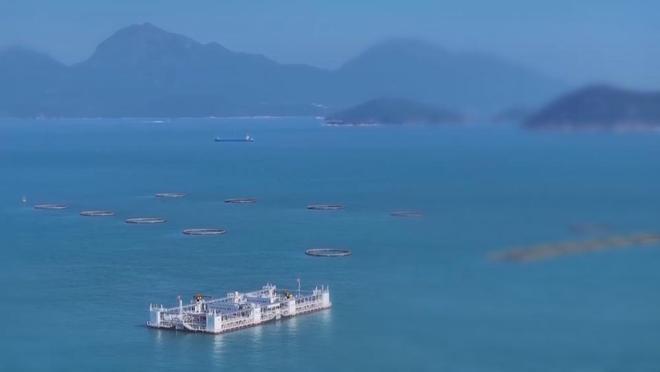
江苏首次亮相2025中国海博会 多维展示海洋强省“深蓝答卷”
Xin Hua Ri Bao· 2025-11-05 07:39
Core Insights - The 2025 China Marine Economy Expo was held in Shenzhen, showcasing Jiangsu's transition from a "marine province" to a "marine strong province" with significant participation from coastal cities like Nantong, Yancheng, and Lianyungang [1] Group 1: Jiangsu's Marine Economy Development - Jiangsu has a coastline of 954 kilometers and considers its marine economy a "blue engine" for high-quality development [1] - The province's participation in the expo reflects a collaborative model with local development and marine authorities, aiming to enhance global resource connectivity through the Guangdong-Hong Kong-Macao Greater Bay Area [1] Group 2: Nantong's Achievements - Nantong's "NGUYAFLNG" floating LNG facility model was highlighted, with an annual production capacity of 2.4 million tons, showcasing the city's strength in high-end marine equipment manufacturing [2] - In 2024, Nantong's marine production value is projected to reach 260.6 billion yuan, accounting for 25% of the province's total and 50% of the coastal cities' total [2] - The city has established a financial fund cluster exceeding 100 billion yuan to support the marine industry [2] Group 3: Yancheng's Innovations - Yancheng's exhibition featured advanced aviation equipment, including a 1.4-ton unmanned helicopter and a tilt-rotor aircraft, symbolizing the integration of ecology and technology [3] - The city accounts for 40% of the national offshore wind power equipment production capacity, with a total installed capacity of 5.73 million kilowatts by the end of September, representing 47.7% of the province's and 12.8% of the nation's total [3] - Yancheng is exploring various zero-carbon park construction paths, aiming to become a hub for international offshore renewable energy [3] Group 4: Lianyungang's Multi-Dimensional Industry - Lianyungang's exhibition showcased its diverse industry system combining fisheries, transportation, and tourism [4] - The port's throughput is expected to reach 346 million tons in 2024, with container traffic projected at 6.69 million TEUs [4] - The city has established 39 provincial-level marine innovation platforms and launched the "Huaguoshan Talent Program" to support marine industry development [4] Group 5: Future Directions - Jiangsu aims to leverage national marine resources through this expo, focusing on "land-sea coordination" and "river-sea linkage" to create a globally influential marine economy innovation hub [4] - The province plans to deepen industrial cooperation with other regions and promote the transformation of achievements in support of building a marine power [4]
海洋经济何以成为广西高质量发展“蓝色引擎”|一线调研
Di Yi Cai Jing· 2025-10-30 05:47
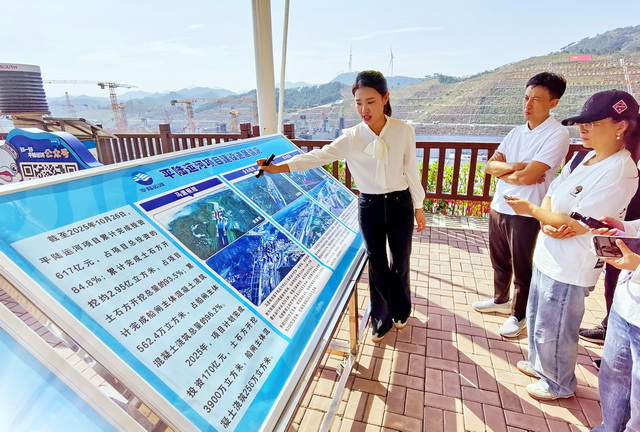
Core Viewpoint - Guangxi is optimizing its marine ecological protection policies while prioritizing ecological preservation, aiming to expand marine economic development space and enhance the region's economic growth through marine resources [1][2]. Marine Economic Growth - The marine production value in Guangxi is projected to grow from 137.7 billion yuan in 2017 to 258.09 billion yuan in 2024, with an average annual growth rate of 9.4%, surpassing the overall GDP growth rate of the region [1]. - It is estimated that from January to September 2025, the marine production value will reach approximately 204.3 billion yuan, reflecting a year-on-year increase of 5.4% [1]. Strategic Initiatives - Guangxi is focusing on major strategies such as the Western Land-Sea New Corridor and the Beibu Gulf International Gateway Port to effectively support significant projects [1]. - The region has released 2,419 square kilometers of marine space for development, nearly doubling the area available for marine economic activities [2]. Project Approvals and Investments - From 2017 to 2024, Guangxi has approved 785 projects involving a marine area of 792,700 acres, with a total investment of approximately 262.93 billion yuan [2]. - In the first nine months of this year, 38 marine projects were approved, covering an area of 5,849.16 hectares, with a total investment of 93.66 billion yuan [2]. Ecological Restoration Efforts - Guangxi has completed the restoration of 195 kilometers of coastline, 3,324 hectares of coastal wetlands, and 1,366 hectares of mangroves, contributing to the ecological health of the region [1][8]. - The Beibu Gulf has implemented 10 marine ecological protection and restoration projects with a total investment of nearly 4 billion yuan, focusing on estuaries, mangroves, and coral reefs [8]. Pollution Control and Environmental Management - The city of Beihai has initiated pollution control and ecological restoration projects, including a 2.3 billion yuan investment in the Fengjia River basin to improve water quality and restore ecosystems [6]. - The Fengjia River basin has seen significant improvements, with the water quality upgraded from a long-term inferior level to meeting or exceeding Class IV surface water standards [6]. Infrastructure Development - The Pinglu Canal, a key project in the Western Land-Sea New Corridor, is expected to reduce the shipping distance for the upper reaches of the Xijiang River by approximately 560 kilometers upon completion [5]. - The project has initiated land reclamation efforts across 101 sites, covering a total area of 37,600 acres, with significant progress in land restoration activities [5]. Policy and Monitoring Initiatives - Guangxi has become the first province in China to release a provincial-level marine ecological early warning monitoring report, enhancing the monitoring capabilities of its coastal waters [9]. - The region is implementing a comprehensive marine disaster prevention system with an investment of nearly 1 billion yuan, establishing a real-time observation network covering 14,280 square kilometers of marine area [9].
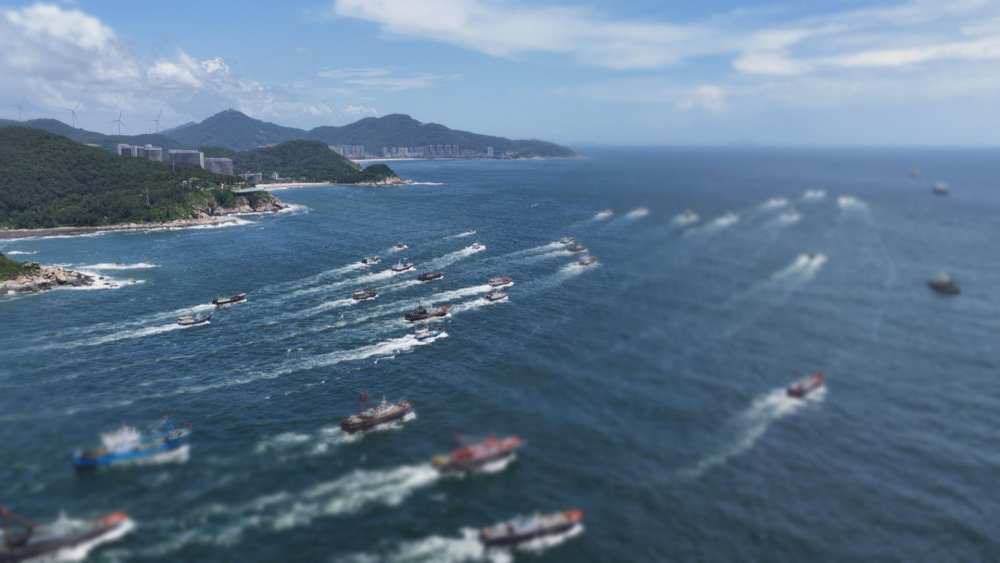
“十五五”首次单列海洋为重点任务,“陆海统筹”内涵深化
2 1 Shi Ji Jing Ji Bao Dao· 2025-10-30 05:13
Core Viewpoint - The "15th Five-Year Plan" emphasizes the importance of marine development and protection, marking a shift towards a more structured and measurable approach to becoming a "maritime power" [3][4]. Group 1: Marine Economic Development - The plan aims for China's marine GDP to reach 10.5 trillion yuan by 2024, indicating a continuous expansion of the marine economy [3]. - The focus will shift from merely increasing the scale of the marine economy to optimizing its structure and enhancing efficiency, particularly in emerging industries like marine equipment manufacturing, marine new energy, and marine biomedicine [3][4]. Group 2: Technological Innovation and Industry Growth - The plan highlights the need for strengthening marine technological innovation and consolidating the advantages of the marine equipment manufacturing industry [4][5]. - It aims to develop modern shipping services and enhance the marine economy's contribution to overall economic growth [5]. Group 3: Ecological Protection and Resource Management - The plan calls for the implementation of marine surveys and monitoring, as well as the development and protection of marine resources and ecosystems [5][6]. - It emphasizes the establishment of a comprehensive environmental governance system that integrates land and sea, aiming to control pollution and protect marine ecology [7]. Group 4: Strategic Importance of Marine Resources - The development of marine resources is seen as a solution to land-based resource constraints, providing alternative sources of minerals, new energy, and food [4][5]. - The plan is expected to create new growth points for China's economy by enhancing supply chain security through marine resource development [4].
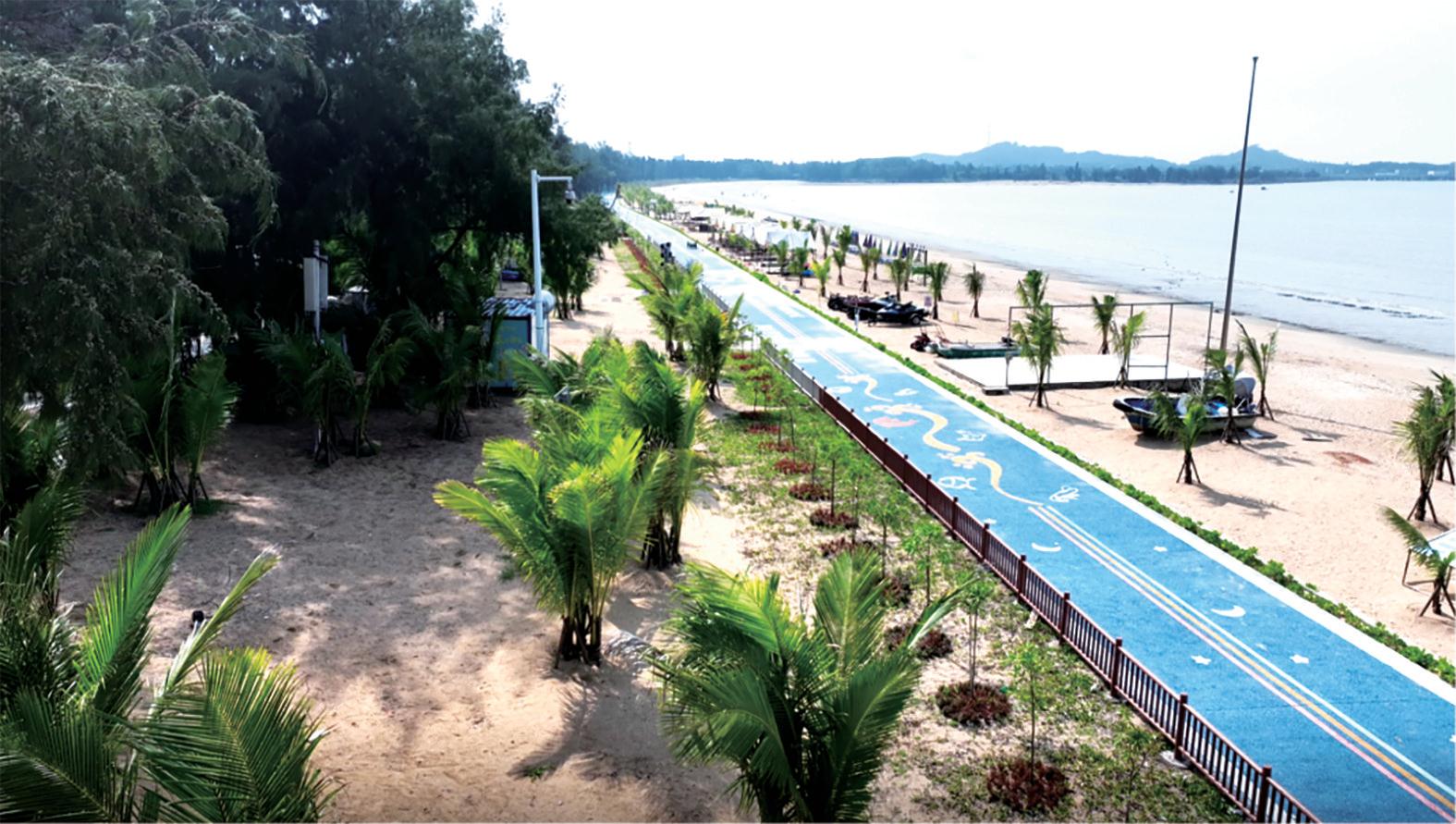
专访陆铭:区域增长极需创新消费双轮驱动
Zhong Guo Xin Wen Wang· 2025-10-28 04:50
Core Viewpoint - The importance of regional growth poles in China's economic development is increasingly prominent, with innovation and consumption as the two main driving forces [1] Group 1: Mechanisms for Urban-Rural Integration - Large cities can drive the development of small and medium-sized cities through industrial chain connections, where large cities handle R&D, design, and sales, while smaller cities focus on manufacturing and tourism [2] - Consumption spillover occurs as large city populations create demand that extends to surrounding areas, facilitating cross-city consumption flows [2] Group 2: Recommendations for Promoting Integration - To achieve integration, efforts should focus on three aspects: population flow, land allocation, and capital and public services [3] - Large cities should accelerate the urbanization of migrant populations and equalize public services, while smaller cities need to enhance their public service offerings to attract talent [3] - Land use indicators should be dynamically adjusted based on population movement, with increased land supply in inflow areas and revitalization of idle land in outflow areas [3] Group 3: Policy Initiatives - Short-term key policy measures include deepening household registration system reforms and promoting the urbanization of agricultural transfer populations [5] - Promoting population flow can enhance national human resource allocation efficiency and alleviate fiscal burdens in underdeveloped areas [5] Group 4: Coastal and Marine Economic Development - The interdependence of land and marine economies is crucial, as economic activities are concentrated in the east while energy resources are primarily in the west [6] - Coastal areas need to overcome energy bottlenecks, and marine economies represent new growth points for development [6] - Strengthening logistics and marketing systems for marine resources can create new economic opportunities for coastal provinces and cities [6]
碧海红树间的全球海湾治理方案
Zhong Guo Zi Ran Zi Yuan Bao· 2025-10-21 06:07
Core Viewpoint - The ecological restoration practices in Qinzhou, Guangxi, have gained international recognition, showcasing a successful model for coastal ecological governance and sustainable development [2][4]. Group 1: International Recognition - The Qinzhou Bay ecological disaster reduction case has been recognized as one of the nine global exemplary cases, marking the third time Guangxi's coastal ecological restoration projects have appeared on the international stage this year [4]. - The case was awarded as an excellent example at the third United Nations Ocean Conference in Nice, France, and received funding as a key project under the "Ocean Decade" initiative in Qingdao, Shandong [4]. Group 2: Historical Context - Qinzhou Bay faced severe ecological crises due to storm surges and human activities, leading to significant coastal erosion and habitat degradation [6]. - The area, crucial for the Beibu Gulf Economic Zone, experienced a retreat of the coastline and damage to its natural resources, impacting local fisheries and tourism [6]. Group 3: Ecological Restoration Efforts - A comprehensive coastal protection system has been established, integrating "beach-slope-protective forest" and "mangrove-ecological slope" strategies to enhance ecological resilience [8]. - The region has successfully restored 512.99 hectares of mangroves and 33.94 kilometers of coastline, achieving wave height reduction rates of up to 63.7% [8]. Group 4: Economic and Social Impact - The ecological restoration has translated into tangible economic benefits, with the first mangrove carbon trading in Guangxi completed in 2024, promoting the marketization of blue carbon resources [11]. - Tourism in the restored areas surged, with 3.213 million visitors and a consumption of 2.722 billion yuan in 2024, significantly boosting local employment and economic activity [12].
山东:以“生态绿”涵养“海洋蓝”
Da Zhong Ri Bao· 2025-10-10 00:32
Core Insights - The article highlights the successful implementation of marine ecological governance in Shandong, particularly in the coastal areas, leading to improved water quality and biodiversity [1][2][3][4] Group 1: Marine Ecological Governance - Shandong has implemented a comprehensive marine ecological governance strategy, including the "Bay Chief System," which involves a three-tier management structure to oversee coastal resources and pollution control [1][2] - The province has achieved a near-perfect water quality ratio of 93.6% in nearshore waters by 2024, maintaining a top position nationally [1][2] - The introduction of a new regulatory framework for over 12,000 coastal discharge outlets aims to enhance the management and monitoring of marine pollution [3] Group 2: Innovative Practices and Economic Benefits - The "Seaweed Bed and Algal Carbon Sink Loan" initiative allows local communities to leverage carbon credits for funding marine projects, enhancing both ecological and economic outcomes [3][4] - The introduction of artificial reefs in Yantai has improved marine ecosystems and increased fish farming efficiency, with a reported 30% increase in fish survival rates post-implementation [4] - The integration of ecological restoration with economic development has led to diverse income opportunities for local residents, such as eco-tourism and sustainable fishing practices [4]
瞭望·治国理政纪事|把海南打造成海洋强省
Xin Hua She· 2025-09-27 08:23
Core Viewpoint - Hainan is actively pursuing the development of a modern marine economy, focusing on high-quality growth, technological innovation, and ecological protection, aiming to become a strong marine province by leveraging its marine resources and enhancing its marine industry [1][3][4]. Group 1: Marine Economic Development - Hainan aims to increase the marine production value's share of GDP from 33.8% in 2023 to 40% by 2026 [6]. - The "Deep Sea No. 1" gas field has reached its maximum production capacity, with an expected annual gas output of over 4.5 billion cubic meters [11][12]. - Hainan is focusing on deep-sea energy development, including the promotion of key equipment manufacturing and industrialization, particularly underwater oil trees [20][21]. Group 2: Technological Innovation - Hainan is establishing a complete chain from experimental research to industrial application for key marine equipment, such as underwater oil trees, with a target of achieving 85% localization rate for 1500-meter deep underwater oil trees by 2026 [20][21]. - The province is also developing the world's first underwater data center, which integrates marine resources with digital technology, enhancing the efficiency of marine resource utilization [7][8]. Group 3: Ecological Protection - Hainan has implemented strict ecological protection measures, achieving a water quality excellence rate of 99.9% in nearshore waters, with key ecosystems like coral reefs and seagrass beds in healthy condition [4][29]. - The province has established a comprehensive ecological protection and pollution prevention mechanism, including the first local ban on single-use plastics in China [23][24]. - Hainan's efforts in ecological restoration have led to the return of rare marine species, showcasing the success of its environmental protection initiatives [29]. Group 4: Marine Industry Transformation - Hainan is promoting the transformation and upgrading of modern marine industries, focusing on new energy sources like offshore wind power and deep-sea oil and gas production [12][21]. - The province is also developing marine ranching, integrating tourism and aquaculture to create a new business model that enhances local livelihoods [13][14]. Group 5: Research and Development - Hainan is positioning itself as a national marine science and technology innovation hub, leveraging its natural resources and institutional innovations to support marine research and development [15][16]. - The establishment of the Sanya Yazhou Bay Science and Technology City aims to attract marine-related enterprises and foster collaboration between research institutions and businesses [16]. Group 6: Community Engagement - Hainan is encouraging community participation in marine conservation efforts, with initiatives like "fishing boats collecting garbage" gaining traction among local fishermen [28]. - Educational programs are being implemented to raise awareness about marine protection among the younger generation, fostering a culture of environmental stewardship [28].
建设“海上福州”战略部署的丰富内涵和实践伟力
Ren Min Ri Bao· 2025-09-22 22:15
Core Viewpoint - The "Maritime Fuzhou" strategy proposed by Xi Jinping emphasizes the importance of ocean development as a core engine for urban growth, aiming to balance development and protection while connecting globally [1][2][3]. Group 1: Strategic Importance - The "Maritime Fuzhou" strategy is a significant move to promote economic development in Fuzhou, highlighting the city's reliance on its maritime resources [2]. - Xi Jinping's vision for a maritime power is framed as a crucial task for the rejuvenation of the Chinese nation, showcasing the strategic foresight of the "Maritime Fuzhou" initiative [2][3]. Group 2: Development Goals - The strategy aims for Fuzhou's marine industry output to exceed 10 billion yuan by 2000, with specific plans for fleet formation and infrastructure development [3]. - The initiative promotes coordinated development across various sectors, including agriculture, aquaculture, and marine high-tech industries [3]. Group 3: Environmental Considerations - The strategy integrates ecological protection with resource development, aiming to restore and maintain a healthy coastal environment [4]. - Xi Jinping's approach emphasizes the importance of ecological civilization in marine development, ensuring that environmental quality improves alongside economic growth [4]. Group 4: Systematic Thinking - The strategy advocates for a comprehensive approach to marine development, considering both land and sea resources, and promoting cultural heritage [5]. - Xi Jinping's emphasis on integrated resource management aims to enhance the clarity of Fuzhou's marine economic functions and broaden development opportunities [5]. Group 5: Legal Framework - The strategy underscores the importance of legal measures in ensuring marine governance and security, with a focus on proactive legislation [6][7]. - The establishment of a legal framework for marine environmental protection has strengthened China's capacity for sustainable ocean development [7].